
In March 1913, Louis Bleriot constructed the Bleriot XLIII, a dedicated reconnaissance and observation aircraft. This new model was a further development of the Bleriot XXXVI, featuring a two-seater mid-wing monoplane design with a monocoque fuselage. It was powered by an 80 hp Gnome 7A engine.
Innovative Design and Crew Layout
The crew was accommodated in the cockpit in a tandem configuration. A special porthole was added to the floor for the observer, providing an excellent downward field of view. This feature was intended to enhance its reconnaissance capabilities significantly.
Operational Potential and Limitations
The Bleriot XLIII was designed for long-range reconnaissance missions. However, its mediocre flight characteristics ultimately prevented Louis Bleriot from securing a contract for its serial production. Despite its innovative features, the aircraft did not achieve widespread success.
Technical Specifications
| Modification | Bleriot XLIII |
| Wingspan, m | 10.10 |
| Length, m | 6.12 |
| Height, m | 3.10 |
| Wing area, m2 | 19.30 |
| Empty weight | 350 |
| Maximum takeoff weight | 625 |
| Engine type | 1 Piston engine Gnome 7A |
| Power, hp | 1 x 80 |
| Maximum speed, km/h | 120 |
| Cruising speed, km/h | 100 |
| Crew, crew members | 2 |
Image and diagram gallery of the Bleriot XLIII
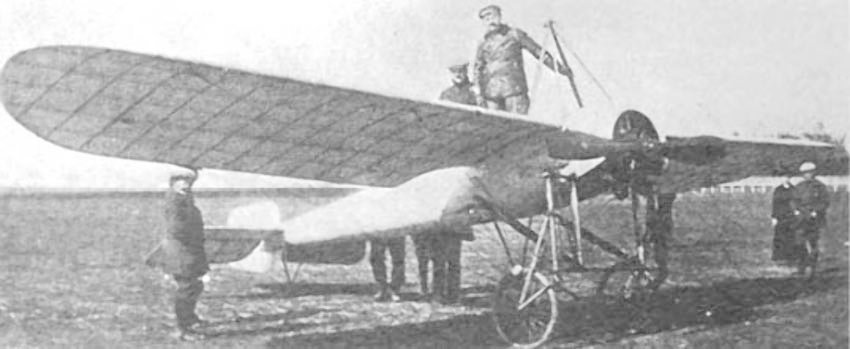 Bleriot XLIII |
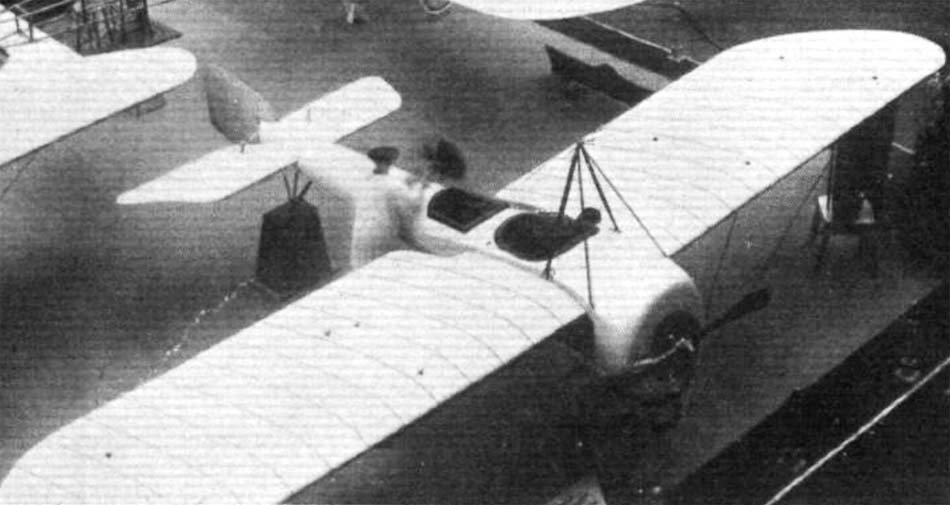 Bleriot XLIII |