
Between the two World Wars, British military aviation was actively involved in suppressing national liberation movements within the British Empire’s colonies. In areas where these movements were particularly active from the latter half of the 1920s, the RAF employed a special category of aircraft: the ‘Bomber Transport’.
These were large, twin-engine Vickers “Valencia” biplanes with spacious fuselages capable of accommodating two infantry platoons. The “Valencia” was primarily used for landing assault groups and bombing rebel bases. Additionally, it served for the evacuation of military and official families, as seen during the 1928 Kabul uprising.
Development and Design of the Bristol Bombay
The “Valencia” biplanes quickly became obsolete, prompting the British Air Ministry in 1928 to announce the C.16/28 competition for a similar three-engine aircraft. The Bristol company participated with its “Type 115” project. While the prototype was never built, its key design solutions were later used in the new “Type 130” project for the 1931 C.26/31 competition, which received high praise.
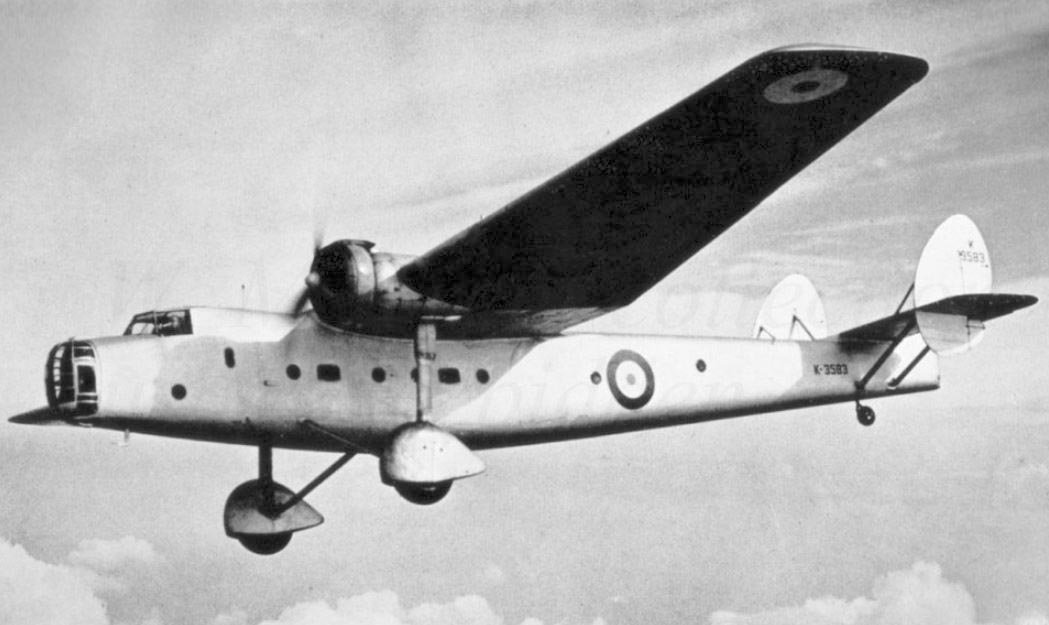
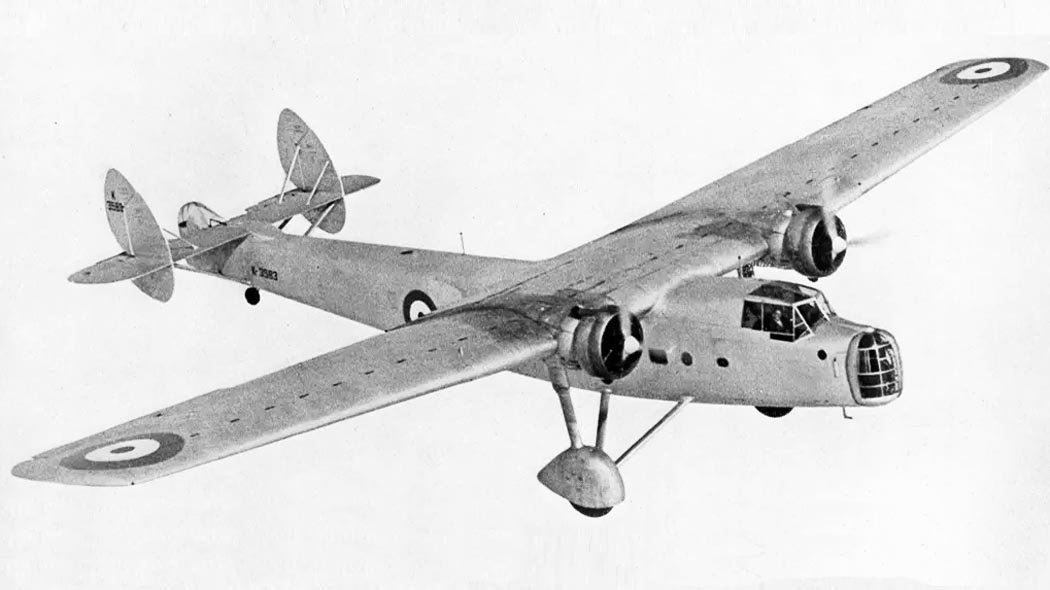
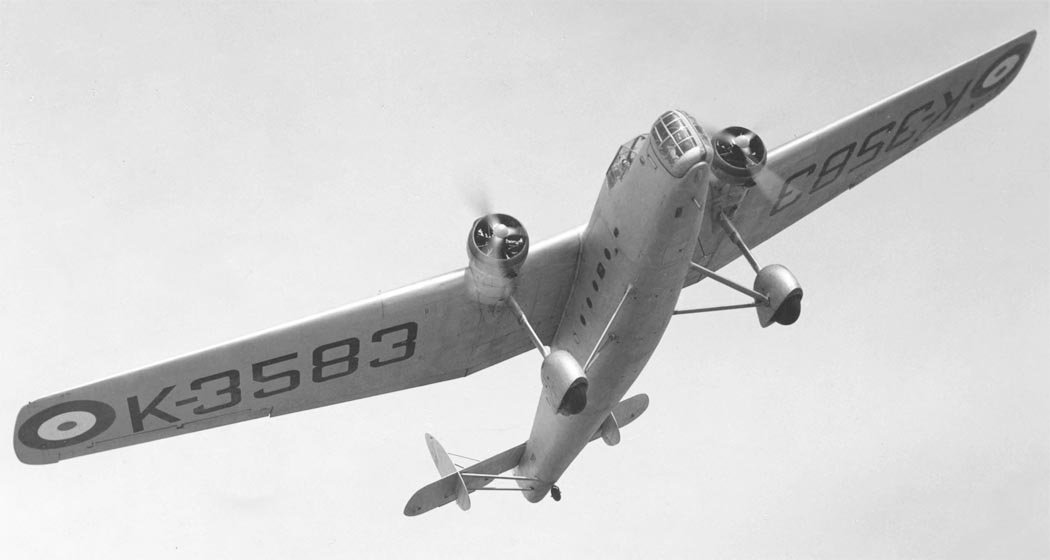
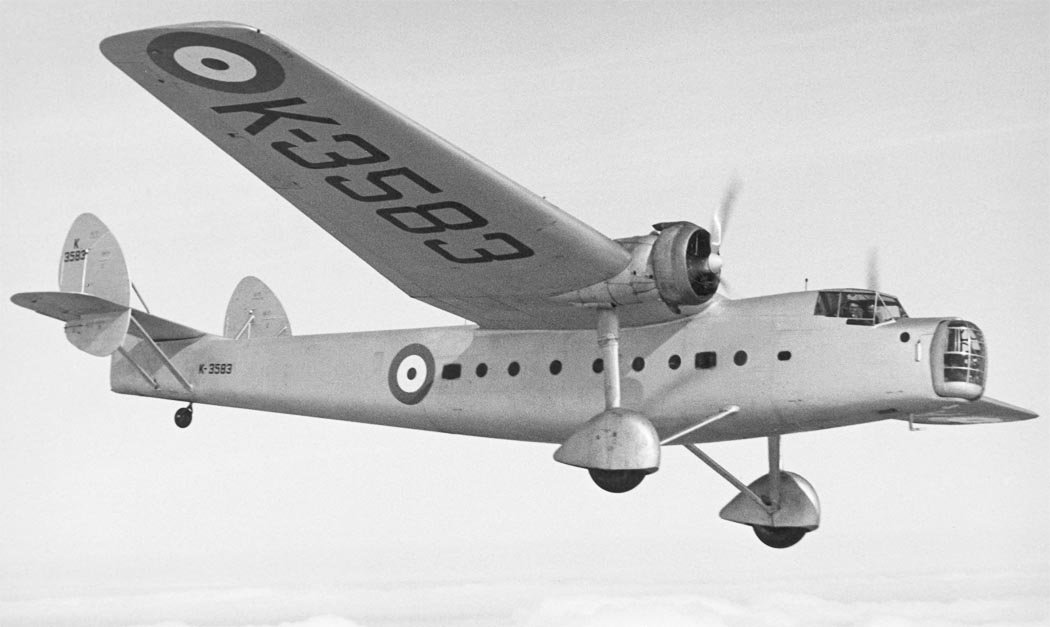
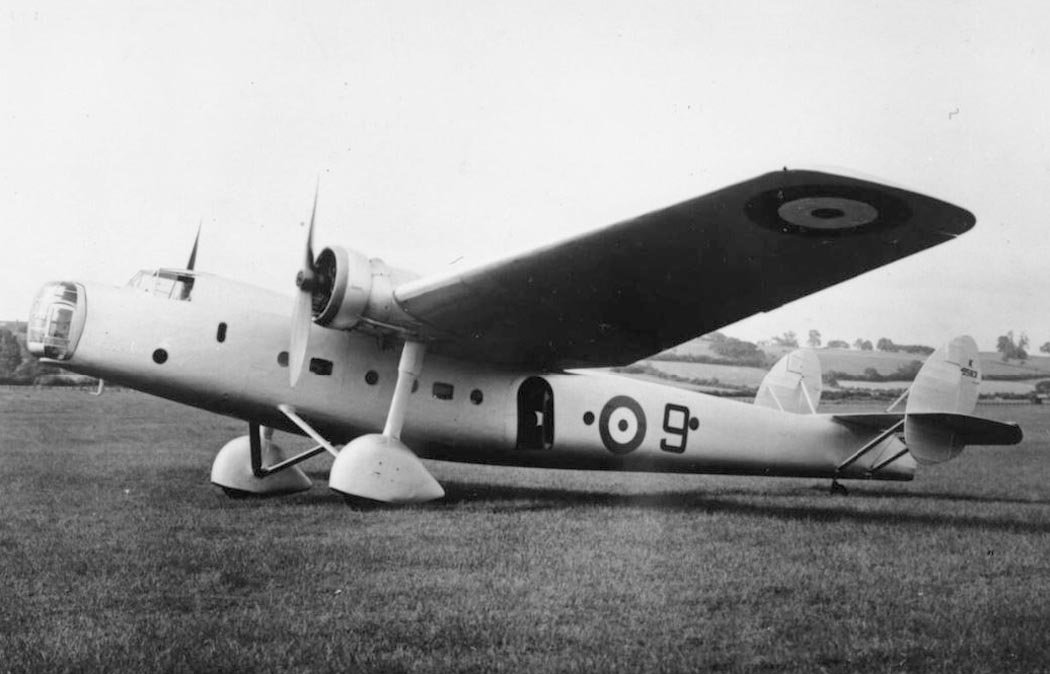
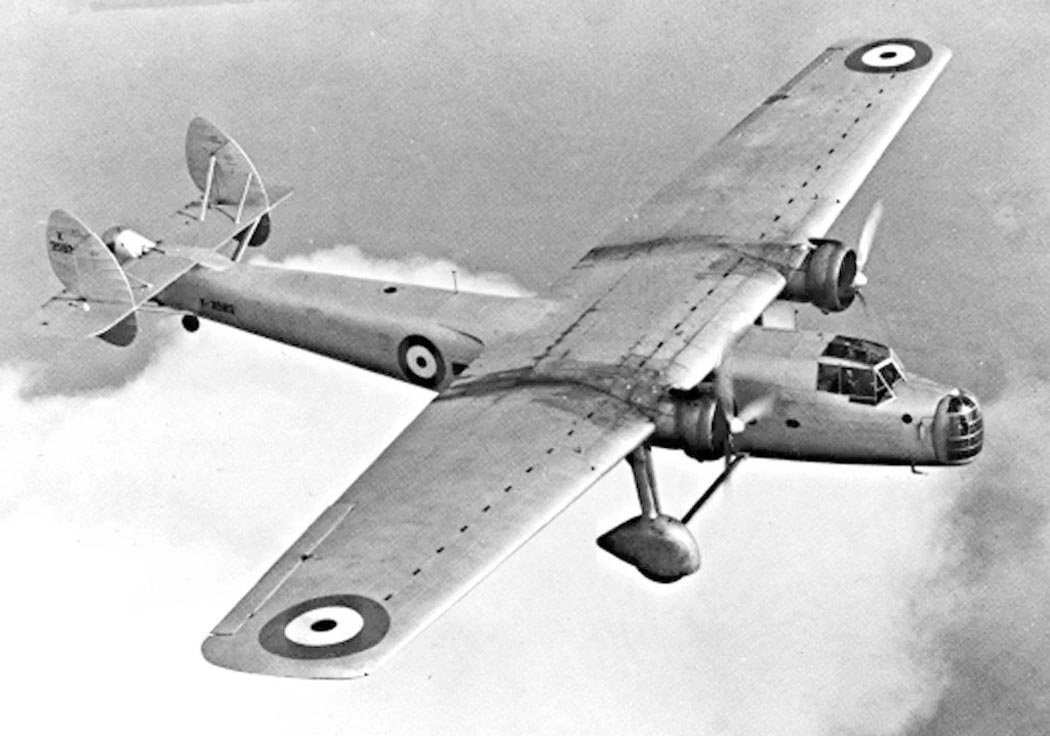
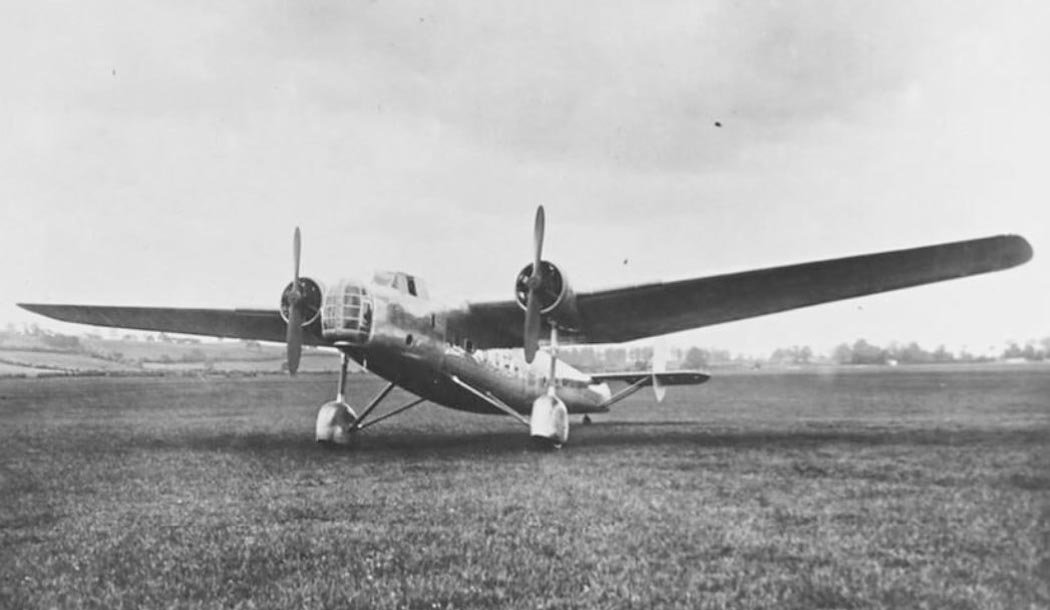
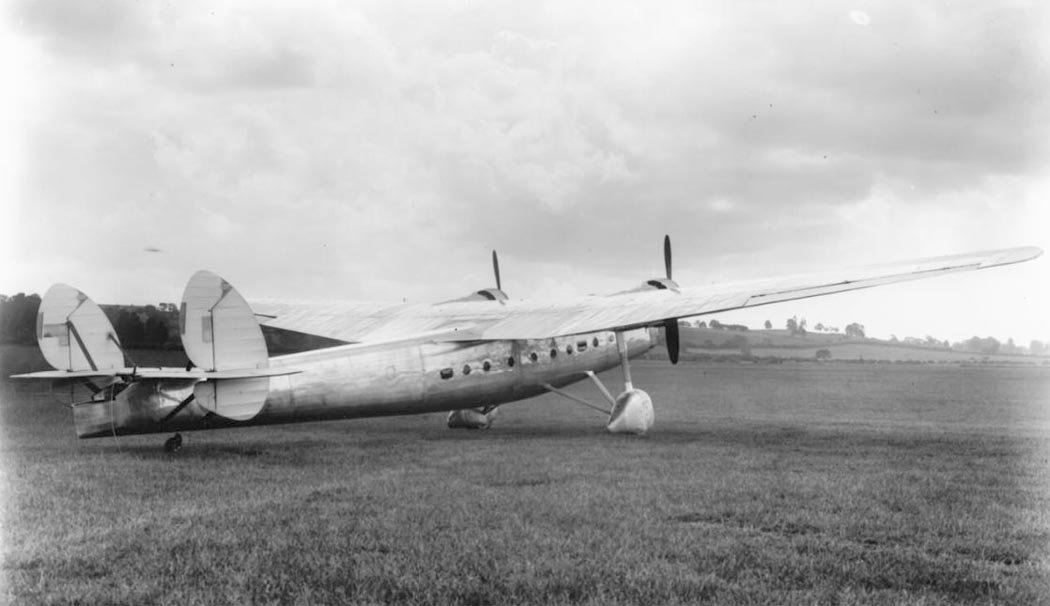
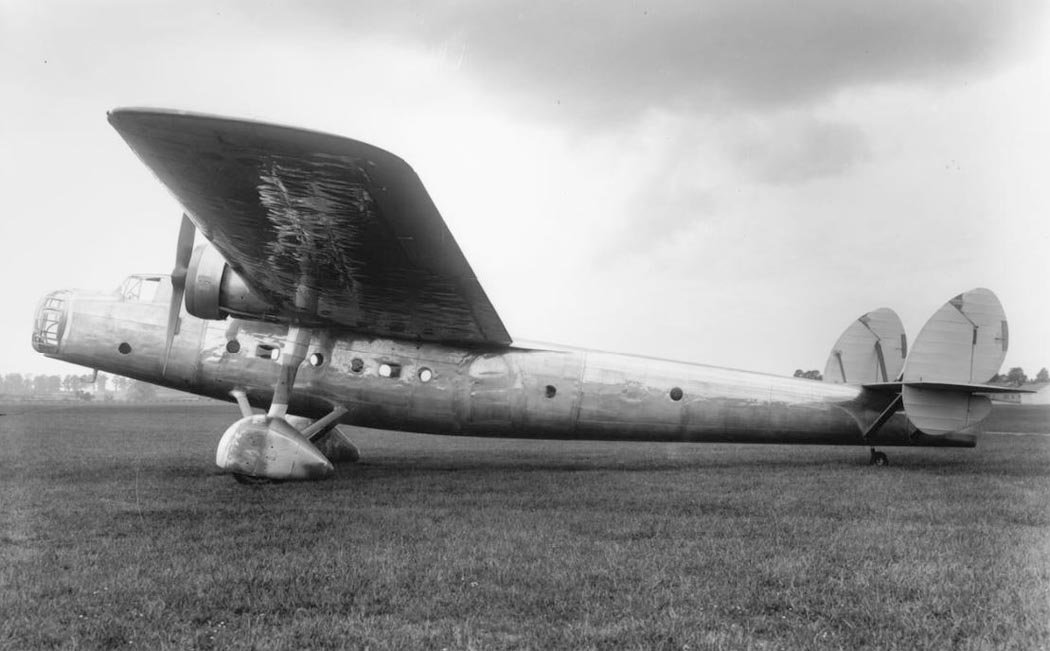
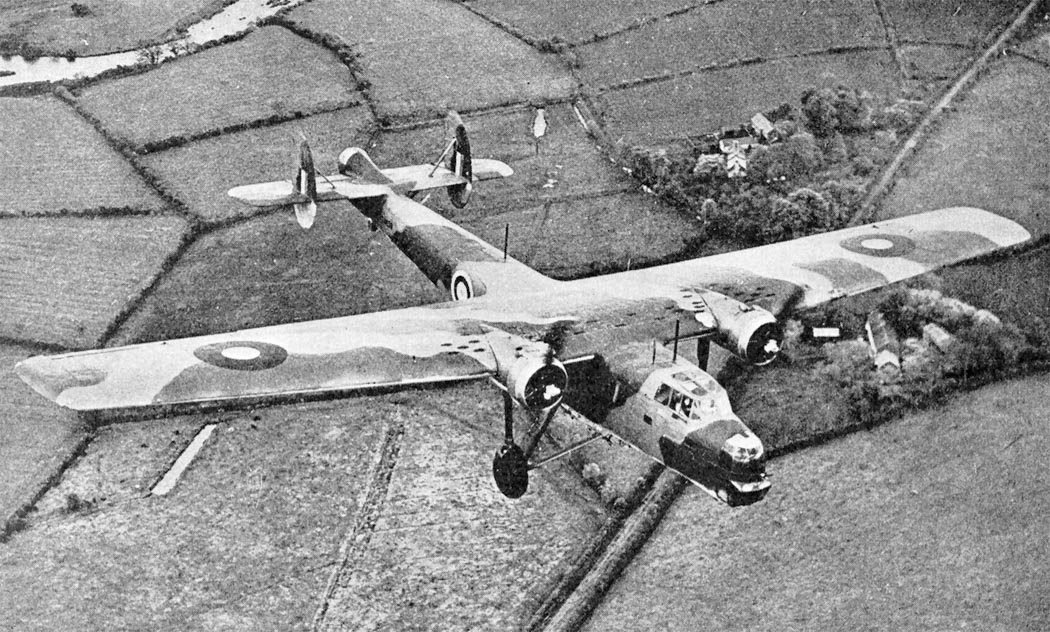
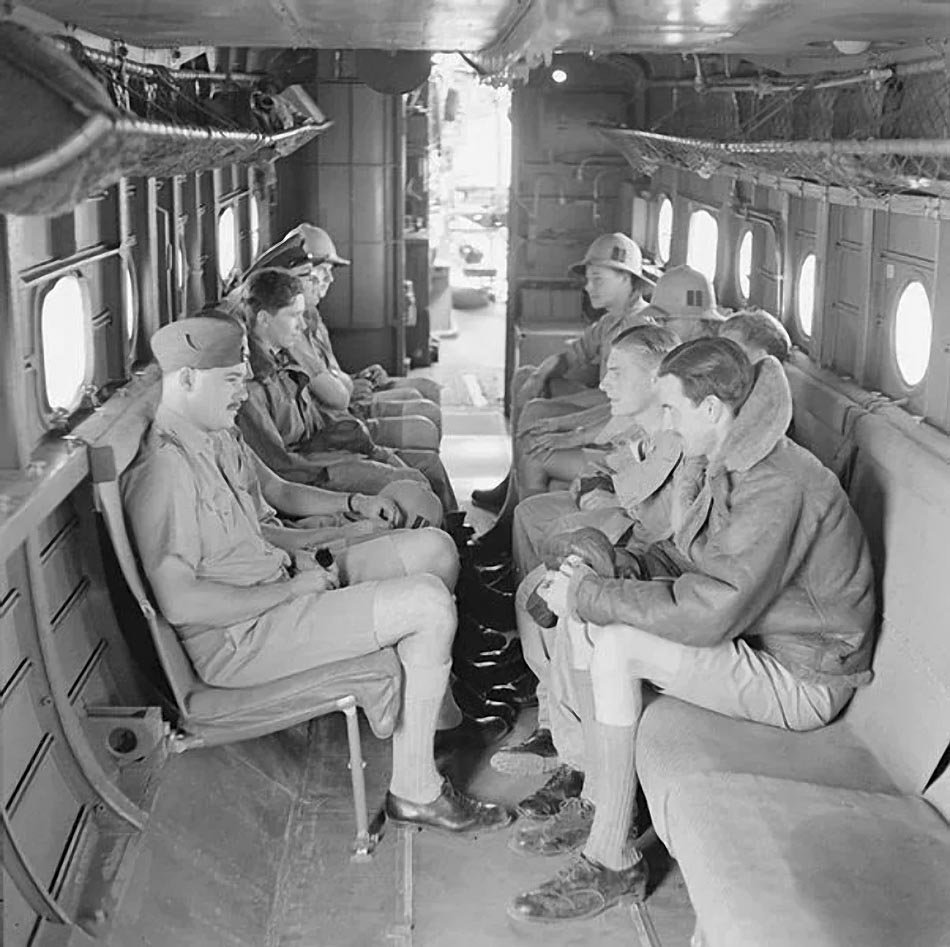
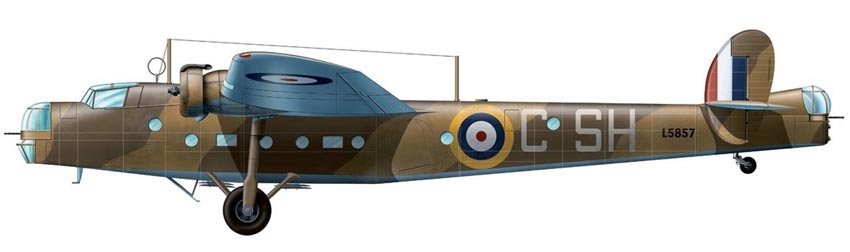
The Bristol-130 was a cantilever all-metal high-wing monoplane. Through extensive refinement, the wing structure was perfected: it featured seven spars with steel stringers, frequently spaced ribs, and a stressed skin, making it exceptionally resistant to torsional loads. Its spacious semi-monocoque fuselage could hold 24 infantrymen or an equivalent weight of cargo, such as spare engines or fuel tanks.
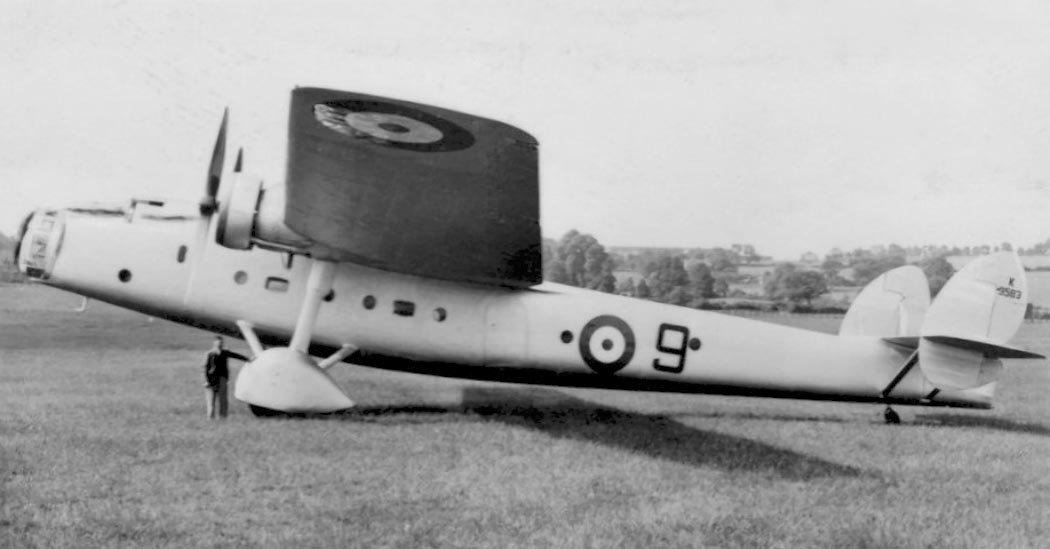
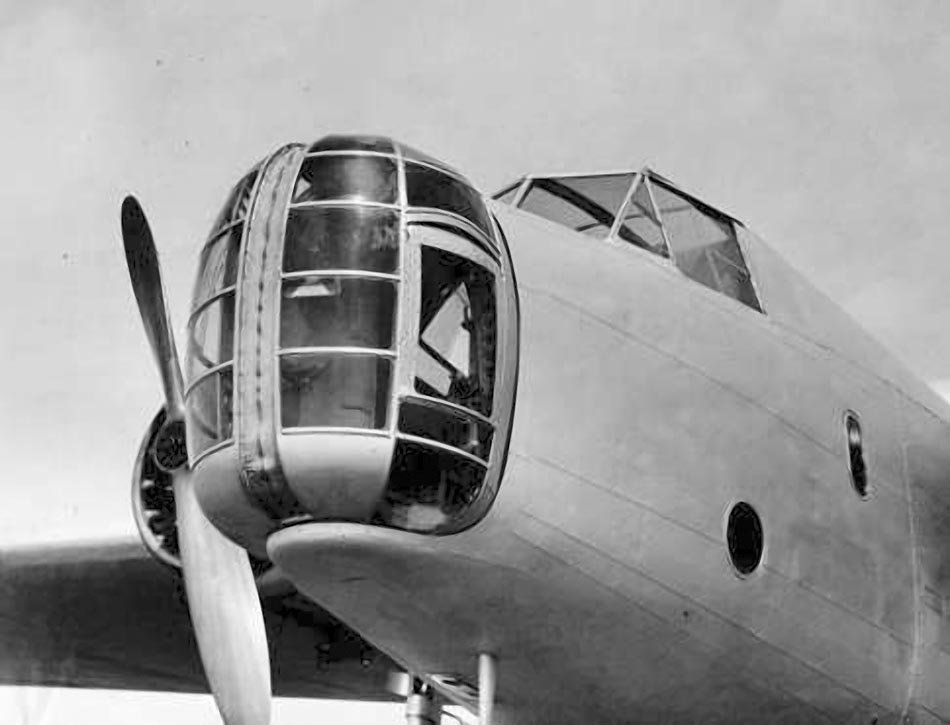
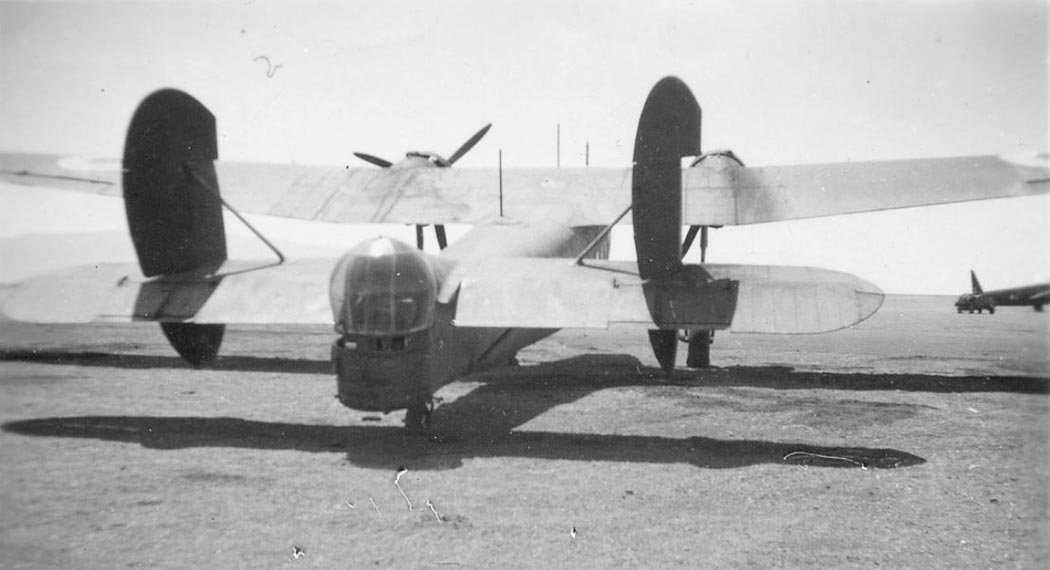
The crew consisted of three individuals. For defense against fighters, two 7.7 mm Lewis machine guns were planned: one in a closed nose turret and another in an open firing position behind the tail, which was also enclosed during development. The aircraft lacked an internal bomb bay but had under-fuselage racks for 900 kg of bombs. It featured a fixed wide-track landing gear and was powered by two Bristol “Pegasus” III radial engines (2 x 750 hp) with wooden two-bladed propellers.
Operational History in World War II
The first Bristol-130 prototype, serial number K3583, made its maiden flight on June 23, 1935. With a wingspan over 29 meters, it was Bristol’s largest aircraft at the time. Testing was not entirely smooth due to insufficient engine power and continued throughout 1936, leading to significant structural changes, particularly to the widely spaced tail and landing gear.
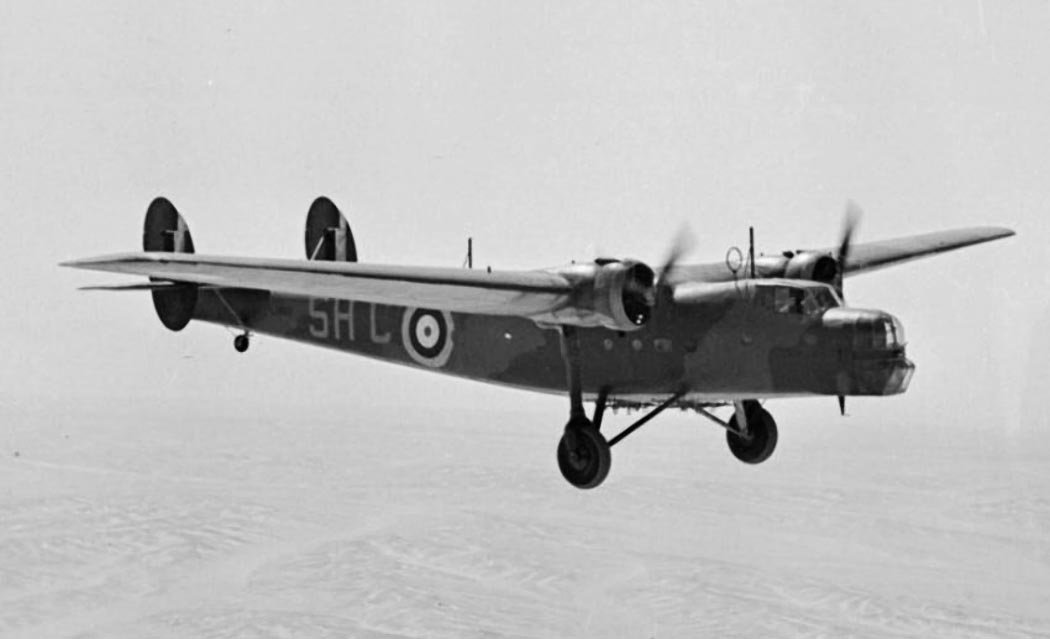
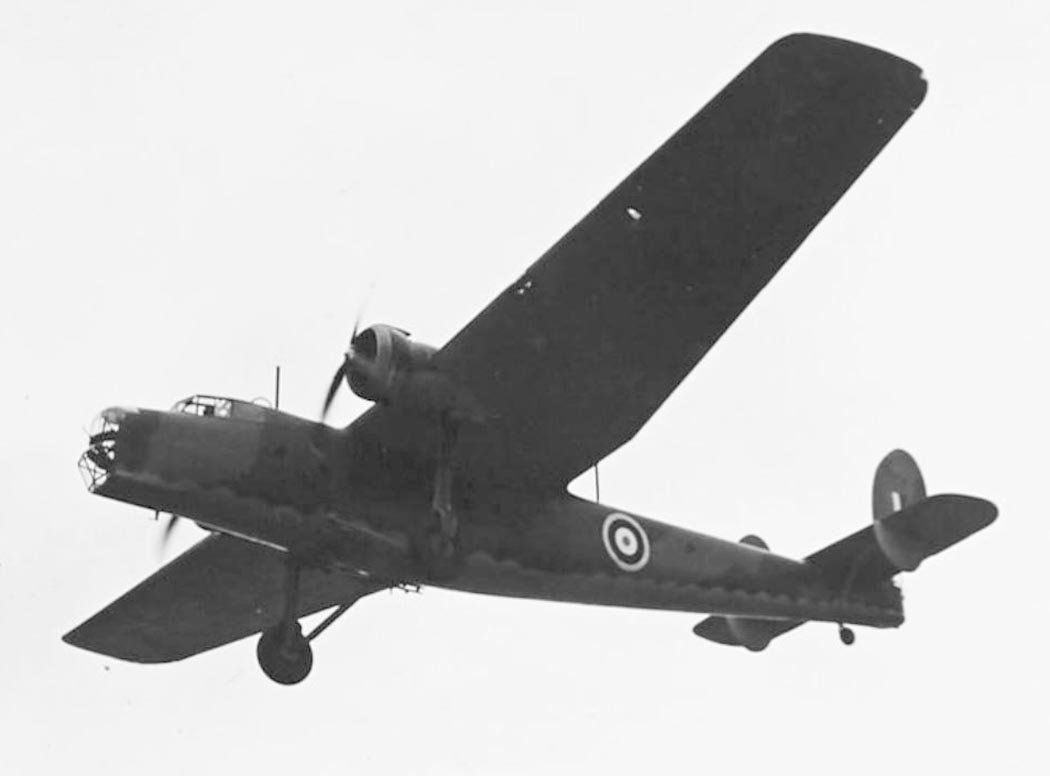
In March 1933, Bristol received a production order for 50 aircraft. Due to the Filton factory’s workload with “Blenheim” production, manufacturing of the Bristol-130 was entrusted to Short’s factories in Belfast. Initially named “Bedford,” the aircraft was renamed “Bombay” in February 1937. Production “Bombay” aircraft differed from the prototype with new Bristol B.II turrets equipped with 7.7 mm Vickers K machine guns, and an additional glazed panel for the bomb aimer.
Production “Bombay” aircraft were powered by Bristol “Pegasus” XXII engines of 1010 hp, driving three-bladed variable-pitch propellers. The tail unit also underwent changes. The first production “Bombay” Mk. I flew in May 1939, and by September, aircraft were deployed to the 216th Air Wing in Egypt. On the night of June 15, 1940, a 216 Squadron aircraft dropped the first bomb on Italian-besieged Tobruk, though these irregular night flights had more of a morale-sapping effect than causing real damage.
Despite the exceptional bravery and resourcefulness of their crews—who manually refilled fuel tanks from four-gallon canisters mid-flight—the “Bombay’s” operational history was tragic. Out of 50 aircraft, 8 were shot down, 4 went missing, 2 were destroyed by sandstorms, one sank near Gibraltar, and 19 crashed, mostly during takeoff and landing. In September 1942, six “Bombay” aircraft were transferred to the Kufra oasis to supply commando units, losing three to a German air raid.
In May 1941, “Bombay” aircraft participated in the evacuation of British troops from Greece and transported infantry to Iraq to support anti-fascist rebels. They also took part in the first Allied parachute assault in Italy in April 1941, where 38 paratroopers destroyed aqueduct systems in Monte Vulture (Abruzzo). In the final stages of the Italian campaign, they transported over 200 wounded from Sicily to Africa in summer 1943 and supported secondary operations on the Apennine Peninsula.
During the Italian campaign, one “Bombay” aircraft ferried 6,000 wounded over 200 flights. Aircraft remaining in England initially supplied the expeditionary corps in France and then performed military transport duties until the end of the war. In total, one prototype and 50 production aircraft were built.
Technical Specifications
| Modification | Bombay I |
| Wingspan, m | 29.19 |
| Length, m | 21.12 |
| Height, m | 5.95 |
| Wing area, m2 | 124.65 |
| Empty weight | 6265 |
| Normal takeoff weight | 9080 |
| Engine type | 2 Piston engine Bristol Pegasus XXII |
| Power, hp | 2 x 10¹⁰ |
| Maximum speed, km/h | 309 |
| Cruising speed, km/h | 272 |
| Range without auxiliary tanks, km | 1418 |
| Range with auxiliary tanks, km | 3588 |
| Service ceiling, m | 7625 |
| Crew, crew members | 3-4 |
| Payload | 24 passengers |
| Armament | two 7.7-mm Vickers K machine guns; bomb load: normal – 907 kg, maximum – 2000 kg |
Image and diagram gallery of the Bristol Bombay
 Bombay |
 Bombay |
 Bombay |
 Bombay |
 Bombay |
 Bombay |
 Bombay |
 Bombay |
 Bombay |
 Bombay |
 Bombay |
 Bombay |
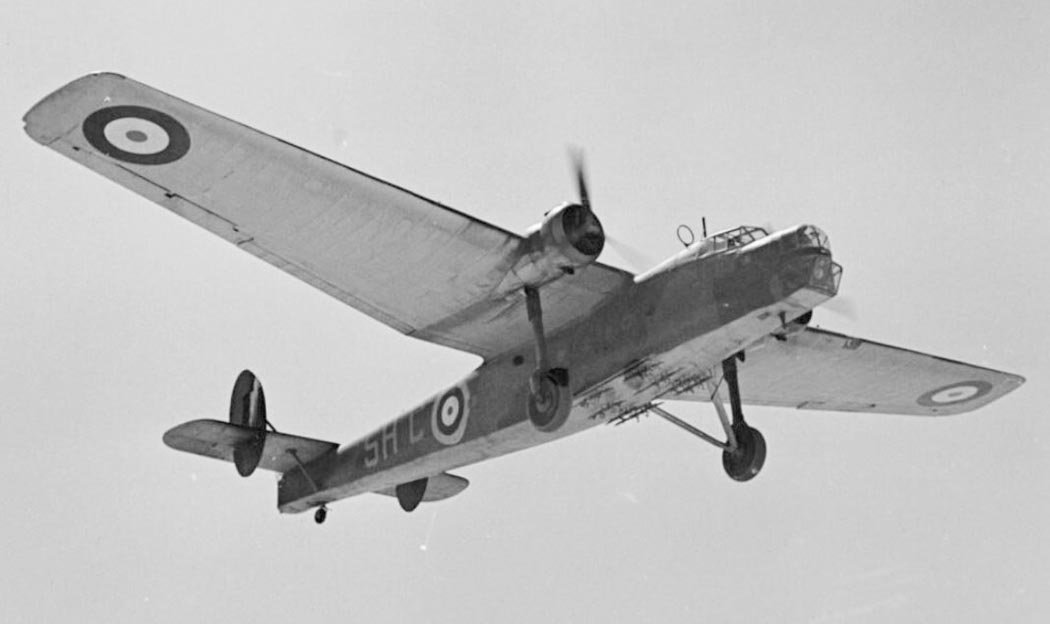 Bombay |
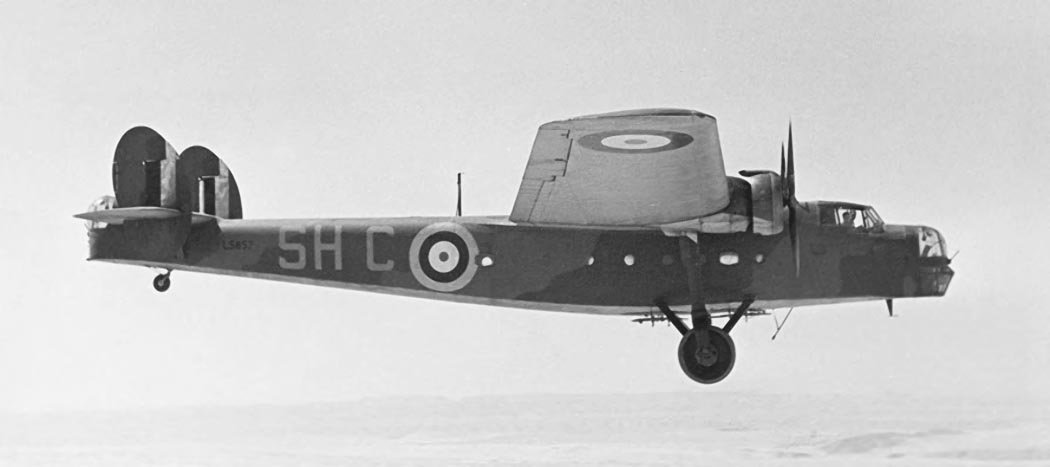 Bombay |
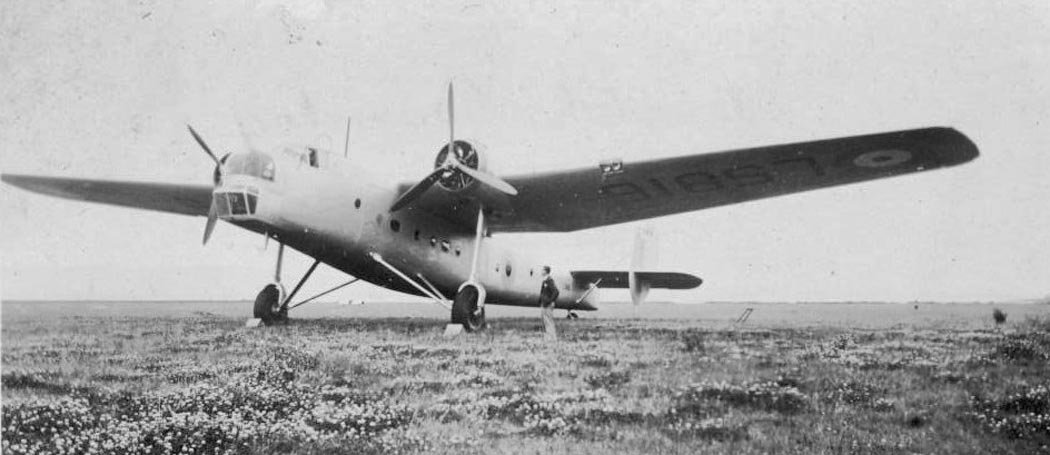 Bombay |
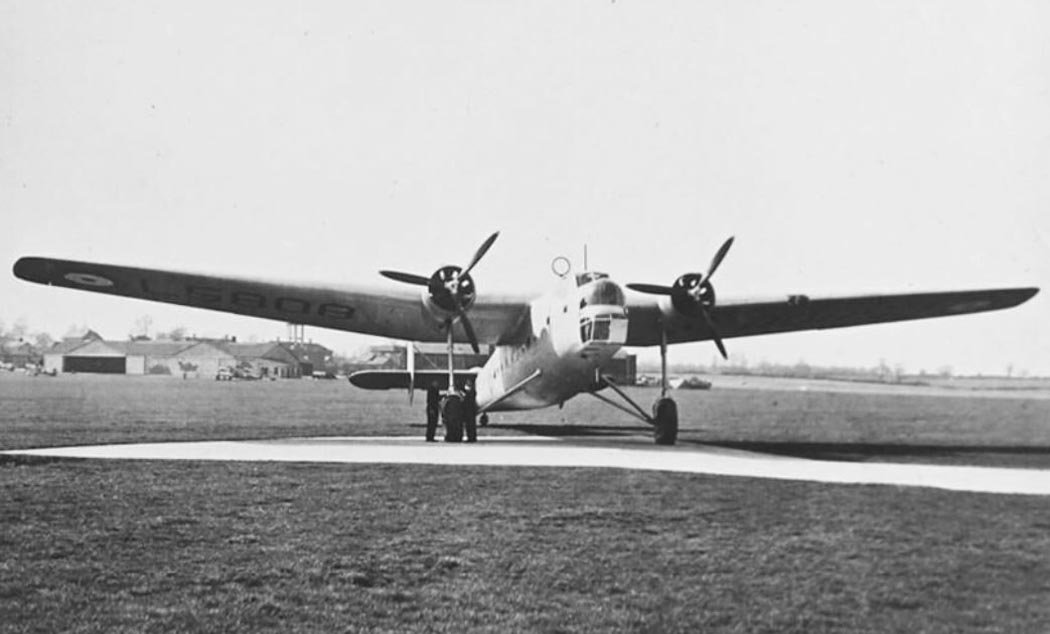 Bombay |
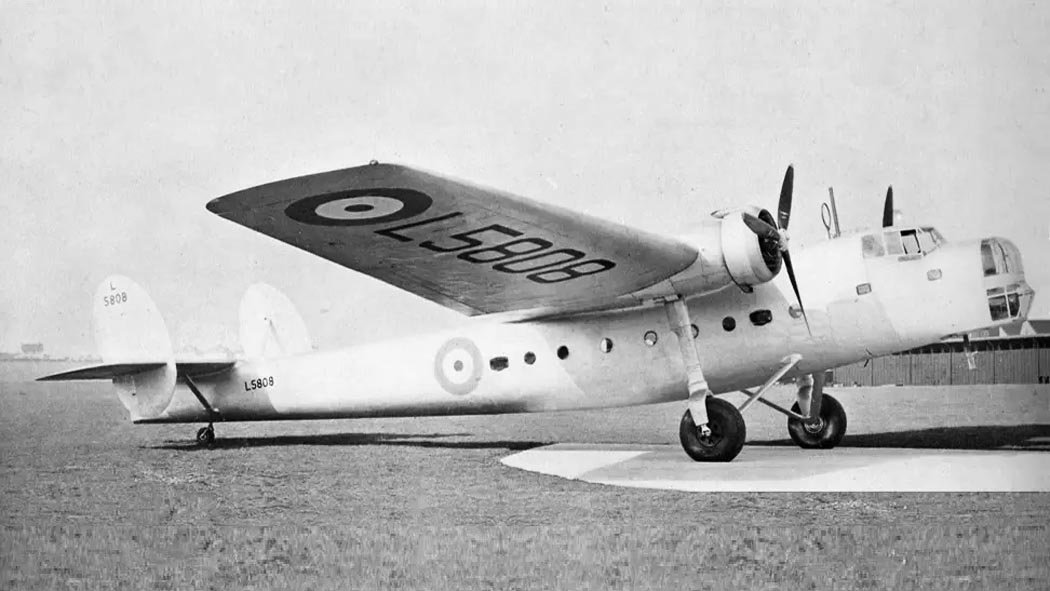 Bombay |
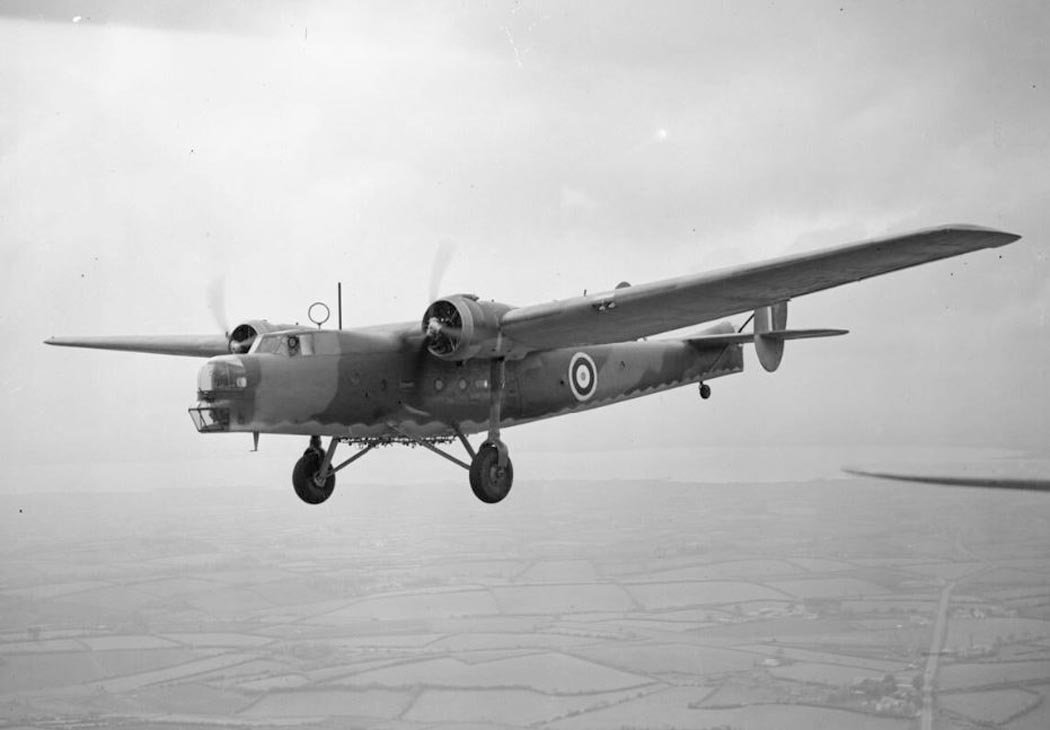 Bombay |
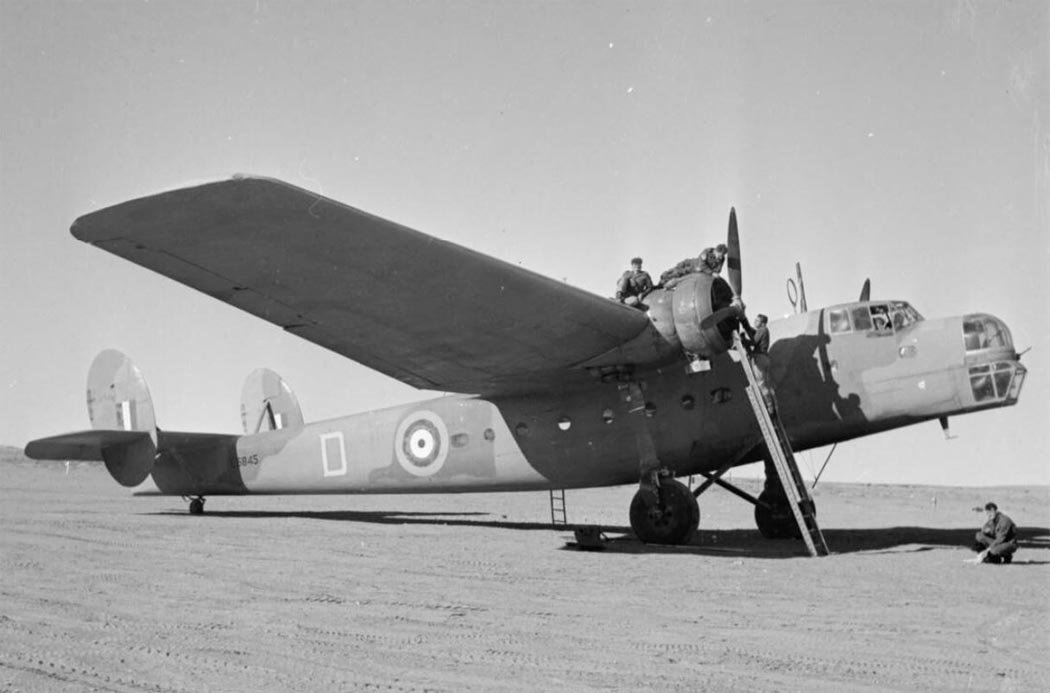 Bombay |
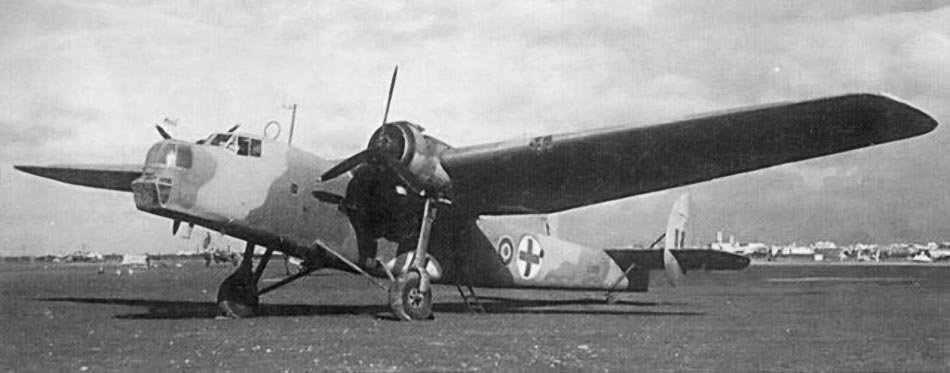 Bombay |
 Bombay |
 Bombay |
 Bombay |
 Bombay |
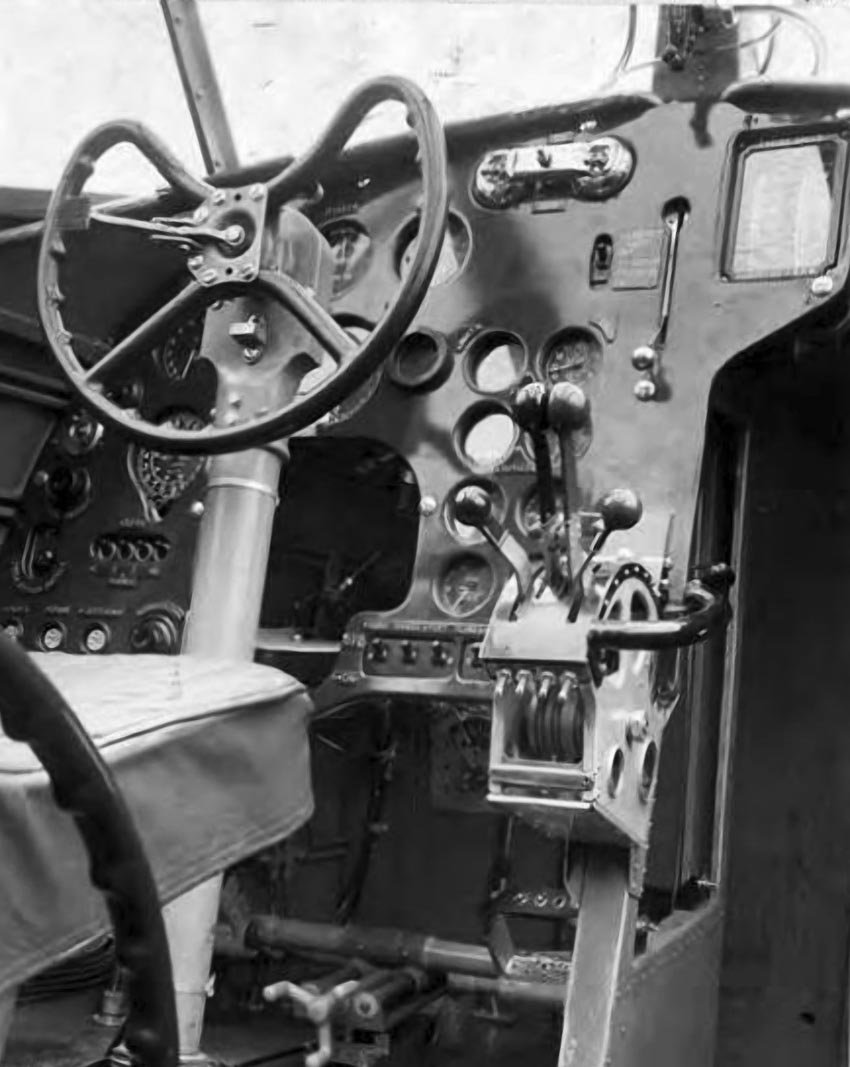 Bombay |
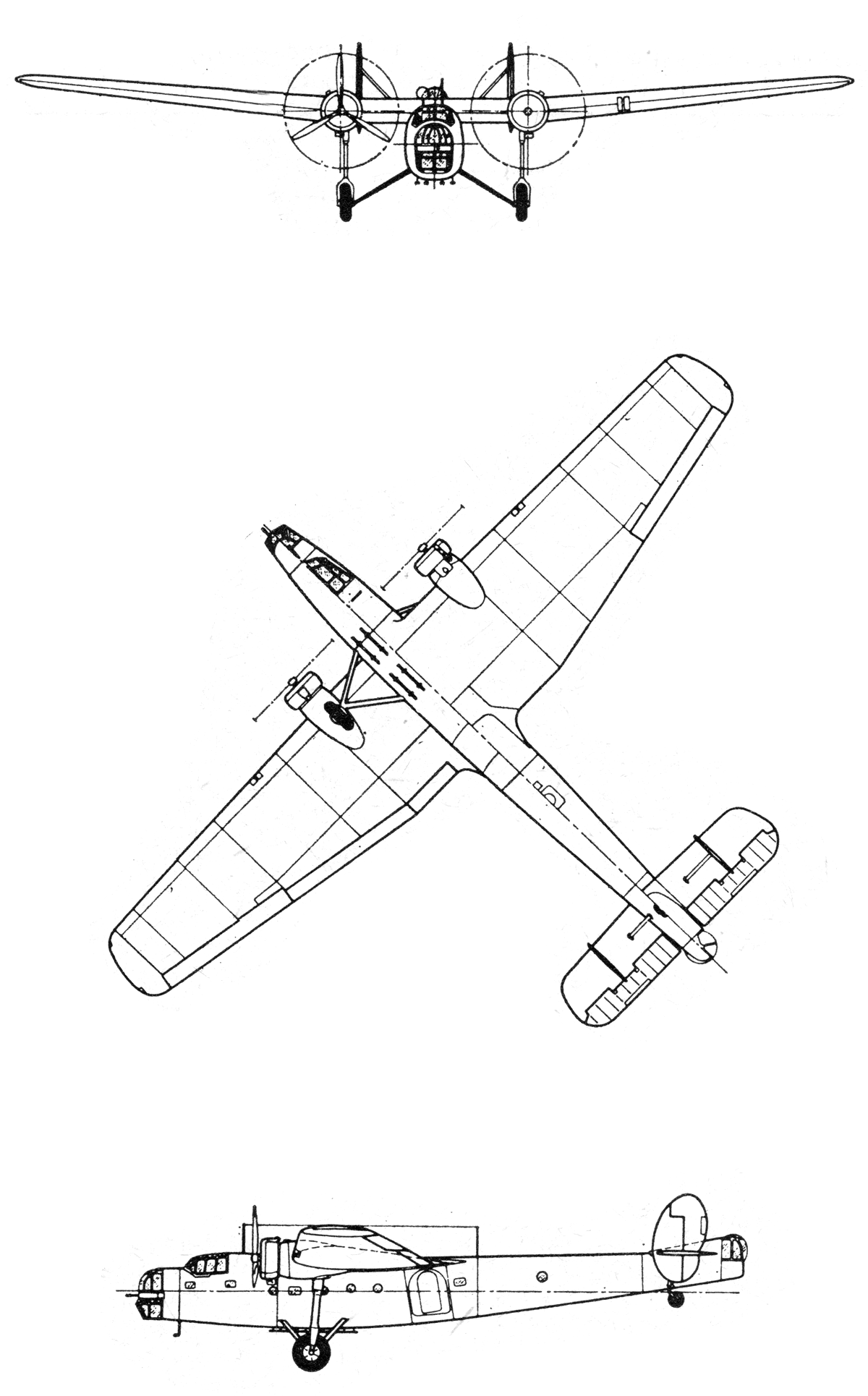 Bombay |
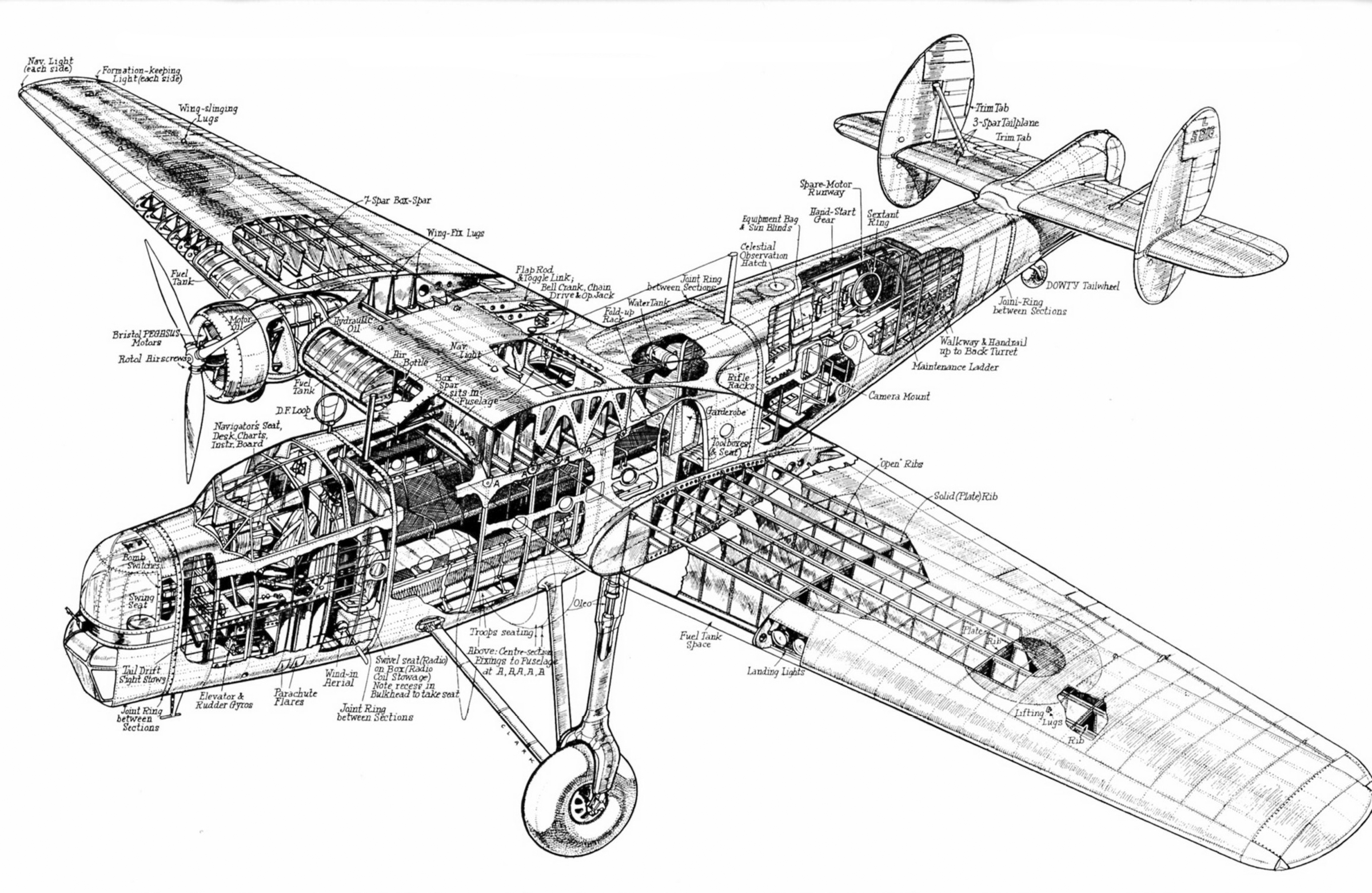 Bombay |
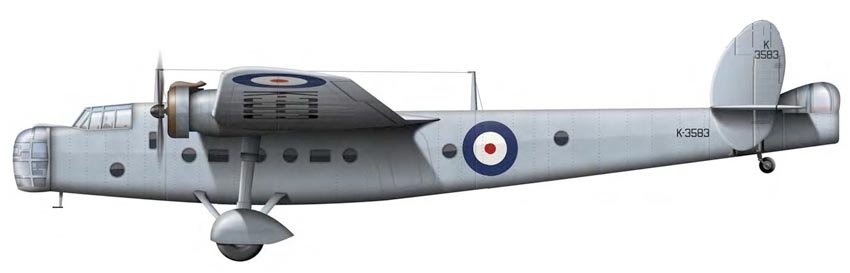 Bombay |
 Bombay |