
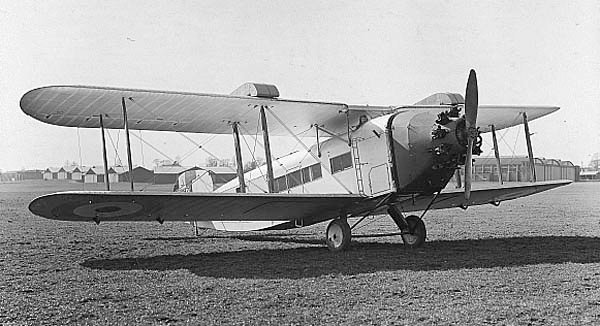
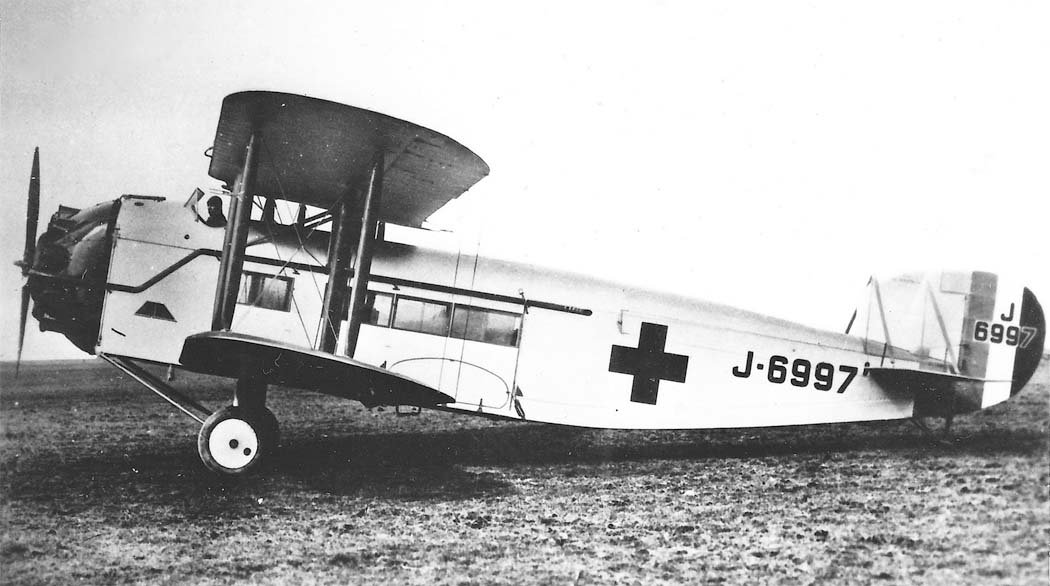
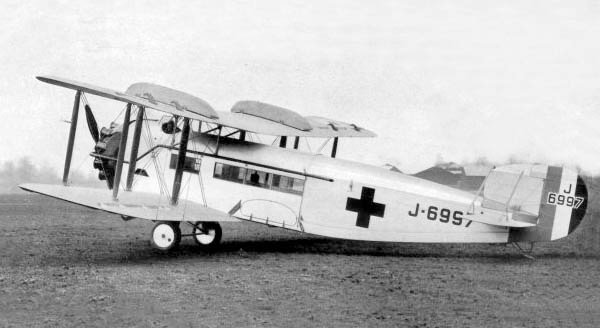
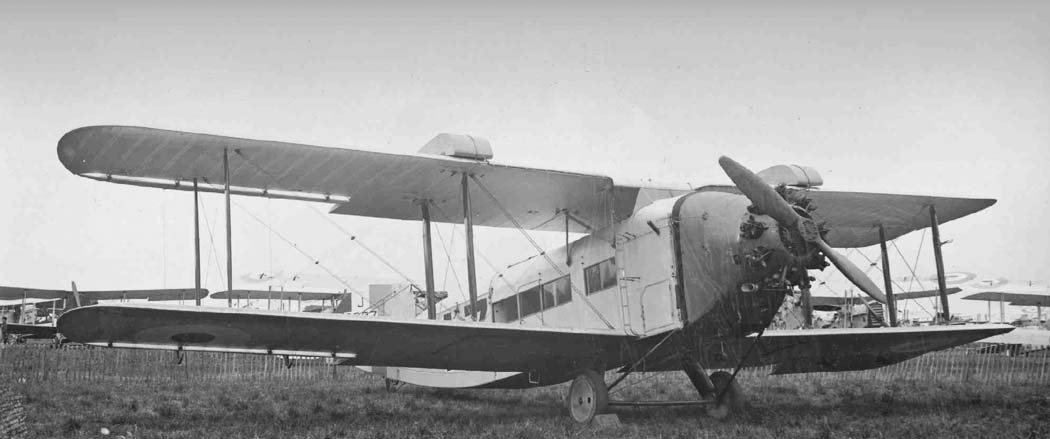
The Bristol Type 79 Brandon transport aircraft was the third unfinished example of the Bristol Ten-Seater (No. 6146), modified for the transportation of soldiers and wounded personnel. It was designed for versatility in military and medical operations.
In its ambulance configuration, it could carry two stretchers and four lightly wounded individuals, or three stretchers accompanied by a medical attendant.
Design Innovations and Maiden Flight
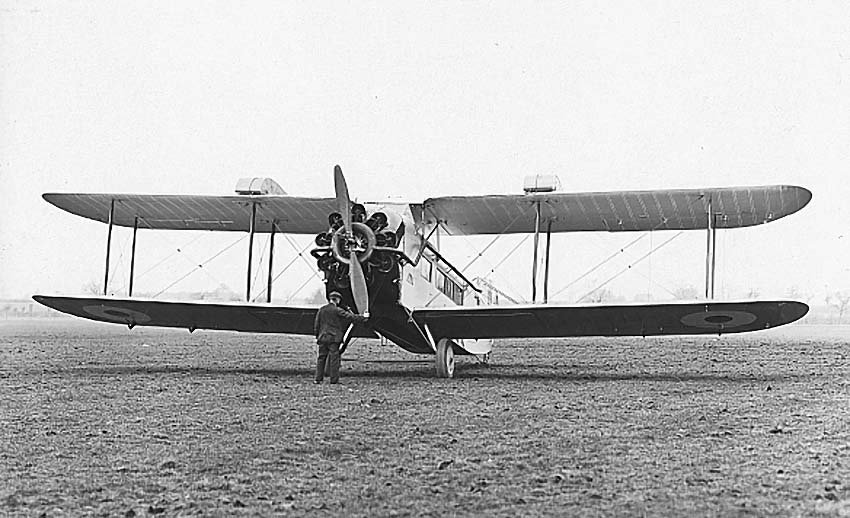
A primary distinction from its predecessor was its new wings, featuring a reduced span of 16.48 meters but with a greater chord. It incorporated “Frieze” type ailerons and an enlarged trailing edge, enhancing its aerodynamic performance.
The aircraft’s first flight (registration J6997) took place in June 1923, and it remained in service until 1926.
Pioneering Legacy in Aviation History
Although the aircraft’s operational history was quite brief, it left a significant mark, becoming the first ambulance aircraft in the United Kingdom. This established a crucial precedent for aerial medical transport.
Furthermore, the Bristol Type 79 Brandon was the first machine produced by Bristol to be equipped with a separate oil cooler, specifically designed for its Bristol Jupiter engine, showcasing early engineering advancements.
Technical Specifications
| Modification | B randon |
| Wingspan, m | 16.48 |
| Length, m | 12.34 |
| Height, m | 3.35 |
| Wing area, m2 | 62.10 |
| Empty weight | 1780 |
| Normal takeoff weight | 2980 |
| Engine type | 1 Piston engine Bristol Jupiter IV |
| Power, hp | 1 x 425 |
| Maximum speed, km/h | 182 |
| Cruising speed, km/h | 152 |
| Service ceiling, m | 2800 |
| Crew, crew members | 2 |
| Payload: | 2 stretchers and 4 lightly wounded or 3 stretchers and a medic |
Image and diagram gallery of the Bristol Type 79 Brandon
 |
 |
 |
 |
 |