
The Origins of Breda and the Evolution of its Infantry Weapons
Italy’s oldest firm, “Società Italiana Ernesto Breda”, a manufacturer of locomotives and railway equipment, was founded in Milan in 1886 by the talented inventor Ernesto Breda. By the 1930s, it had become Italy’s largest conglomerate for military technology and armaments, developing and producing automobiles, aircraft, armored vehicles, and aircraft engines. Ernesto Breda also paid attention to small arms. During World War I, Breda, deciding to try its hand in the military industry niche, created a subsidiary in the city of Brescia, named “Breda Meccanica Bresciana”.
The first endeavor for the newly formed company was the licensed production of the “FIAT – Revelli” M1914 machine gun. The total number of machine guns of this type produced by “Breda Meccanica Bresciana” workshops amounted to thousands of units, which constituted a significant percentage of the total output. After the armistice and a sharp reduction in military orders, the company managed to retain its core specialists, mainly, of course, due to the firm’s diverse activities. However, it was crucial that Ernesto Breda managed to secure a state order for the modernization of existing models. Furthermore, despite the end of the war, the Italian armed forces continued to be in acute need of a universal machine gun for all branches of service. The FIAT consortium endlessly re-evaluated the outdated design of the Revelli system.
The firm’s first attempt in the field of automatic weapon development was the “Breda” M1924 light machine gun, chambered in 6.5 mm. The “Breda” M1924 machine gun turned out to be quite good. Its automatic system, featuring a short barrel recoil with a free bolt, largely borrowed solutions from Revelli, ensuring a rate of fire of 500 rounds/minute. The barrel, with longitudinal cooling fins, was quick-changeable. The machine gun’s weight without a tripod was just over 9 kg.
The cartridge feeding scheme was unusual, a favorite “trick” for Italian gunsmiths to experiment with. The magazine was a metal box with a capacity of 20 rounds, attached to the receiver on the right side with a pivot hinge. As cartridges were expended, the magazine would swing forward and be reloaded either from standard rifle clips or from a special cardboard machine gun clip. On one hand, this system had the advantage that each magazine was fitted to “its” machine gun, which eliminated the likelihood of firing stoppages and reduced the risk of magazine damage. On the other hand, if the magazine was damaged in combat, it would render the entire weapon inoperable. The Breda design did not escape the perennial Italian problem with cartridge lubrication. The design of the integrated oil reservoir, located above the receiver, also migrated from the Fiat-Revelli machine guns.
The Breda machine gun model 1924 was entered in the 1926 competition. Despite its superior characteristics compared to the Fiat machine gun, it was not adopted. However, the company did not abandon its ambitious plans and continued to improve the design, releasing an improved machine gun model in 1930, which generally replicated the 1924 model. The main difference was the replacement of the heavy tripod mount with lightweight bipods. In competitive trials against the “Fiat” M1928 machine gun, the Breda product emerged victorious. The Fiat corporation attempted to challenge the competition commission’s decision in court but lost. The machine gun, designated “Breda” M1930, was mass-produced, becoming Italy’s primary infantry weapon in World War II.
Birth of the Breda-SAFAT and its Role in Italian Aviation
The automation of the “Breda” M1930 light machine gun combined features of short-recoil barrel and free-bolt designs. The barrel and bolt were coupled by a rotating cam. Upon recoil of the “barrel-bolt” system by 9.5 mm, the cam rotated due to interaction with the machine gun’s receiver, unlocking the bolt. The bolt then moved backward due to residual pressure in the chamber, extracted and ejected the spent casing, then moved forward under the action of a return spring, picked up and chambered the next cartridge, and re-engaged with the barrel. After this, the barrel and bolt together returned to the extreme forward position. The bolt was locked by a rotating sleeve fitted over the breech end of the barrel. The inner surface of the sleeve had grooves that engaged the radial locking lugs of the bolt. Upon firing, during recoil, the sleeve rotated by means of a lug sliding along a spiral groove in the receiver, releasing the bolt. This system did not provide reliable preliminary extraction of casings, so a small oiler was included in the receiver cover and a cartridge lubrication mechanism was added before feeding into the barrel. Firing was from a closed bolt, in automatic fire only.
The outcome of the competition between Breda and Fiat was the latter’s withdrawal from weapons production. In 1934, the two companies began negotiations to create a joint armaments concern, and in 1936, Fiat’s SAFAT (Società Anonima Fabbrica Armi Torino – literally, Joint Stock Company Military Factory of Turin) division, which dealt with small arms, was finally sold to Breda. The deal included transferring not only the factory and its equipment but also all previous Fiat developments, including patents, to Breda’s control. Plans were drawn up for the construction of a new factory, “Breda-Fiat,” better known by its unofficial name “Breda-SAFAT,” in the city of Piacenza.
It was at this point that the production of automatic weapons in Italy was placed under direct state control. In 1934, Breda management was tasked with developing an aircraft machine gun capable of replacing the FIAT M1928 A aircraft machine gun, which was produced in small series. It also aimed to compete with foreign aircraft machine guns that were in service with Italian aviation in the late 1920s and early 1930s. Incidentally, shortly before the official assignment, in 1928, Breda developed an experimental aircraft machine gun in 7.7-mm and 12.7-mm versions for the British export cartridges 7.7x56R and the new British .5″ Vickers V565 SR, which differed slightly in size and shape from the British .50 Vickers V 565. Italy purchased a license for this cartridge in 1925, and its production was initially launched at Breda, which is why the cartridge became known under the metric designation 12.7x81SR Breda. Later, production shifted to the Roman firm Bombrini Parodi Delfino. The 1928 Breda aircraft machine guns, constructively repeating the light manual analogue of 1924, did not share its success, remaining among the firm’s experimental developments. Unfortunately, little is known about them. The subsequent state order for the development of an aircraft machine gun, and then the purchase of Fiat’s patents by the Breda concern, coincided opportunely.
In Breda’s 1935 aircraft machine gun project, the developers combined the short-recoil barrel principle of earlier 1930 machine gun designs with a barrel locking mechanism previously developed by SAFAT factory engineer Giuseppe Mascarucci, in which the barrel and bolt remained coupled at the beginning of the barrel’s recoil stroke. This mechanism had been successfully implemented in the SAFAT M1928 general-purpose machine gun. In Breda’s new development, Mascarucci’s design was only slightly improved by inverting the mechanism, which allowed for a slight reduction in the dimensions of the barrel recoil assembly. Additionally, a muzzle booster was added to the design, which offered hope for achieving a high rate of fire. The project envisioned the use of several types of cartridges in service with the Italian army and navy: the 7.7×56R Breda (licensed British .303” British Mark VII), the 8-mm Italian 8×59RB Breda, the 12.7x81SR Breda (the aforementioned British .5″ Vickers V565 SR), and the French 13.2×99 mm.
Performance, Deployment, and Legacy of the Breda-SAFAT
Characteristically, this “paper project” was reviewed by the Ministero dell’Aeronautica, personally headed by Benito Mussolini, who ordered immediate production of the machine gun, without even waiting for its tests. As often happens, authoritarian leadership of any project by someone far removed from the subject matter led to nothing good. Mussolini instructed to begin production of two versions of the machine gun for 7.7-mm and 12.7-mm Breda cartridges. While everything was more or less normal with the 7.7-mm ammunition, the rifle cartridge did not differ significantly in muzzle energy from any other “classmates.” However, the choice of a rather weak British half-inch cartridge severely affected Italian aviators several years later. Why the Duce rejected the project for a machine gun chambered for the French Hotchkiss cartridge, which was one and a half times heavier, remains a mystery. The only advantage of the Italian heavy machine gun was the presence of explosive cartridges, forbidden by international treaty, whose 37-gram shells contained 0.8 grams of pentrite.
With the impetus of Italian propaganda, the new Italian machine guns, designated Breda-SAFAT da 7.7 mm and 12.7 mm, were presented as the Italian equivalent of the Browning. Because of this, even today, there is a belief that the Italian development is nothing more than a variation of the Browning machine gun. Although, constructively, apart from the automatic system based on short barrel recoil, Breda and Browning shared common features. But functionally, the Italian machine gun was far from the American brand. The Breda-SAFAT was inferior to the Browning in almost all characteristics. The gap in performance specifications was particularly noticeable in the 12.7-mm versions. It was not only that the Italian 12.7x81SR cartridge was significantly less powerful than the American 12.7×99, which undoubtedly affected muzzle energy and effective range. Italian machine guns also lost to the Browning in rate of fire, which, with synchronized installation, dropped from 700 to a disheartening 450-575 rounds per minute, further reducing salvo energy.
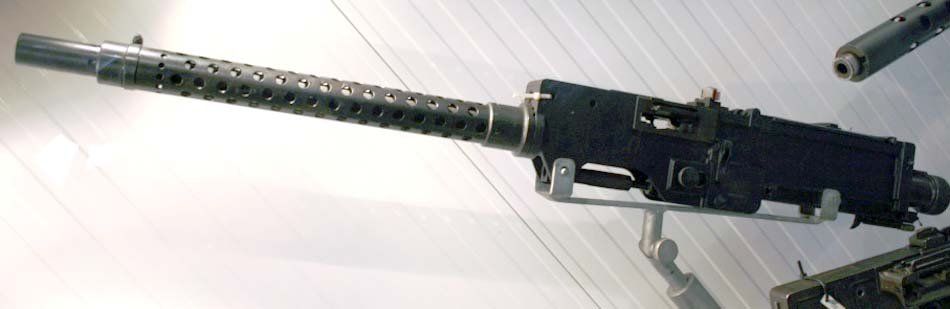
A wide campaign launched by Italian propaganda advertised the new aircraft machine gun as almost the best in the world. It must be said that in the late 1930s, the Japanese, who were then tasked with finding a suitable model to create their own heavy machine gun, fell for the Italian propaganda. Negotiations between the allies almost concluded with the purchase of a license for the Italian machine gun, but the Japanese, in time, assessed the low qualities of the Italian weapon mounted in the turrets of the Italian Fiat BR-20 bombers, a batch of which had been purchased by the Japanese. As a result, the latter preferred their own Ho-103 development, borrowing only the Italian 12.7x81SR cartridge. Nevertheless, the machine gun went into production. The 7.7-mm version by the end of 1935, and the 12.7-mm version from 1937. Production was carried out only at the SAFAT (Società Anonima Fabbrica Armi Torino) factory in Turin and significantly exceeded the needs of Italian aircraft manufacturing. By the end of 1940, when the machine gun was discontinued, just under 50,000 machine guns of both modifications were produced, which more than covered the required number of barrels for installation on produced aircraft.
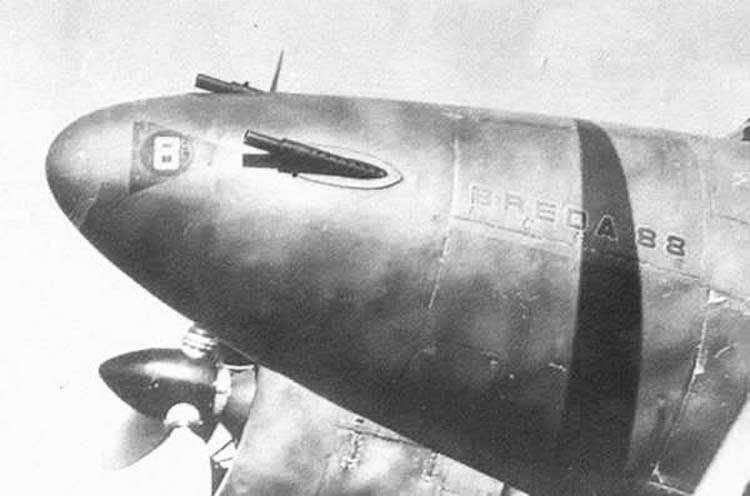
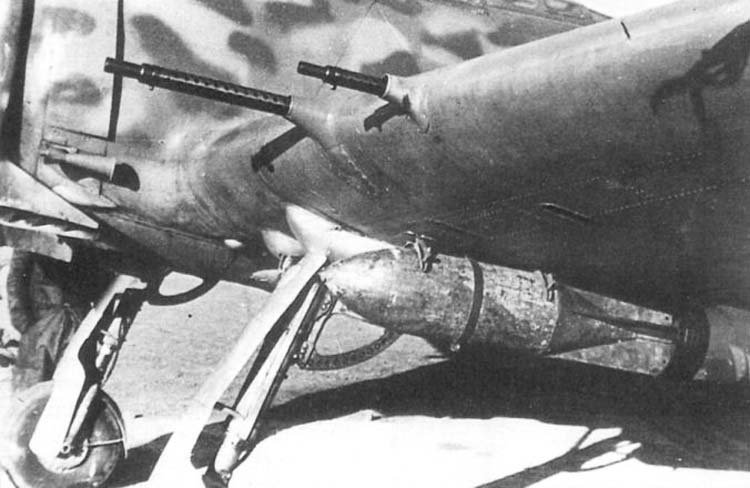
Breda-SAFAT machine guns were installed on practically all types of combat aircraft produced in Italy. A pair of synchronized machine guns typically formed the armament of Italian fighters – on early types such as the Fiat CR-32 and 42, 7.7-mm versions were installed, while on more modern Macchi MC-200 and 202, as well as Fiat G.50 and Reggiane Re.2000, 12.7-mm Bredas were fitted. While for the 1930s such armament, though not very powerful, was at least quite adequate, with the start of World War II hostilities, it became frankly weak. Even the presence of explosive rounds in the ammunition load did not help. Italian fighters chronically lacked firepower, and Italian armaments manufacturers did not address the creation of an aircraft cannon in time. Only during hostilities did German allies share their aircraft cannon, selling a couple of thousand Mauser MG 151/20s, which then armed the latest generation of Italian fighters. The armament situation was, apparently, so serious that the Italians, not long before their withdrawal from the war in September 1943, even bought a license from the Hungarians for the technically fantastic Gebauer 1940.M twin-barreled machine gun with an engine crankshaft drive. However, it never reached serial production.
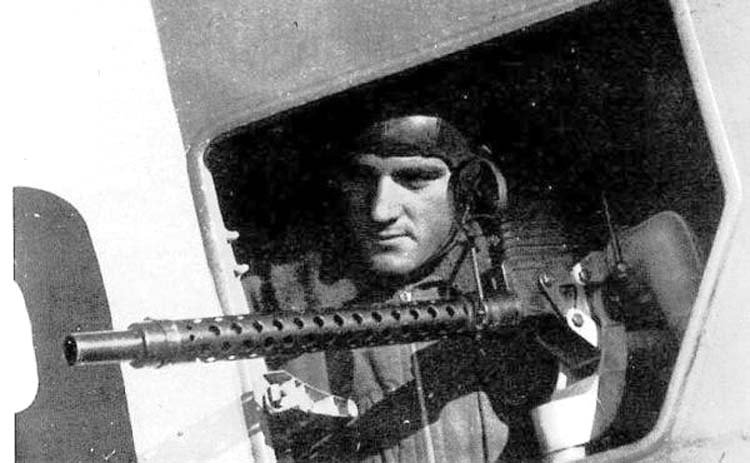
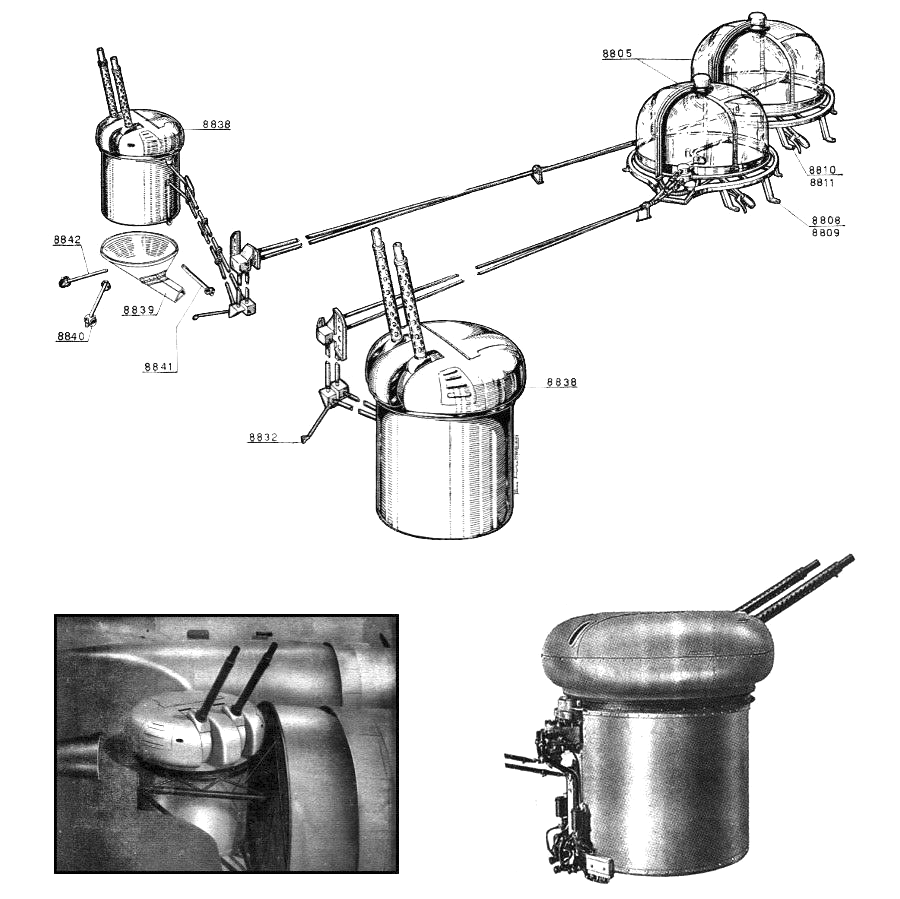
Breda-SAFAT machine guns were also widely used as defensive armament on Italian bombers and other multi-seat aircraft. Besides conventional pintle mounts and open turrets like the British “Scarff ring,” a whole range of mechanized turrets was developed in Italy for Breda-SAFAT machine guns. A pair of single shielded “Type A2” turrets were installed on the Cant Z-501 reconnaissance flying boat. On the Fiat BR-20 bomber, a nose turret “Type H” and an upper “Type M1” for a single machine gun were fitted. On the Fiat RS.14 hydro-bomber and the Cant Z-1007 bomber, a shielded “Delta E” turret was installed. The “Type M1” turret was also installed on the Cant Z.506 and Z-1007. For installation on the heavy bomber Piaggio P.108, twin remote-controlled electrified “Type Z1” turrets, located in the inner engine nacelles, a lower retractable single “Type G9” turret, and a nose single “Type 0” were developed. Additionally, there were twin mechanized turret installations “Type E” and “Type D,” which, however, did not find application on serial aircraft.
The standard ammunition load for Italian fighters armed with Breda-SAFAT machine guns was 500 rounds per barrel for the 7.7-mm versions and 150-370 rounds for the 12.7-mm version. In the heavy-caliber version, the ammunition consisted of various types of cartridges, typically alternated as follows: 2 inert, 1 tracer, 1 armor-piercing, 1 high-explosive. The metallic disintegrating link belt could be fed from both sides. Firing was from an open bolt. A T-shaped charging handle was located on the right side of the receiver. In the fixed version of the machine gun, it was equipped with a hydraulic charging device. In turret versions, the machine gun was equipped with a pistol grip with a trigger. The barrel had 6 right-hand helical grooves, and the cartridge chamber was fitted with “Revelli grooves” to facilitate the extraction of the case expanded after firing.
Overall, the Italian Breda-SAFAT machine gun can be rated “average.” While the 7.7-mm version matched the firepower characteristics of machine guns from the end of World War I, the 12.7-mm variant was perhaps the weakest representative of its class. The Italians realized this fact too late. Attempts to create a 20-mm aircraft cannon did not progress beyond the experimental stage. A large number of Breda-SAFAT machine guns of both versions, whose production, as noted above, exceeded the needs of aircraft manufacturers, were mounted on tripods in anti-aircraft configuration, installed on light ships of the Italian navy, and actively used by the army. Despite the low characteristics of this weapon as aircraft machine guns, the Breda-SAFAT was a sufficiently reliable and trouble-free weapon, and therefore in its anti-aircraft “ground” configuration, these machine guns remained in service with auxiliary units until the 1970s.
Image and diagram gallery of the Breda-SAFAT
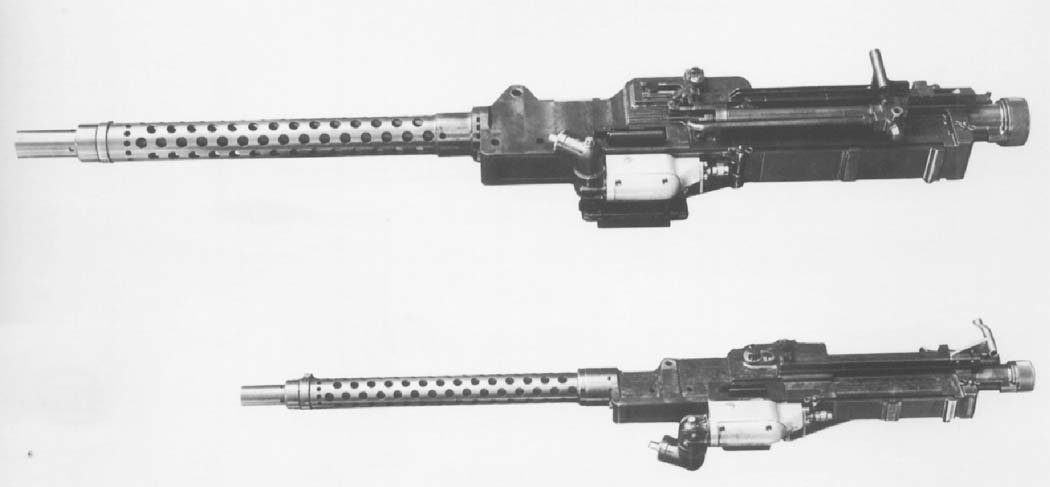 Breda-SAFAT |
 Breda-SAFAT |
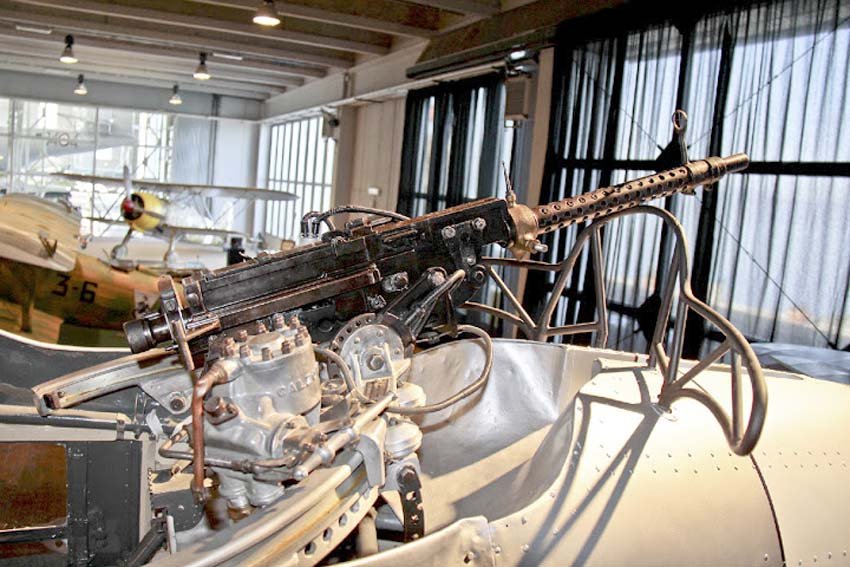 Breda-SAFAT |
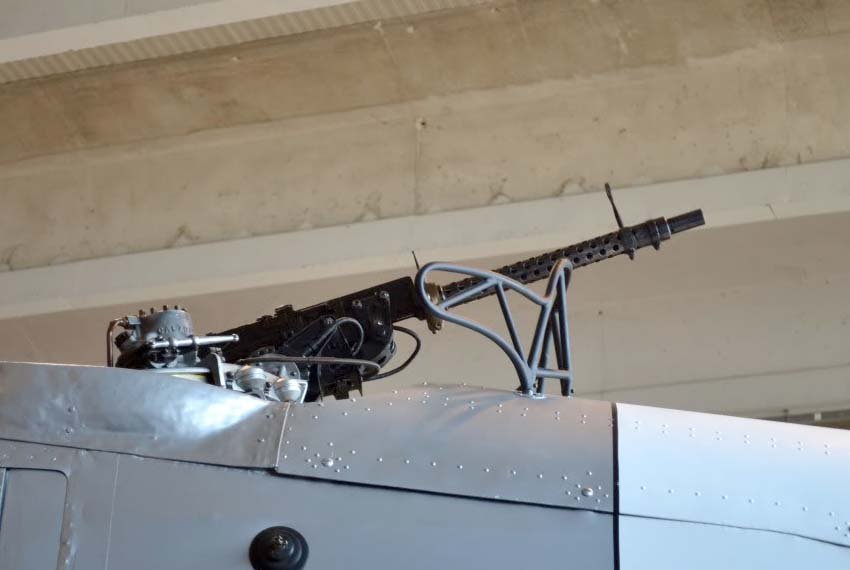 Breda-SAFAT |
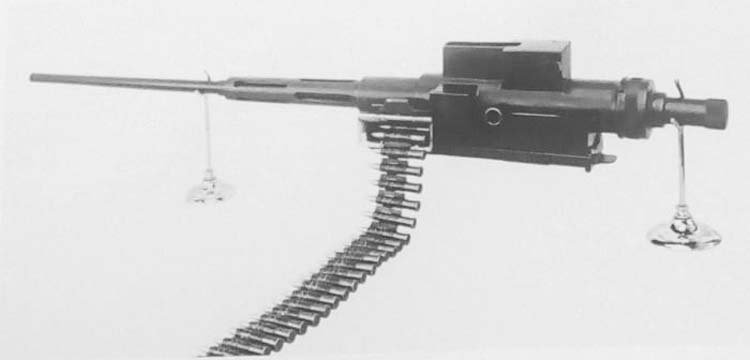 Breda-SAFAT |
 Breda-SAFAT |
 Breda-SAFAT |
 Breda-SAFAT |
 Breda-SAFAT |
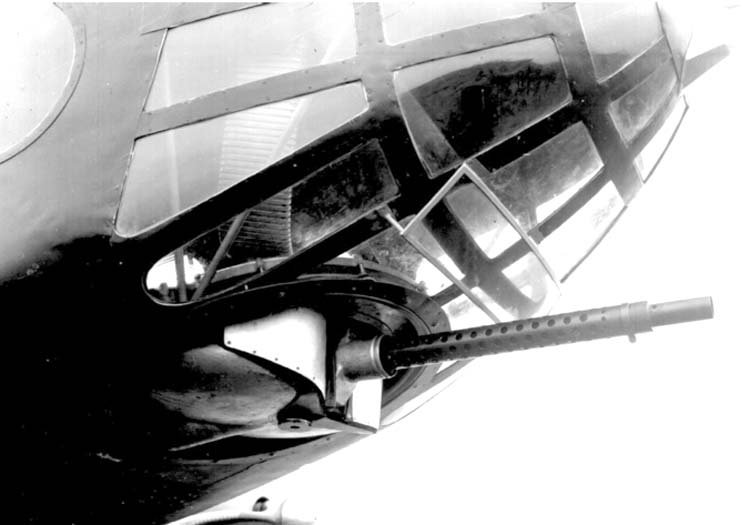 Breda-SAFAT |
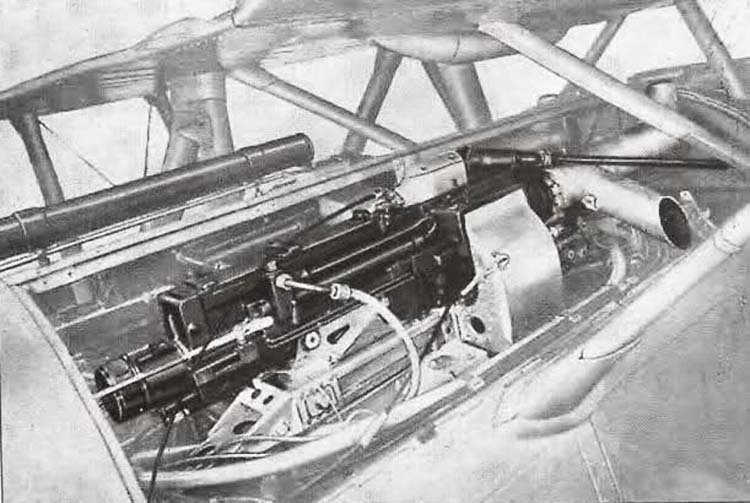 Breda-SAFAT |
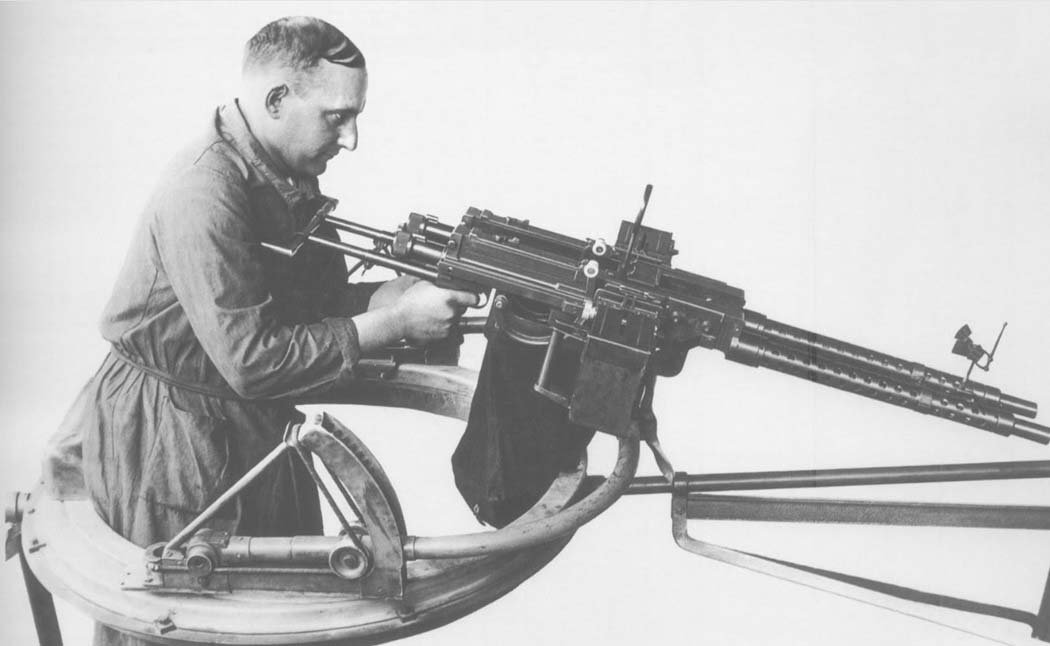 Breda-SAFAT |
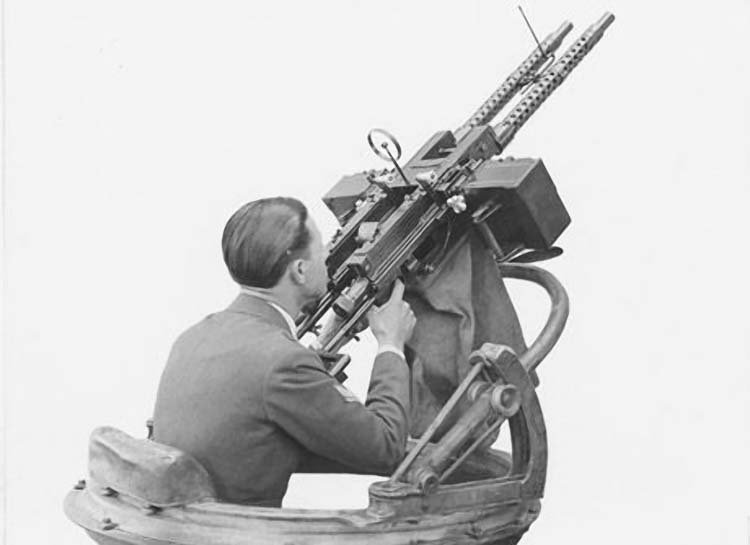 Breda-SAFAT |
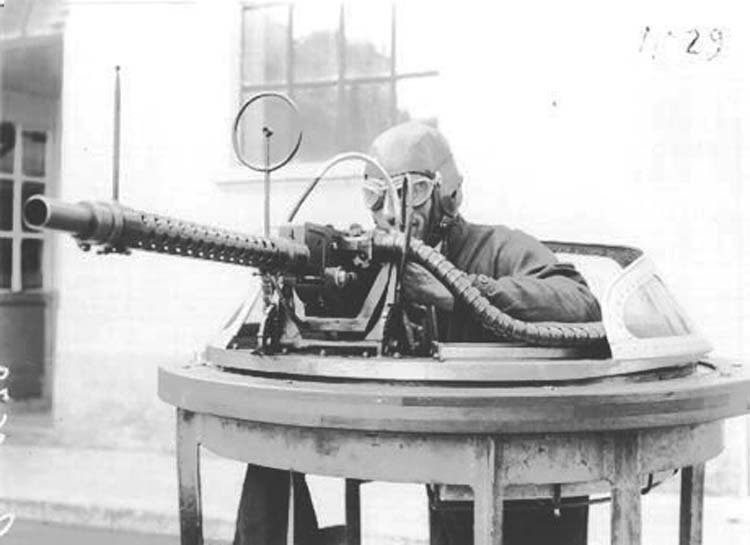 Breda-SAFAT |
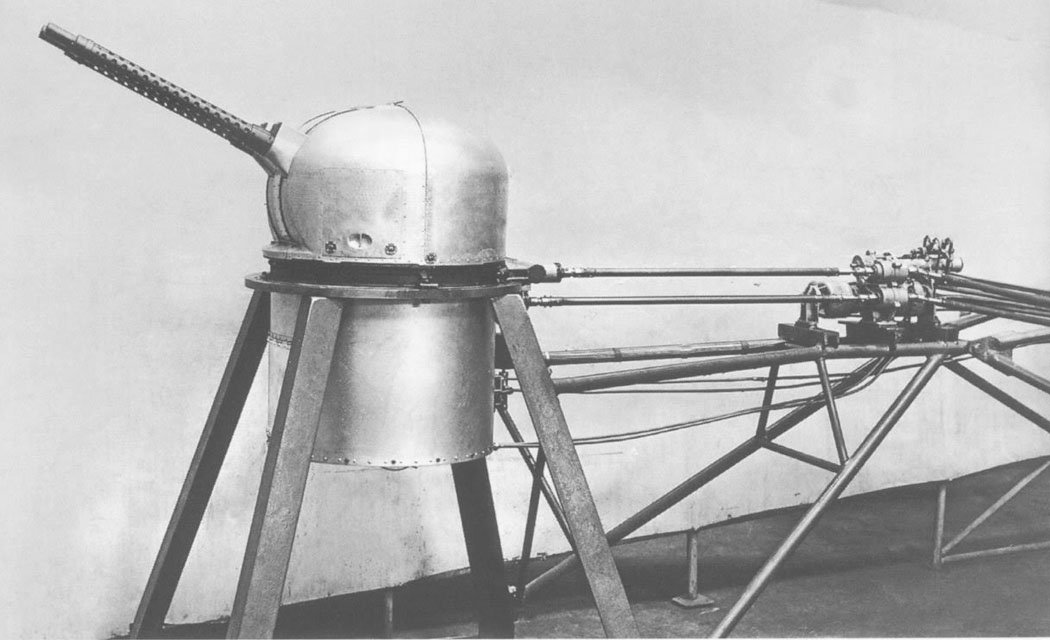 Breda-SAFAT |
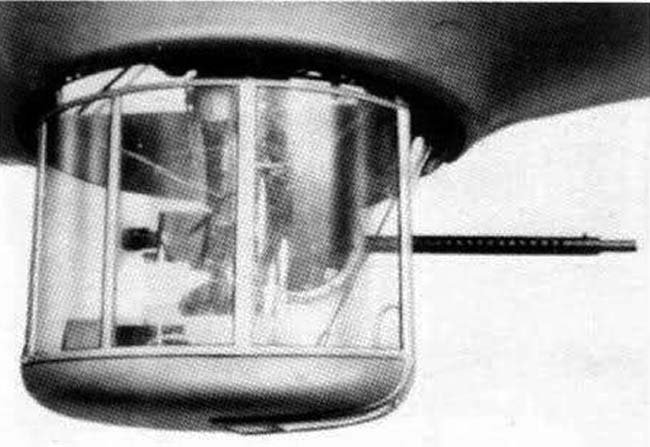 Breda-SAFAT |
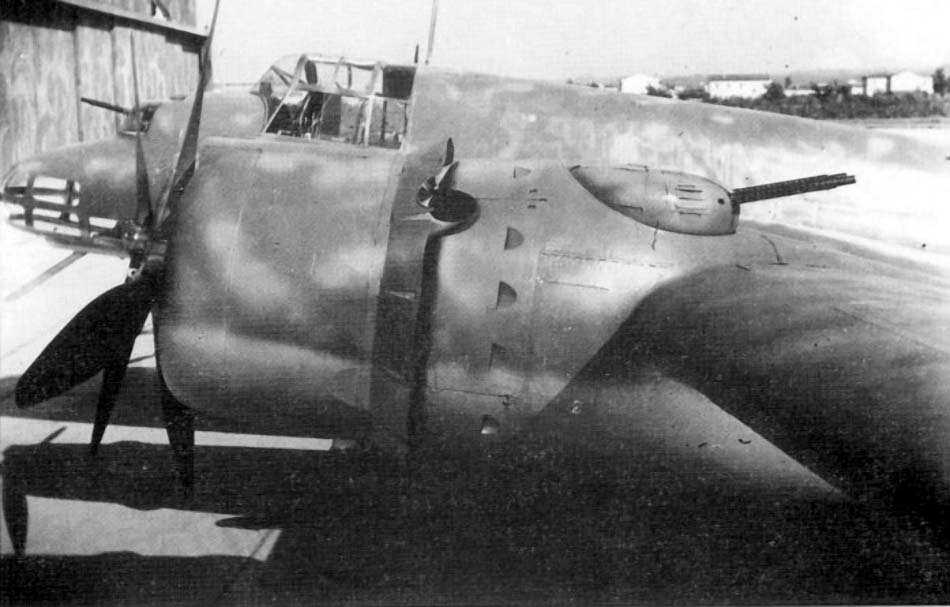 Breda-SAFAT |
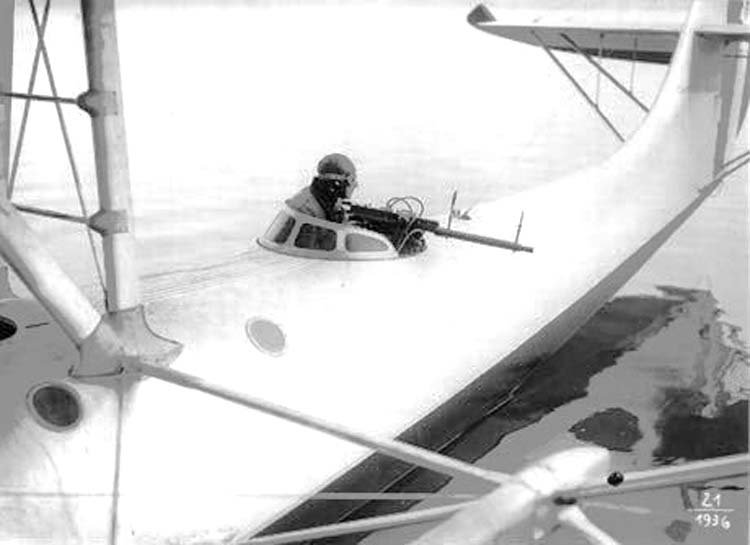 Breda-SAFAT |
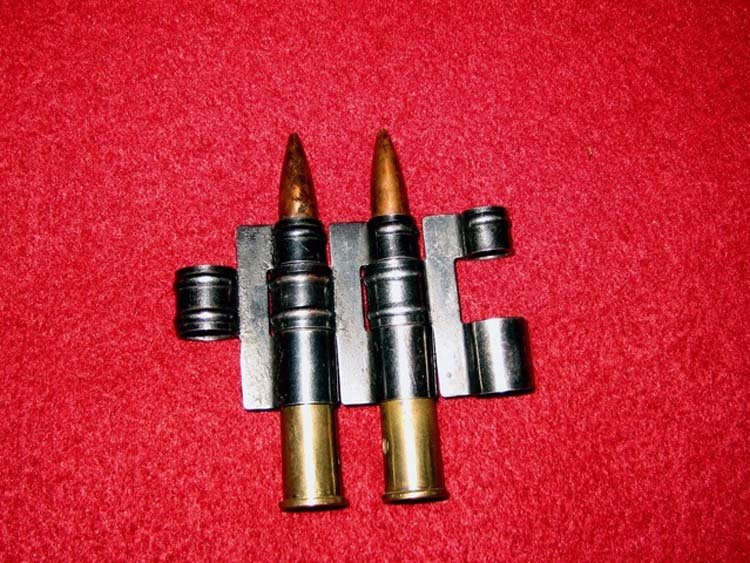 Breda-SAFAT |
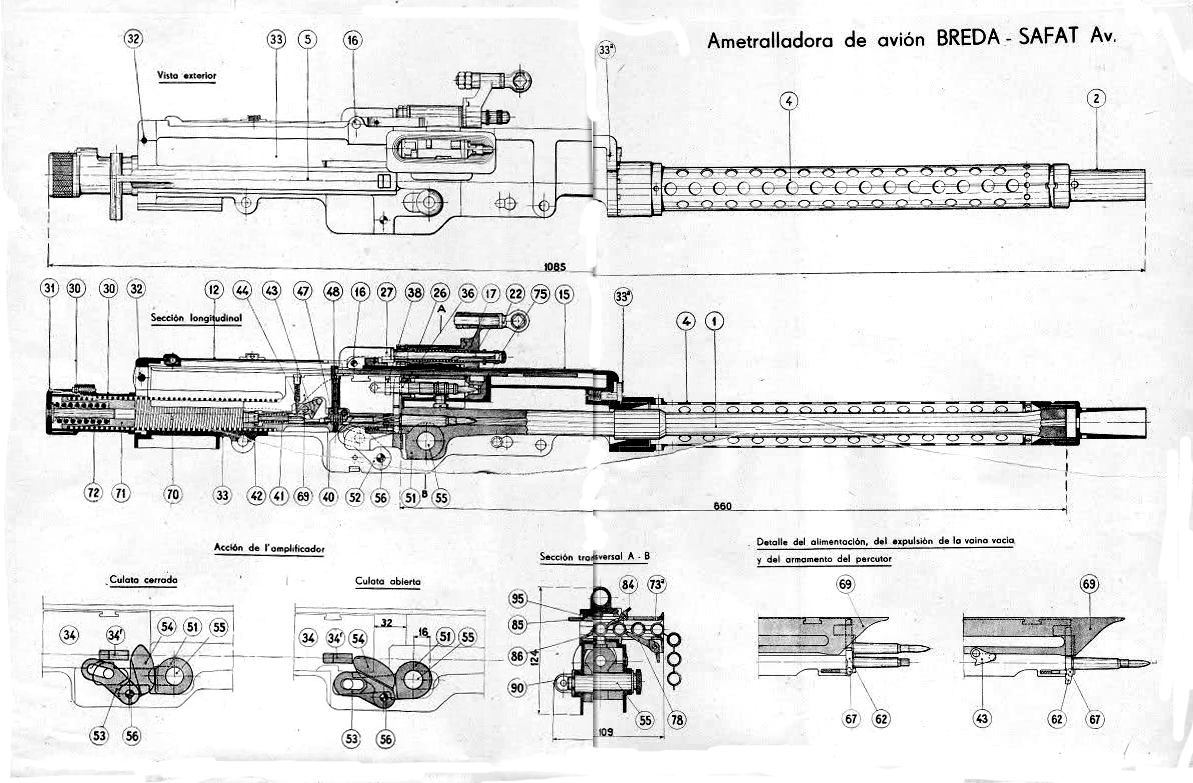 Breda-SAFAT |
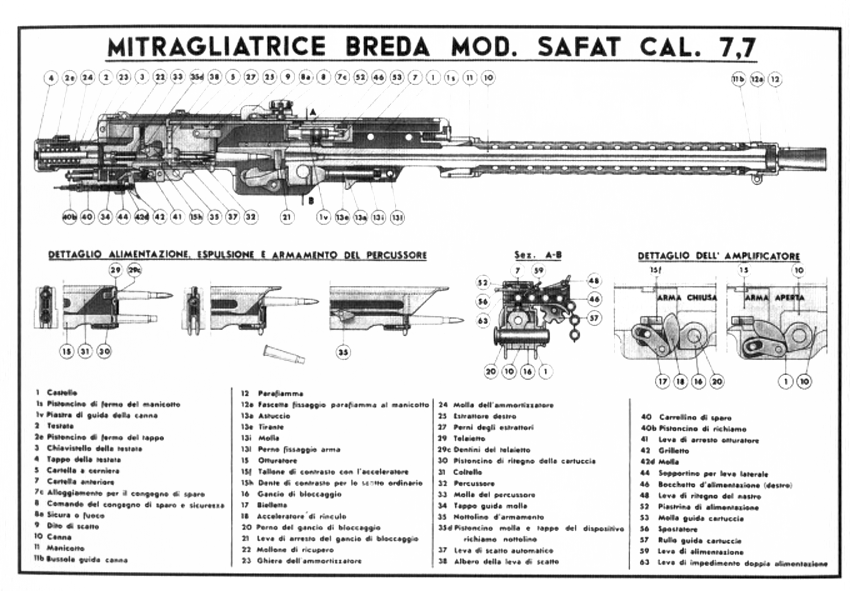 Breda-SAFAT |
 Breda-SAFAT |