
In 1915, the French Aviation Militaire announced a competition for the creation of light bombers capable of carrying out bombing raids on the German city of Essen. The specifications required the aircraft to carry a bomb load of 200 kilograms over a distance of 600 kilometers.
Several firms participated in the competition, including Paul Schmitt and Breguet. Louis Breguet’s aircraft was designated SN.3, a name that played on the city name Essen.
Design and Features
It was a two-seater, three-strut biplane with wings of different spans, powered by a 250 hp Renault 8Gd engine. The aircraft’s armament consisted of a single 7.7mm Lewis machine gun on a movable turret and 240 kilograms of bombs (typically 30 x 8 kg).
A Michelin bomb sight was also installed on the aircraft.
Competition and Outcome
Only the bombers from Paul Schmitt and Breguet were able to finish the competition. They met the requirement to fly the Villacoublay-Chartres-Etampes-Villacoublay route in four minutes and 30 seconds at a speed of 132 km/h.
The SN.3 was declared the winner of the competition, but it was not ordered for serial production. The military was not satisfied with the aircraft’s protection and combat radius. Breguet was asked to refine the aircraft for mass production, which ultimately led to the development of the Breguet-Michelin BM.4.
Technical Specifications
| Modification | Breguet SN.3 |
| Wingspan, m | 16.40 |
| Length, m | 9.50 |
| Height, m | 3.70 |
| Wing area, m2 | 54.00 |
| Empty weight | 1350 |
| Normal takeoff weight | 2150 |
| Engine type | 1 Piston engine Renault 8Gd |
| Power, hp | 1 x 250 |
| Maximum speed, km/h | 135 |
| Cruising speed, km/h | 115 |
| Practical range, km | 800 |
| Crew | 2 crew |
| Armament | One movable Lewis machine gun of 7.7 mm caliber and up to 240 kg of bomb load (usually 30×8 kg) |
Image and diagram gallery of the Breguet SN.3
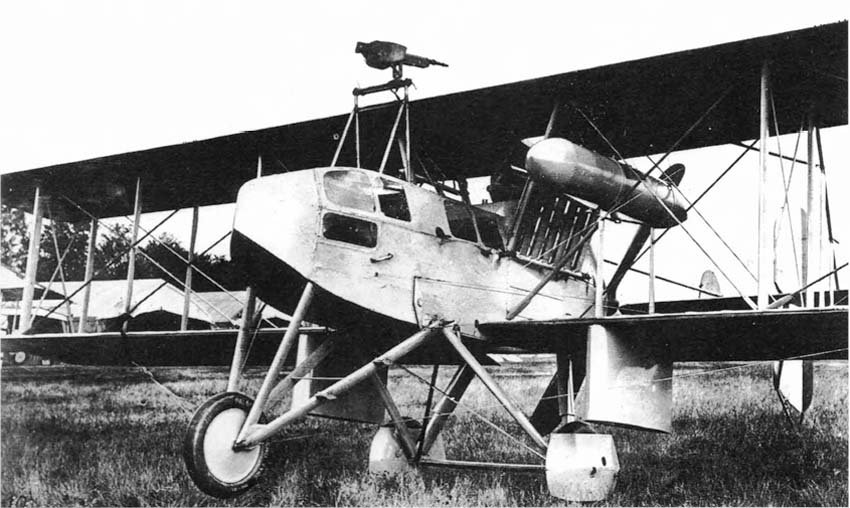 Breguet SN.3 |
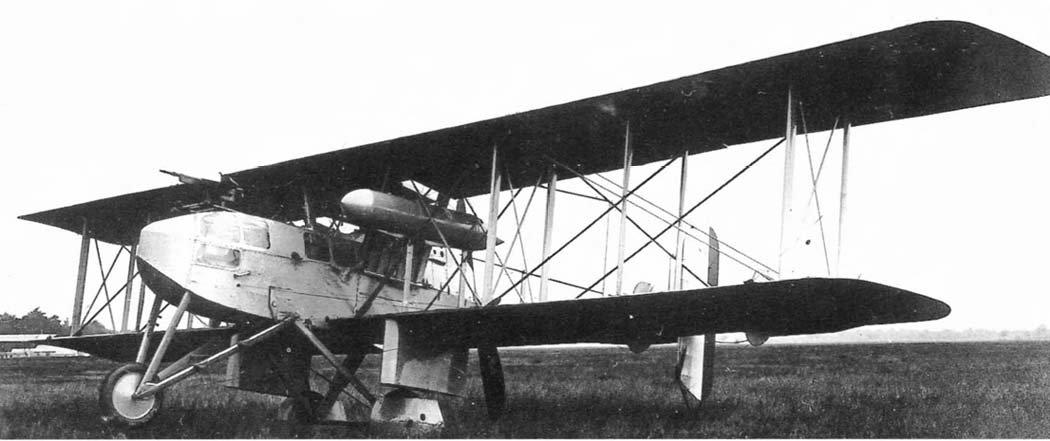 Breguet SN.3 |
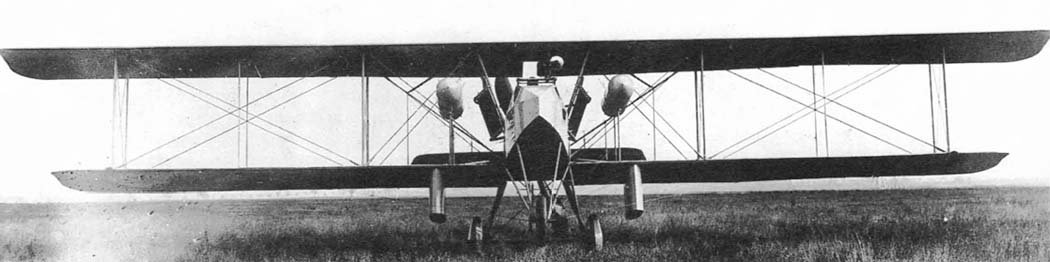 Breguet SN.3 |
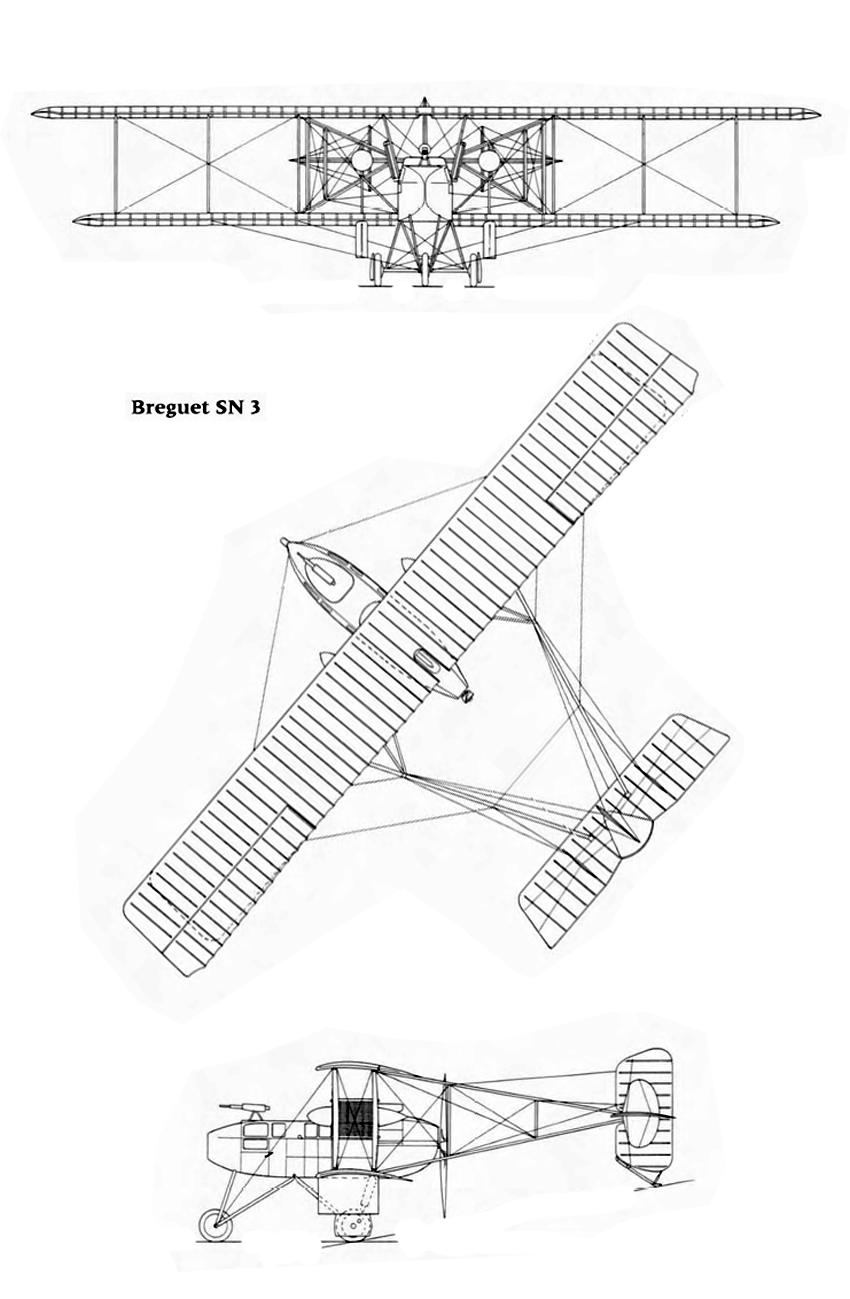 Breguet SN.3 |