In the mid-1930s, the UK Air Ministry issued Specification F.5/34 for a single-seat monoplane fighter. This aircraft was intended to replace outdated biplane fighters such as the Gloster Gauntlet, Gladiator, Hawker Fury, and Demon. The specification outlined demanding performance criteria for the new interceptor.
The fighter was required to achieve a maximum speed of 442 km/h at 4,572 meters and 426 km/h at 6,096 meters, with an operational ceiling of 10,058 meters and a flight endurance of 90 minutes. Other essential features included an enclosed cockpit and retractable landing gear. Its armament was specified to be six to eight machine guns, each with 300 rounds, allowing for 15 seconds of continuous fire.
Competition and Design
The competition for the RAF contract saw entries from the Bristol Type 146, Gloster F.5/34, Martin-Baker MB-2, and Vickers Type 279 Venom. Later, the more famous Hawker Hurricane and Supermarine Spitfire also joined the fray, quickly emerging as frontrunners.
Bristol Aeroplane Co. Ltd’s project was based on the design of their earlier Bristol Type 133 fighter. The new aircraft was an all-metal low-wing monoplane, initially equipped with an 835 hp Bristol Perseus engine featuring a turbosupercharger. Its formidable armament consisted of eight 7.7mm Browning machine guns, with four mounted in each wing.
Development Challenges and Legacy
Engine problems and a low development priority within the company meant that the first prototype was not completed until late 1937. The aircraft, assigned the military index K5119, made its maiden flight on February 11, 1938. The issues with the Bristol Perseus engine remained unresolved, leading to its replacement with a Bristol Mercury IX engine of 840 hp, albeit without a supercharger.
In this configuration, the aircraft was transferred to the RAF Aeroplane & Armament Experimental Establishment for testing. During these trials, the aircraft suffered an accident and was returned to the factory for repairs and modifications. By this point, it had become clear that the Bristol 146 could not keep pace with the superior Hurricane and Spitfire designs. Nevertheless, a second example (K808) was eventually completed, and the design insights were leveraged for future projects, including the Bristol Type 147 two-seat fighter, the Type 148 army auxiliary aircraft, and the single-seat fighters Type 151 and 153.
Technical Specifications
| Modification | Bristol 146 |
| Wingspan, m | 11.89 |
| Length, m | 8.23 |
| Height, m | 3.15 |
| Wing area, m2 | 20.44 |
| Empty weight | 1489 |
| Normal takeoff weight | 2086 |
| Engine type | 1 Piston engine Bristol Mercury IX |
| Power, hp | 1 x 840 |
| Maximum speed, km/h | 462 |
| Cruising speed, km/h | 390 |
| Service ceiling, m | 11600 |
| Crew, crew members | 1 |
| Armament: | eight 7.7-mm Browning machine guns |
Image and diagram gallery of the Bristol Type 146
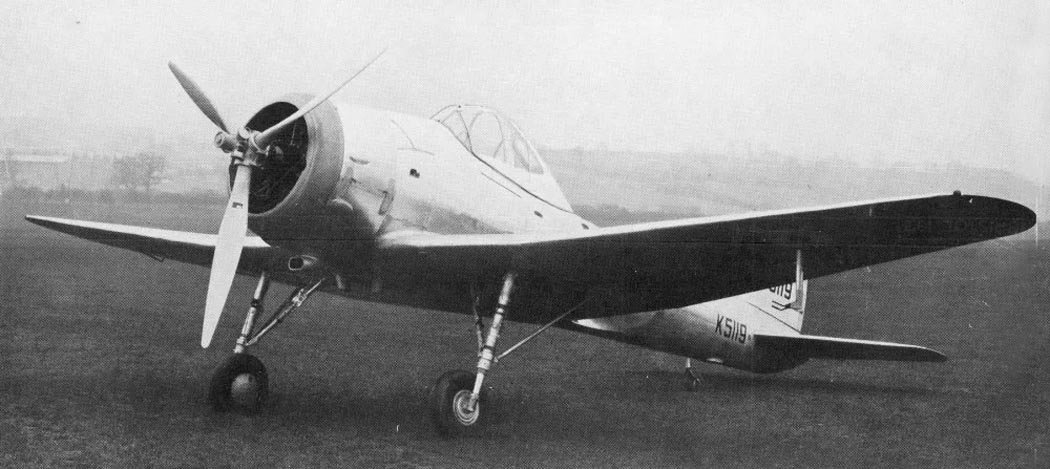 Brisrol 146 |
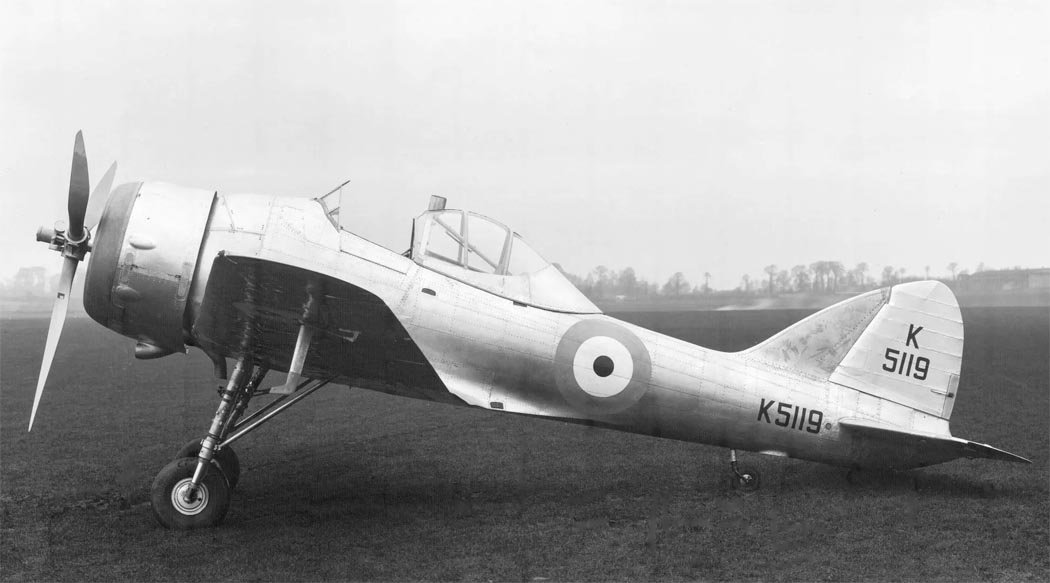 Brisrol 146 |
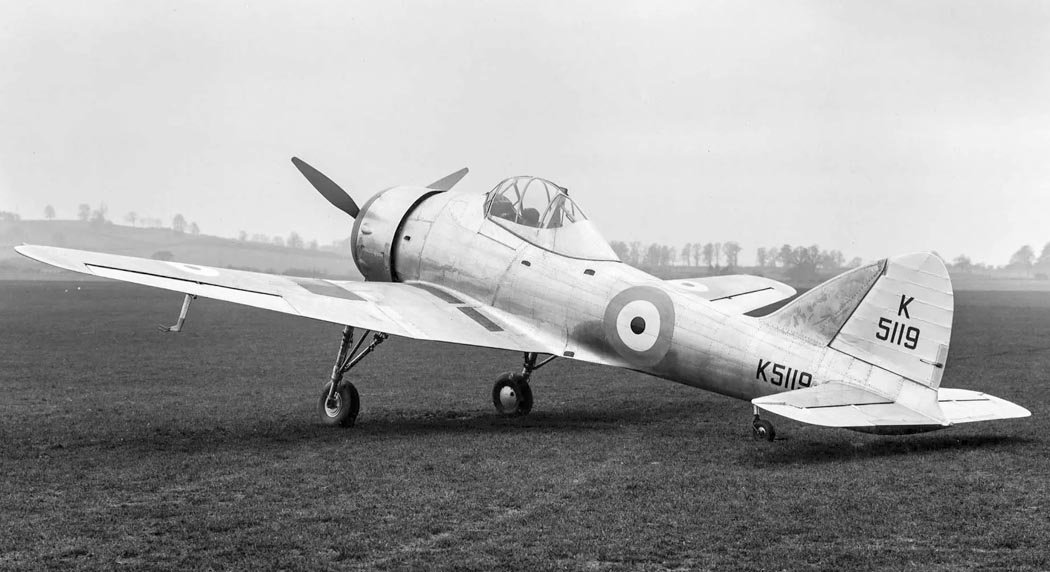 Brisrol 146 |
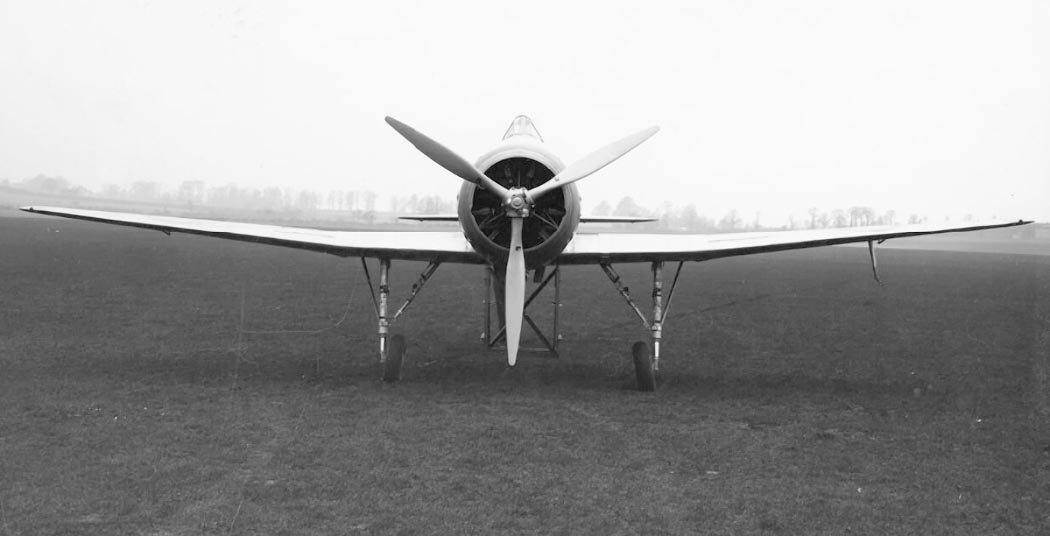 Brisrol 146 |
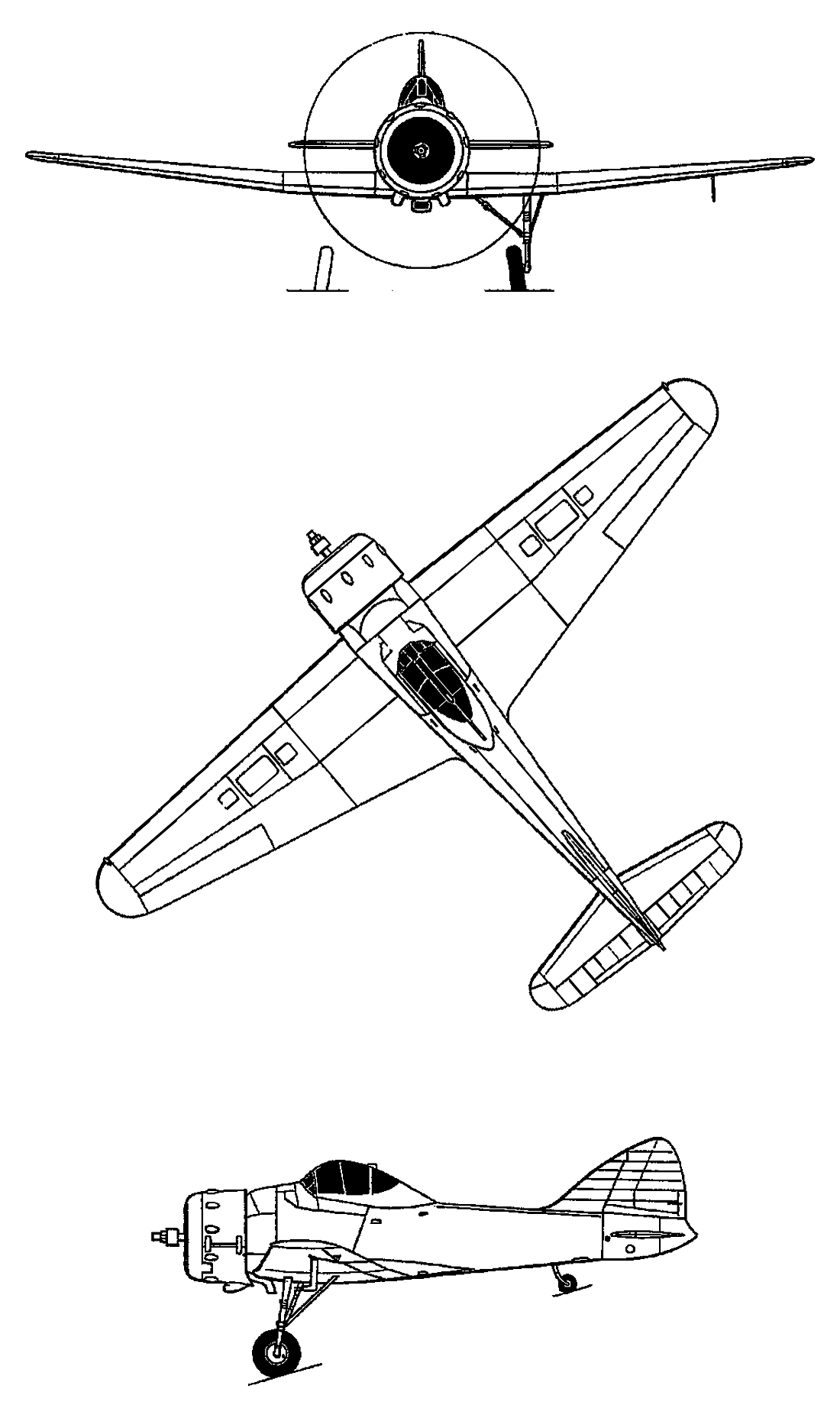 Brisrol 146 |
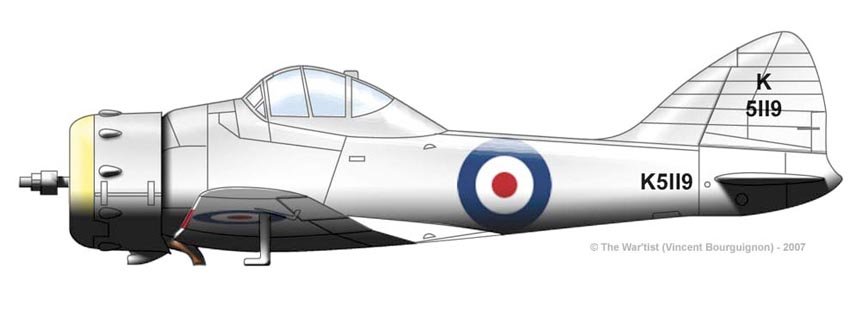 Brisrol 146 |