
In March 1916, Frank Barnwell completed the design for a two-seat reconnaissance aircraft, competing with the Royal Aircraft Factory R.F8 to replace the B.E.2. The aircraft was designated R.2A (later Type 9). It was a two-bay biplane with wings of equal span and a 120 hp Beardmore engine.
The later introduction of a 150 hp Hispano-Suiza engine led to a new variant, the R.2B (Type 9A), a slightly smaller sesquiplane.
Development and Early Variants
The appearance of the 190 hp Rolls-Royce Falcon engine necessitated changes to the fuselage design, allowing it to accommodate this powerplant or the Hispano-Suiza engine. On August 28, 1916, a contract was signed for one prototype of each variant, also stipulating the production of 50 serial aircraft.
The first prototype, designated Bristol F.2A (Type 12) to indicate its fighter function, took to the air on September 9, 1916, followed by the second on October 25. Serial F.2A aircraft were equipped with the Rolls-Royce Falcon engine and featured a new cowling design, along with modified wing planforms. Unlike the prototype, the pilot’s seat was not armored.
Its armament consisted of a Lewis machine gun mounted on a Scarff ring in the rear cockpit, and a synchronized Vickers machine gun centrally mounted under the engine cowling. This placement required a tunnel running through the fuel tank in the upper fuselage.
Combat Debut and Tactical Evolution
The first combat encounter involving six F.2As against an equal number of Albatros D.IIIs from a fighter squadron led by Baron Manfred von Richthofen ended tragically, with only two machines surviving. The cause was tactical errors, primarily using the aircraft as a platform for the rear gunner.
Once pilots began to employ single-seater aircraft tactics, using the synchronized Vickers machine gun as the primary offensive weapon, the “Brisfit” became one of the most effective fighters of World War I. After the war, the F.2A was used for army cooperation and as a training aircraft.
Legacy and Global Service
Additionally, the aircraft was utilized by the Air Forces of Australia, Belgium, Canada, Ireland, Greece, Mexico, New Zealand, Norway, Peru, and Spain. A total of 5308 Bristol Type 12 aircraft and its modifications were produced.
Technical Specifications
| Modification | F.2A |
| Wingspan, m | 11.95 |
| Length, m | 7.87 |
| Height, m | 2.95 |
| Wing area, m2 | 35.69 |
| Empty weight | 943 |
| Normal takeoff weight | 1446 |
| Engine type | 1 Piston engine Rolls-Royce Falcon |
| Power, hp | 1 x 190 |
| Maximum speed, km/h | 186 |
| Cruising speed, km/h | 165 |
| Flight endurance, h | 3.0 |
| Service ceiling, m | 5500 |
| Crew, crew members | 1 |
| Armament | one synchronized 7.7-mm Vickers machine gun and one 7.7-mm Lewis machine gun on a flexible mount in the rear cockpit. |
Image and diagram gallery of the Bristol F.2A
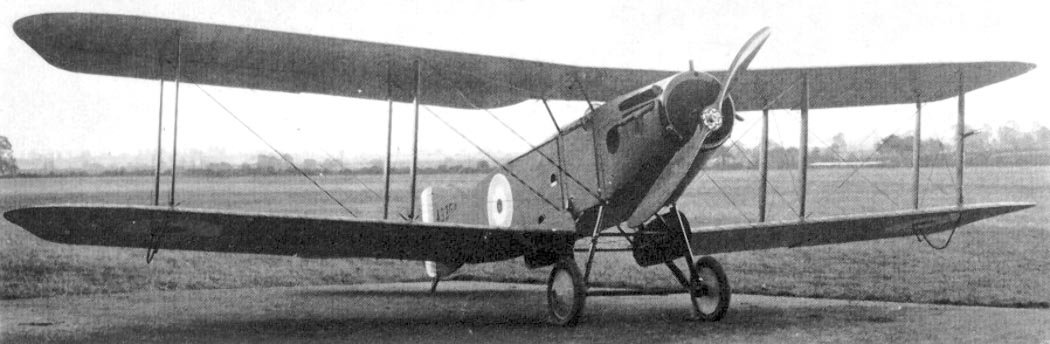 F.2A |
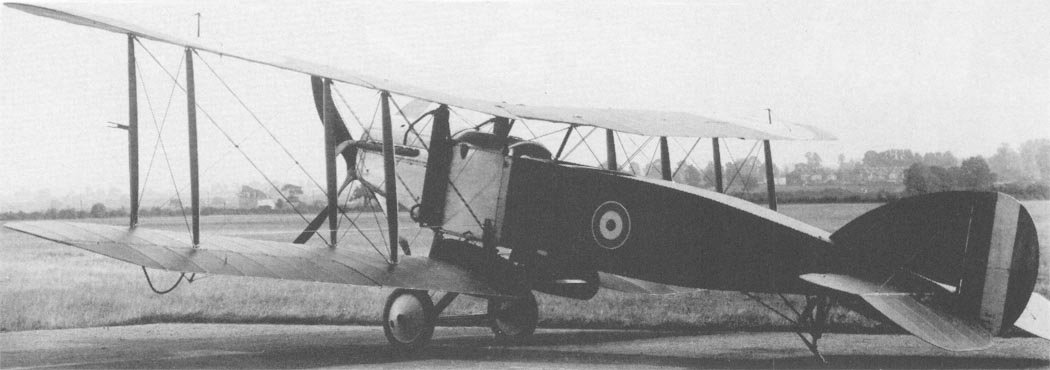 F.2A |
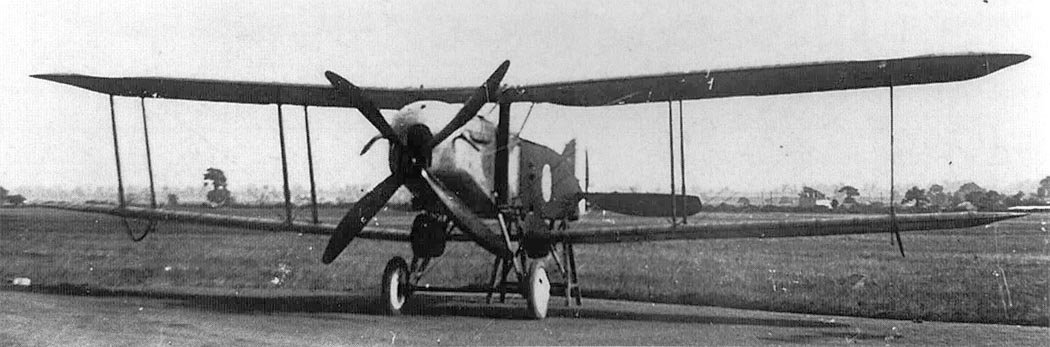 F.2A |
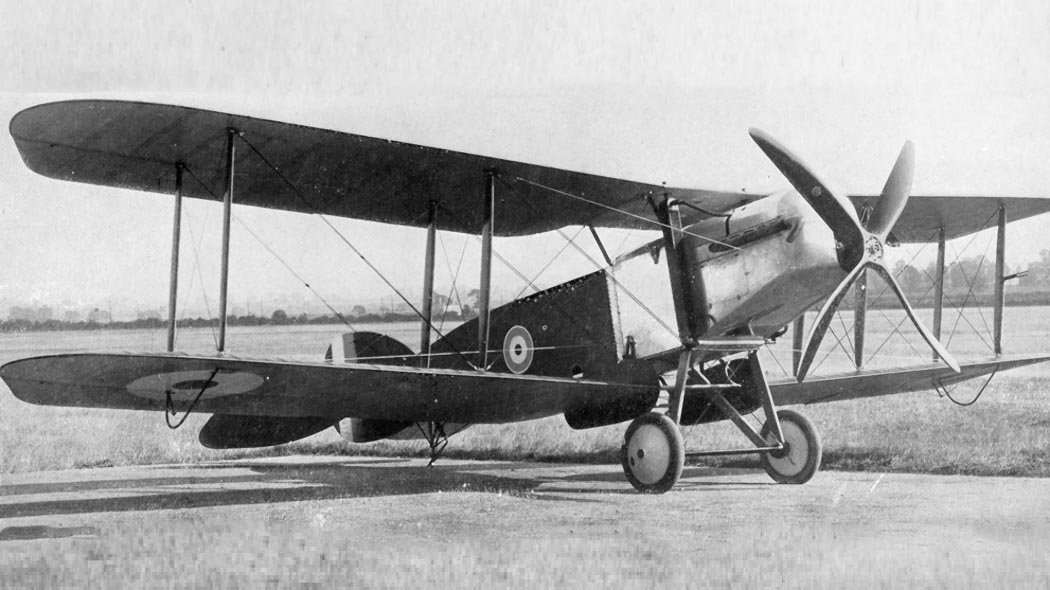 F.2A |
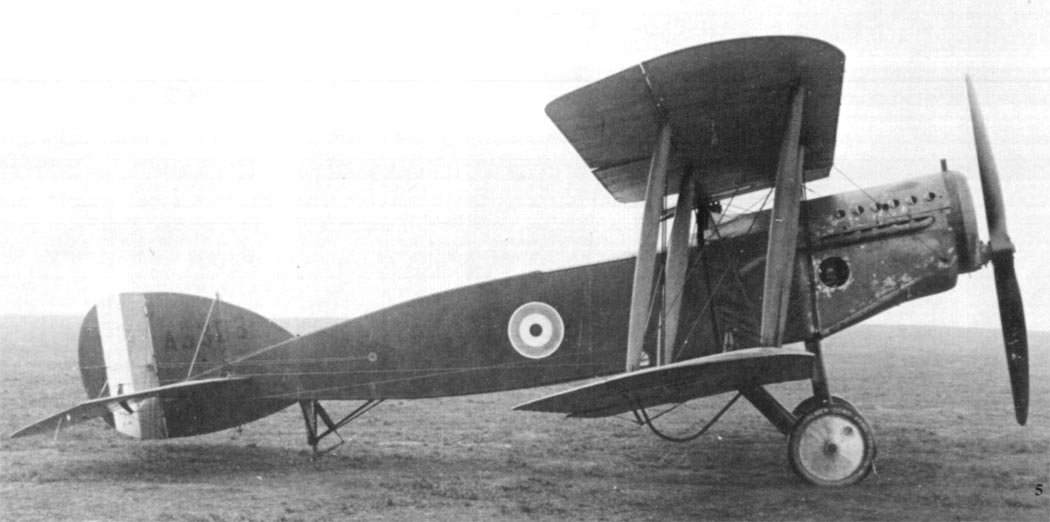 F.2A |
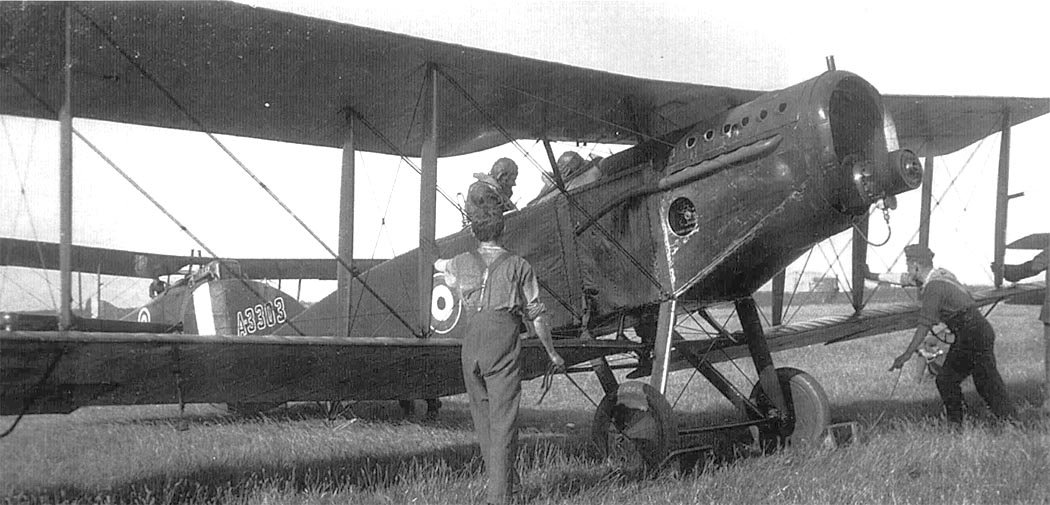 F.2A |
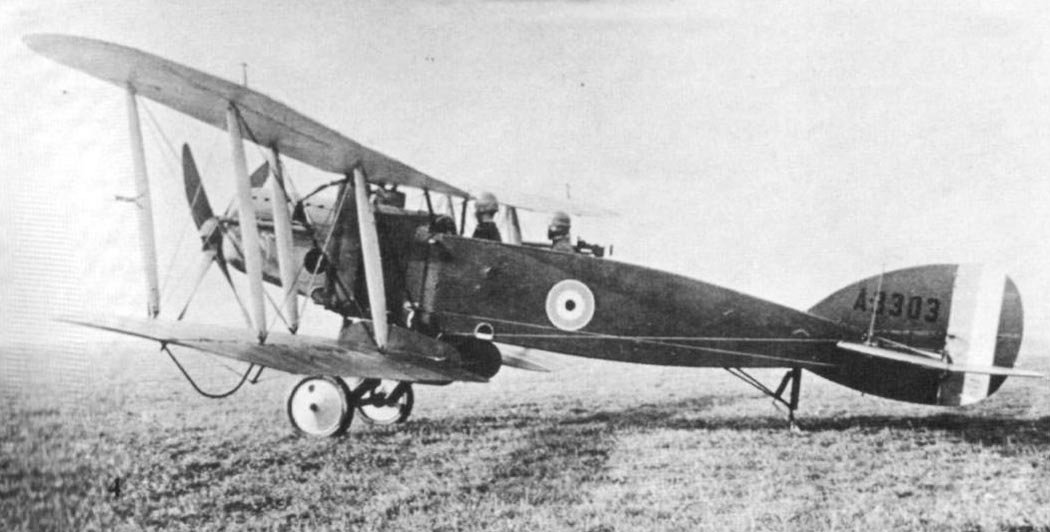 F.2A |
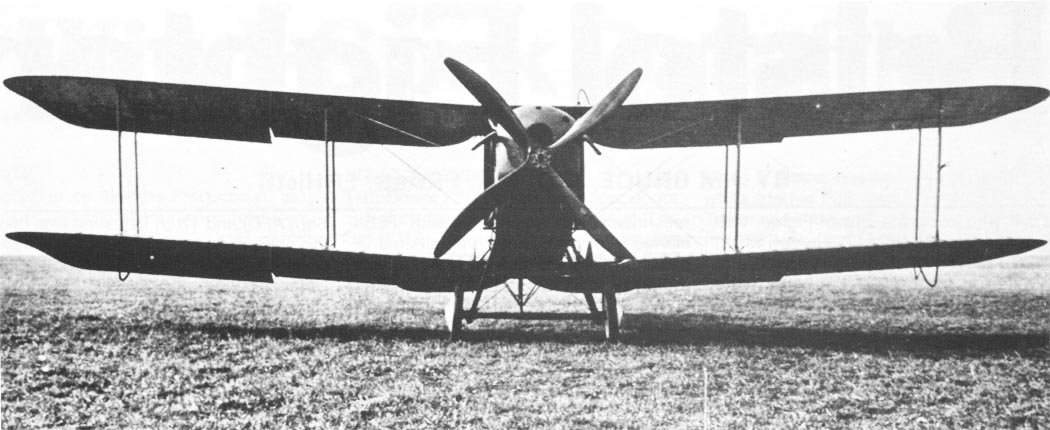 F.2A |
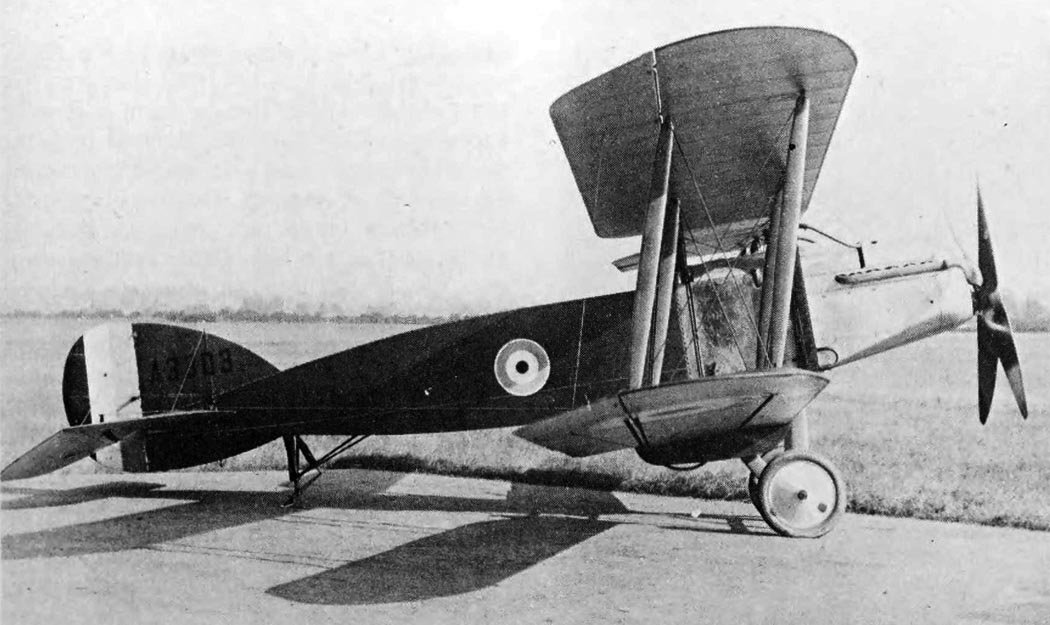 F.2A |
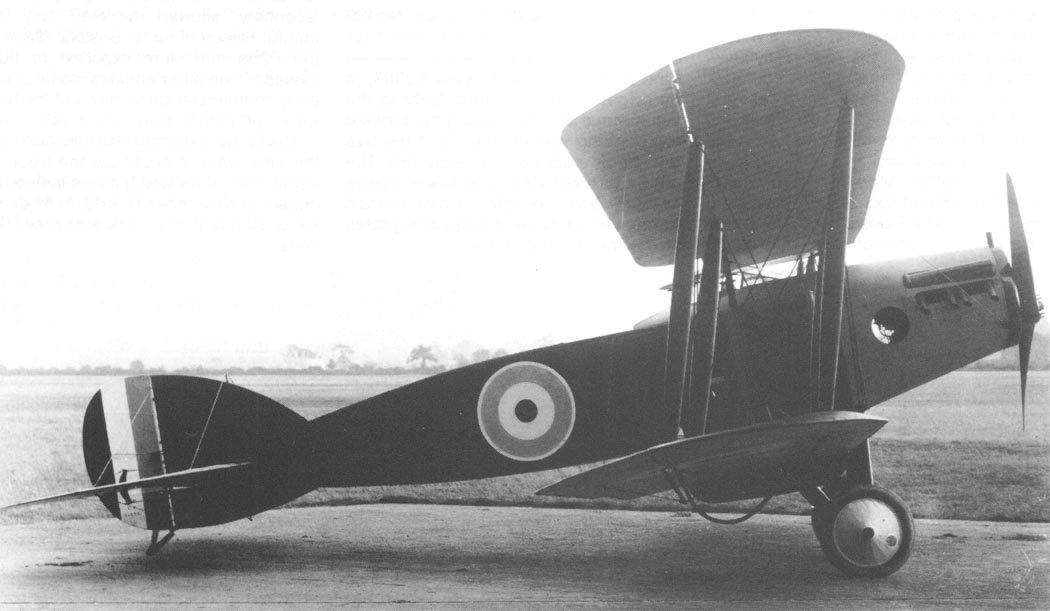 F.2A |
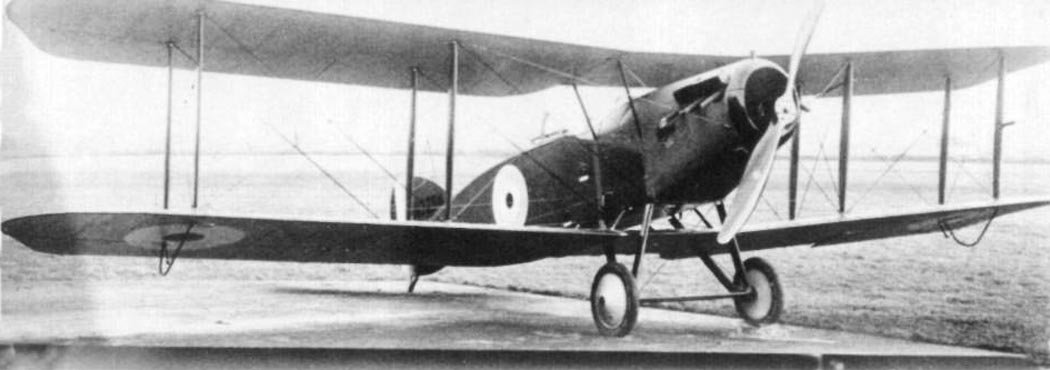 F.2A |
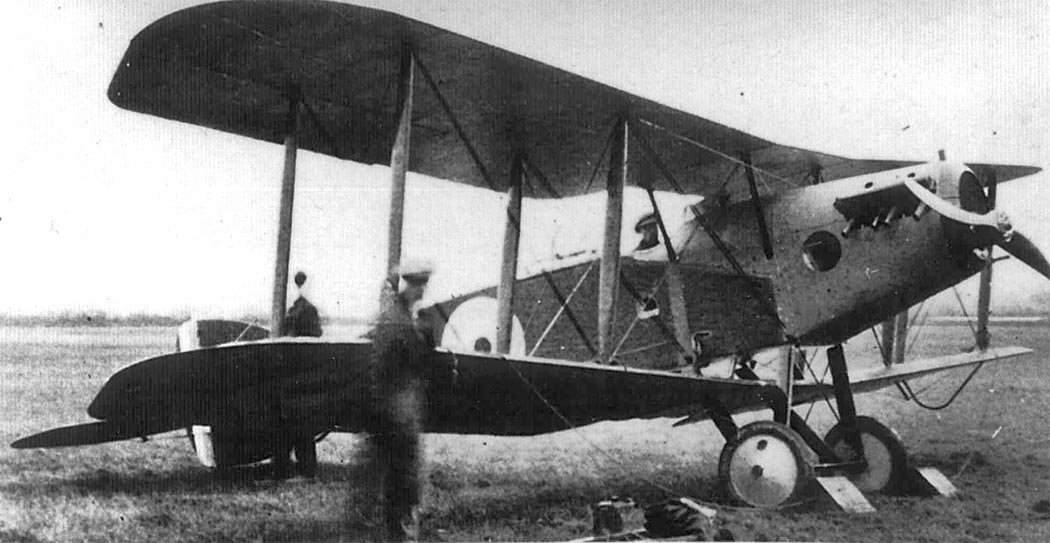 F.2A |
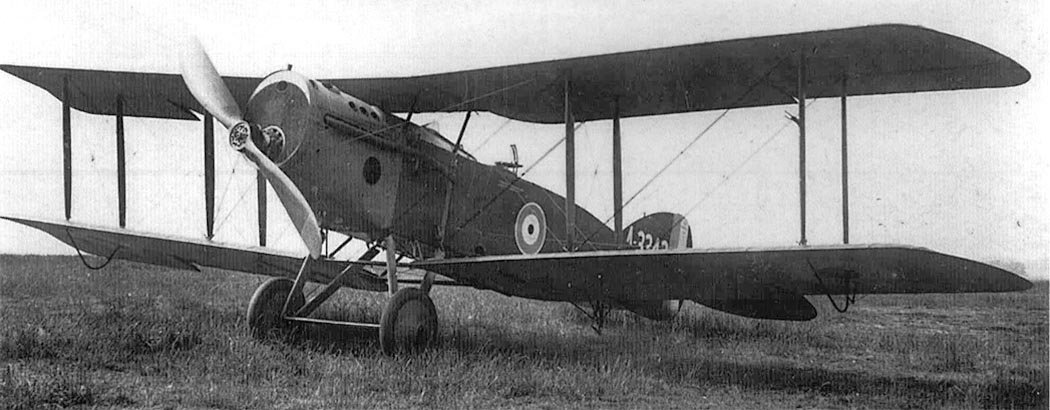 F.2A |
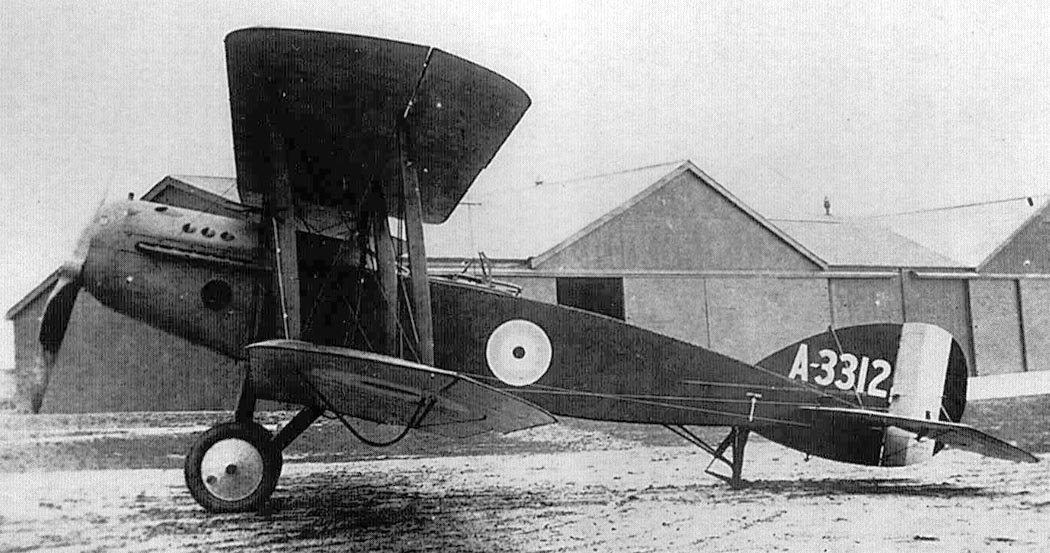 F.2A |
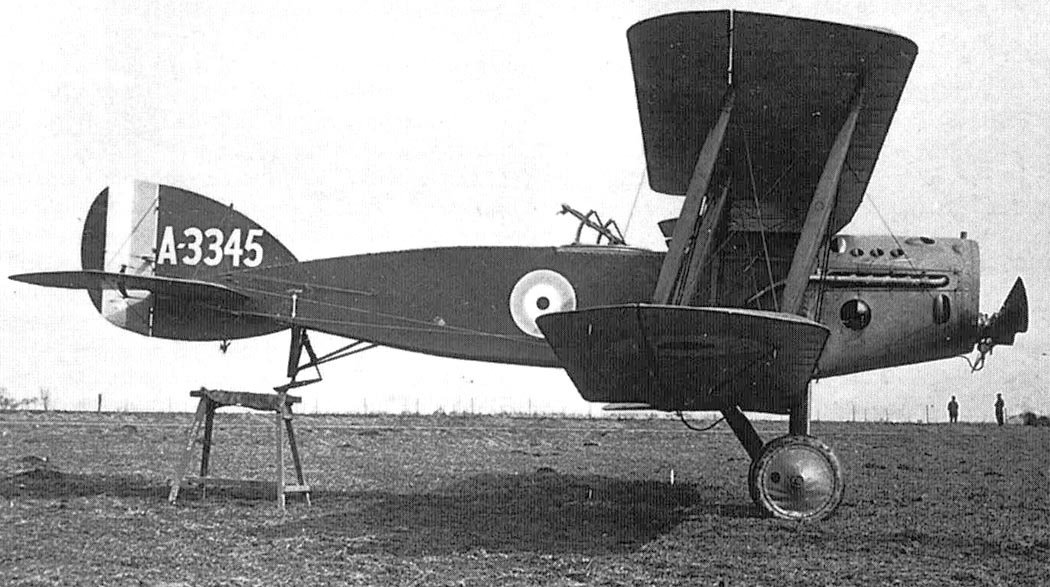 F.2A |
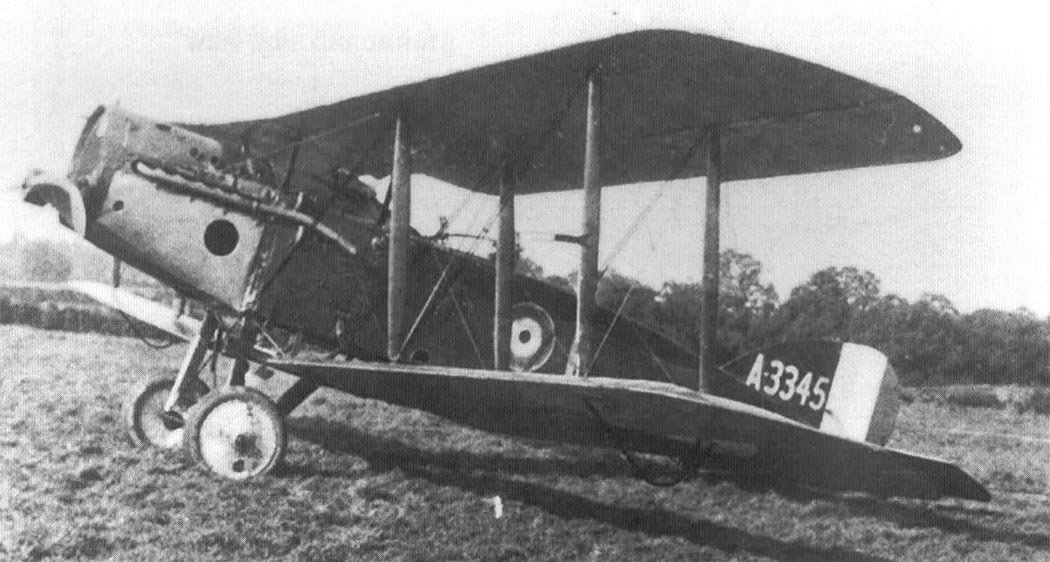 F.2A |
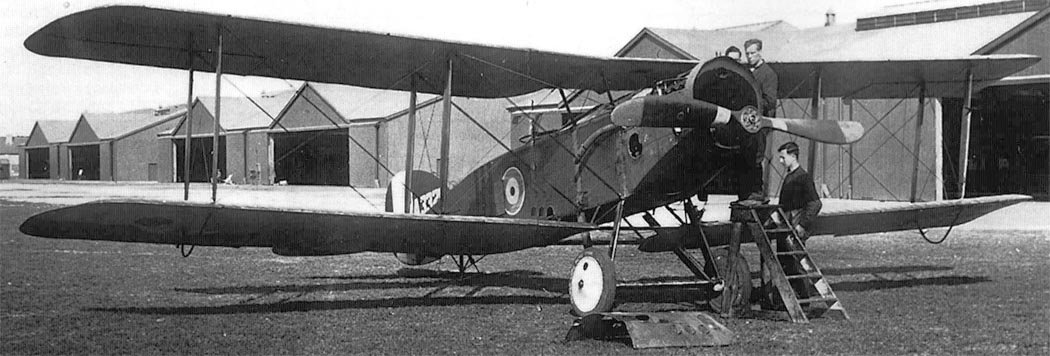 F.2A |
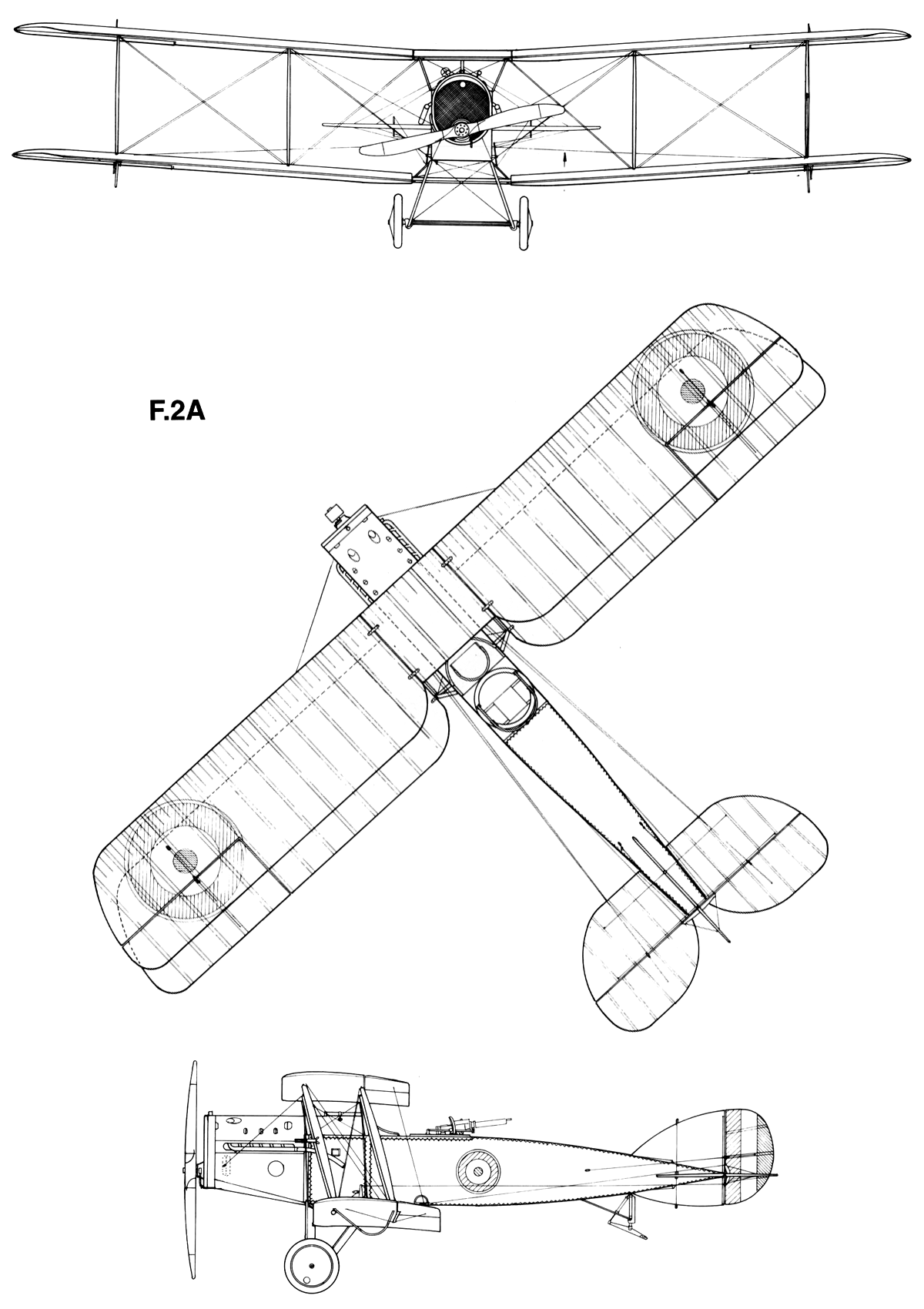 F.2A |
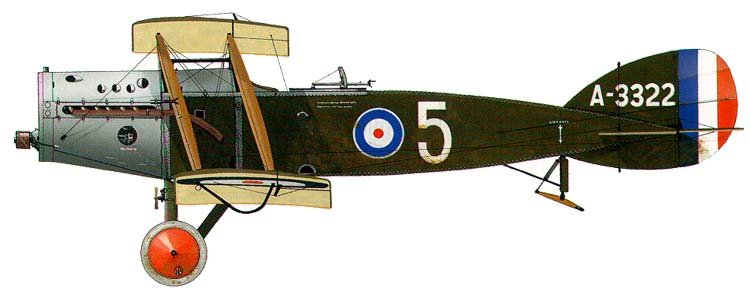 F.2A |