Louis Breguet, serving as a pilot in World War I, understood that the aircraft of the time lacked structural strength, and that engine power was sufficient only for reconnaissance. By this point, Breguet was already familiar with the design of two new aircraft, planned for production by order of General Bernard, commander of French aviation, who demanded aircraft of categories A and B (with tractor and pusher propellers, respectively). Breguet preferred the latter.
His rival in this category was an aircraft with a 160 hp (119 kW) Gnome rotary engine. This aircraft was produced and operated in limited numbers as the AG4 (A – category, G4 – Gnome engine), but the designer recognized the need for greater machine power and a larger, stronger fuselage. Thus, he designed the Type 4, known by the military designation BU3 – the first powerful Category B aircraft created in accordance with French General Staff requirements.
Early Development and Production
It was a large, all-wooden, three-strut, two-seat biplane with a truss fuselage, a plywood gondola, and fabric-covered lifting surfaces. The observer in the front seat had an unobstructed view and a wide field of fire for an 8 mm Hotchkiss turret machine gun. The U3 designation indicated that the aircraft was equipped with a 160 hp (119 kW) Salmson (Canton-Unne) water-cooled radial piston engine.
The BU3 prototype was built in late summer 1914, when the German offensive in northeastern France threatened Breguet’s factory in Douai. Therefore, the prototype was transported by vehicle to Villacoublay near Paris. The BU3, tested in late 1914, was quickly put into series production as part of urgent measures to form air squadrons for the defense of Paris against German air raids.
Breguet himself demonstrated the prototype. The machine had a partially armored cockpit. The gunner-observer was located in the rear seat, so he had to stand to fire.
Variants and Combat Evolution
In November 1914, brothers André and Édouard Michelin offered the French government to build 100 bombers for the French army. The BU3 was chosen as the base model. A period of uncertainty followed, as part of the army leadership believed that the BU3 should be built without armor as a two-seat fighter. Nevertheless, the BU3 ultimately became a bomber.
The variant built by the “Michelin” company was designated BUM, meaning a Category B aircraft with a Salmson (Canton-Unne) engine, built by “Michelin.” After testing, a number of changes were made to the aircraft, and it was adopted as the BrM2B.2 two-seat bomber with a 200 hp (149 kW) Salmson (Canton-Unne) engine. Another BU3 variant was the BLM aircraft, which entered service as the BRM4B.2 with a more powerful 220 hp (164 kW) Renault 12Fb Vee engine.
As early as 1914, Breguet planned to develop a smaller, lighter, and faster variant of the BU3, capable of speeds around 140 km/h. After the formation of the first unit with BUM aircraft, its commander asked Breguet to create a faster variant that could be used as an escort fighter. Breguet proposed the BUC, which designated a Category B aircraft with a Salmson (Canton-Unne) engine, optimized as a “Chasse” (fighter). Breguet decided to equip this aircraft with a long-range 37 mm cannon to shoot down attacking German fighters.
British Service and Limitations
The BLC was a light bomber and escort fighter of the BUC type. It was fitted with a Renault 12Fb V-piston engine. Neither the BUC nor the BLM gained widespread adoption, and both types were generally deemed unsuitable for requirements. The Breguet de Chasse represented a BUC variant for arming British naval aviation; a total of 17 machines were built.
The main change was the replacement of the radial engine with an English in-line Sunbeam Mohawk of 225 hp (168 kW), or in some cases, a similar 250 hp (187 kW) Rolls-Royce Falcon. These aircraft fought as part of the 5th Air Wing, based in Dunkirk, but in June 1916, they were withdrawn from the front line due to poor performance.
Technical Specifications
| Modification | BUC |
| Wingspan, m | 16.40 |
| Length, m | 9. 50 |
| Height, m | 3. 70 |
| Wing area, m2 | 54.00 |
| Empty weight | 1160 |
| Normal takeoff weight | 1 535 |
| Engine type | 1 Piston engine Salmson 2M7 |
| Power, hp | 1 x 200 |
| Maximum speed, km/h | 138 |
| Cruising speed, km/h | 110 |
| Service ceiling, m | 3700 |
| Crew, crew members | 2 |
| Armament | movable 37 mm Hotchkiss cannon for forward firing or movable 7.7 mm Lewis machine gun in the front cockpit and up to 300 kg bomb load on two hardpoints under the lower wing |
Image and diagram gallery of the Breguet 4 (BUC)
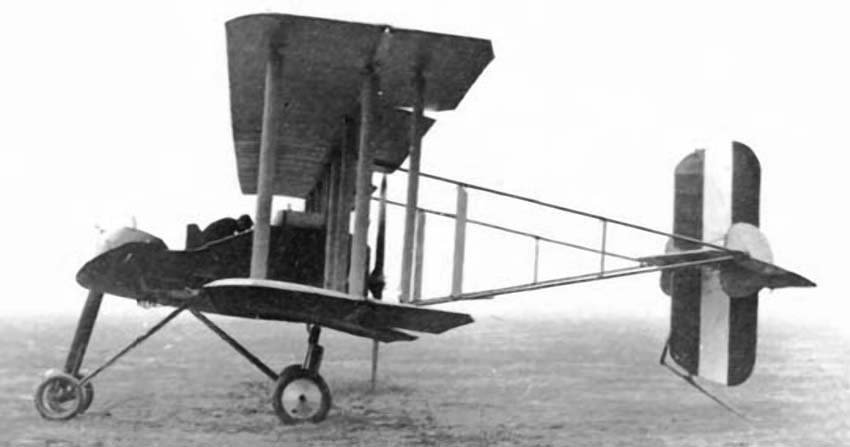 Breguet 4 (BUC) |
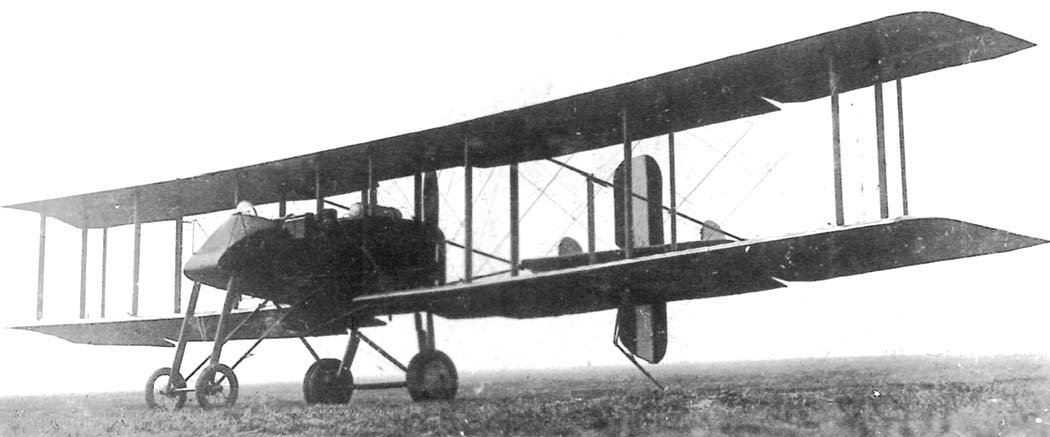 Breguet 4 (BUC) |
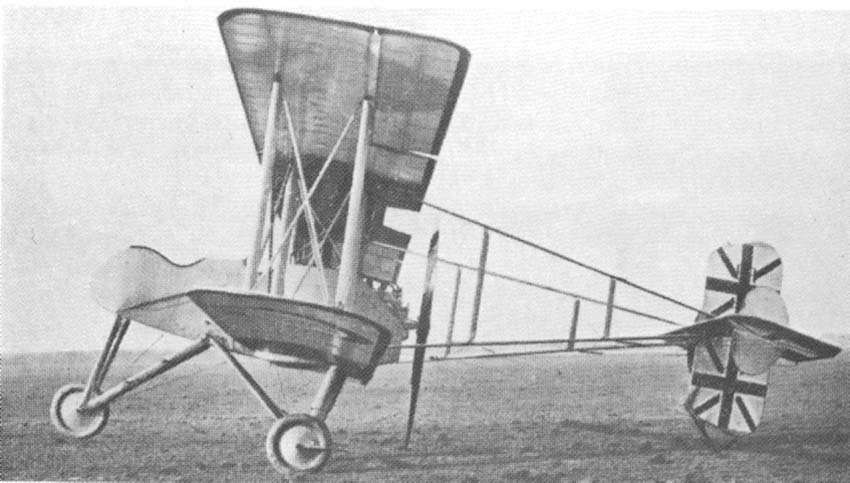 Breguet 4 (BUC) |
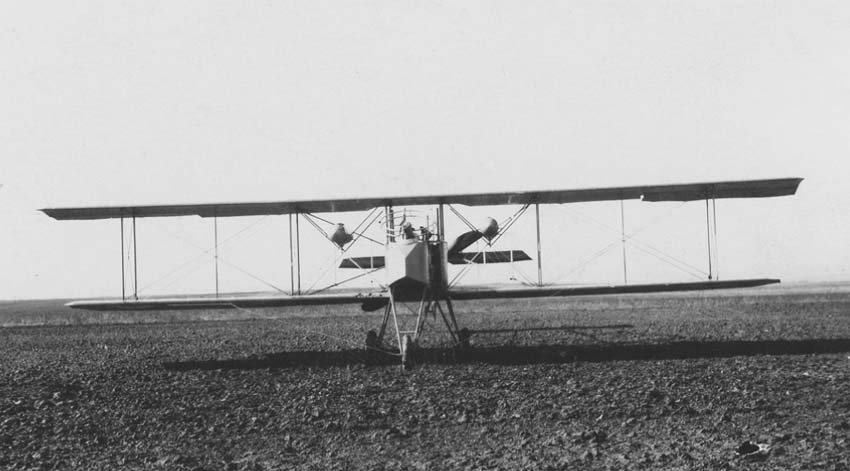 Breguet 4 (BUC) |
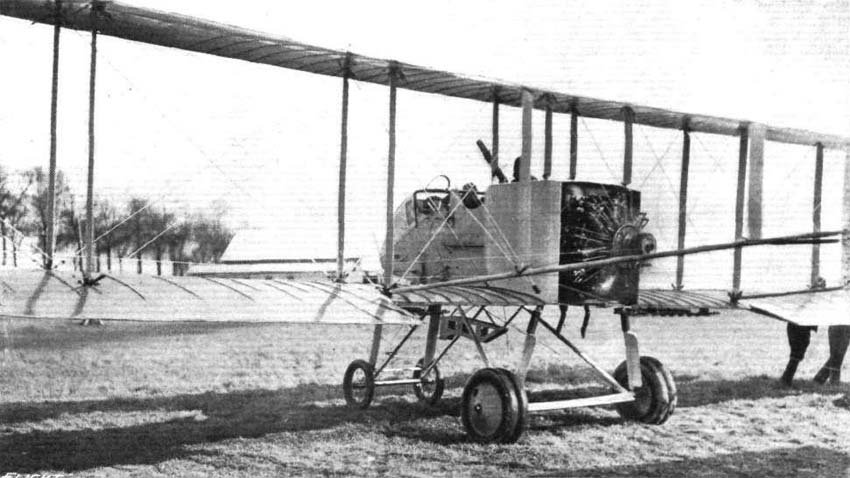 Breguet 4 (BUC) |
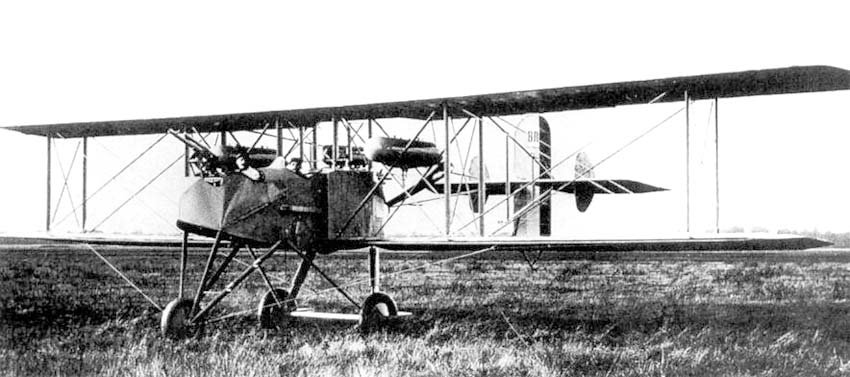 Breguet 4 (BUC) |
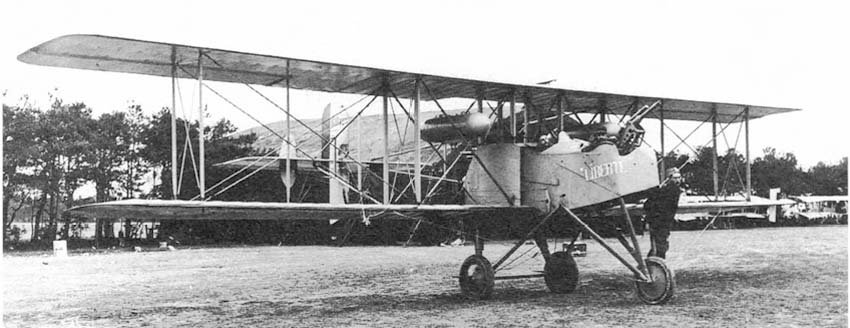 Breguet 4 (BUC) |
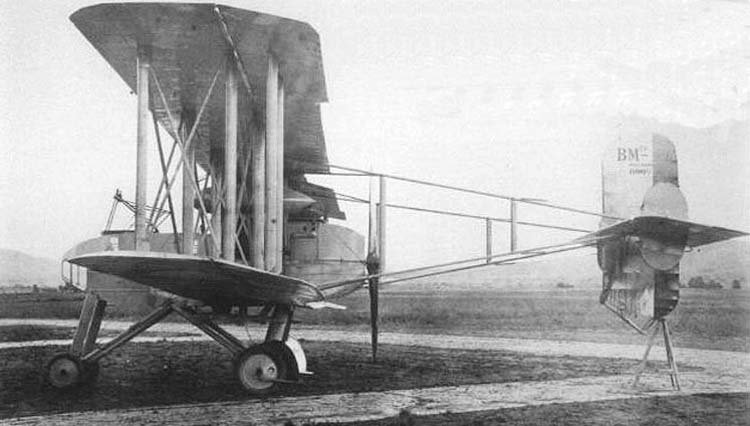 Breguet 4 (BUC) |
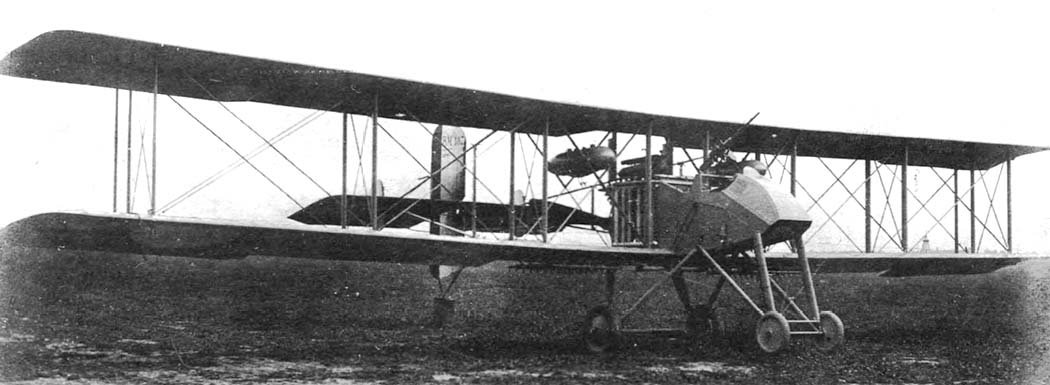 Breguet 4 (BUC) |
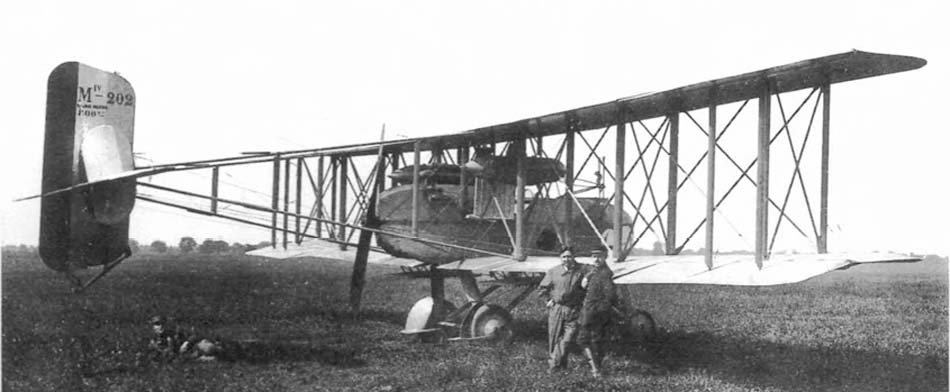 Breguet 4 (BUC) |
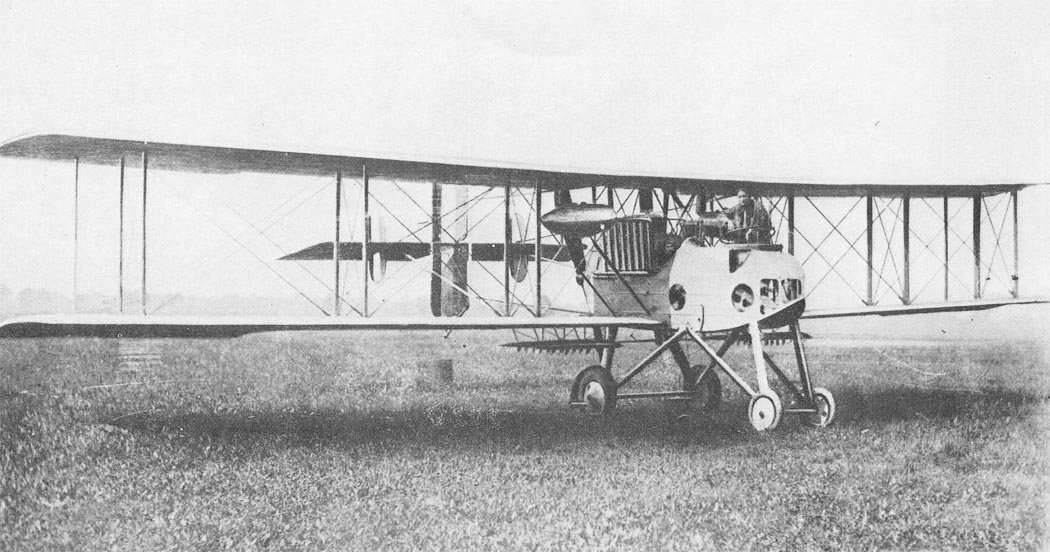 Breguet 4 (BUC) |
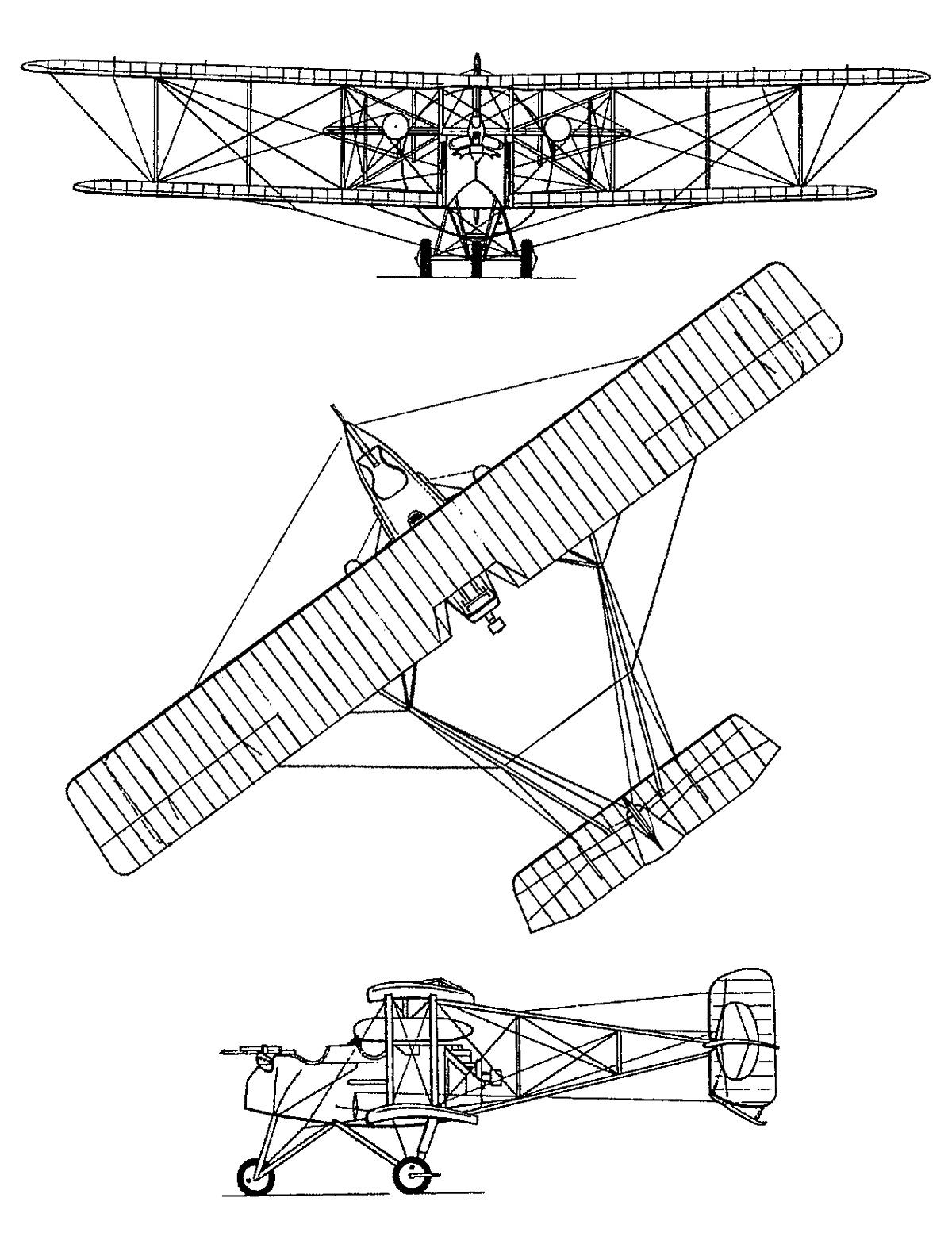 Breguet 4 (BUC) |
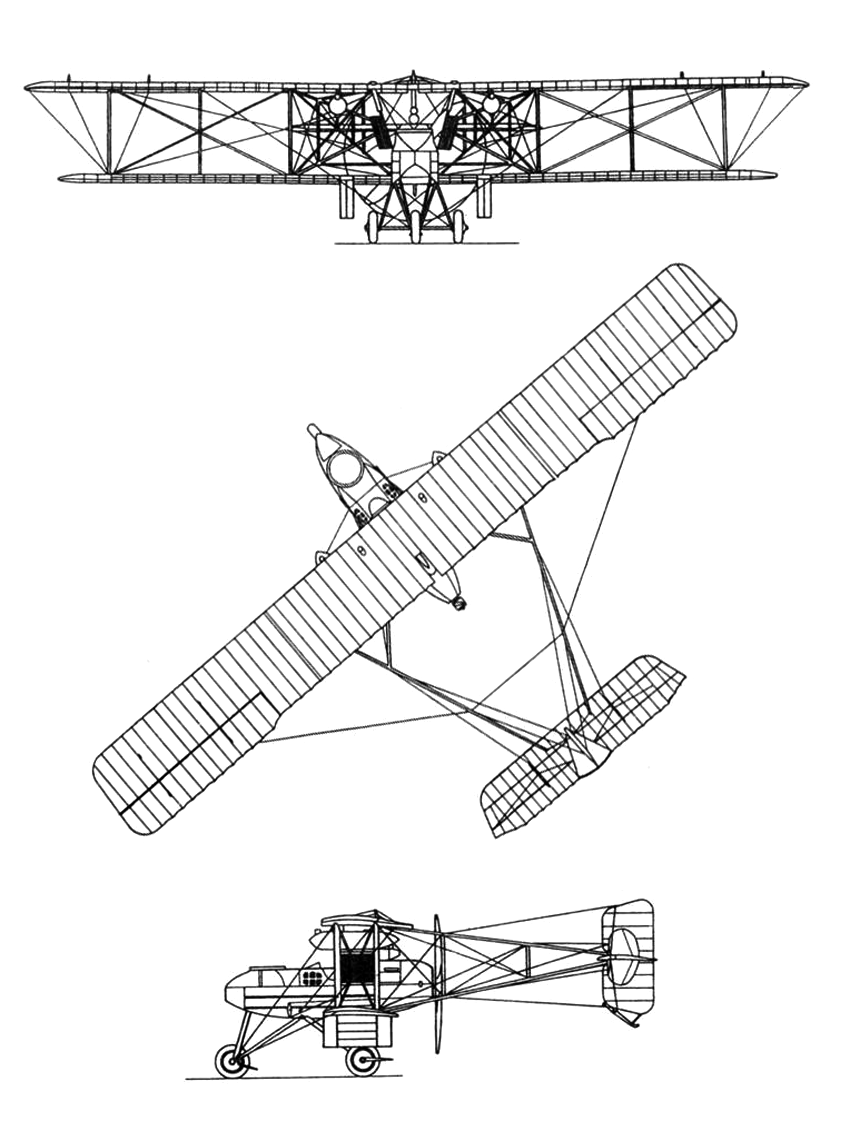 Breguet 4 (BUC) |