
The Light Liaison Aircraft Contest
In November 1938, the Italian Air Force command announced a competition for an easy-to-manufacture light liaison aircraft designed to transport three people. The German Fieseler Fi.156, which had entered service with the Luftwaffe a year earlier and gained favor in many other countries, was presented as an example.
Technical requirements for its Italian counterpart were drawn up on December 12, specifically stating that the aircraft would primarily operate in Africa from unprepared airfields. Few companies were interested in participating in the competition. By March 17, 1939, only two firms – IMAM and Caproni-AV.I.S. (AVio Industrie Stabiensi) – submitted projects for “colonial” aircraft.
Design and Technical Specifications
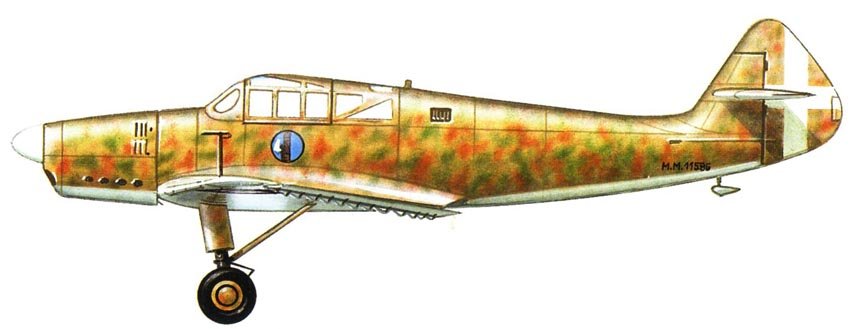
The Caproni-AV.I.S. company’s project was developed by engineer Ugo Abbate, who proposed a mixed-construction monoplane equipped with a liquid-cooled engine. The aircraft’s fuselage was made of metal tubes and covered with thin duralumin sheets, while the two-spar low-wing had a wooden structure with multi-layer plywood skinning.
The landing gear was fixed, using low-pressure automobile tires. The cabin was designed for one pilot and two passengers, but in a sanitary version, stretchers could be accommodated in place of the passenger seats. Among the power plant options considered, the German Hirth HM 508D engine (280 hp) with a two-bladed variable-pitch propeller proved to be the most suitable.
Flight Tests and Evaluation
After comparing the AV.I.S C.4 with its competitor, the IMAM Ro.63 was found to be more preferable and subsequently entered limited service. As a prize, the winning firm received an order for the construction of 10 pre-production aircraft. However, the Air Force was not in a hurry to abandon the C.4.
Its main advantage was cited as its lower price despite similar design data. Consequently, on March 8, 1940, a contract was signed for 6 units (MM11585 – MM.11590), representing an experimental series. The construction of the aircraft progressed rapidly, and the first prototype took to the air in June.
Test flights took place at Capodichino airfield, with pilots Giulio Faido and Mario de Bernardi flying the C.4. Factory test results proved unsatisfactory: the aircraft exhibited notably poor flying characteristics and was unable to provide decent competition to either the Ro.63 or the Fi.156.
Company engineers attempted to correct some shortcomings (in particular, the fin and rudder were enlarged), but overall, this had little impact on the situation. In late May 1941, the C.4 was sent to the test center in Guidonia, where military test pilots flew it. It was noted that the main drawback of the C.4 remained its insufficient stability in low-speed flight, meaning the aircraft was unlikely to find operational use.
Essentially, the history of the Caproni-AV.I.S. C.4 effectively ended here. Officially, the Air Force accepted only one aircraft (MM11586) in the spring of 1942, while the other five were sent to meteorological stations, where their traces are lost.
Caproni-AV.I.S. still had intentions to build an additional batch of 20 modernized machines, but the Air Force had completely lost interest in the C.4 and never issued a construction order.
Technical Specifications
| Modification | C.4 |
| Wingspan, m | 13.96 |
| Length, m | 8.70 |
| Height, m | 3.00 |
| Wing area, m2 | 28.00 |
| Empty weight | 826 |
| Maximum takeoff weight | 1329 |
| Engine type | 1 Piston engine Hirth HM.508 |
| Power, hp | 1 x 280 |
| Maximum speed, km/h | 240 |
| Cruising speed, km/h | 208 |
| Practical range, km | 800 |
| Practical ceiling, m | 6200 |
| Crew, crew members | 2 |
Image and diagram gallery of the Caproni-AV.I.S. C.4
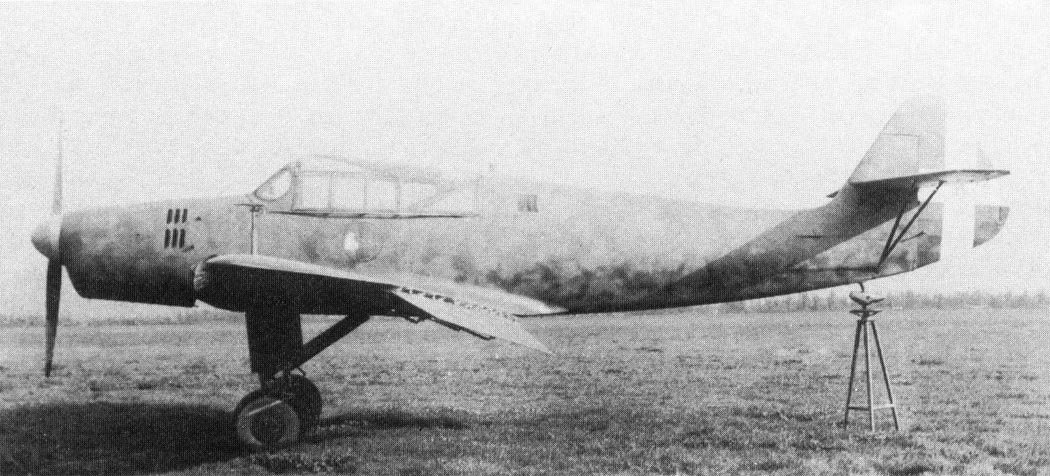 C.4 |
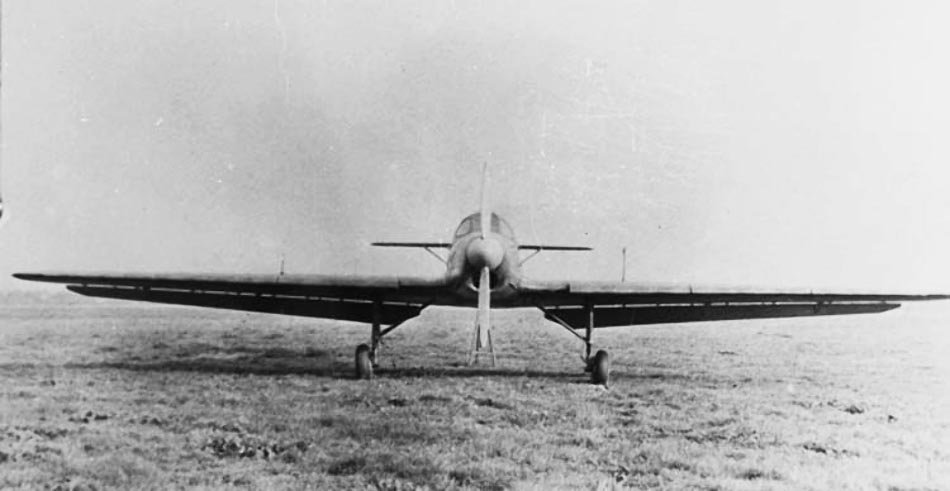 C.4 |
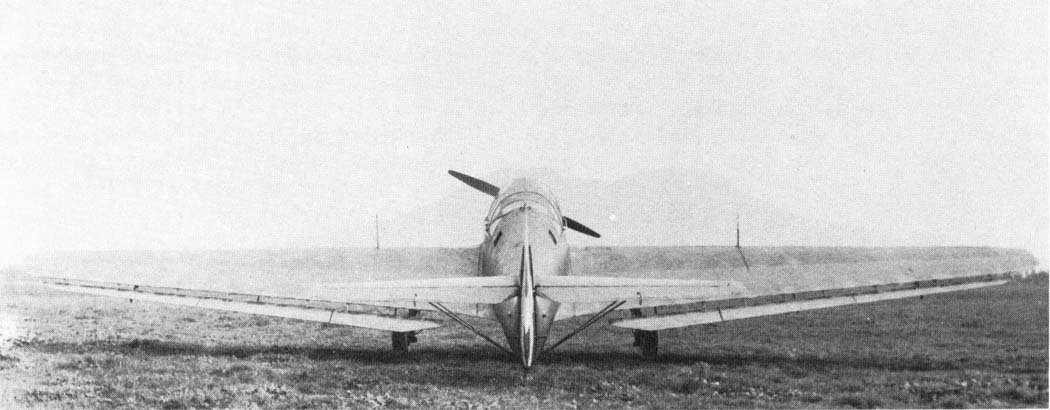 C.4 |
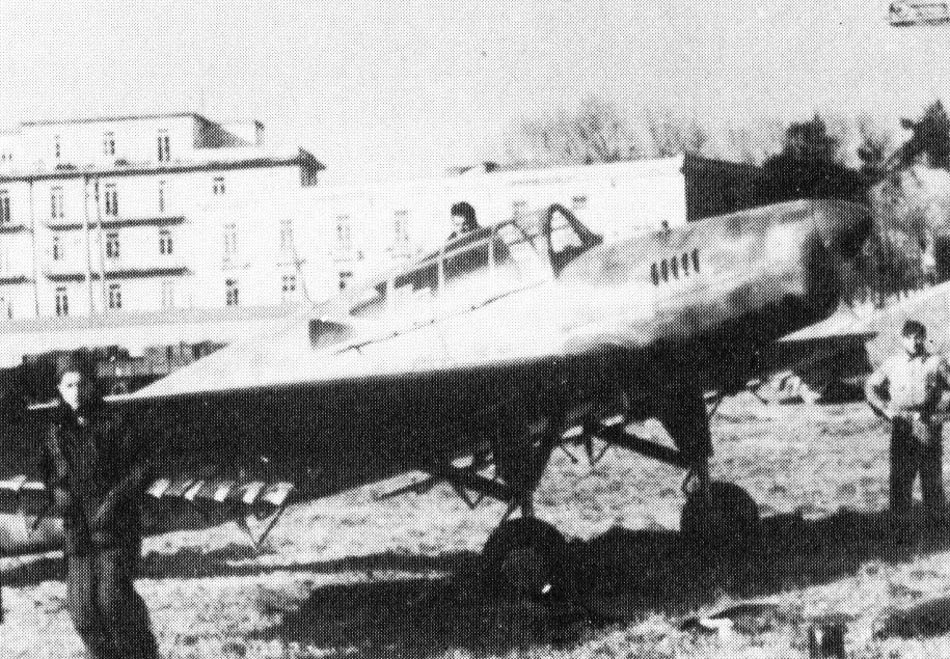 C.4 |
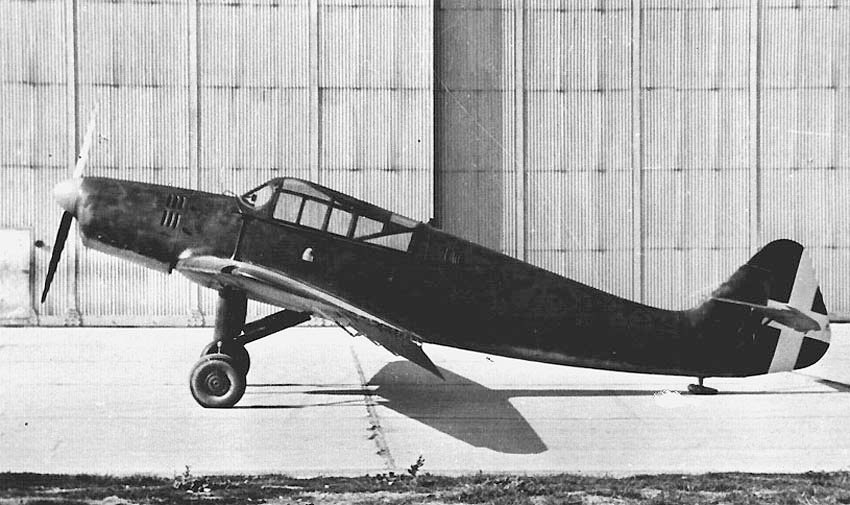 C.4 |
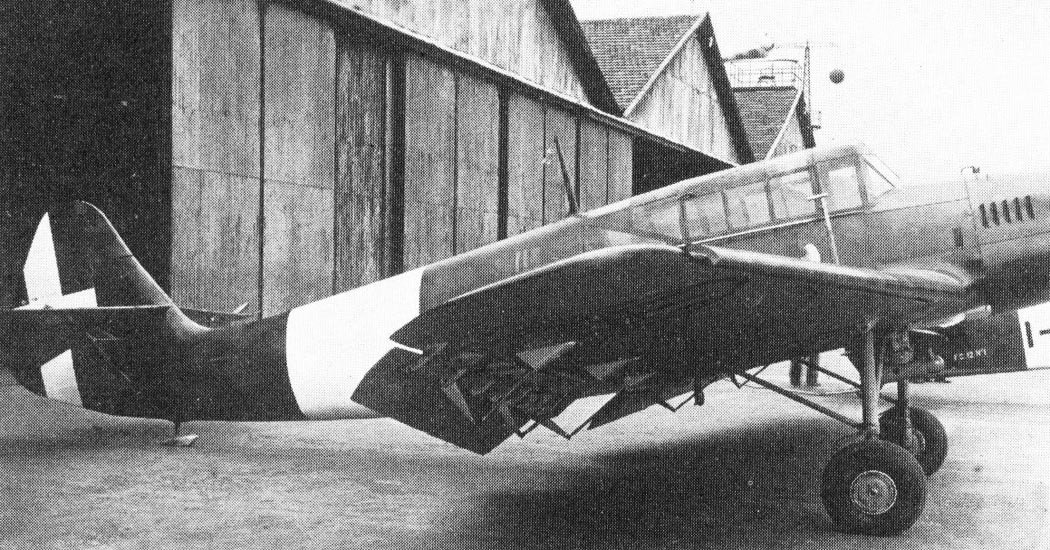 C.4 |
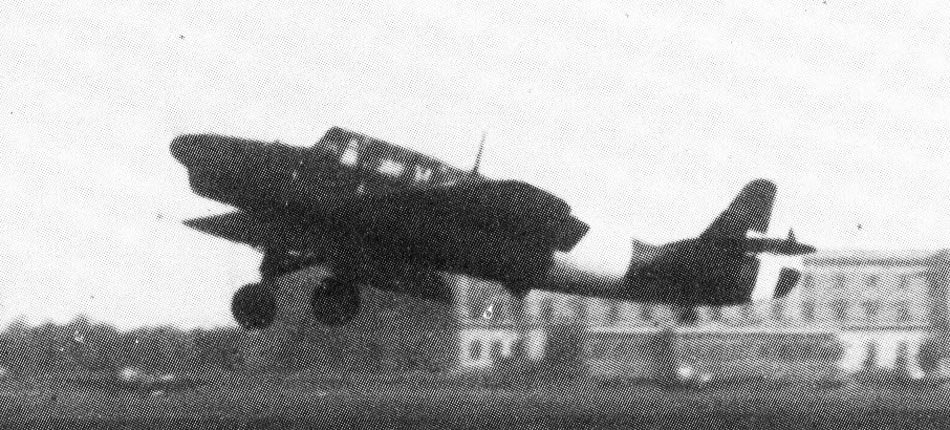 C.4 |
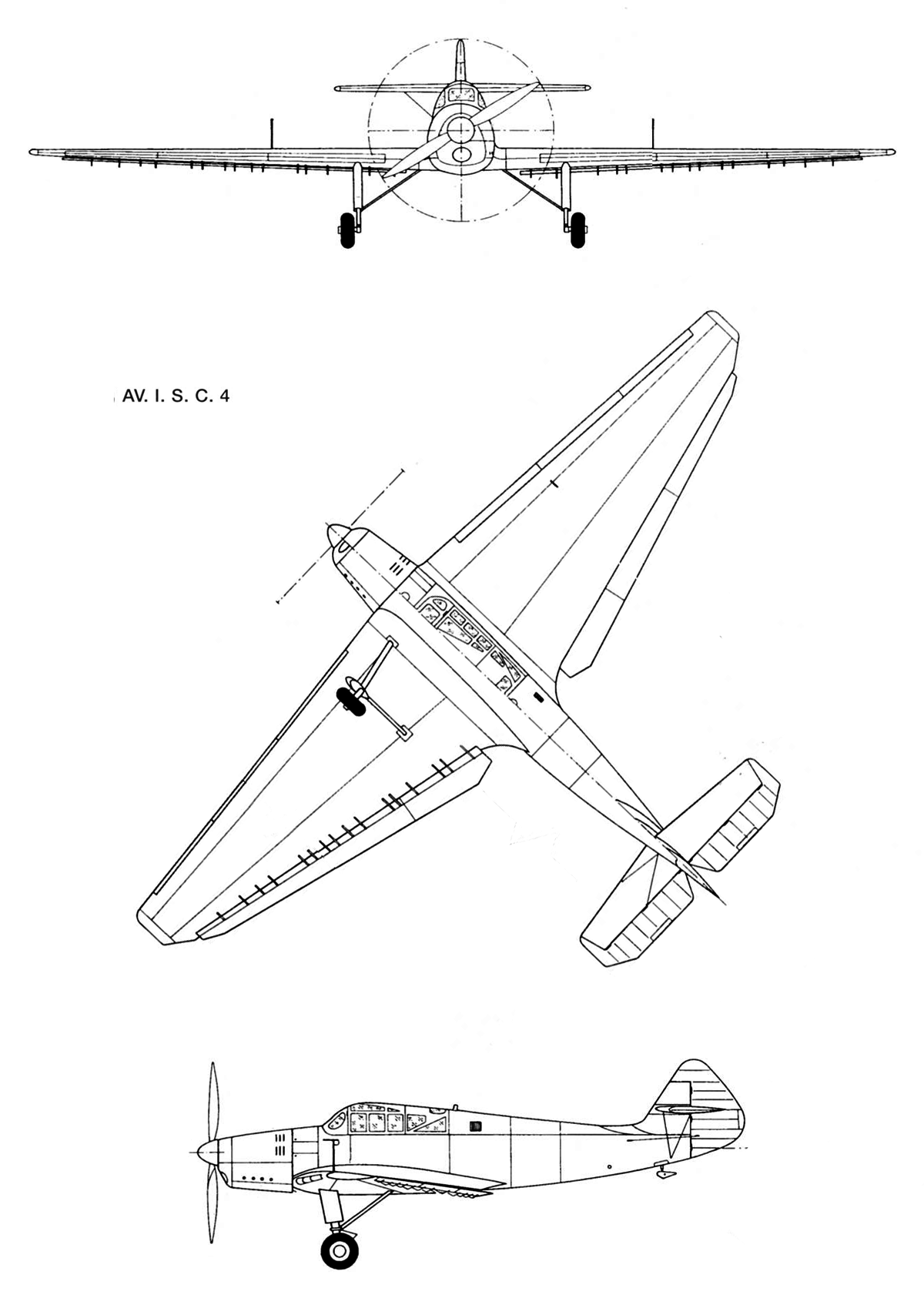 C.4 |
 C.4 |