
In 1937, Allan Loughead (Lockheed) founded his own company, Alcor Aircraft Corporation, in San Francisco. The C-6-1 Junior light transport aircraft was the company’s first and only development. It utilized an engine installation system refined on earlier Duo-4 and Duo-6 models.
The single prototype of the aircraft (registration number NX15544) was completed that same year. It was a seven-seat low-wing monoplane with a semi-monocoque fuselage, equipped with two 250 hp Menasco C6S-4 engines.
The C-6-1 first flew on March 6, 1938. During tests, the aircraft showed good flight characteristics, achieving a cruising speed of 340 km/h at 1680 meters and 322 km/h at 3050 meters. Even with one engine inoperative, the aircraft maintained the ability for normal continued flight.
History and Project Demise
Throughout 1938, the C-6-1 was engaged in demonstration flights, attempting to find potential buyers, but none were found. That same year, during one of its flights, an engine failure occurred; the pilot and passenger were able to abandon the aircraft, but the C-6-1 sank into the ocean.
As a result of financial problems, the Alcor company ceased to exist the following year. Loughead continued to work in aviation, but no longer created aircraft of his own design.
Innovative Design and Construction
The Alcor C-6-1 Junior Transport featured a mixed construction. Laminated spruce, steel tubing, and light alloy sheets were used where they offered specific advantages. Spruce was employed in the wing control surfaces and outer wing sections, while chromoly steel tubes were used in points of increased local loads, such as landing gear struts, wing roots, and engine frames.
The cantilever wing was two-sparred and covered with a three-ply plywood skin. An exception was made for the wing fuel tank locations, where duralumin sheets were screw-fastened for protection and ease of access during inspection. Flap deflection was hydraulically actuated, and Frise ailerons utilized ball bearings.
The main landing gear was retractable, stowing rearward into recesses located in the underside of the wing panels, with the struts rotating 90º. The fuselage had a semi-monocoque structure. In its nose section and around the pilot’s cockpit, the structural framework consisted of steel tubes and had easily removable duralumin skin.
The main fuselage section had a wooden framework of stringers and frames, covered with a two-element molded plywood skin. The passenger cabin was designed to carry 4–6 passengers. The cockpit had a full set of dual controls for a two-person crew.
Behind the passenger cabin were a lavatory and a baggage compartment. Radio equipment was also located in the fully enclosed rear fuselage. The empennage was also cantilevered and its construction resembled the wing control surfaces. To achieve an aerodynamically efficient surface, the aircraft was covered with light fabric and lacquer.
Unique Powerplant Configuration
The Alcor C-6-1 utilized a previously developed unorthodox powerplant, which provided minimal drag and high single-engine flight efficiency in case of an engine failure. It consisted of two supercharged 250 hp Menasco C6S-4 Super Buccaneer inverted six-cylinder air-cooled inline engines.
The engines were mounted sideways with their cylinder blocks facing the aircraft’s centerline. Cowlings and cooling system air intakes were streamlined, smoothly fairing into the fuselage nose and wing roots. The main engine mounts were attached to the front wing spar, and extended steel tube frames ran backward to the second spar.
Cantilevered locking brackets held each engine at its midpoint. The Alcor C-6-1’s characteristics with one engine operating were good, allowing the aircraft to be flown “hands-off.” The landing gear track was quite wide, at 13 feet 2 inches (4.01 m), ensuring good ground handling characteristics.
The aircraft was equipped with Hamilton Standard two-blade constant-speed propellers, featuring an Arens control system. The distance between propeller tips was 12 inches (0.3 m), and the thrust lines were angled 4º relative to the aircraft’s centerline.
Technical Specifications
| Modification | C-6-1 |
| Wingspan, m | 14.94 |
| Length, m | 9.65 |
| Height, m | 4.04 |
| Wing area, m2 | 29.54 |
| Empty weight | 1 878 |
| Normal takeoff weight | 2812 |
| Engine type | 2 Piston engine Menasco C6S-4 |
| Power, hp | 2 x 250 |
| Maximum speed, km/h | 386 |
| Cruising speed, km/h | 340 |
| Practical range, km | 1 344 |
| Maximum rate of climb, m/min | 412 |
| Practical ceiling, m | 6096 |
| Crew, crew members | 1 |
| Payload | 6 passengers |
Image and diagram gallery of the Alcor C-6-1 Junior Transport
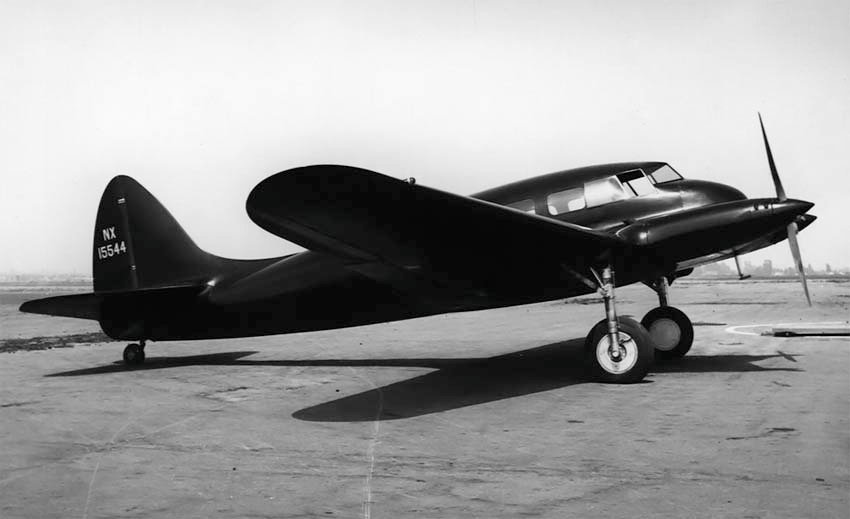 Alcor C-6-1 |
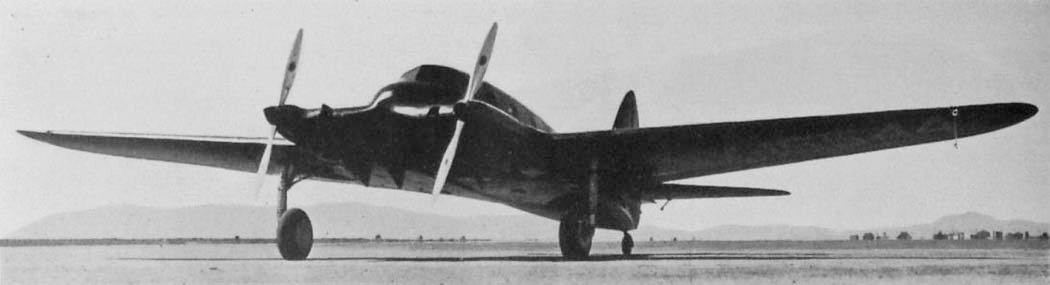 Alcor C-6-1 |
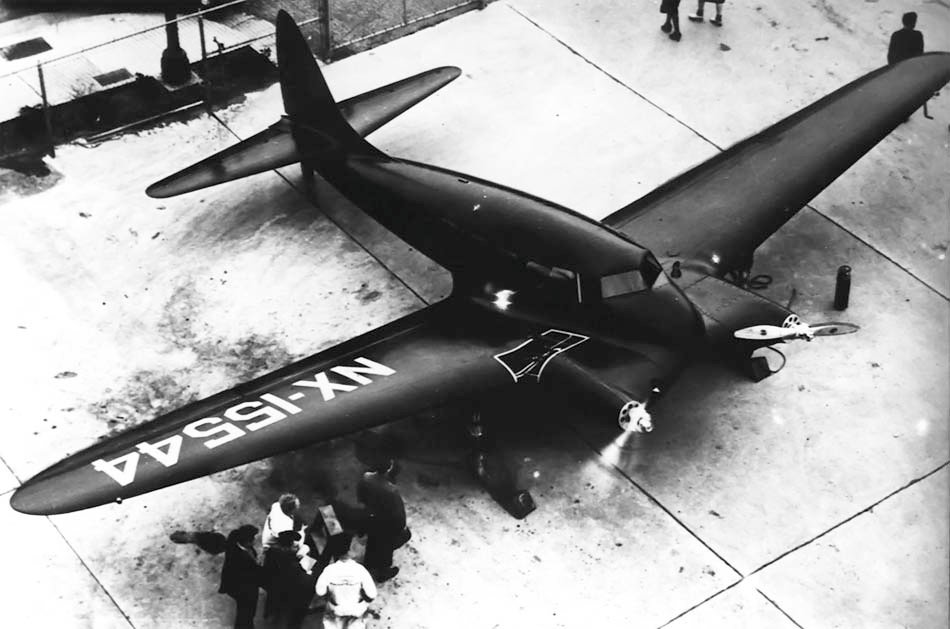 Alcor C-6-1 |
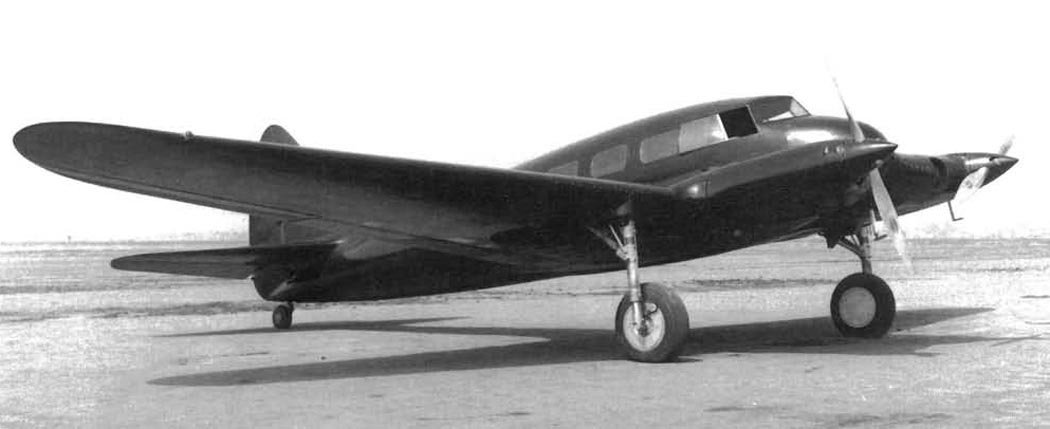 Alcor C-6-1 |
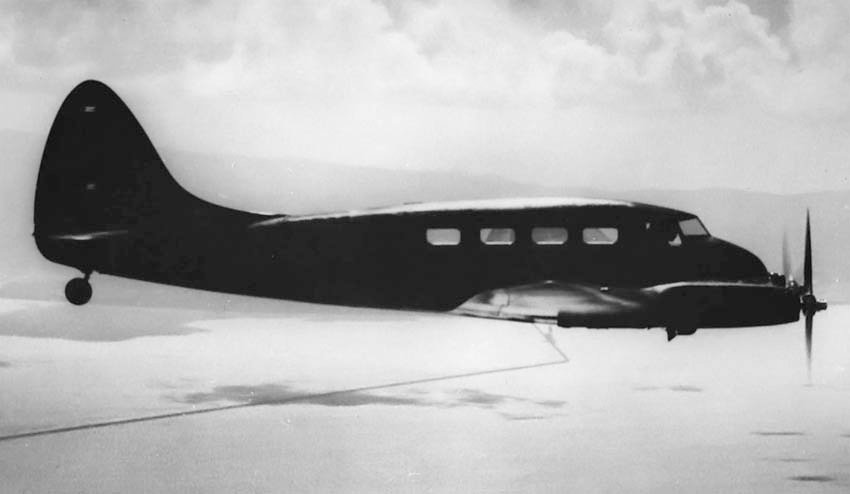 Alcor C-6-1 |
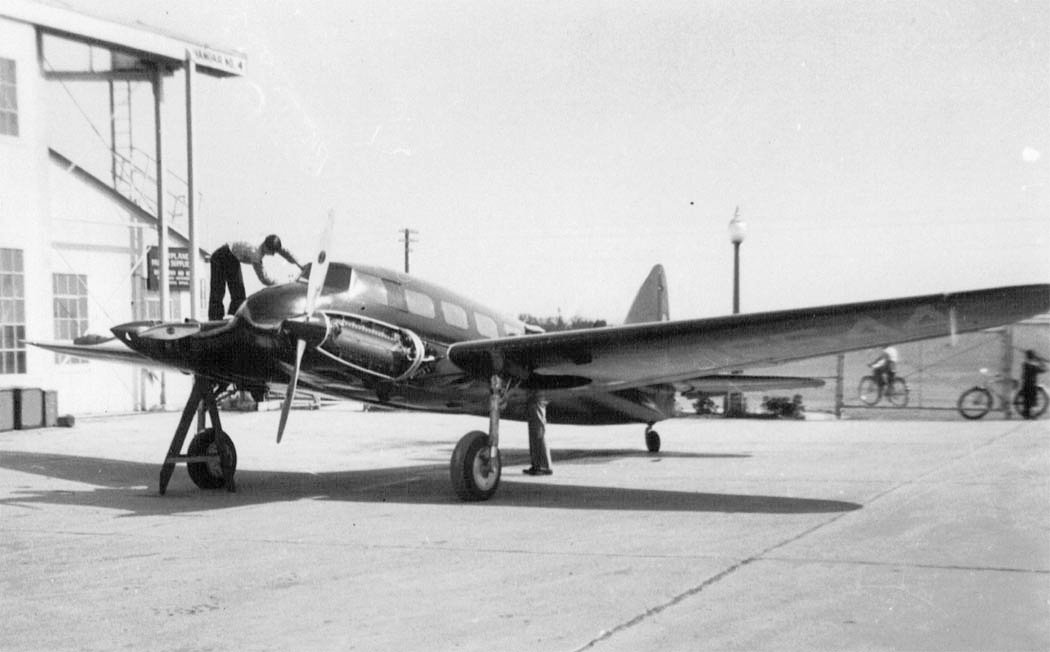 Alcor C-6-1 |
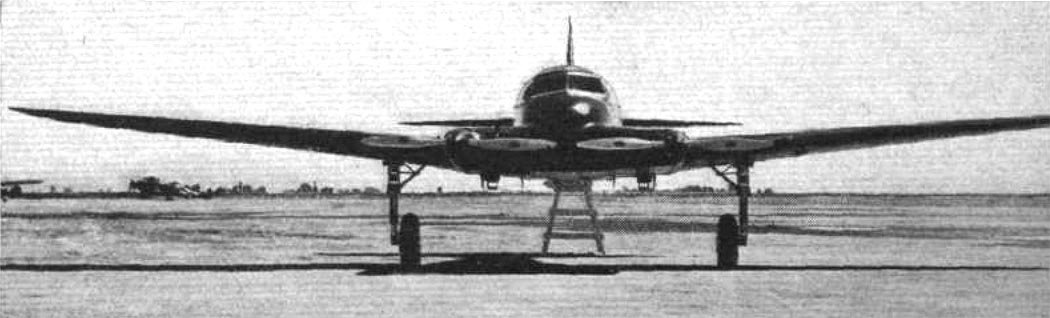 Alcor C-6-1 |
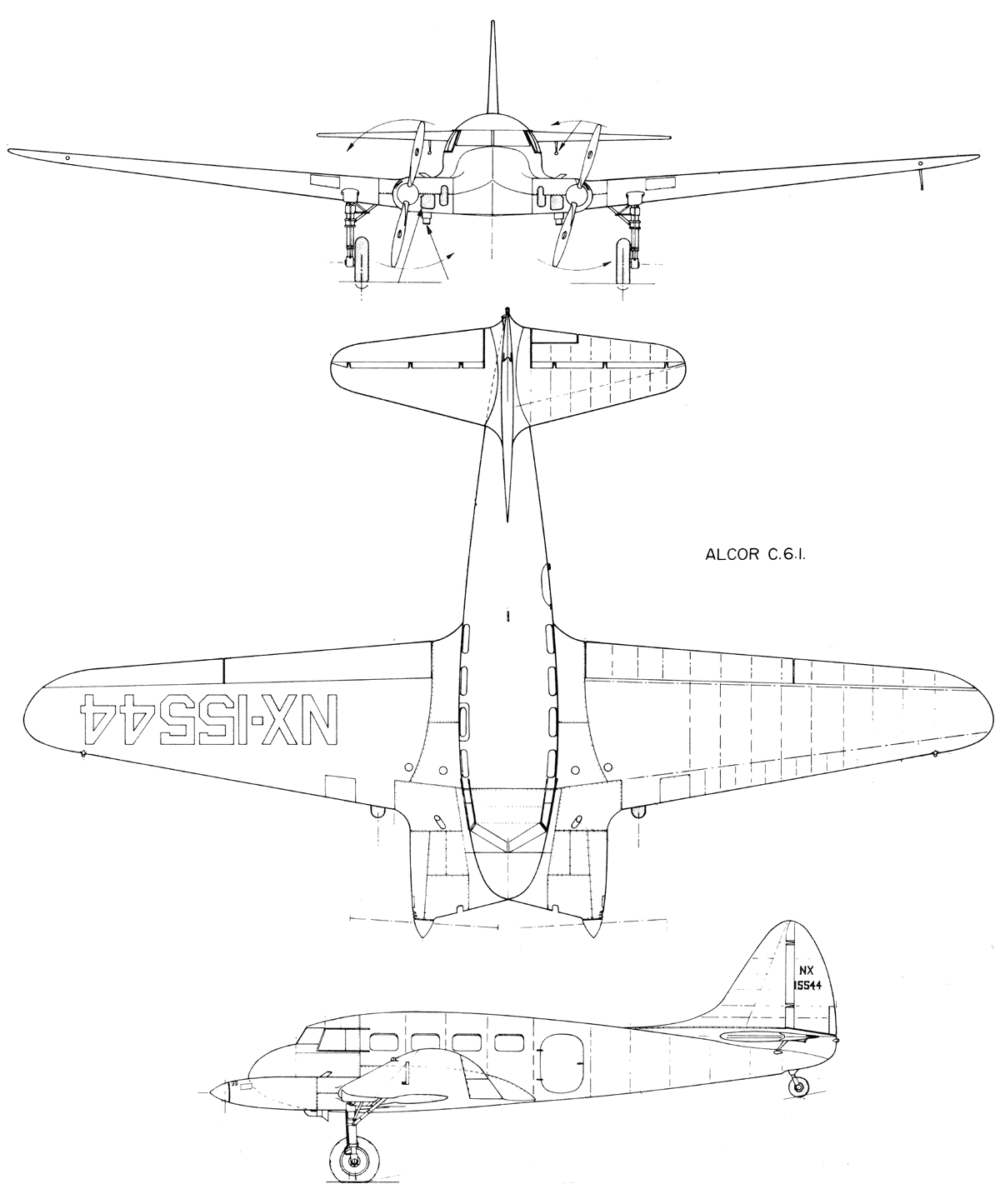 Alcor C-6-1 |