
In 1948, the Commonwealth Aircraft Corporation (CAC) began designing the CA-22 Winjeel in response to the Royal Australian Air Force (RAAF) requirements for an initial pilot training aircraft. It was intended to replace the aging Tiger Moth and Wirraway. Two prototypes were built, powered by 450 hp Wasp Junior engines, with the first prototype taking to the air in February 1951.
Engine Evolution and Production
Initial plans for a new 420 hp Cicada radial engine, developed by CAC’s engine division, were ultimately abandoned. Instead, production aircraft were equipped with R-985-AN-2 Wasp Junior engines, ensuring reliable and proven propulsion. The first 62 production aircraft were designated CA-25.
The first production Winjeel flew in February 1955, with RAAF deliveries commencing on September 16, 1955. The final aircraft was received by the customer in early 1958, completing the fleet.
Operational Roles and Legacy
Beyond pilot training, Winjeels served in versatile roles as liaison aircraft and advanced air controller trainers. Pilot training on the Winjeel concluded in 1975, when it was replaced by the Aerospace CT4A Airtrainer, although the last four aircraft were withdrawn from service in 1980.
In 1979, a Winjeel completed a notable 3018 km flight from Point Cook, Victoria, to Papua New Guinea, later becoming an instructional aid at a technical college in Port Moresby. Another Winjeel was acquired by enthusiasts in 1979 and returned to flight in February 1982 after repair and restoration, keeping its history alive.
Technical Specifications
| Modification | CA-25 |
| Wingspan, m | 11. 77 |
| Aircraft length, m | 8. 55 |
| Aircraft height, m | 2. 77 |
| Wing area, m2 | 23.13 |
| Empty weight | 1492 |
| Maximum takeoff weight | 1935 |
| Fuel | 246 |
| Engine type | 1 Piston engine Pratt & Whitney R-985-AN-2 Wasp Junior |
| Power, hp | 1 х 445 |
| Maximum speed, km/h | 299 |
| Cruising speed, km/h | 265 |
| Practical range, km | 885 |
| Maximum rate of climb, m/min | 458 |
| Practical ceiling, m | 5490 |
| Max. operational overload | 6 |
| Crew, crew members | 2 |
Image and diagram gallery of the CA-22/25 Winjeel
 CA-22/25 Winjeel |
 CA-22/25 Winjeel |
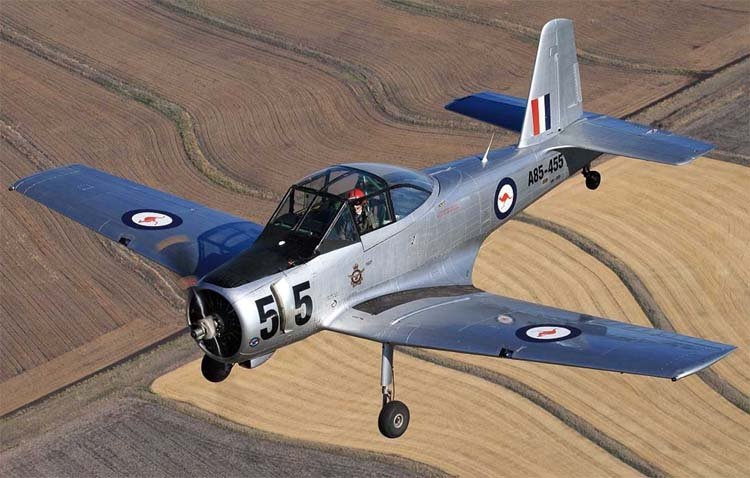 CA-22/25 Winjeel |
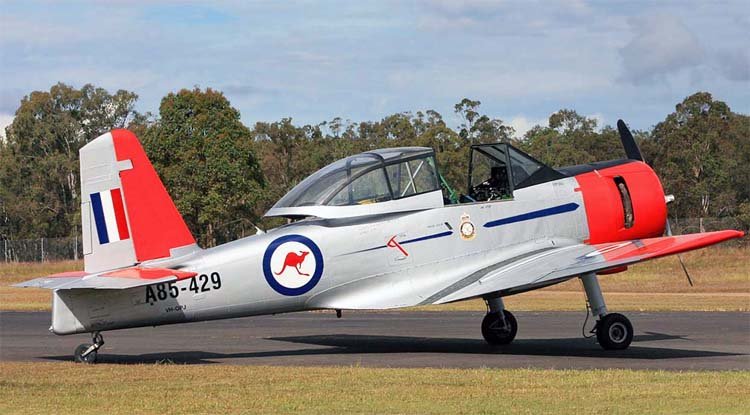 CA-22/25 Winjeel |
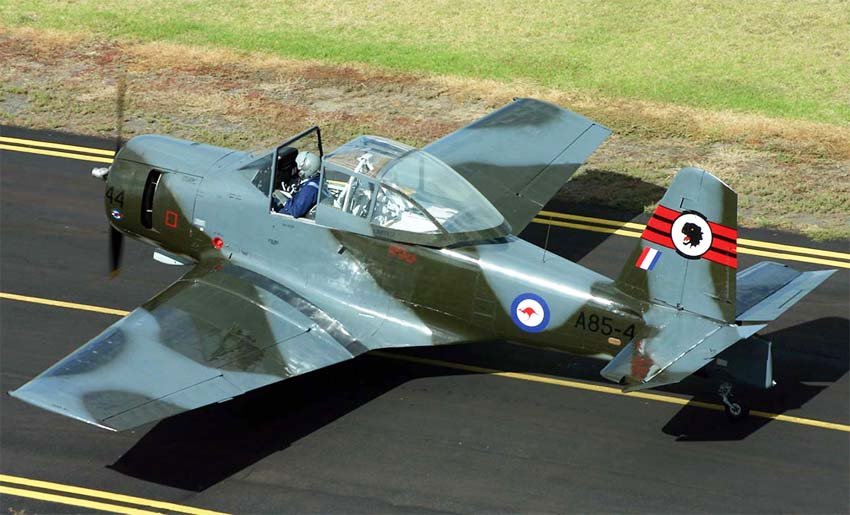 CA-22/25 Winjeel |
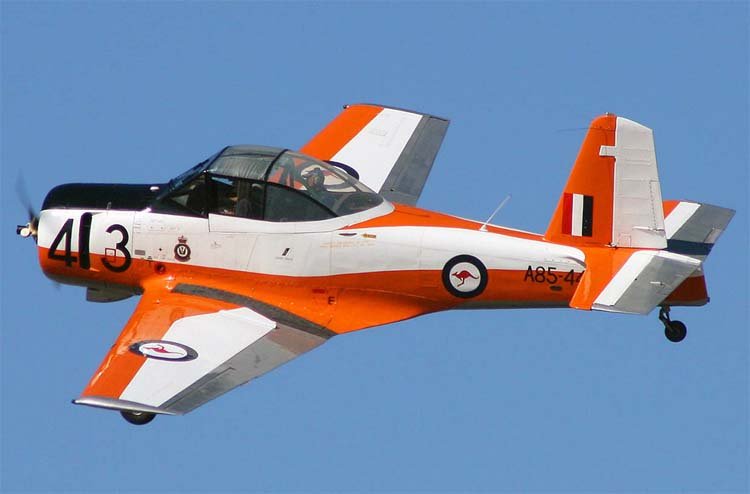 CA-22/25 Winjeel |
 CA-22/25 Winjeel |
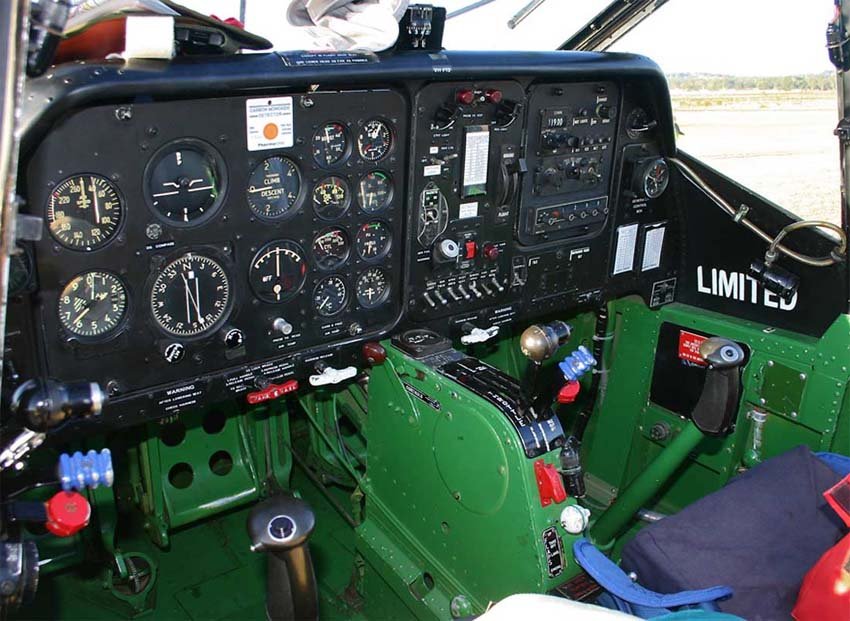 CA-22/25 Winjeel |
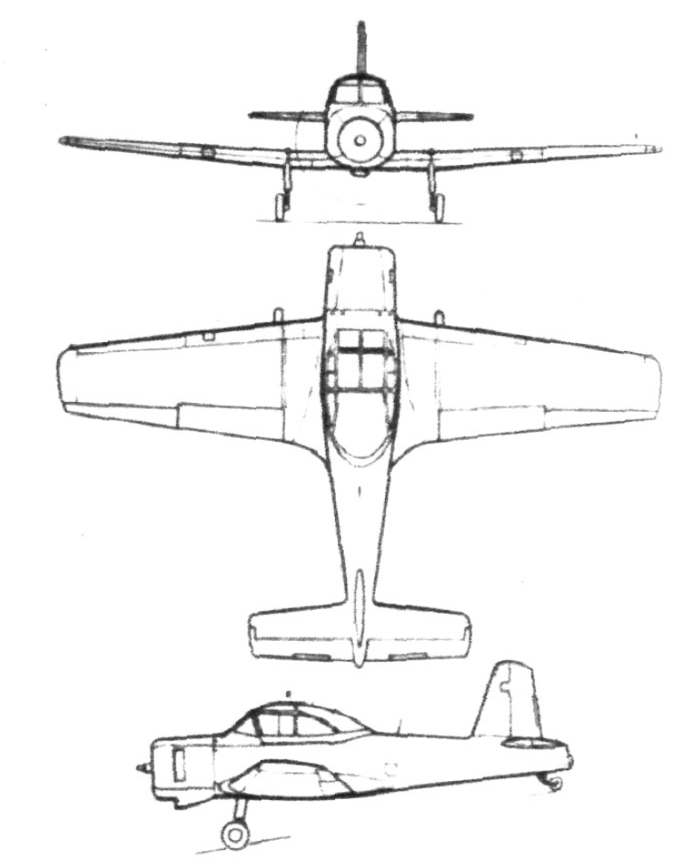 CA-22/25 Winjeel |