
The Birth of the Ca.48
Aeronautica Caproni, believing that increasing passenger capacity could lead to greater success, undertook the conversion of its heavy triplane bombers, the Ca.42s, into passenger aircraft. The first such aircraft was completed in early 1919 and was designated Ca.48. This model represented an ambitious step towards civilian air transport.
The Ca.48 was equipped, like its predecessor, with three 400 hp Liberty L-12 engines. The specific layout of the engines compelled designers to place passengers on two decks: 17 could be accommodated in a closed cabin, and an additional 6 in an open section above the fuselage, offering substantial capacity for its time.
Tragedy Over Verona
The aircraft was first showcased at the Amsterdam aviation exhibition in the summer of 1919, where it garnered significant interest. However, no commercial profit could be extracted from this display. Soon after, on August 2, during a flight from Milan, the Ca.48 crashed catastrophically over Verona, marking a dark day in aviation history.
In the fatal accident, all 12 passengers and both pilots perished. This tragedy became the first aviation disaster in Italian history and one of the very first among heavier-than-air passenger aircraft in the history of aviation worldwide.
Aftermath and Cause
As a result of the catastrophe, a wave of distrust towards bomber-based passenger aircraft arose in Italy, and the General Directorate of Aeronautics was disbanded. This event profoundly impacted the nascent commercial aviation industry. Only much later was it discovered that the accident was caused by a passenger’s camera falling from their hands and striking one of the aircraft’s propellers.
Technical Specifications
| Modification | Ca.48 |
| Wingspan, m | 29.90 |
| Length, m | 13.20 |
| Height, m | 6.30 |
| Wing area, m2 | 200.00 |
| Empty equipped weight | 4000 |
| Normal takeoff weight | 7200 |
| Engine type | 3 Piston engines Liberty L-12 |
| Power, hp | 3 x 400 |
| Maximum speed, km/h | 130 |
| Cruising speed, km/h | 115 |
| Crew, crew members | 2 |
| Payload | up to 23 passengers |
Image and diagram gallery of the Caproni Ca.48
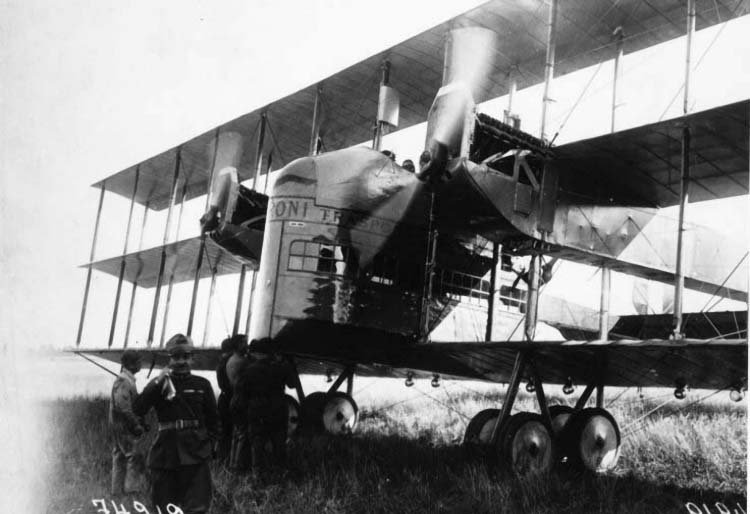 Ca.48 |
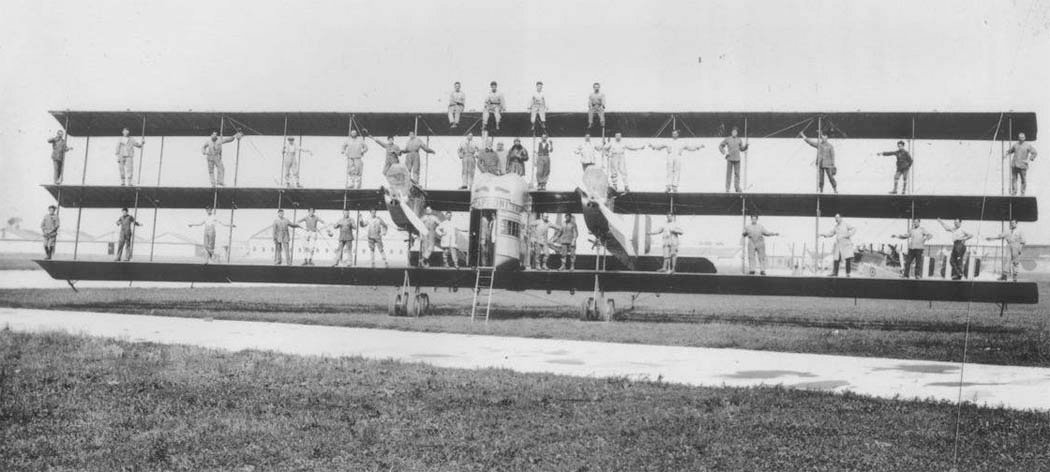 Ca.48 |
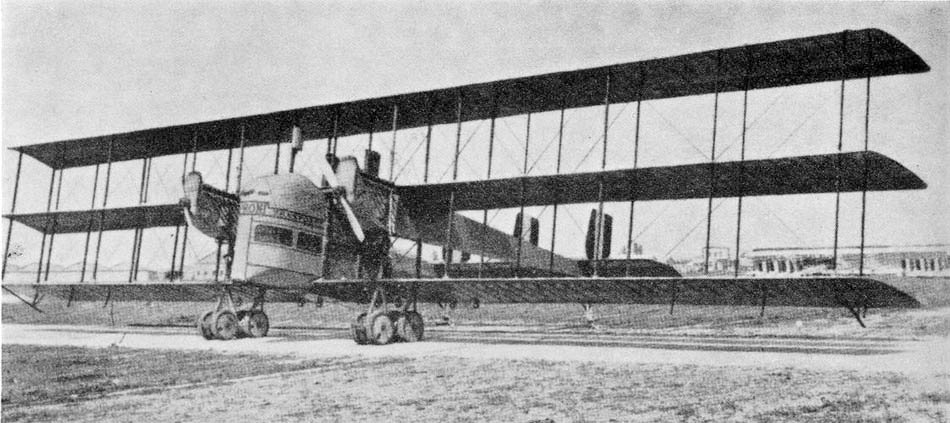 Ca.48 |
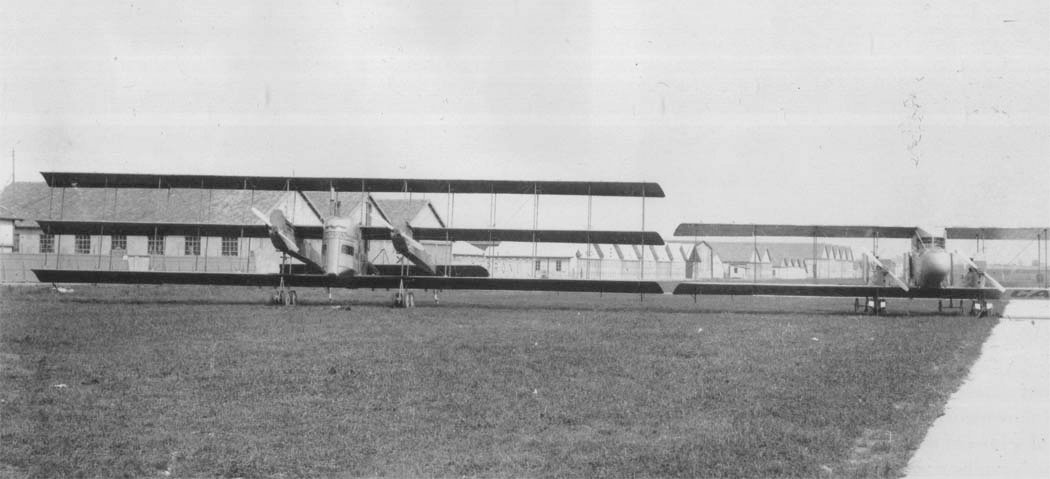 Ca.48 |
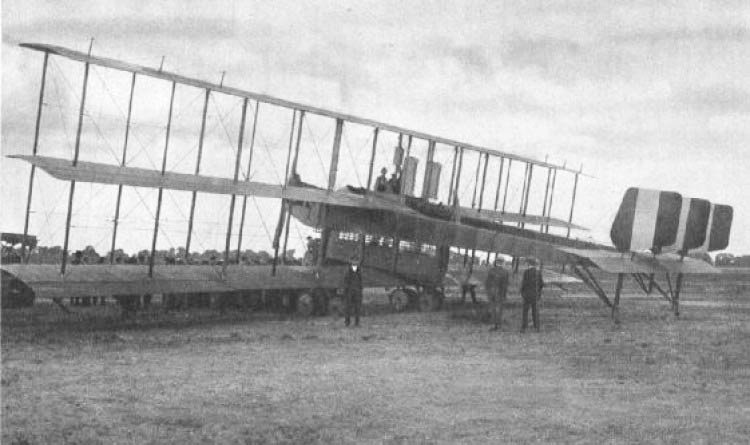 Ca.48 |
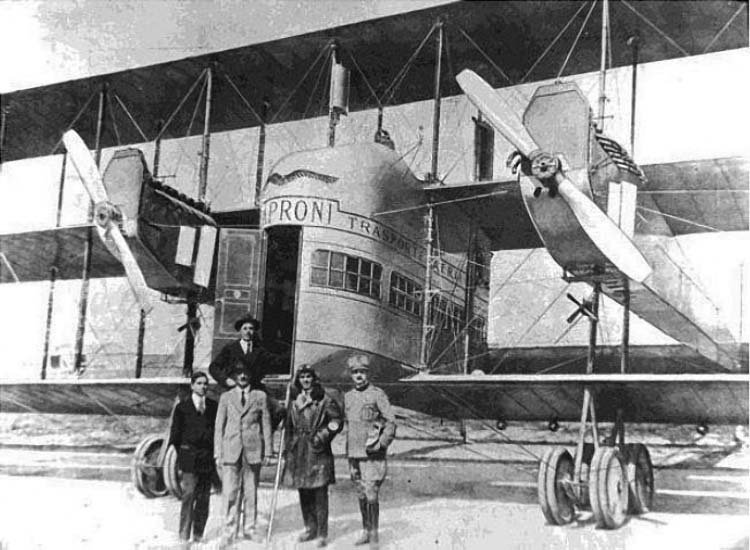 Ca.48 |
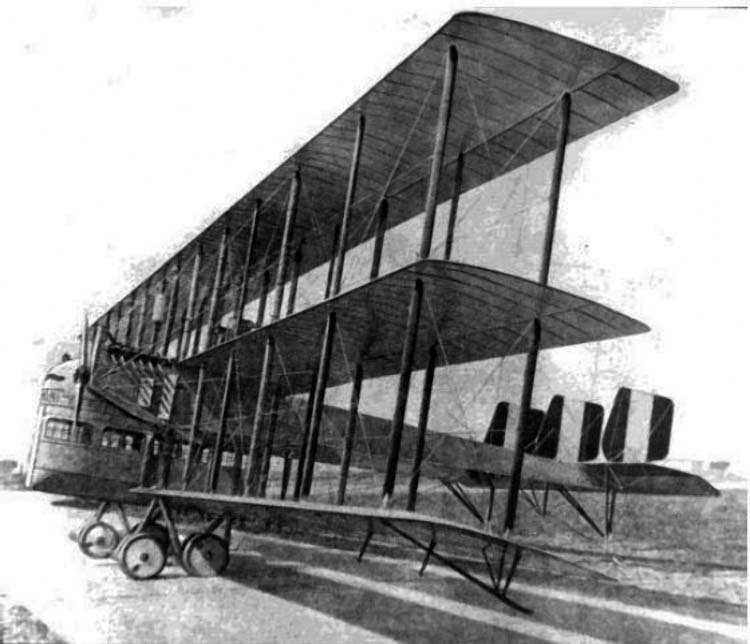 Ca.48 |
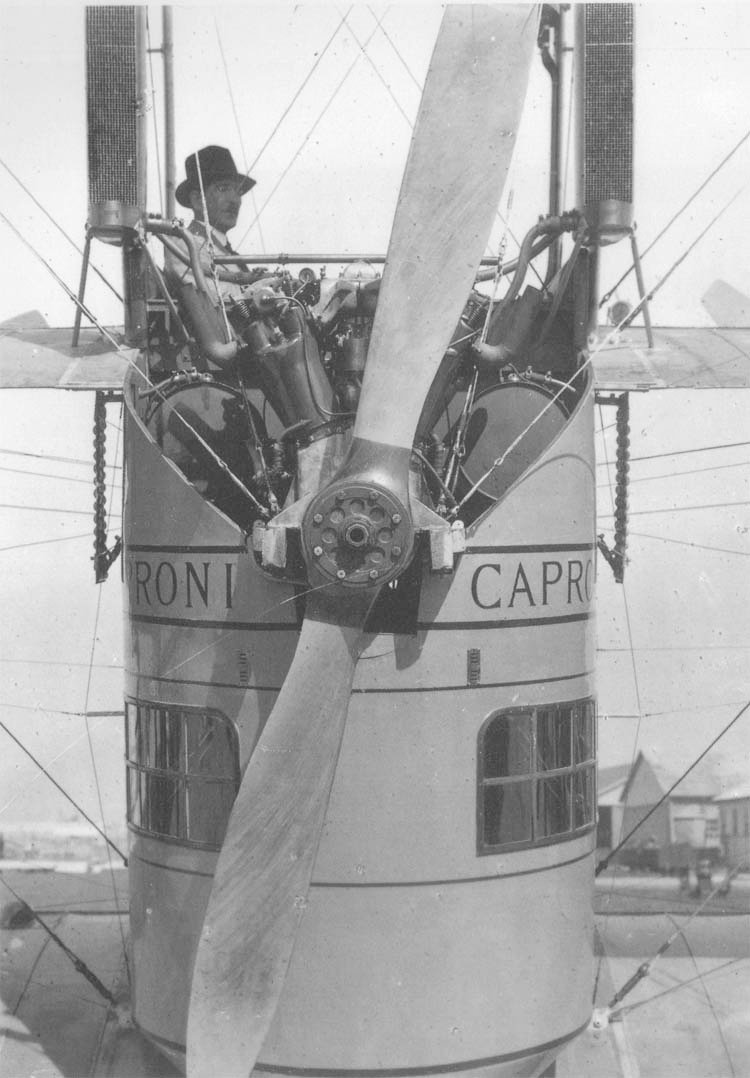 Ca.48 |
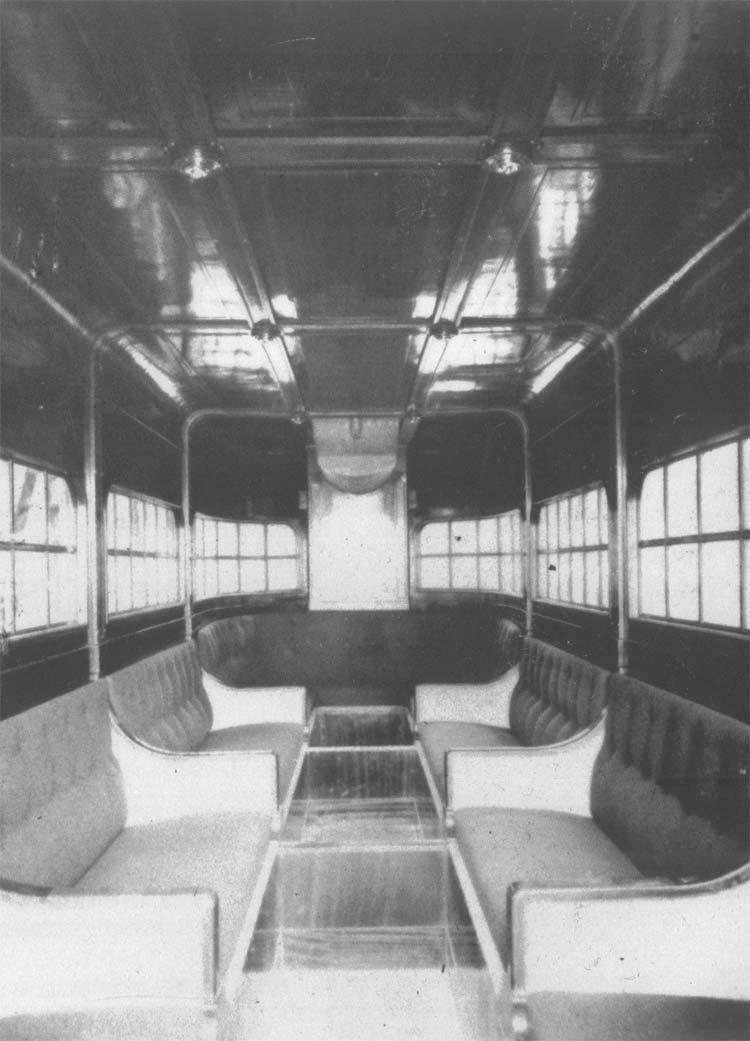 Ca.48 |
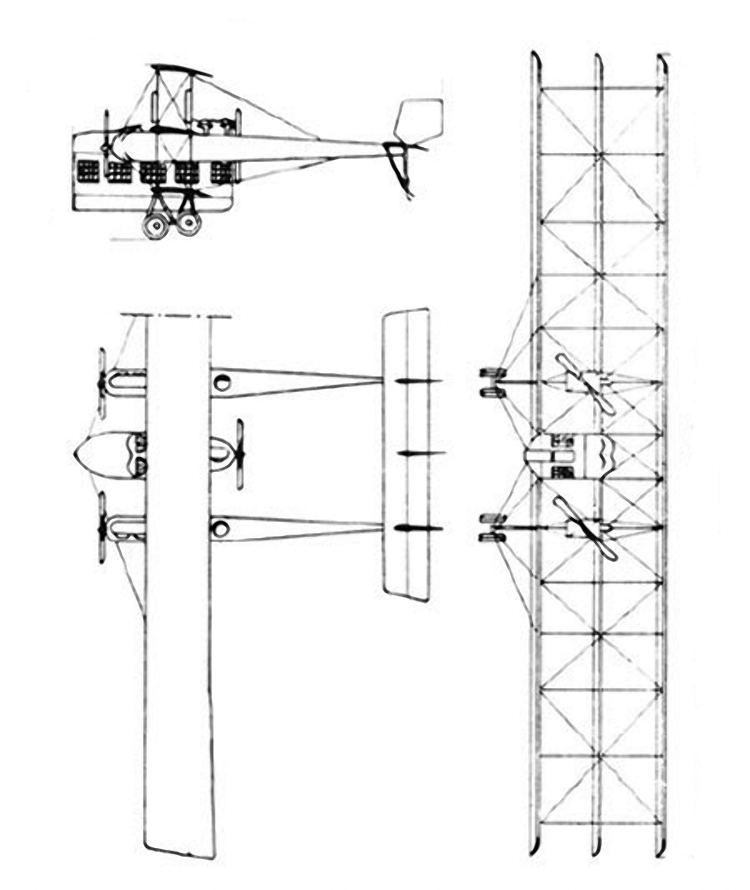 Ca.48 |