
During the First World War, Giovanni Caproni primarily focused on creating bombers. After the war ended, due attention was also given to the creation of fighters. In 1925, the project for a night fighter, primarily intended to combat enemy bombers, was completed.
The Ca.70 Night Fighter Project
The first prototype of the aircraft, designated Caproni Ca.70 (MM.50), was ready by the summer of 1925. It was a two-seater wooden biplane, equipped with an Alfa Romeo Jupiter IV engine (a licensed copy of the Bristol Jupiter) with 400 hp. Its armament consisted of two front 7.7mm Vickers machine guns and one 7.7mm Lewis machine gun mounted on a turret in the rear cockpit.
Testing and Rejection
In 1926, the aircraft was handed over to the Test Center in Guidonia, where it showed good flight characteristics. However, the military did not like the aircraft’s tandem configuration, and the contract for series production was denied.
Technical Specifications
| Modification | Ca.70 |
| Wingspan, m | 15.00 |
| Length, m | 9.55 |
| Height, m | 3.78 |
| Wing area, m2 | 55.00 |
| Empty weight | 1230 |
| Normal takeoff weight | 1680 |
| Engine type | 1 Piston engine Alfa Romeo Jupiter IV |
| Power, hp | 1 x 400 |
| Maximum speed, km/h | 205 |
| Cruising speed, km/h | 180 |
| Flight endurance, h | 2 |
| Crew, crew members | 2 |
| Armament | two forward 7.7-mm Vickers machine guns, one 7.7-mm Lewis machine gun mounted on a turret in the rear cockpit |
Image and diagram gallery of the Caproni Ca.70
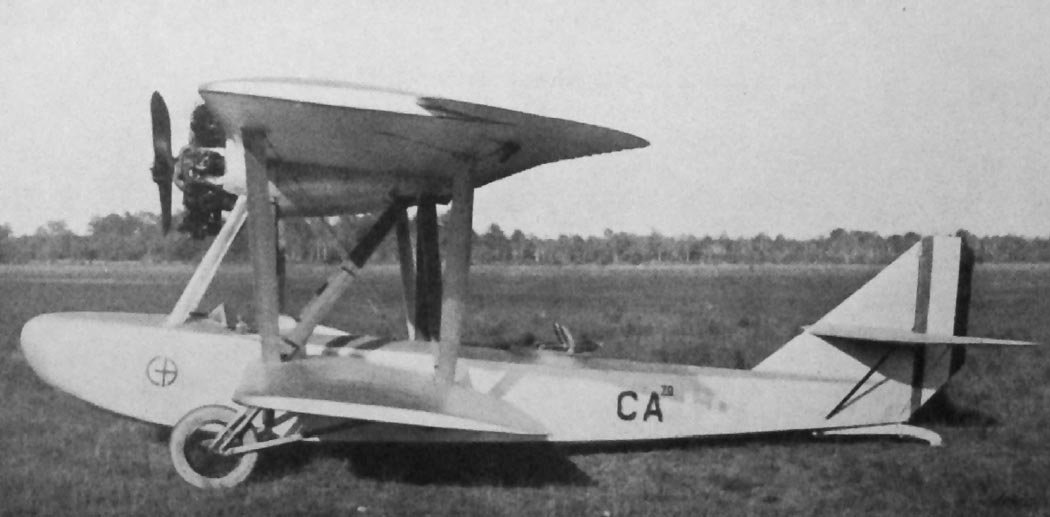 Caproni Ca.70 |
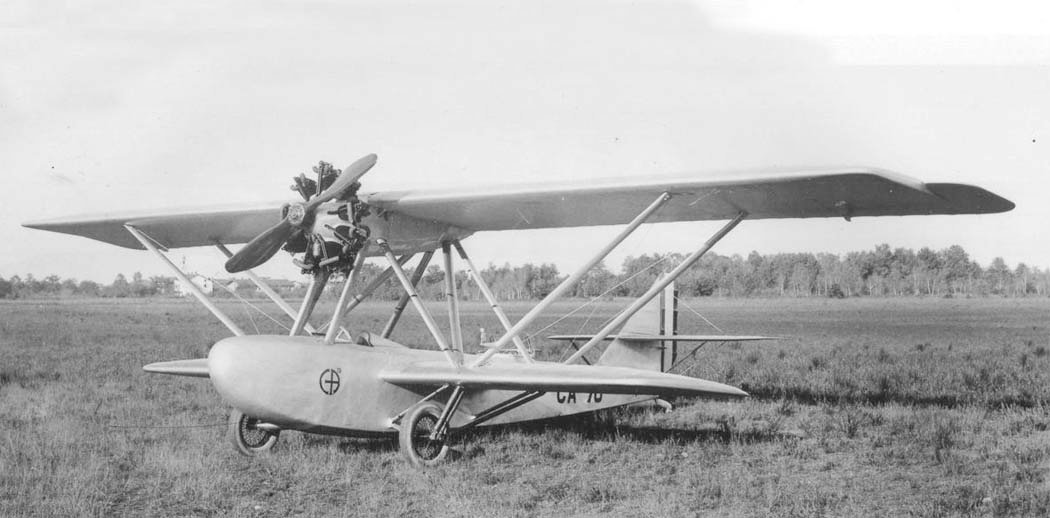 Caproni Ca.70 |
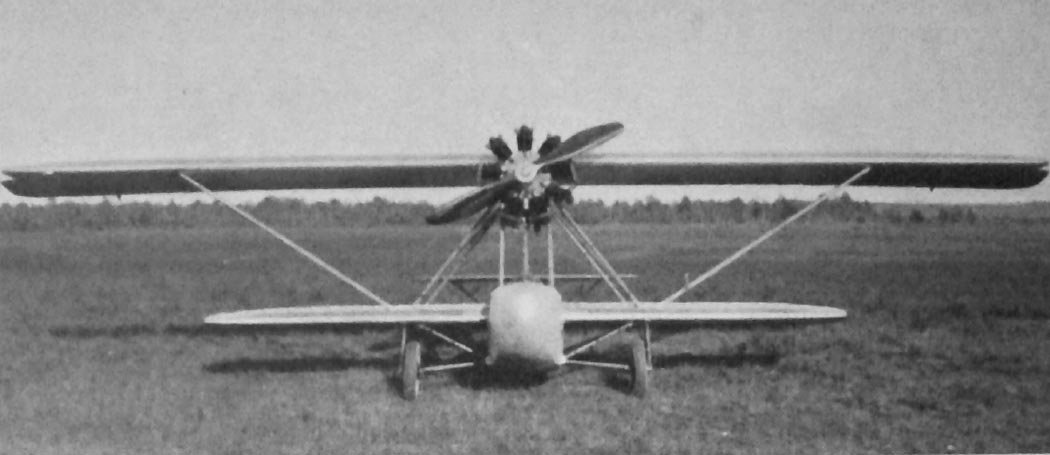 Caproni Ca.70 |
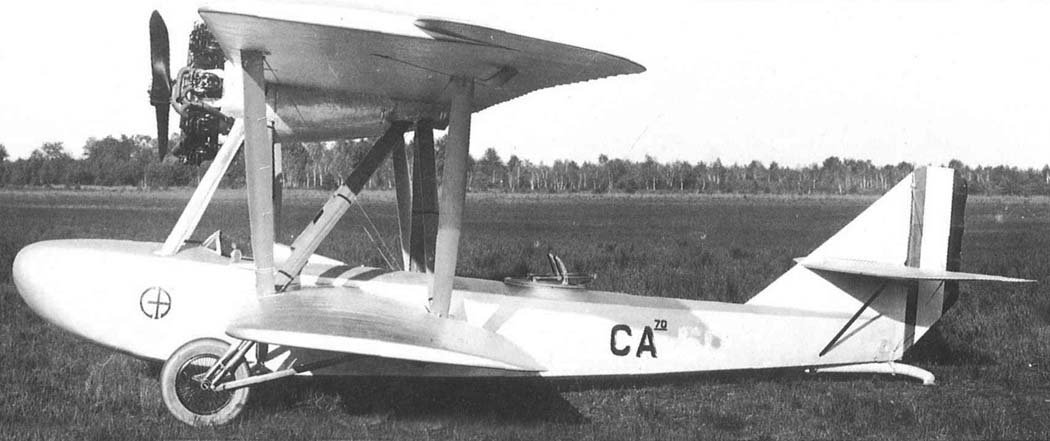 Caproni Ca.70 |
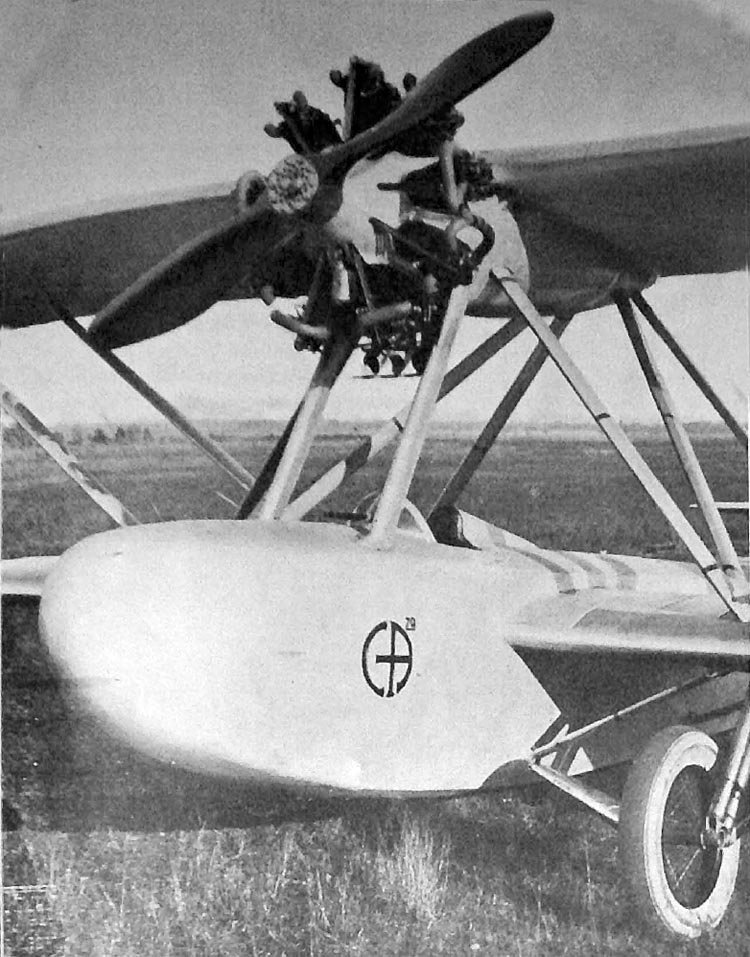 Caproni Ca.70 |
 Caproni Ca.70 |
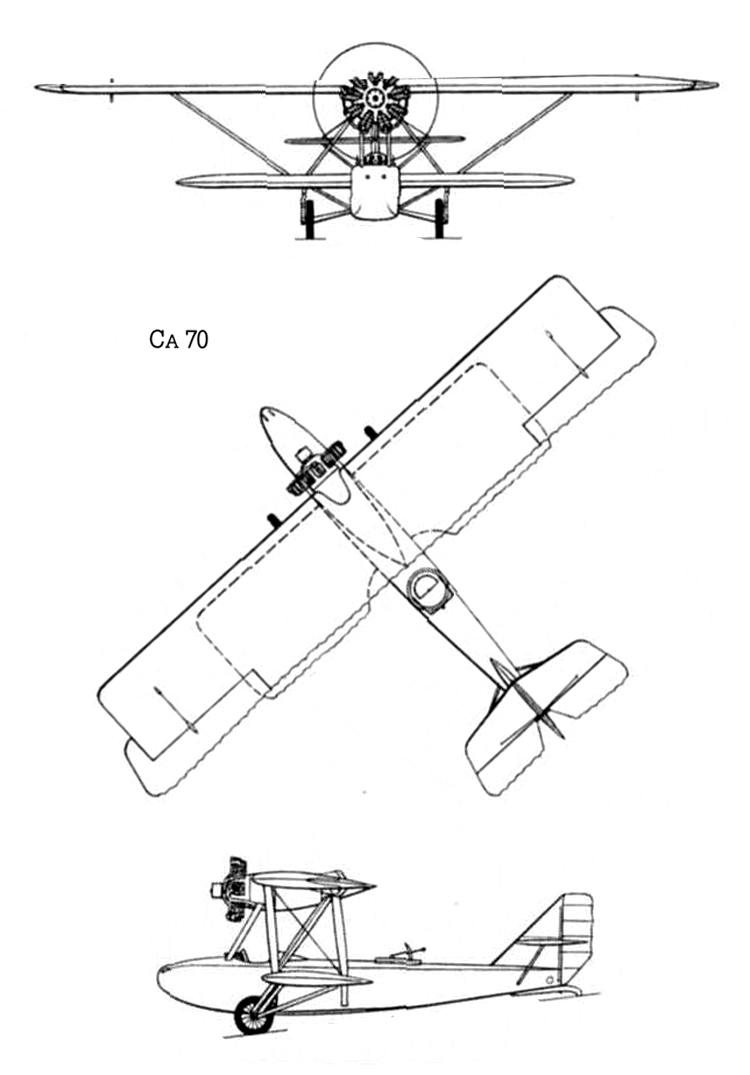 Caproni Ca.70 |