
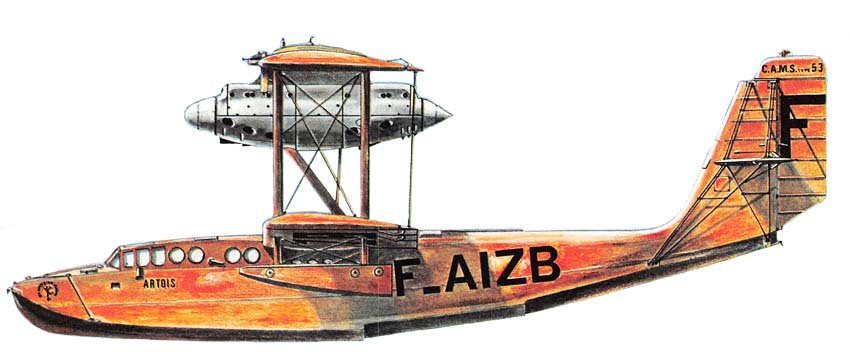
The CAMS 53 became the most successful French civil flying boat of its time, with its prototype first taking flight in 1928. Designed by Maurice Hurel, this aircraft borrowed extensively from the earlier experimental CAMS 51. Its plywood-covered, twin-step wooden hull included an enclosed cockpit for two pilots, positioned in front of a single-section biplane wing box, and featured a comfortable cabin for four passengers. The wooden wings were fabric-covered.
The aircraft was equipped with two 500 hp (373 kW) Hispano-Suiza 12Hbr engines, mounted in tandem under the upper wing. These were cooled by two Lamblin radiators, positioned on the sides of the engine nacelle.
Initial Development and Design
Starting from late October 1928, these aircraft were used on the Marseille-Algiers airline route, sometimes direct, sometimes via Ajaccio port. Equipped with two 500 hp Hispano-Suiza 12Hbr engines, the aircraft could carry up to 4 passengers at a cruising speed of 170 km/h (maximum 220 km/h) over a distance of up to 1000 km.
The last CAMS 53 of Air France was replaced by a Liore et Olivier H-242 only in 1938. Six remaining units were modernized into the CAMS 53-1 variant, featuring a strengthened fuselage and 580 hp Hispano-Suiza 12Lbxr engines, increasing the flight range to 1125 km. In addition to these six conversions, 10 more units of the aircraft were produced.
Almost all of these were purchased in 1929 by the Air-Union company for flights on the Marseille-Tunis-Middle East line, specifically Marseille-Beirut, which spanned 3,260 km. In January of the same year, another variant, the CAMS 53-2, emerged with 600 hp Hispano-Suiza 12Lbr engines. The increased engine power allowed for improved aircraft payload capacity.
Five units of this aircraft were built, and one more was converted from a CAMS 53-1. All these aircraft were used by Air-Union Lignes d’Orient for flights on the Marseille-Damascus-Saigon line. Additionally, five more CAMS 53s were built, followed by 12 CAMS 53/1s, 6 CAMS 53/2s, 2 CAMS 53/3s, and 2 CAMS 56s, with the latter being renamed CAMS 53/3s.
Service and Variant Evolution
Various CAMS 53 variants flew in the 1930s with “Air-Union/Aeronavale” between Marseille, Ajaccio (Corsica), and Tunis, as well as with “Air-Union/Lignes de l’Orient” on the Marseille-Beirut route, which was later extended to Baghdad. When “Air France” was established in 1933, merging various French airlines, its fleet included 23 CAMS 53 flying boats, which operated accident-free in the Mediterranean for the subsequent three years.
On May 15, 1929, a CAMS 53/2, piloted by Paulin Paris, set a world record for flying boats by lifting a 2000 kg load to an altitude of 4827 m.
The listed variants differed in some details. The CAMS 53/1, released in 1929, was characterized by increased flight duration, a strengthened hull, and a larger fuel supply. Twelve such flying boats were built, along with one CAMS 56, and seven CAMS 53s were upgraded to the CAMS 53/1 standard. The CAMS 53/2 flying boat received a modified hull shape; six machines were built, and a seventh was produced in 1933 based on a re-equipped CAMS 53/1, which, in turn, appeared in 1931 based on a CAMS 53 modernization.
In 1928, the CAMS 56 was released, a modification of the CAMS 53 with a power plant consisting of two 480 hp (358 kW) Gnome-Rhone Jupiter 9Akx radial engines. The designation CAMS 53R was applied to the sole CAMS 53 built in 1929 with two 480 hp (358 kW) liquid-cooled Renault 12Jb engines. During its creation, the flying boat received the temporary designation CAMS 57, but after construction, it became known as CAMS 53R, although it did not enter airline operation.
Legacy and Records
Technical Specifications
| Modification | CAMS 53-1 |
| Wingspan, m | 20. 40 |
| Length, m | 14. 82 |
| Height, m | 5. 52 |
| Wing area, m2 | 113. 55 |
| Empty weight | 4700 |
| Maximum takeoff weight | 6900 |
| Engine type | 2 Piston engine Hispano-Suiza 12Lbxr |
| Power, hp | 2 x 580 |
| Maximum speed, km/h | 2 20 |
| Cruising speed, km/h | 170 |
| Practical range, km | 1125 |
| Rate of climb, m/min | 183 |
| Service ceiling, m | 4500 |
| Crew | 2 |
| Payload | 4 passengers |
Image and diagram gallery of the CAMS 53
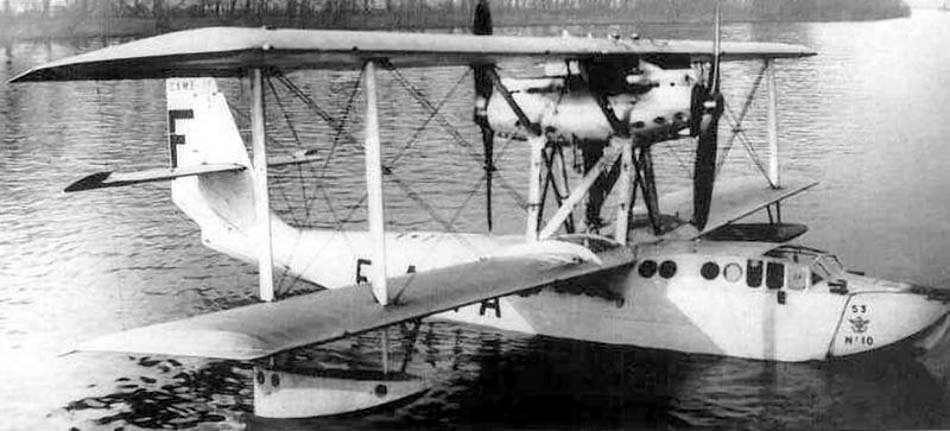 CAMS 53 |
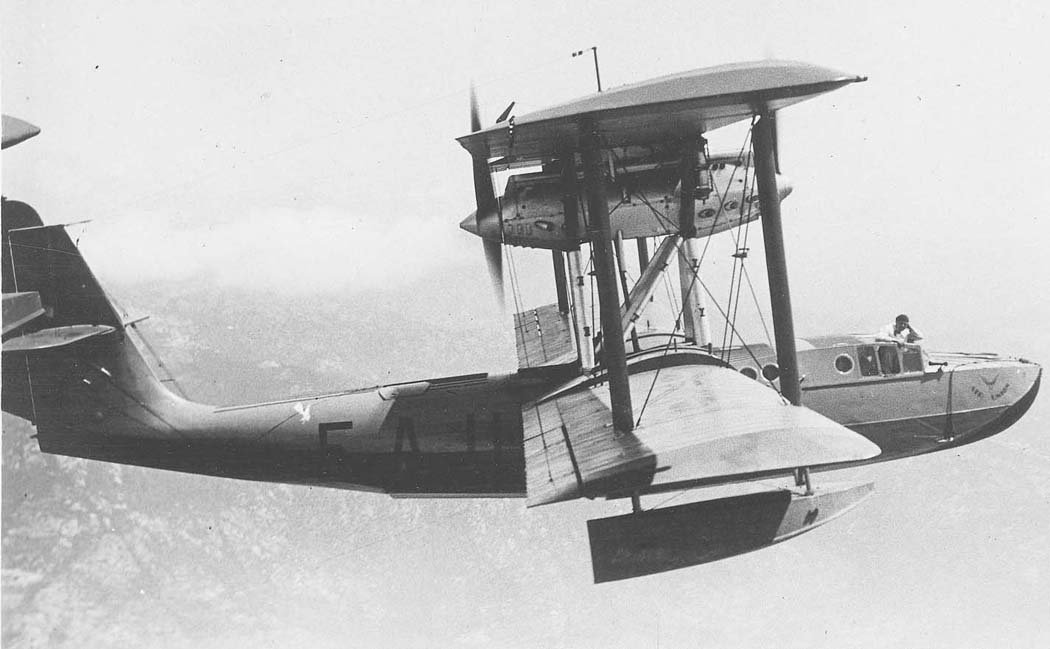 CAMS 53 |
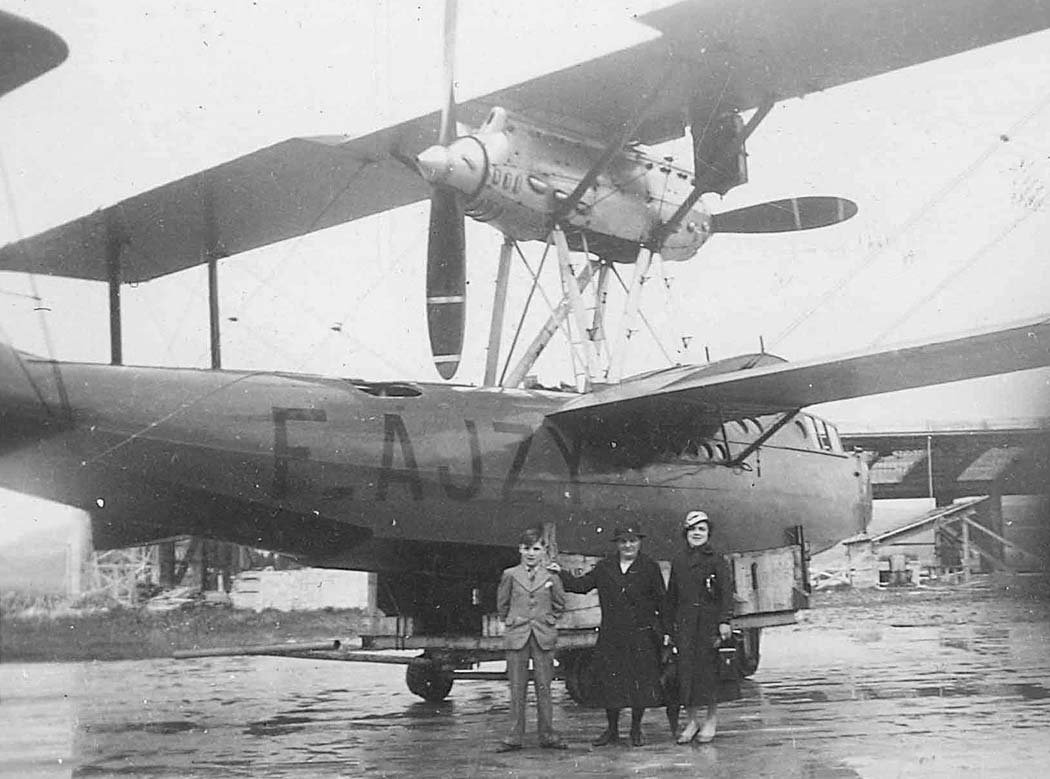 CAMS 53 |
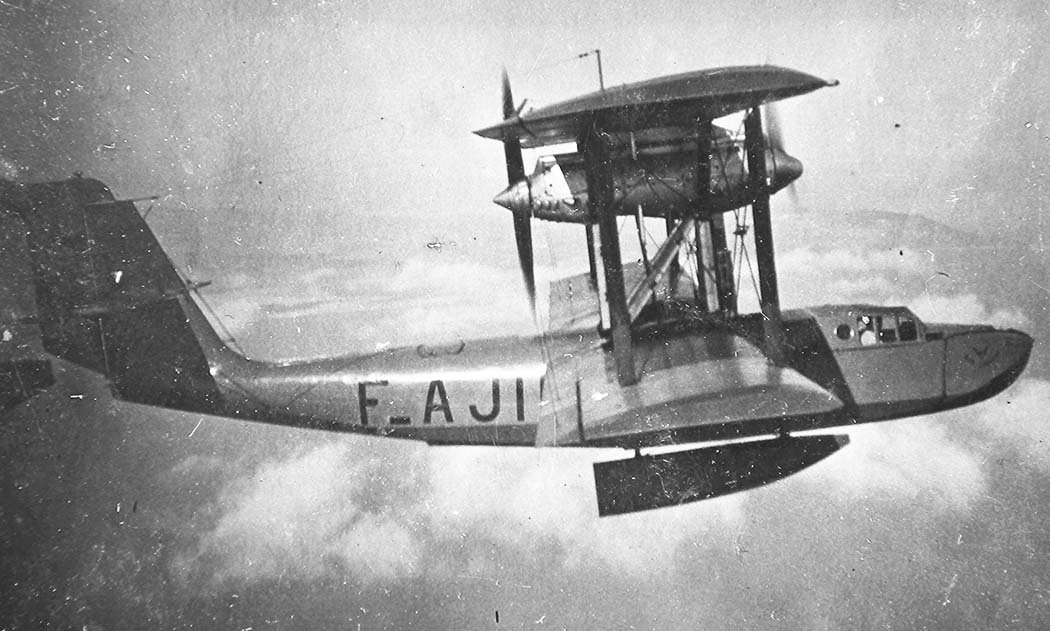 CAMS 53 |
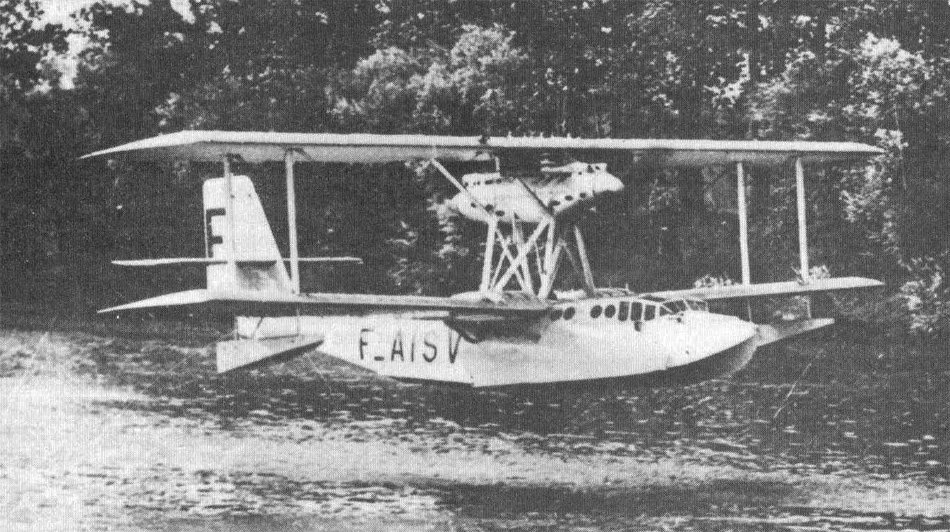 CAMS 53 |
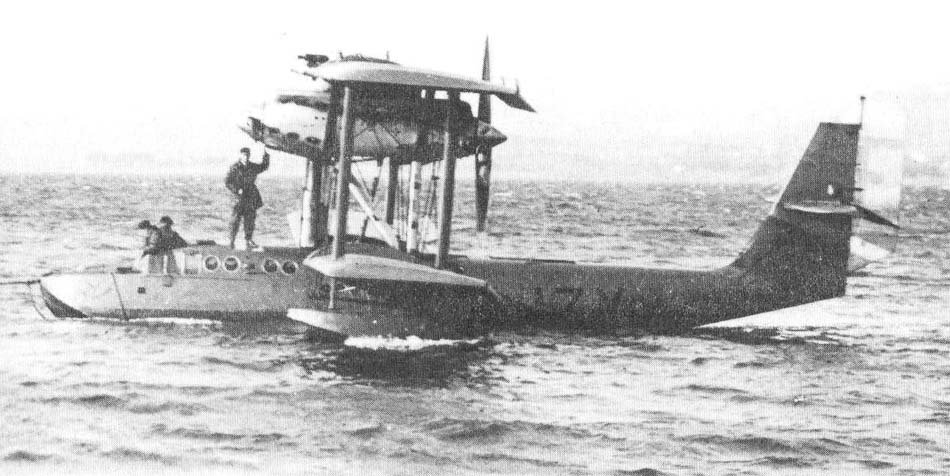 CAMS 53 |
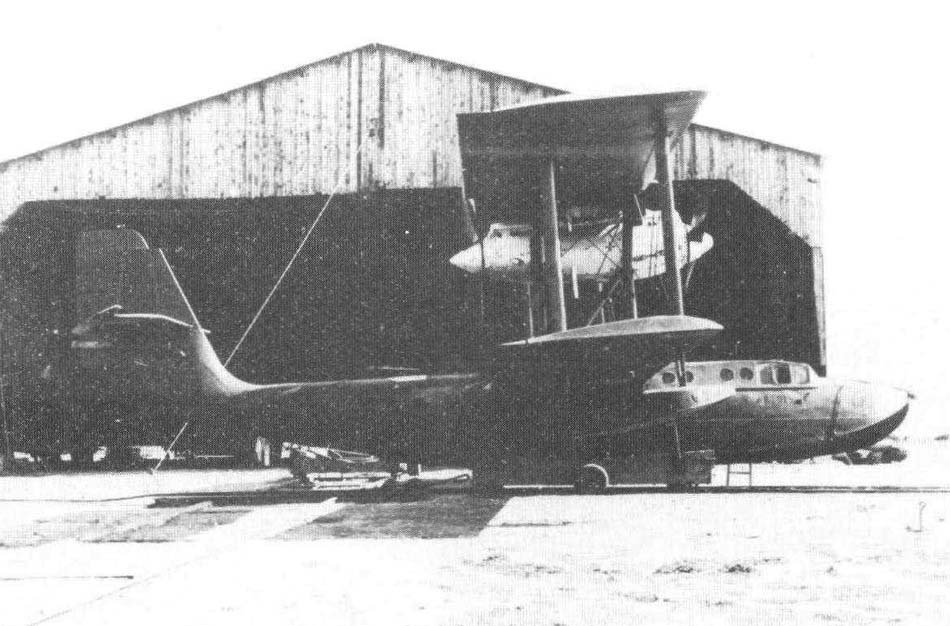 CAMS 53 |
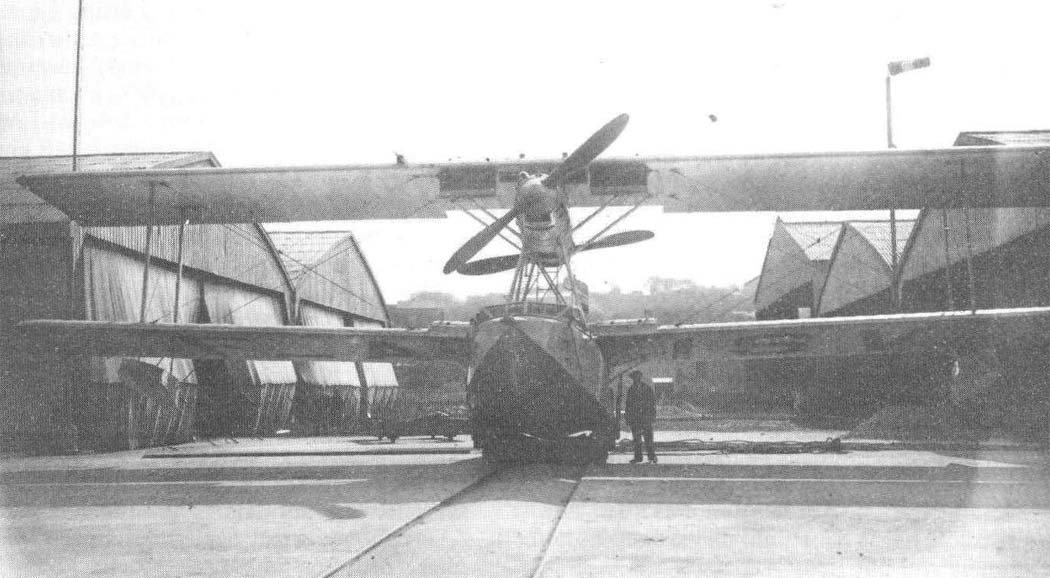 CAMS 53 |
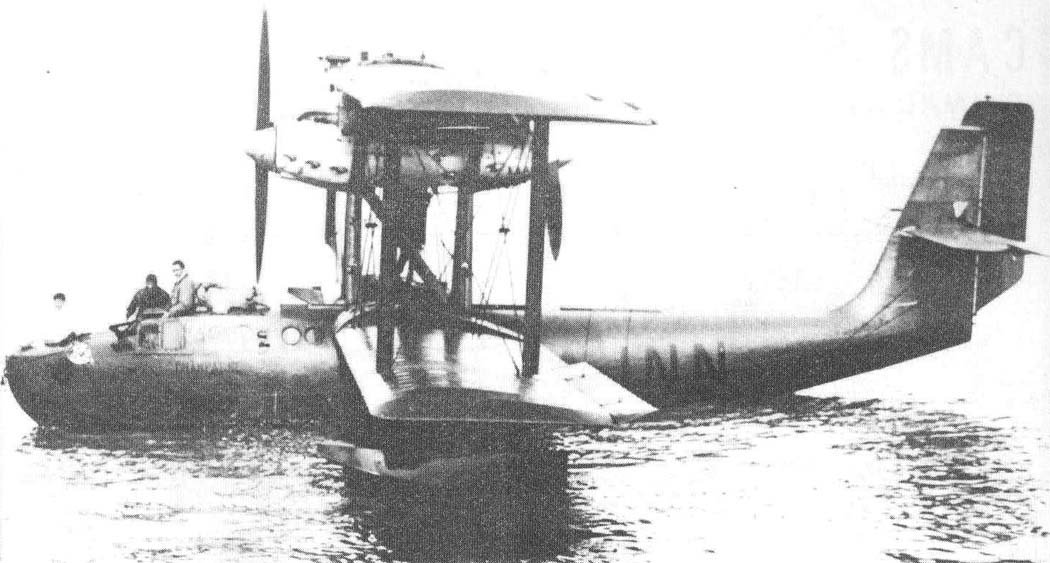 CAMS 53 |
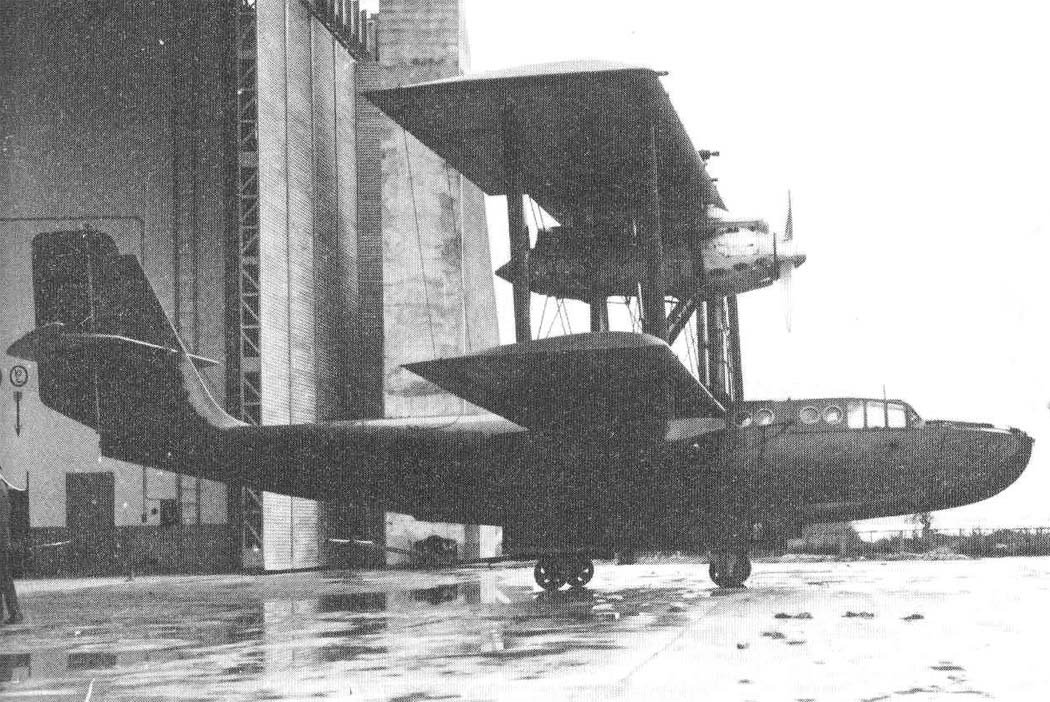 CAMS 53 |
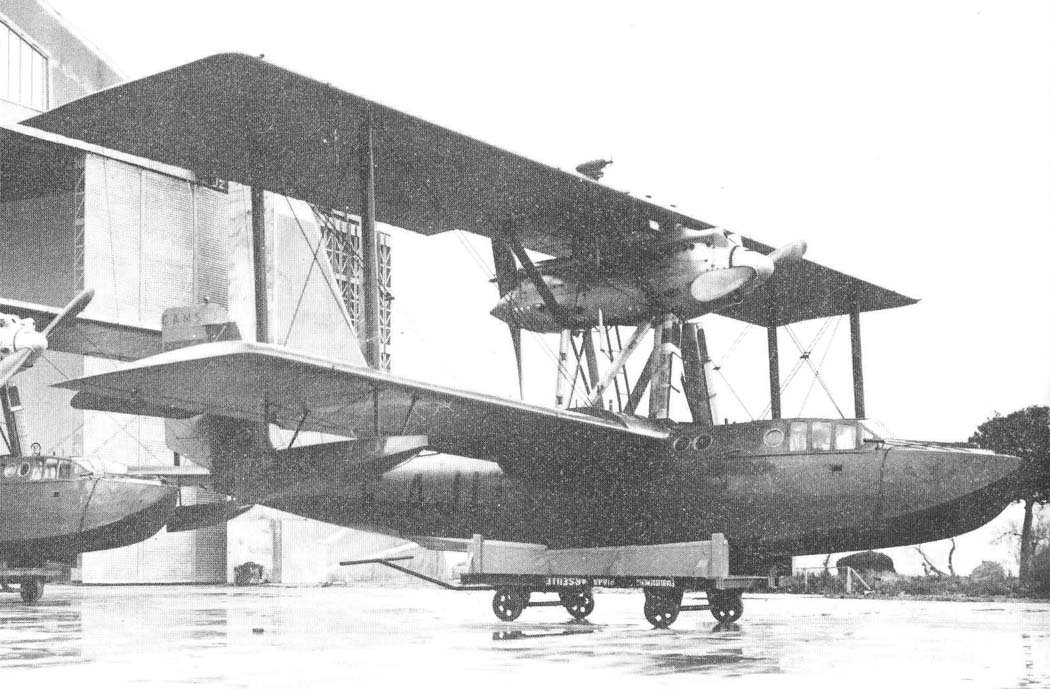 CAMS 53 |
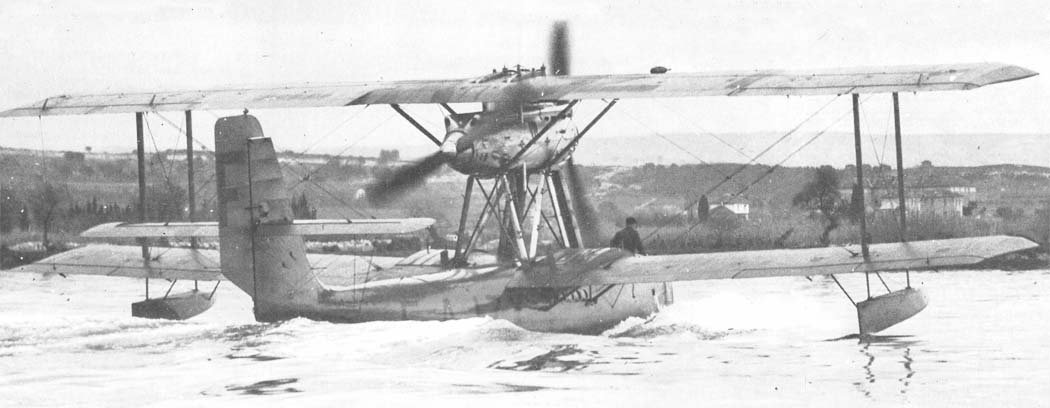 CAMS 53 |
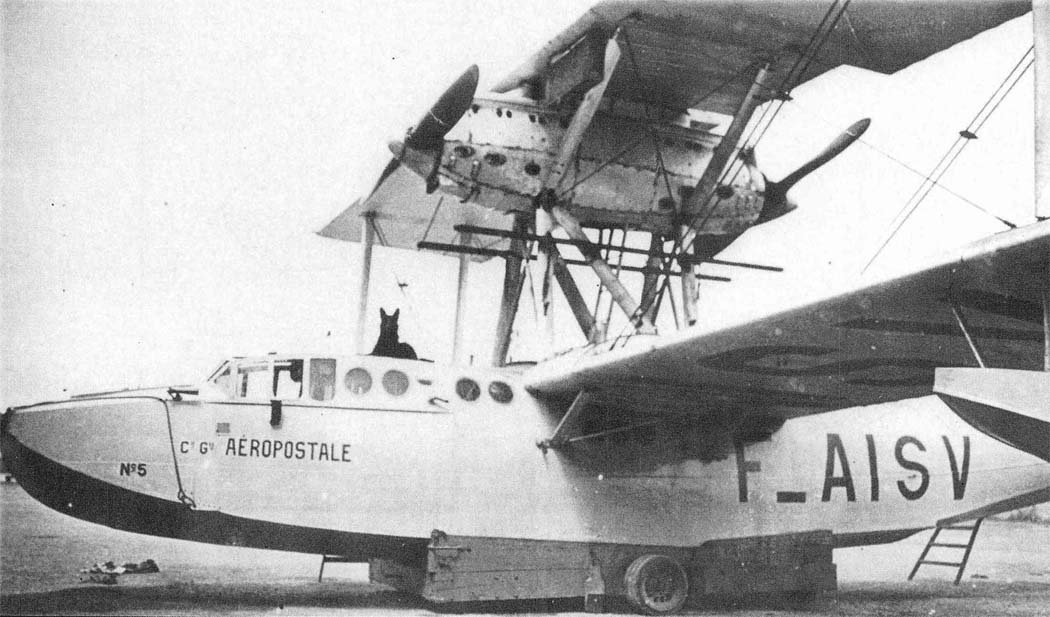 CAMS 53 |
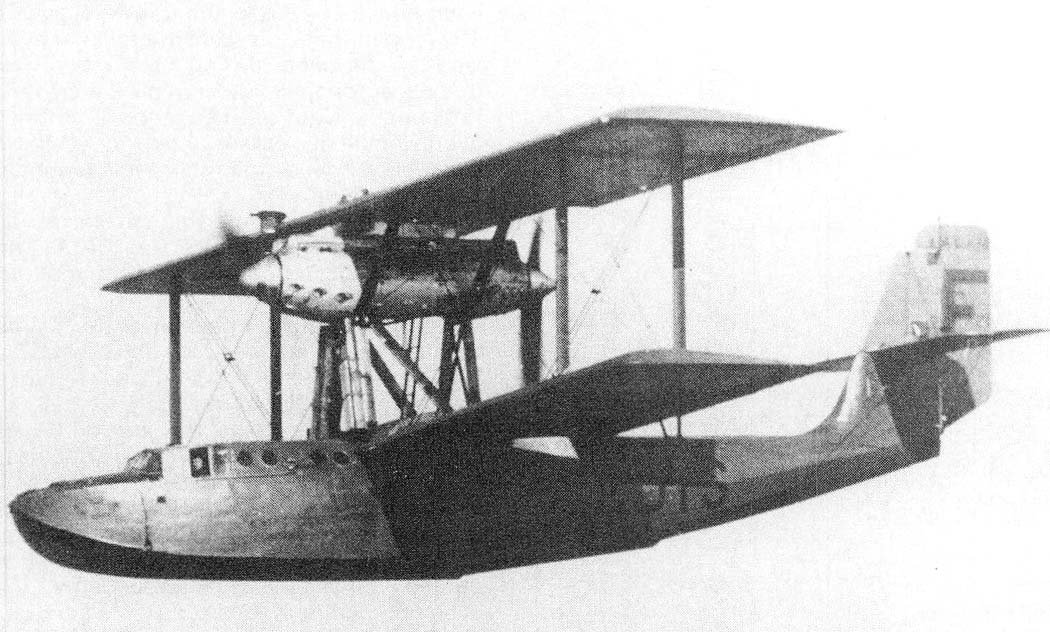 CAMS 53 |
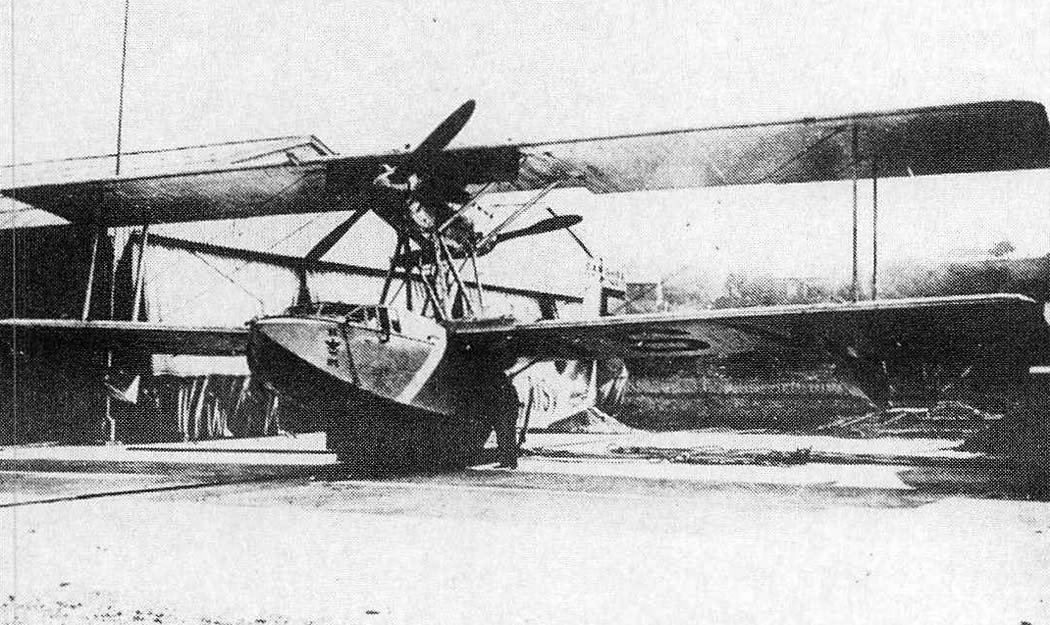 CAMS 53 |
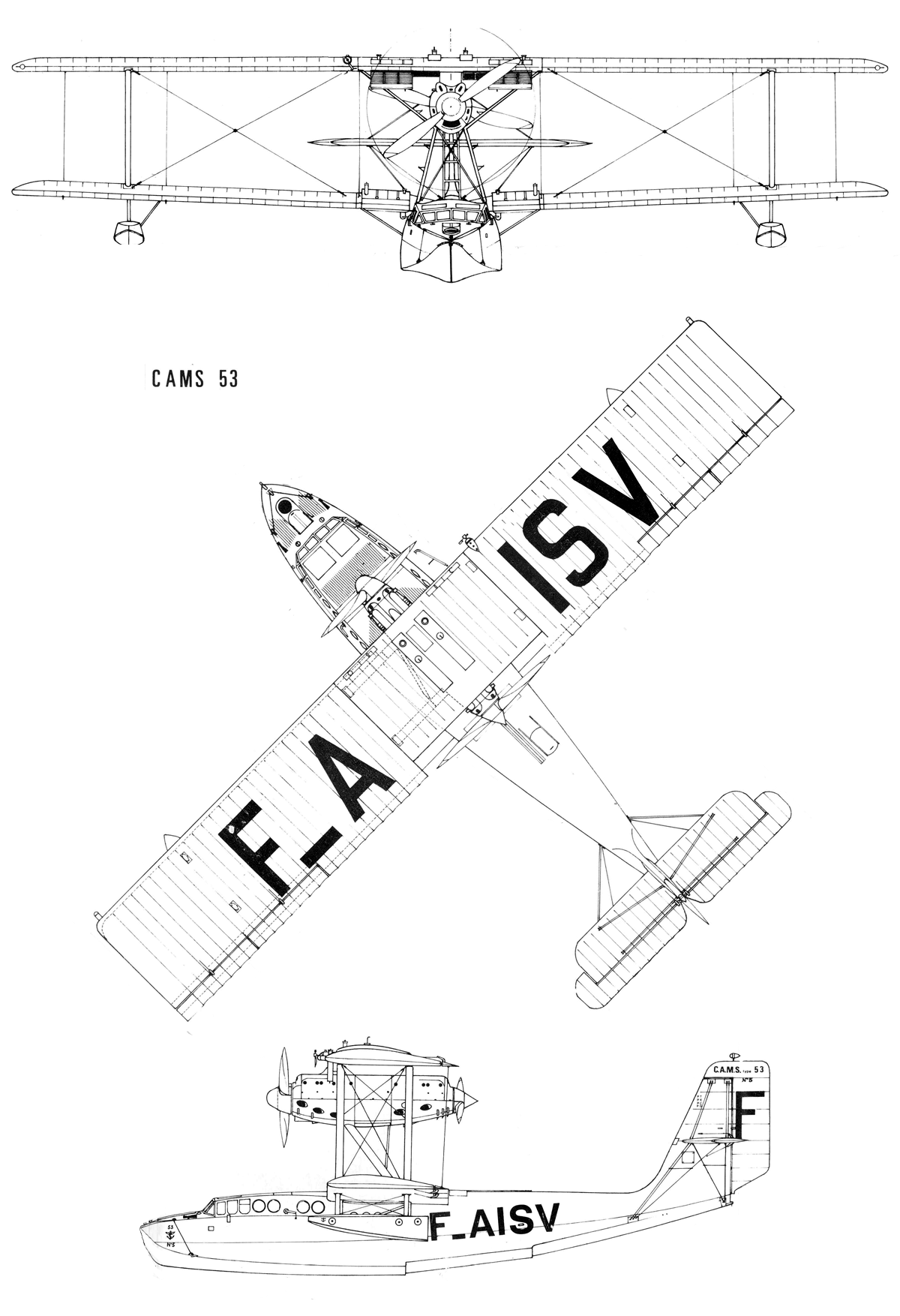 CAMS 53 |
 CAMS 53 |