
Development and Naming
In 1915, the Curtiss company developed a bomber designated C-1 Canada (the aircraft was named after the company’s new factory located in Toronto, Canada). The bomber was designed specifically for Great Britain, for both the RNAS and the RFC. To accelerate the project, the Curtiss H flying boat was used as a basis.
Prototype Features and First Flight
The prototype aircraft was completed by the end of summer 1915, becoming Curtiss’s first twin-engine aircraft. The bomber made its first flight on September 3. It was a three-seater, two-bay biplane, equipped with two Curtiss OX-5 engines producing 90 hp (67 kW). The planned 160 hp Curtiss VX engines for the project were not yet ready.
Almost immediately, the company signed a contract for the supply of 100 aircraft for the RNAS and one prototype plus ten production models for the RFC.
Operational Trials and Discontinuation
The first C-1 was shipped to Great Britain at the end of 1915 and began trials in January 1916 at Farnborough. During testing, the aircraft showed very mediocre performance, and as a result, the ten disassembled bombers for the RFC that arrived later were never assembled. For naval aviation, more advanced Handley Page O/100 aircraft were ordered instead.
Technical Specifications
| Modification | C-1 |
| Wingspan, m | 23.11 |
| Length, m | 10.17 |
| Height, m | 4.72 |
| Empty weight | 2132 |
| Normal takeoff weight | 2858 |
| Engine type | 2 Piston engine Curtiss OX-5 (VX) |
| Power, hp | 2 x 90 (160) |
| Maximum speed, km/h | 145 |
| Cruising speed, km/h | 120 |
| Practical range, km | 966 |
| Crew, crew members | 3 |
| Armament | two 7.62-mm Lewis machine guns on a movable turret; bomb load was only planned |
Image and diagram gallery of the Curtiss C-1 Canada
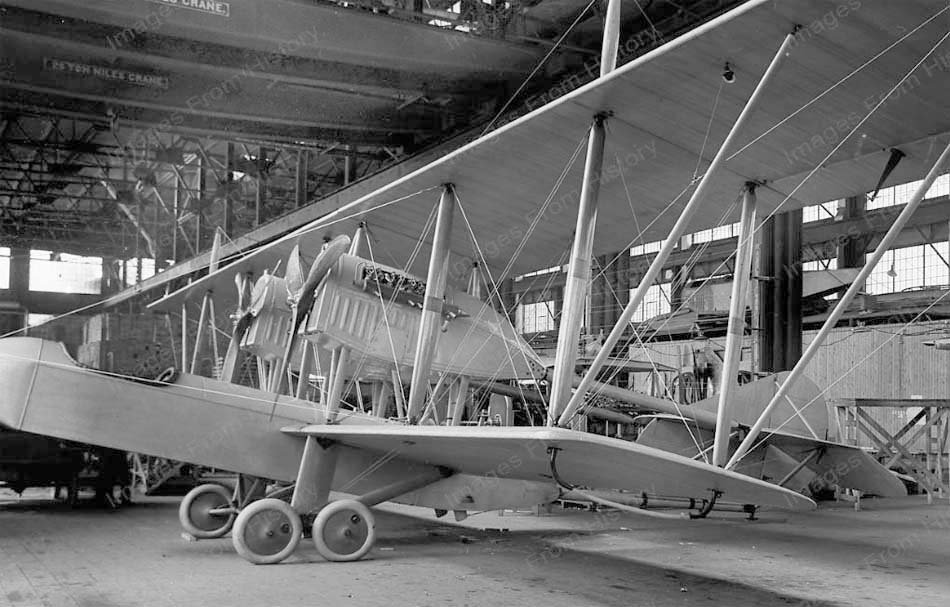 C-1 Canada |
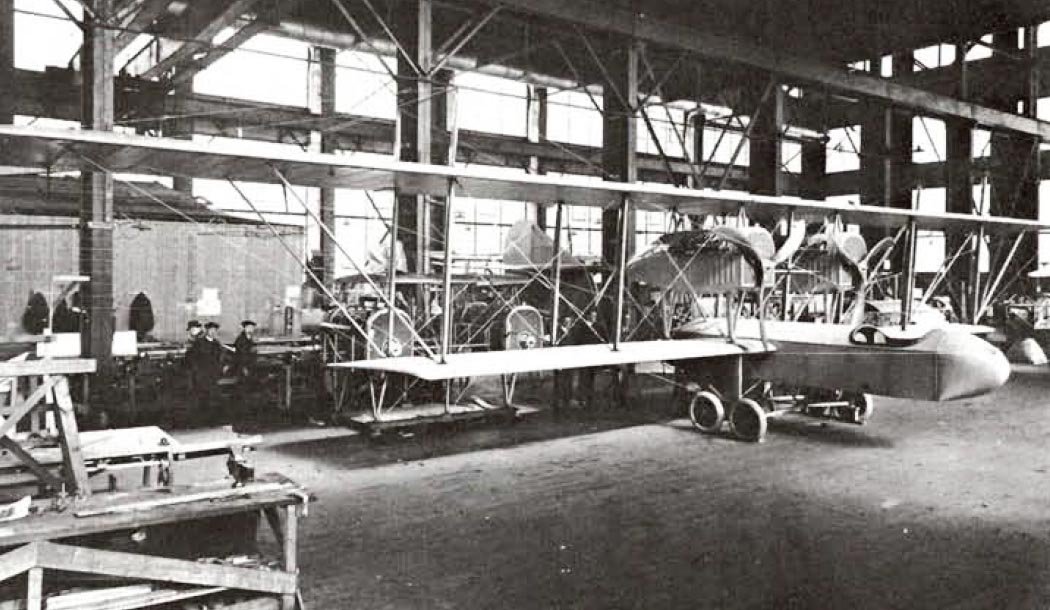 C-1 Canada |
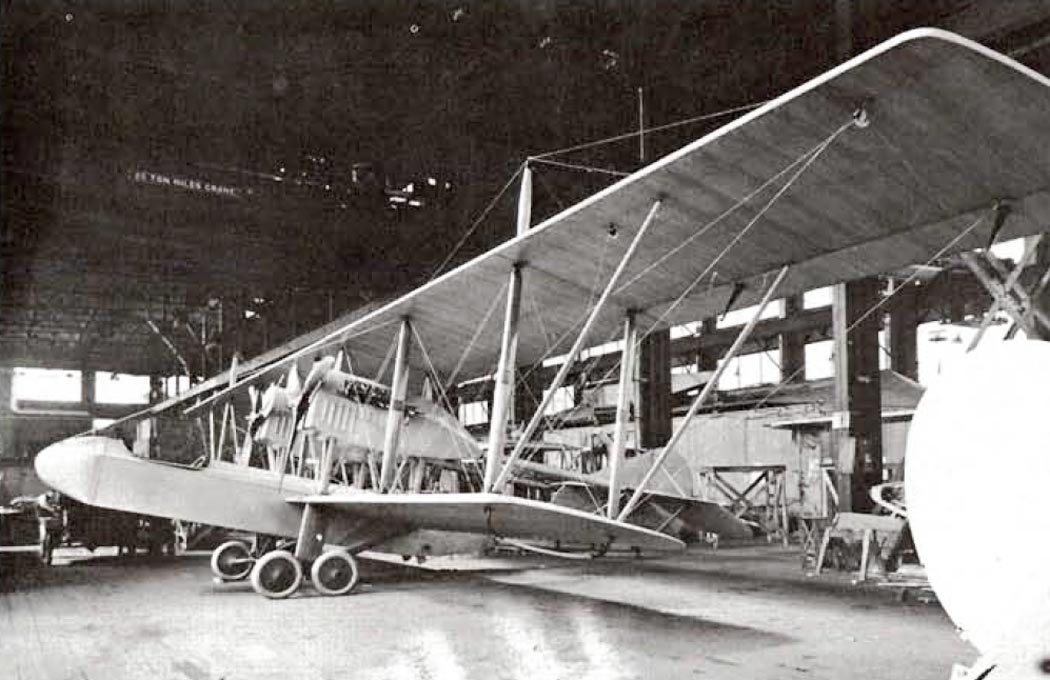 C-1 Canada |
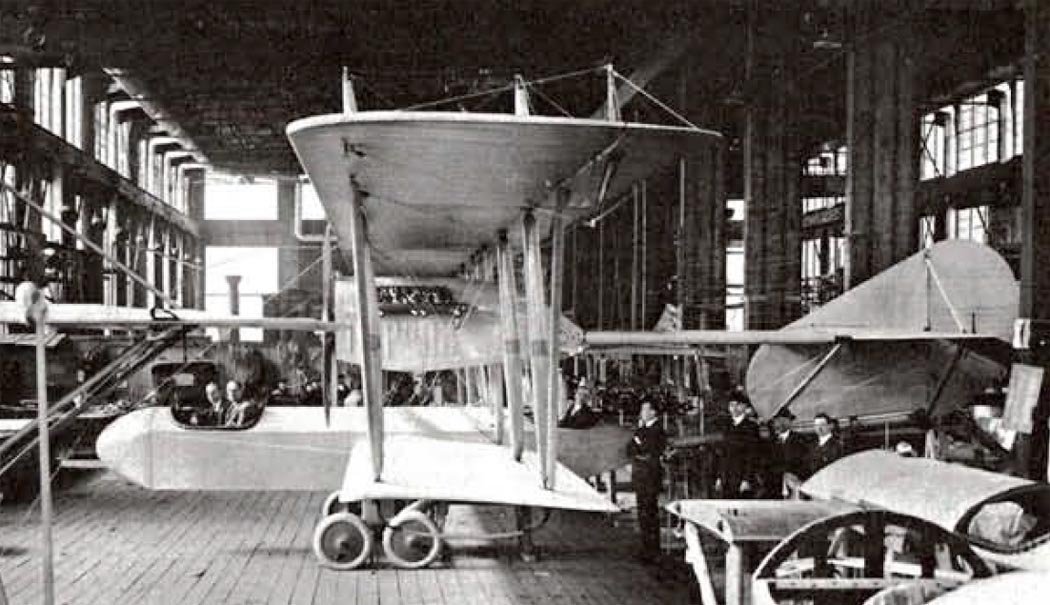 C-1 Canada |
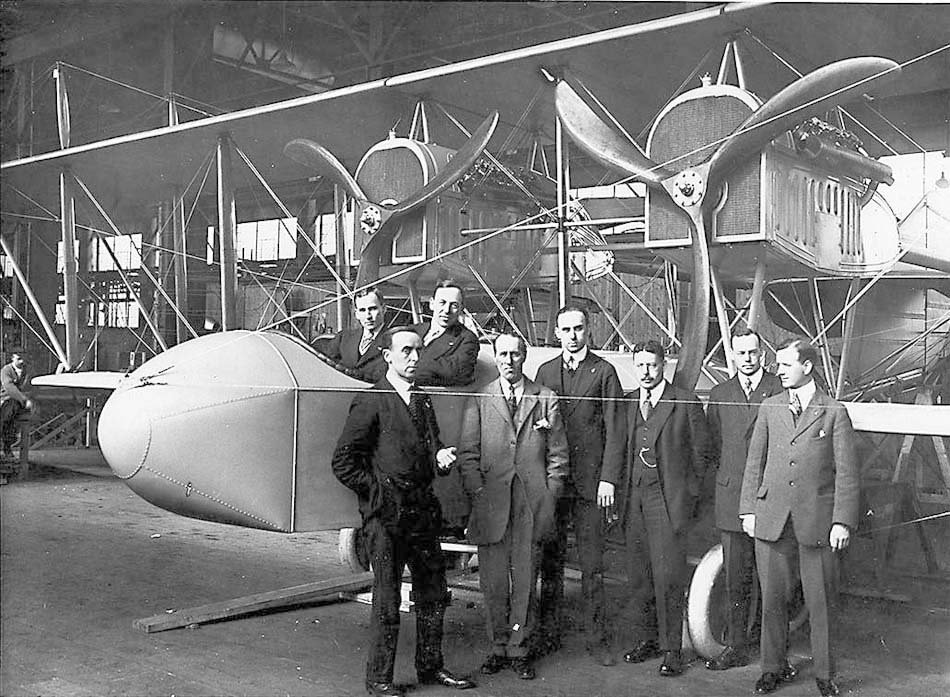 C-1 Canada |
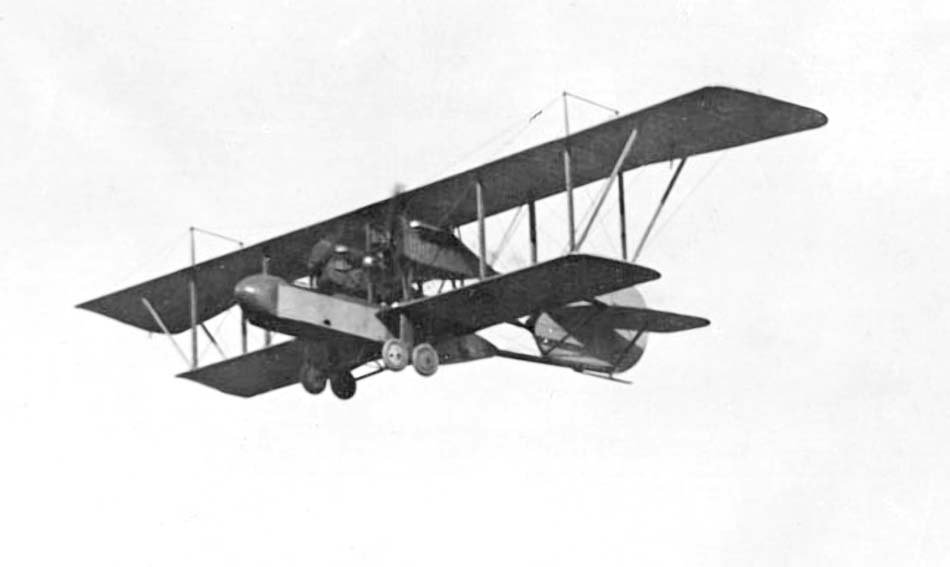 C-1 Canada |
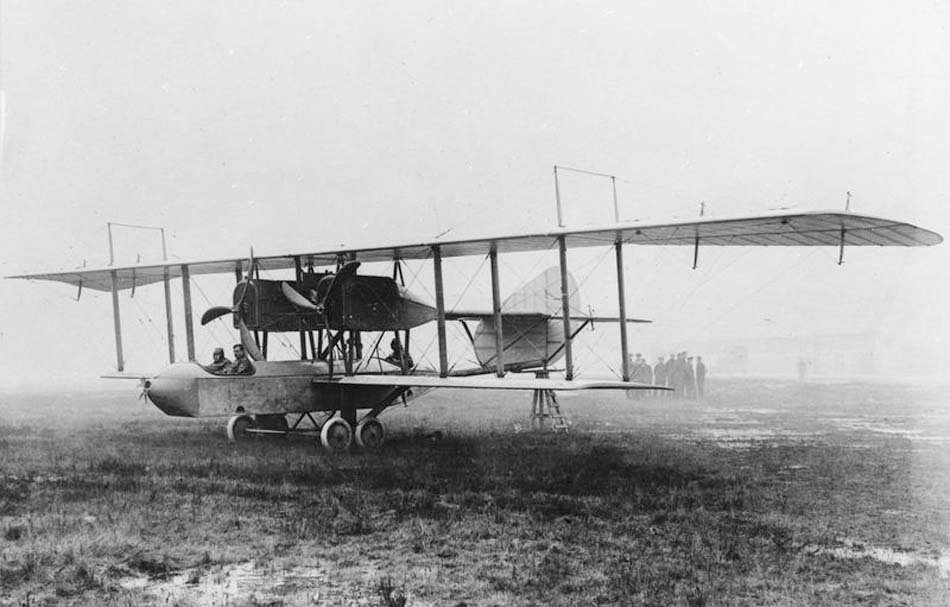 C-1 Canada |