
In 1926, Cantieri Navali Triestini (CNT) developed the CNT 18 training flying boat for the Società Italiana Servizi Aerei (SISA) airline. This aircraft was specifically designed to enhance pilot skills. It was a single-seat, single-strut biplane featuring W-shaped struts, powered by a 260 hp Isotta Fraschini V.6 six-cylinder engine.
Variants and First Flight
In addition to the single-seat version, a two-seater variant, the CNT 18 bis, was also produced, equipped with a 250 hp Isotta Fraschini Asso 200 engine. The prototype’s maiden flight took place on May 15, 1926, undergoing trials by both civil and military pilots. It received dual registrations: civil I-OCIA and military MM 96.
Production and Operational Service
Between 1926 and 1930, a total of 27 CNT 18 flying boats were built, comprising 17 single-seaters and 10 two-seaters. By 1932, 16 of these aircraft remained operational. After the SISA flight school was subordinated to military command, five training boats were assigned military numbers (MM50160-MM50164) and remained in service until 1944.
International Expansion and Evolution
In 1928, two CNT 18 bis aircraft were constructed for the Uruguayan Navy. Further development occurred in 1930 when a 400 hp Fiat A.20 twelve-cylinder engine was installed on a prototype. This variant, designated CNT 18ter, was subsequently transferred to the Italian Navy.
Finally, in 1930, following the company’s name change to Cantieri Aeronautici e Navali Triestini (CANT), the designation CNT 18 was officially changed to CANT 18. This rebranding reflected the manufacturer’s evolving identity.
Image and diagram gallery of the CANT 18
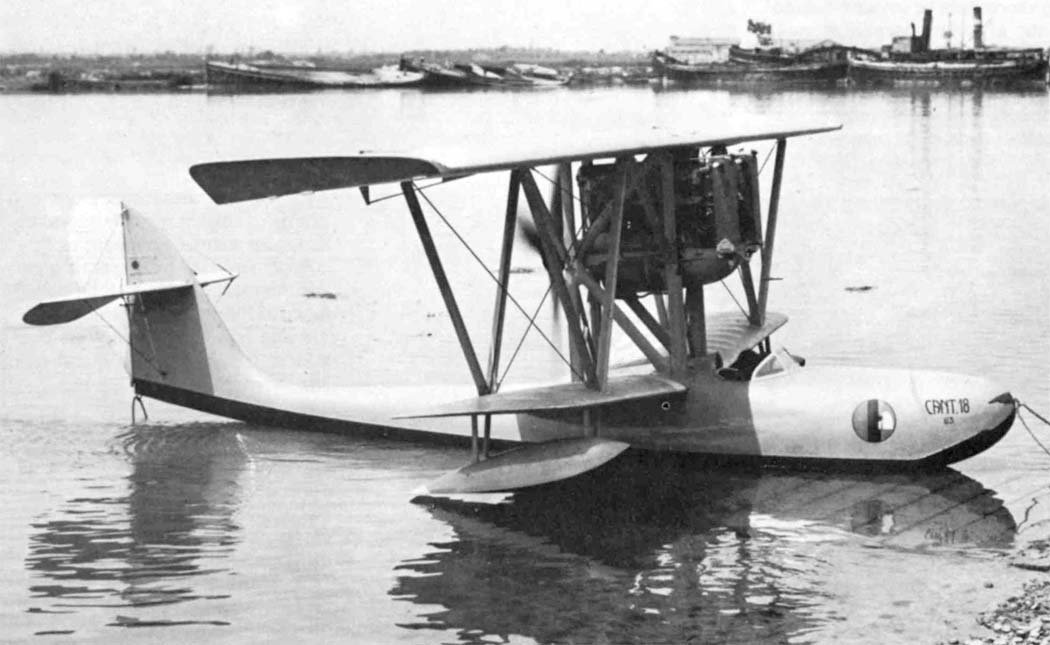 CANT 18 |
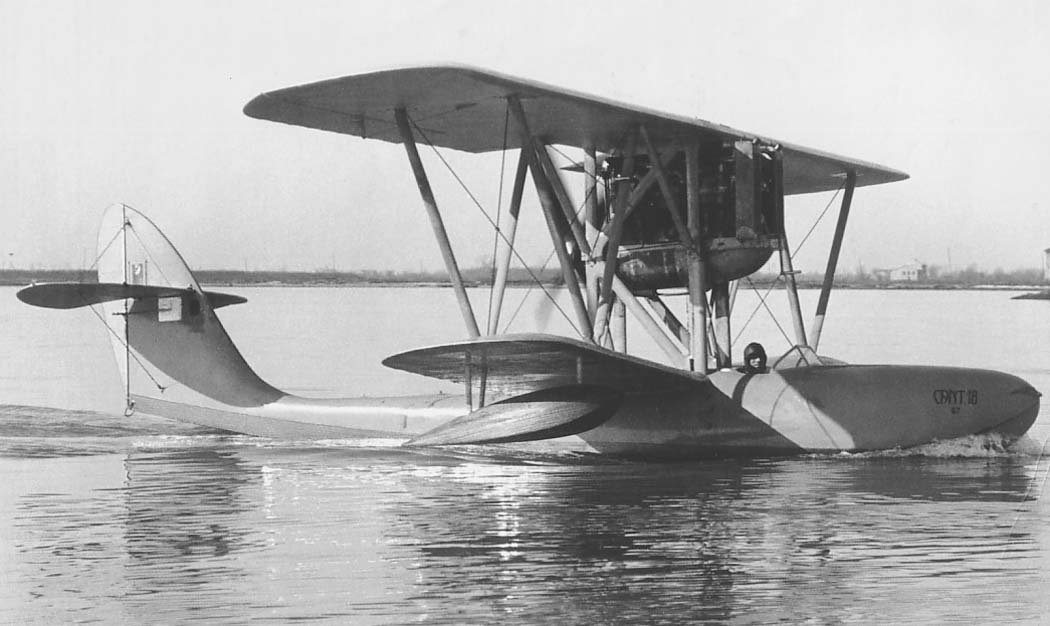 CANT 18 |
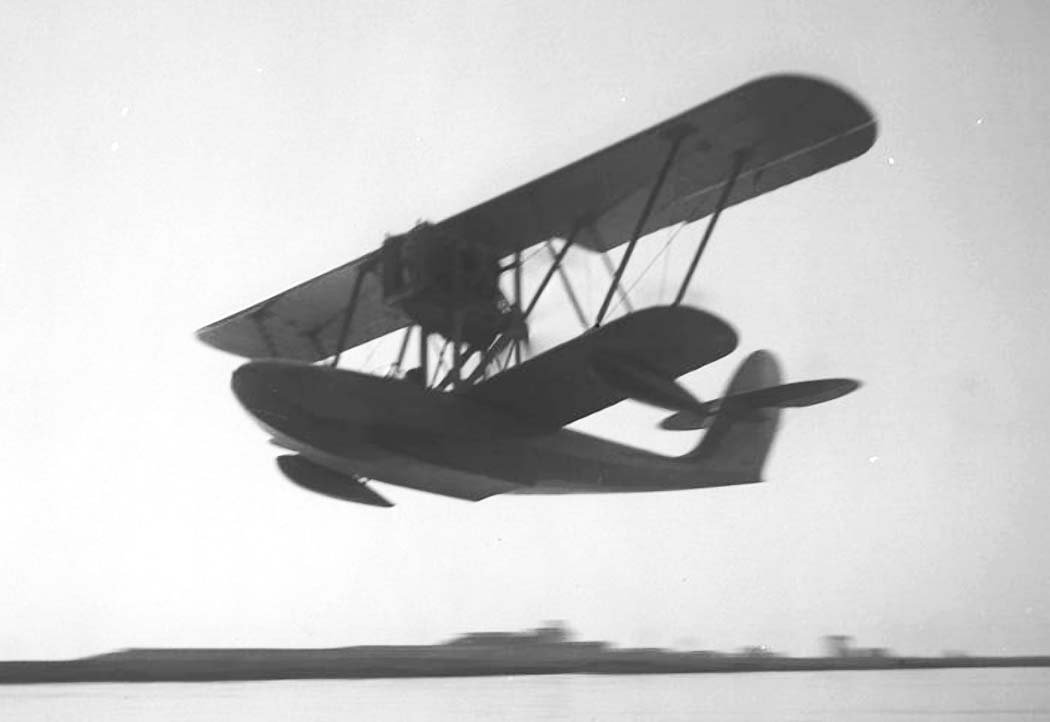 CANT 18 |
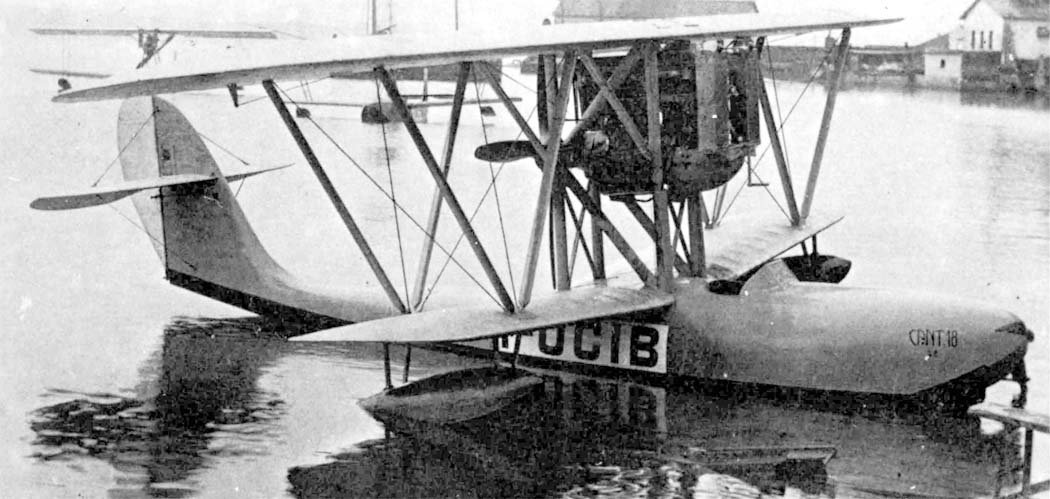 CANT 18 |
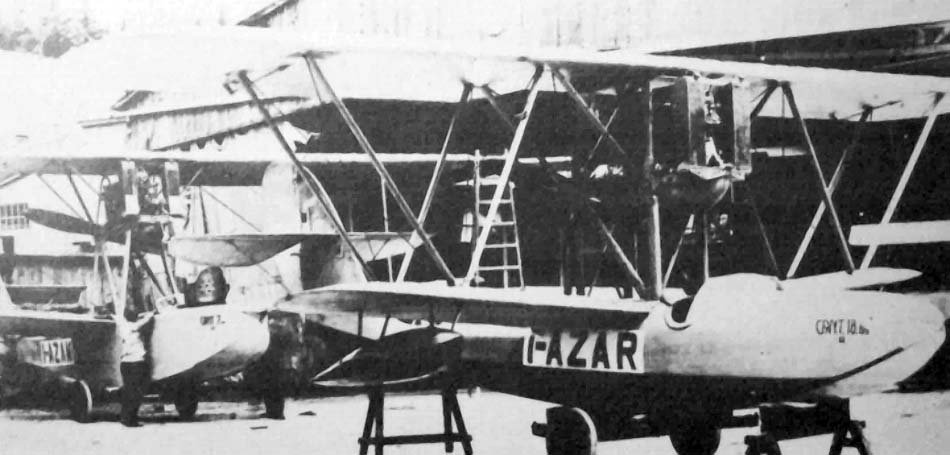 CANT 18 |
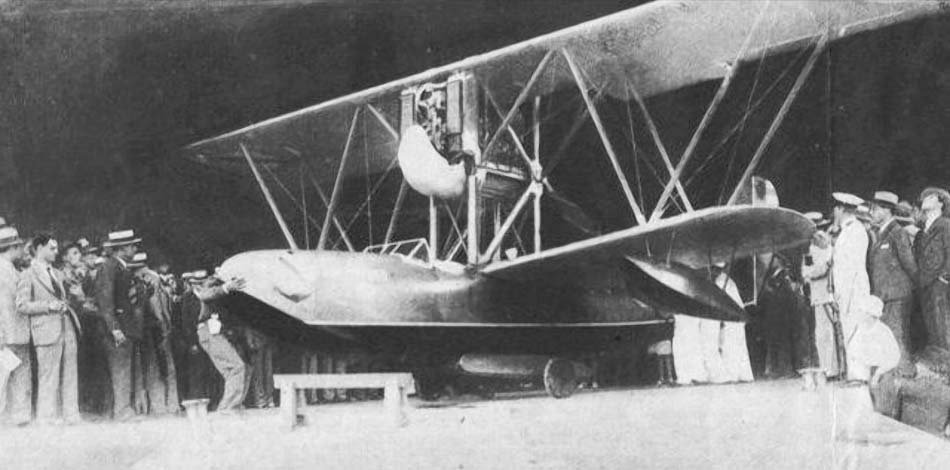 CANT 18 |
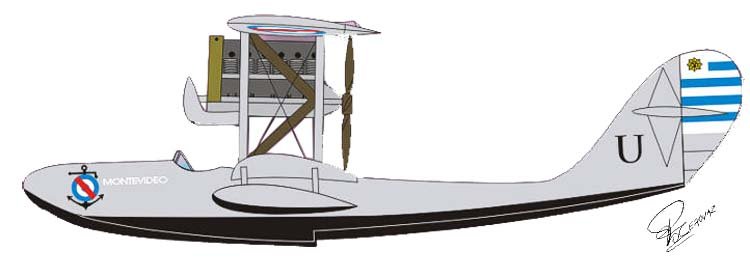 CANT 18 |