
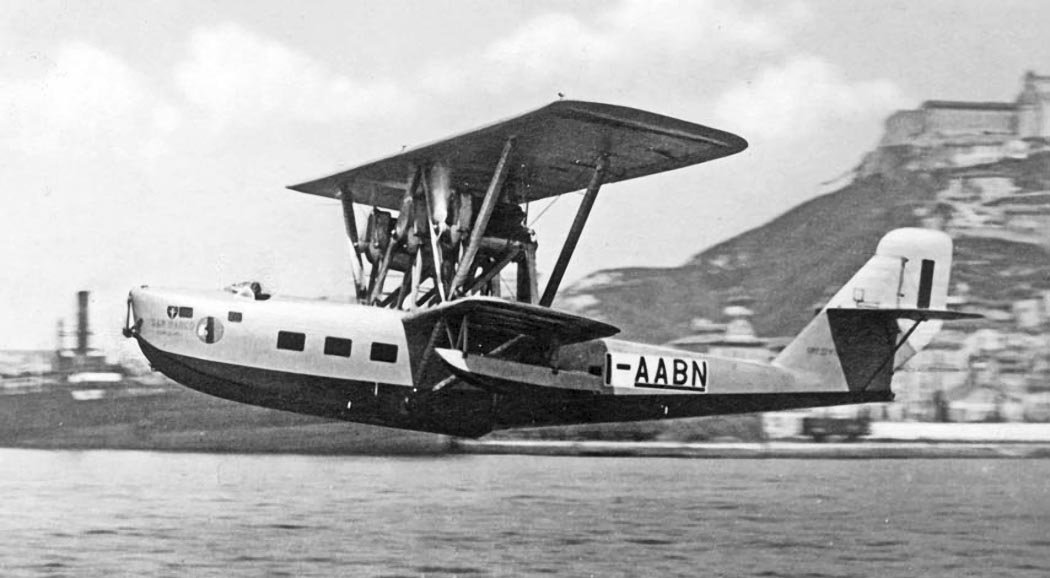
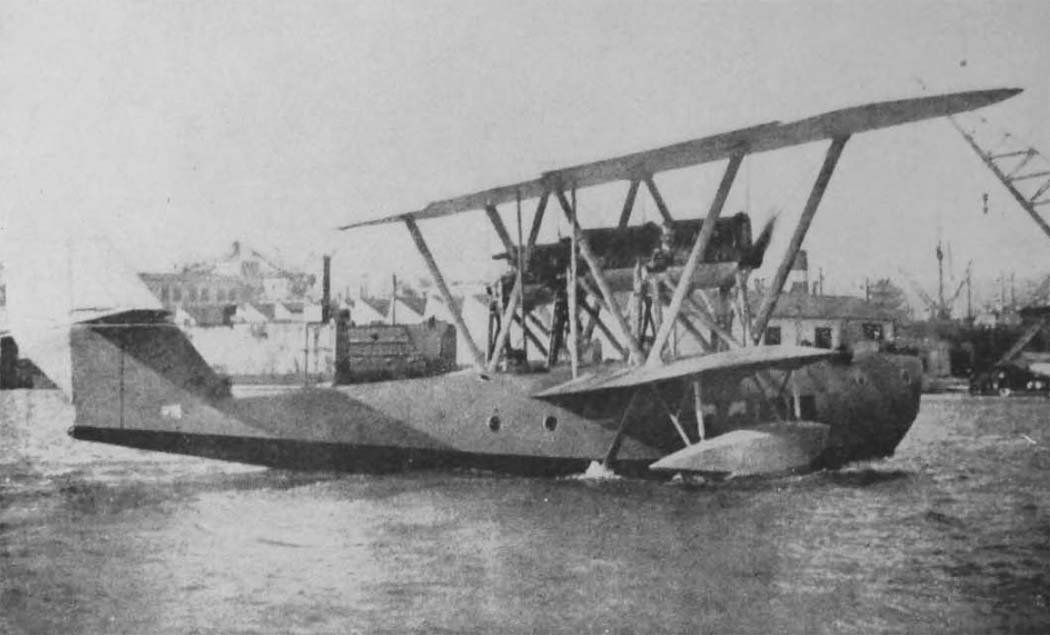
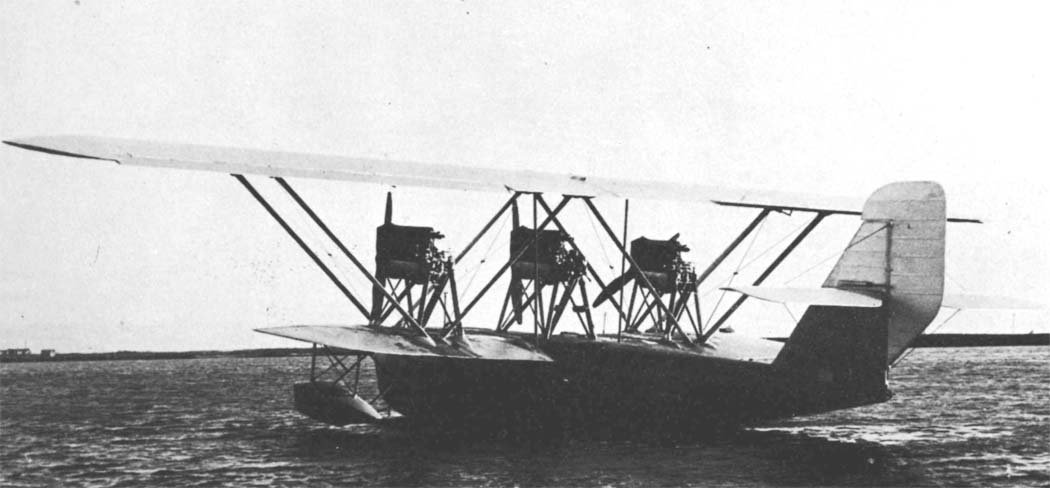
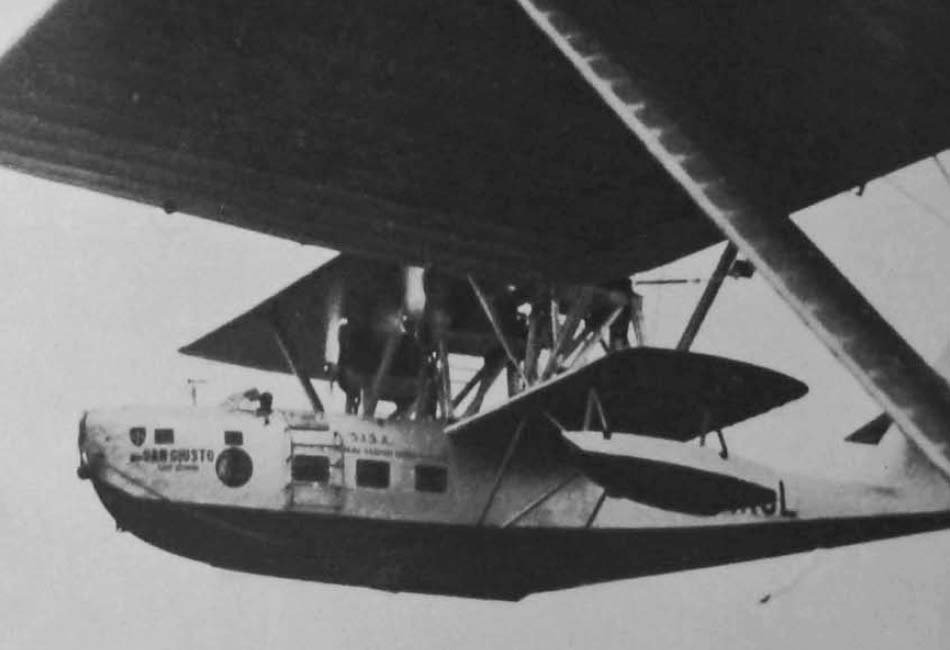
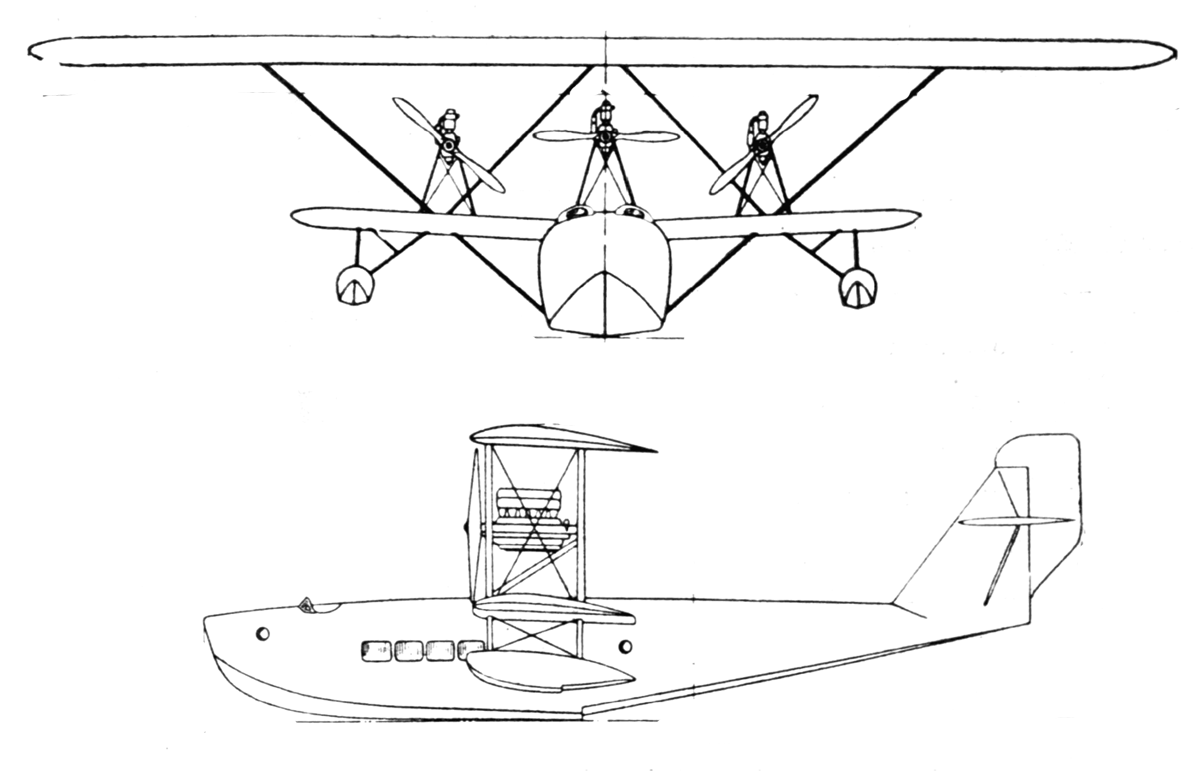
In 1927, the Società Italiana Servizi Aerei (SISA) airline expressed the need to replace its CNT 6ter flying boats. To fulfill this order, engineer Raffaele Conflenti developed the project designated NC.4. This was an eleven-seater biplane featuring V-struts in a Warren truss configuration and powered by three six-cylinder Isotta Fraschini Asso 200 engines, each producing 250 hp (184 kW) with two-bladed propellers.
Initial Development and First Flight
The first prototype of this flying boat took off in March 1928. Following successful trials, the aircraft received the official designation CNT 22, registration number I-AABM, and the name “San Giusto.”
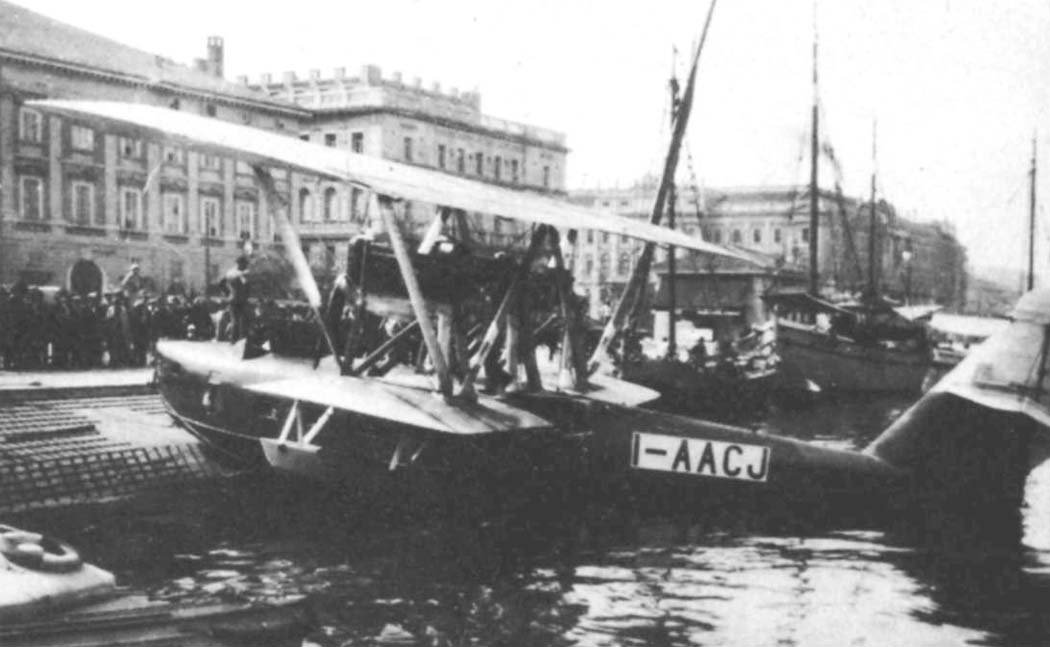
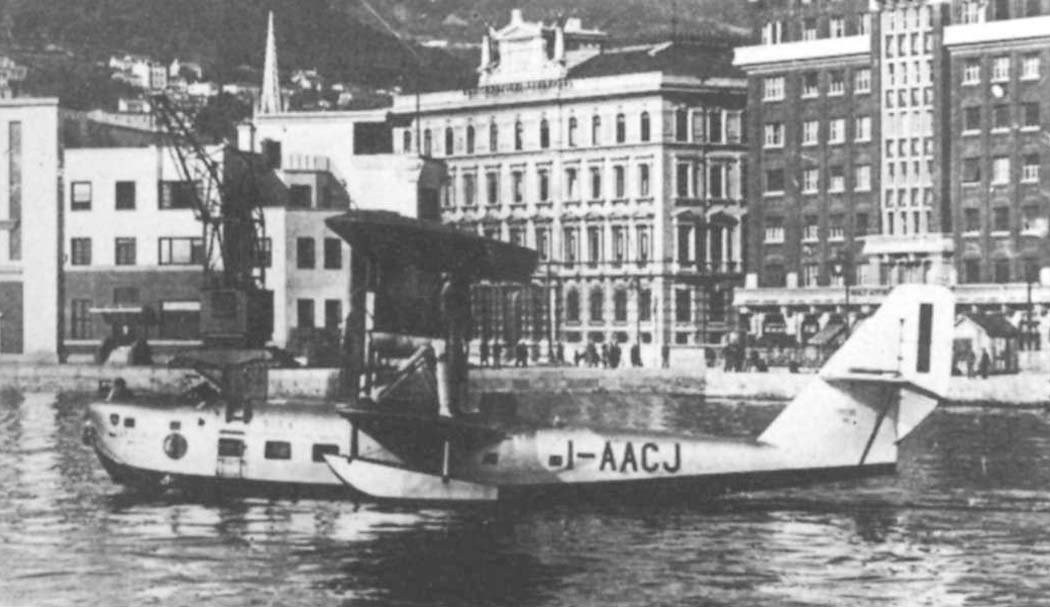
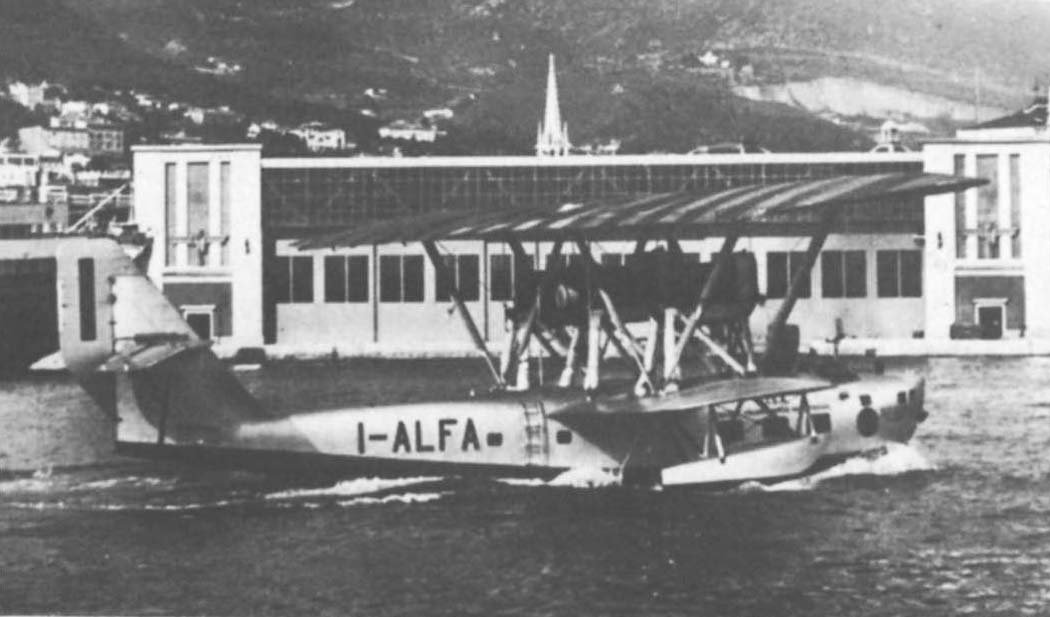
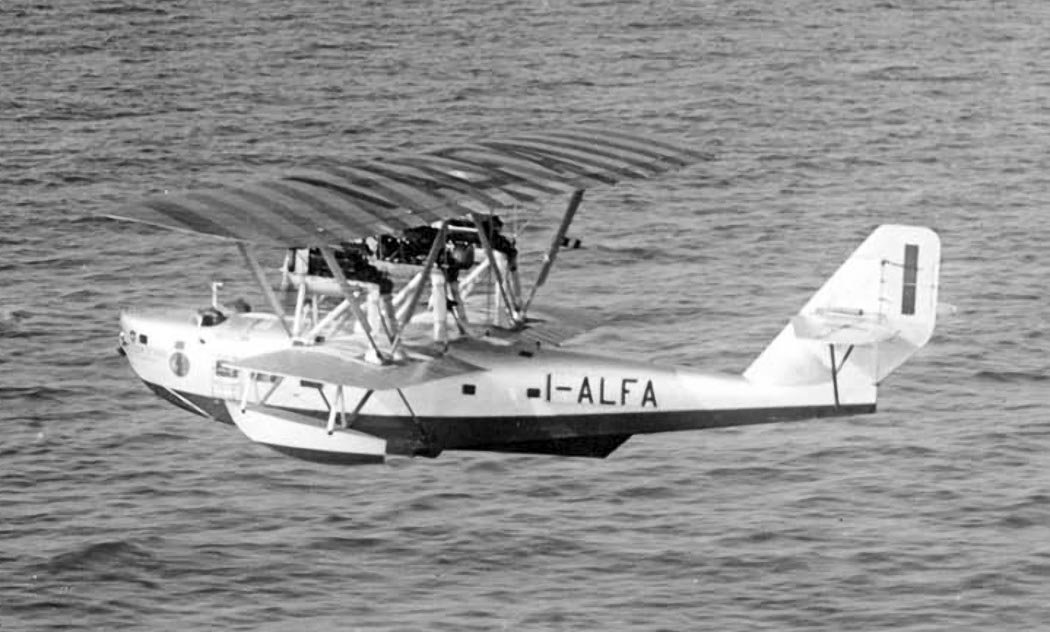
Subsequently, more CNT 22 units were produced, including I-AABN “San Marco” and I-AACJ “San Giorgio.” SISA’s increasing demands soon required a flying boat with greater passenger capacity. In response, Conflenti modified the CNT 22, expanding the passenger cabin to 10 seats.
Evolution and Civilian Service
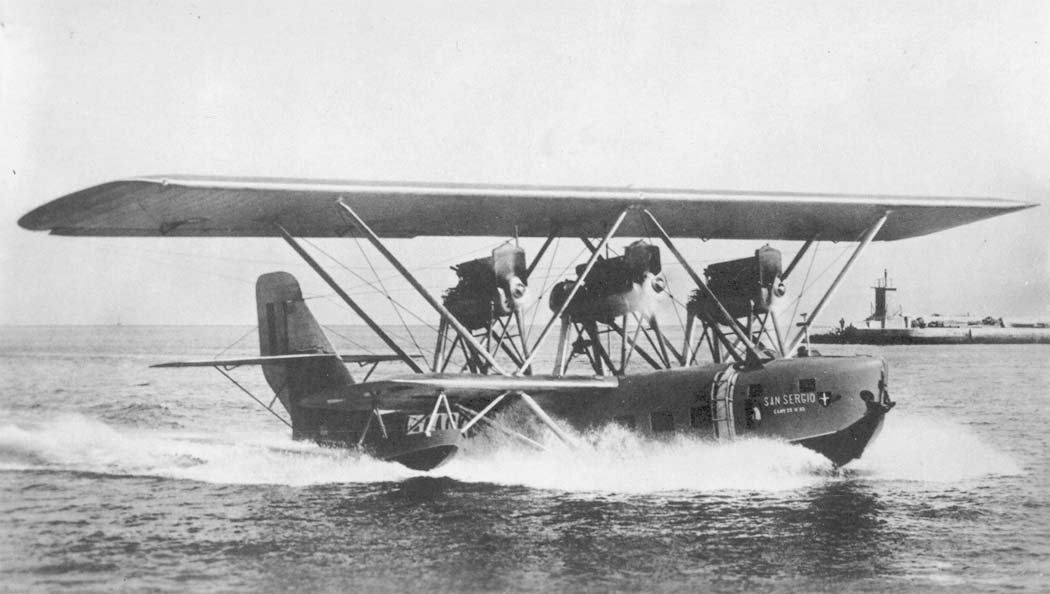
To compensate for the increased payload, the central Asso 200 engine was replaced with an Isotta Fraschini Asso 500 producing 510 hp (375 kW) and fitted with a four-bladed propeller. A total of seven such CNT 22Ri flying boats were built, named “San Sergio,” “San Giusto II,” “San Carlo,” “San Vito,” “San Sebastiano,” “San Sergio II,” and “San Vito II.” Six of these were acquired in 1934 by the new airline Ala Littoria and operated alongside the Cant 10ter in the Adriatic Sea.
Military Interest and Renaming
The military also took an interest in the CNT 22. In 1929, the Navy purchased a prototype (MM.162) for testing at the Vigna di Valle base. While there were plans to develop a bomber flying boat based on this aircraft, the project never progressed beyond the drawing board.
In 1930, following the company’s name change to Cantieri Aeronautici e Navali Triestini (CANT), the designation CNT 22 was changed to CANT 22.
Image and diagram gallery of the CANT 22
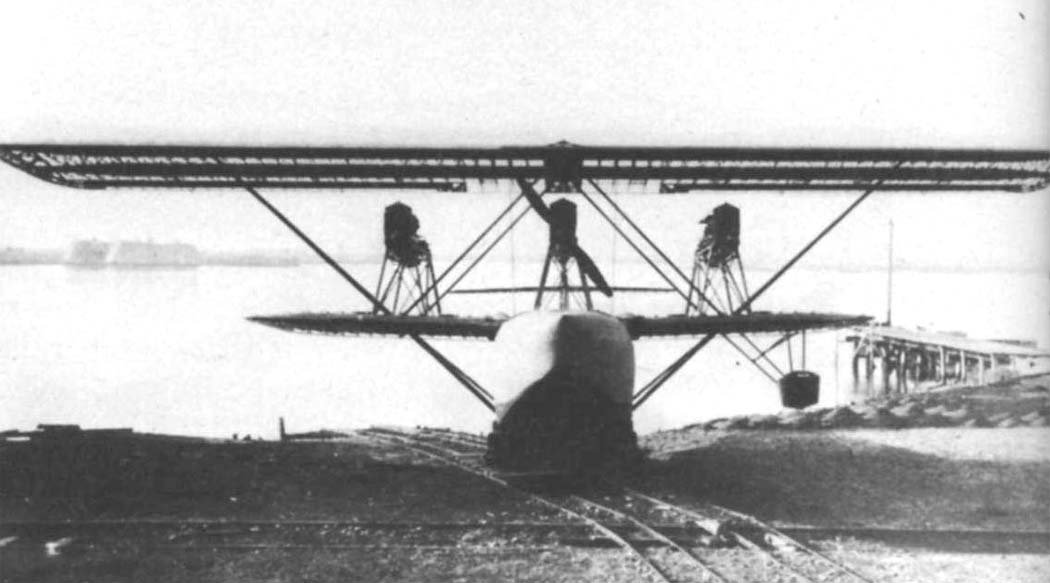 CANT 22 |
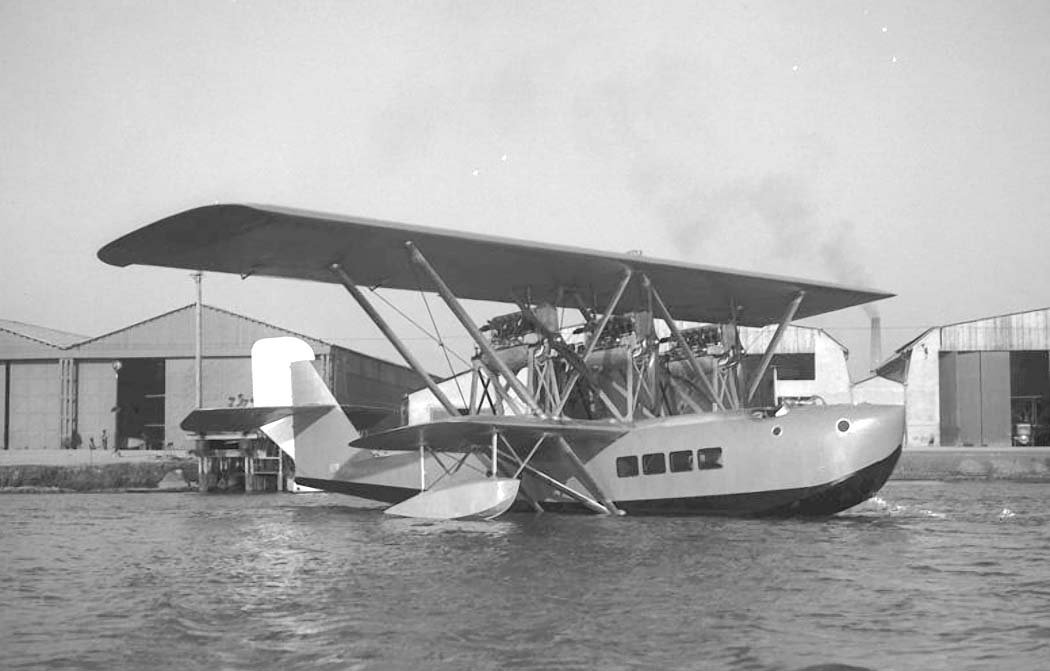 CANT 22 |
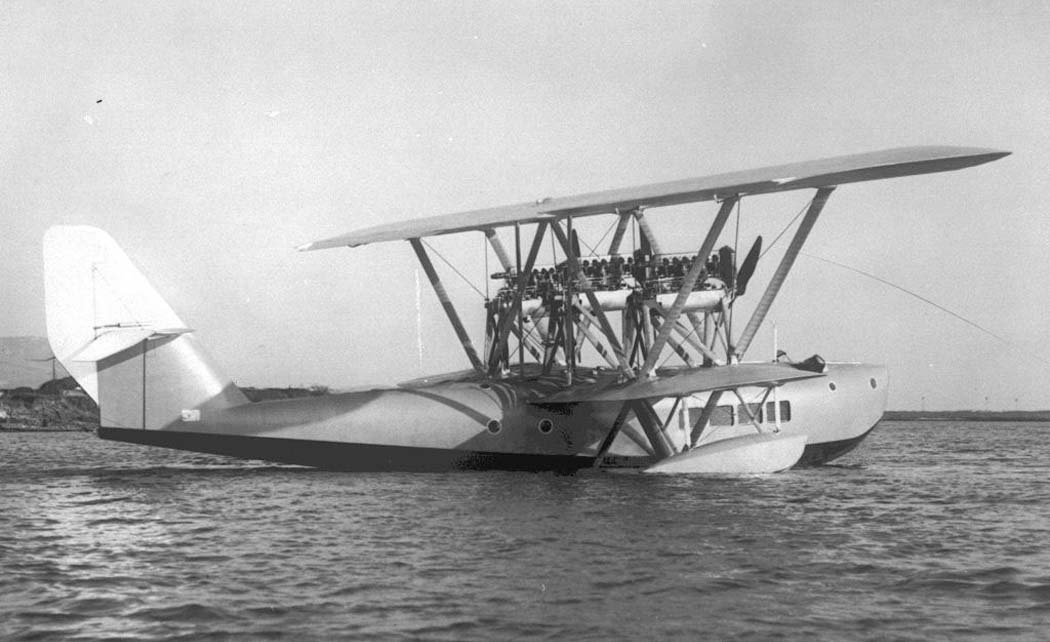 CANT 22 |
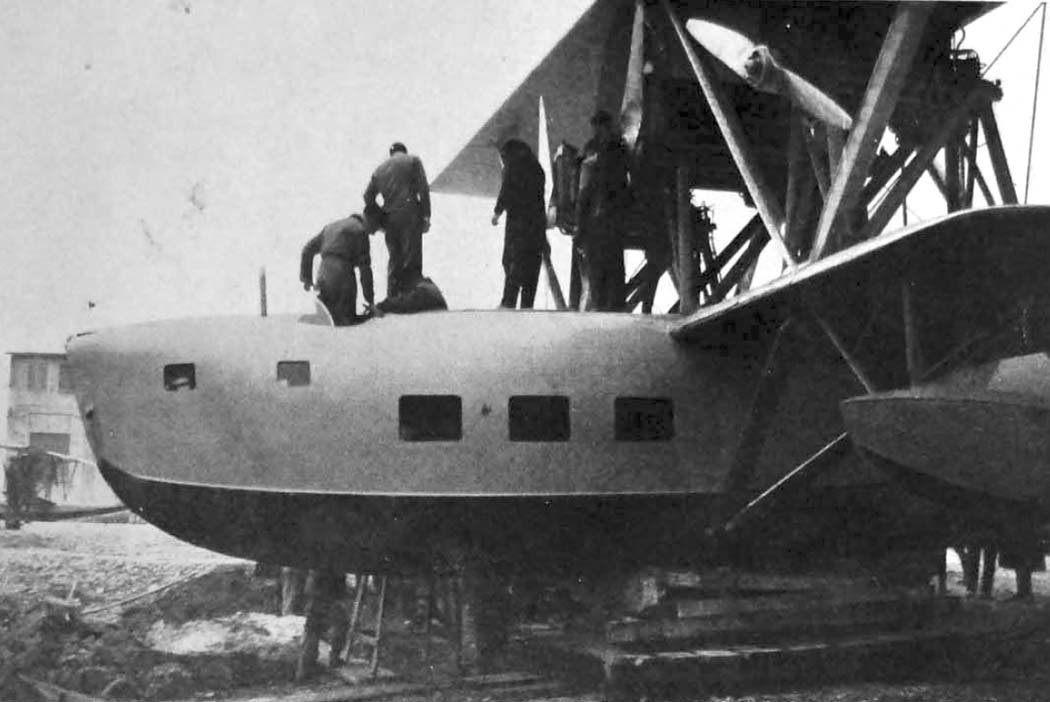 CANT 22 |
 CANT 22 |
 CANT 22 |
 CANT 22 |
 CANT 22 |
 CANT 22 |
 CANT 22 |
 CANT 22 |
 CANT 22 |
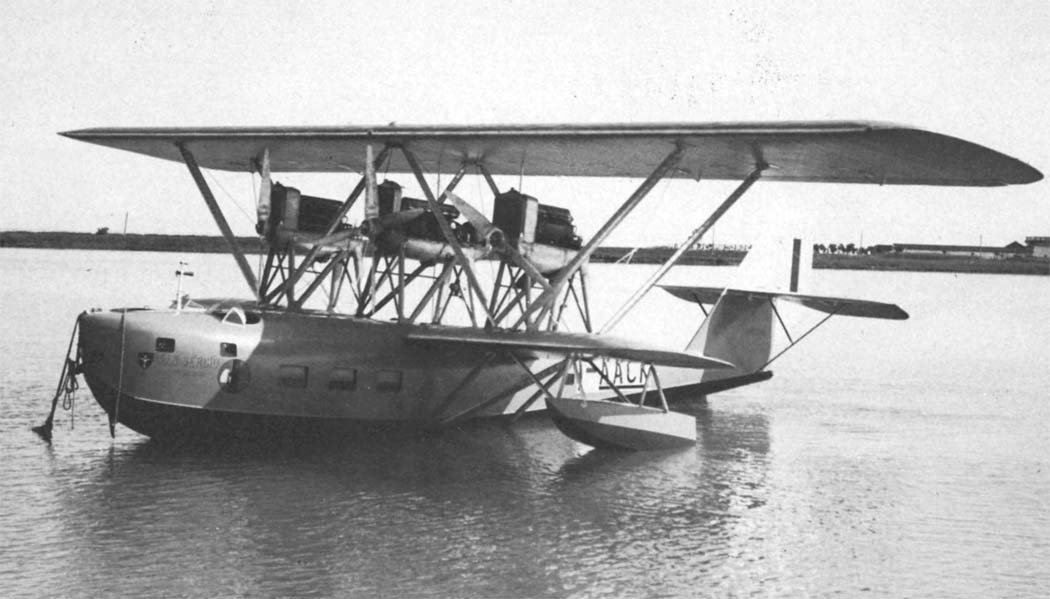 CANT 22 |
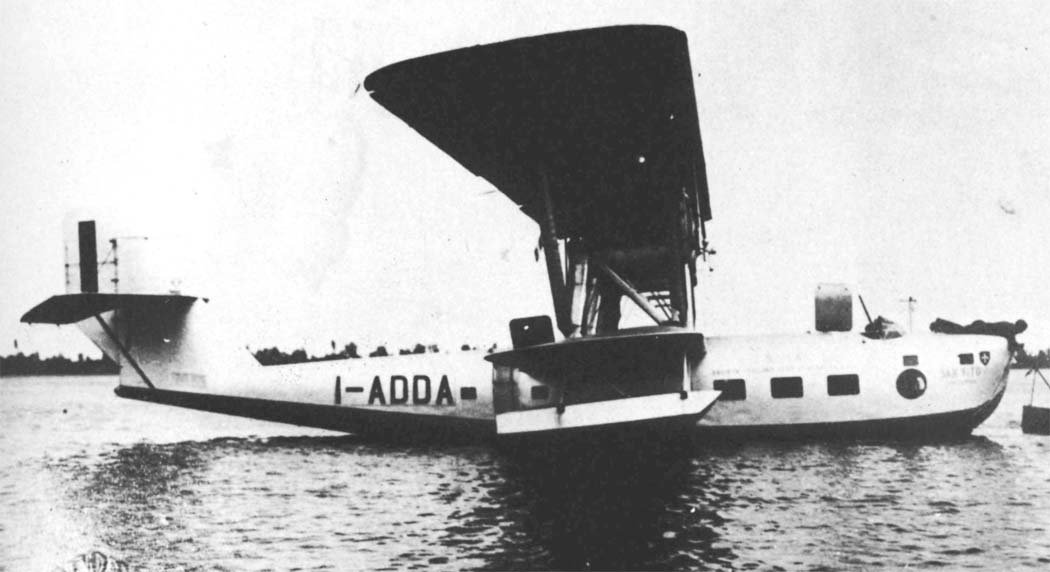 CANT 22 |
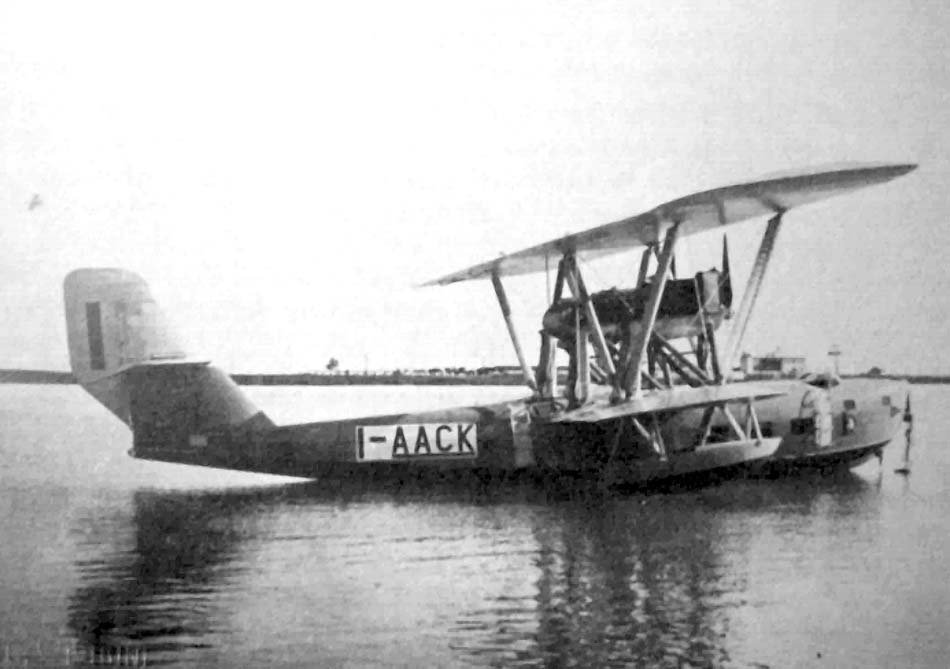 CANT 22 |
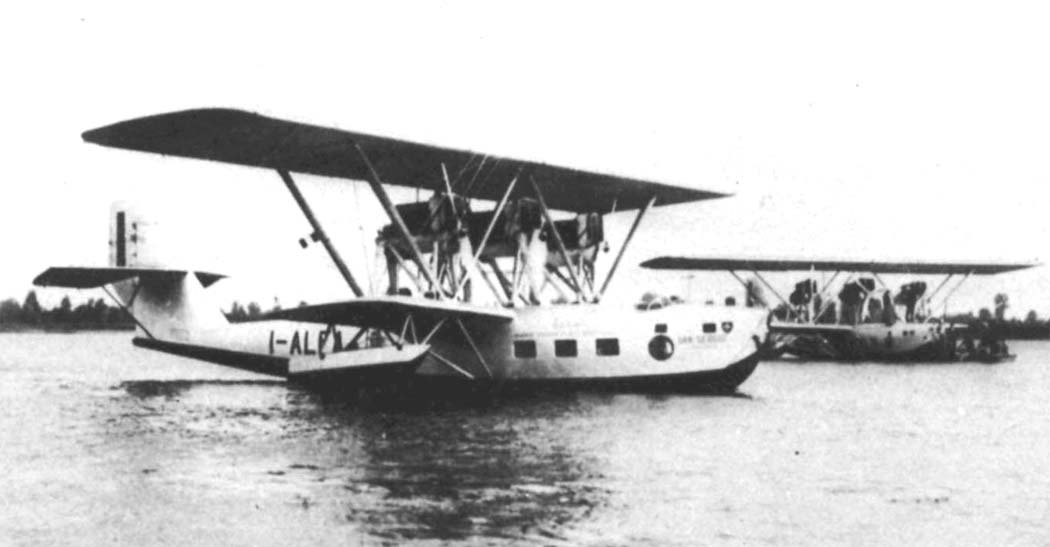 CANT 22 |
 CANT 22 |
 CANT 22 |