
Project Origins
In 1927, the airline Società Italiana Servizi Aerei (SISA) decided to expand its air routes across Central and Eastern Europe. For these purposes, seaplanes were no longer suitable, and a conventional land-based airliner was required. The brothers Callisto and Alberto Cosulich, owners of SISA and also of the company CNT, commissioned the design of such an aircraft to Raffaele Conflenti, engineer and chief designer of Cantieri Navali Triestini.
Design and Development
The design of this aircraft proved to be quite complex. Only in 1929 was a prototype of the CANT 23 manufactured for static tests. The first flying prototype took to the air only in early 1932.
It was an all-metal, thirteen-seat braced biplane, equipped with one central twelve-cylinder Isotta Fraschini Asso 500 engine producing 510 hp (375 kW) and two wing-mounted six-cylinder Isotta Fraschini Asso 200 engines producing 250 hp (184 kW).
Flight Testing and Cancellation
On July 11, 1932, the aircraft received civil registration I-ABLA and was handed over to SISA for testing. The following year, the political situation in Europe changed dramatically: the Nazis came to power in Germany. The idea of expanding SISA’s airlines had to be abandoned, rendering the land-based airliner unnecessary. On May 1, 1933, the project was halted.
Technical Specifications
| Modification | CANT 23 |
| Wingspan, m | 20.30 |
| Length, m | 14.90 |
| Height, m | 7.50 |
| Empty weight | 4400 |
| Engine type | 2 Piston engines Isotta Fraschini Asso 200 + 1 Piston engine Isotta Fraschini Asso 500 |
| Power, hp | 2 x 250 + 1 x 510 |
| Maximum speed, km/h | 214 |
| Cruising speed, km/h | 195 |
| Practical range, km | 950 |
| Service ceiling, m | 3850 |
| Crew | 3 crew |
| Payload | up to 10 passengers |
Image and diagram gallery of the CANT 23
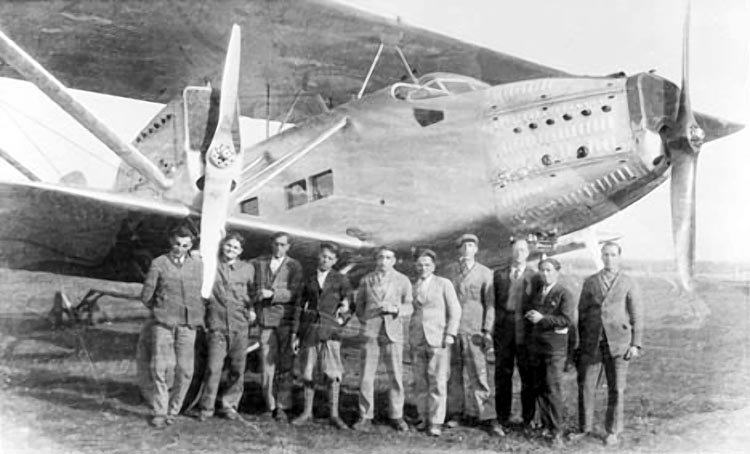 CANT 23 |
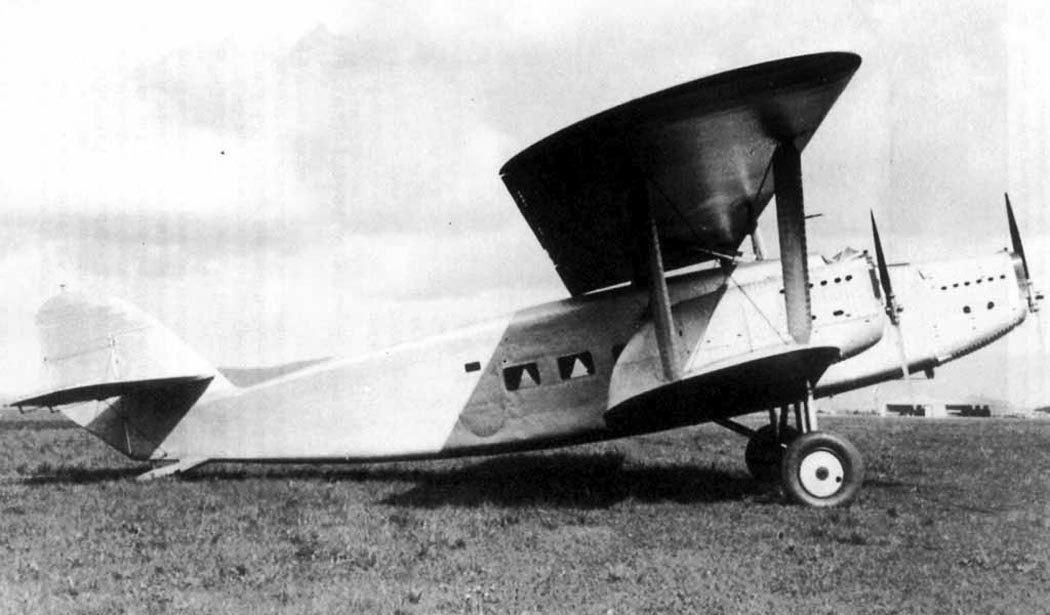 CANT 23 |
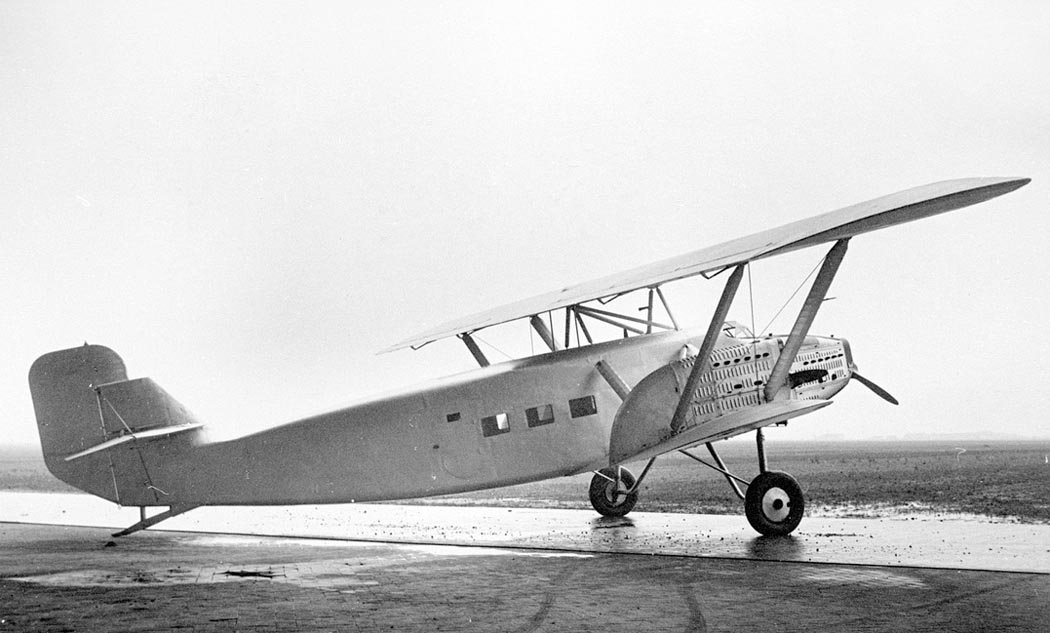 CANT 23 |
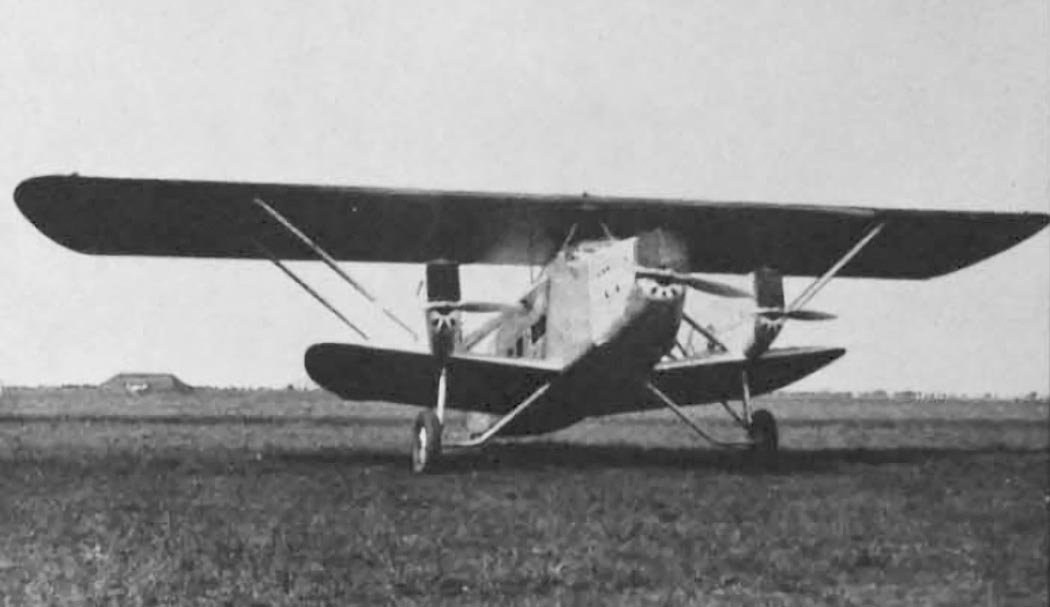 CANT 23 |
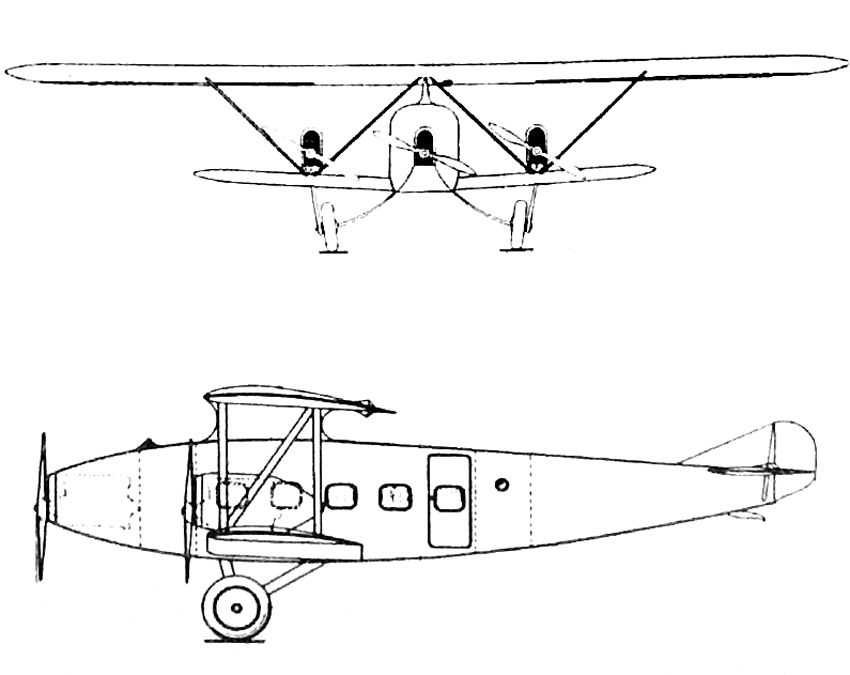 CANT 23 |
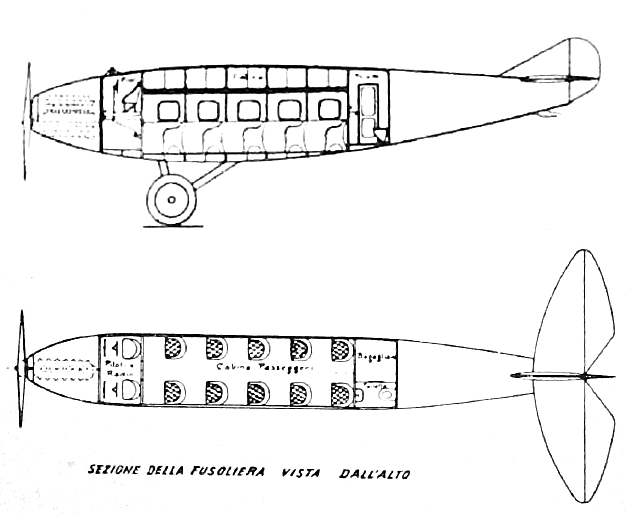 CANT 23 |