
The Light Aircraft Competition and the CNT 26
In 1928, the Italian Ministry of Aeronautics (Ministero dell’Aeronautica) published requirements for a light primary training aircraft, which could also be used as a liaison and touring plane. Most Italian aircraft manufacturing firms responded to these requirements with their own projects. Thirteen proposals were submitted to the competition, of which ten were accepted, including the AVIA FL.3, Breda Ba.15, CAB C.4, Caproni Ca.100, Fiat A.S.1, IMAM Ro.5, Macchi M.70, Magni Vittoria, Piaggio P.9, and the CNT 26. The aircraft from the Fiat company was ultimately declared the winner of the competition.
The training aircraft from Cantieri Navali Triestini (CNT) was a two-seat, single-strut wooden biplane, equipped with an air-cooled six-cylinder Isotta Fraschini Asso 80 engine producing 80 hp (60 kW). The wheeled landing gear of the CNT 26 could be easily replaced with two floats, transforming it into a seaplane. This versatility made it suitable for various operations.
Development, Production, and Use
The first prototype of the CNT 26 took flight in 1928. Although this initial prototype crashed, the commission established by the Regia Aeronautica positively evaluated the design and approved it for series production. A total of eight aircraft were built, some of which were produced with a seven-cylinder radial Fiat A.50 engine delivering 105 hp (77 kW).
Only one of these units (MM 55449) was acquired by the military and assigned to a military attaché in Argentina. Besides its primary purpose, CNT 26 aircraft were regularly used as sports planes. In 1932, one such aircraft took first place in a race in Genoa, even surpassing the renowned ace and Schneider Trophy winner, Mario De Bernardi.
The Final Evolution and Legacy of the CANT 26
In 1930, after the company’s name changed to Cantieri Aeronautici e Navali Triestini (CANT), the aircraft’s designation also shifted from CNT 26 to CANT 26. The last examples of the CANT 26 survived until the early 1940s. Remarkably, one of them was even used by the Luftwaffe, highlighting its durability and adaptability over time.
Technical Specifications
| Modification | CANT 26 |
| Wingspan, m | 10.00 |
| Length, m | 7.00 |
| Height, m | 2.67 |
| Wing area, m2 | 26.20 |
| Empty weight | 370 |
| Normal takeoff weight | 650 |
| Engine type | 1 Piston engine Isotta Fraschini Asso 80 |
| Power, hp | 1 x 80 |
| Maximum speed, km/h | 150 |
| Cruising speed, km/h | 130 |
| Practical range, km | 700 |
| Practical ceiling, m | 5000 |
| Crew | 2 |
Image and diagram gallery of the CANT 26
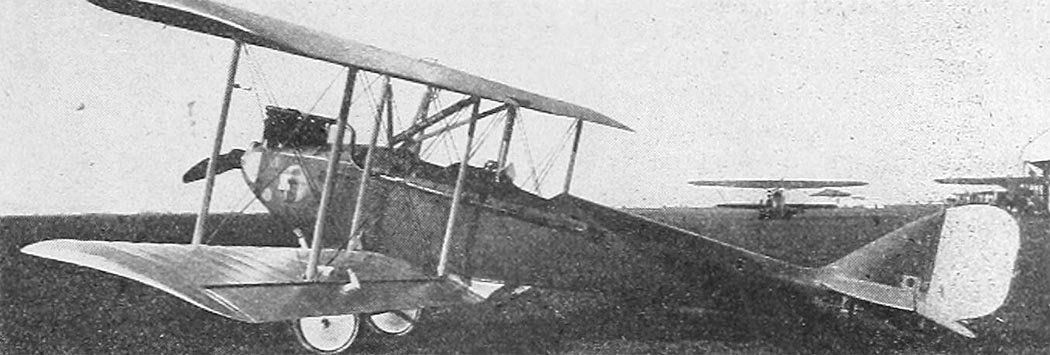 CNT 26 |
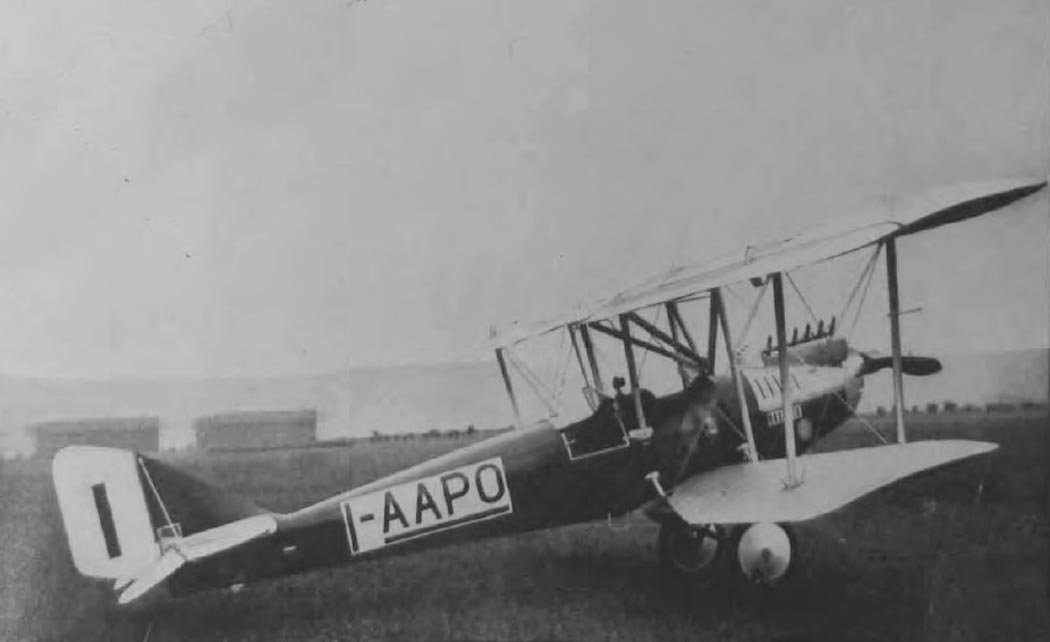 CNT 26 |
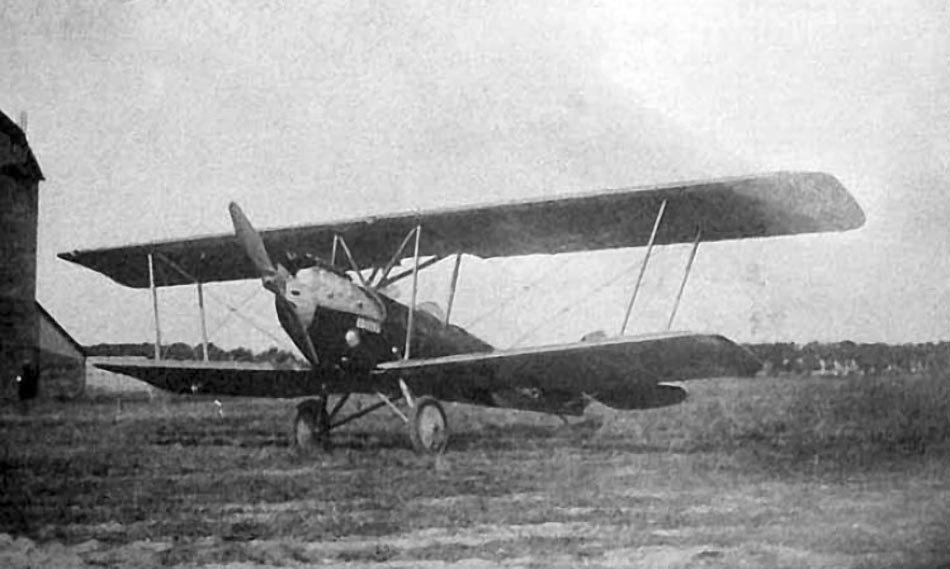 CNT 26 |
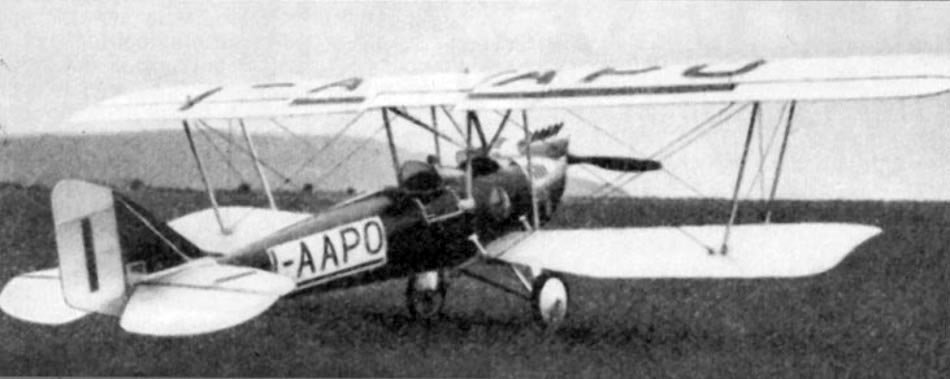 CNT 26 |
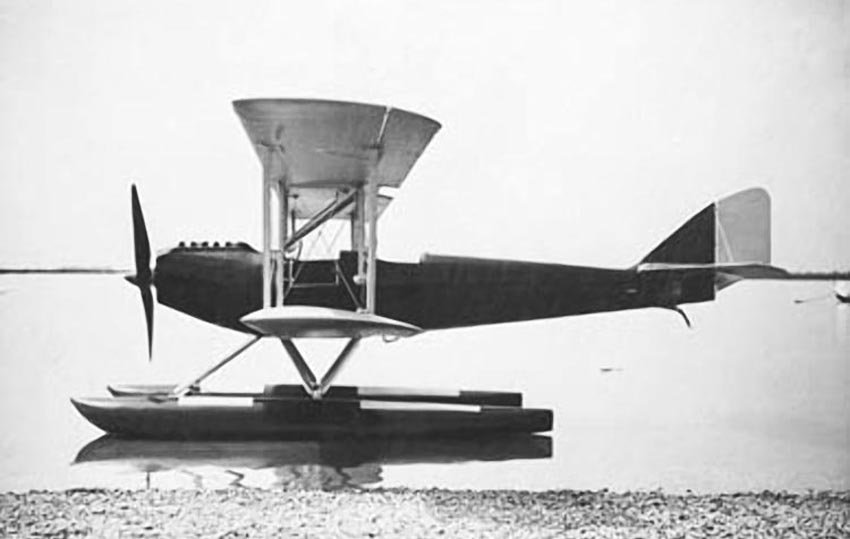 CNT 26 |
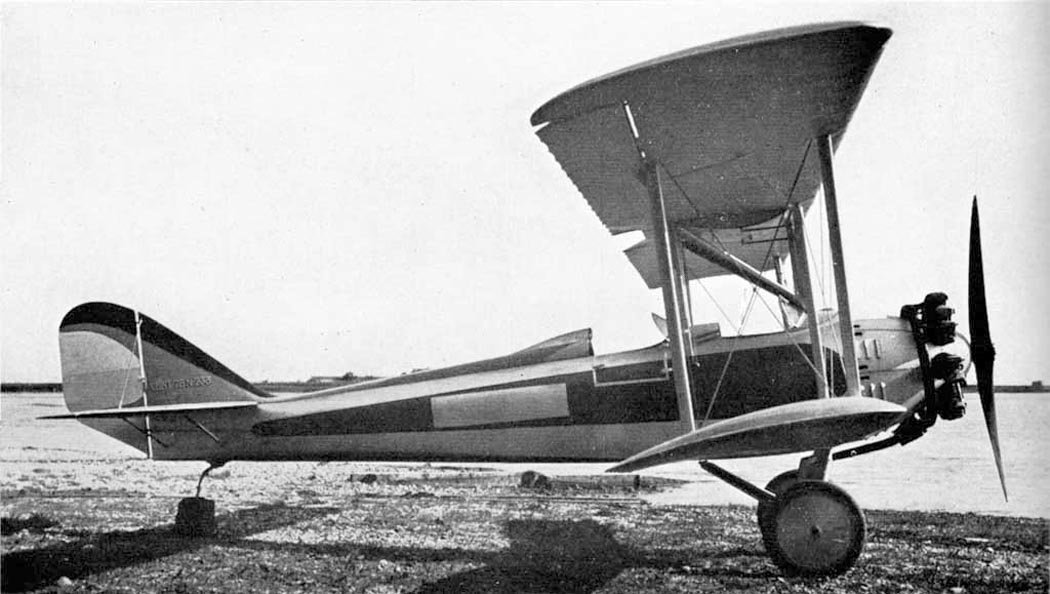 CNT 26 |
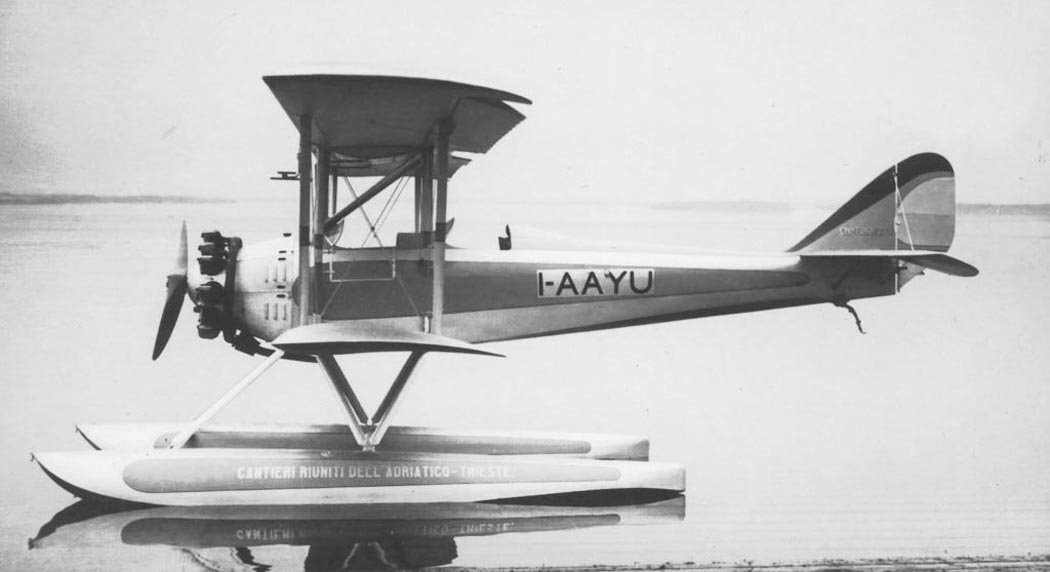 CNT 26 |
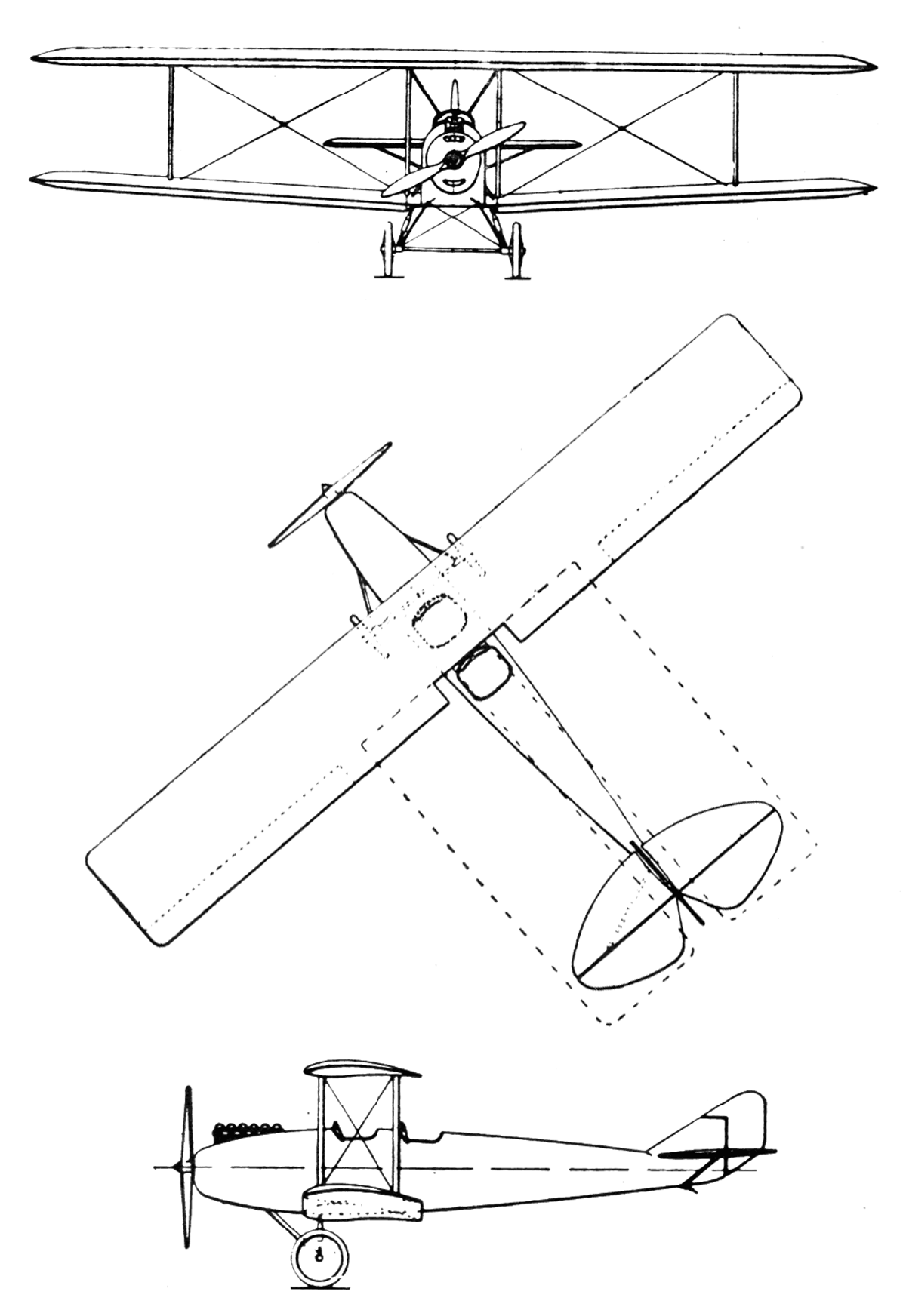 CNT 26 |