Skip to content
wp.archivoaereo.com

wp.archivoaereo.com

  • Military Aviation
    • World War I
      • WWI Attack Aircraft
      • WWI Bombers
      • WWI Fighters
      • WWI Flying Boats
      • WWI Reconnaissance
    • World War II
      • WWII Attack Aircraft
      • WWII Bombers
      • WWII Fighters
      • WWII Flying Boats
      • WWII Military Transport
      • WWII Reconnaissance
    • Cold War
      • Cold War Fighters
    • Modern
      • Modern Fighters
      • Modern Maritime Patrol
      • Modern Military Transport
  • Civil & Commercial Aviation
    • Classic Airliners
    • Modern Airliners
    • Classic Regional Airliners
    • Modern Regional Airliners
    • Pioneer Light Aircraft
    • Classic Light Aircraft
    • Modern Light Aircraft
    • Agricultural Aircraft
    • Racing Aircraft
  • Helicopters
    • Cargo & Heavy Helicopters
    • Light & Observation Helicopters
    • Pioneer Helicopters
    • SAR Helicopters (Rescue)
    • Utility Helicopters
  • Technology
    • Weapons & Technology
    • Drones & UAVs
    • Experimental Aircraft
  • History
    • History & Battles
  • Toggle search form

Campbell F Flivver

Posted on June 6, 2026 By

American pilot and WWI veteran Hayden S. Campbell served as vice-president of Barling Aircraft Co., a small firm whose most famous product was the Barling Bomber (XNBL-1). In the 1930s, he founded his own company, Campbell Aircraft Co., located in St. Joseph, Montana, the same location as Barling.

Campbell distinguished himself by building a rather interesting aircraft based on a concept that emerged in the 1920s and remains relevant today. The idea was to create a cheap, reliable, simple, and comfortable aircraft at the “price of an average car.”

Table of Contents

Toggle
    • Innovative F Flivver Design
    • Flight, Promotion, and Legacy
    • Technical Specifications
  • Image and diagram gallery of the Campbell F Flivver
    • How to cite this article:

Innovative F Flivver Design

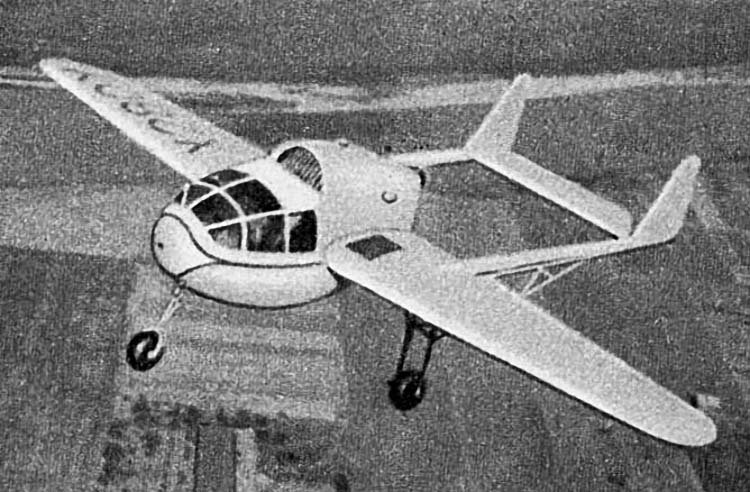
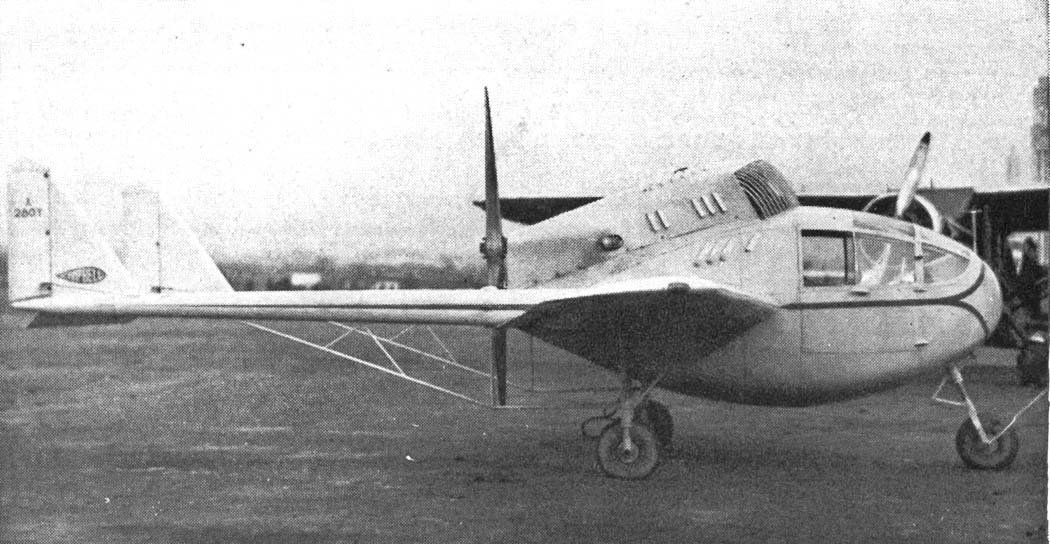
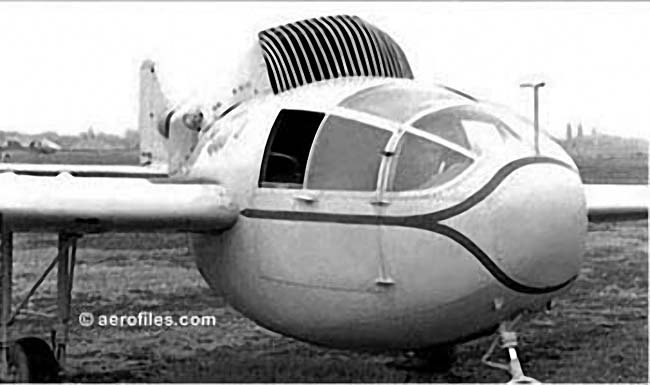
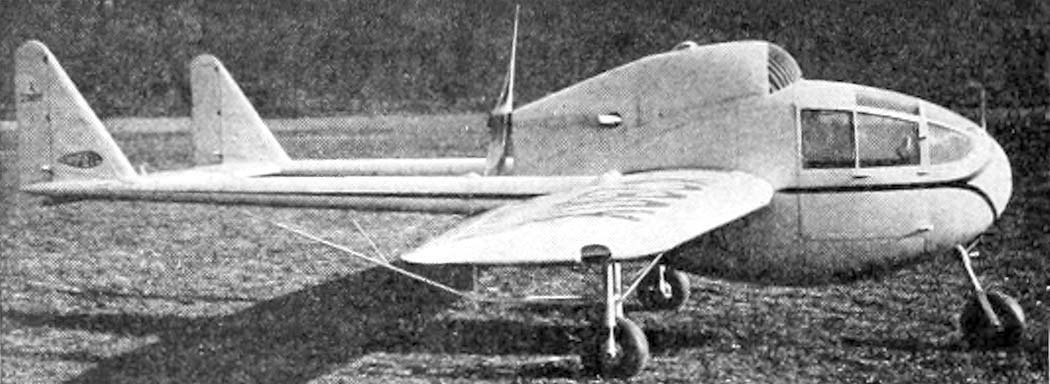
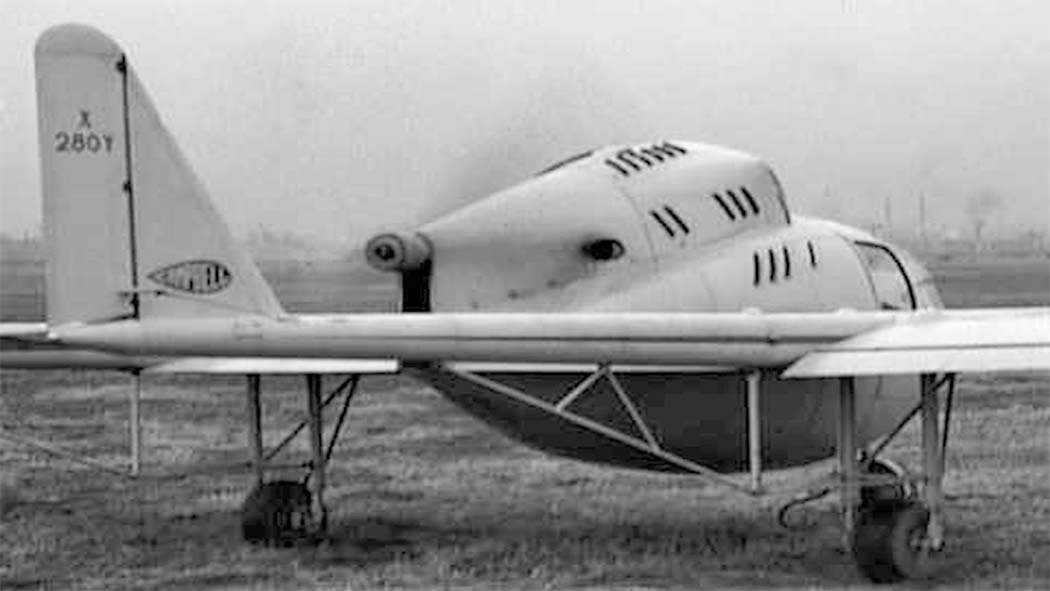
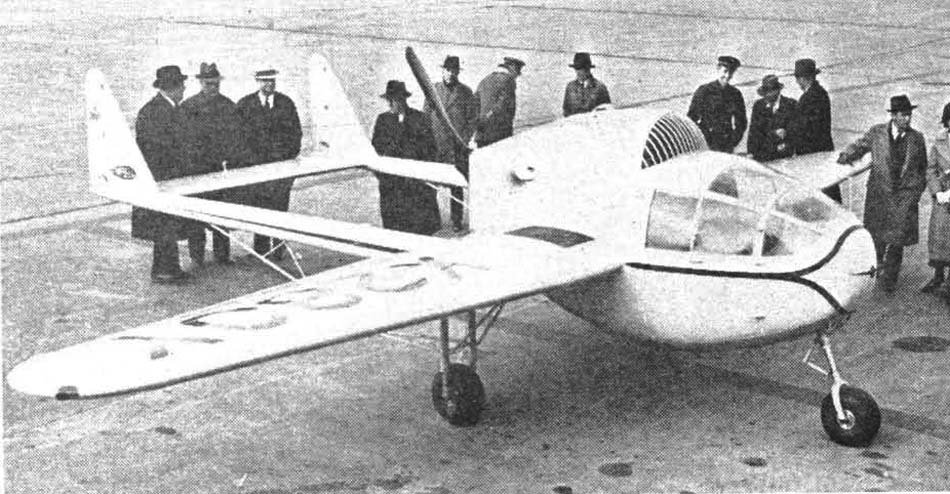
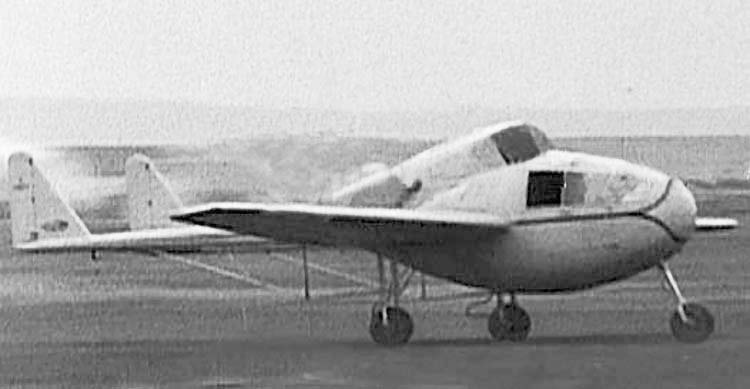
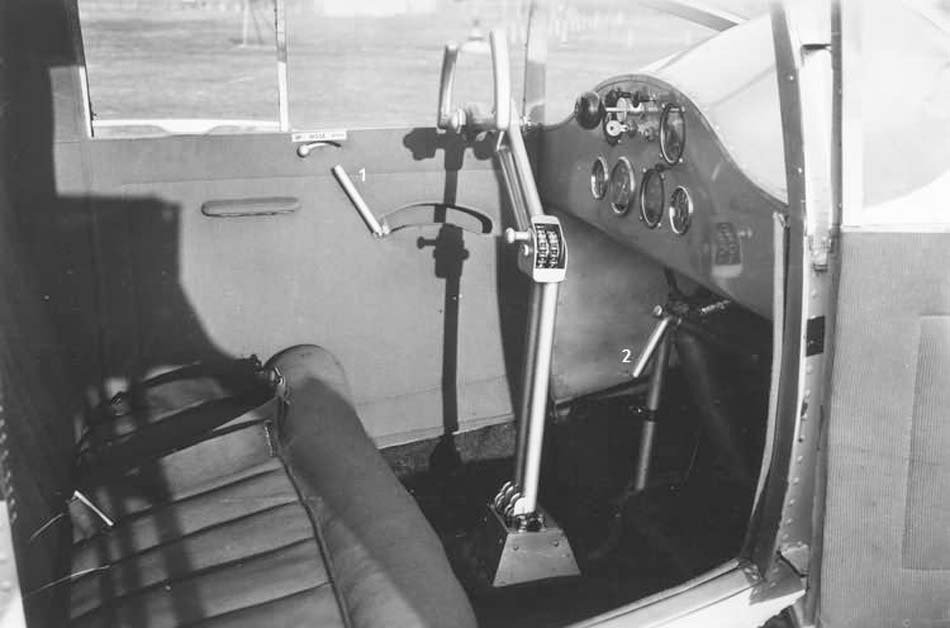
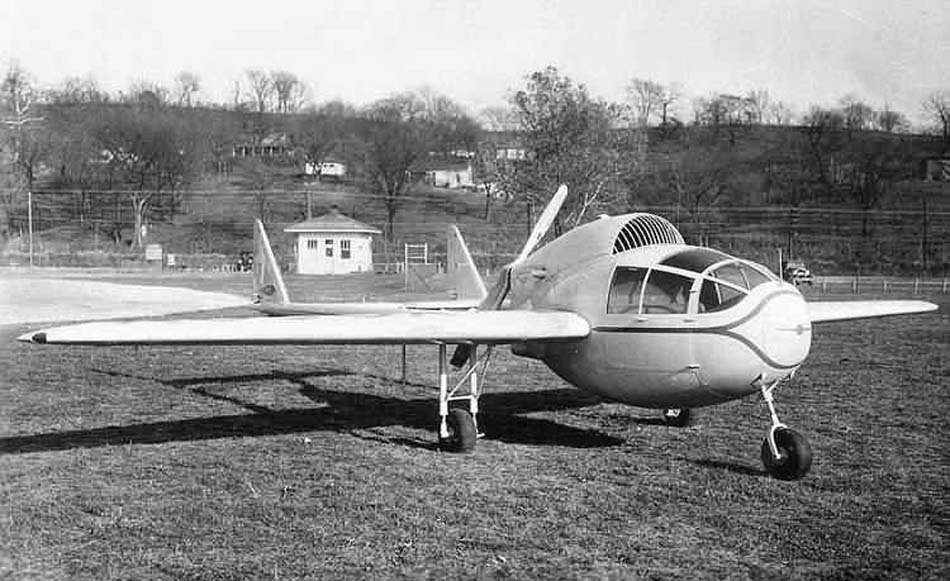
The Campbell F Flivver (where “flivver” is slang for a cheap car) was equipped with an 82 hp Ford V-8 automobile engine and a pusher propeller. This configuration reduced cabin noise and led to a twin-boom layout. The passenger and pilot sat side-by-side in a well-glazed cockpit, and the landing gear featured a nose wheel. Surprisingly, the aircraft was constructed from a magnesium alloy.

Flight, Promotion, and Legacy

The F Flivver made its first flight in 1935, flying successfully. It then embarked on a promotional tour across the USA, where it was unfortunately crashed and not rebuilt. Although there were plans to build a second aircraft, they never materialized.

The Campbell F Flivver was advertised as a very economical aircraft, achieving 22 miles per gallon (7.8 km per liter). It was also promoted as very simple to fly, requiring only three flying lessons and maintaining direction and height even with the controls released.

Technical Specifications

Modification F Flivver
Wingspan, m 10.97
Length, m 5.89
Engine type 1 Piston engine Ford
Power, hp 1 x 82
Maximum speed, km/h 180
Cruising speed, km/h 156
Practical range, km 563
Crew 2 crew members

Image and diagram gallery of the Campbell F Flivver

Campbell F Flivver light aircraft
Campbell F Flivver
Campbell F Flivver light aircraft
Campbell F Flivver
Campbell F Flivver light aircraft
Campbell F Flivver
Campbell F Flivver light aircraft
Campbell F Flivver
Campbell F Flivver light aircraft
Campbell F Flivver
Campbell F Flivver light aircraft
Campbell F Flivver
Campbell F Flivver light aircraft
Campbell F Flivver
Campbell F Flivver light aircraft
Campbell F Flivver
Campbell F Flivver light aircraft
Campbell F Flivver

How to cite this article:

APA: Campbell F Flivver (). Campbell F Flivver. wp.archivoaereo.com. https://wp.archivoaereo.com/en/campbell-f-flivver-3/
VANCOUVER: Campbell F Flivver [online]. wp.archivoaereo.com; [cited 2026-07-01]. Available at: https://wp.archivoaereo.com/en/campbell-f-flivver-3/
Developed by Agatha Press
Pioneer Light Aircraft Tags:American, Campbell Aircraft Co.

Post navigation

Previous Post: Central Centaur 2A and 2B
Next Post: Castar
  • Español
  • Agricultural Aircraft
  • Attack Aircraft
  • Aviation Biographies
  • Cargo & Heavy Helicopters
  • Classic Airliners
  • Classic Light Aircraft
  • Classic Regional Airliners
  • Cold War Fighters
  • Drones & UAVs
  • Experimental Aircraft
  • History & Battles
  • Interwar Reconnaissance
  • Light & Observation Helicopters
  • Maritime Patrol
  • Military Trainer Aircraft
  • Military Transport
  • Modern Airliners
  • Modern Cargo Aircraft
  • Modern Fighters
  • Modern Light Aircraft
  • Modern Maritime Patrol
  • Modern Military Transport
  • Modern Regional Airliners
  • Other Aircraft
  • Pioneer Air Transport
  • Pioneer Helicopters
  • Pioneer Light Aircraft
  • Racing Aircraft
  • SAR Helicopters (Rescue)
  • Sin categoría
  • Utility Helicopters
  • Weapons & Technology
  • WWI Attack Aircraft
  • WWI Bombers
  • WWI Fighters
  • WWI Flying Boats
  • WWI Reconnaissance
  • WWII Attack Aircraft
  • WWII Bombers
  • WWII Fighters
  • WWII Flying Boats
  • WWII Military Transport
  • WWII Reconnaissance
Caudron C.440 GoelandCaudron C.440 GoelandAdmin
Dyn'Aéro CR100Dyn'Aéro CR100Admin
Canadair CL-44Canadair CL-44Admin

Legal

  • About ArchivoAereo
  • Terms and Conditions
  • Contact Us
  • Privacy Policy

Copyright © 2026 wp.archivoaereo.com.

Powered by PressBook WordPress theme