
In 1923, the renowned Spanish inventor Juan de la Cierva made the first successful flight of an entirely new aircraft: the autogyro. This event marked another milestone in aviation history, and the world was swept by a boom in autogyro construction.
The peak of this boom occurred in the 1930s, giving us a multitude of interesting machines. Today, we delve into a project by French engineers who sought to create their own autogyro, drawing upon aircraft manufacturing experience.
The Origin of the Clinogyre
In 1930, two French engineers, Antoine Odier and Gustave Bessière, founded the company Ecole Spéciale des Travaux Aéronautiques to develop their own autogyros. A year later, they announced the Clinogyre project – an aircraft whose design was somewhere in the middle between a conventional airplane and an autogyro.
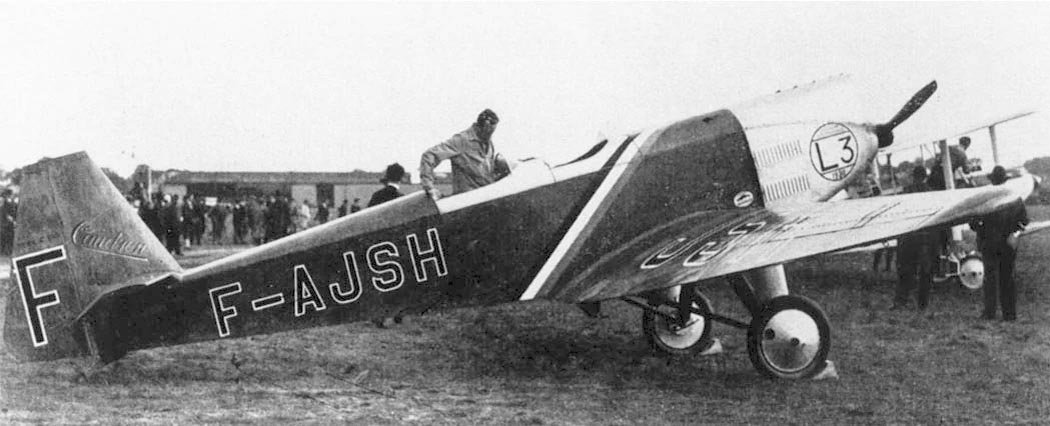
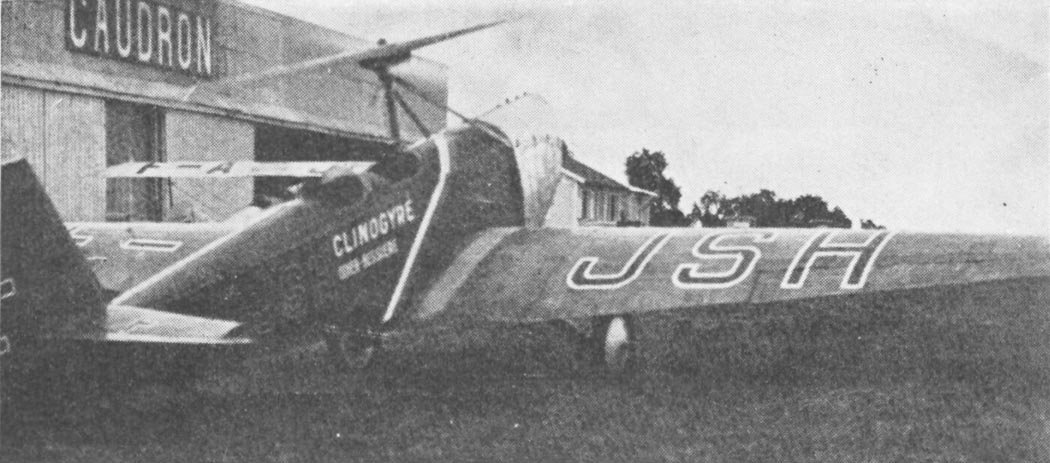
To simplify the project and accelerate development, the designers decided to base it on a proven aircraft of a suitable configuration. The choice fell on the Caudron C.193 – a light sports monoplane that had performed well during the Challenge International de Tourisme aviation competitions in 1928-29. Odier and Bessière purchased two C.193s, with registration numbers F-AJSH and F-AJSJ, and commenced work.
Innovative Design and Testing
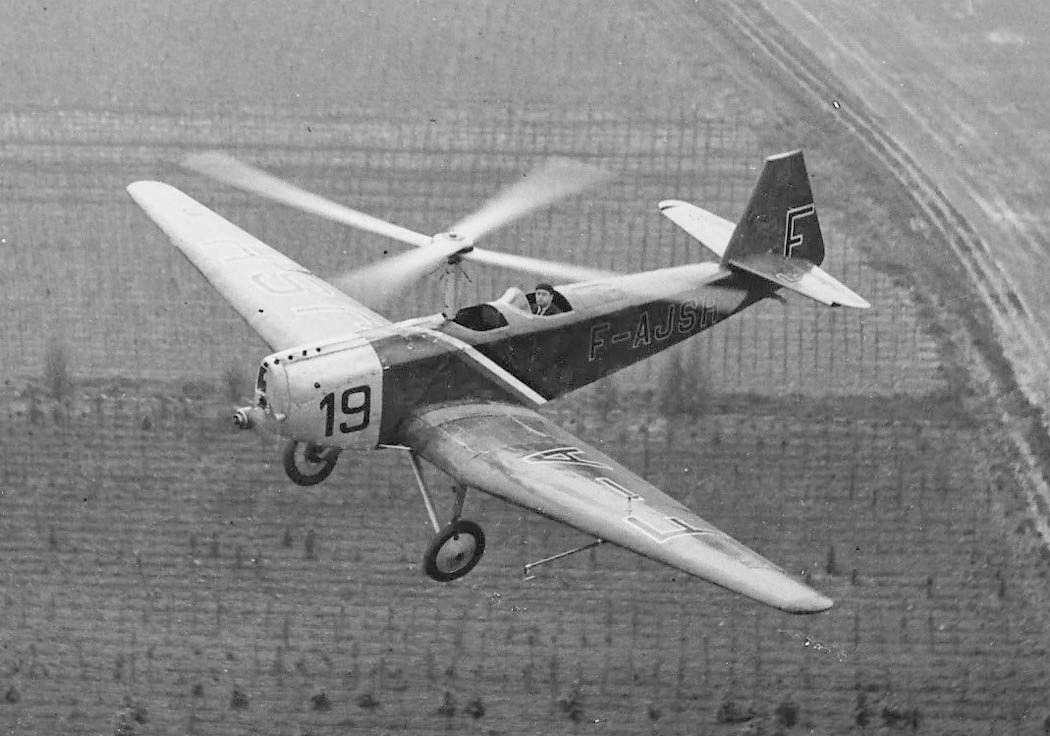
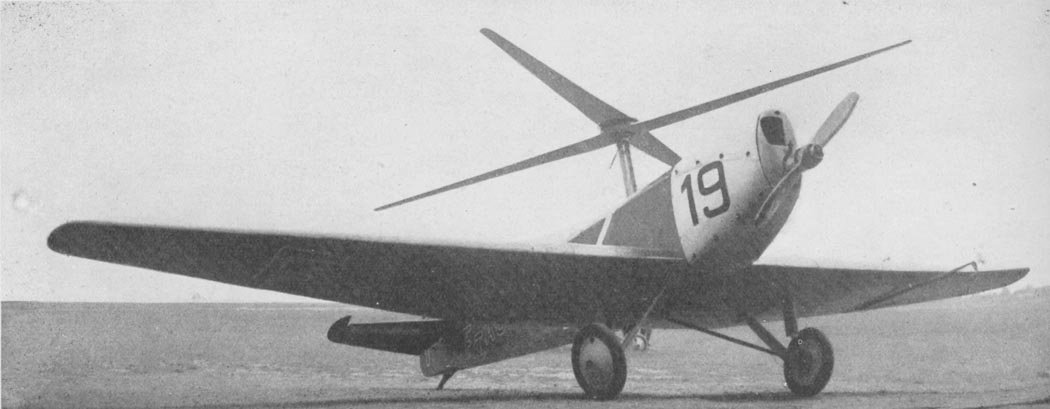
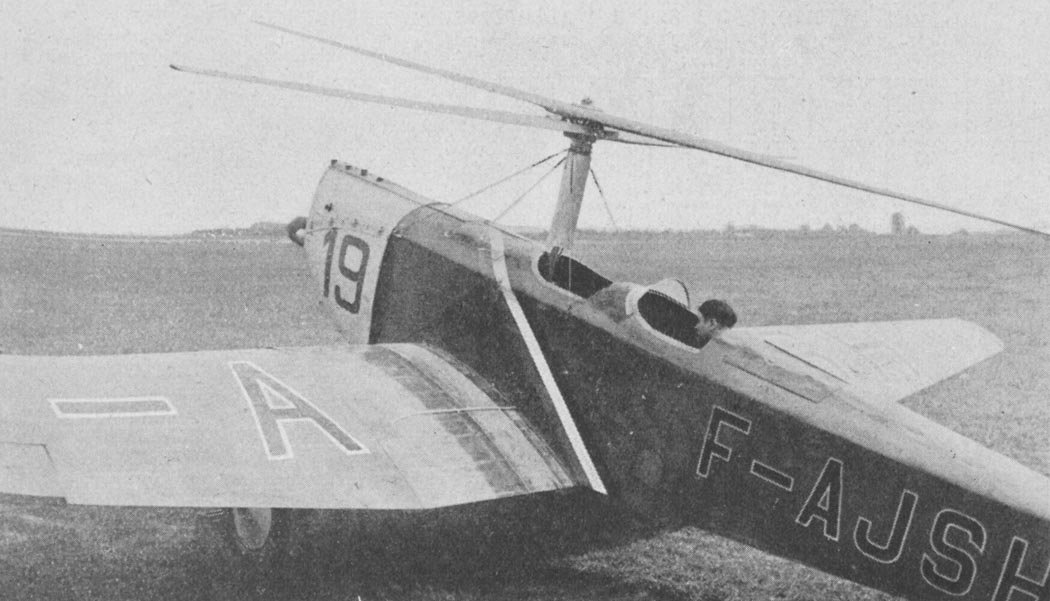
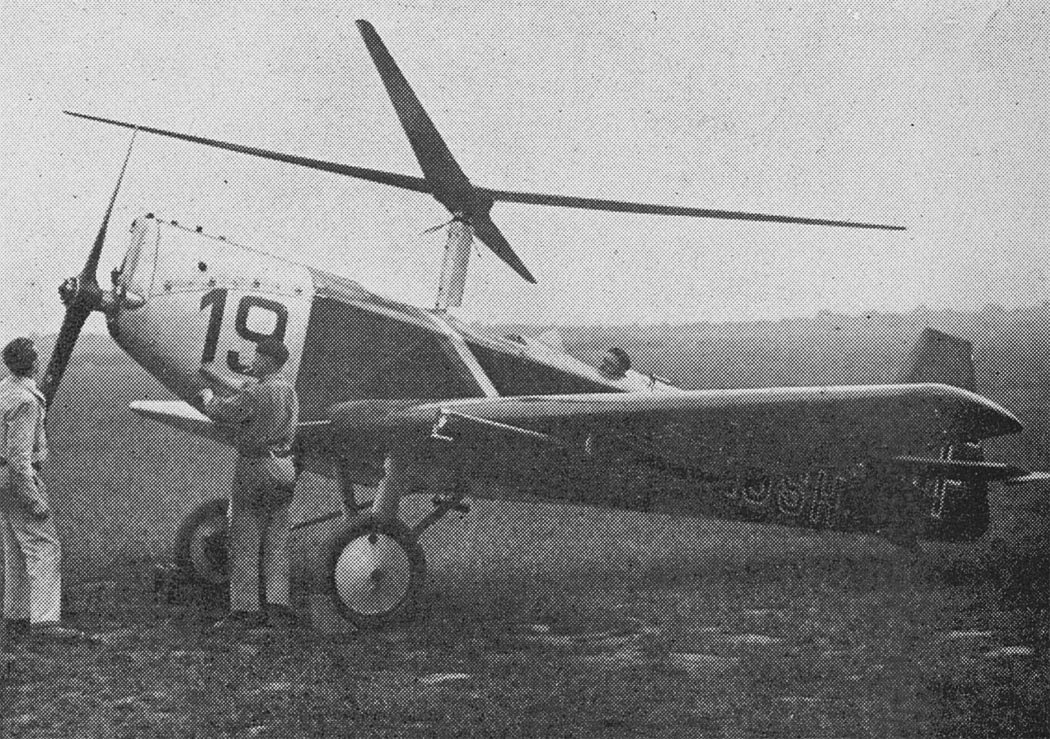
The original aircraft was supplemented with two two-bladed co-axial rotors, 6 meters in diameter. Unlike de la Cierva’s autogyro, the Clinogyre’s blades were not equipped with a swashplate, although they were tilted at a small angle. In all other respects, the design remained largely unchanged. In essence, this configuration transformed the monoplane into a biplane, where the rotor acted as the second wing.
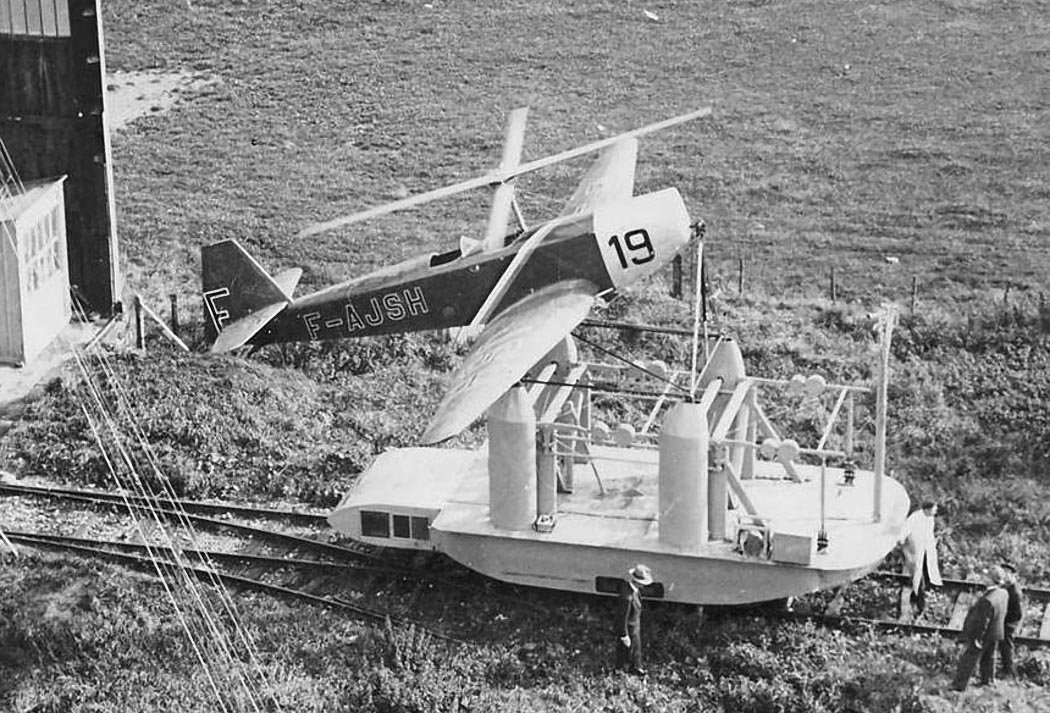
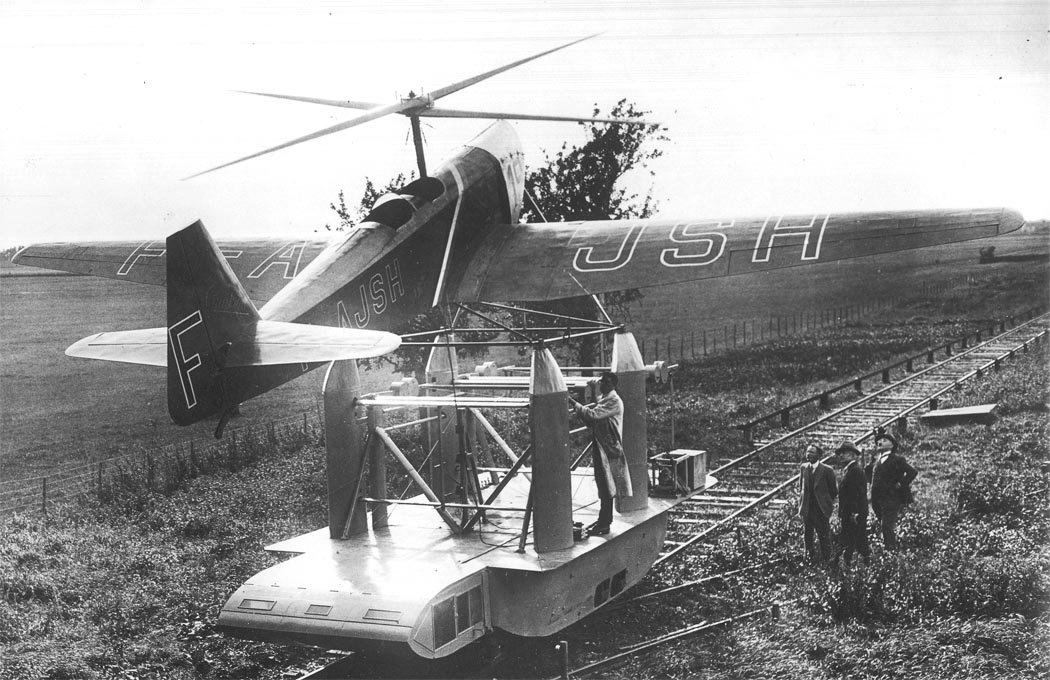
Even the name “Clinogyre” was specifically chosen to emphasize that the aircraft differed from classic autogyros. Odier and Bessière paid great attention to pre-flight testing. Ground tests began even before the construction of the first prototypes, using scaled models of the Clinogyre. For this purpose, a special electric-powered trolley was built, capable of reaching 128 km/h on rails, equipped with various measuring instruments and space for an observer.
Later, the first Clinogyre prototype was “flown” on this test rig. Flight tests commenced in 1932. The meticulous ground experiments yielded results – the new aircraft presented no problems to test pilots. The fact that it was based on an existing aircraft also played a significant role, as the design changes did not greatly affect its good flying capabilities.
Performance and Legacy
The Clinogyre flew more than successfully: its maximum speed slightly decreased compared to the 193 km/h of the original Caudron C.193, but its minimum speed significantly decreased. This positively impacted take-off and landing characteristics – the aircraft could now land/take off at 40 km/h and at a 45° angle.
Despite the project’s obvious success, the military was not interested in the Clinogyre. It lacked the vertical take-off capability possessed by autogyros with an additional powered main rotor, which would have complicated the design and made the aircraft too heavy. Odier and Bessière’s idea that their rotor system could be installed on any low-wing monoplane also failed to gain support. It is a pity, as the Clinogyre was, in fact, one of the first short take-off and landing (STOL) aircraft.
Technical Specifications
| Modification | Clinogyre |
| Main rotor diameter, m | 6.00 |
| Wingspan, m | 11.50 |
| Length, m | 7. 48 |
| Wing area, m2 | 13.85 |
| Normal takeoff weight | 800 |
| Engine type | 1 Piston engine Renault 4Pb |
| Power, hp | 1 х 95 |
| Maximum speed, km/h | 180 |
| Crew, crew members | 2 |
Image and diagram gallery of the Clinogyre
 Clinogyre |
 Clinogyre |
 Clinogyre |
 Clinogyre |
 Clinogyre |
 Clinogyre |
 Clinogyre |
 Clinogyre |
 Clinogyre |
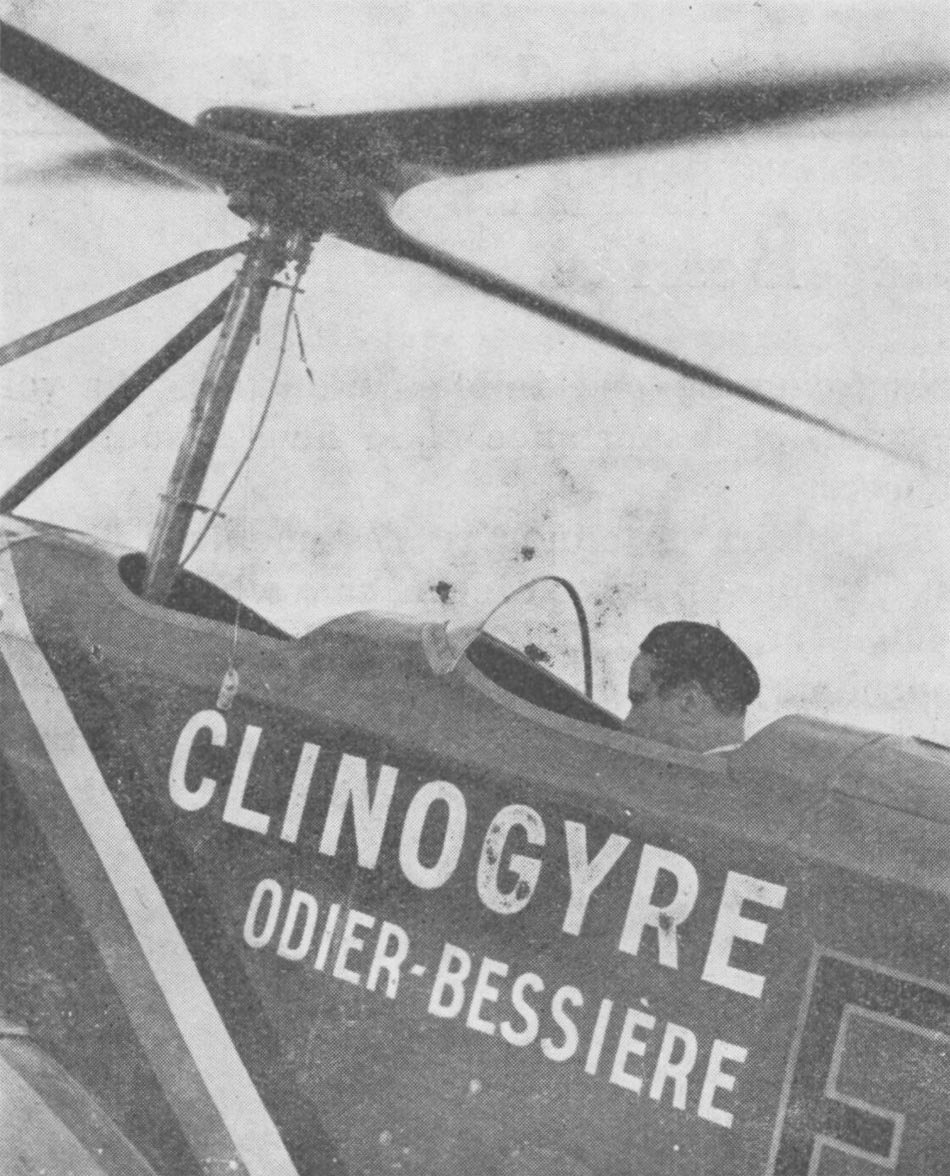 Clinogyre |
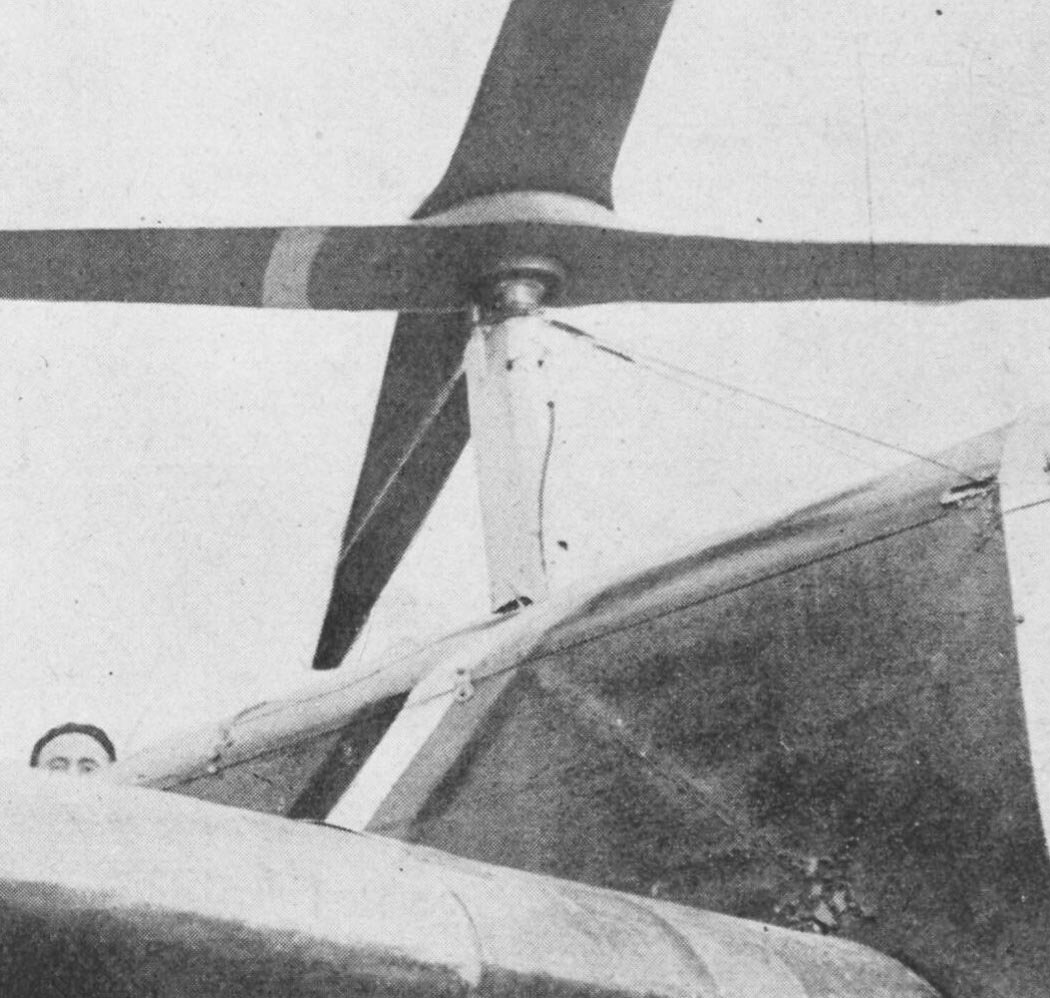 Clinogyre |
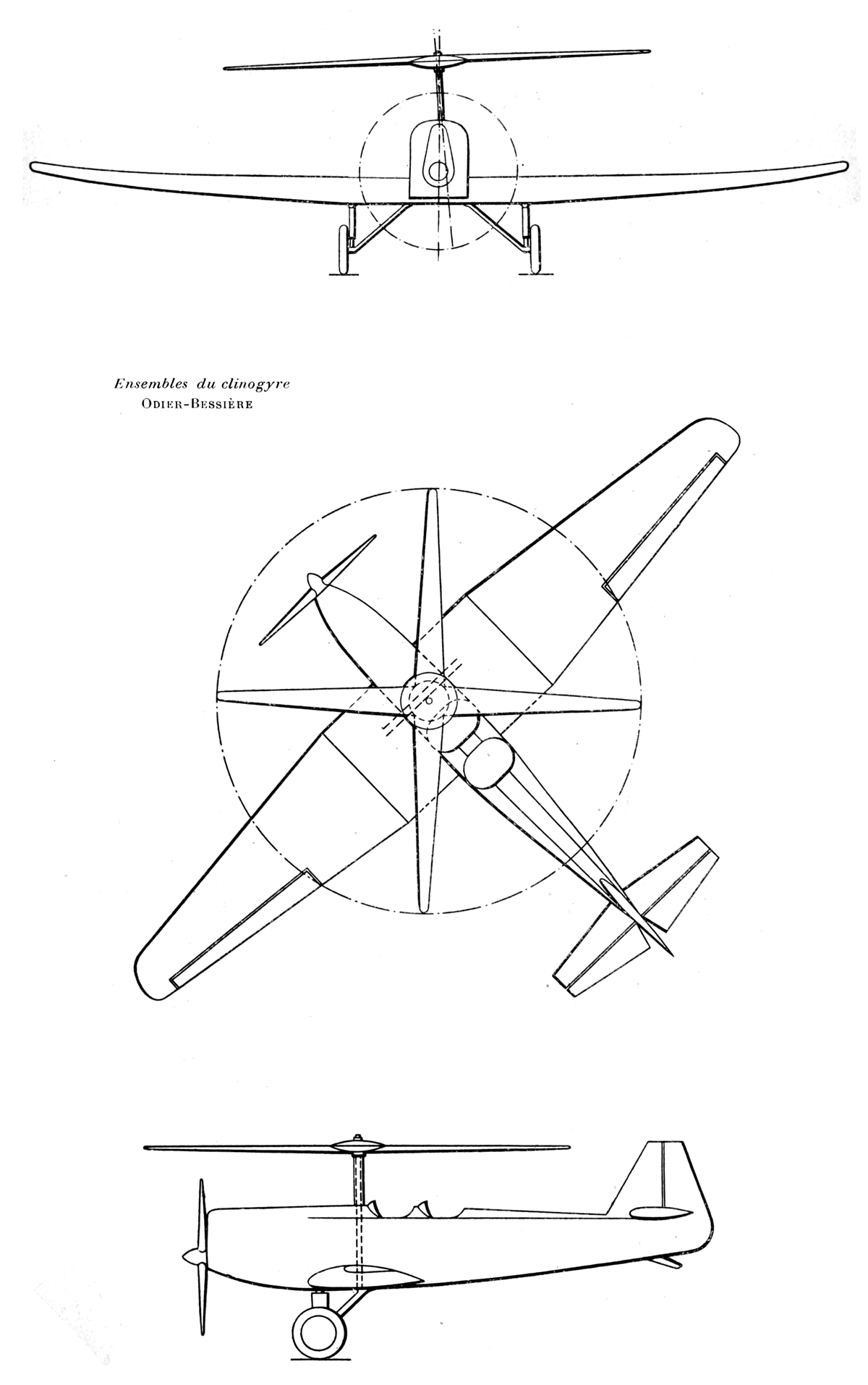 Clinogyre |