
The aircraft, today known under the single brand “Bernard,” were de facto built by various companies founded by the French designer Adolphe Bernard (sometimes also A. Bernard). The first of these, in 1917, was EAB (“Etablissements Adolphe Bernard”), and its first aircraft was the two-seat night bomber AB.1. The prototype AB.2 was equipped with more powerful engines, and the AB.3 was designed as a cargo-passenger aircraft.
In 1922, the EAB firm was transformed into SIMB (“Societe Industrielle des METAUX et du Bois”), where, under the direction of the new chief designer Jean Hubert, a prototype fighter, the cantilever low-wing monoplane Bernard 10, was designed. In 1926-1927, the firm was transformed into SAB (“Societe des Avions Bernard”), and its first aircraft was the Bernard 20, tracing its origin from the racing aircraft Bernard V-2.
In the early 1920s, the center for creating new record-breaking aircraft shifted to France. This was due to the deeply wounded national pride of the French, who considered their country a leading aviation power. The government felt it its duty to assist the French aviation industry.
Unlike the Americans, who allocated significant funds to the Curtiss company for building special racing aircraft, the French government only announced a final incentive prize for the winning aircraft. The designers were given a narrower task: to break the world speed record. This seemed like a normal, sound decision in a competitive environment among several aviation firms.
The unusual, or rather, the hidden trick of this decision, was as follows: practically all racing aircraft of that period were intended exclusively for various long-distance competitions. For example, the Gordon Bennett, Beaumont, and Deutsch de la Meurthe races covered 300 km, the Schneider Cup races 350 km, and the Pulitzer Prize competitions 200 miles, almost 360 km.
Given that the winner of these races awaited not only the coveted cup but also a substantial cash prize, all designers aimed to optimize their machines precisely for flights of that range. All absolute speed records were set over a short straight distance (1 or 3 km) using the same aircraft. However, this new French government prize, for the first time, aimed aircraft designers at creating not racing aircraft, but purely record-breaking aircraft intended specifically for short-distance flight.
It is interesting to note that this prize stipulated an award of 140,000 francs to the aircraft designer and 60,000 francs to the engine designer for breaking the world speed record.
On December 11, 1924, French pilot Lieutenant Bonnet (Bonnez) achieved a speed of 448.171 km/h in the V-2 aircraft. This aircraft belonged to the ‘Societe Industrielle des Metaux et du Bois’ (SIMB) in Courneuve. Subsequently, the aircraft manufacturing division of the company was named “Bernard.” Besides the V-2 designation, the aircraft itself was known globally as ‘Ferbois’ or simply ‘Racer.’ After setting the new record, the machine was also called ‘Bernard-Hubert’ in honor of its creator, engineer Hubert.
From Racer to Fighter
The experience of building racing aircraft proved useful when the French Air Force Command announced an aircraft rearmament program for fighter aviation, named “Jockey.” According to the program’s specifications, light fighters were accepted for the competition. A total of seven firms, including Societe des Avions Bernard, submitted their aircraft for this program.
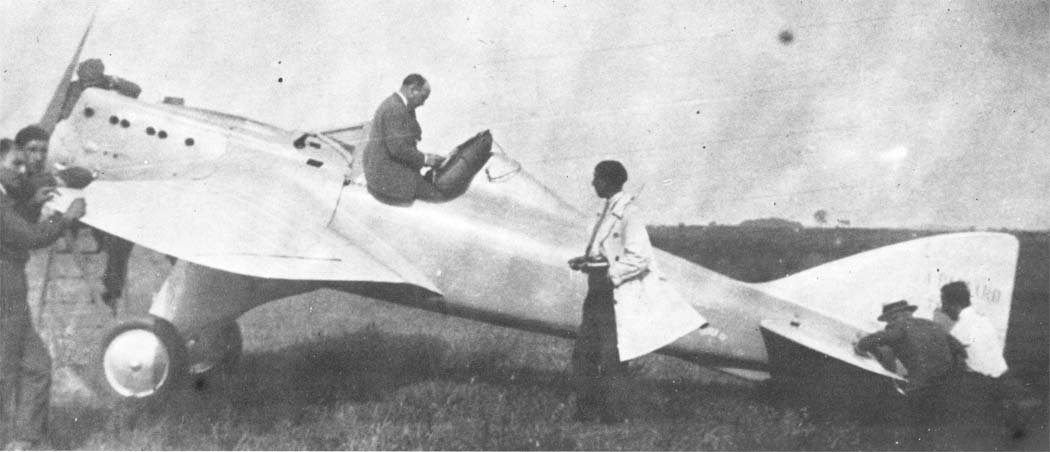
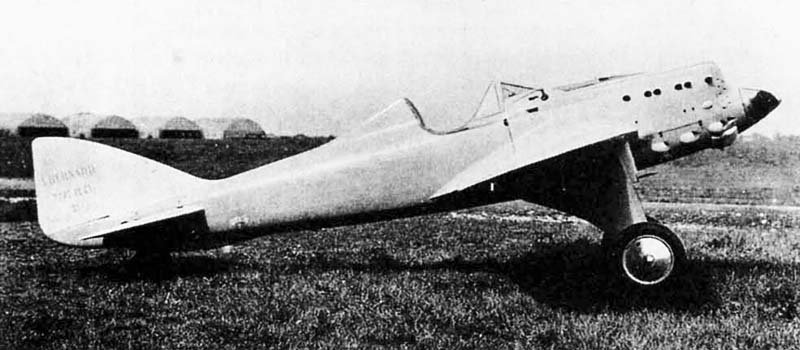
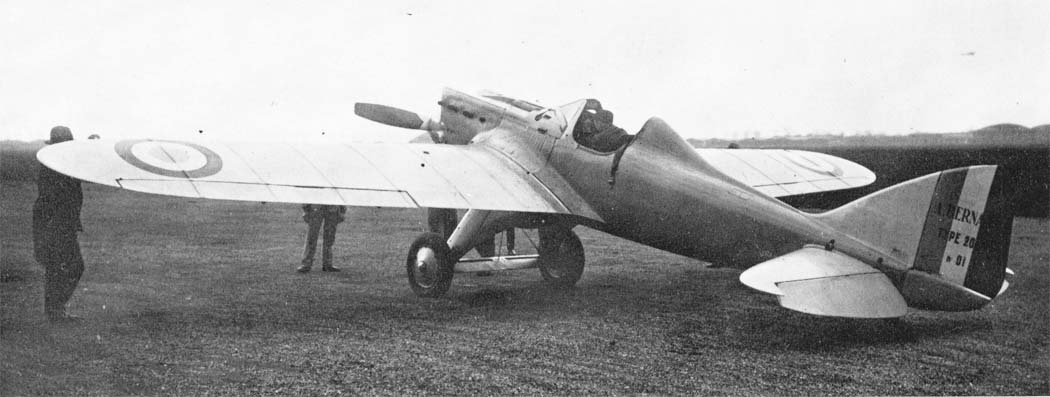
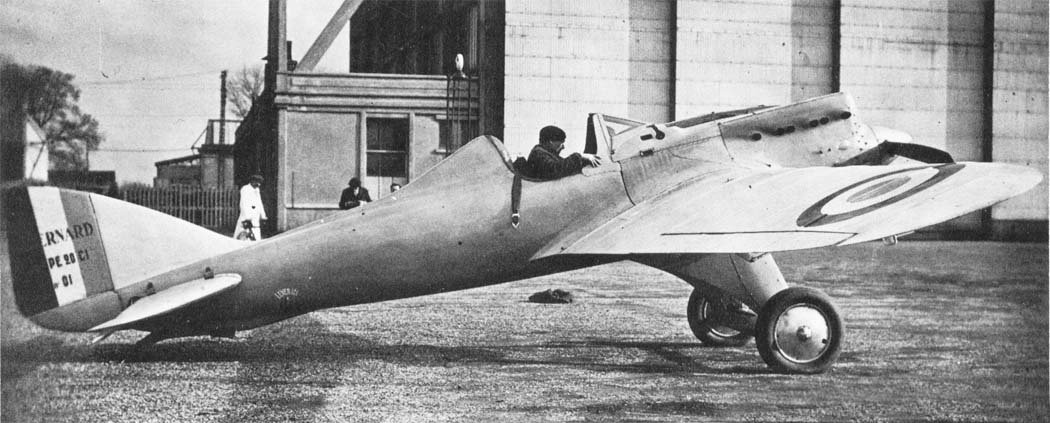
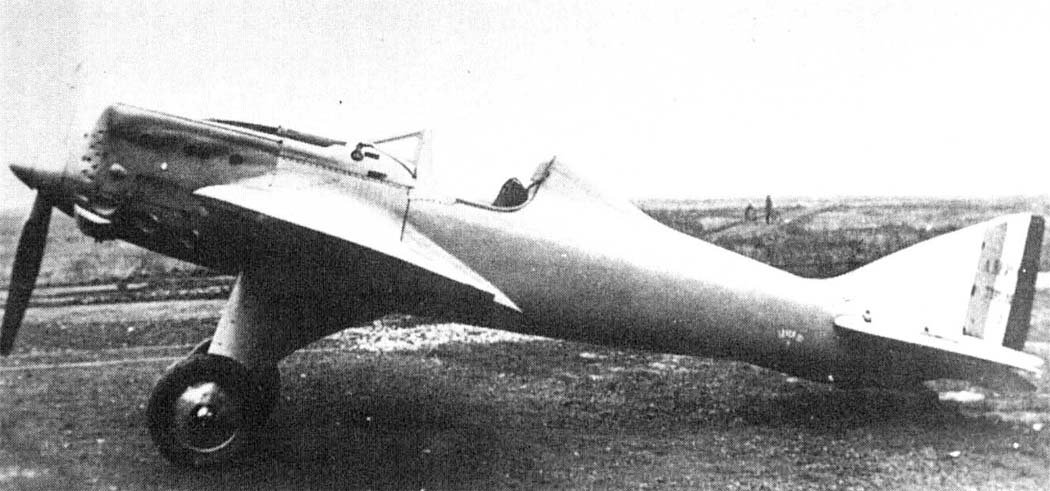
For participation in this competition, engineer Becherau developed the fighter designated Bernard 20 at the SAB firm. The aircraft was designed by engineer Becherau based on the V.2 racing aircraft, in accordance with official requirements for a light interceptor, and was characterized by clean aerodynamic forms and an all-wooden construction.
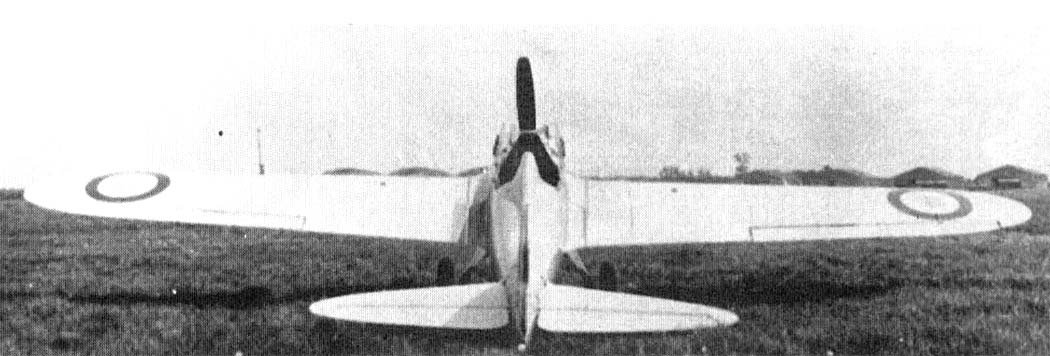
If the V-2 racing aircraft was created based on the V-1, designed as a fighter, then Louis Becherau now faced the inverse task: to turn a racing machine into a fighter. The wingspan was increased (from 9.10 m to 10.80 m) and the wing area (from 10.80 m² to 16.70 m²).
The engine was replaced from a supercharged W-shaped 12-cylinder Hispano Suiza 12Gb producing 620 hp on the V-2 to a less powerful and more reliable V-shaped 12-cylinder Hispano-Suiza 12Jb producing 400 hp. The engine cooling system was also altered: the V-2 had plate radiators, which were inefficient for long-distance flights and created little additional drag, whereas the fighter was fitted with a standard water radiator.
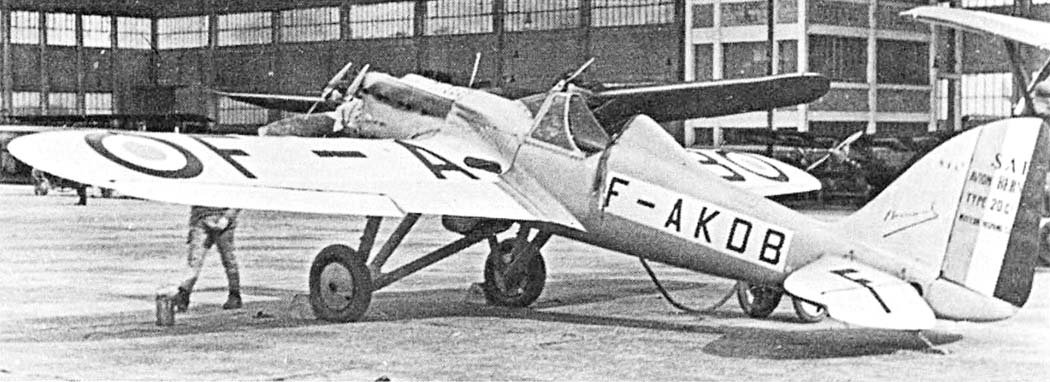
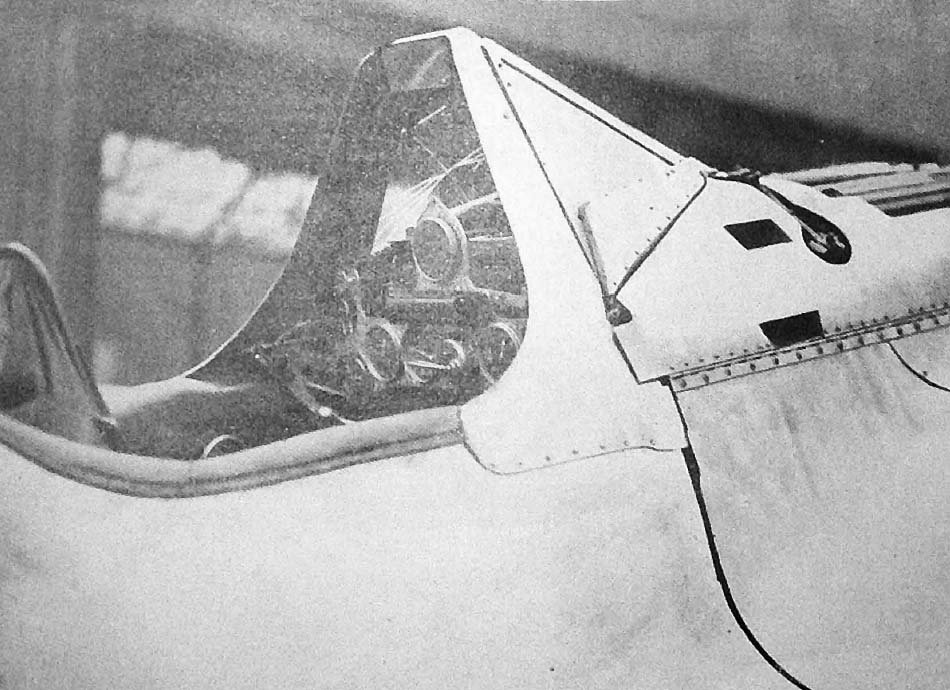
As a result of these changes, a ‘clean’ monoplane was produced, with no struts or bracing wires in its structure. Its fuselage had very smooth contours and a rather low drag coefficient. The fighter was armed with two 7.7-mm synchronized Vickers machine guns.
Testing and Discontinuation
A full-scale mock-up of the single-seat Bernard 20 fighter was exhibited at the Paris Air Show in 1928. The only prototype built took to the air in Orly in the spring of 1929.
On this test aircraft, pilot Roger Baptiste reached a speed of 280 km/h at an altitude of 4000 m and a maximum speed of 320 km/h. The Bernard 20’s biggest drawback was its high landing speed (110 km/h).
Unfortunately, by this time, the military-political leadership of France did not consider a low-wing monoplane suitable for the role of a fighter, and all work on the aircraft was ceased after 18 months.
Technical Specifications
| Modification | Bernard 20 |
| Wingspan, m | 10.80 |
| Length, m | 7.45 |
| Height, m | 2.50 |
| Wing area, m2 | 16.70 |
| Empty weight | 1023 |
| Normal takeoff weight | 1370 |
| Engine type | 1 Piston engine Hispano-Suiza 12Jb |
| Power, hp | 1 x 400 |
| Maximum speed, km/h | 320 |
| Cruising speed, km/h | 280 |
| Practical range, km | 480 |
| Service ceiling, m | 6000 |
| Crew | 1 |
| Armament | 2 forward-firing 7.7 mm Vickers machine guns |
Image and diagram gallery of the Bernard 20
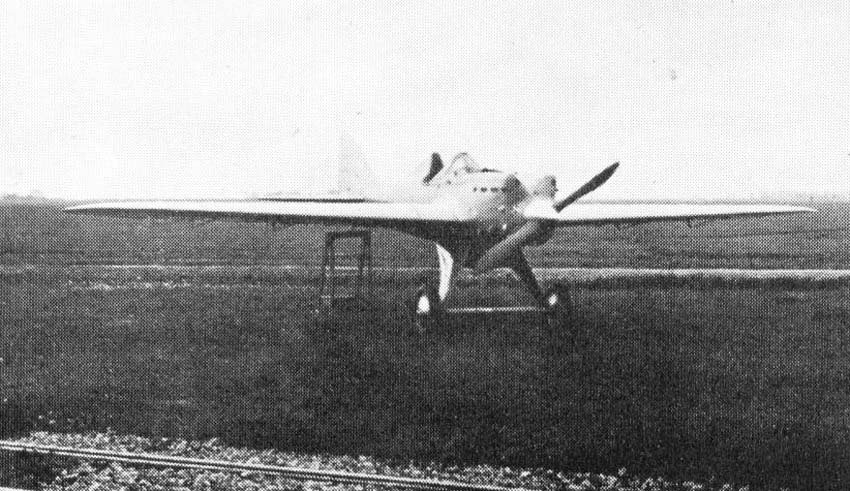 Bernard 20 |
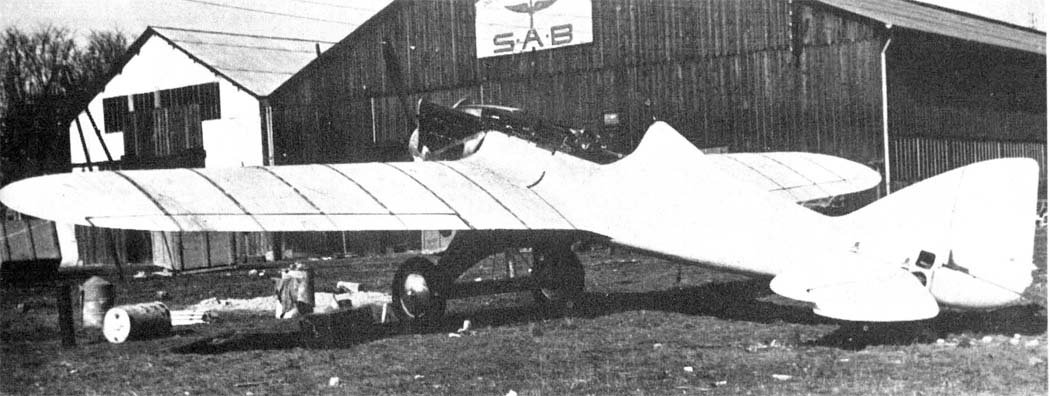 Bernard 20 |
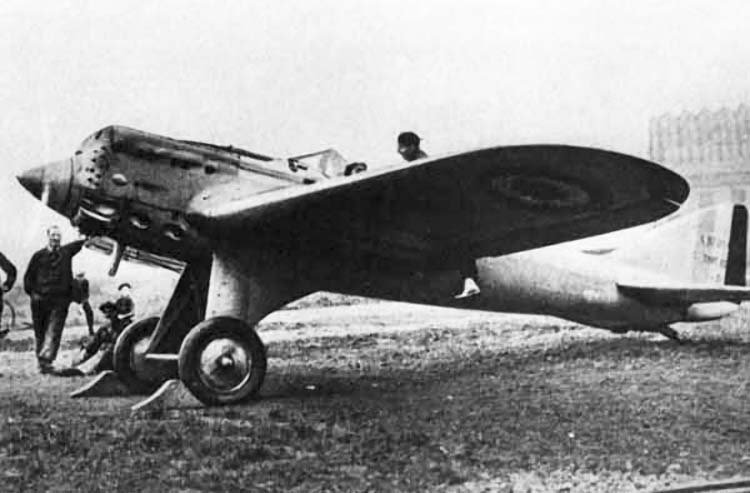 Bernard 20 |
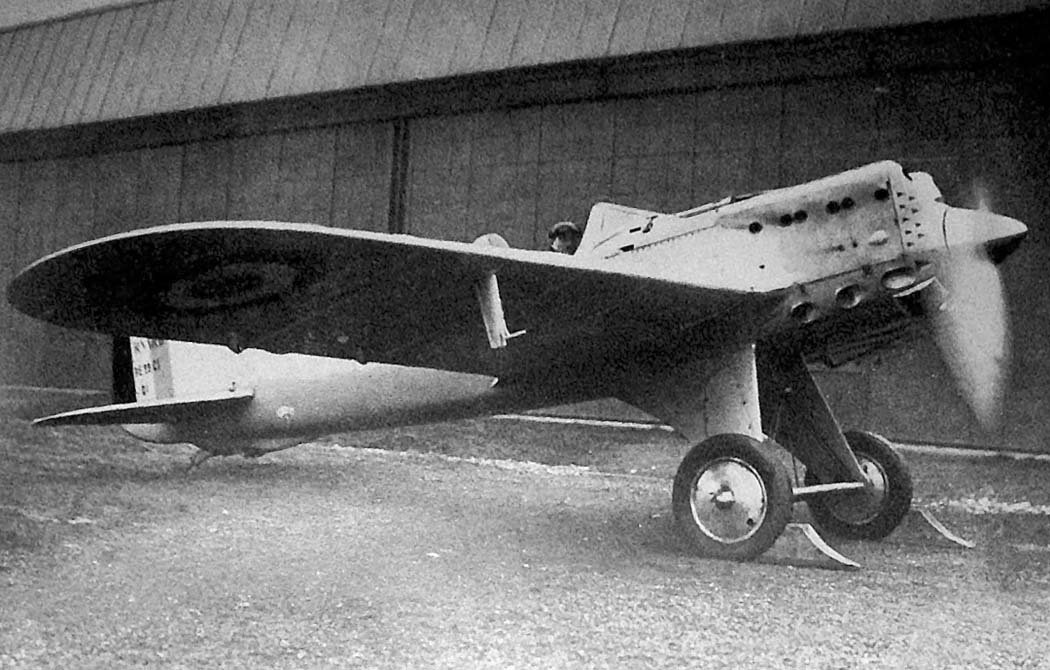 Bernard 20 |
 Bernard 20 |
 Bernard 20 |
 Bernard 20 |
 Bernard 20 |
 Bernard 20 |
 Bernard 20 |
 Bernard 20 |
 Bernard 20 |
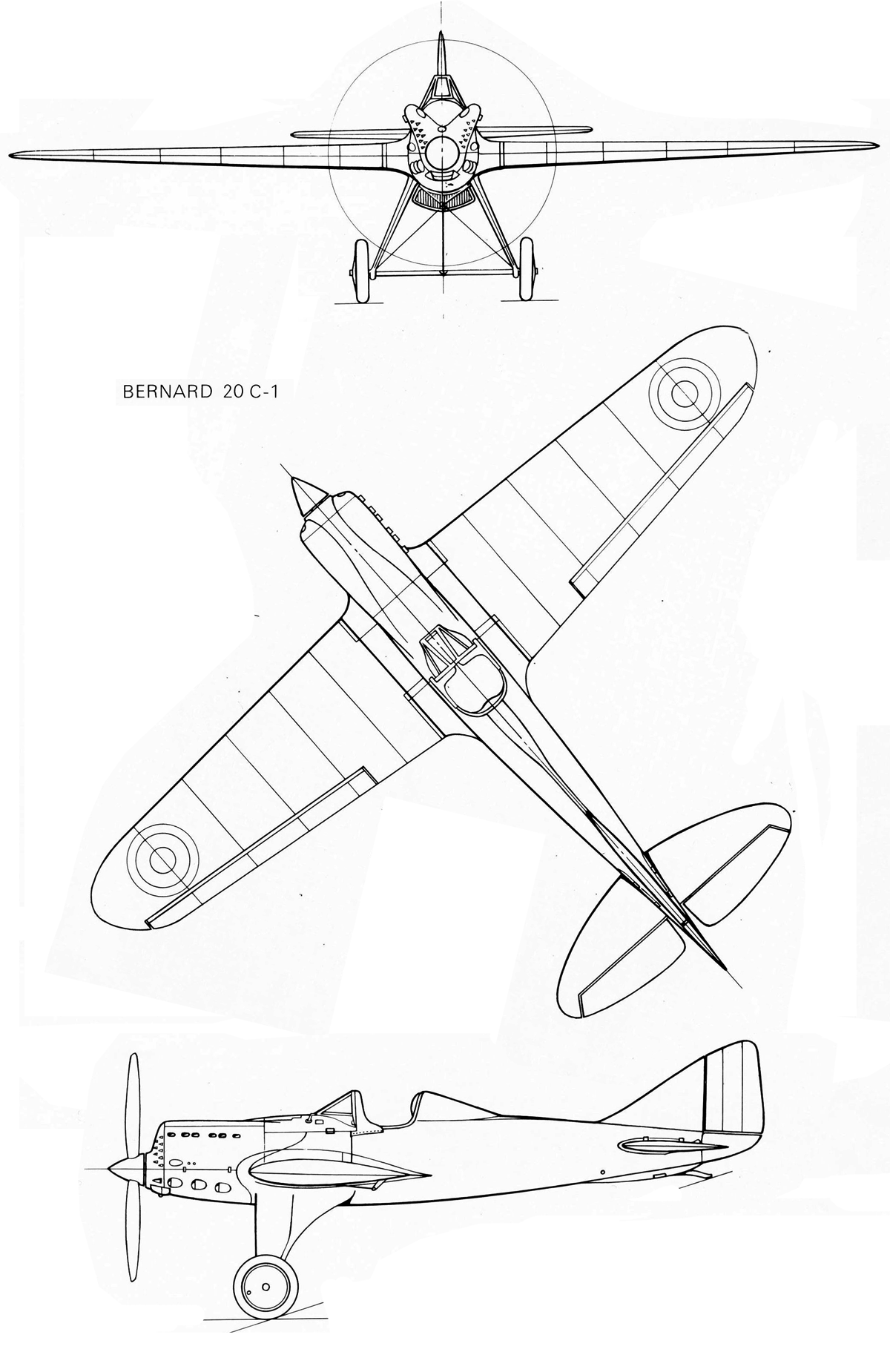 Bernard 20 |