
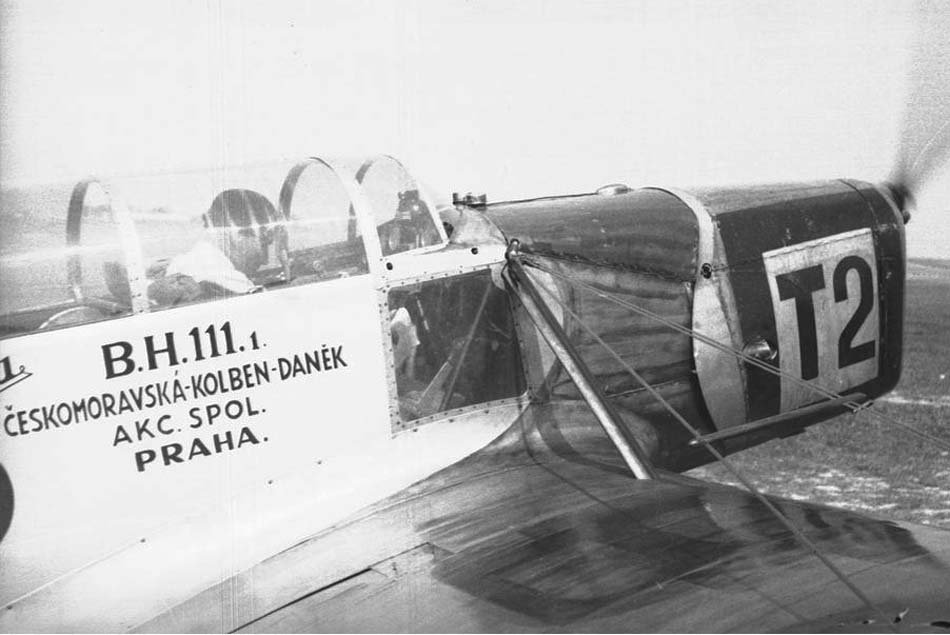
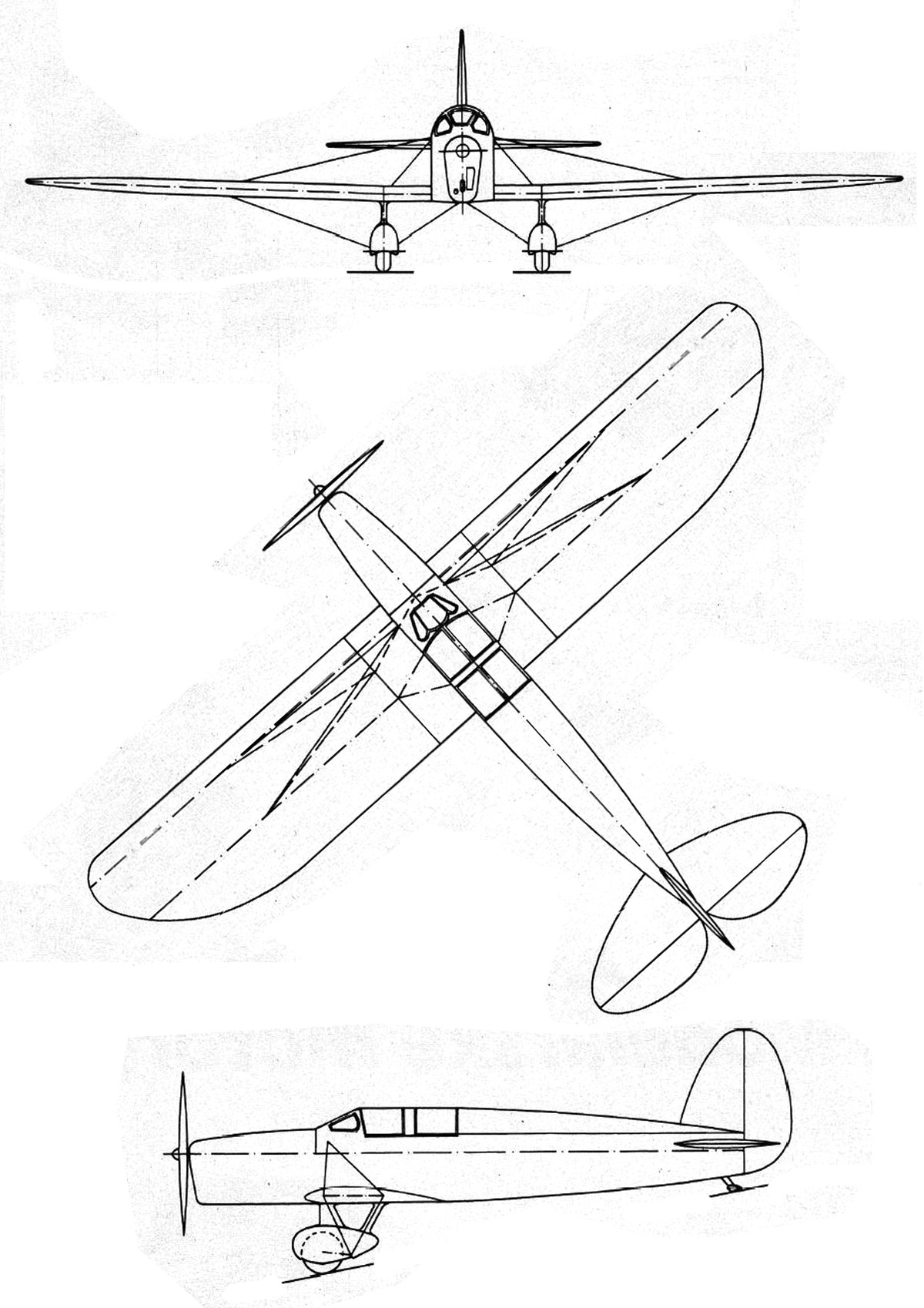
Specifically for the international air race Challenge 1932, designers Pavel Beneš and Miroslav Hajn developed the BH-111 (or E-111) light sport aircraft. This model was a two-seater low-wing monoplane of mixed construction, powered by a 122 hp de Havilland Gipsy III engine.
Design and Development of the BH-111
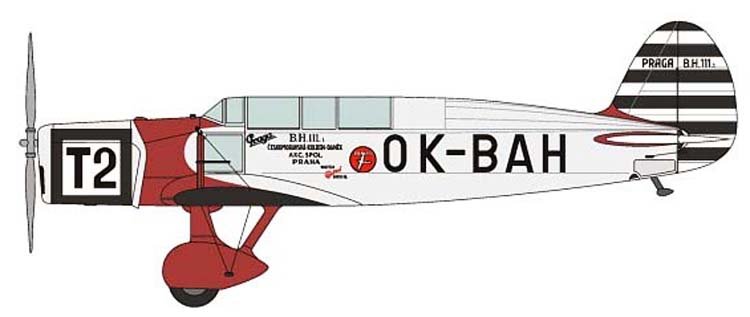
Three examples of the aircraft (OK-BAH, OK-BEH, and OK-BIH) were completed in time for the races. They did not achieve major successes, finishing 16th and 21st among 43 participants; the third aircraft failed to finish the competition.
However, in the overall standings, the BH-111 took 4th place among 17 types of aircraft. After the 1932 race, the aircraft were transferred to civilian aero clubs for continued use.
Competitive Performance
In 1935, two BH-111s participated in competitions in Italy, achieving 5th and 27th places, showcasing their ongoing presence in the air sport domain.
Technical Specifications
| Modification | BH-111 |
| Wingspan, m | 10.50 |
| Length, m | 7.40 |
| Height, m | 2.90 |
| Wing area, m2 | 15.10 |
| Empty weight | 470 |
| Maximum takeoff weight | 770 |
| Engine type | 1 Piston engine de Havilland Gipsy III |
| Power, hp | 1 x 122 |
| Maximum speed, km/h | 230 |
| Cruising speed, km/h | 200 |
| Service ceiling, m | 4500 |
| Crew | 2 |
Image and diagram gallery of the BH-111
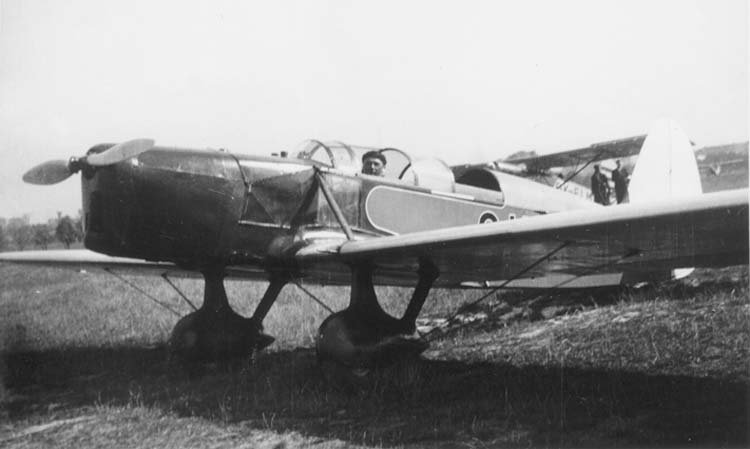 BH-111 |
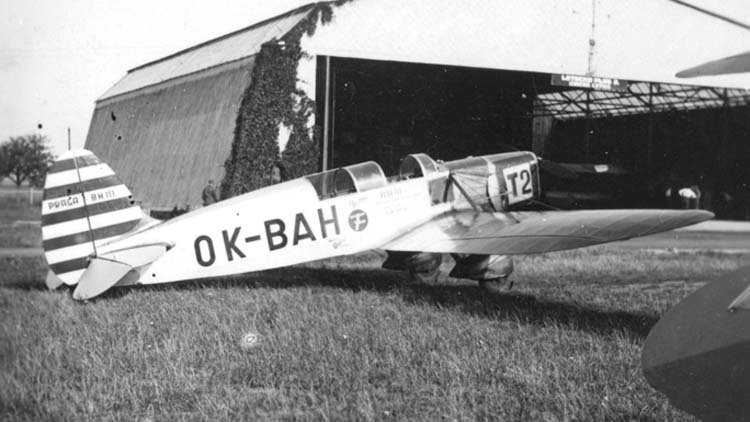 BH-111 |
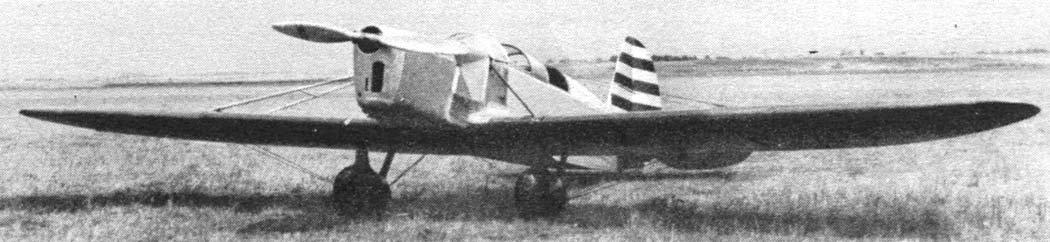 BH-111 |
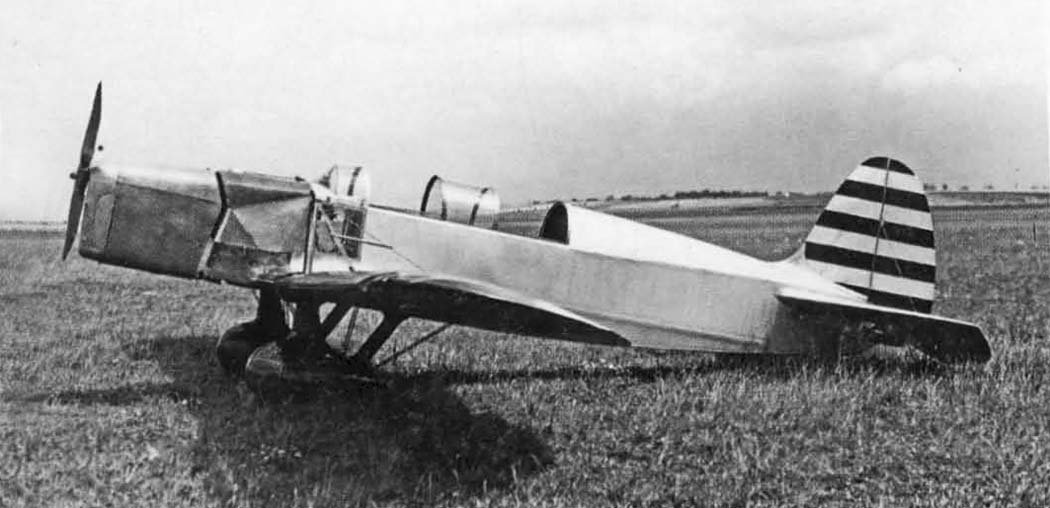 BH-111 |
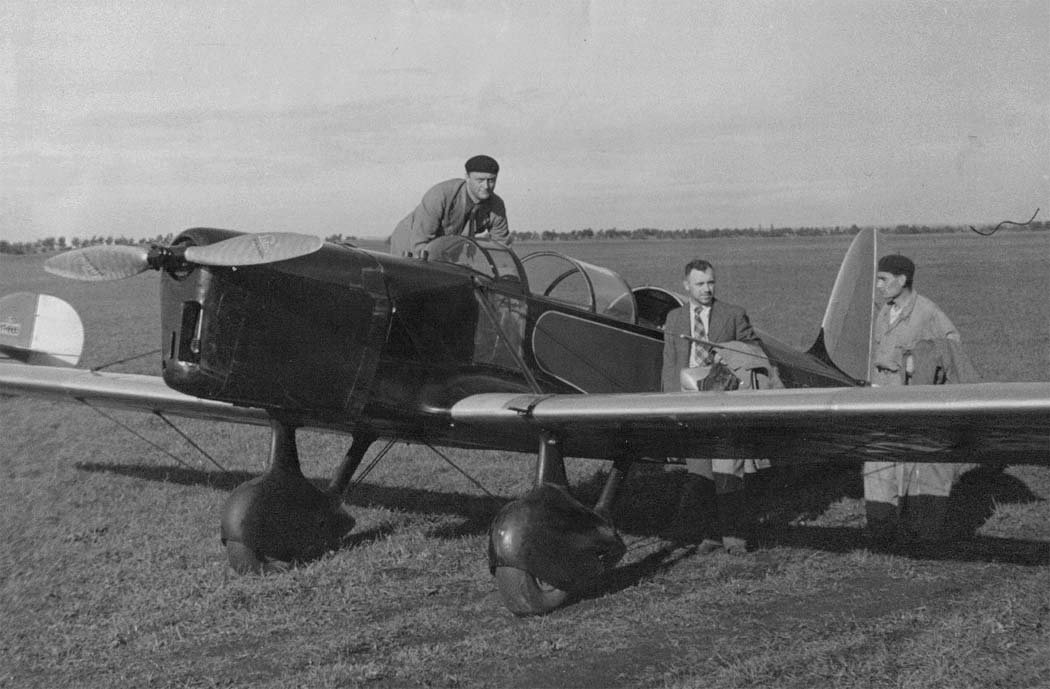 BH-111 |
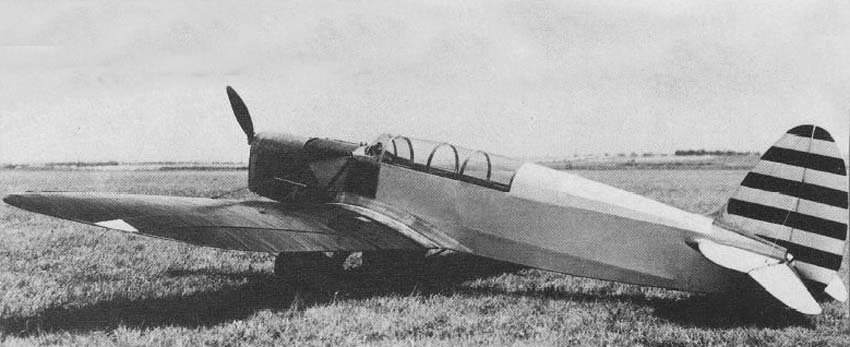 BH-111 |
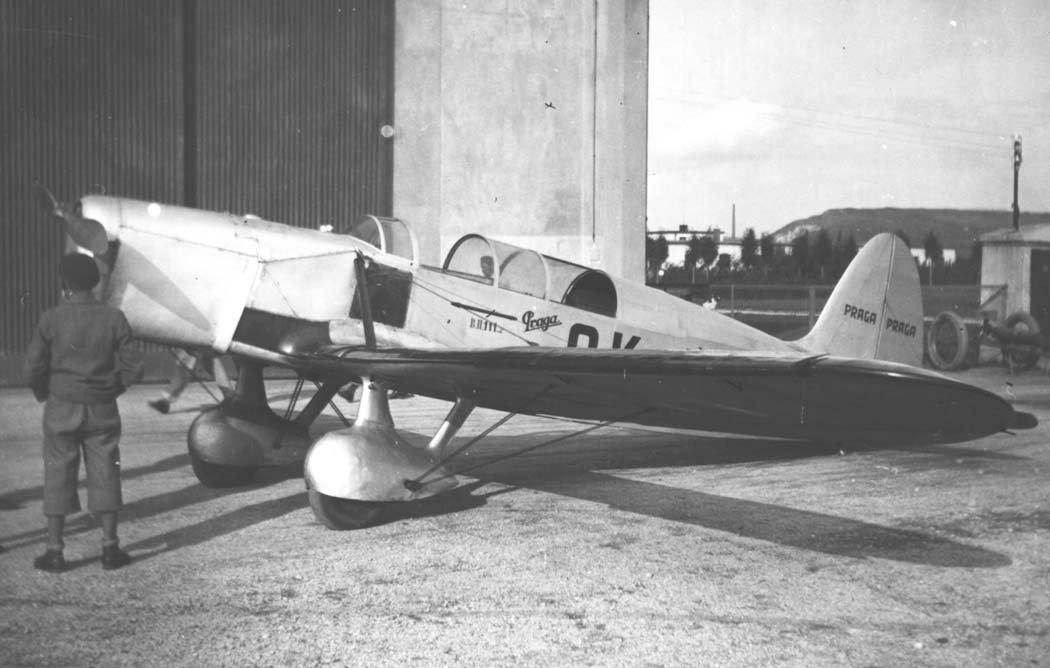 BH-111 |
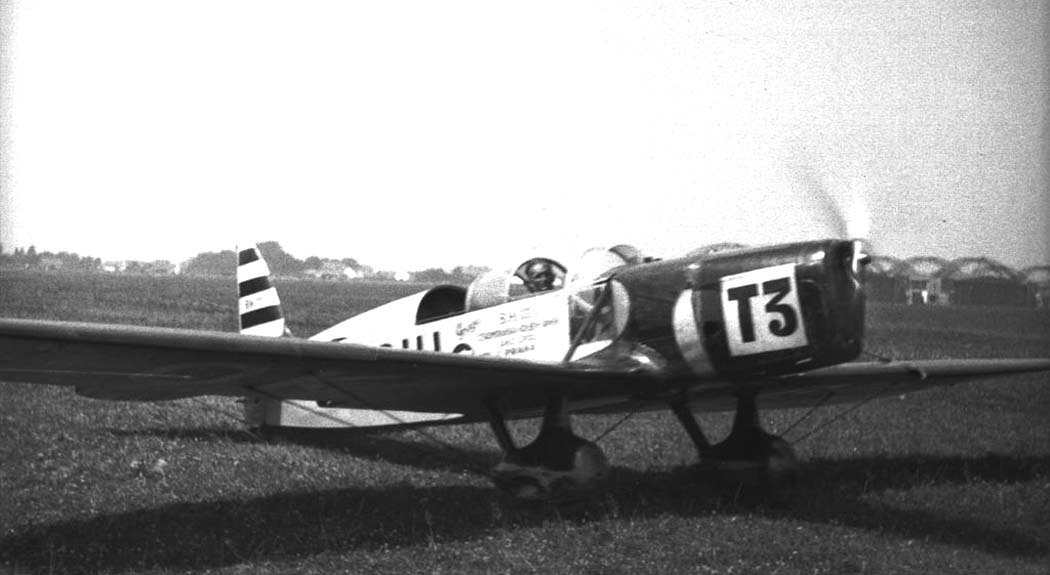 BH-111 |
 BH-111 |
 BH-111 |
 BH-111 |