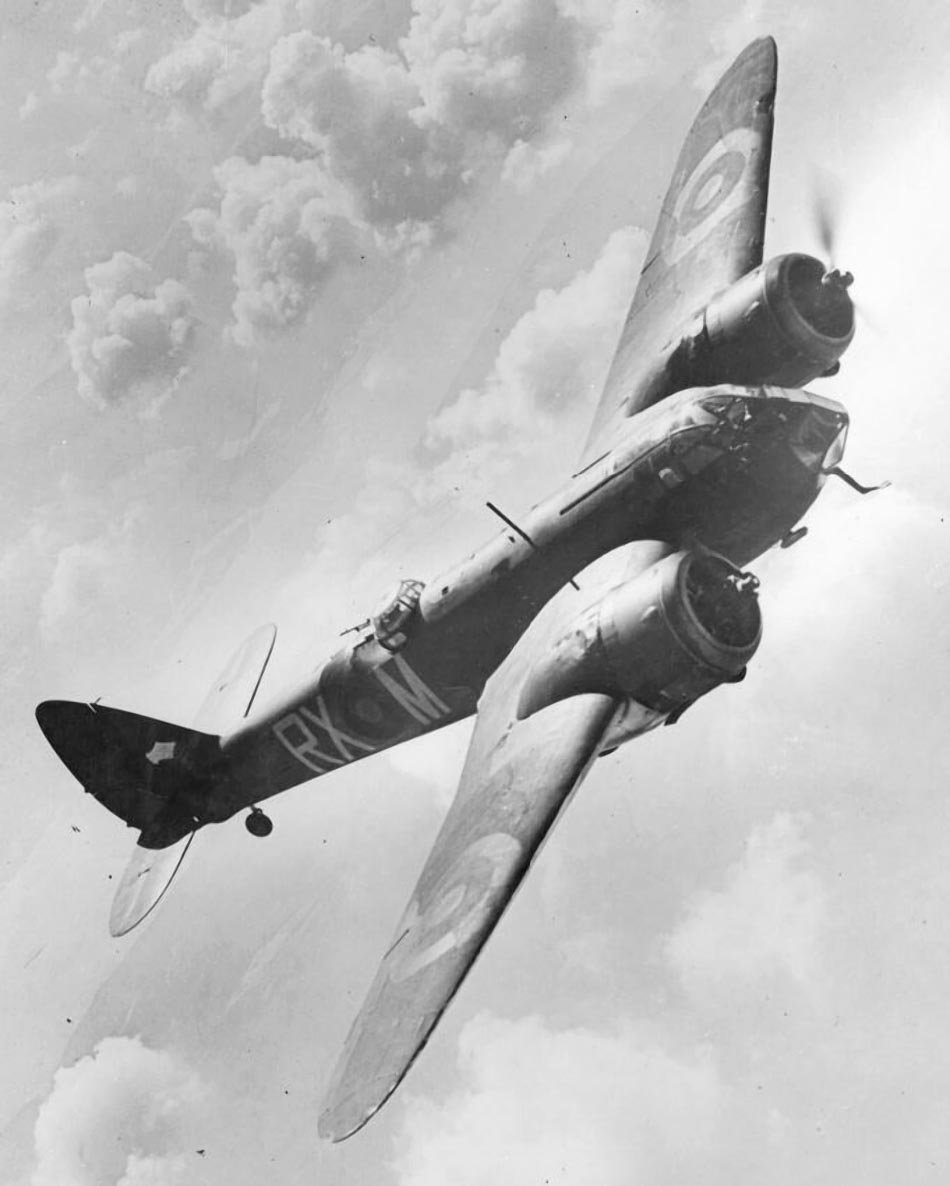
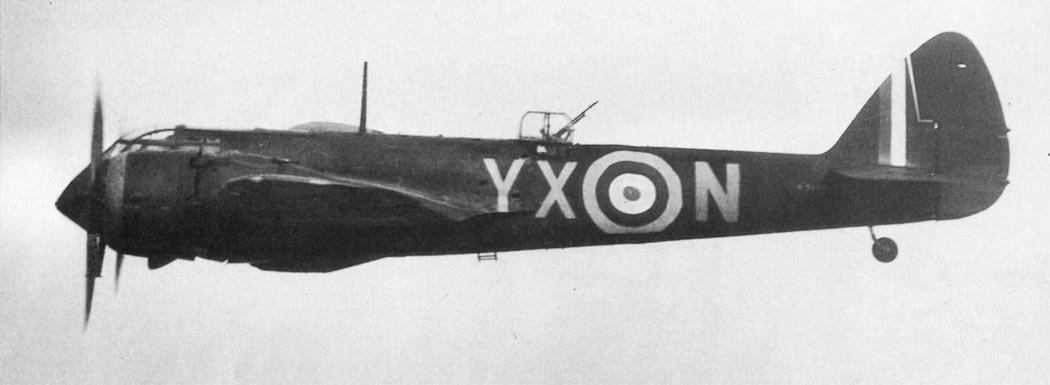
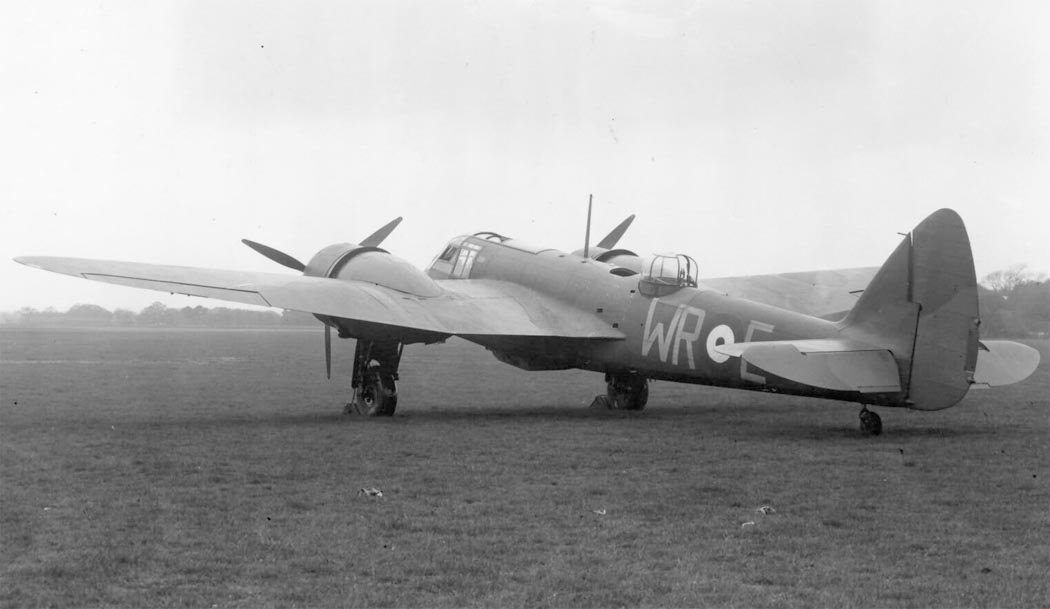
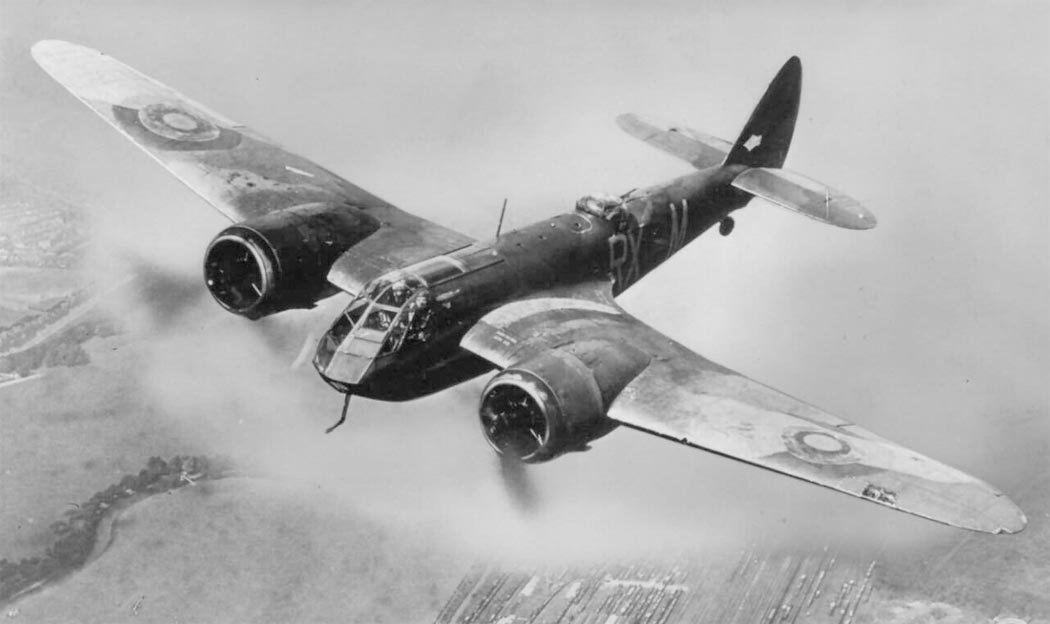
Like some other well-known and successful aircraft, the Bristol Blenheim was the result of privately funded development, rather than a meticulously planned official policy. Designed and built as a bomber, it proved to be an effective heavily armed long-range fighter in the early stages of the war, when the British Air Force performed a variety of tasks supporting France, defending Great Britain itself, and conducting offensive operations against Germany. In all these operations, the Blenheim was at the forefront from the first days of World War II.
The lineage of this elegant all-metal mid-wing monoplane, with two radial engines and a three-person crew, can be traced back to 1933. That year, Bristol’s chief designer, F. Barnwell, designed an aircraft with a similar layout for transporting six passengers, powered by two new Aquila sleeve-valve engines developed by Bristol’s aero engine department. A further variant of this design, featuring Mercury engines, was built and flew in 1935 as the ‘Type 142’.
This aircraft was commissioned by Lord Rothermere, owner of London’s ‘Daily Mail’, who wished to demonstrate that the modern level of aircraft development could far exceed the capabilities of contemporary British Air Force fighters. The ‘Type 142’, named ‘Britain First’, flew fully loaded 80 km/h faster than the Gloster Gladiator fighter, which had just entered series production. Although the Air Ministry in 1935 was working on new bomber designs for its own purposes, the capabilities of the ‘Britain First’ could not be ignored.
In July 1935, the first steps were taken to produce a bomber variant of these machines as a transitional model. The ‘Type 142M’ was very similar to the ‘Britain First’, but the wing was raised to make room for a bomb bay, which could hold 454 kg of bombs. The first batch of 150 ‘Type 142M’ aircraft was ordered in September 1935. The first of these flew on June 25, 1936, by which time they had already been assigned the name ‘Blenheim’.
Subsequent orders brought the total number of bombers of this type built for the Royal Air Force to 1,348 (718 by Bristol, 250 by Avro, and 380 by Rootes). Deliveries began in March 1937 and ended in 1939. As a bomber, the Blenheim I initially carried armament consisting of one Lewis machine gun in the upper Bristol B.I Mk.1 turret and one forward-firing Browning, both of 7.7 mm caliber. Later aircraft featured a Vickers K machine gun in the B.I Mk.III turret.
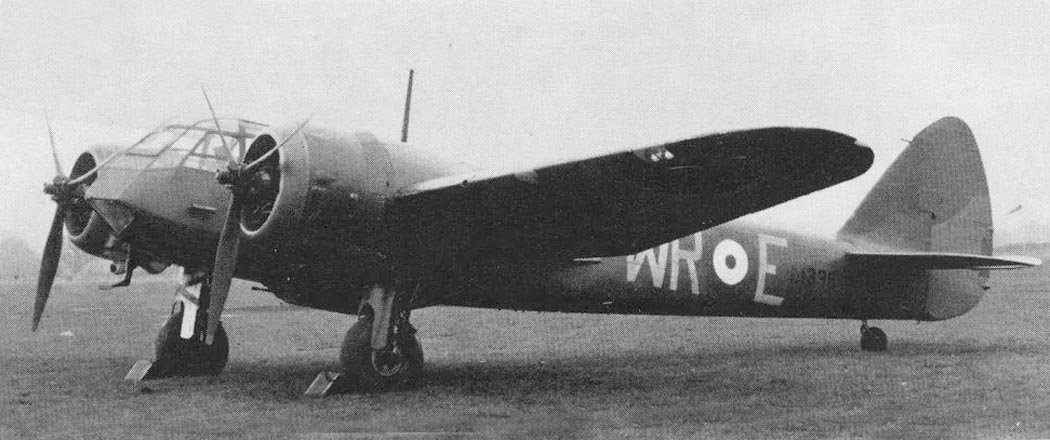
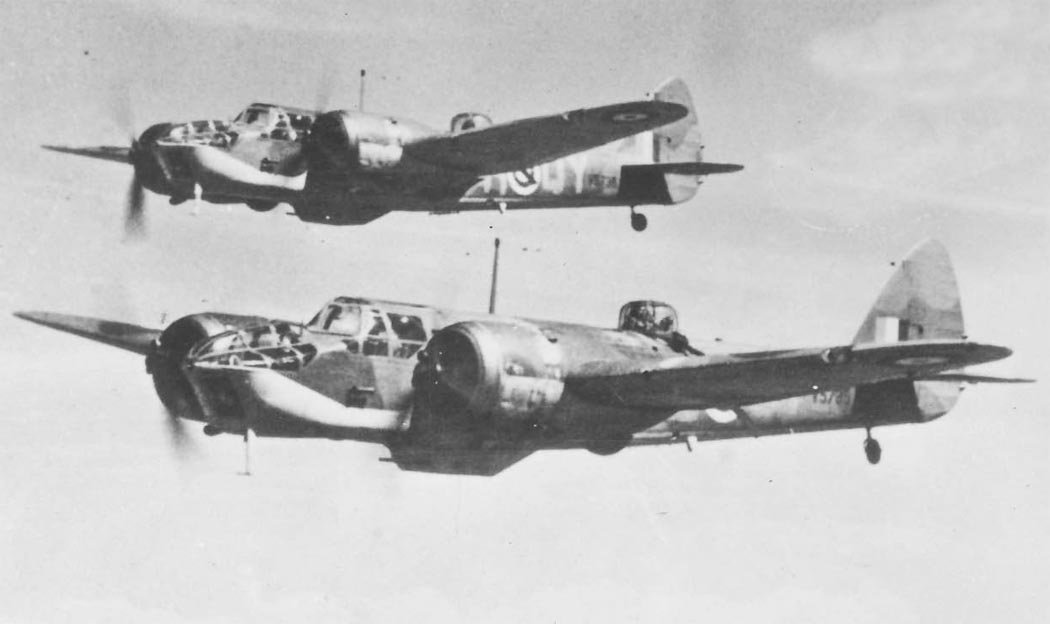
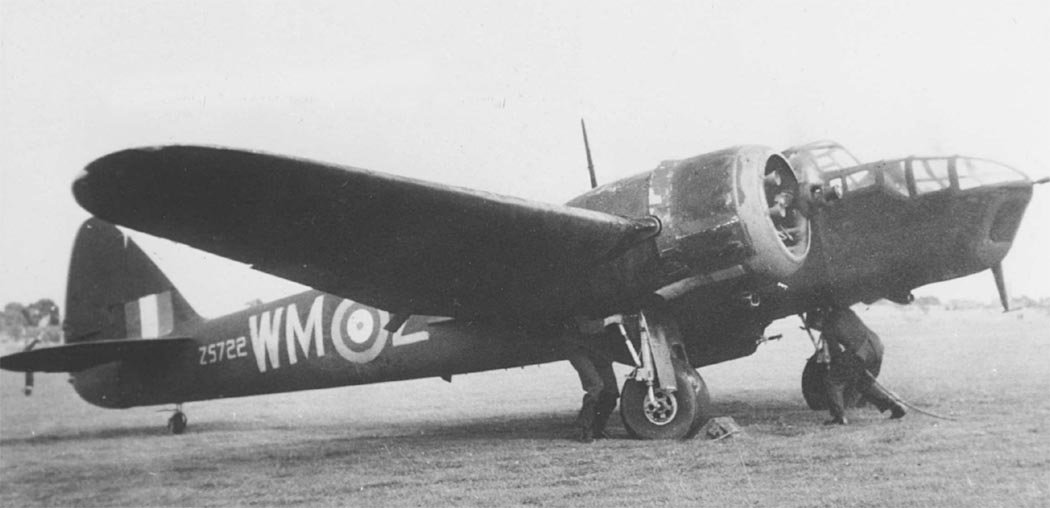
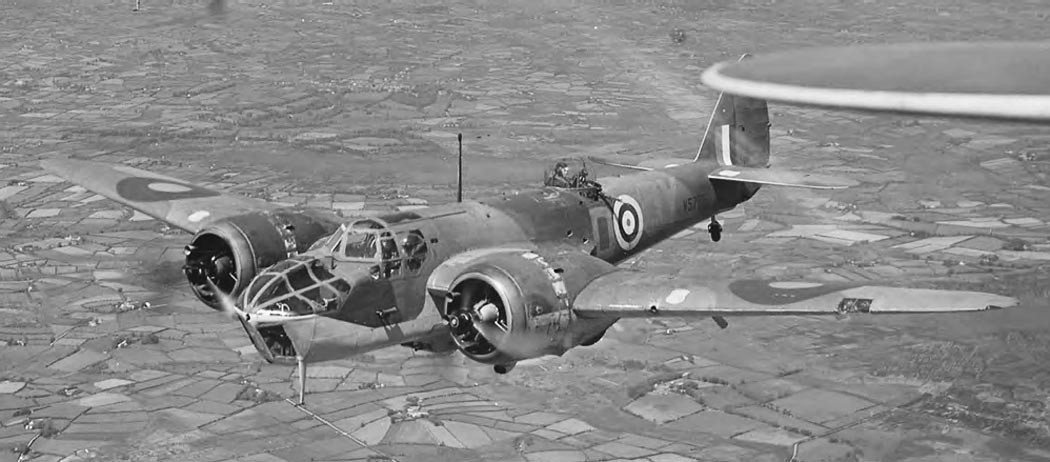
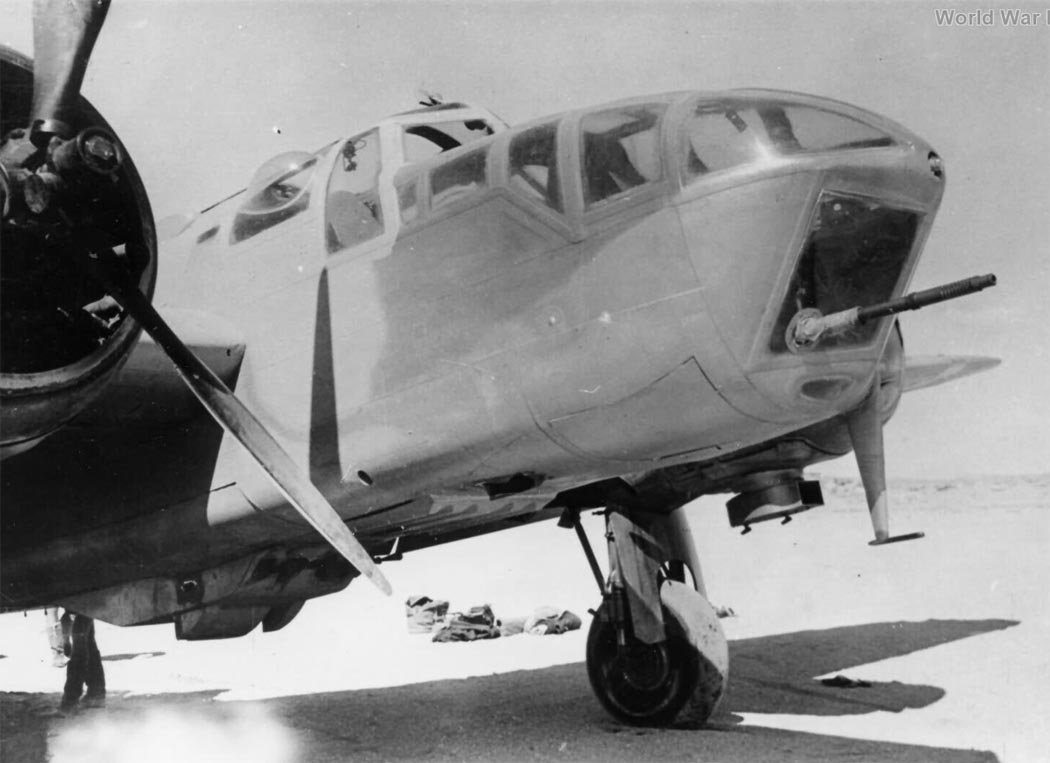
Converting the aircraft into a long-range fighter proved relatively simple – a battery of four forward-firing Brownings was added in a flat container under the bomb bay. About 200 Blenheim Is were converted in this manner by service units in Southern Railway workshops. A total of 1,375 such machine gun containers were produced, including those used for the Blenheim IVs, described below.
The Blenheim as a Night Fighter
The advent of converted Blenheim IFs allowed British aviation to re-equip squadrons that had been flying Hawker Demon two-seat biplane fighters. The 600th Auxiliary Air Force squadron at Hendon was the first to receive Blenheims in September 1938. By the end of the year, the 23rd, 25th, 29th, and 604th squadrons followed. Two more, the 64th and 601st, were flying Blenheim IFs by the start of the war. About ten other squadrons were re-equipped with Blenheim fighters in the UK the following year, plus two abroad – the 27th in India and the 30th in the Middle East. In Fighter Command, Blenheim IFs were considered an integral part of day fighter aviation until 1940. On November 25, 1939, 12 such aircraft from the 25th and 601st squadrons were dispatched to attack a base in Borkum, used by German seaplane minelayers.
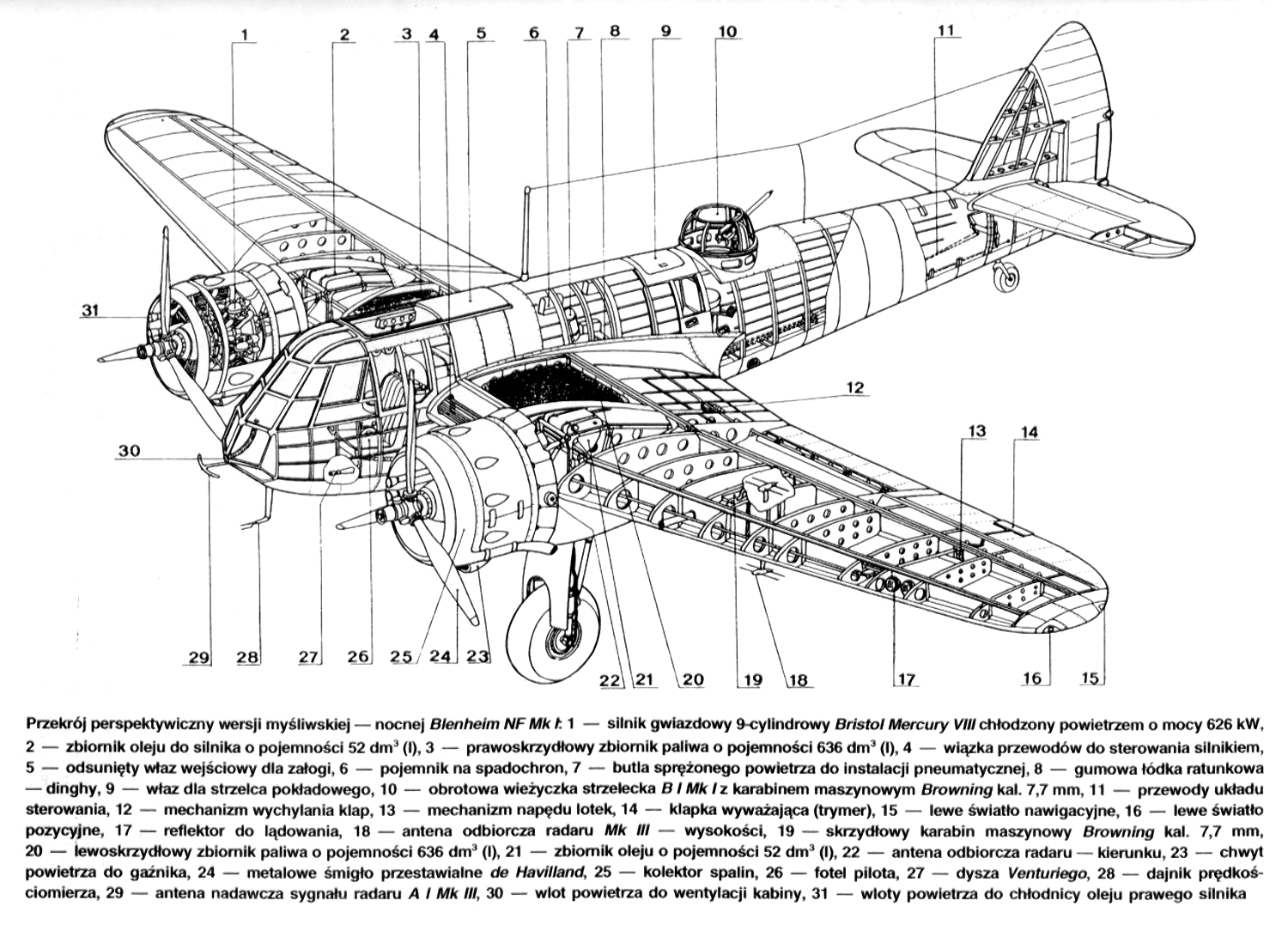
Six squadrons were still equipped with Blenheim IFs during the Battle of Britain but were used sparingly. Blenheims were ill-suited for combating well-protected bomber formations during the day. However, a new, important role emerged – that of a night fighter. The AI Mk III radar, the world’s first mass-produced night fighter radar, required a dedicated crew member to operate it and interpret the images displayed on the screens. In 1940, the Blenheim IF was the most suitable aircraft for installing such equipment.
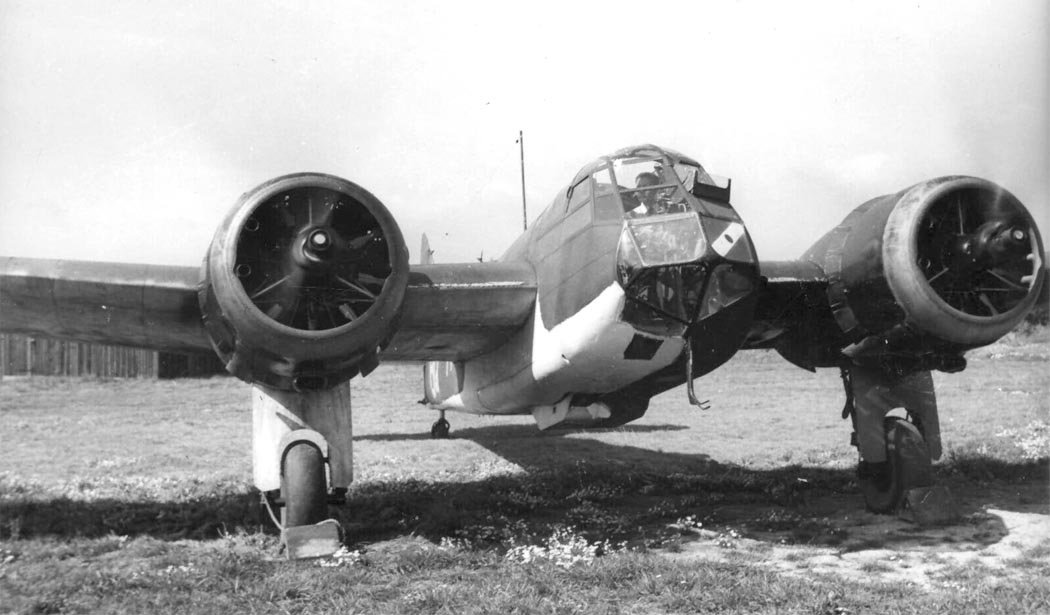
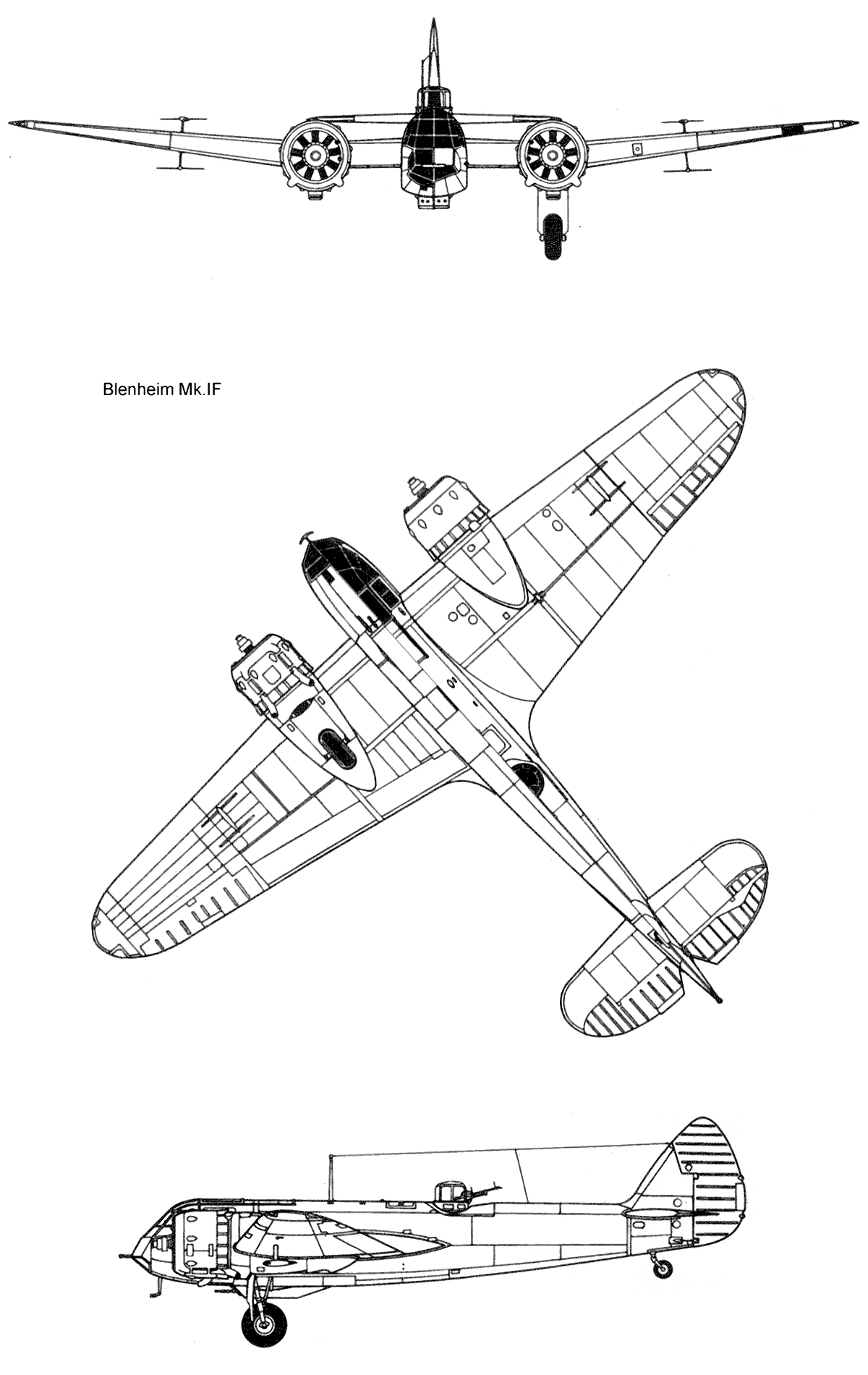
The station’s antenna system included a transmitting antenna (in the nose) and receiving antennas for azimuth determination (on the engine nacelles, forward of the wing’s leading edge) and vertical angle (under and over the left wing). By mid-1940, 31 Blenheim IFs were already flying with AI Mk.III radar; a unit of three aircraft from the 600th Squadron was undergoing wax trials at Manston.
On the night of July 23, a radar-equipped Blenheim IF, sent for test purposes by the interceptor fighter unit at Tangmere, established radio contact with a group of six Luftwaffe bombers. It was able to approach one of the Dornier Do 17s to visual detection range, attacked and destroyed it. This was the first recorded victory by a radar-carrying fighter, and although much of it was coincidental, it encouraged further efforts in this area. The conversion of Blenheim squadrons to night fighter roles was accelerated. Six such squadrons provided air defense for Great Britain when the Germans began the night ‘Blitz’ against English cities in 1940.
The importance of Blenheim IFs for night defense was significant but short-lived, as by late 1940, more effective Beaufighters with improved AI Mk.IV radar began to arrive in units. This allowed the Royal Air Force to reassign Blenheims to the role of night raiders, operating against bases from which German bombers took off. The 23rd Squadron flew its first such mission on the night of December 21, 1940. Sorties continued into the first months of 1941, until more suitable aircraft for this type of operation became available. The Blenheim IF then began to be used for training night fighter crews.
However, one squadron, the 27th, continued to use it as a day fighter in late 1941. This unit was equipped with Blenheims in India in February 1941 and transferred to Singapore, where in December it suffered heavy losses from the Japanese and was virtually rendered ineffective as a combat unit. Another squadron flying Blenheim IF fighters, the 30th, operated in July 1940 against Italian aircraft attacking British ships in Alexandria. It achieved its first air victory in August, shooting down a Savoia-Marchetti SM.79. It then fought with Blenheims in Greece and Crete before being re-equipped with Hurricanes.
Evolution to Blenheim IV(F)
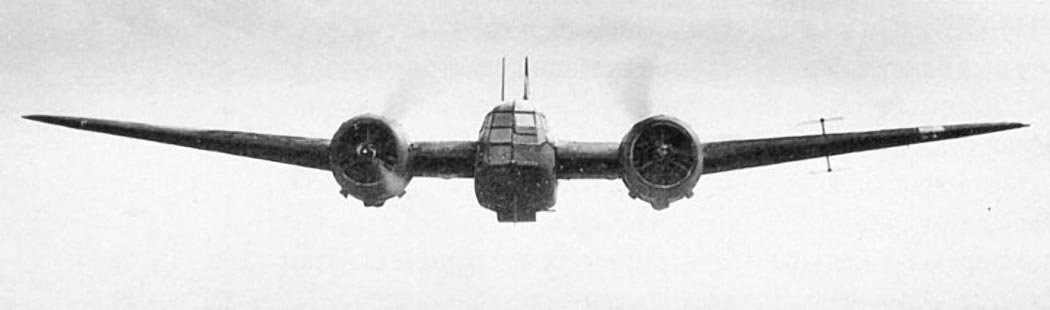
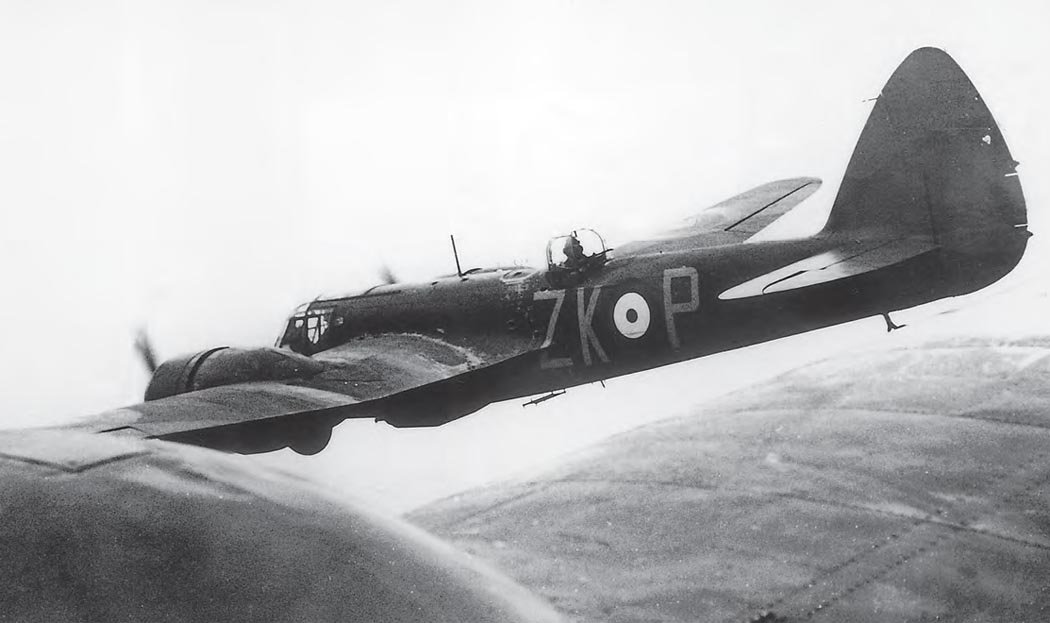
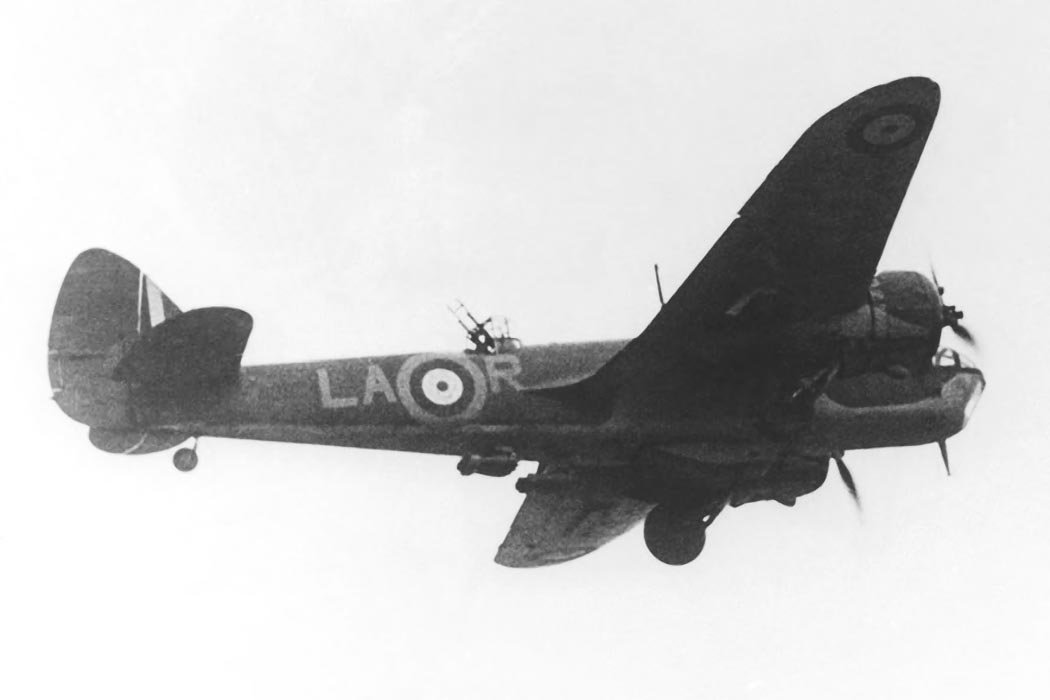
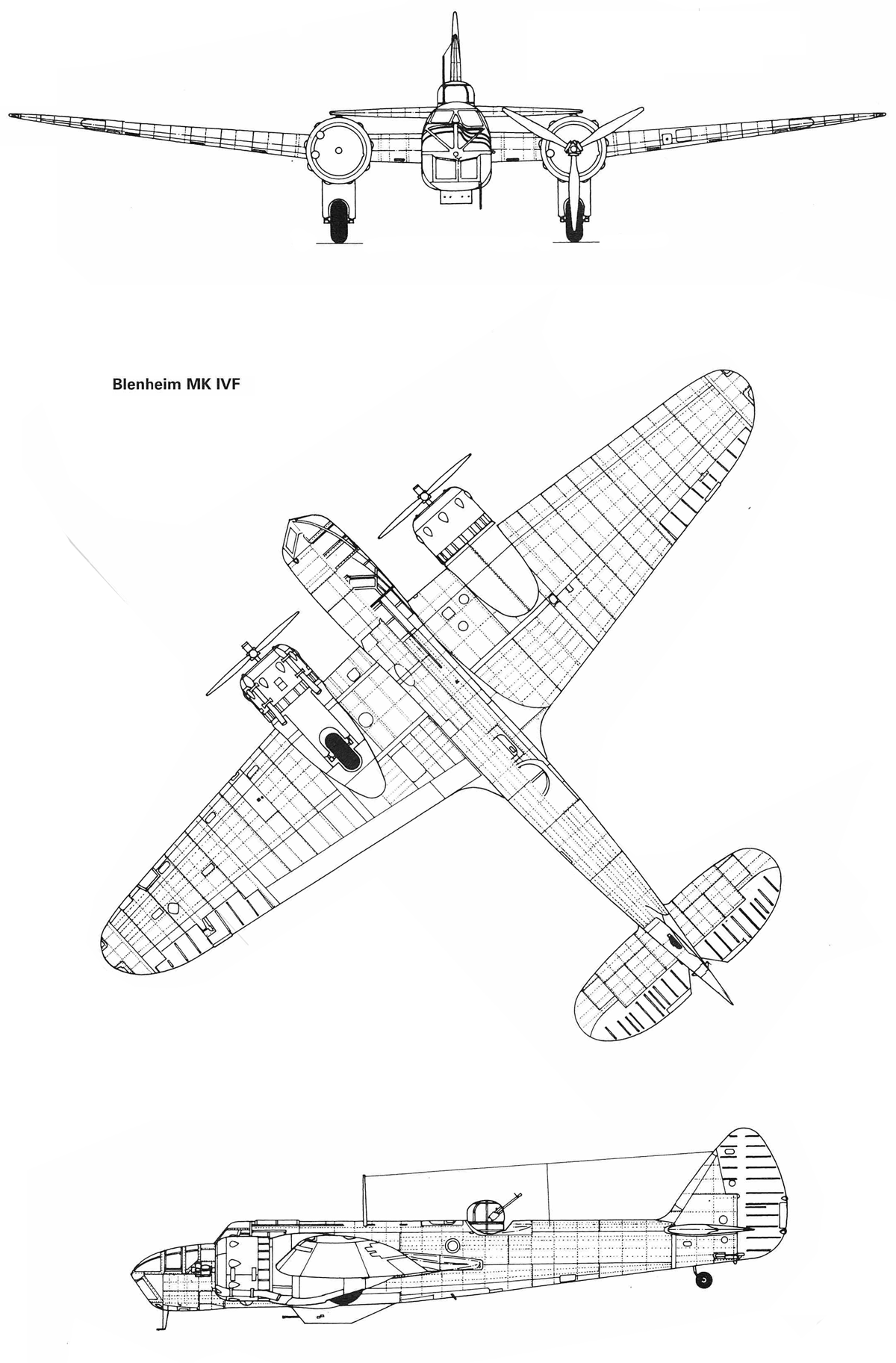
As previously indicated, production of the Blenheim I ceased before the war, replaced in series by the Blenheim IV. First flown as an experimental aircraft on September 24, 1937 (then called the ‘Bolingbroke‘), the Blenheim IV differed from the Mark I mainly in its extended nose section for the bombardier. Additional fuel tanks were fitted in the wings, and the Mercury VIII engines were replaced by Mercury XVs, operating on 100-octane fuel. Typically, an upper B.I Mk.III turret with one Vickers K machine gun was fitted; later, the B.I Mk.IIIA turret with two such machine guns was introduced. Like the Blenheim I, the Mark IV modification carried one fixed Browning in the left wing.
Deliveries of the Blenheim IV began in March 1939; in total, over 3,000 were produced, all as bombers. Their conversion into fighters followed that of the Blenheim I, utilizing the same under-fuselage container. The modified aircraft were designated Blenheim IVF.
Like the earlier Blenheim Mk IF, the Blenheim Mk IVF fighter differed from the bomber by having an under-fuselage container with four machine guns in place of the bomb bay. Unlike the Mk IF, the container height on the Mk IV was somewhat greater due to the aircraft’s protruding nose section. Although Mk IVFs were primarily used by Coastal Command, the first production aircraft were transferred to Fighter Command in the winter of 1939/40.
The 600th night fighter squadron, which protected the skies over London, was the first to receive Blenheim Mk IVFs. Like the Mk IFs, the ‘fours’ entering the squadron were equipped with an early variant of the AI radar, whose technical problems, as well as the Blenheim’s poor flight characteristics, made night interception of German bombers more an exception than the rule. Starting in September 1940, Blenheims in Fighter Command began to be replaced by Beaufighters, with the obsolete aircraft being transferred to Coastal Command units.
Coastal Command and Naval Operations
Coastal Command became the primary operator of Blenheim Mk IVFs, using them for anti-submarine operations and convoy escort. The first Coastal Command unit fully armed with Mk IVFs was the 235th Squadron, based at Dyce, Scotland (another of its detachments was deployed in the Shetland Islands). Later, three more Coastal Command squadrons were equipped with these aircraft: the 236th at Bircham Newton in East Anglia, the 248th at Aldergrove in Northern Ireland, and the 254th, based at St. Eval, Cornwall.
While the 254th Squadron was almost exclusively engaged in anti-submarine operations, other units performed a wide range of tasks from June 1940 to June 1942. One specific mission carried out by aircraft of the 235th Squadron involved detecting ships off the coast of Norway and escorting them discreetly until the arrival of a strike group consisting of Beauforts and/or Hudsons.
Squadrons based in Southern England were primarily engaged in air cover for Allied shipping in the Channel and North Sea. In addition, these units covered Beauforts and Hudsons during anti-submarine operations. Blenheim Mk IVFs were also sent to enemy coasts to hunt enemy maritime patrol aircraft. Many German flying boats fell victim to Blenheims. A very important task assigned to Mk IVF squadrons was to cover Air Sea Rescue (ASR) teams, who ‘fished out’ crews of downed Allied aircraft from the Channel and the North Sea. Blenheims were well-suited for these tasks, having long endurance, which was crucial for search and rescue, and sufficiently powerful armament to deter or destroy any German seaplane.
The failure of the Blenheim Mk IF and Mk IVF in the role of long-range escort fighter is explained by the rapid technical progress in aviation that occurred from the creation of the prototype (1936) to the completion of combat use of these modifications (1940-1942). But even knowing the unsuitability of the Blenheim Mk IVF for such tasks, the Royal Air Force continued to use it because there simply was no replacement. An example is the commando raid on the Lofoten Islands near northern Norway, when Blenheims of the 404th Royal Canadian Air Force squadron escorted support bombers.
Another Royal Canadian Air Force unit armed with Blenheim Mk IVFs was the 407th Squadron, based at Skitten, but it did not fly the ‘fours’ for long. From early 1942, Coastal Command began rapidly replacing Mk IVFs with Beaufighters and Mosquitoes, and by July of the same year, only two squadrons, the 254th and the 404th (Canadian), continued to fly Blenheim fighters. Decommissioned aircraft were transferred to rear-echelon units, primarily for training.
The use of the Blenheim Mk IVF outside Great Britain was limited to the 203rd Squadron in the Middle East. Based in Aden, this unit provided air cover for Allied convoys in the Red Sea. During escort operations, its aircraft managed to shoot down several Italian SM 79 torpedo bombers. This squadron actively participated in the Ethiopian and Greek campaigns until it was withdrawn to Egypt to be re-equipped with Martin Maryland bombers.
Blenheims were used as long-range fighters and attack aircraft until the appearance of more suitable machines for these tasks, such as the Beaufighter and Mosquito.
Technical Specifications
| Modification | Blenheim IVF |
| Wingspan, m | 17.17 |
| Length, m | 12.12 |
| Height, m | 3.89 |
| Wing area, m2 | 43.57 |
| Empty weight | 4013 |
| Normal takeoff weight | 5947 |
| Engine type | 2 Piston engine Bristol Mercury VIII |
| Takeoff power | 2 x 725 |
| Power at altitude | 2 x 840 |
| Maximum speed, km/h | 426 |
| Cruising speed, km/h | 320 |
| Practical range, km | 1480 |
| Rate of climb, m/min | 458 |
| Service ceiling, m | 7772 |
| Crew | 3 |
| Armament | one 7.7-mm Vickers machine gun in the left wing with 400 rounds, one 7.7-mm Lewis machine gun in the upper turret, four Browning machine guns in the under-fuselage container. |
Image and diagram gallery of the Bristol Blenheim I(IV)F
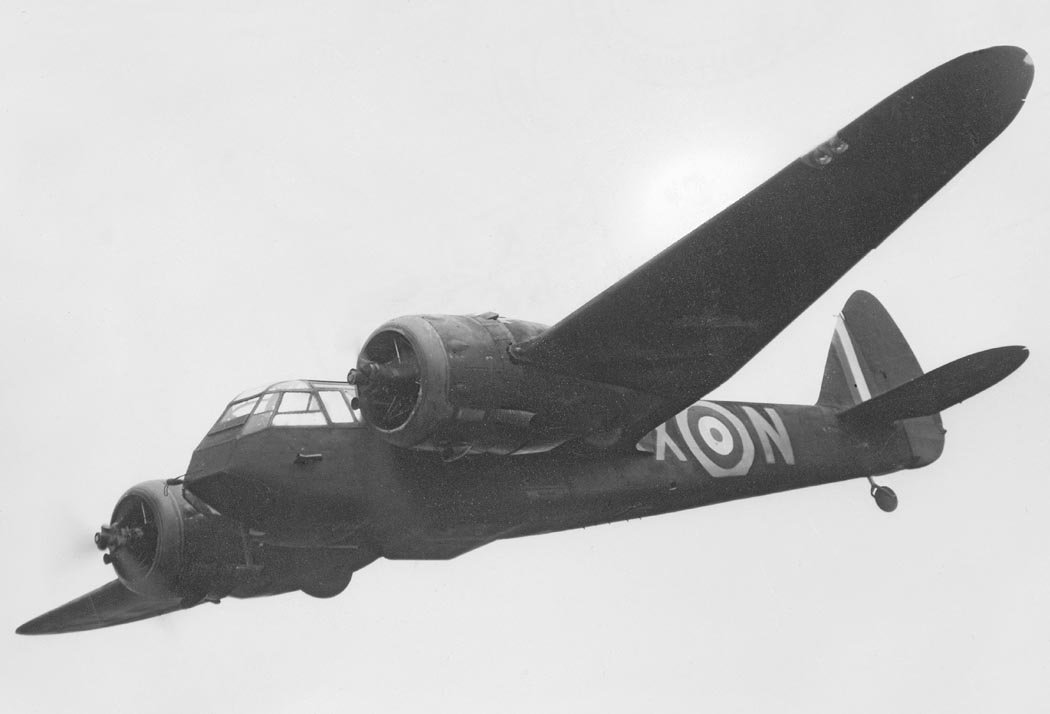 Blenheim I(IV)F |
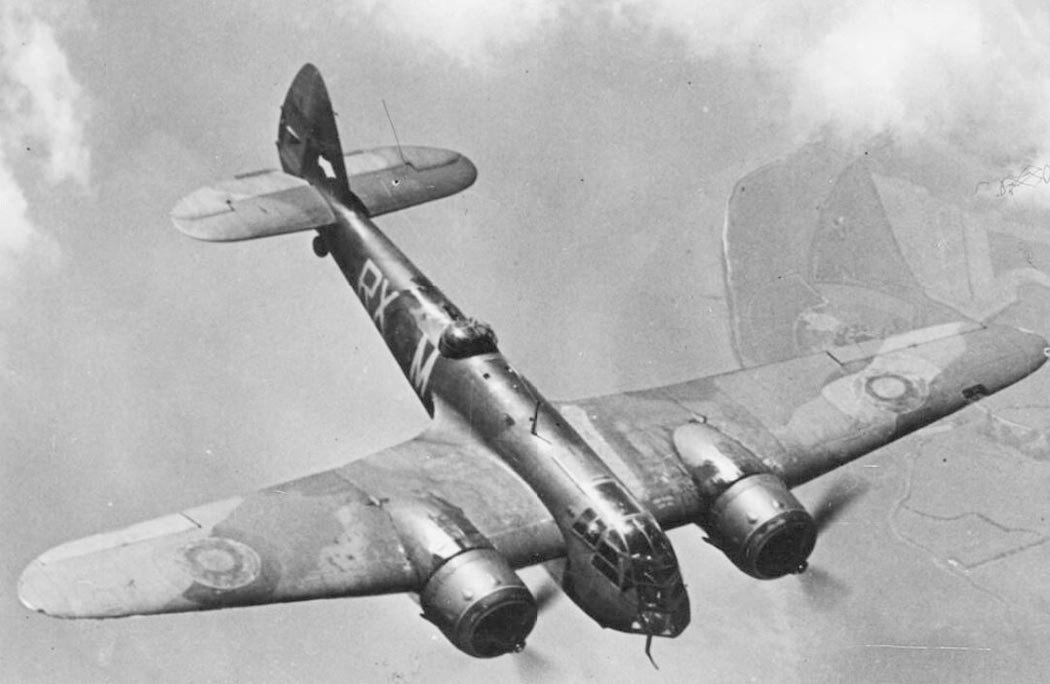 Blenheim I(IV)F |
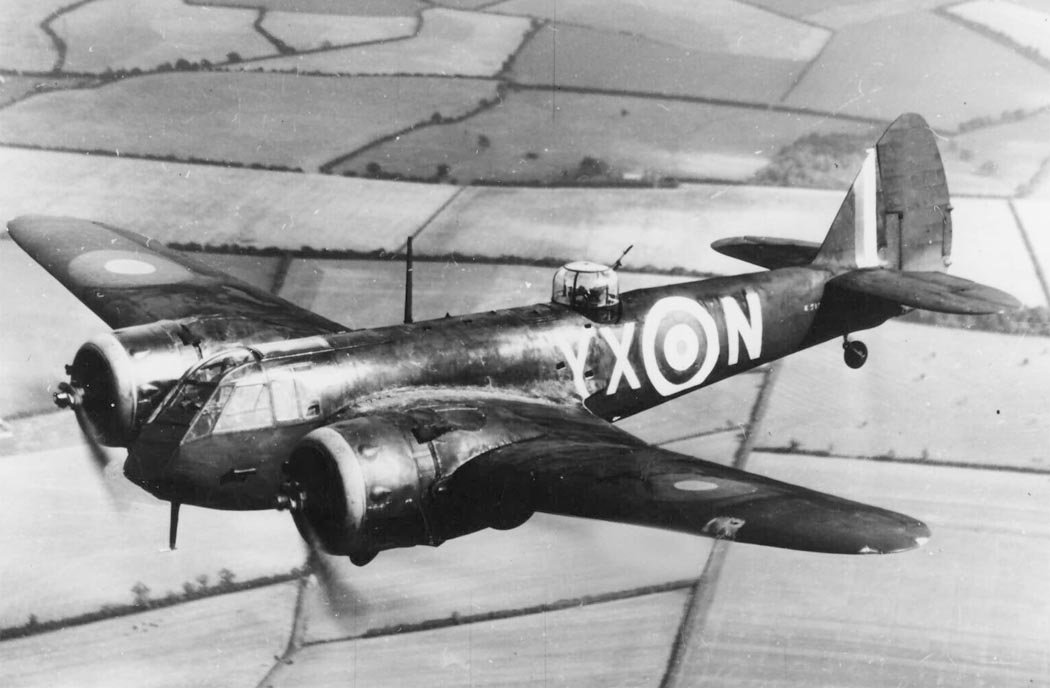 Blenheim I(IV)F |
 Blenheim I(IV)F |
 Blenheim I(IV)F |
 Blenheim I(IV)F |
 Blenheim I(IV)F |
 Blenheim I(IV)F |
 Blenheim I(IV)F |
 Blenheim I(IV)F |
 Blenheim I(IV)F |
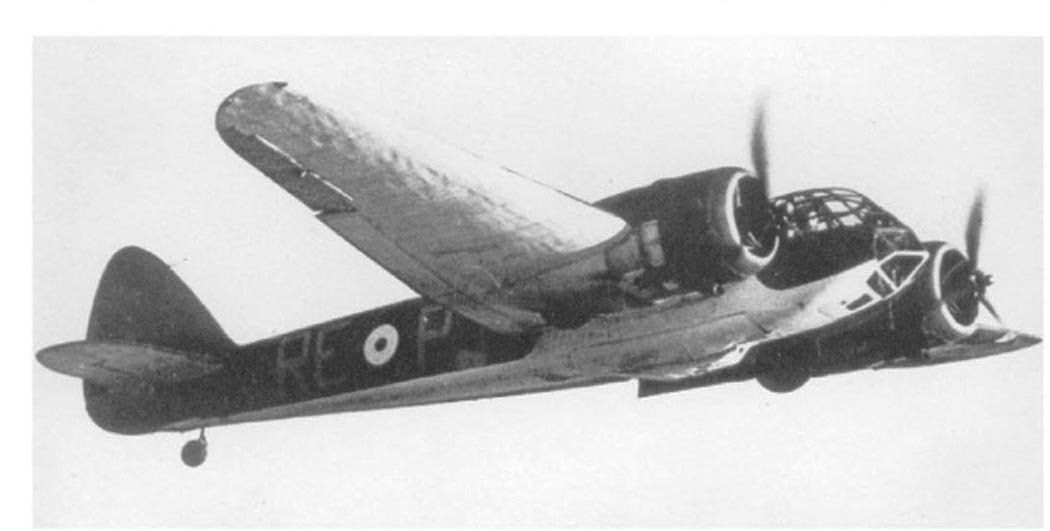 Blenheim I(IV)F |
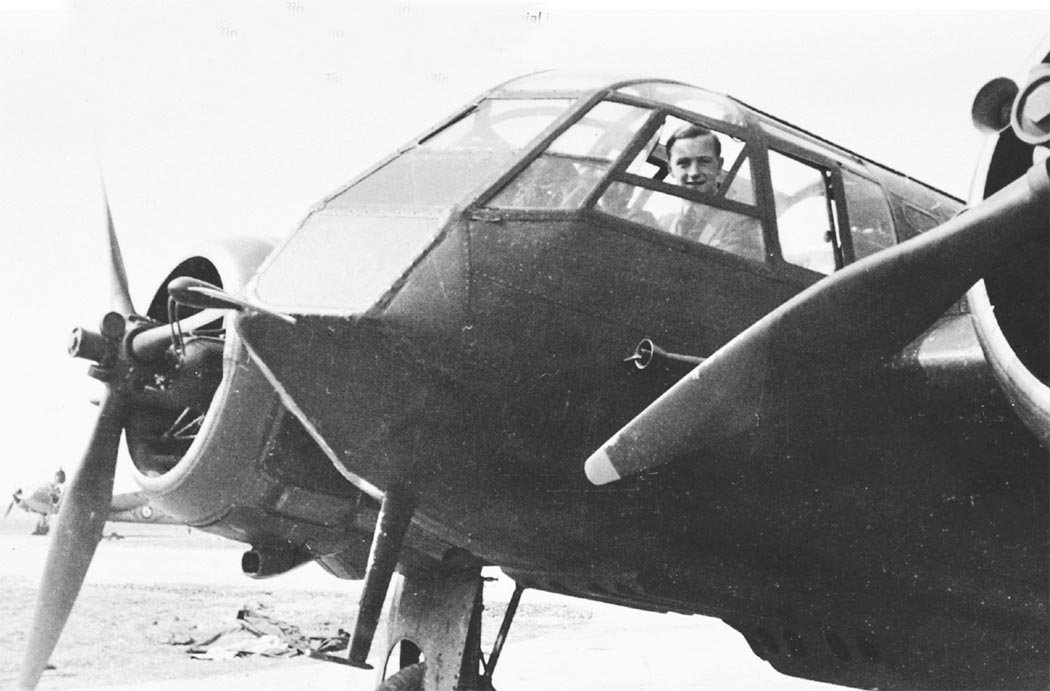 Blenheim I(IV)F |
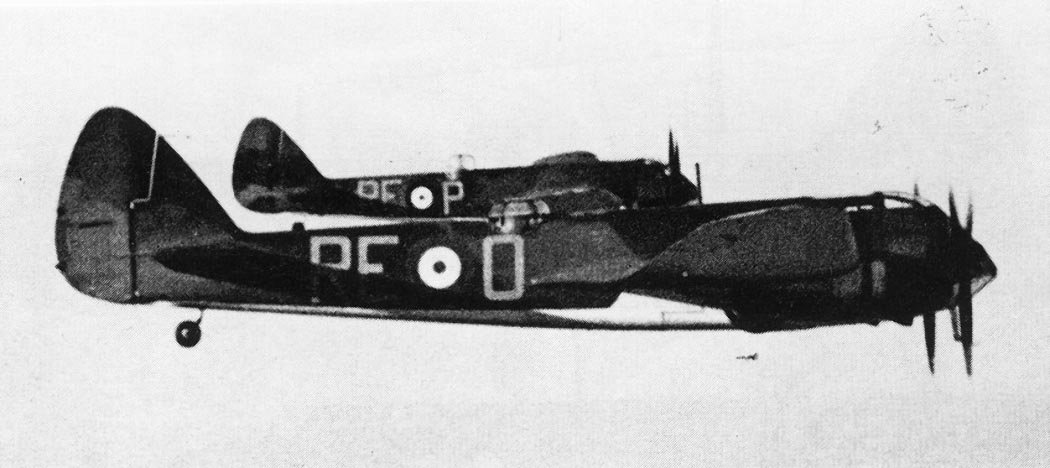 Blenheim I(IV)F |
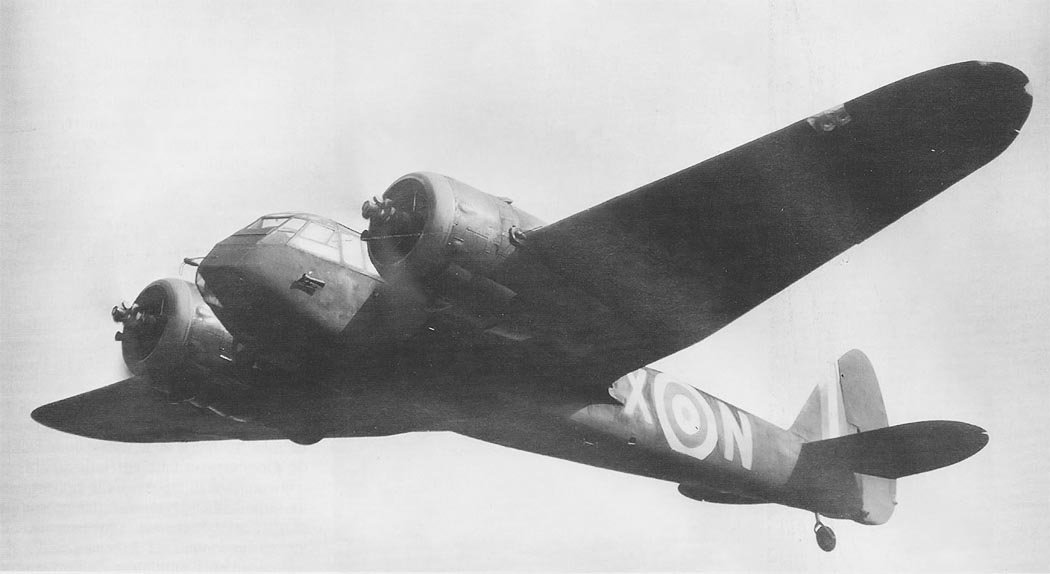 Blenheim I(IV)F |
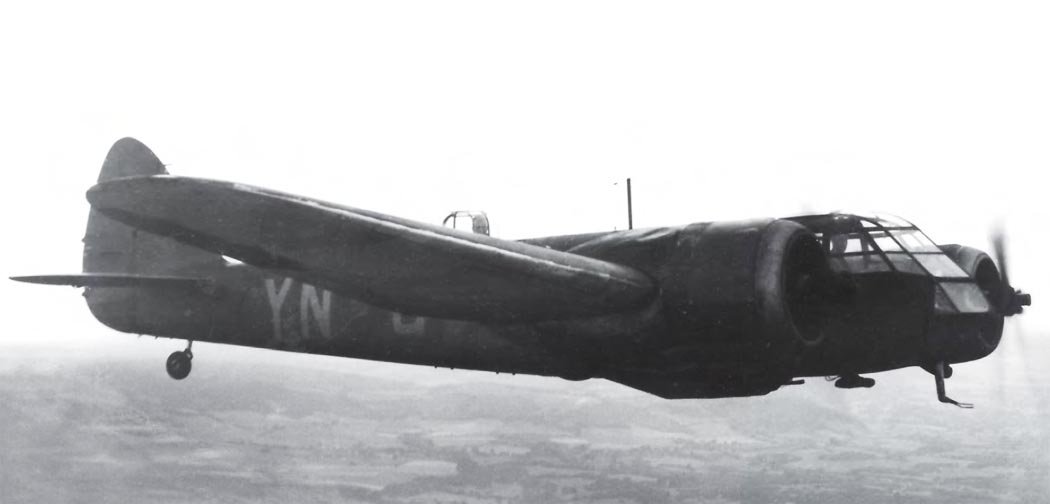 Blenheim I(IV)F |
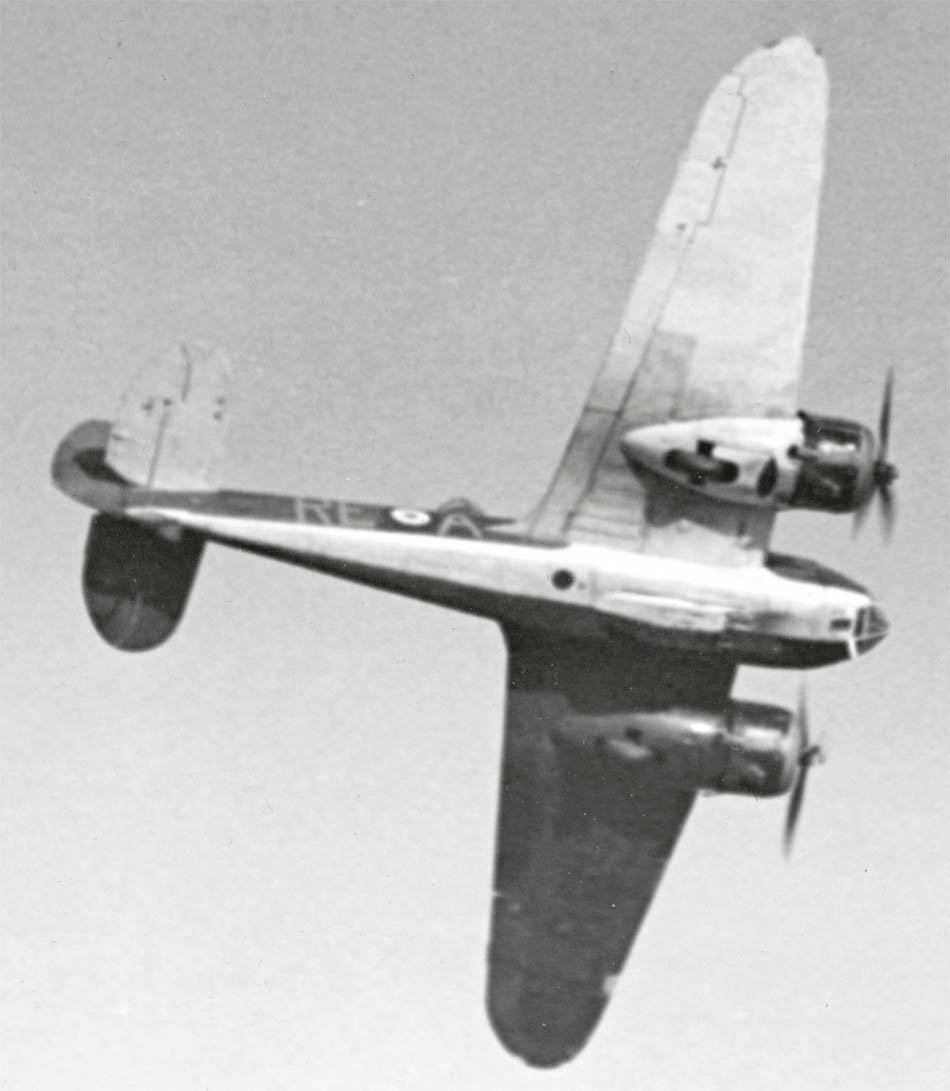 Blenheim I(IV)F |
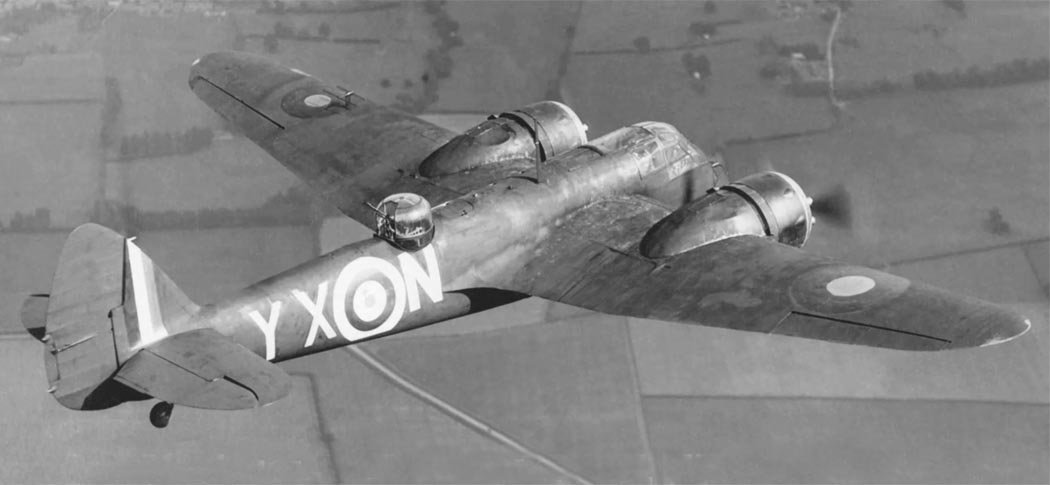 Blenheim I(IV)F |
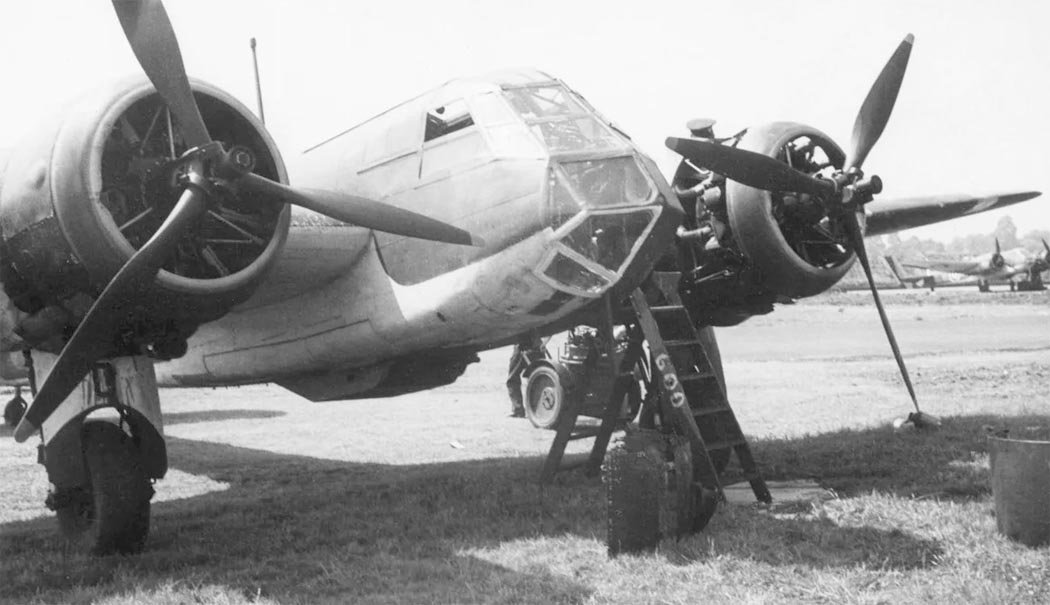 Blenheim I(IV)F |
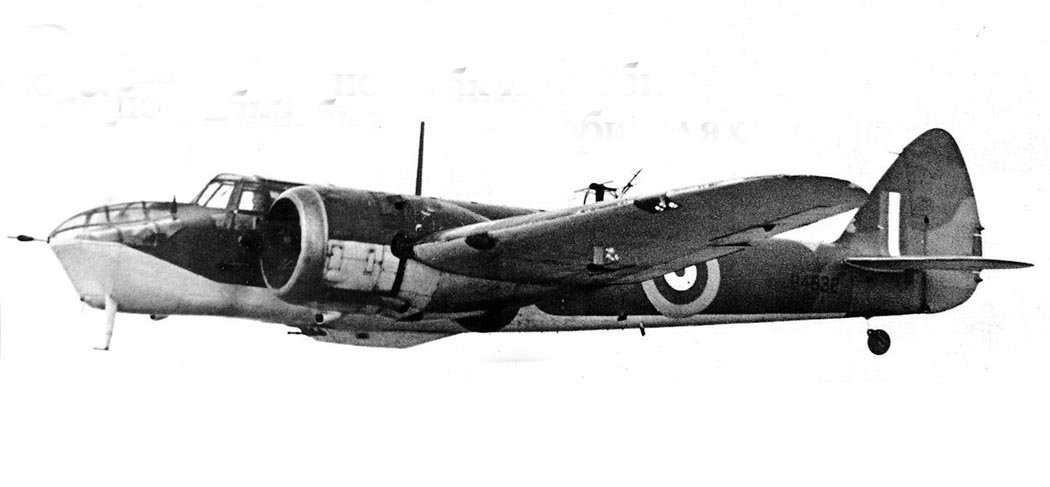 Blenheim I(IV)F |
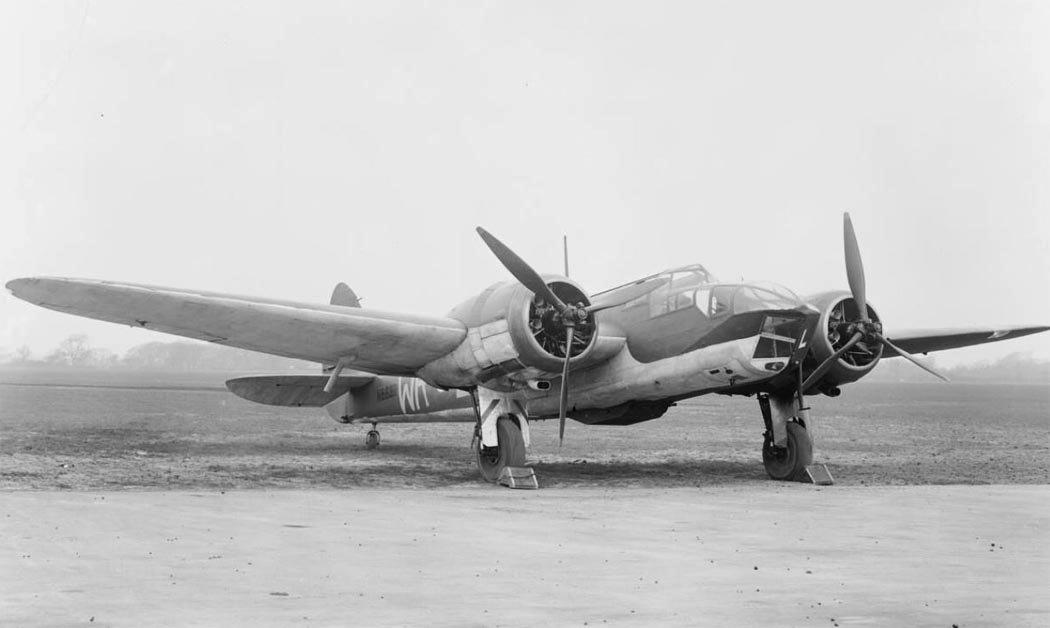 Blenheim I(IV)F |
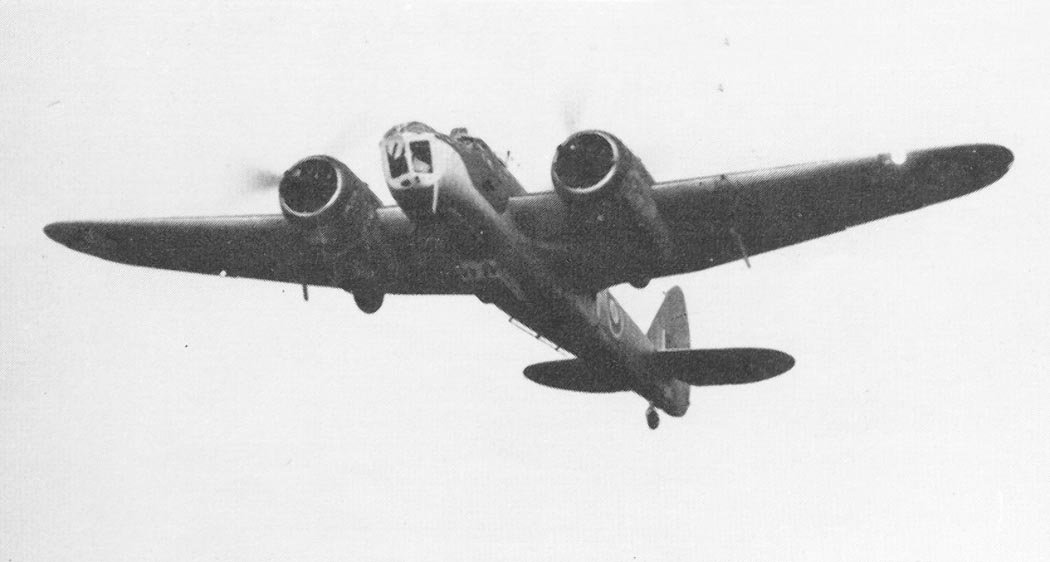 Blenheim I(IV)F |
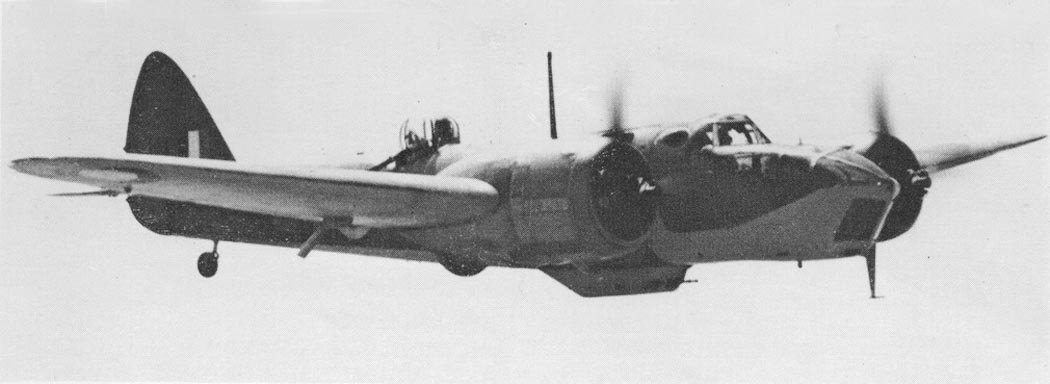 Blenheim I(IV)F |
 Blenheim I(IV)F |
 Blenheim I(IV)F |
 Blenheim I(IV)F |
 Blenheim I(IV)F |
 Blenheim I(IV)F |
 Blenheim I(IV)F |
 Blenheim I(IV)F |
 Blenheim I(IV)F |
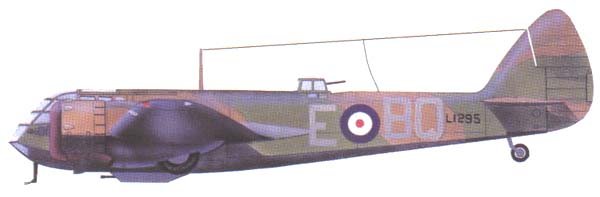 Blenheim I(IV)F |
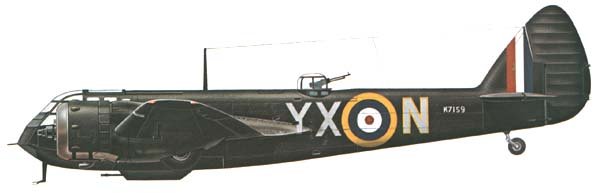 Blenheim I(IV)F |
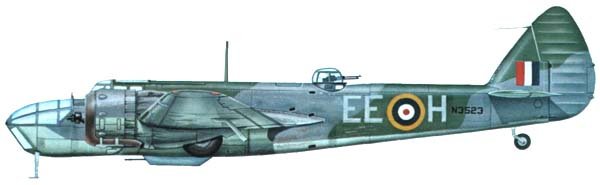 Blenheim I(IV)F |
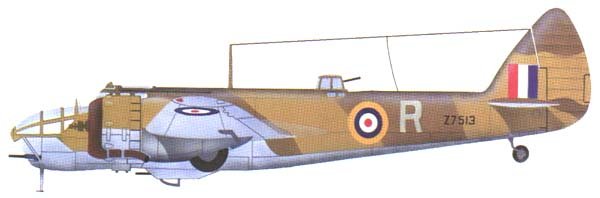 Blenheim I(IV)F |