
Early Tandem Aviation Development
In the early 20th century, the first aircraft took to the skies. Among the great diversity of aircraft designs from the first decade of practical aviation development, the “tandem” configuration stands out. In 1907, Louis Blériot built an aircraft of this configuration in France.
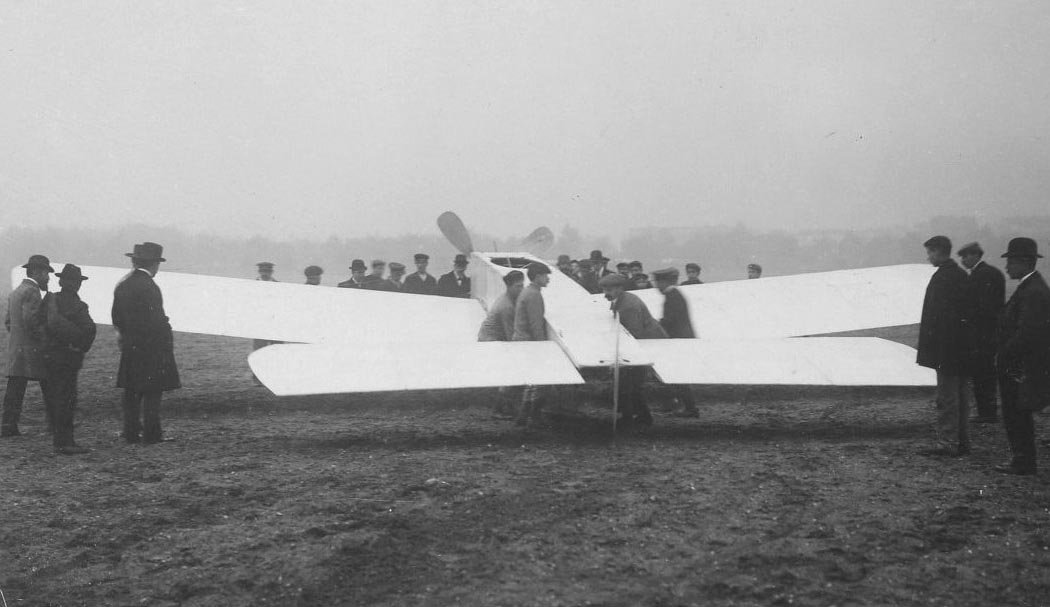
At the time, the “tandem” design was popular among French model aircraft enthusiasts due to its good stability. After failing with a “canard” monoplane design, Blériot decided to choose this layout for his new aircraft, which was named Blériot VI “Libellule” (“Dragonfly”).
Both wings had an identical span of 5.9 meters and a significant transverse V-shape. At the rear of the fuselage, there was a vertical fin and a rudder. Blériot installed elevons on the front wing in the form of pivoting wingtips.
Innovative Controls and Flight Challenges
However, because their lever arm relative to the center of mass was small, the effectiveness of the elevons as elevators proved too low. Therefore, the designer was forced to simultaneously apply a balance control method: the pilot’s seat was equipped with wheels and could move back and forth along the cockpit. A 24 hp (18 kW) Antoinette engine powered a tractor propeller.
Tests of the Blériot VI began in July 1907, with L. Blériot and L. Peyre as pilots. F. Ferber, one of the pioneers of French aviation, who closely followed the work of his compatriots, wrote: “Highly successful flights of 100 to 150 meters were made on this aircraft and, in the opinion of all eyewitnesses, Blériot could be proud of his successes.”
But instead of giving a larger area to the elevator (as the elevator was then called), it occurred to the inventor that the airplane suffered from a lack of power, and he installed a 16-cylinder, 50 hp Antoinette engine. The apparatus became slightly heavier but gained an excess of power, which, however, did not allow it to cope better than before with the aircraft’s tendency to rear up, caused precisely by this surplus.
The September 17 Incident and Recognition
This happened on September 17, when the airplane rose to the height of a fourth floor but then descended quite sharply. Blériot had the presence of mind to move forward during the ascent to reduce the angle of attack and backward during the descent to increase that angle.
Thanks to this, he only suffered slight bruises, and the aeroclub awarded him a special medal for the distance covered of 184 meters.
Technical Specifications
| Modification | Bleriot VIbis |
| Wingspan, m | 7.20 |
| Length, m | 7.00 |
| Wing area, m2 | 20. 00 |
| Normal takeoff weight | 430 |
| Engine type | 1 Piston engine Antoinette |
| Power, hp | 1 x 50 |
| Crew | 1 |
Image and diagram gallery of the Bleriot VI Libellule
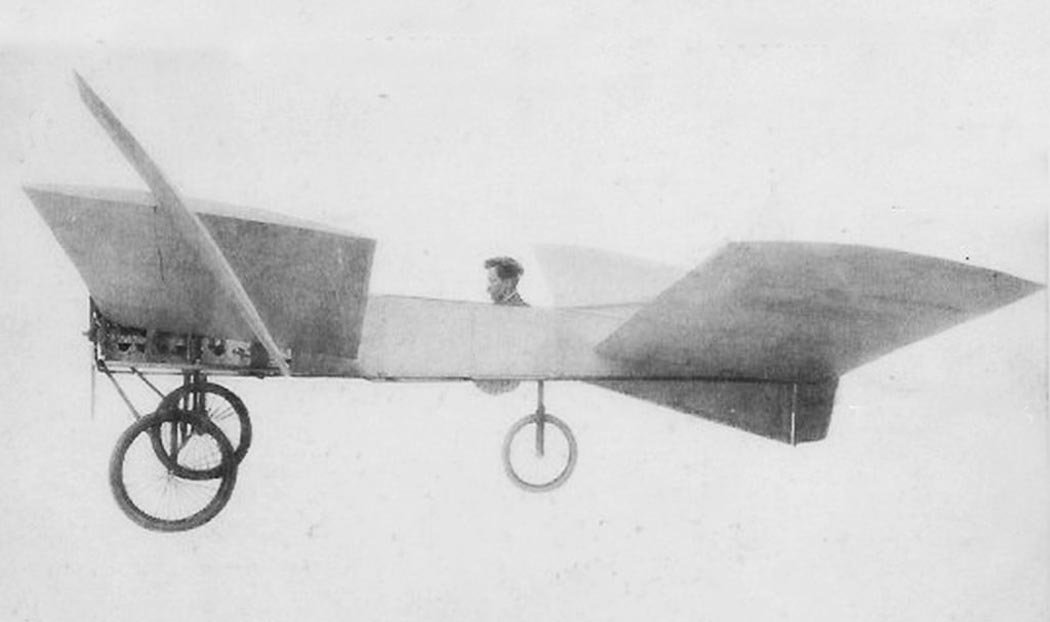 Bleriot VI Libellule |
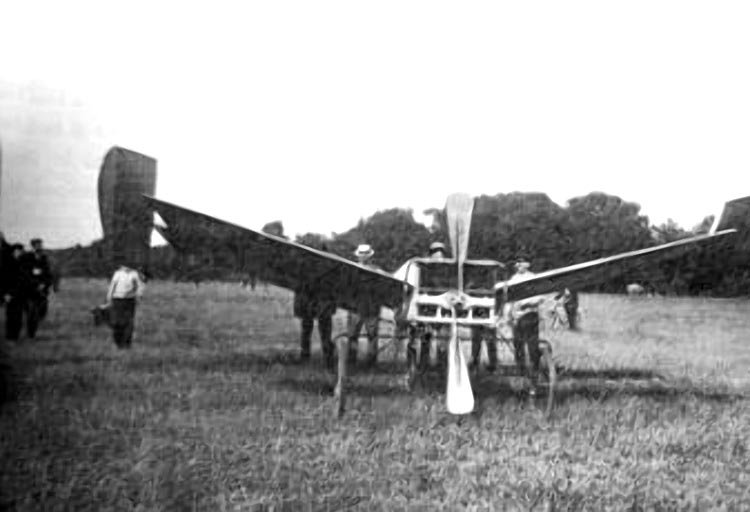 Bleriot VI Libellule |
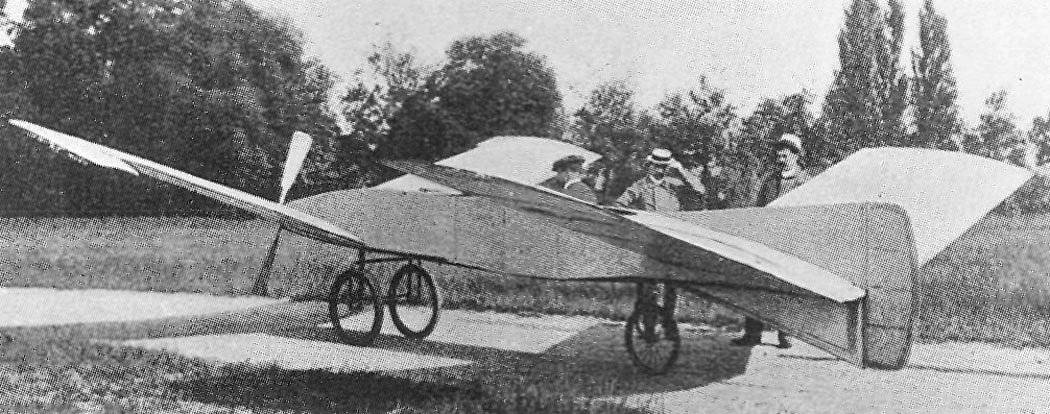 Bleriot VI Libellule |
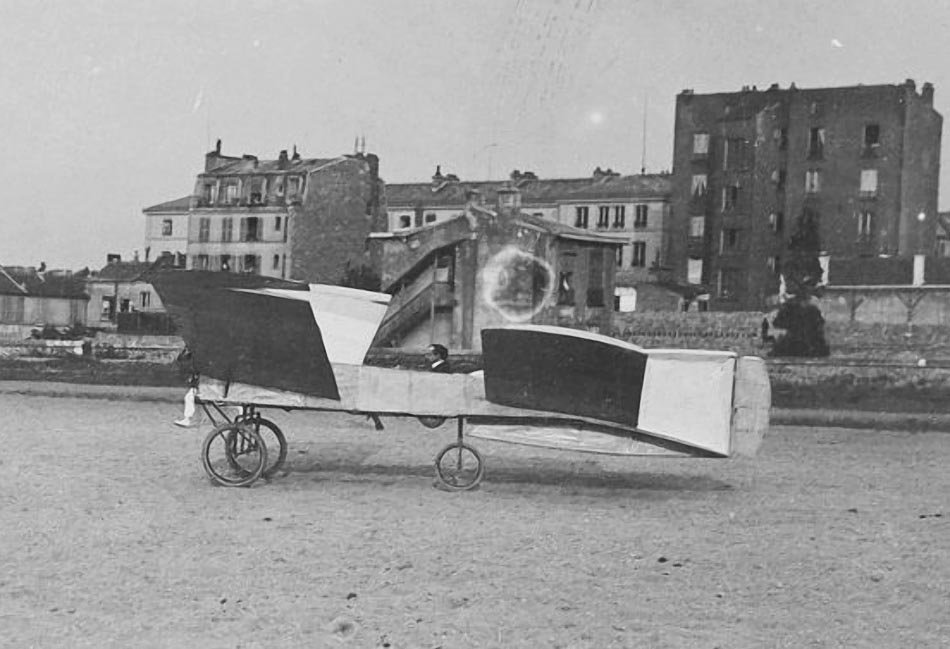 Bleriot VI Libellule |
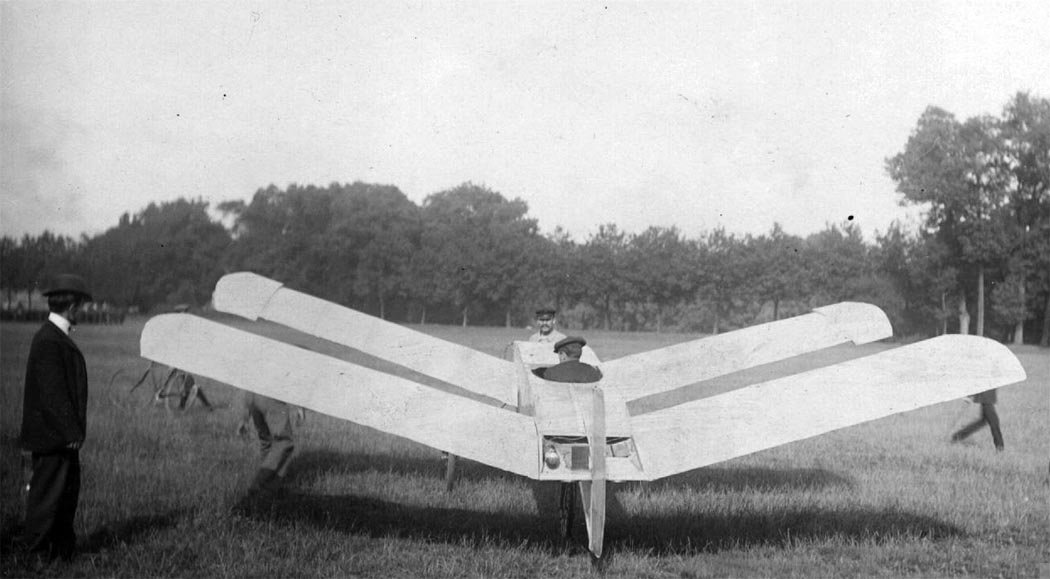 Bleriot VI Libellule |
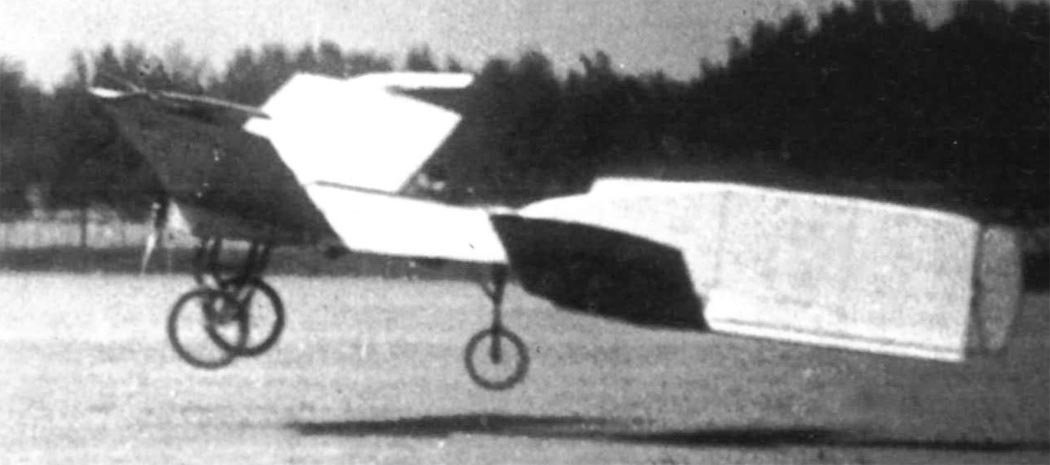 Bleriot VI Libellule |
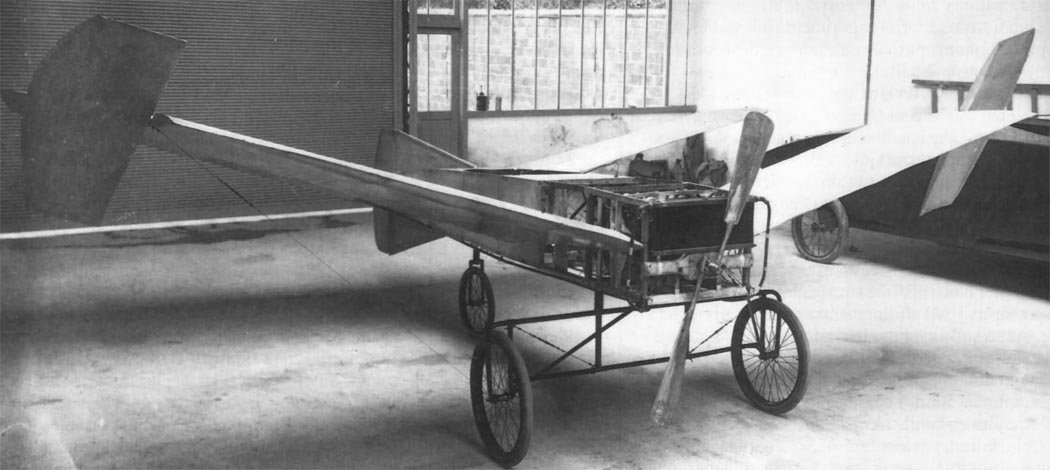 Bleriot VI Libellule |
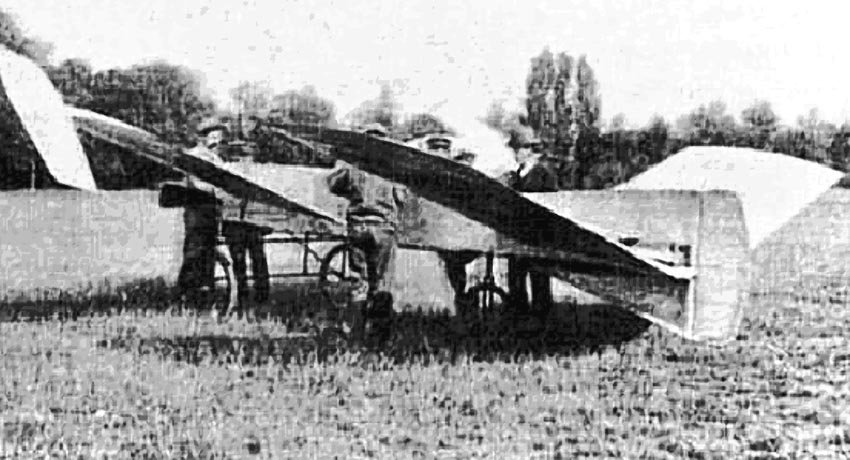 Bleriot VI Libellule |
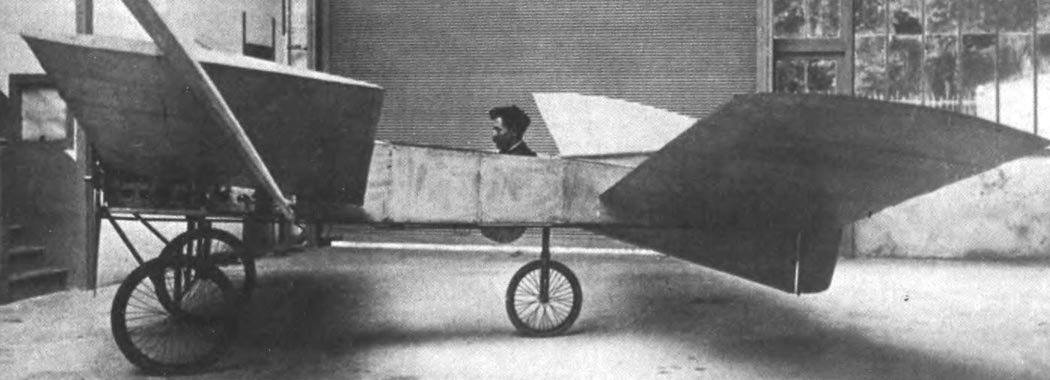 Bleriot VI Libellule |
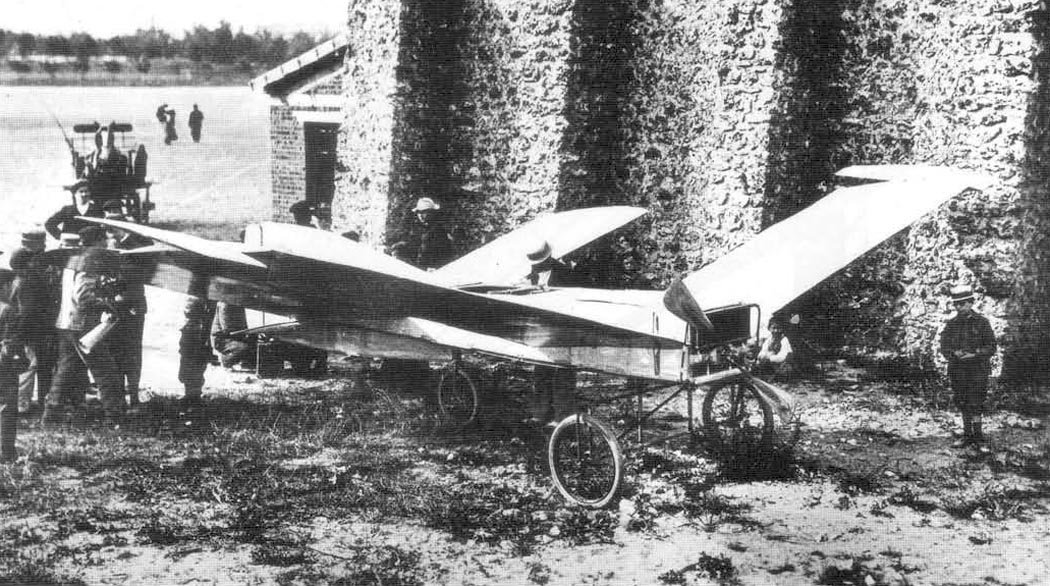 Bleriot VI Libellule |
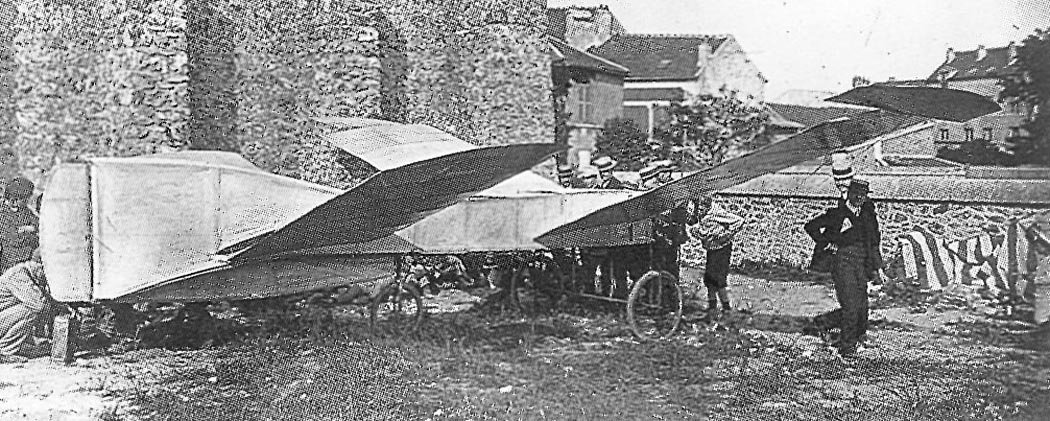 Bleriot VI Libellule |
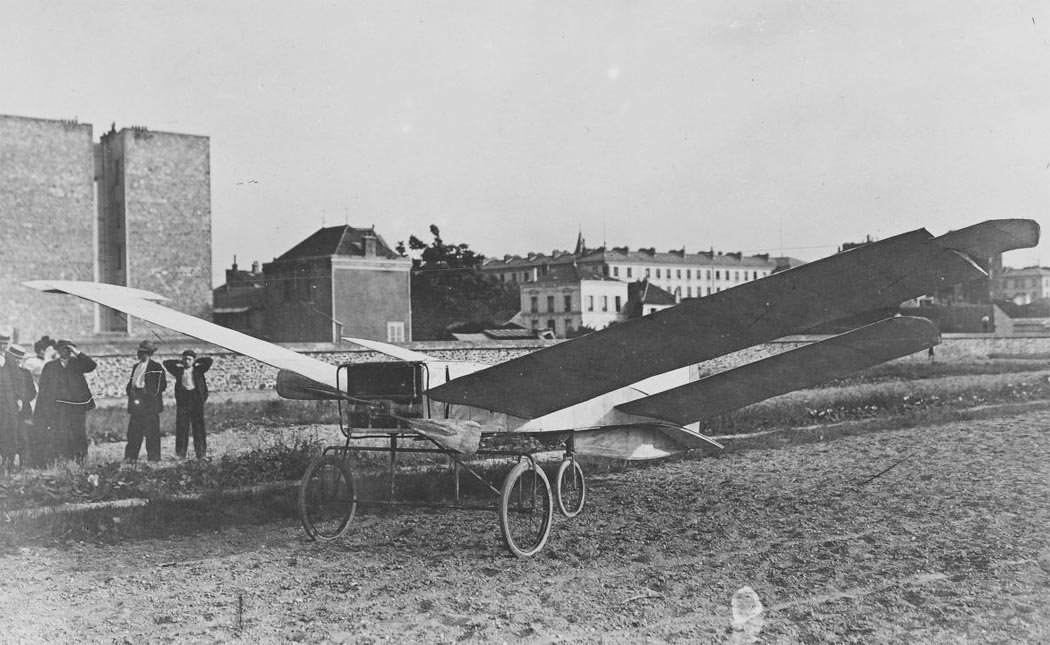 Bleriot VI Libellule |
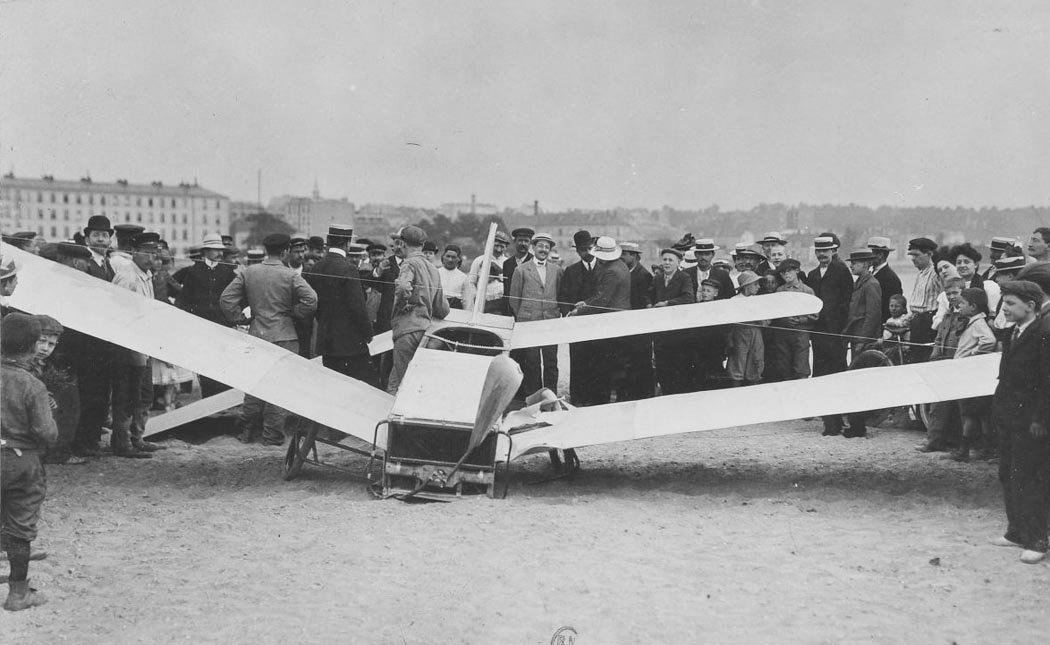 Bleriot VI Libellule |
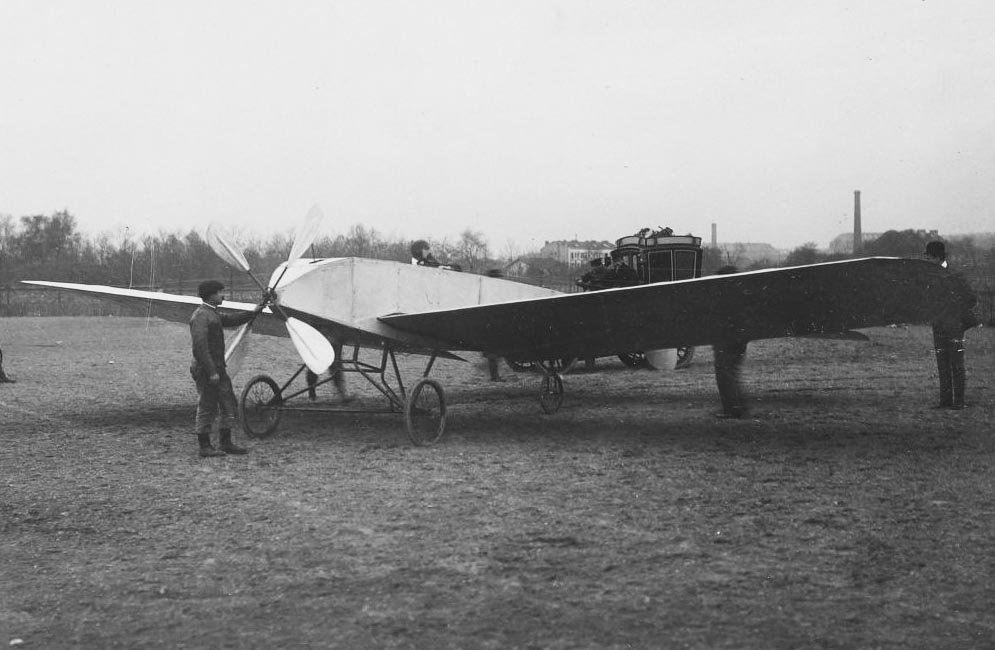 Bleriot VI Libellule |
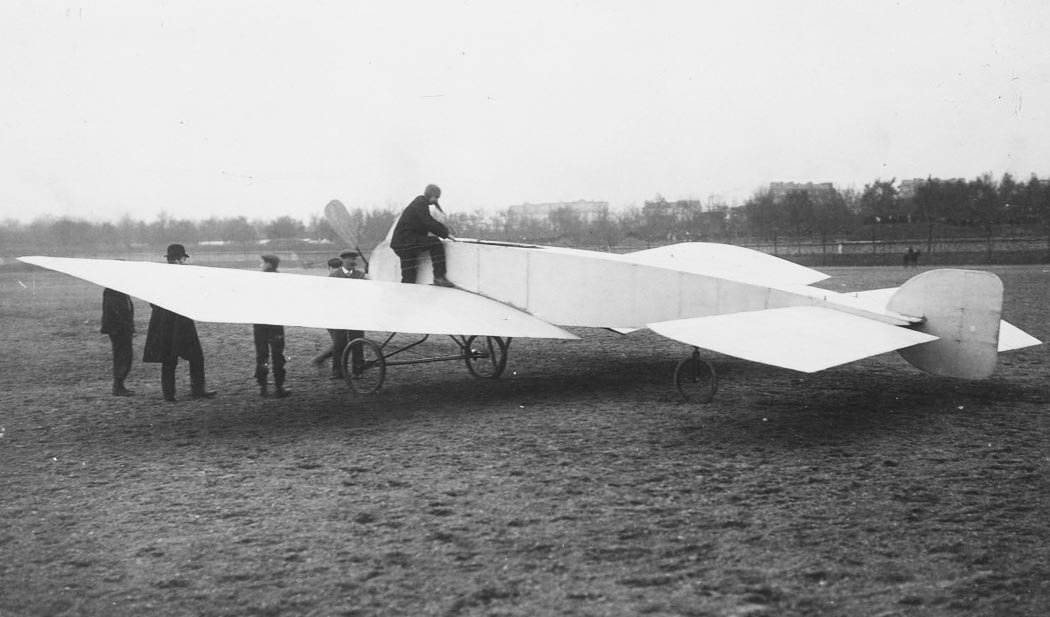 Bleriot VI Libellule |
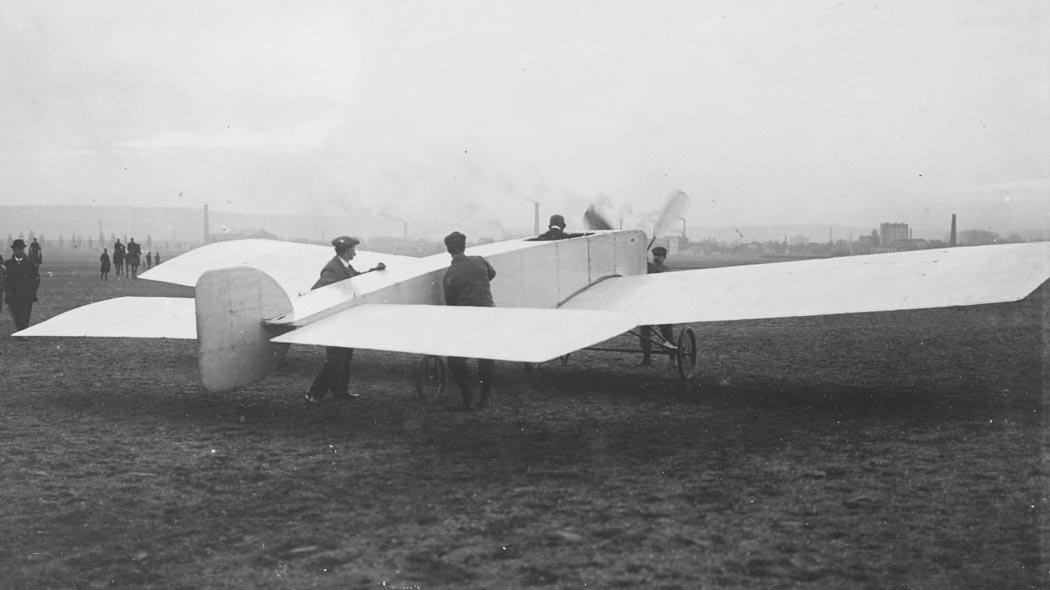 Bleriot VI Libellule |
 Bleriot VI Libellule |