
Henri Coandă was a Romanian who received his engineering education in France, primarily under the guidance of the famous Eiffel, who built Europe’s first wind tunnel. At the 1910 Paris Air Show, Coandă presented a biplane of his design that featured a small-diameter propeller enclosed in an annular duct instead of a conventional propeller. Although this aircraft could not fly, the designer needed to secure authorship for his unusual propulsion system.
In January 1912, Coandă began working for the “Bristol” company. His first British project was a conventional two-seater monoplane, equipped with a 50 hp (37 kW) Gnome rotary engine. On the second example of this aircraft, which later became the Bristol Coanda School Monoplane, the tandem seating arrangement was changed to an in-line configuration within a slightly widened fuselage, and dual controls were installed. In 1913, 11 more machines of this type were built, five of which had tandem seating and six with in-line seating.
The Military Monoplane Competition
In May 1912, the War Office published requirements for a standard aircraft to equip the British Army’s air forces, demanding that all machines submitted for the competition be ready for trials in just two months. Naturally, this time was insufficient to create an aircraft “from scratch,” especially as the prize money was only 5000 pounds. However, Coandă was already designing new military monoplanes, and “Bristol” submitted two of them to the competition along with a pair of Gordon England G.E.2 biplanes.
Both of Coandă’s aircraft were equipped with new 80 hp (60 kW) Gnome rotary engines. During their creation, Coandă aimed to reduce drag; he replaced the typical pyramidal “cabanes” made of tubes for securing bracing wires and struts, common in that period, with a pair of steel pylons featuring wooden fairings. During the trials, the Coanda Military Monoplanes performed well, and the military acquired both aircraft.
However, when one of them crashed during a ferry flight, the War Department imposed a ban (which lasted almost five months) on the use of monoplanes in the Royal Flying Corps (RFC). The ban ended hopes for large aircraft sales in the UK, but 20 more machines of this type with increased wingspan were subsequently built. Most of these were sold to Romania and Italy, though a few also went to the RFC.
“The Elephant” Project
The aircraft “The Elephant” proved unsuccessful for Coandă; the construction of its single example was completed in September 1912. Equipped with a 70 hp (53 kW) Daimler-Mercedes engine, this machine was intended to compete with the Etrich and DFW monoplanes used by the Kaiser’s army aviation.
Technical Specifications
| Modification | Bristol School monoplanes |
| Wingspan, m | 12.19 |
| Length, m | 8.23 |
| Height, m | 2.13 |
| Wing area, m2 | 25.55 |
| Empty weight | 349 kg |
| Maximum takeoff weight | 499 kg |
| Engine type | 1 Piston engine Gnome |
| Power, hp | 1 x 50 |
| Maximum speed, km/h | 111 |
| Cruising speed, km/h | 82 |
| Crew | 2 crew members |
Image and diagram gallery of the Bristol Coanda Monoplanes
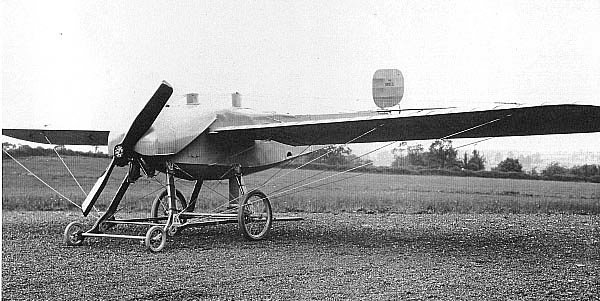 Bristol Coanda Monoplanes |
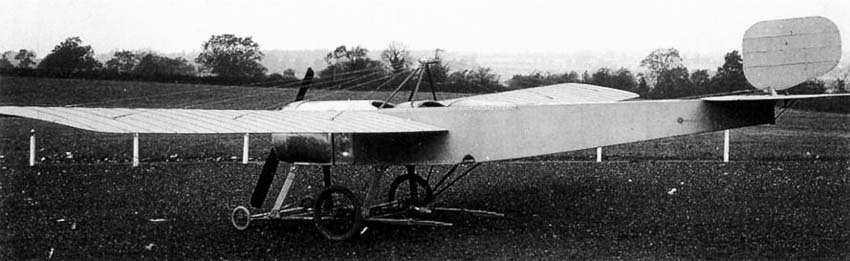 Bristol Coanda Monoplanes |
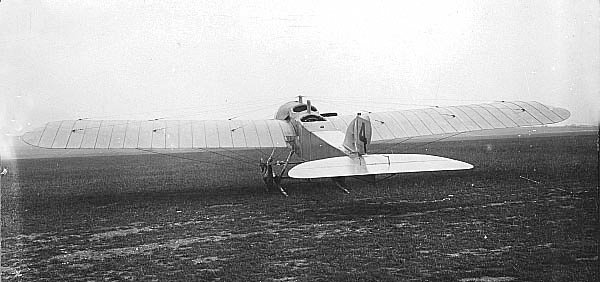 Bristol Coanda Monoplanes |
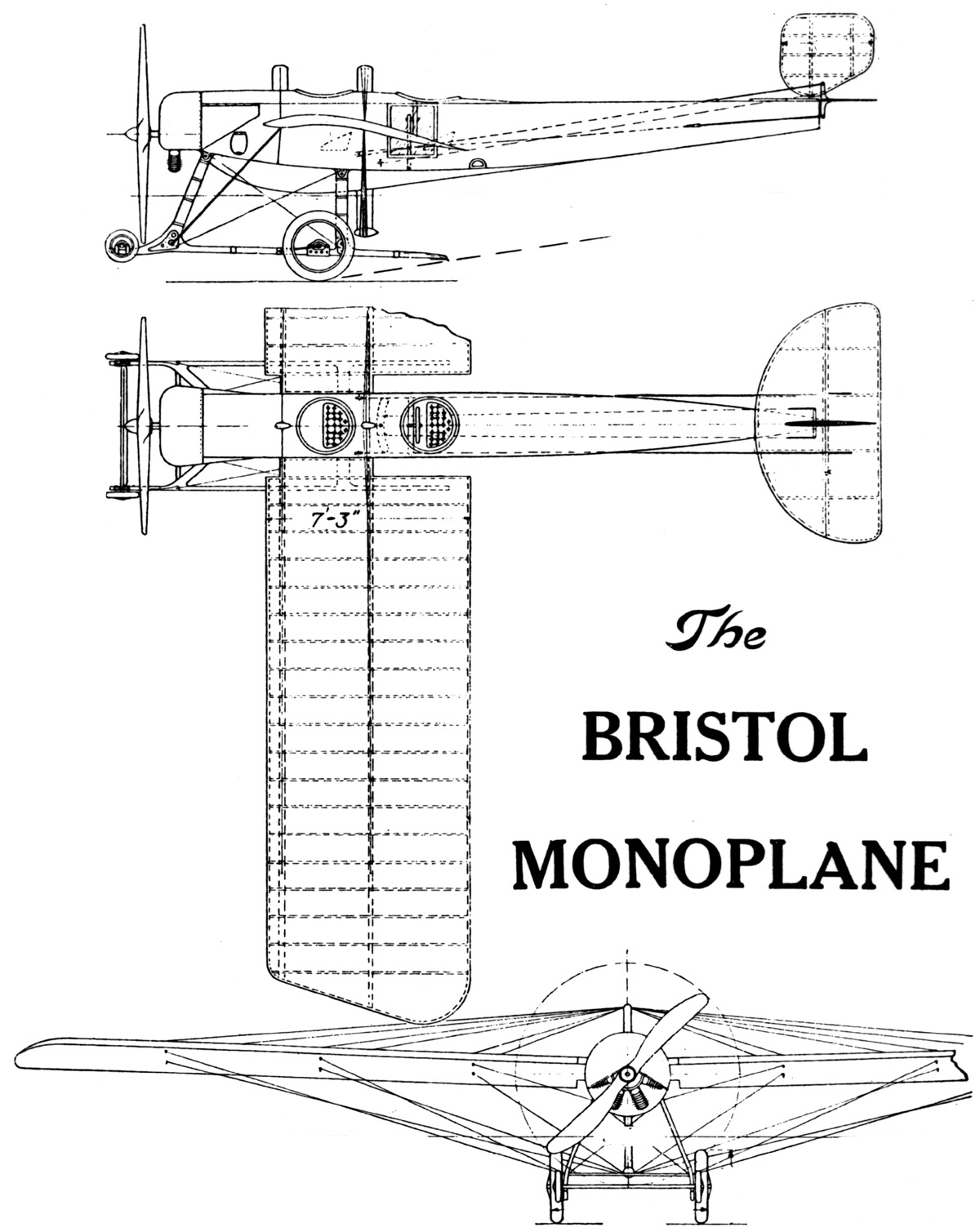 Bristol Coanda Monoplanes |