
Pioneering All-Metal Design
The Bristol Type 13 M.R.1 reconnaissance aircraft was ingeniously designed by Captain Frank Barnwell. This aircraft achieved a significant milestone, becoming the very first all-metal aircraft produced by British and Colonial Aeroplane Co. Ltd, a company that would later be known as Bristol Aeroplane Company Ltd. Its innovative construction notably featured the use of thin duralumin sheets.
Development and Engine Evolution
Only two prototypes of this advanced aircraft were manufactured. Initially, these prototypes were outfitted with a 140 hp Hispano-Suiza engine. The Bristol M.R.1 conducted its inaugural flight on October 23, 1917, marking a crucial step in its development.
Following the commencement of its test flights, a more powerful engine, the 180 hp Worseley Viper, was installed almost immediately to enhance its performance. Although the M.R.1 ultimately did not proceed to mass production, its creation stood as a considerable technical achievement for its period, pushing the boundaries of aviation technology.
Technical Specifications
| Modification | M.R.1 |
| Wingspan, m | 12.85 |
| Length, m | 8.23 |
| Height, m | 3.13 |
| Wing area, m2 | 42.55 |
| Empty weight | 771 |
| Normal takeoff weight | 1275 |
| Engine type | 1 Piston engine Worseley Viper |
| Power, hp | 1 x 180 |
| Maximum speed, km/h | 177 |
| Cruising speed, km/h | 147 |
| Flight endurance, h | 5 |
| Crew | 2 |
Image and diagram gallery of the Bristol Type 13 M.R.1
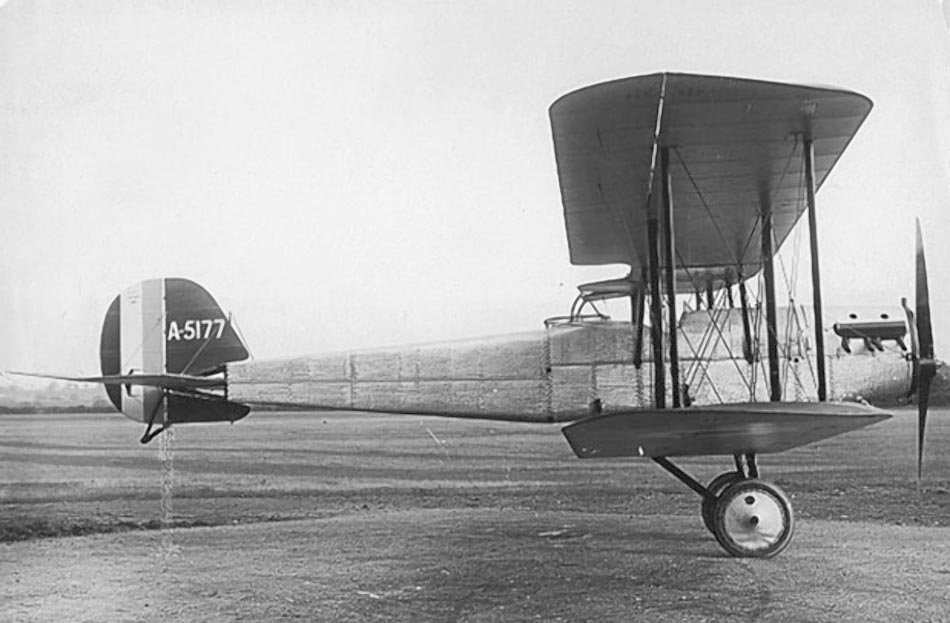 Bristol M.R.1 |
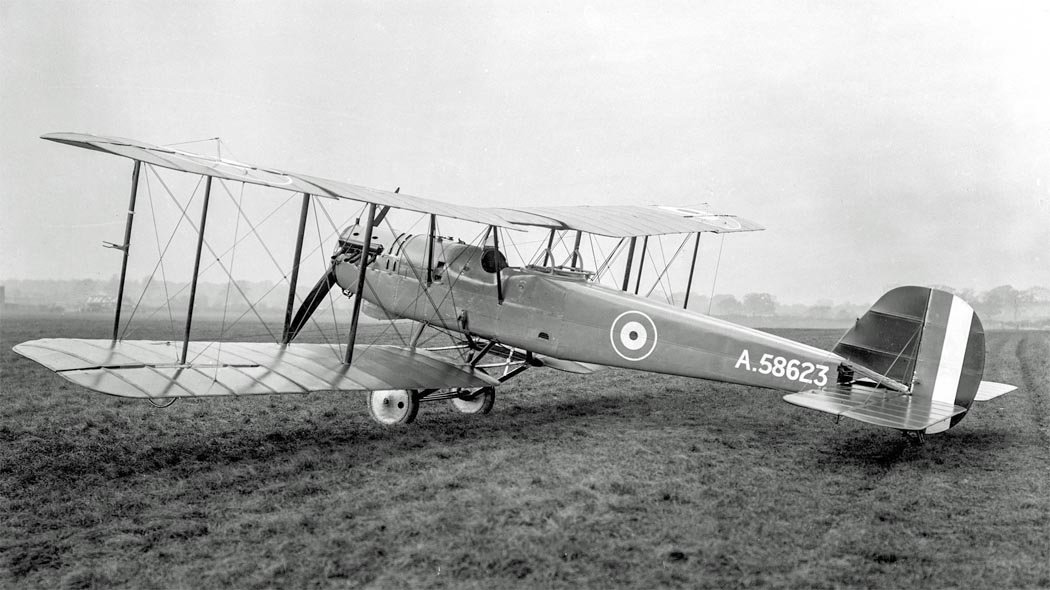 Bristol M.R.1 |
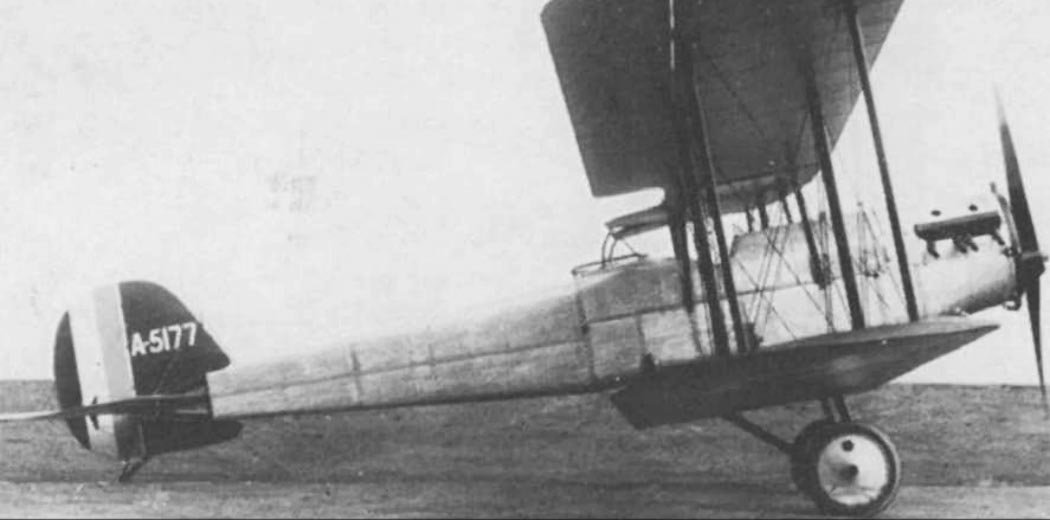 Bristol M.R.1 |
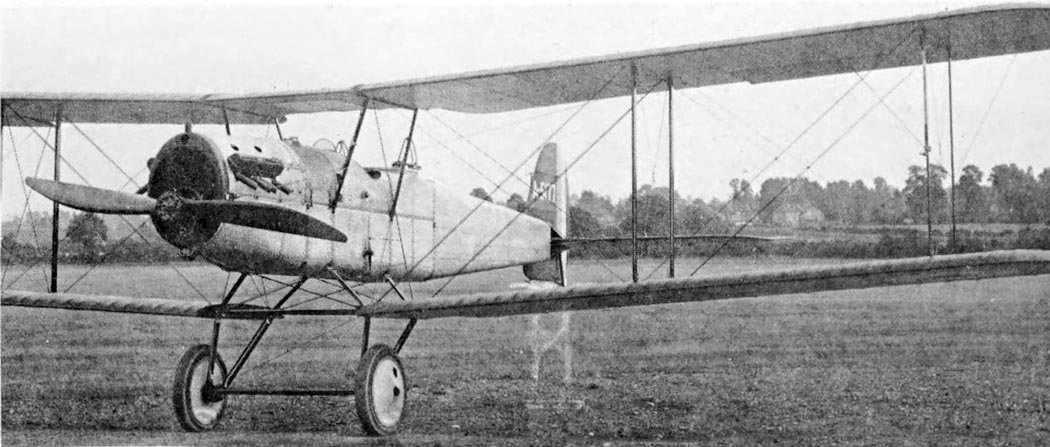 Bristol M.R.1 |
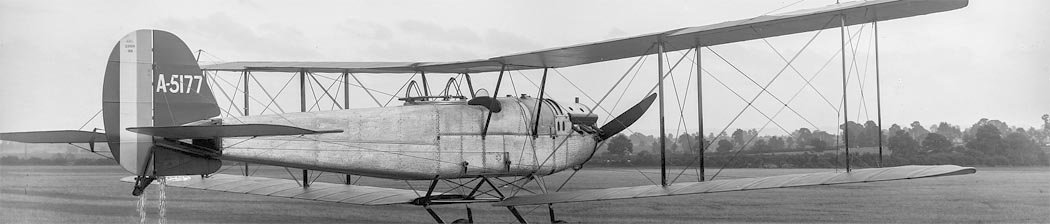 Bristol M.R.1 |
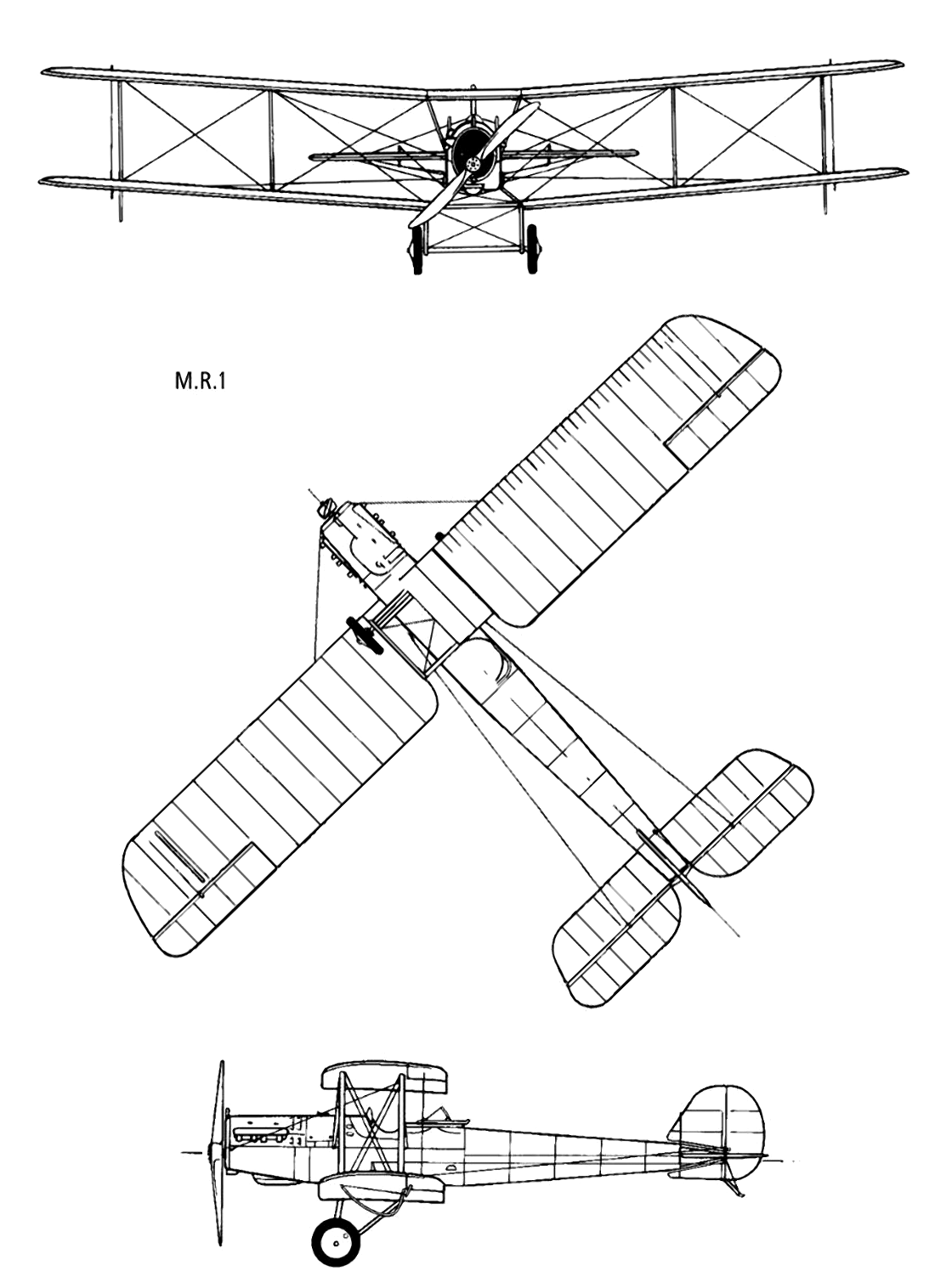 Bristol M.R.1 |
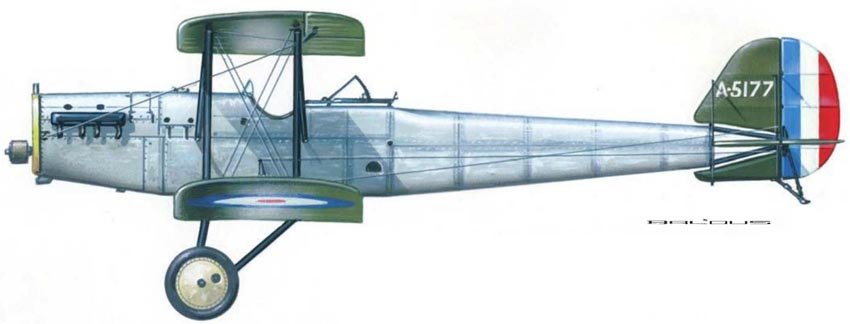 Bristol M.R.1 |