
Early Challenges and Tactical Evolution
The F.2A’s baptism of fire was not entirely successful. Of six aircraft dispatched for patrol, only two returned to base, and one of these crashed upon landing. The others were shot down by “Albatros D.III” fighters from Manfred von Richthofen’s Jasta 11. Several other attempts to employ the F.2A aircraft also ended in failure.
The string of failures was broken only by arming the aircraft with a second machine gun in the rear cockpit and, crucially, by changing combat tactics. The “Bristol F.2A” aircraft became a formidable opponent even for German fighters. One of the best pilots proved to be Canadian Lieutenant A.E. McKeever, who, flying with observer Lieutenant L.T. Powell, shot down over a dozen German aircraft.
The Redoubtable F.2B Fighter
Aircraft armed with a second machine gun were designated as F.2B (Bristol Type 14). Additionally, the new aircraft differed from the F.2A with a lowered upper wing for improved visibility and an increased fuel capacity. With its appearance, it became the sole variant of the aircraft.
The first 150 machines were equipped with a 140 kW “Rolls-Royce Falcon I” engine, and the subsequent 50 received a 161 kW “Falcon II” engine. It soon became clear that it was a very successful machine, and the order was immediately increased to 5500 machines. However, it was not possible to build all the ordered machines, despite the fact that aircraft assembly was taking place at ten enterprises simultaneously. By the end of 1918, 3301 aircraft had been built, with another 378 produced in the post-war period.
After the war, F.2B aircraft were produced and used in the USA. F.2B aircraft could be fitted with various engines. In addition to those mentioned above, “Falcon III” engines (201 kW), “Hispano-Suiza” (Bristol Type 16), “Sunbeam Arab” (147 kW, Bristol Type 15), “Siddeley Puma” (169 kW), “Wolseley W.4A Viper” (147 kW), another “Hispano-Suiza” (220 kW, Bristol Type 17), and “RAF 4d” (148 kW) were used. Post-war American-built aircraft were fitted with high-power American engines like “Liberty”, “Wright”, and “Packard” (over 250 kW). However, the “Falcon III” was the most common engine.
The most suitable role for the F.2B machines proved to be active defense, i.e., escorting and covering heavy bombers. The F.2B was the most successful two-seater fighter of the First World War. Its high flight performance allowed it to engage in maneuvering aerial combat on equal terms with enemy single-seater aircraft, and the presence of a tail gun position provided an additional advantage.
Furthermore, the “Fighter” was distinguished by the high strength of its construction (the maximum permissible diving speed reached 390 km/h – a record for aircraft of that period). The aircraft was widely used on the Western Front until the end of the war. It was withdrawn from RAF service in 1932 (also a peculiar record). In 1919-20, 105 aircraft were sold to Poland, 50 to the USA, and 40 to Belgium. Spain, New Zealand, Mexico, and China purchased several copies each.
Experimentally, the F.2B aircraft was fitted with a 200 hp Salmson radial engine, resulting in the Type 22 F.2C; a 300 hp A.B.C. Dragonfly radial engine (Type 22A F.2C variant); and a 230 hp Bentley B.R.2 rotary engine (Type 22B F.2C variant). The Type 14 F.2B Mk II fighter was also developed, first taking to the air in December 1919 for ground cooperation roles, equipped with special gear for desert use and a cooling system for tropical climates. 435 of these aircraft were produced.
In the USA in 1917, after America’s entry into the war, the O-1 aircraft – a variant of the F.2B – began serial production. By December 1917, the Curtiss Aeroplane and Motors Company had received orders for 2000 aircraft.
Design and Technical Specifications
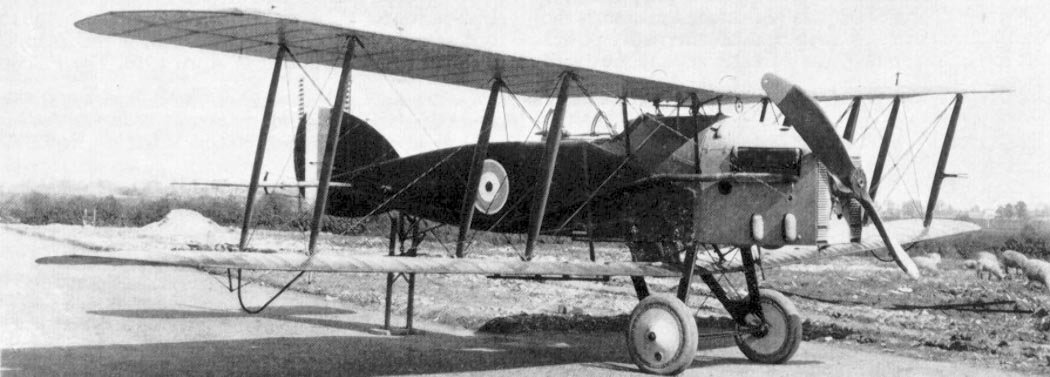
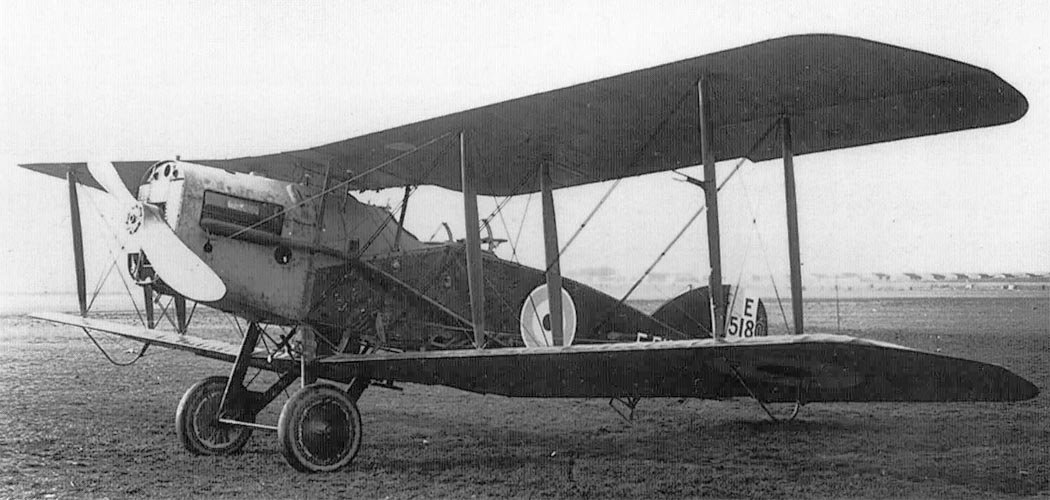
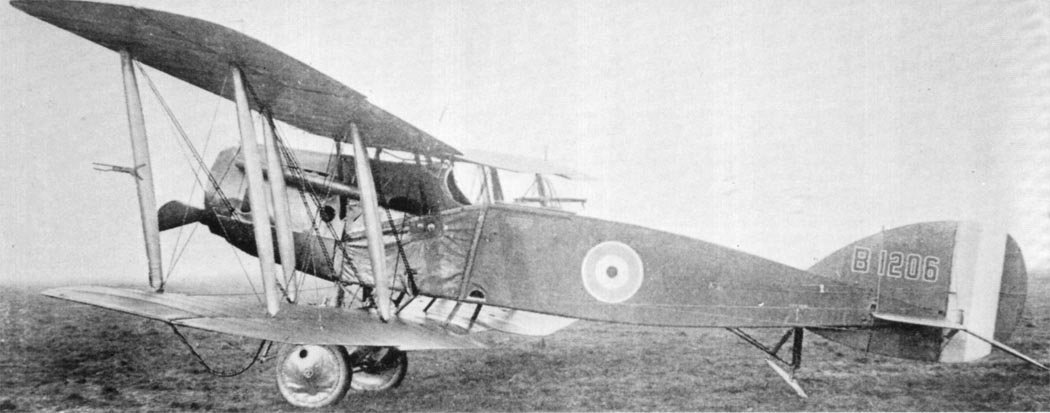
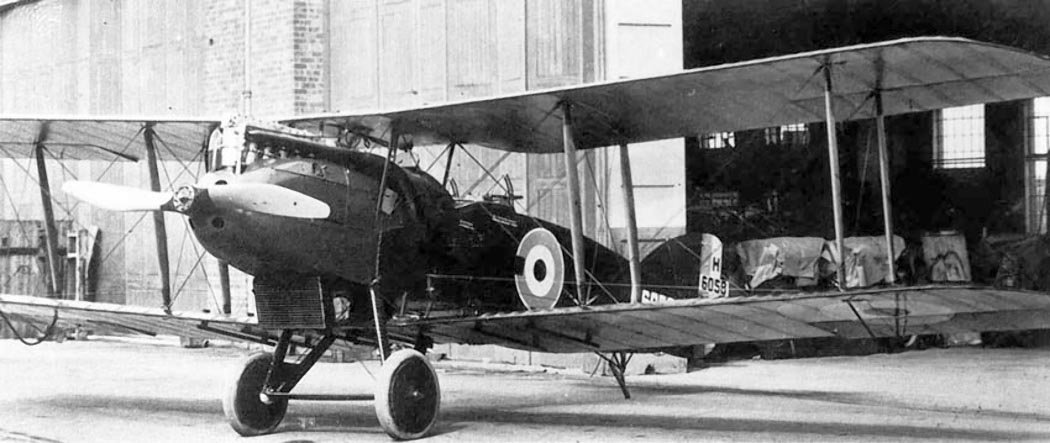
The “Bristol F.2B” aircraft was a single-engine, two-seater, two-bay biplane – a heavy fighter. The construction was entirely wooden. The rectangular-section fuselage frame was covered with aluminum sheeting up to the pilot’s cockpit, and thereafter with fabric. The two-spar wings consisted of three parts, with equal span and width.
The wings were rectangular in shape with rounded tips and a 4-degree dihedral. Spars and ribs were made of spruce, covered with fabric. Ailerons were present on both wings. Steel tube struts, profiled with aluminum sheet, connected the wings. Under the lower wings, there were safety skids that protected the wingtips from potential ground strikes during takeoff and landing. The upper wing was shifted forward by 400 mm relative to the lower. The tail unit was wooden, with fabric covering. The controls were unbalanced. The angle of attack of the horizontal stabilizer could be adjusted on the ground – a novel technical solution for that period. The control rods passed outside the fuselage.
The landing gear featured two struts, a common axle, and a rubber shock absorber. The tail skid had a pendulum and a shock absorber.
The engine was a 12-cylinder, in-line, V-type, liquid-cooled “Rolls-Royce Falcon III” with a power output of 202 kW. It featured a frontal radiator with adjustable louvers. The upper part of the radiator had a cutout through which the fixed forward-firing machine gun discharged. The propeller was either two- or four-bladed, made of wood. Long exhaust pipes, which also served as silencers, directed exhaust gases behind the crew cockpit. The main fuel tank, with a volume of 200 liters, was located in the fuselage behind the engine.
Armament consisted of one 7.7 mm “Vickers 09” machine gun, mounted on the fuselage along the longitudinal axis of symmetry and firing through an opening in the radiator and the propeller disk using a Constantinesco synchronizer, as well as a single or twin 7.7 mm “Lewis” machine gun on a “Scarff” ring mount in the observer’s cockpit. The total ammunition load was 1642 rounds. Under the wings, there were racks for 12 bombs with a total mass of up to 100 kg.
Technical Specifications
| Modification | F.2B |
| Wingspan, m | 11.96 |
| Length, m | 7.87 |
| Height, m | 2.97 |
| Wing area, m2 | 37.62 |
| Empty weight | 975 |
| Normal takeoff weight | 1261 |
| Maximum takeoff weight | 1474 |
| Engine type | 1 Piston engine Rolls-Royce Falcon III |
| Power, hp | 1 х 270 |
| Maximum speed, km/h | 198 |
| Cruising speed, km/h | 172 |
| Flight endurance, h | 3 |
| Service ceiling, m | 6553 |
| Crew | 2 |
| Armament | one synchronized 7.7 mm Vickers machine gun and one to three 7.7 mm Lewis machine guns on a flexible Scarff mounting in the rear cockpit; bombs weighing up to 12.9 kg (20 pounds) on underwing pylons with a total mass of up to 108.86 kg. |
Image and diagram gallery of the Bristol F.2B Fighter
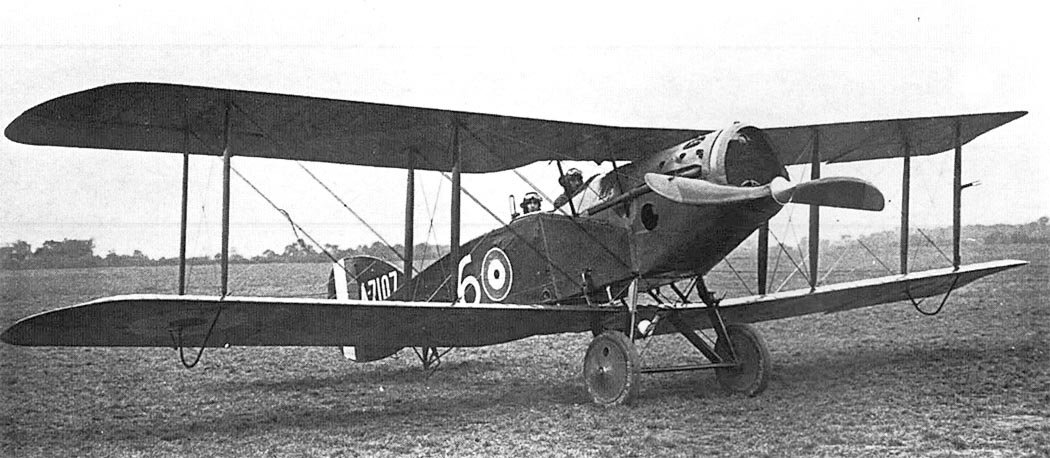 F.2B Fighter |
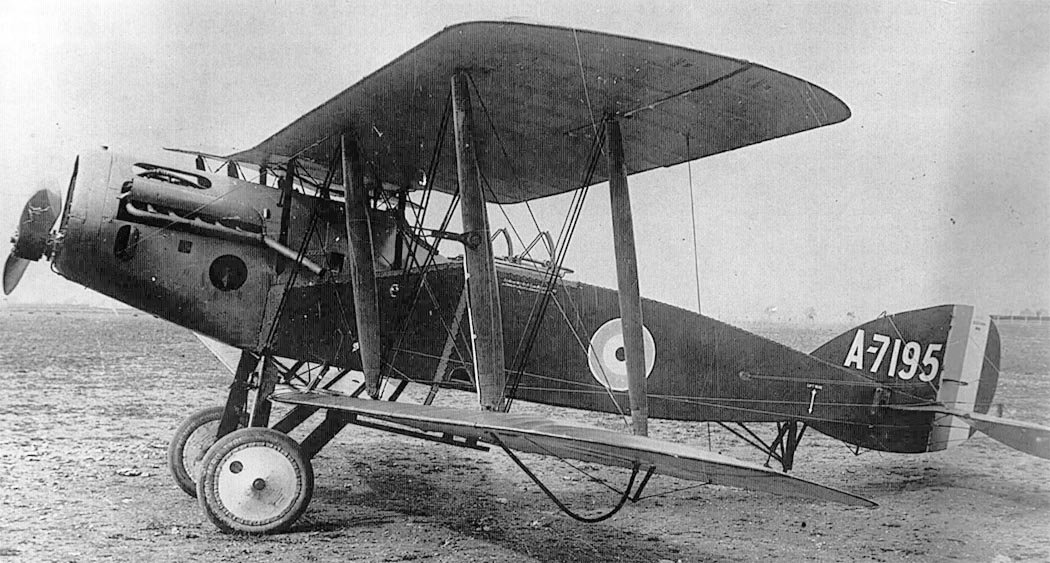 F.2B Fighter |
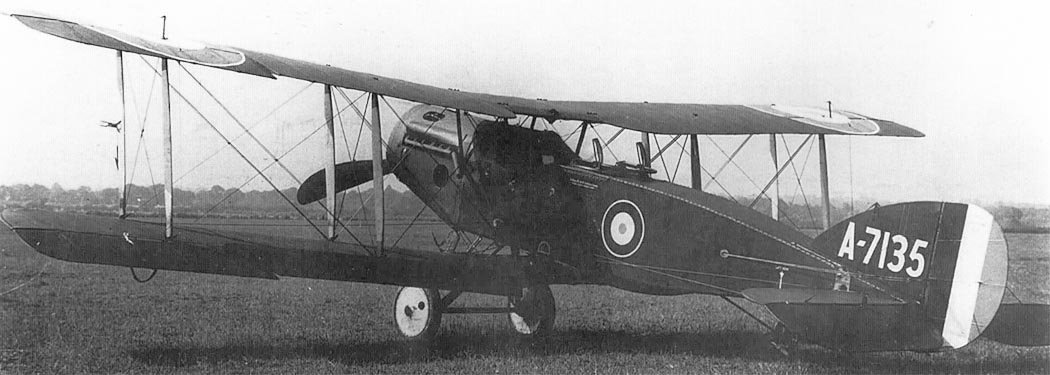 F.2B Fighter |
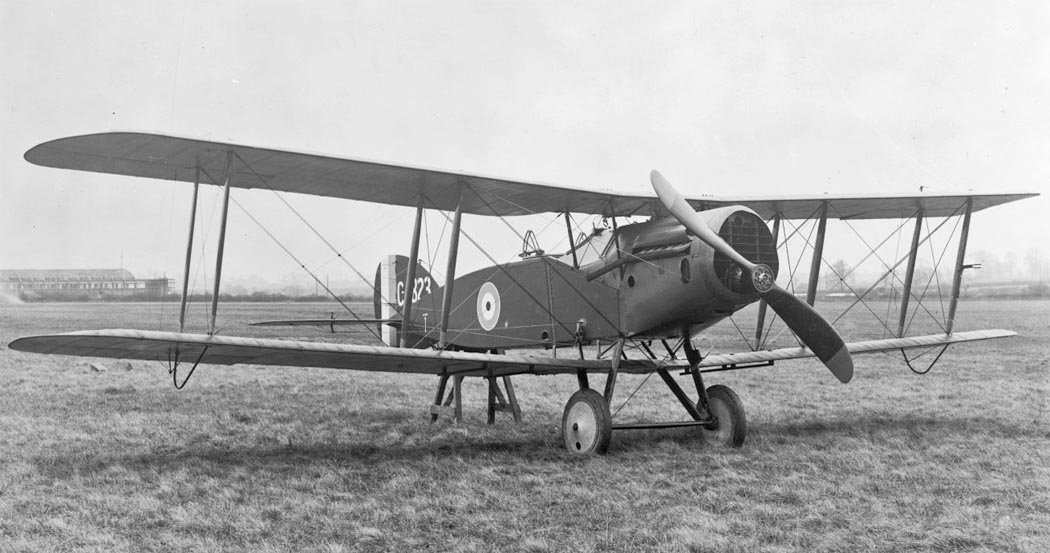 F.2B Fighter |
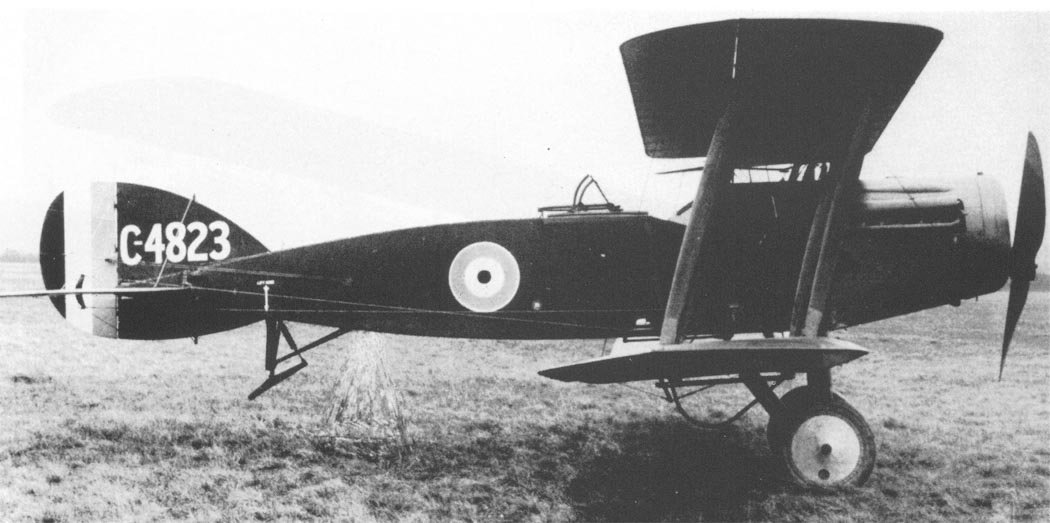 F.2B Fighter |
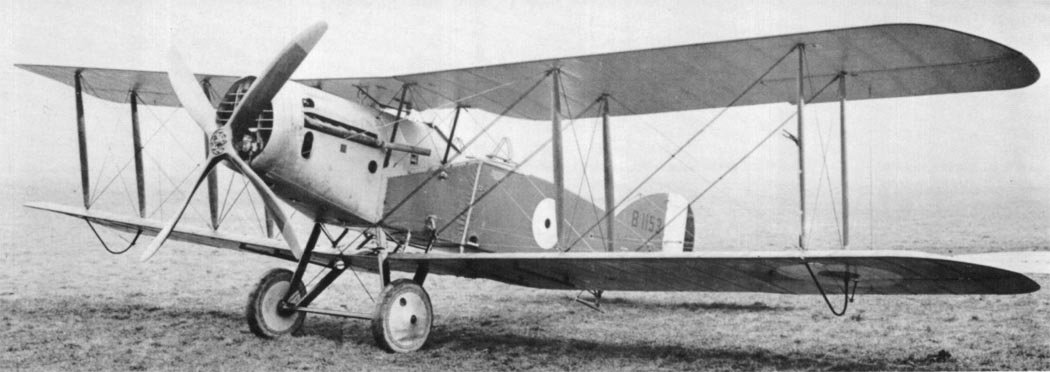 F.2B Fighter |
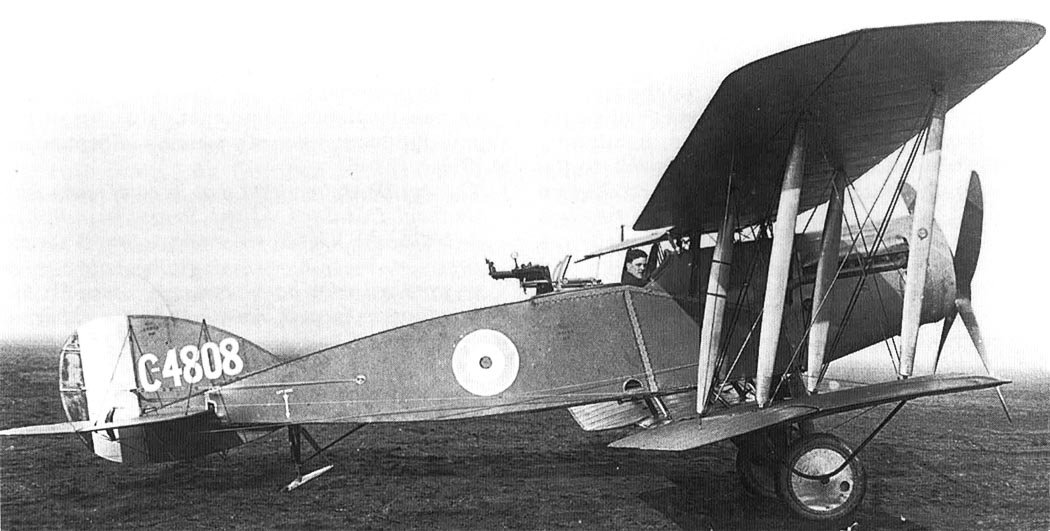 F.2B Fighter |
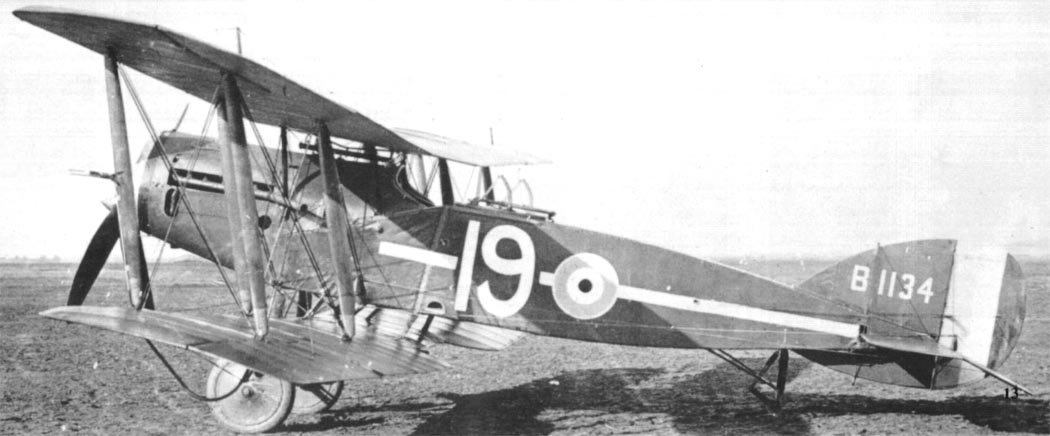 F.2B Fighter |
 F.2B Fighter |
 F.2B Fighter |
 F.2B Fighter |
 F.2B Fighter |
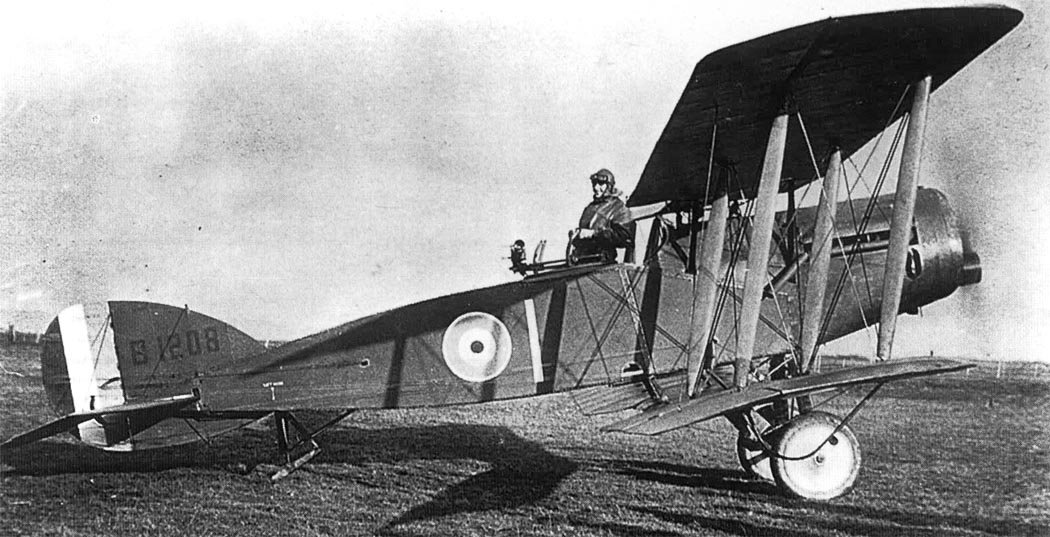 F.2B Fighter |
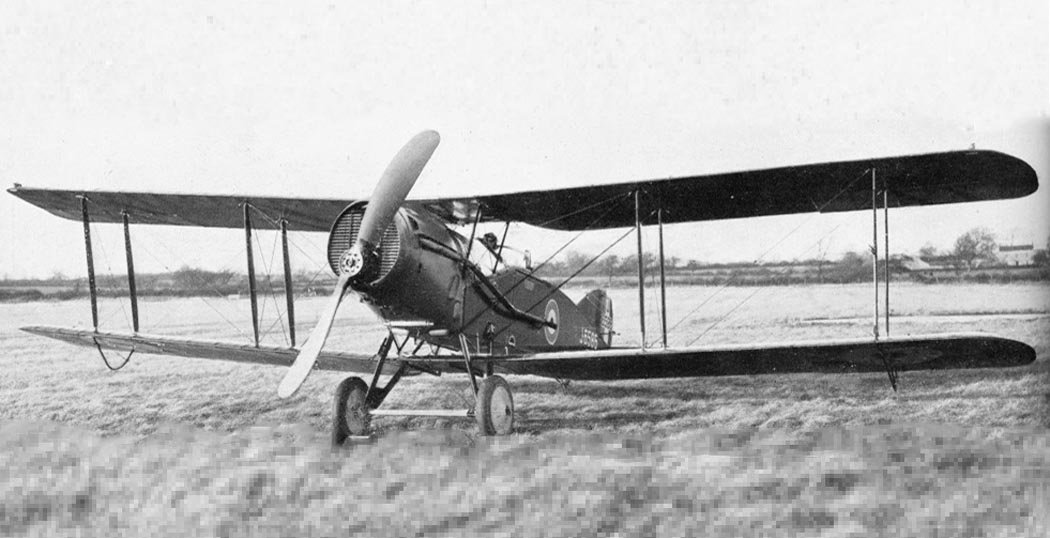 F.2B Fighter |
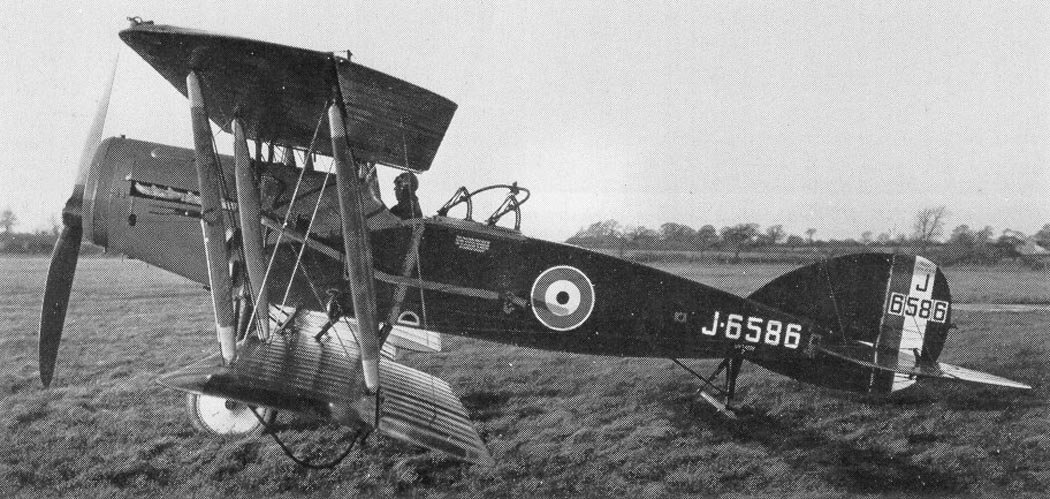 F.2B Fighter |
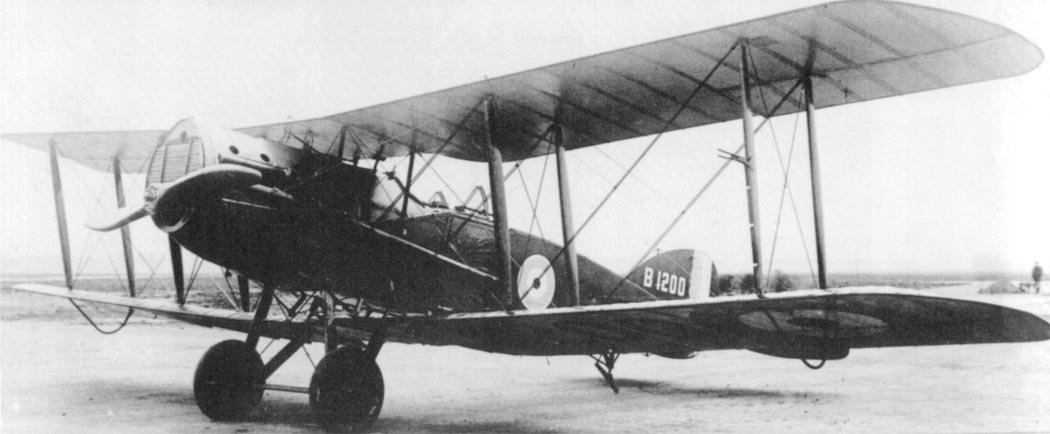 F.2B Fighter |
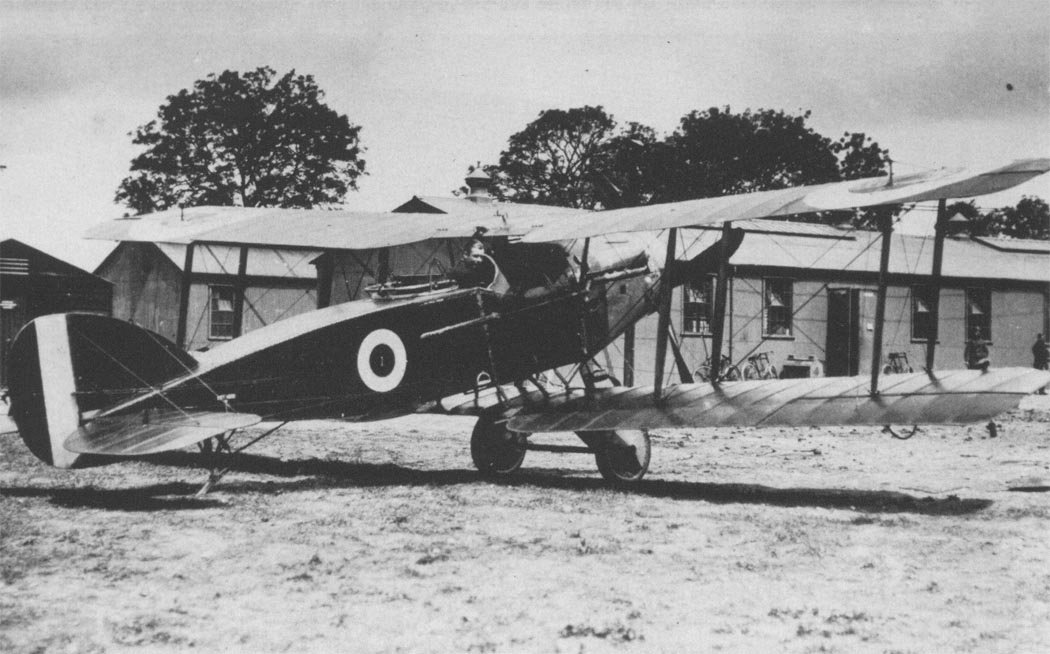 F.2B Fighter |
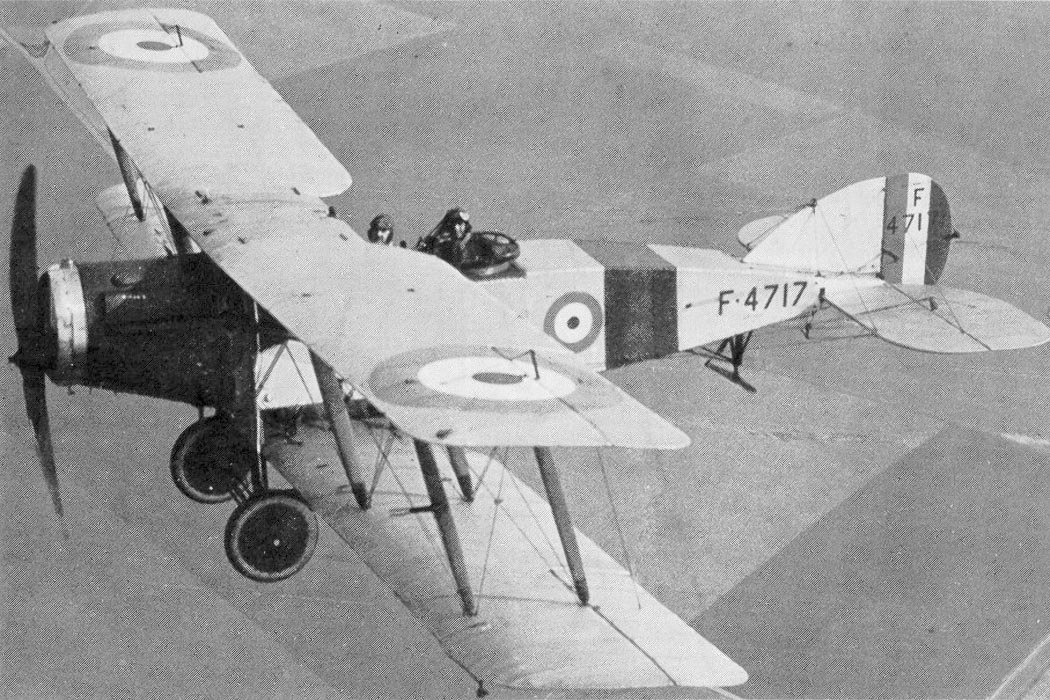 F.2B Fighter |
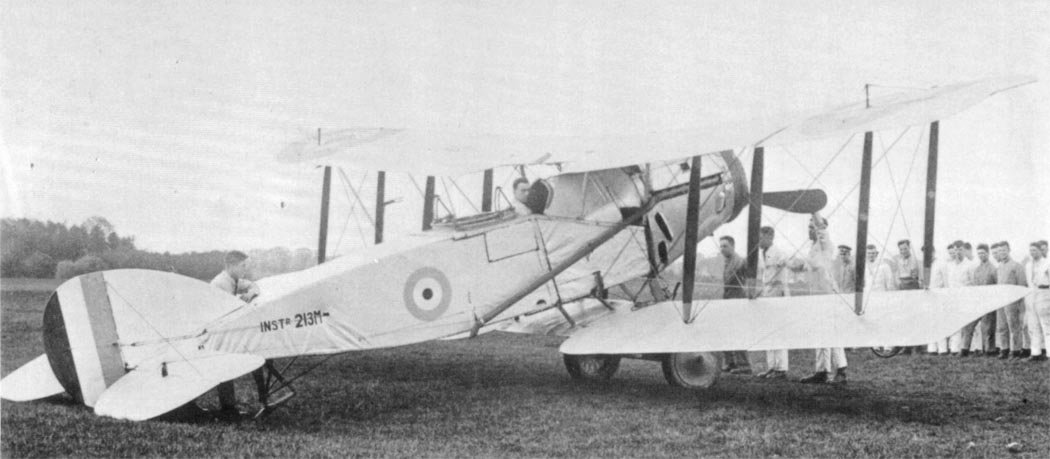 F.2B Fighter |
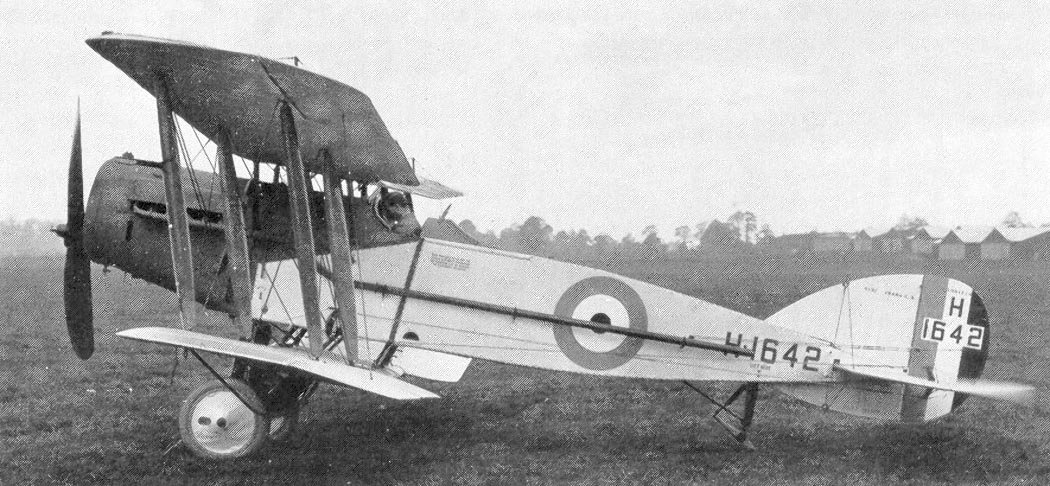 F.2B Fighter |
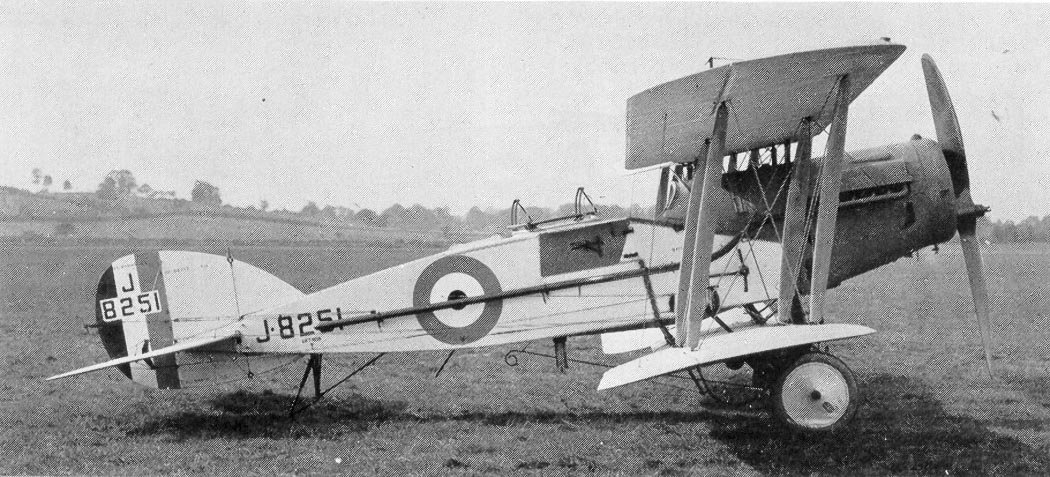 F.2B Fighter |
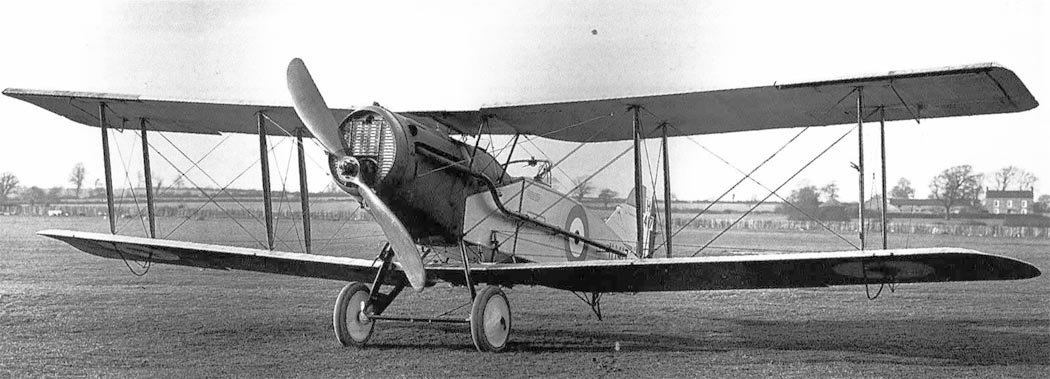 F.2B Fighter |
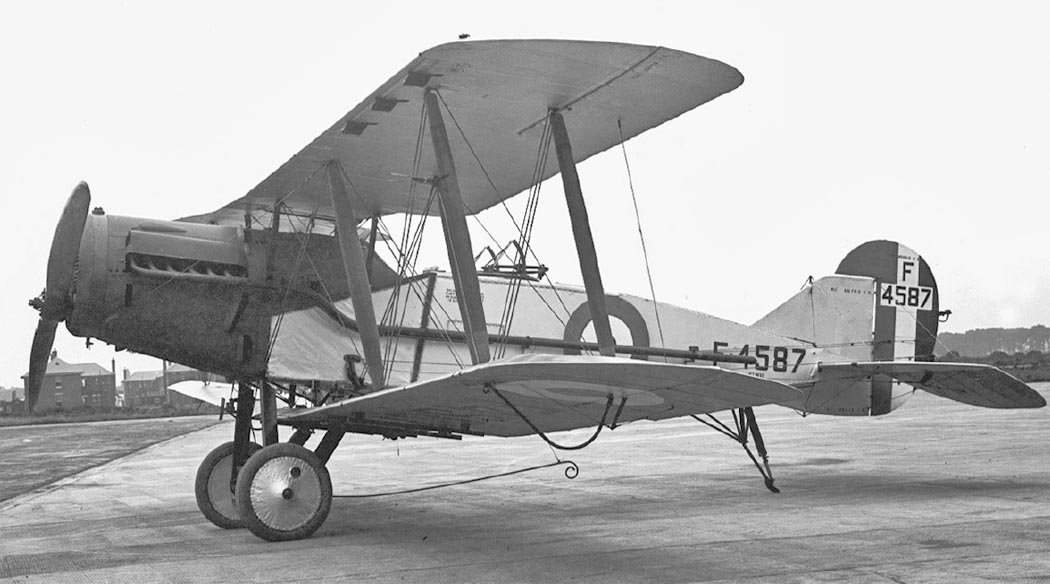 F.2B Fighter |
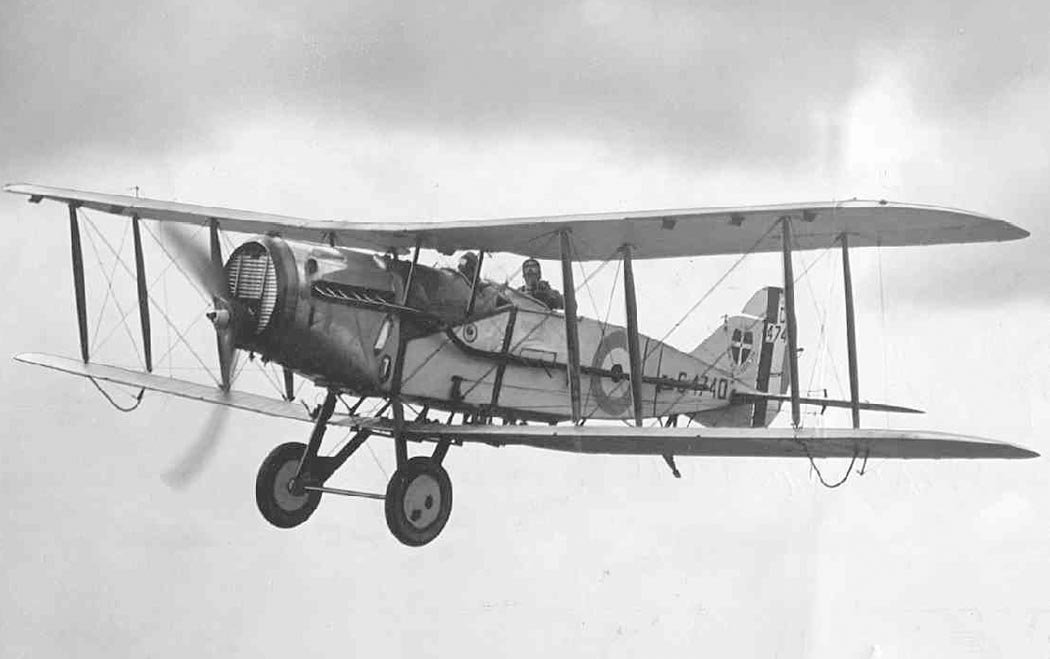 F.2B Fighter |
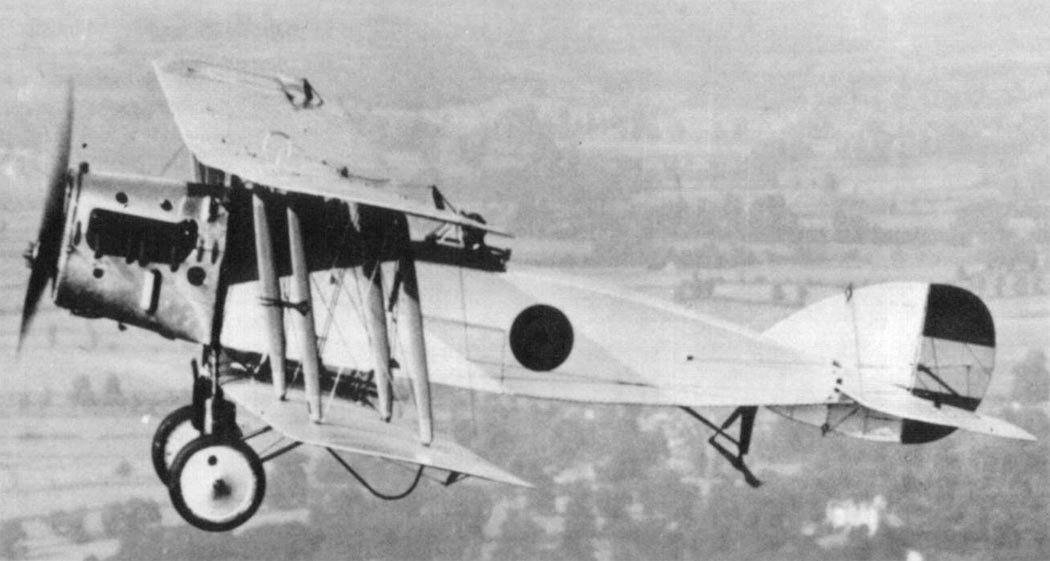 F.2B Fighter |
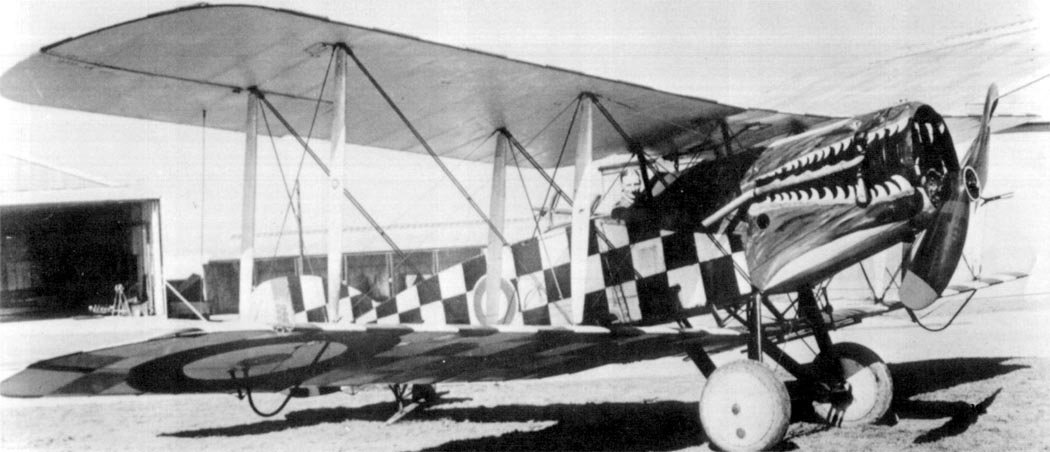 F.2B Fighter |
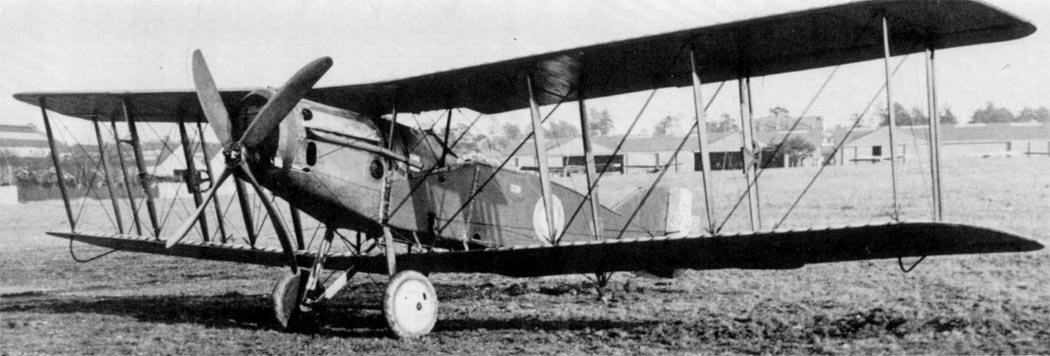 F.2B Fighter |
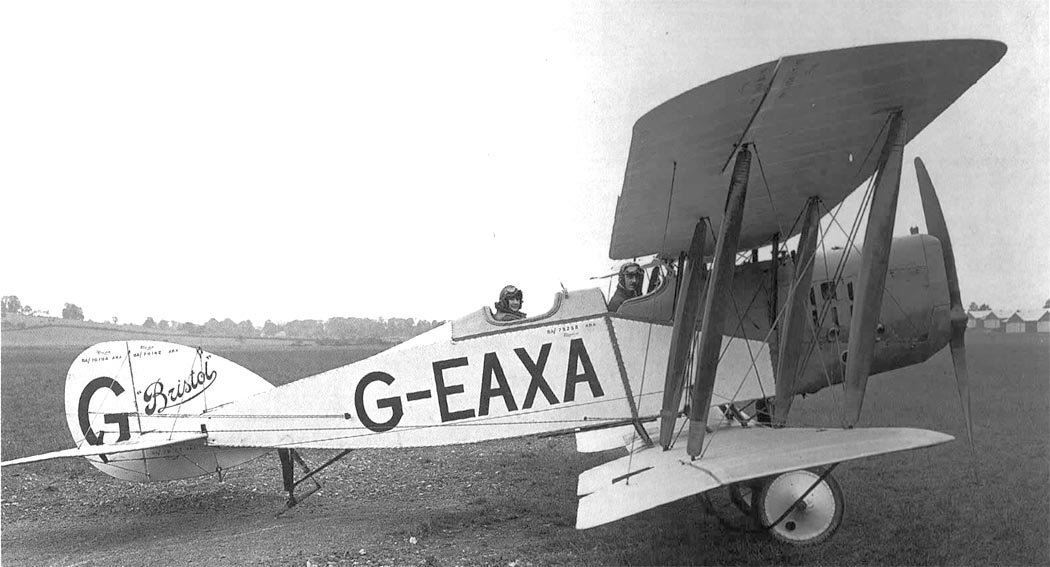 F.2B Fighter |
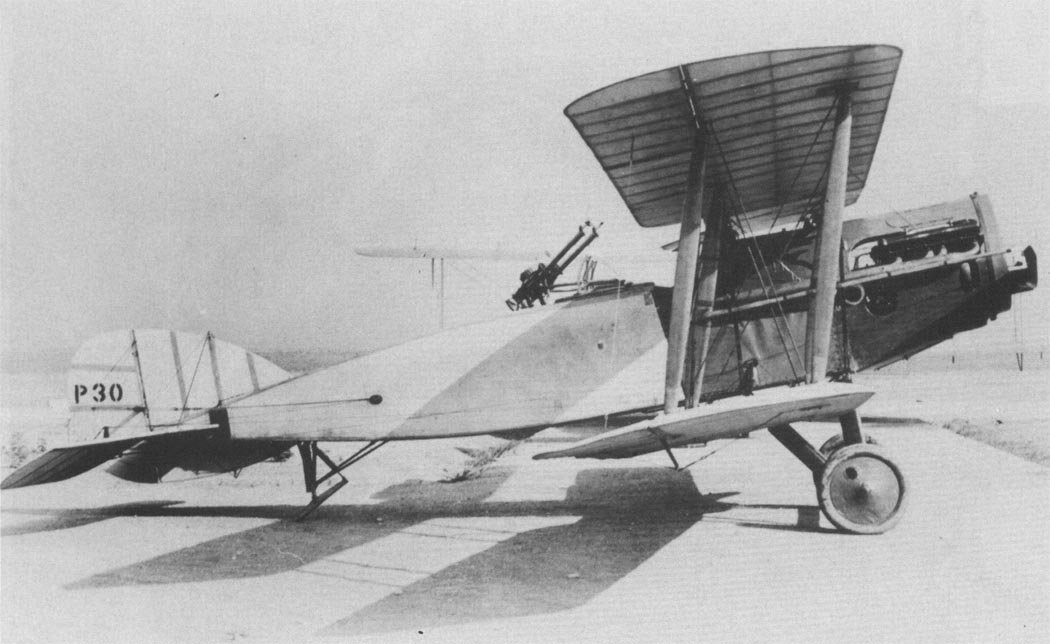 F.2B Fighter |
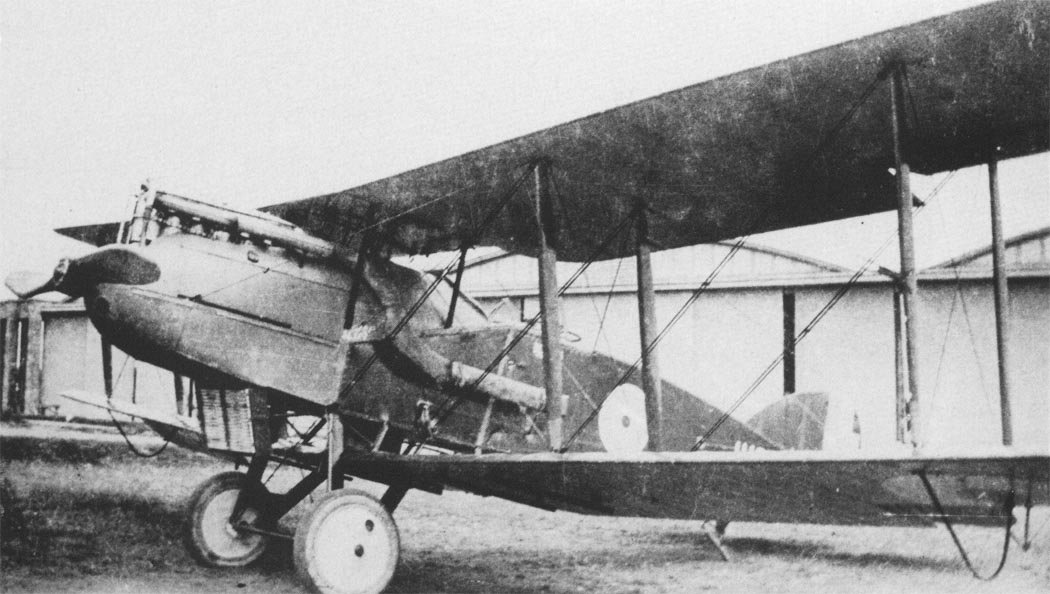 F.2B Fighter |
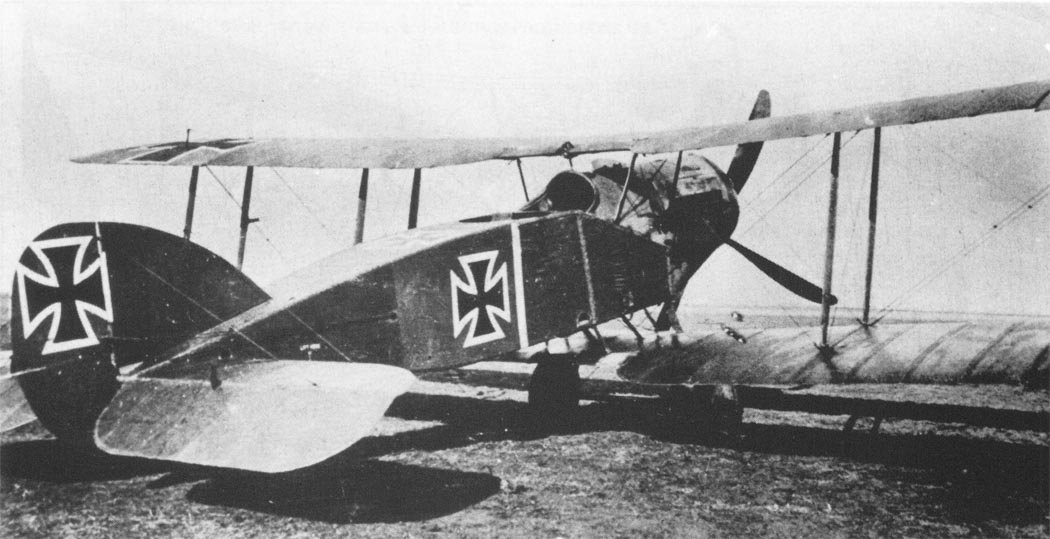 F.2B Fighter |
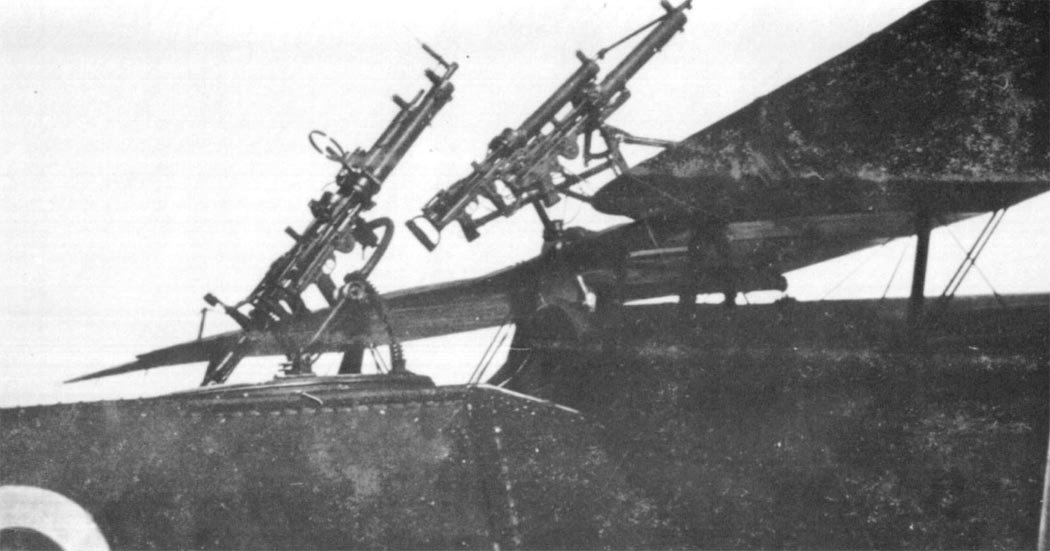 F.2B Fighter |
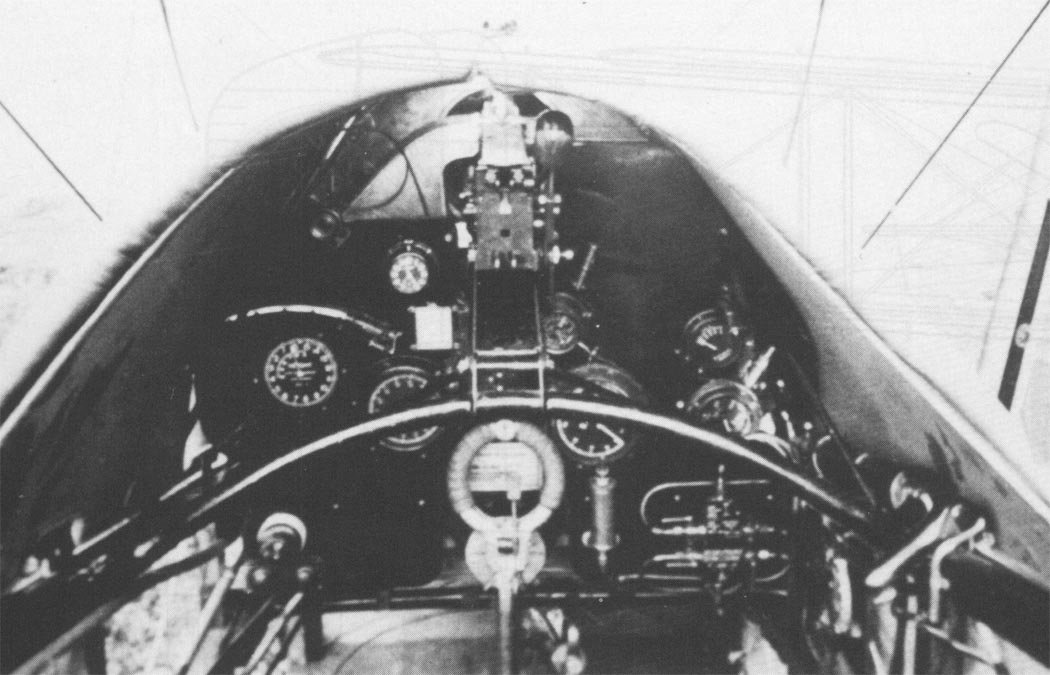 F.2B Fighter |
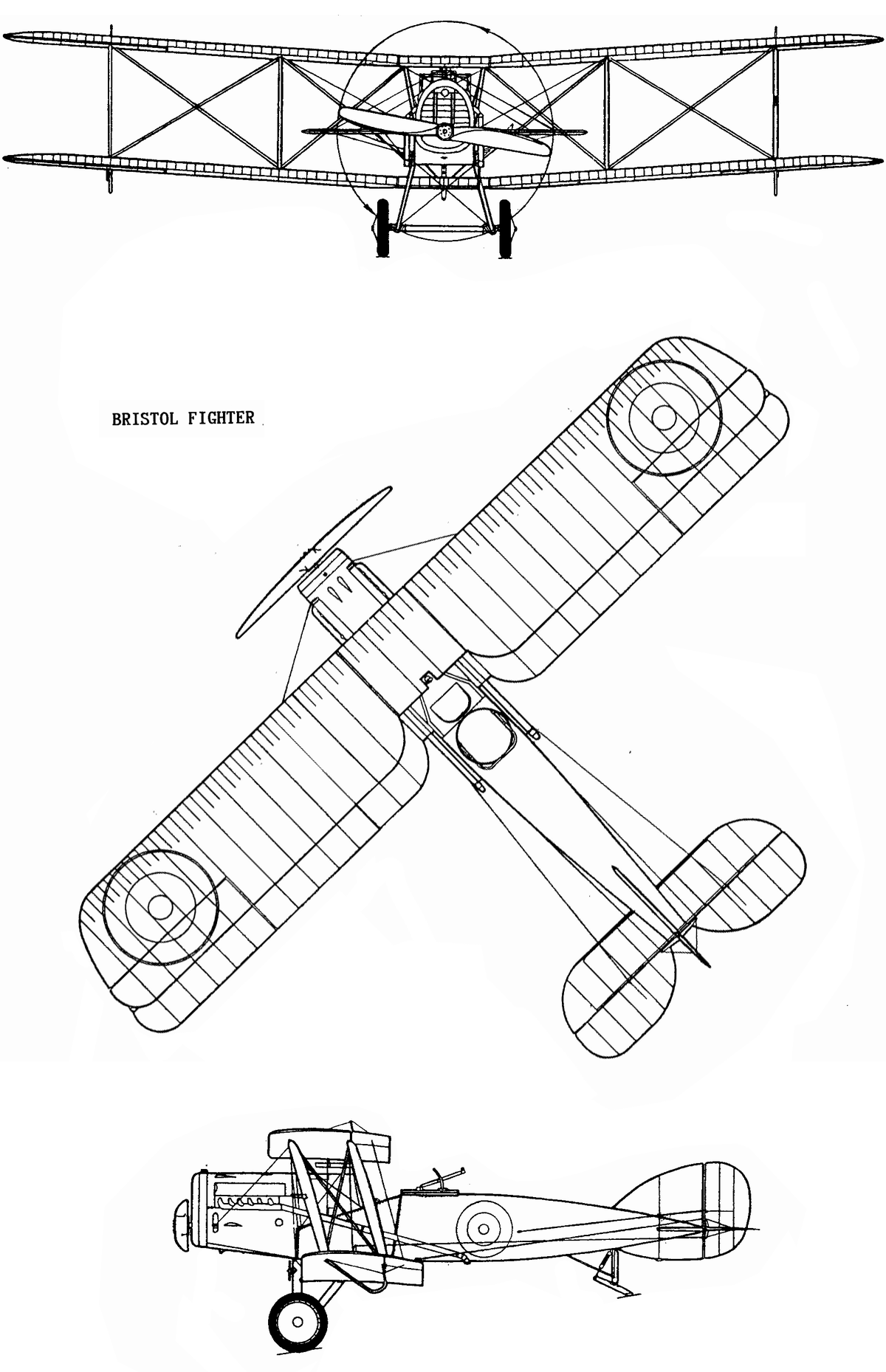 F.2B Fighter |
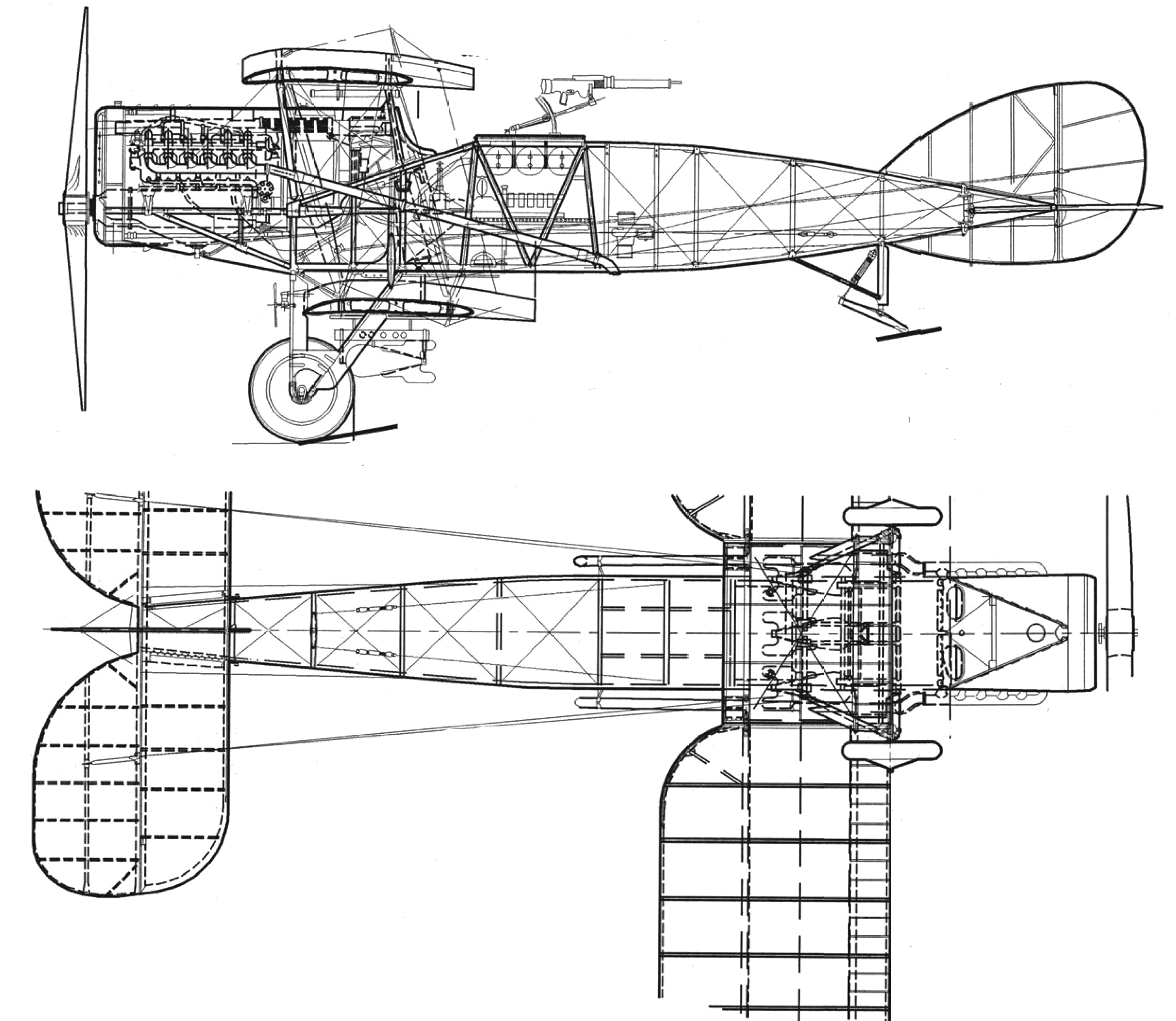 F.2B Fighter |
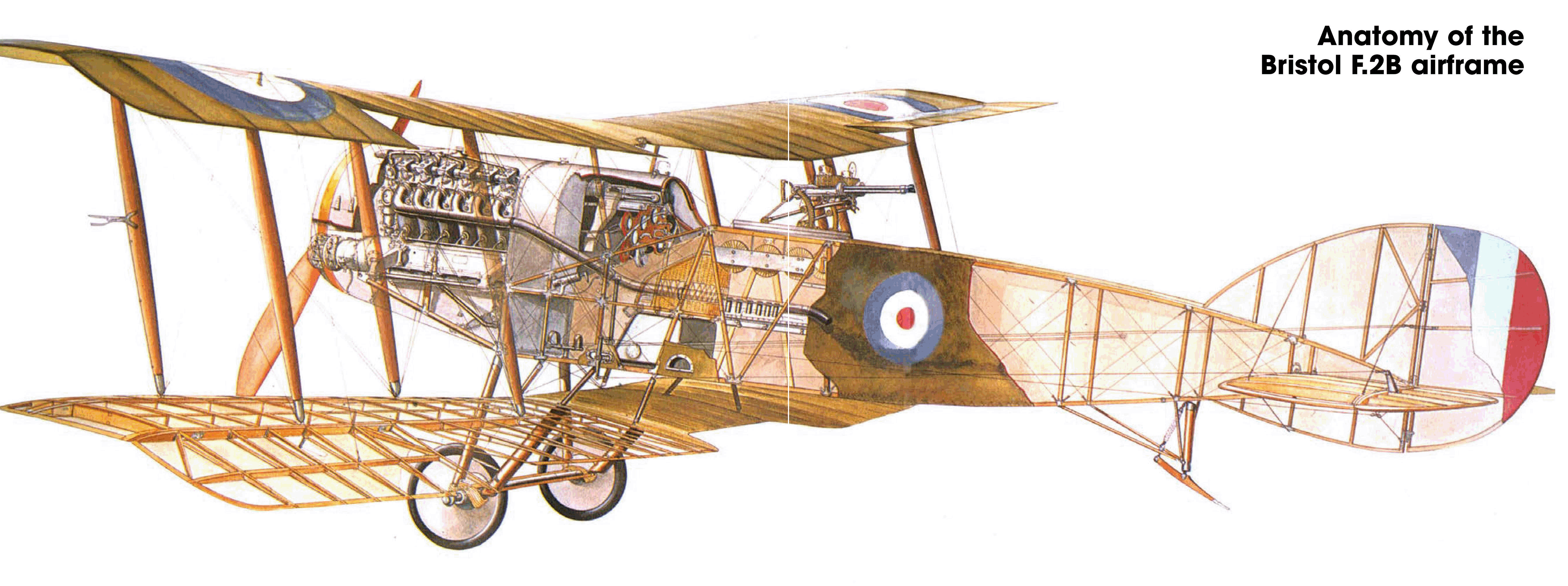 F.2B Fighter |
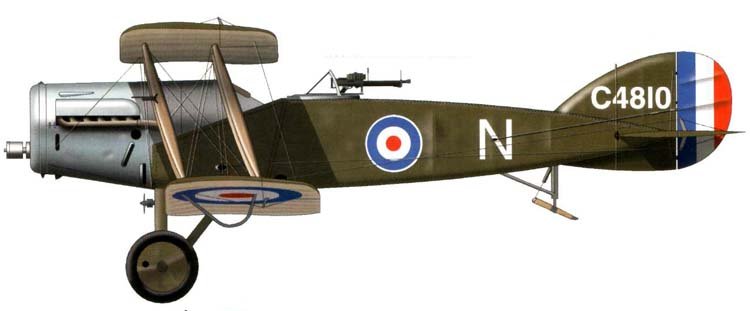 F.2B Fighter |
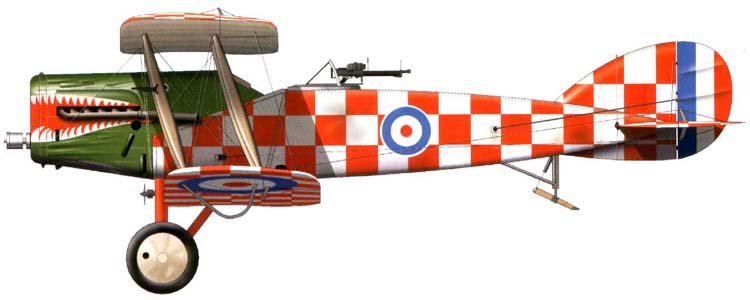 F.2B Fighter |
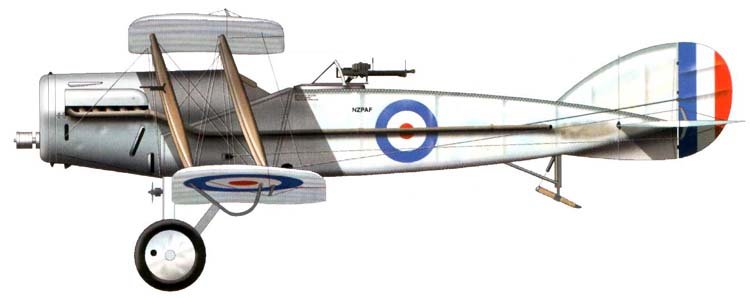 F.2B Fighter |
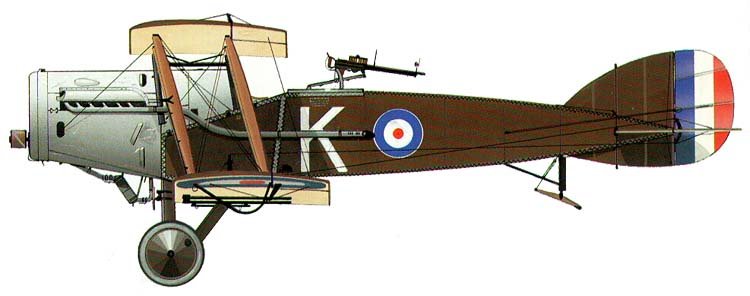 F.2B Fighter |
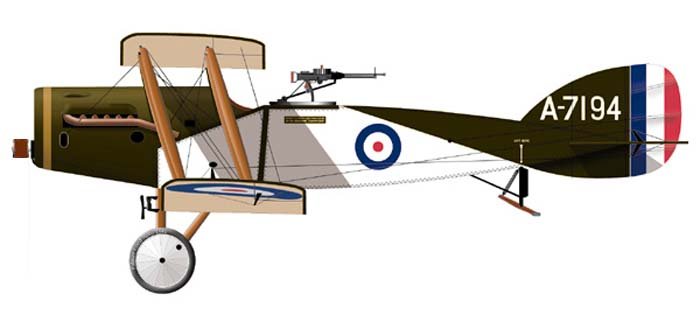 F.2B Fighter |