
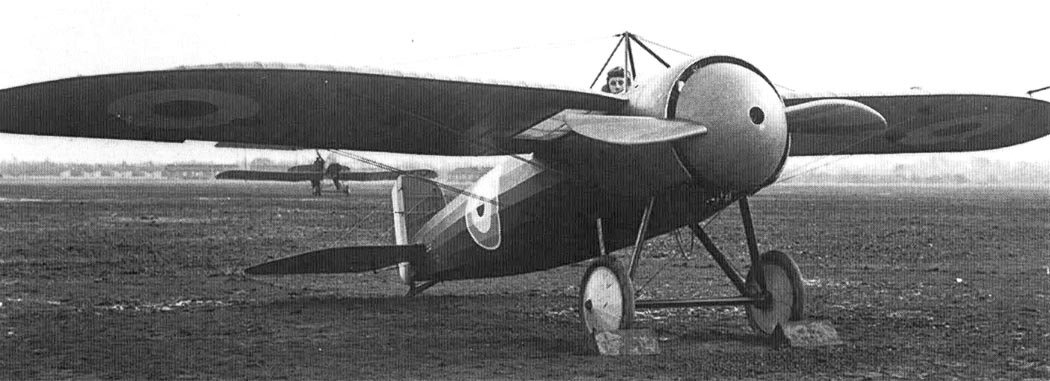
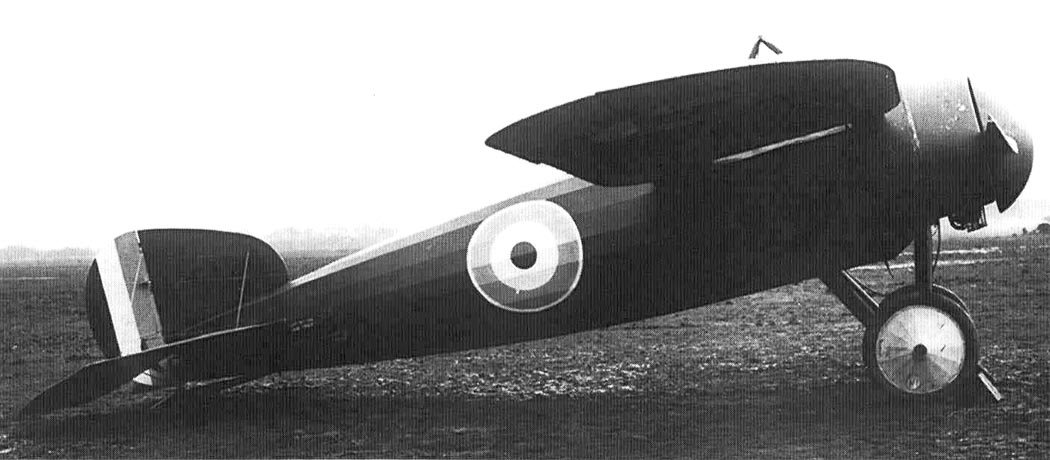
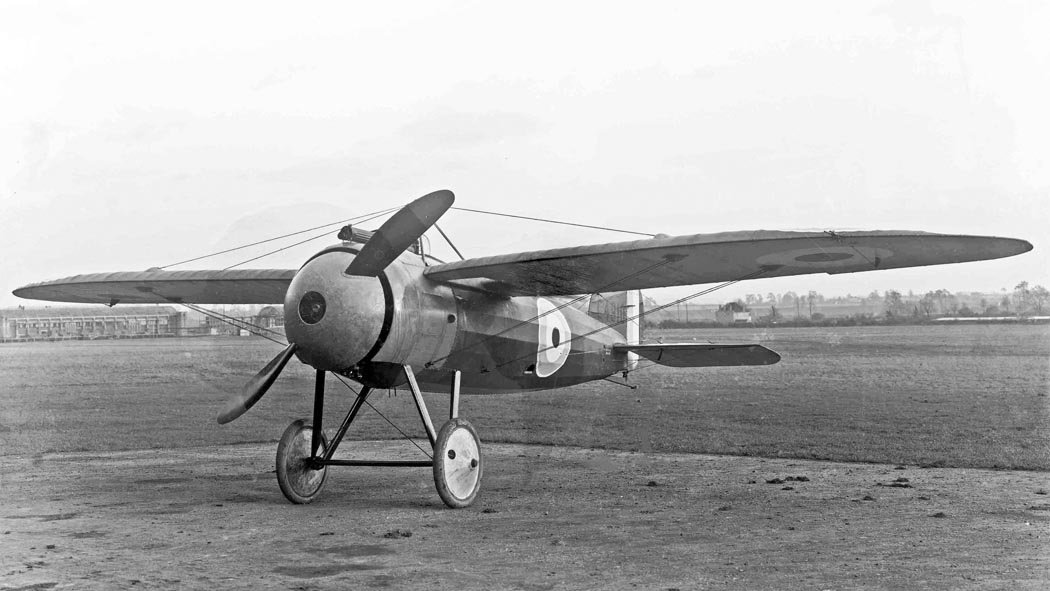
The advantages of German Fokker E monoplanes over the poorly armed biplanes of the British Army Air Service made it imperative for the latter to acquire a maneuverable single-seat aircraft with high flight performance. Frank Barnwell’s project, completed in mid-1916, was based on a rotary engine enclosed in a tight cowling, featuring a large hemispherical spinner. This installation of a 110 hp Clerget engine was tested on the second production Scout D aircraft and proved its practicality.
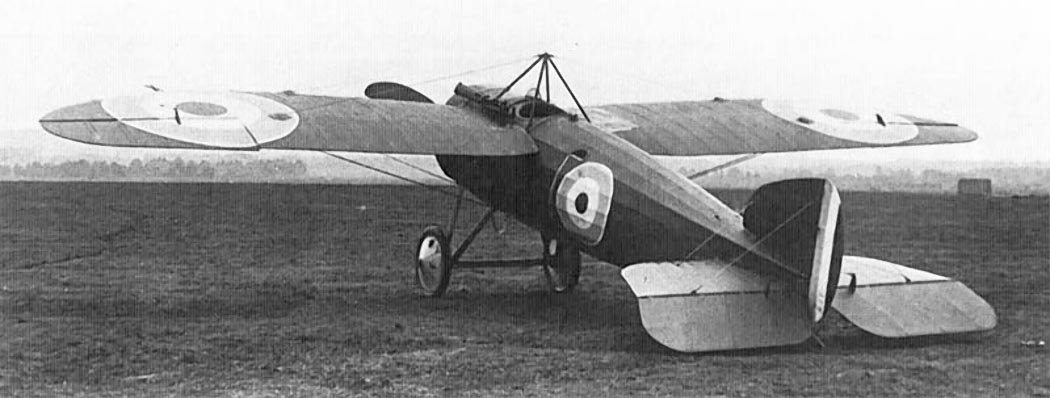
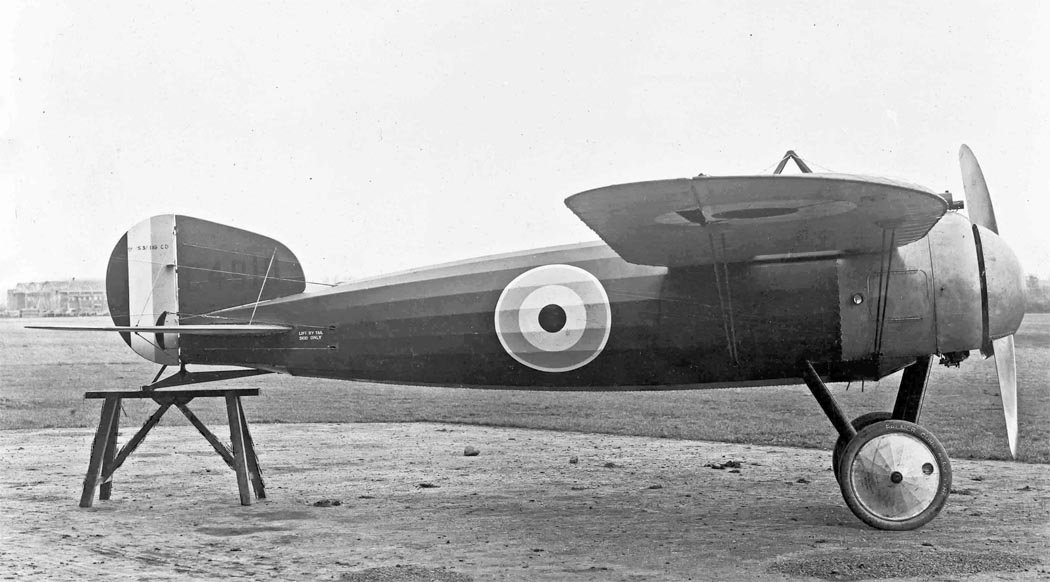
Subsequently, Barnwell developed a streamlined box-section fuselage with longerons, to which transverse segmental fairings were attached to create a circular cross-section. The pilot’s cockpit was situated beneath protective steel hoops, which served to ensure pilot safety in the event of a nose-over, and also to secure the upper wing bracing wires; the lower bracing wires were attached to the lower fuselage longerons. The prototype Bristol M.1A (Type 10) was built on the company’s initiative, making its first flight on July 14, 1916.
Development and Early Trials
In the same month, the M.1A Monoplane Scout demonstrated a speed of 206 km/h at an altitude of 1645 m during trials, and climbed to 3050 m in 8 minutes and 30 seconds. On October 9, the British War Ministry contracted for the acquisition of the M.1A and the production of four more aircraft. These later machines, designated M.1B (Type 11), featured a number of minor modifications.
The first two M.1Bs, delivered in December 1916 and January 1917, were equipped with 110 hp Clerget rotary engines. The third, entering service in February 1918, had a 130 hp variant of the same engine, while the fourth was built in March 1917 with a 150 hp Bentley A.R.1 engine. Tests showed the aircraft had a landing speed of 79 km/h. This speed was deemed too high for the small airfields then in use in France, which is why the aircraft was never deployed on the Western Front.
Production and Operational Service
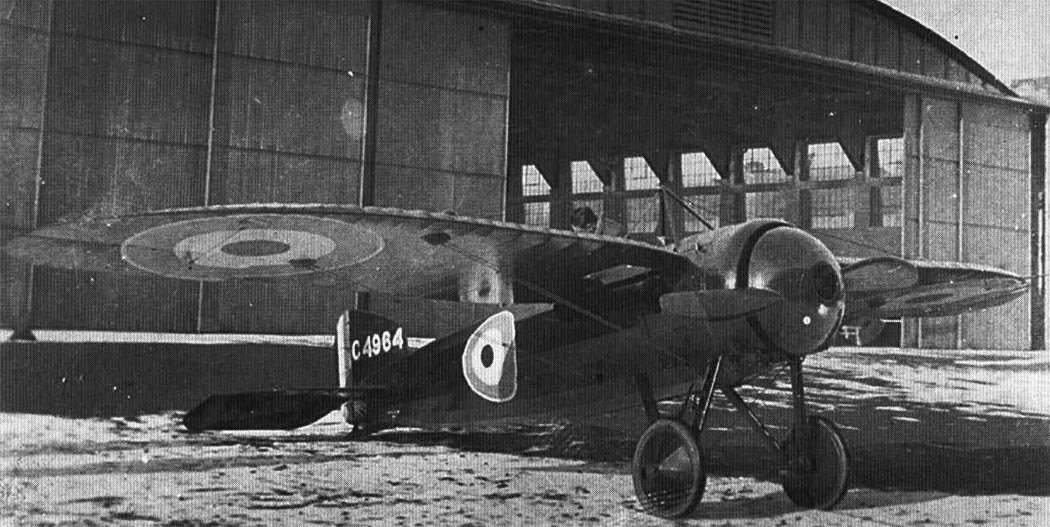
Work on the production aircraft began in 1916. At that time, the aircraft carried the designation “Bristol type 20” (the M.1C code appeared with the start of serial production). Its flight characteristics and speed significantly surpassed the common “Nieuports,” yet it was not adopted by the British army. The exact reasons for the refusal are unknown, most likely due to the usual foolishness of old generals or someone’s intrigues. Various far-fetched, and even absurd, claims were made against the aircraft, aiming simply to destroy a promising project.
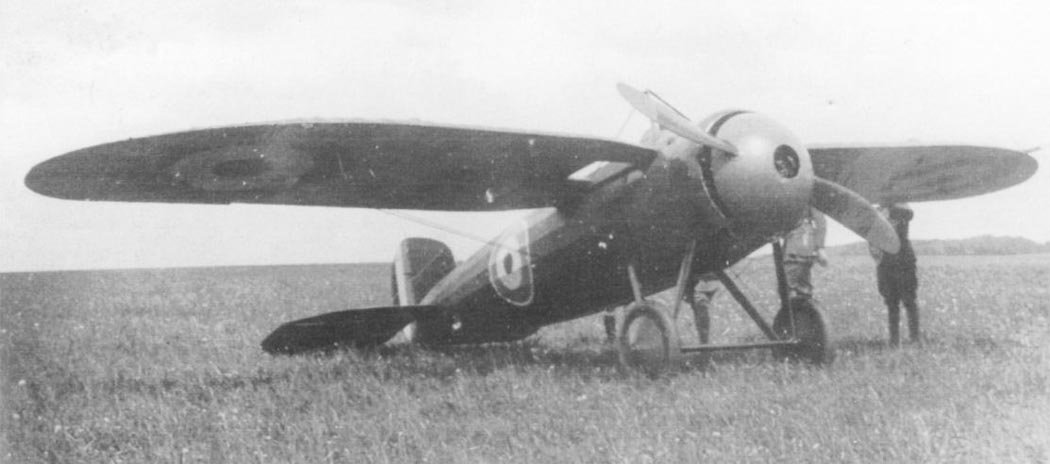
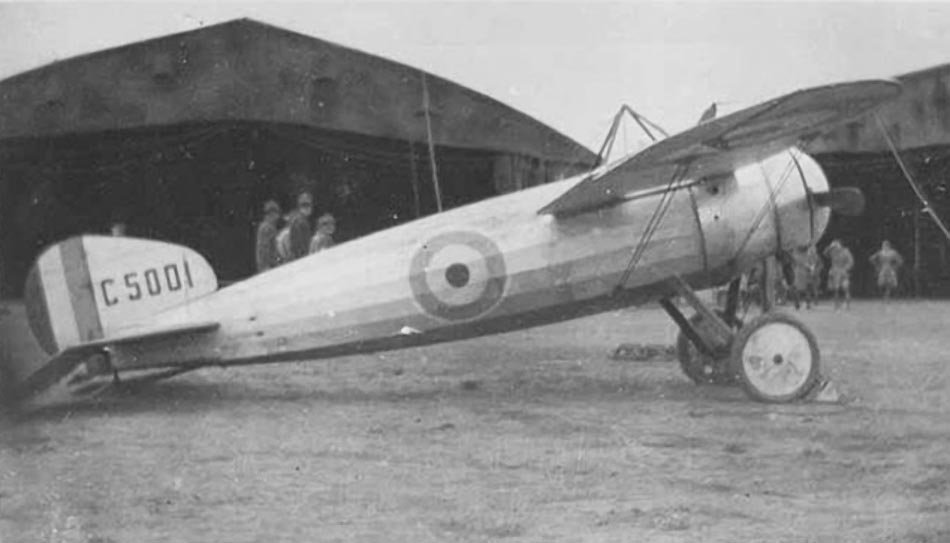
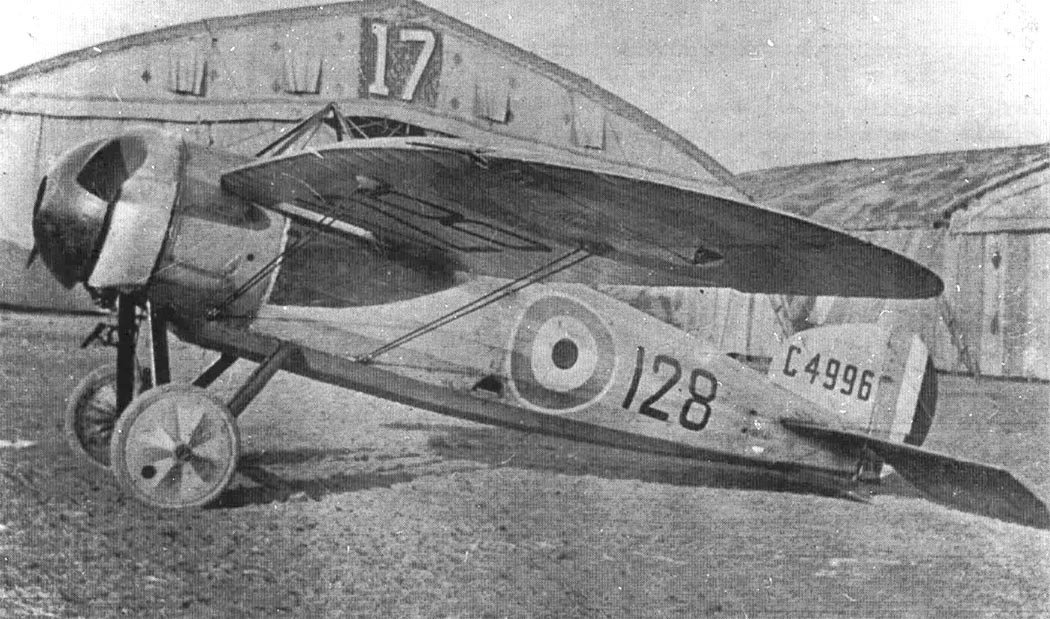
The high-wing monoplane design was already well known and used on the Morane-Saulnier aircraft. However, the Bristol M.1C favorably differed from its counterparts in its low mass, good maneuverability, and high speed, offering excellent cockpit visibility. The aircraft’s designer, Frank Barnwell, had to “hold back” the aircraft, as biplanes had priority before the war. Only the appearance of German “Fokkers,” sweeping everything that flew from the sky, gave the aircraft a chance.
The M.1C was first flown in 1916, but another year passed before the first order for 125 machines was placed. Serial production ran from September 19, 1917, to February 25, 1918, at the British and Colonial Aeroplane Company Limited (Bristol) factories in Filton and Brislington. A total of 90 units were built.
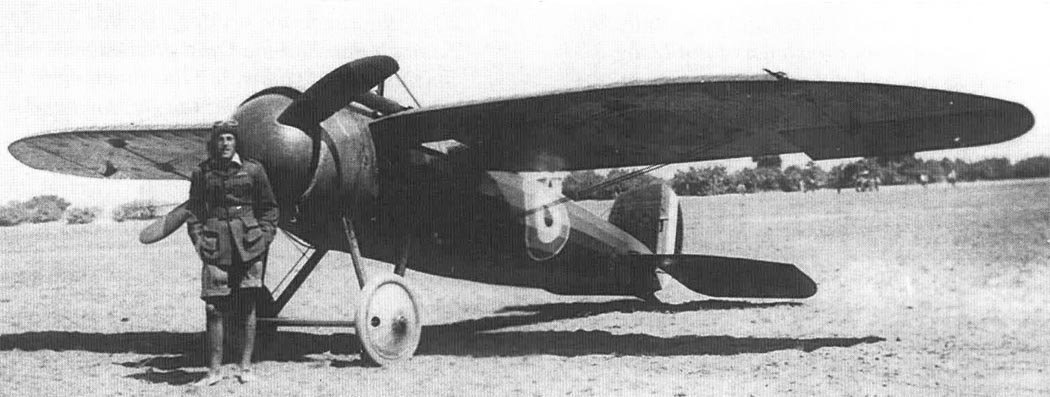
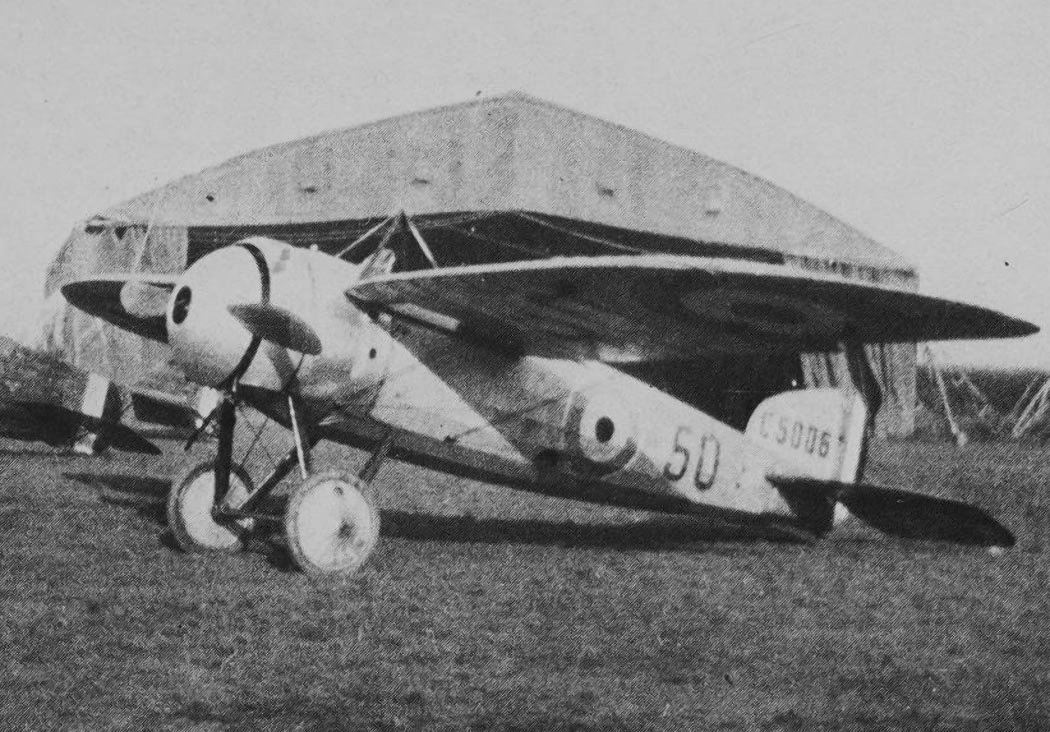
Its relatively high landing speed (80 km/h) prevented its use on small European front-line airfields. As a result, only 32 examples entered combat units, and even then, only on secondary fronts in Palestine, Macedonia, and Mesopotamia. The remaining aircraft were immediately sent to storage. Nevertheless, British pilots flying the M.1C managed to shoot down many German and Turkish “Albatros” aircraft. Six machines were sold to Chile, where they were actively used in local military conflicts, including making a flight across the Andes on December 12, 1918.
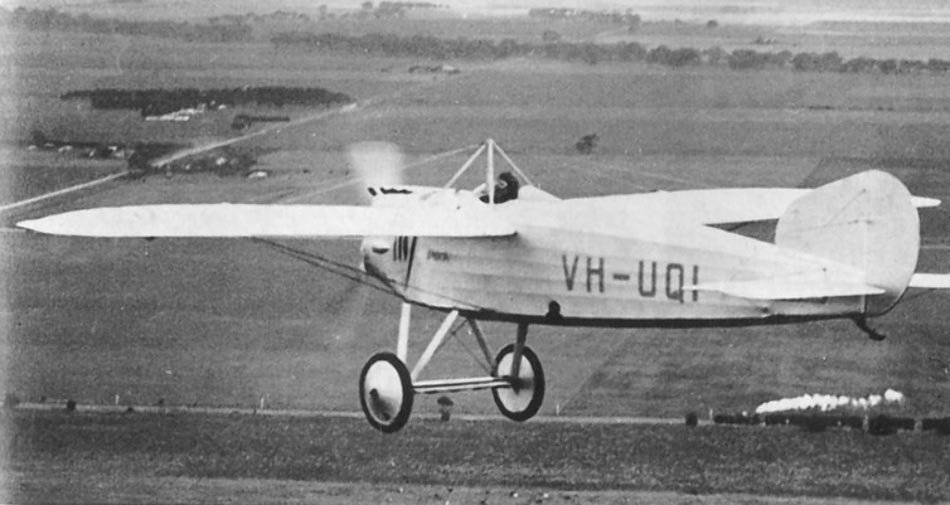
In September 1920, this aircraft won air races in Australia, and after a new 120 hp de Havilland Gipsy II engine was installed, it became the winner of air races in Adelaide in 1931 and 1932.
Technical Specifications
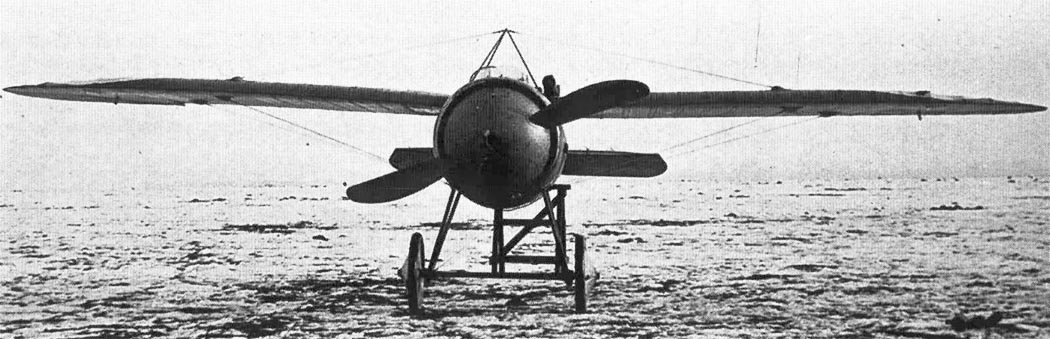
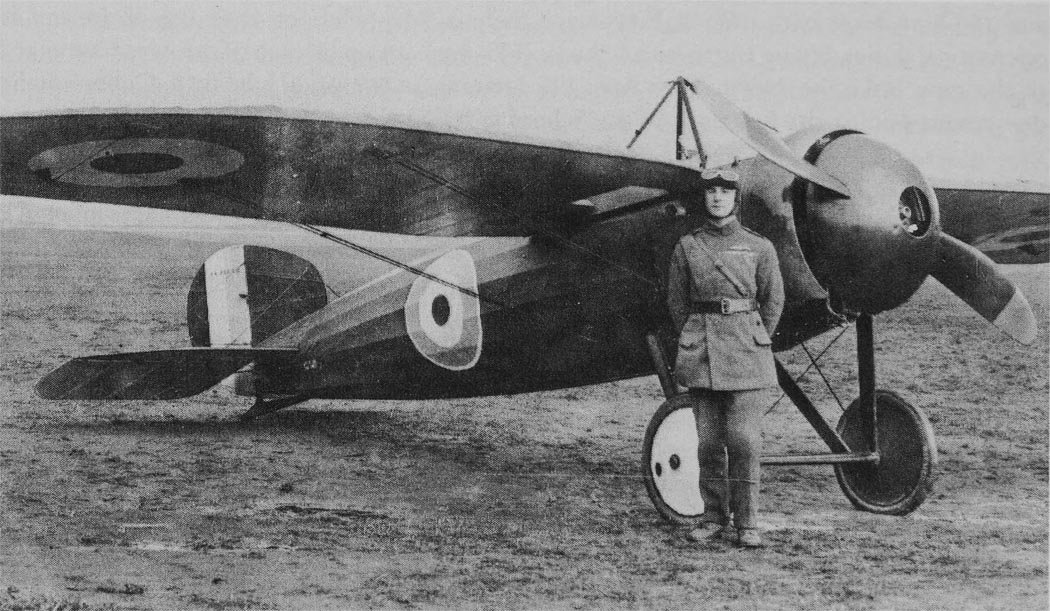
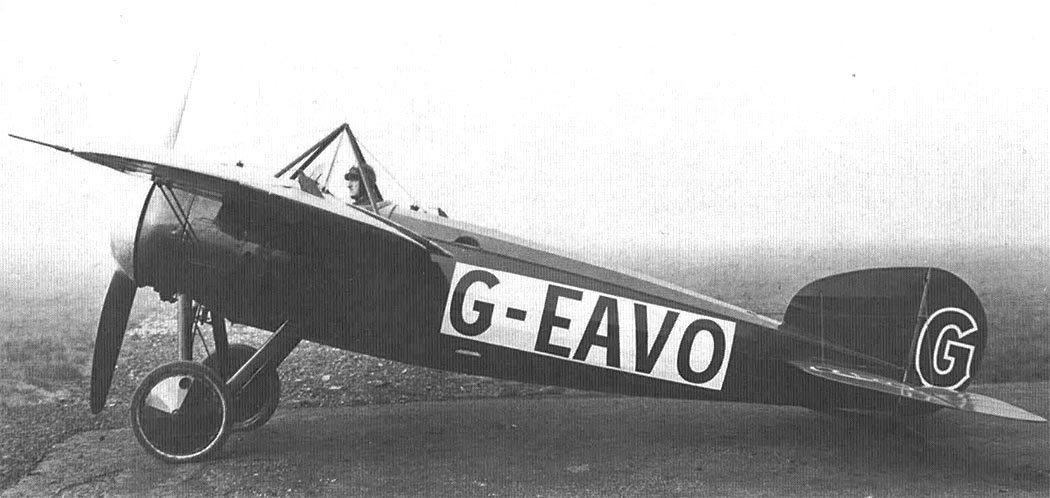
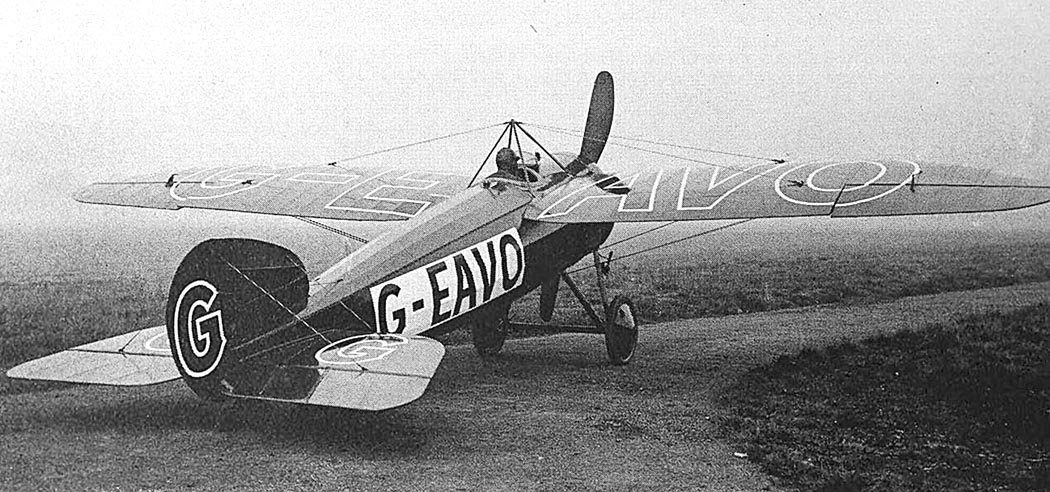
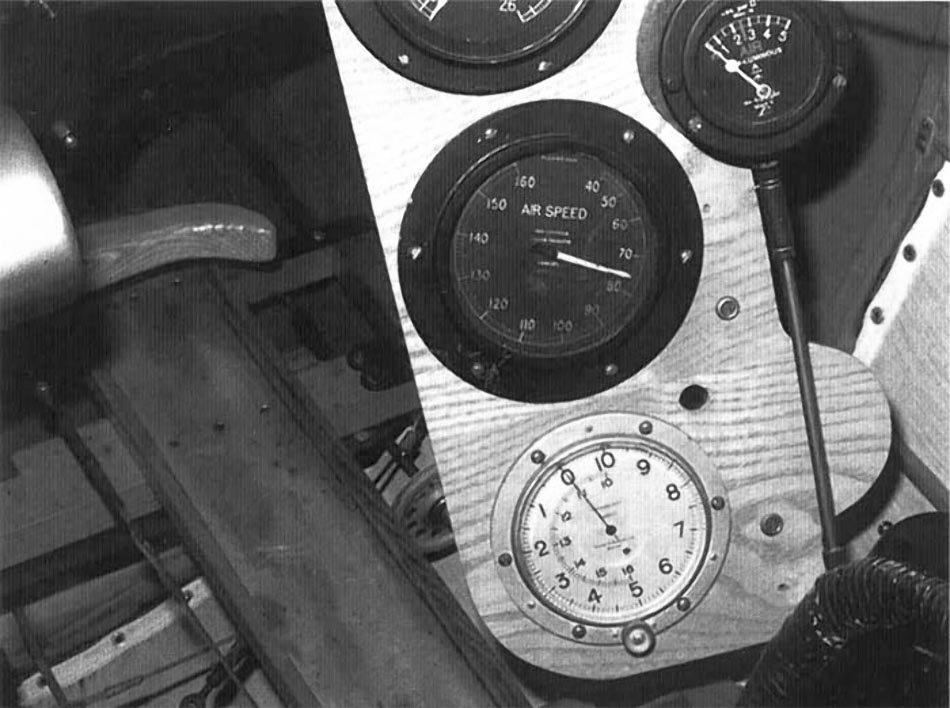
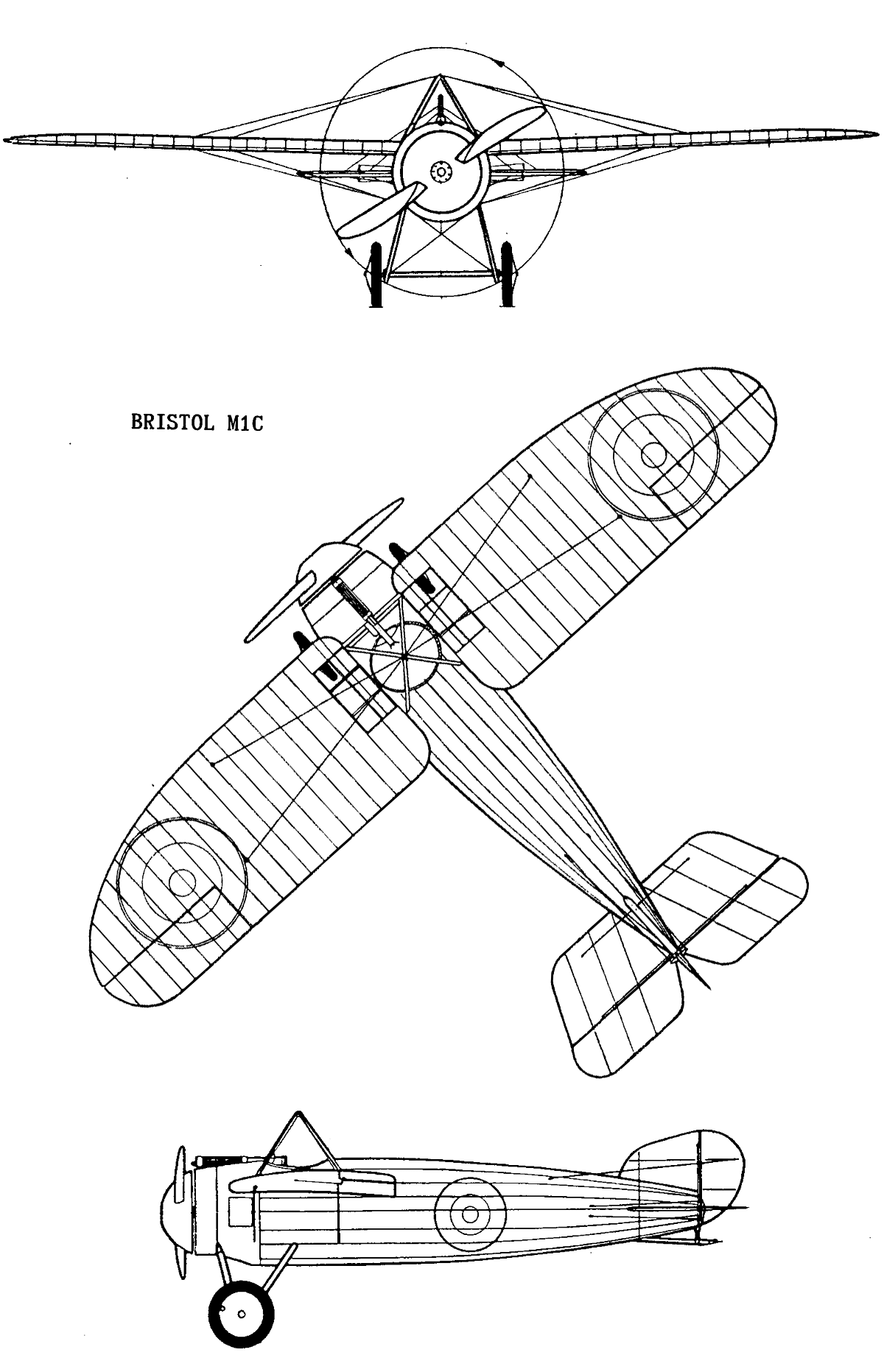
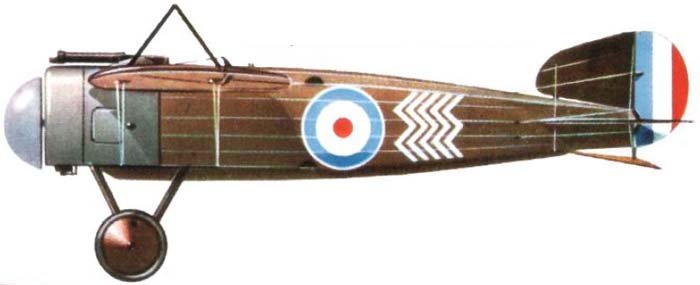
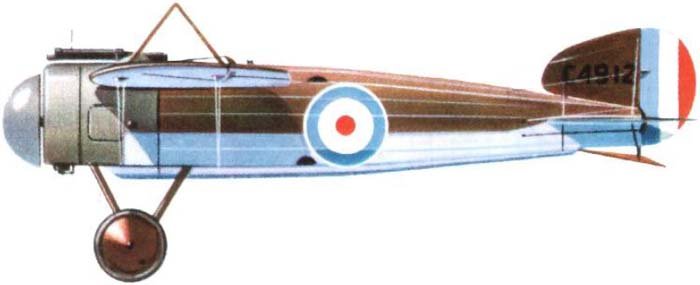
The Bristol M.1C was a single-seat, all-wood monoplane. The fuselage formed a framework profiled to have a circular cross-section. The front part of the fuselage was covered with aluminum sheet, and the rest with fabric. The wing, with dihedral, was two-spar and thin-profiled, with an elliptical leading edge and a straight trailing edge, covered with fabric. The tail unit was made of steel tubes, covered with fabric. The fuselage’s streamlining was enhanced by a massive propeller spinner.
It was powered by an 80 kW Le Rhône 9J rotary engine with a wooden, two-bladed propeller. Armament consisted of one fixed 7.7 mm Vickers machine gun, mounted on the fuselage in front of the pilot’s cockpit on the left side. The machine gun fired through the propeller disc using a Constantinesco synchronizer system.
Technical Specifications
| Modification | Bristol M.1C |
| Wingspan, m | 9.37 |
| Length, m | 6.24 |
| Height, m | 2.37 |
| Wing area, m2 | 13.47 |
| Empty weight | 406 |
| Normal takeoff weight | 612 |
| Engine type | 1 Piston engine Le Rhône 9J |
| Power, hp | 1 x 110 |
| Maximum speed, km/h | 209 |
| Cruising speed, km/h | 187 |
| Flight endurance, h.min | 1.45 |
| Maximum rate of climb, m/min | 385 |
| Service ceiling, m | 6100 |
| Crew, crew members | 1 |
| Armament | one synchronized 7.7-mm Vickers machine gun |
Image and diagram gallery of the Bristol Type 10 M.1
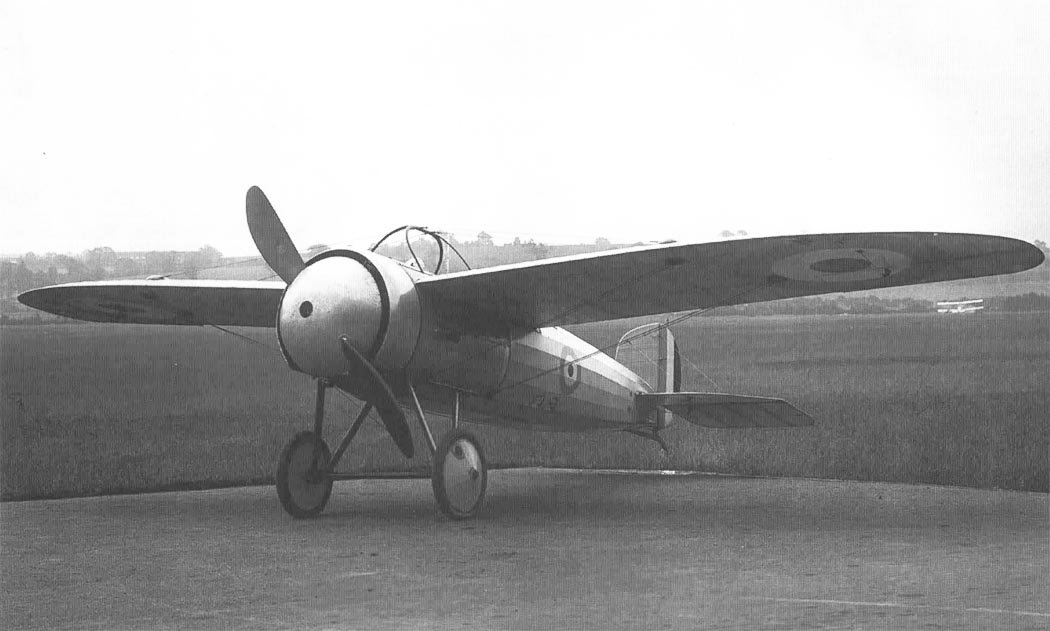 Bristol Type 10 M.1 |
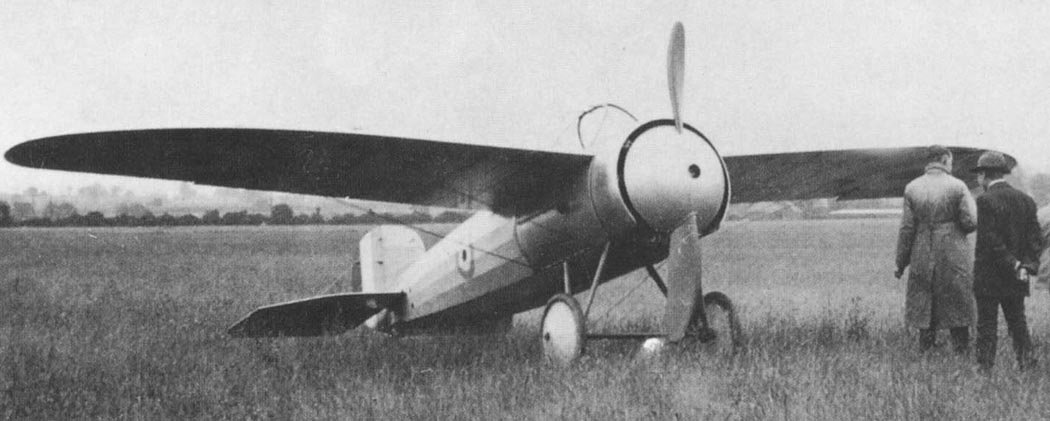 Bristol Type 10 M.1 |
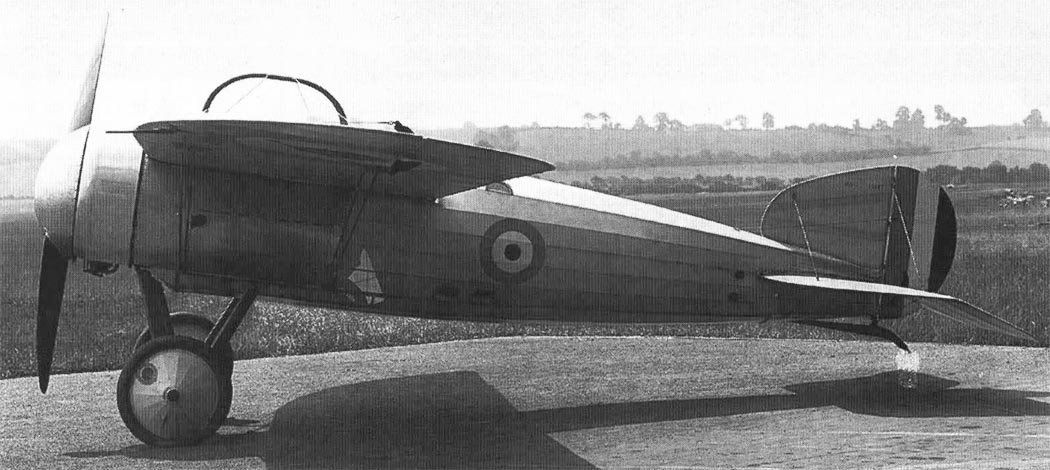 Bristol Type 10 M.1 |
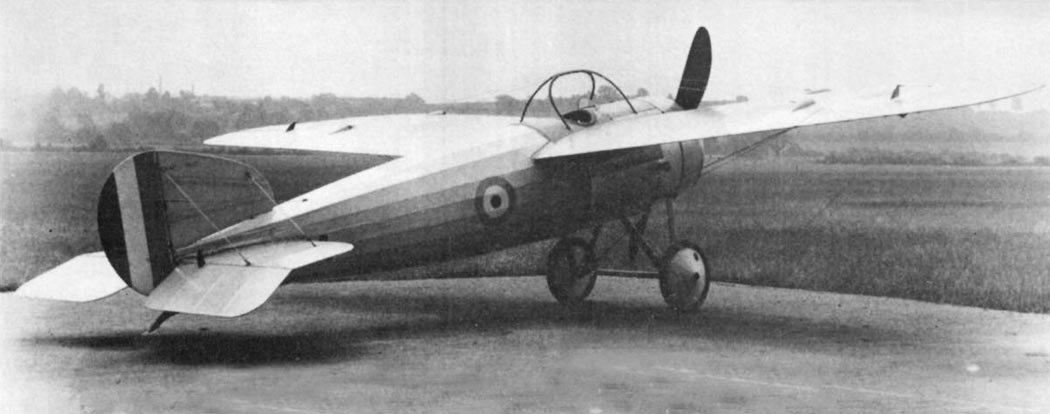 Bristol Type 10 M.1 |
 Bristol Type 10 M.1 |
 Bristol Type 10 M.1 |
 Bristol Type 10 M.1 |
 Bristol Type 10 M.1 |
 Bristol Type 10 M.1 |
 Bristol Type 10 M.1 |
 Bristol Type 10 M.1 |
 Bristol Type 10 M.1 |
 Bristol Type 10 M.1 |
 Bristol Type 10 M.1 |
 Bristol Type 10 M.1 |
 Bristol Type 10 M.1 |
 Bristol Type 10 M.1 |
 Bristol Type 10 M.1 |
 Bristol Type 10 M.1 |
 Bristol Type 10 M.1 |
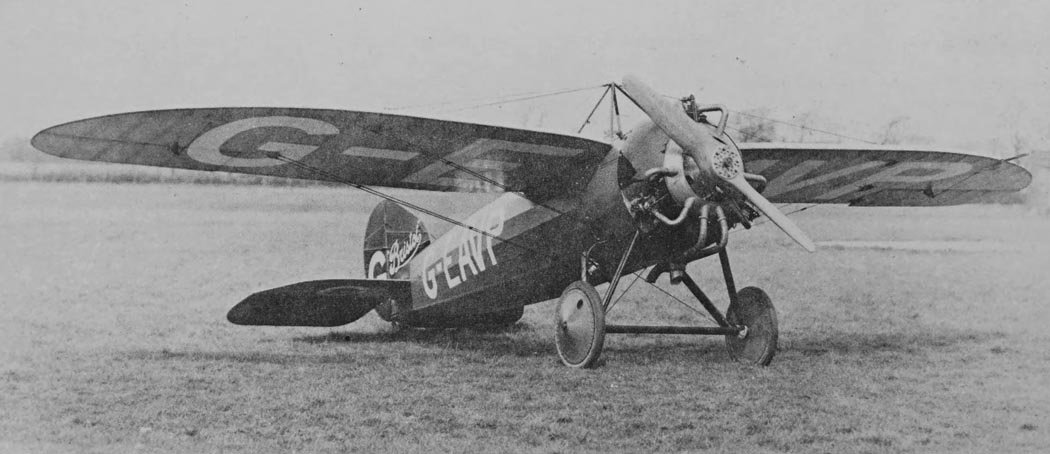 Bristol Type 10 M.1 |
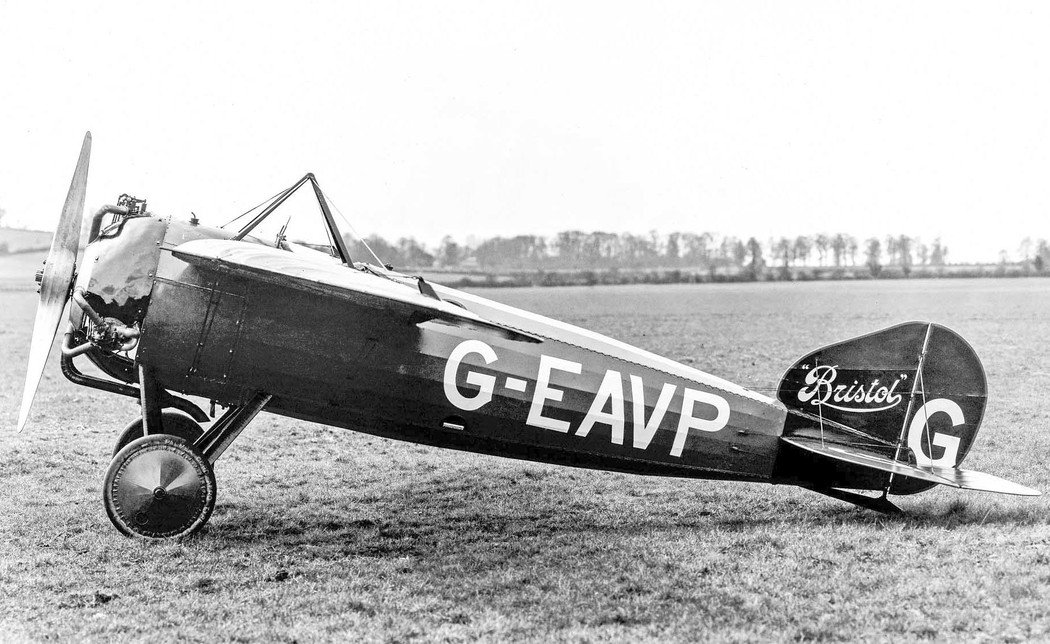 Bristol Type 10 M.1 |
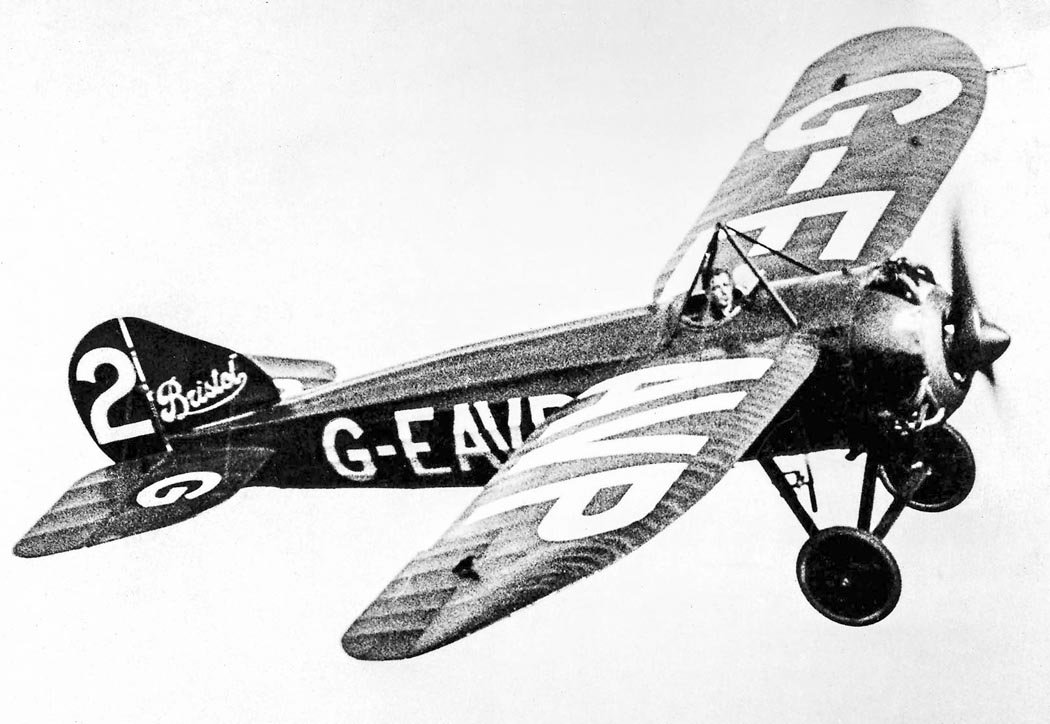 Bristol Type 10 M.1 |
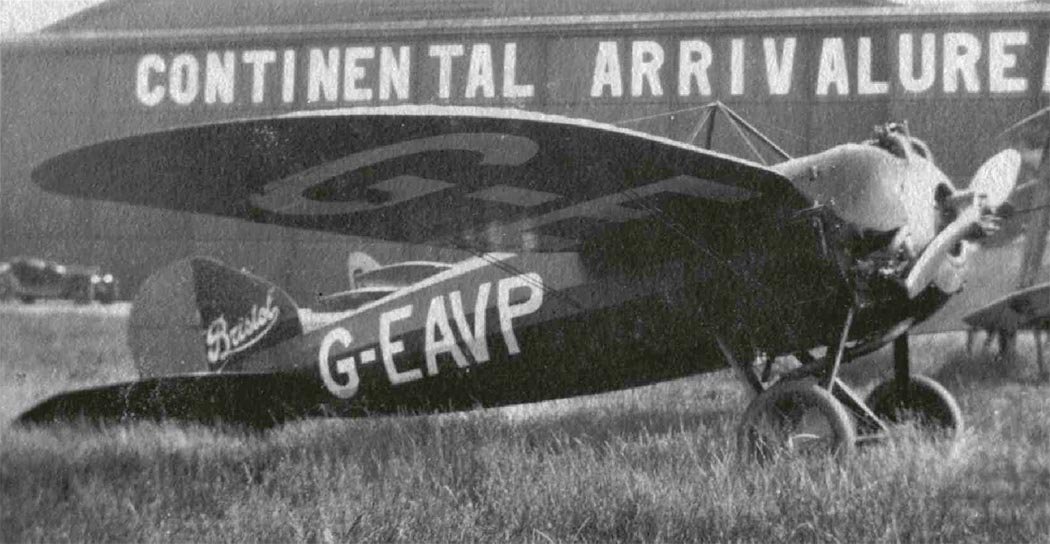 Bristol Type 10 M.1 |
 Bristol Type 10 M.1 |
 Bristol Type 10 M.1 |
 Bristol Type 10 M.1 |
 Bristol Type 10 M.1 |
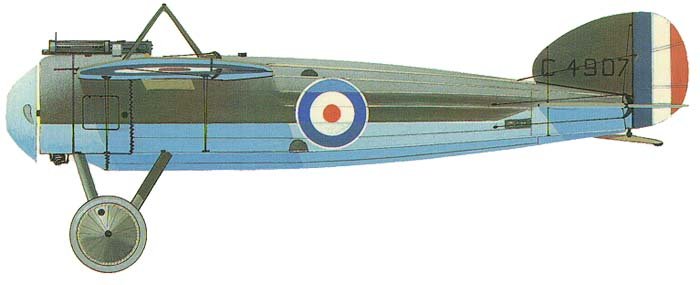 Bristol Type 10 M.1 |
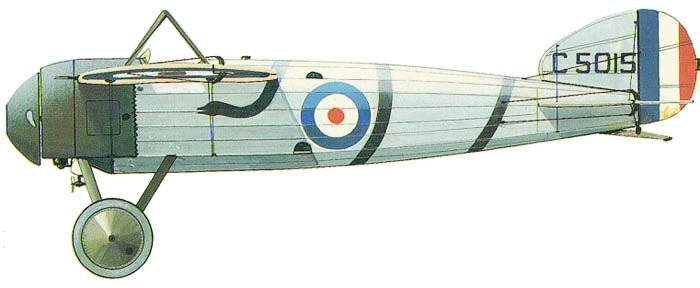 Bristol Type 10 M.1 |
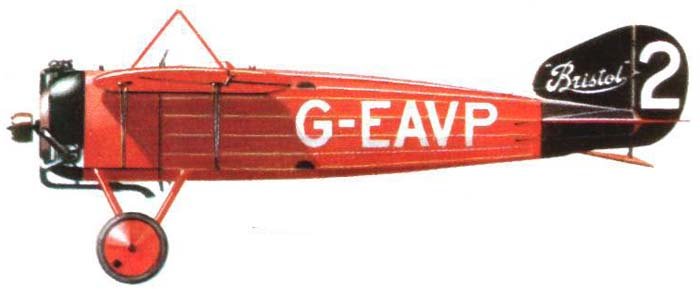 Bristol Type 10 M.1 |