
In 1938, Vultee’s chief designer, Richard Palmer, began developing a single-engine fighter. At the same time, the Army Air Corps (USAAC) started looking for a training aircraft, promising a large order. Palmer adapted his designs to the client’s requirements, resulting in the V-51 prototype.
The prototype first flew on March 24, 1939. It was a cantilever, all-metal low-wing monoplane with fabric-covered control surfaces. It was powered by a 600 hp (450 kW) Pratt & Whitney R-1340-S3H1-G Wasp radial engine, driving a two-blade metal variable-pitch propeller. It featured an enclosed tandem cockpit for instructor and cadet, wing-mounted fuel tanks, and a hydraulic system for operating the flaps and retractable landing gear. The tandem cockpits were covered by a common canopy, and the control system was dual; the aircraft was equipped with a standard set of instruments for “blind flight.”
Early Development and Competition
The V-51 was entered into the USAAC competition as the BC-51 in May 1939. However, the USAAC chose the North American BC-2 in this competition, though it acquired the BC-51 prototype for further study, designating it as BC-3.
Palmer refined the aircraft, resulting in the V-54, hoping to sell it to other countries. It used the same fuselage as the V-51 but received a less powerful engine. Nevertheless, no export sales materialized. The V-54 was then further modified to become the VF-54A, featuring well-streamlined but fixed landing gear, manually operated landing flaps, and equipped with a 450 hp (340 kW) Pratt & Whitney R-985-T3B Wasp Jr. radial engine.
It was offered to the USAAC in this form, and in August 1939, the type was ordered as the BT-13. The initial order was for 300 aircraft with the Pratt & Whitney R-985-25. The first aircraft was delivered to the USAAC in June 1940.
Key Variants and Naval Service
The first variant, designated BT-13 Valiant by the U.S. Army Air Corps, was followed by another – the BT-13A. 7,037 of these aircraft were produced, differing only in the replacement of the engine with a Pratt & Whitney R-985-AN-1 and the absence of landing gear fairings.
The subsequent 1,125 aircraft were designated BT-13B, which differed from the A model by replacing the 12V electrical system with a 24V system.
Due to a shortage of R-985 Wasp Junior engines, the company switched to producing an aircraft with a similarly sized 450 hp Wright R-975-11 engine. This aircraft was named BT-15 (1,693 units were built).
1,150 BT-13A and 650 BT-13B aircraft were transferred to the U.S. Navy, where they were respectively designated SNV-1 and SNV-2. One BT-13A aircraft was rebuilt with a plastic fuselage and received the designation XBT-16B.
The “Vultee Vibrator” in World War II
The Vultee BT-13 was the primary basic trainer for most American pilots during World War II. It was used in the second of three stages of pilot training. After initial training on a PT-13, PT-17, or PT-19, cadets transitioned to the more complex Vultee for continued instruction.
The BT-13 had a more powerful engine and was faster and heavier than the primary trainers. It required cadets to master two-way radio communication, operate flaps, and use a two-position Hamilton Standard propeller. However, it had neither retractable landing gear nor a hydraulic system. Cadets nicknamed the aircraft the “Vultee Vibrator.”
The BT-13 was not without its drawbacks. The tail was held by only three bolts, and after several in-flight failures, Navy command restricted aerobatics. Soon after, in May 1945, they declared the SNV obsolete and replaced them with the SNJ (AT-6). The Army also replaced the BT-13 with the AT-6 before the war’s end.
After World War II, all were sold for a few hundred dollars each. Many were acquired solely for their engines, which were then installed on biplanes (such as Stearmans) to replace their weaker engines for crop dusting. The BT fuselages were scrapped. Currently, several BTs (of various modifications: BT-13, BT-15, and SNV) are still flying.
Technical Specifications
| Modification | BT-13A |
| Wingspan, m | 12.80 |
| Length, m | 8.79 |
| Height, m | 3.51 |
| Wing area, m2 | 22.20 |
| Empty weight | 1531 |
| Maximum takeoff weight | 2039 |
| Engine type | 1 Piston engine Pratt Whitney R-985 Wasp Junior |
| Power, hp | 1 x 450 |
| Maximum speed, km/h | 250 |
| Cruising speed, km/h | 209 |
| Practical range, km | 1416 |
| Service ceiling, m | 5915 |
| Crew | 2 |
Image and diagram gallery of the BT-13 Valiant
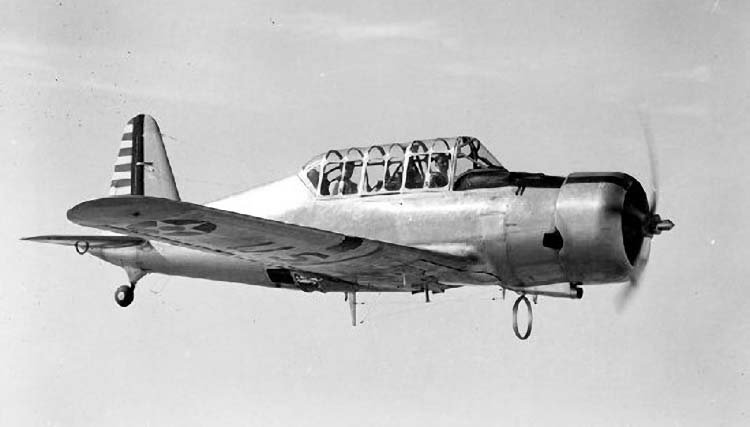 BT-13 Valiant |
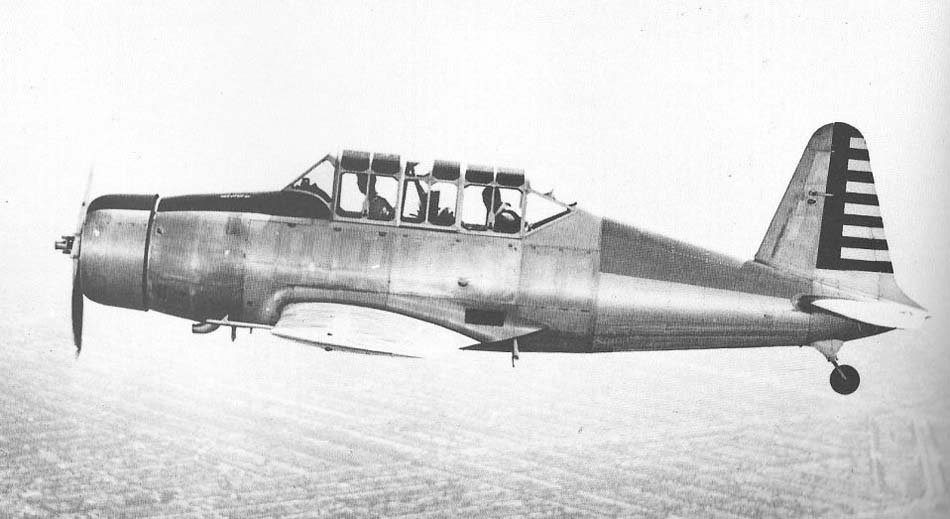 BT-13 Valiant |
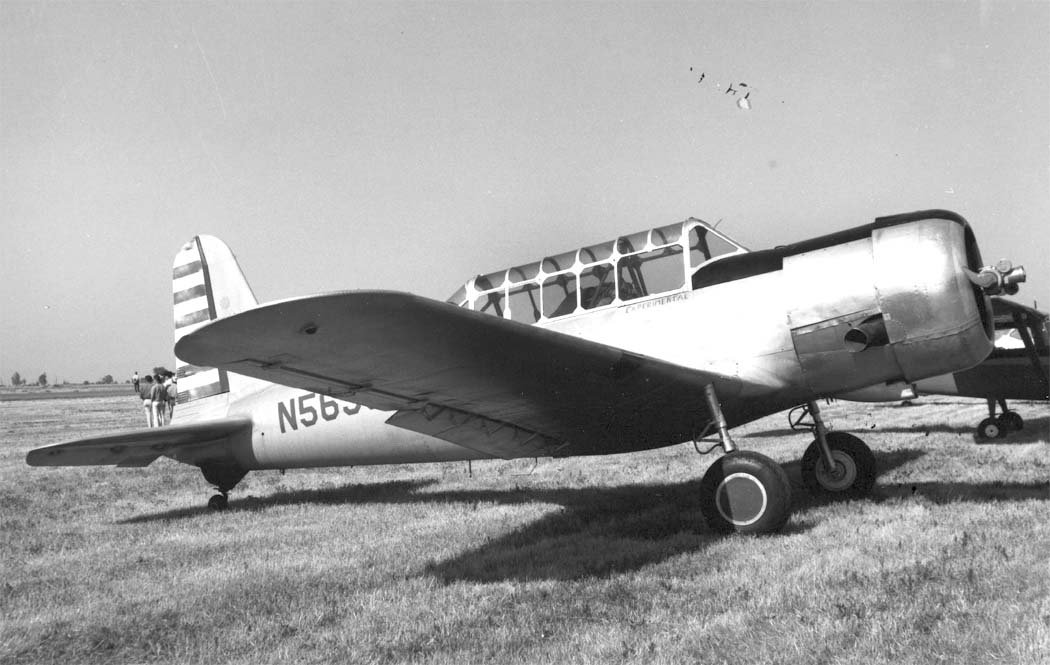 BT-13 Valiant |
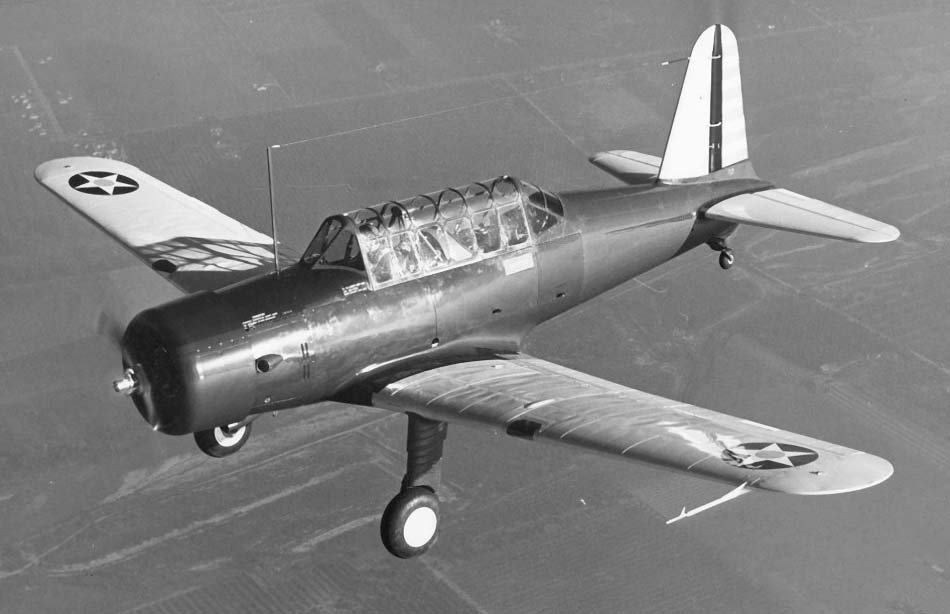 BT-13 Valiant |
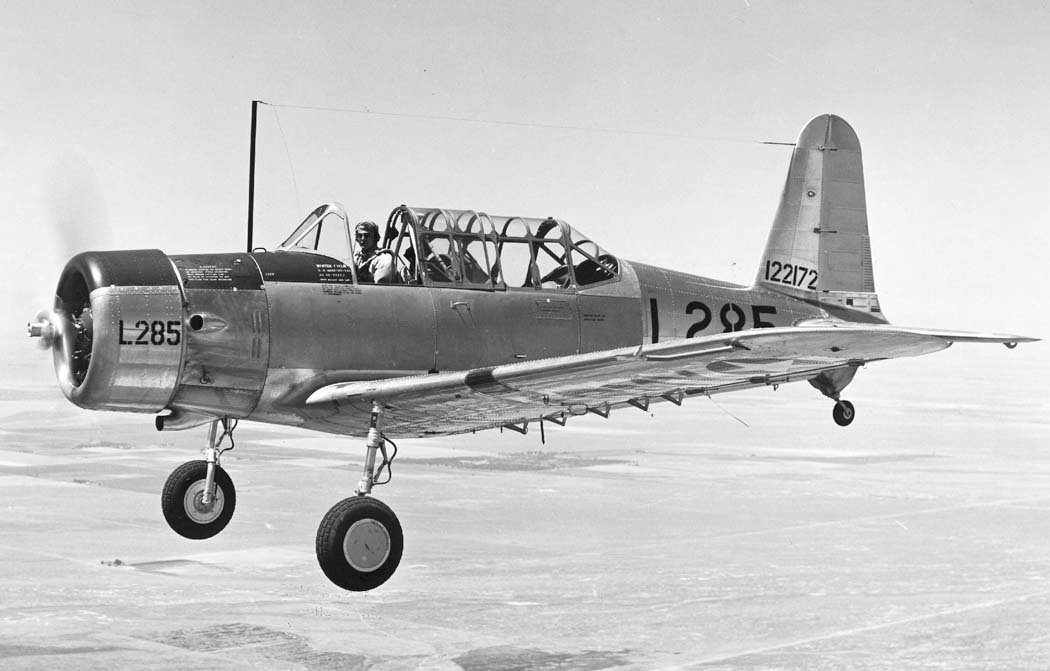 BT-13 Valiant |
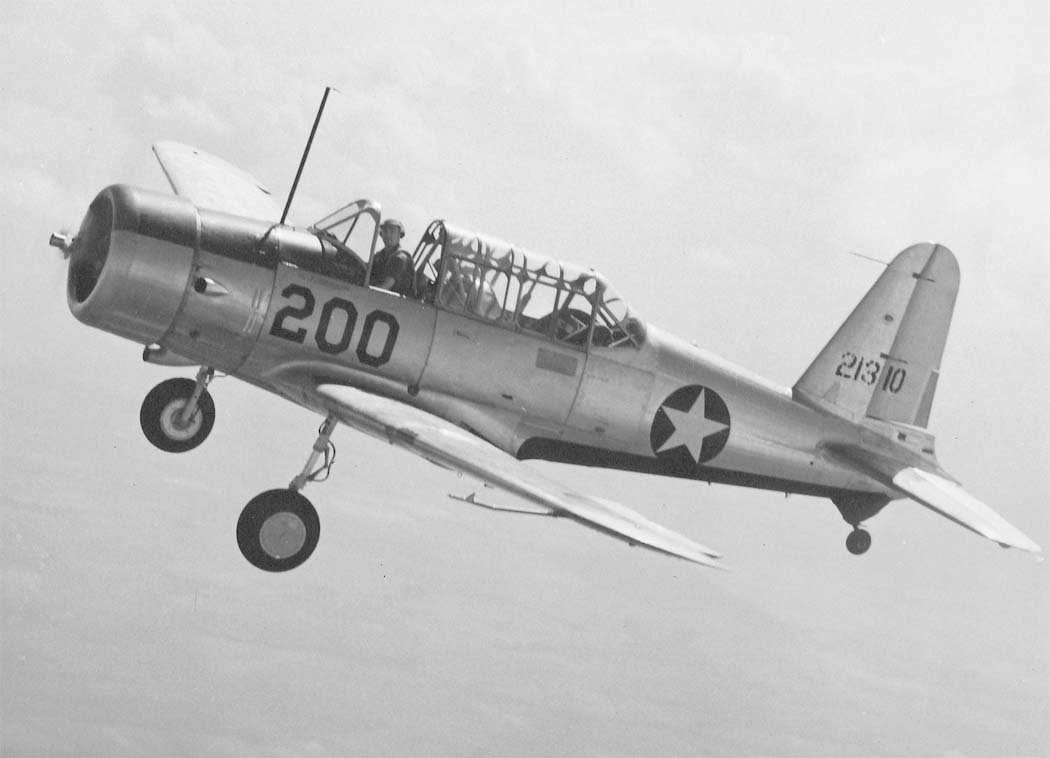 BT-13 Valiant |
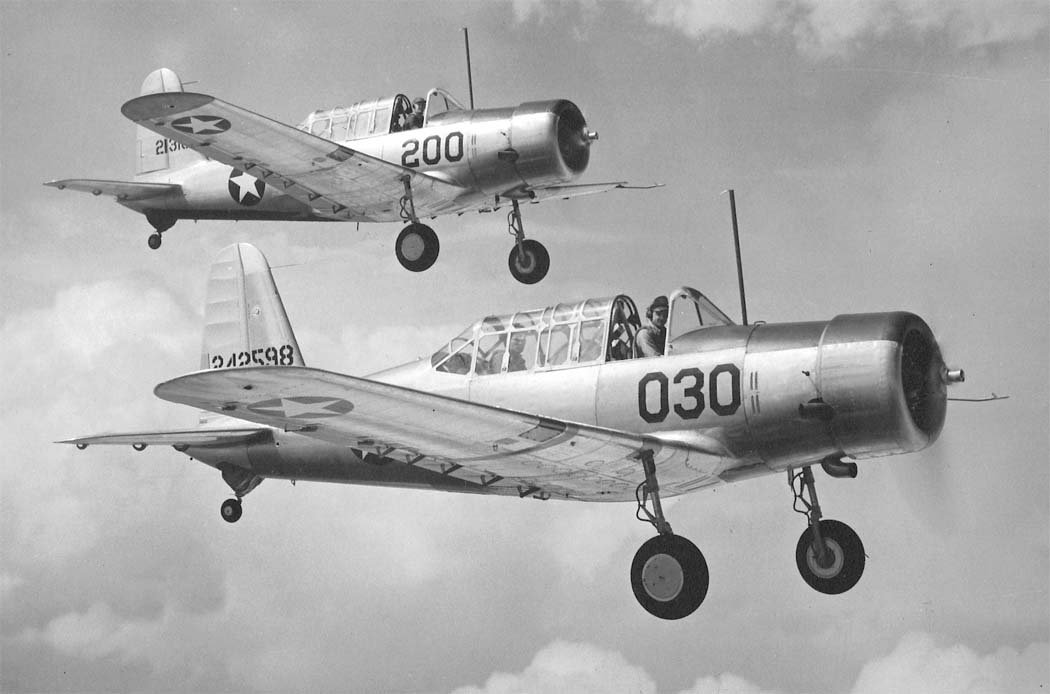 BT-13 Valiant |
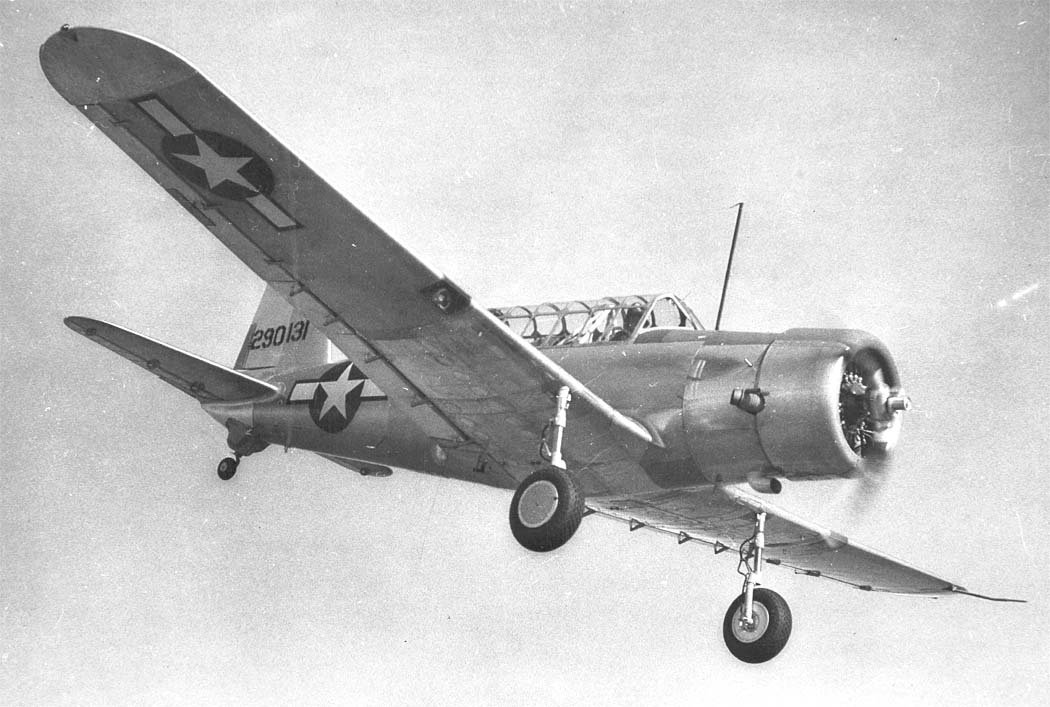 BT-13 Valiant |
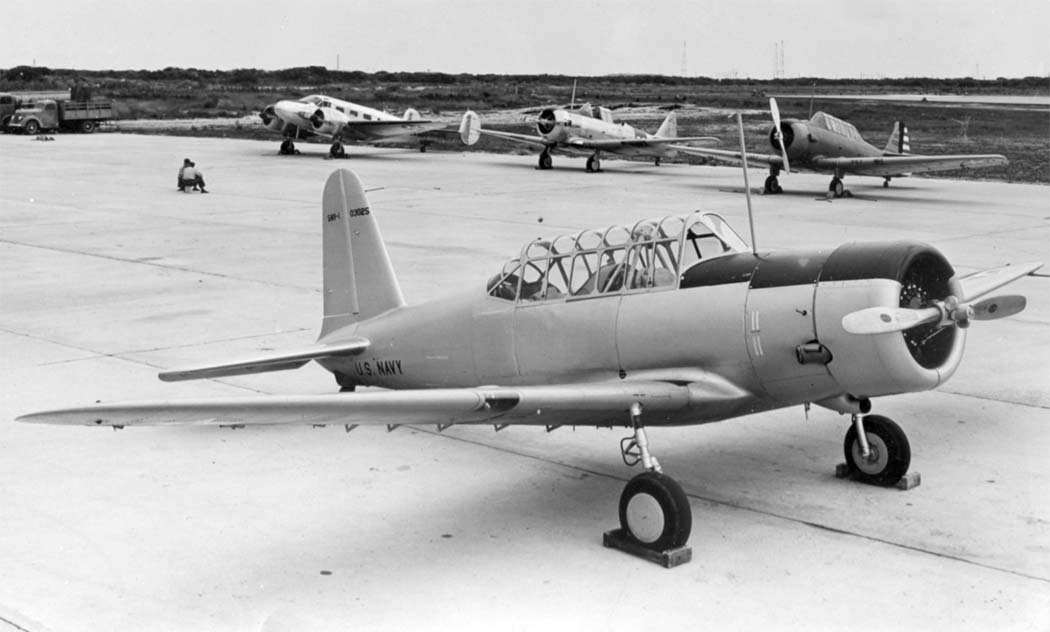 BT-13 Valiant |
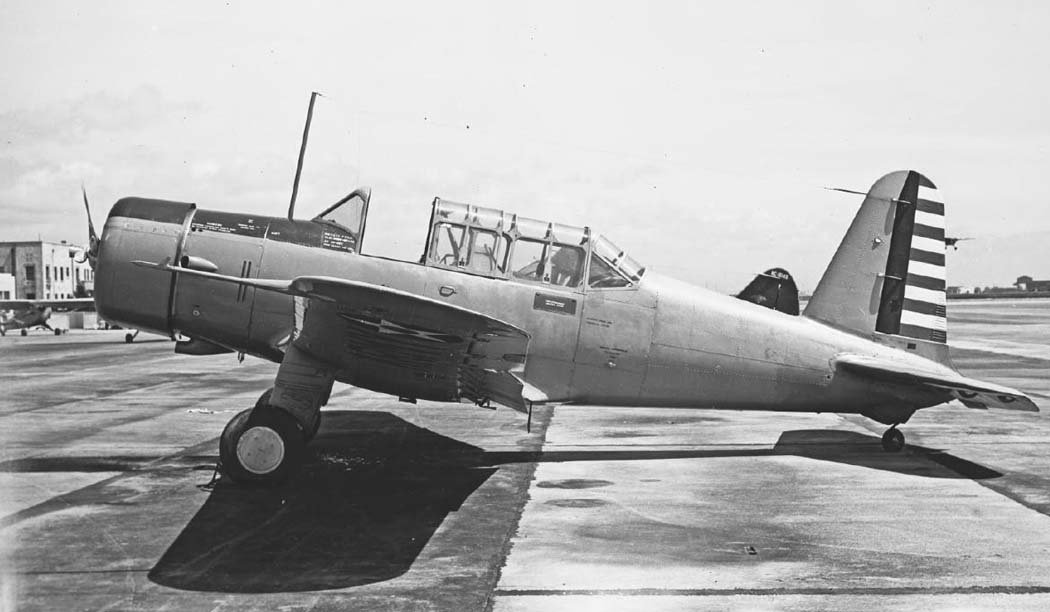 BT-13 Valiant |
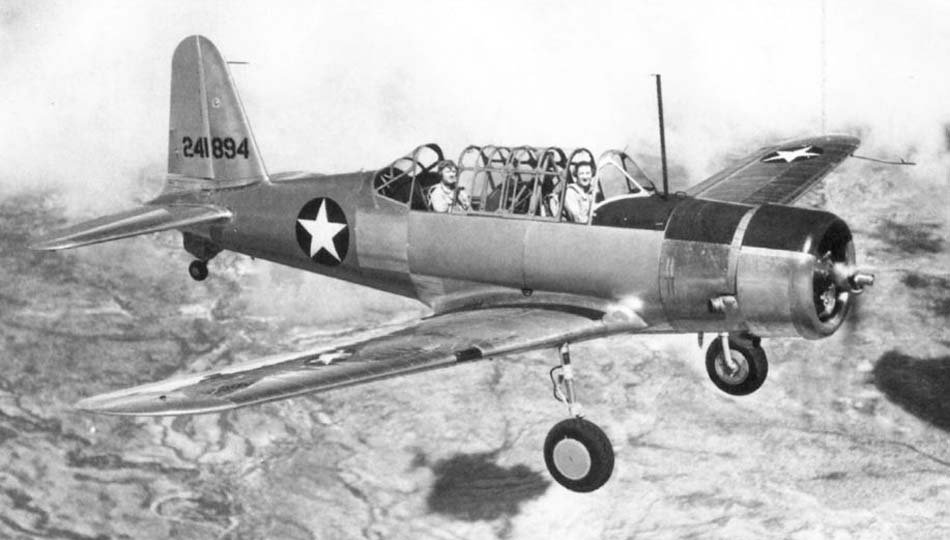 BT-13 Valiant |
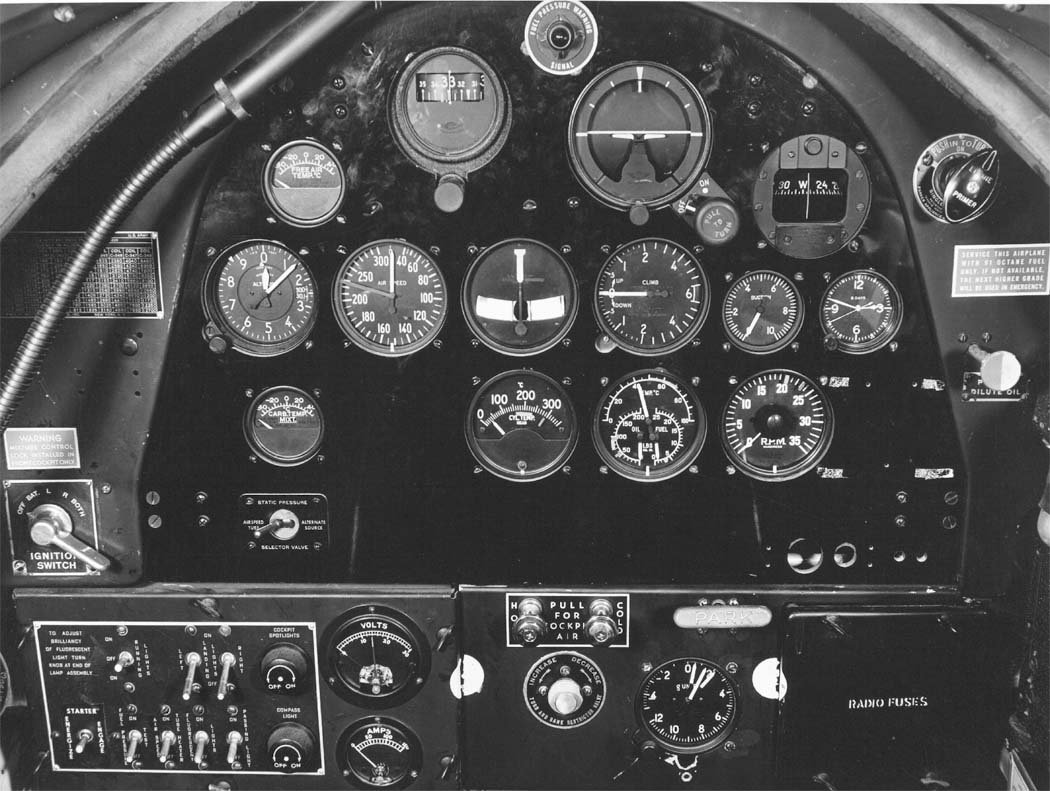 BT-13 Valiant |
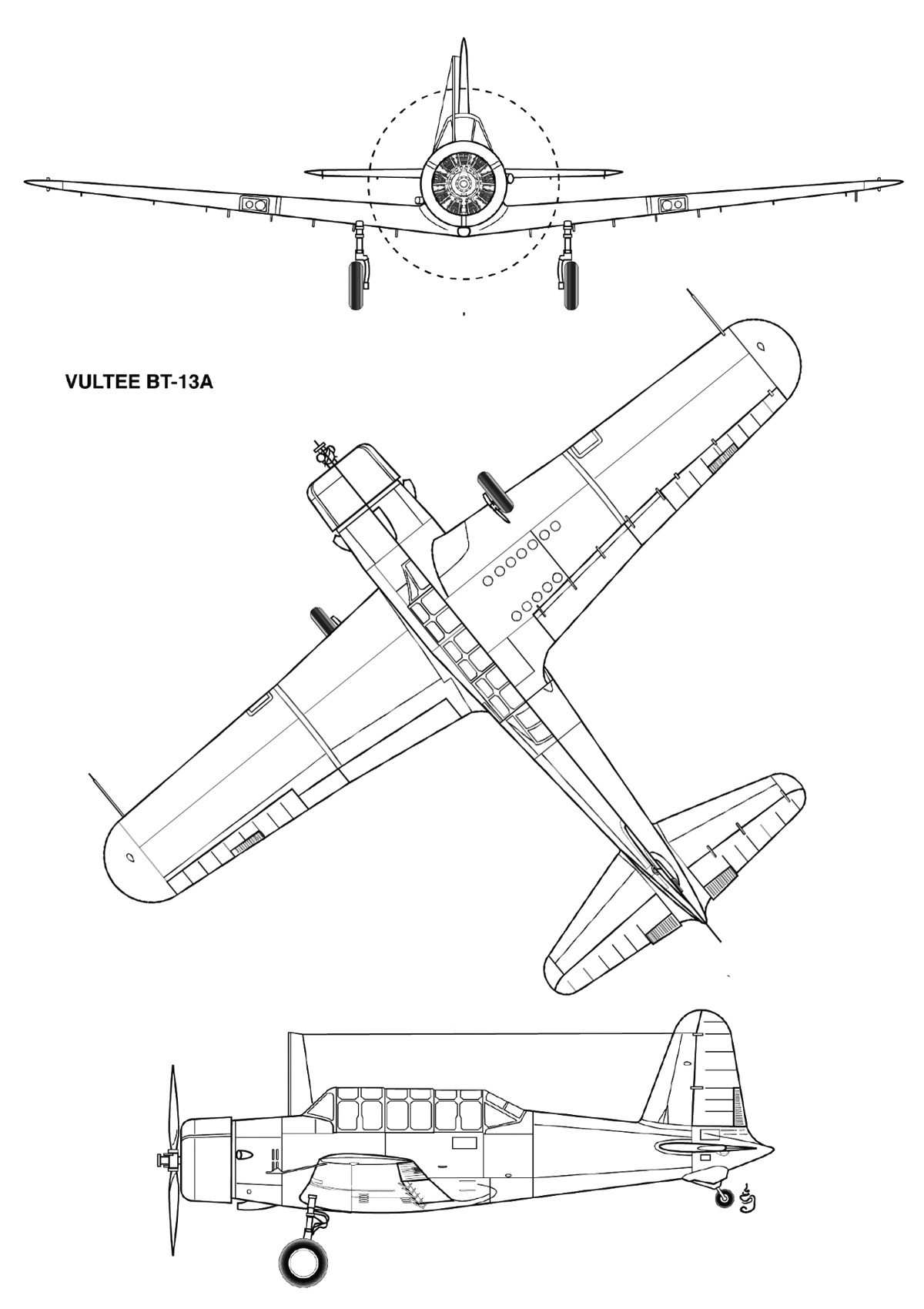 BT-13 Valiant |
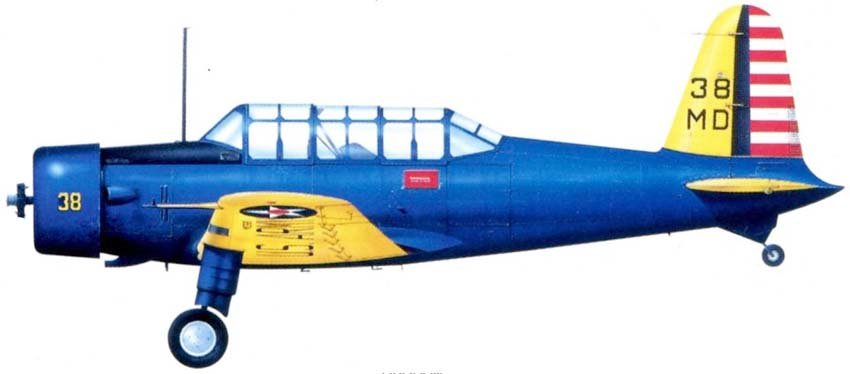 BT-13 Valiant |