
From the very beginning of its service with the US Navy, the SBD Dauntless proved to be a capable dive bomber. However, long before this, naval aviators were already contemplating the creation of a more advanced dive bomber. The Douglas company developed a two-seat aircraft of this type.
In June 1941, the Navy ordered two prototypes of the Douglas XSB2D-1 Destroyer, with the first taking to the skies on April 8, 1943. Although tests showed that the new machine significantly outperformed its competitor, the Curtiss SB2C Helldiver, the latter was already in serial production.
An order for the serial production of the Destroyer never materialized. It was subsequently used as a basis for creating a new machine destined for combat in the Pacific Theater of Operations.
Innovative Development
The Douglas XSB2D-1 prototype was a two-seat dive bomber featuring good aerodynamics and an internal weapons bay. Notably, for the first time among carrier-based aircraft, it was equipped with a retractable tricycle landing gear.
The Navy subsequently issued new technical requirements for a dive bomber/torpedo bomber, and the XSB2D-1 was modified accordingly. The aircraft was converted into a single-seater, two 20mm cannons were installed in the wings, the bomb bay was enlarged, and fuel capacity increased. Additionally, dive brakes were fitted on the sides of the fuselage.
Production and Cancellation
In accordance with a contract dated August 31, 1943, Douglas was slated to produce 358 of these aircraft, designated BTD-1 and retaining the name “Destroyer.” Deliveries commenced in June 1944, but only 28 machines were built before the order was canceled shortly after the victory over Japan.
The flight characteristics of the Destroyer proved to be disappointing, and these aircraft never entered operational service units.
Pioneering Jet Propulsion
Experimentally, two aircraft were fitted with a combined propulsion system, installing a Westinghouse WE-19XA turbojet with 6.67 kN of thrust in the rear fuselage. Air for this engine was supplied through an intake located behind the pilot’s cockpit.
These two machines, designated XBTD-2, became the first Douglas aircraft with turbojets and the first jet aircraft of the US Navy. Initial flights, conducted in May 1945, showed that such an application of a downward-angled turbojet was impractical at speeds exceeding 322 km/h. Work on the program ceased at the end of 1945.
Technical Specifications
| Modification | BTD-1 |
| Wingspan, m | 13.72 |
| Length, m | 11.76 |
| Height, m | 4.14 |
| Wing area, m2 | 34.65 |
| Empty weight | 5244 |
| Maximum takeoff weight | 8618 |
| Engine type | 1 Piston engine Wright R-3350-14 Cyclone 18 |
| Power, hp | 1 x 2300 |
| Maximum speed, km/h | 554 |
| Cruising speed, km/h | 465 |
| Practical range, km | 2382 |
| Service ceiling, m | 7195 |
| Crew | 1 crew member |
| Armament | two 20-mm cannons, mounted on the wing leading edge; 1 torpedo or up to 1451 kg of bombs in the internal bay. |
Image and diagram gallery of the Douglas BTD Destroyer
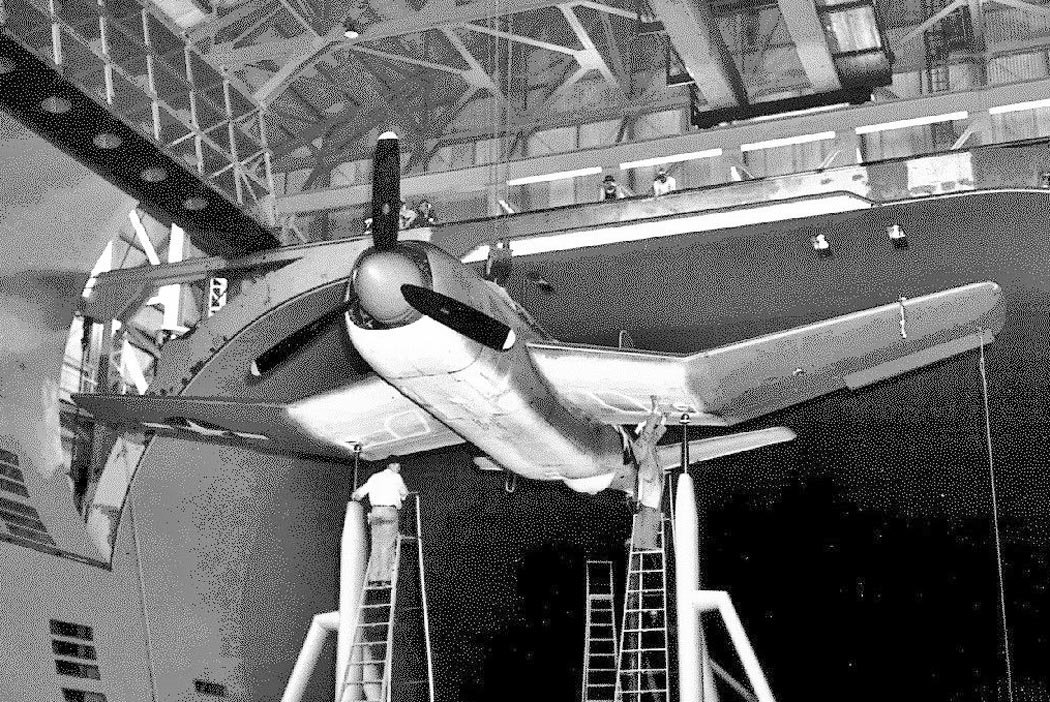 BTD Destroyer |
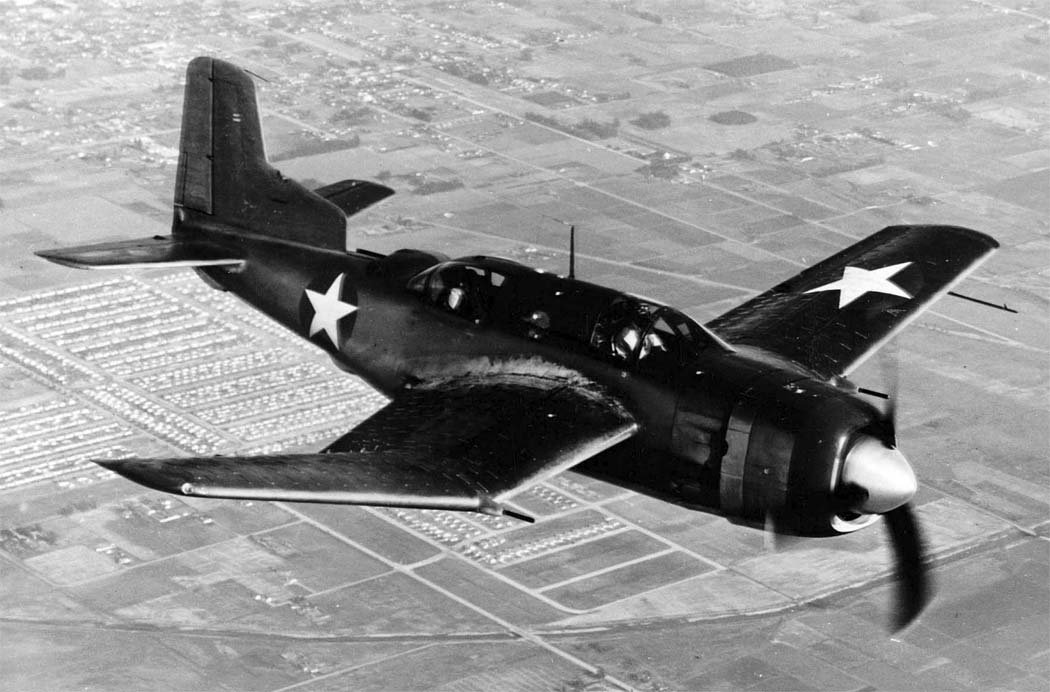 BTD Destroyer |
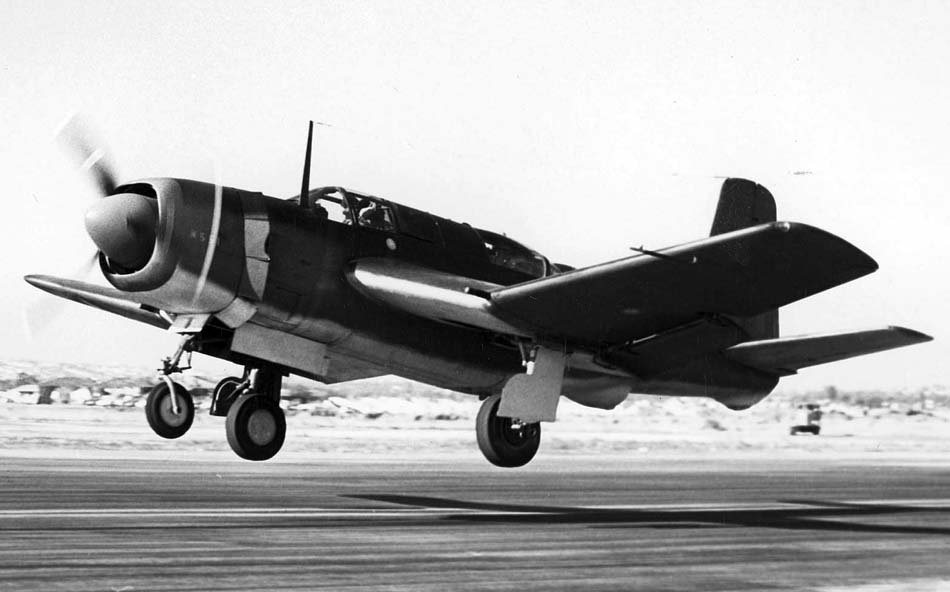 BTD Destroyer |
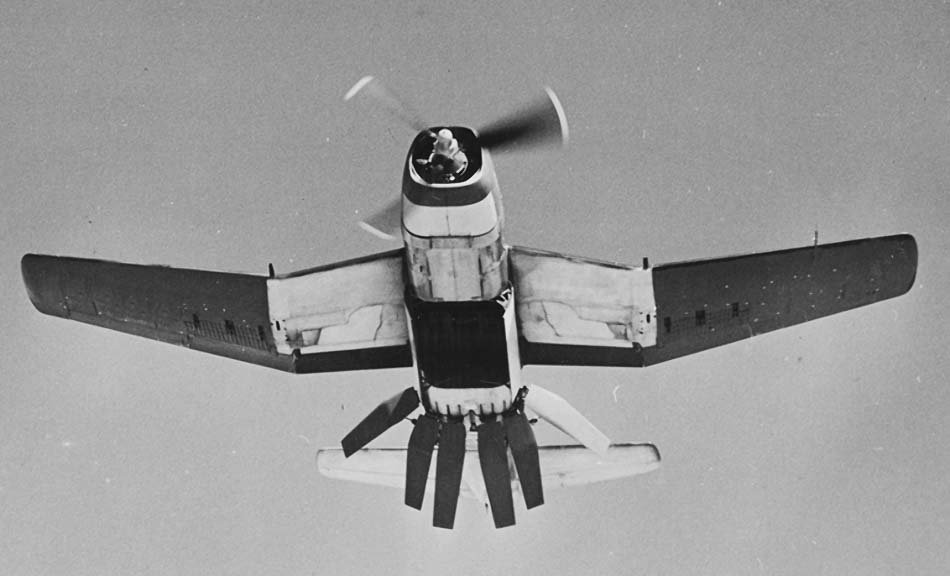 BTD Destroyer |
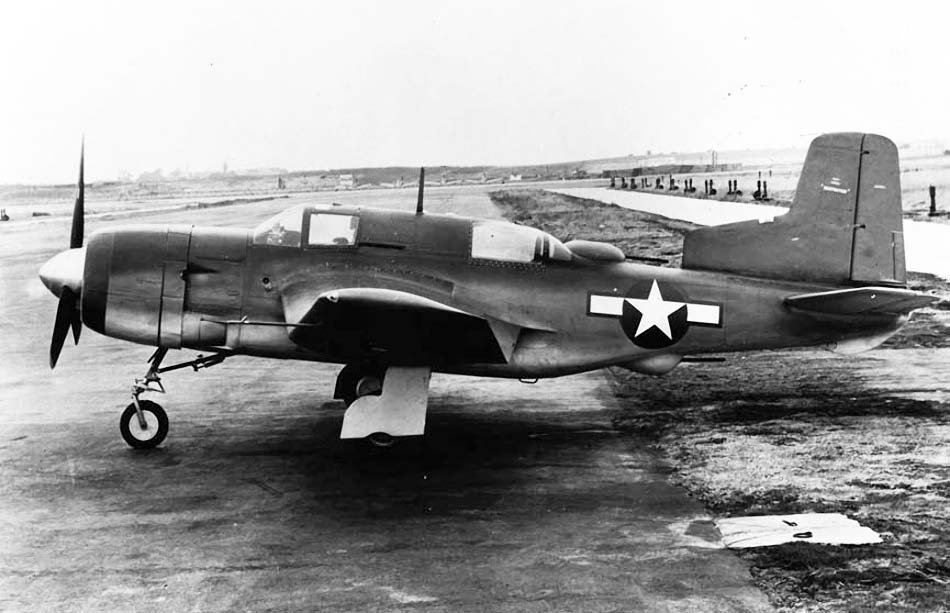 BTD Destroyer |
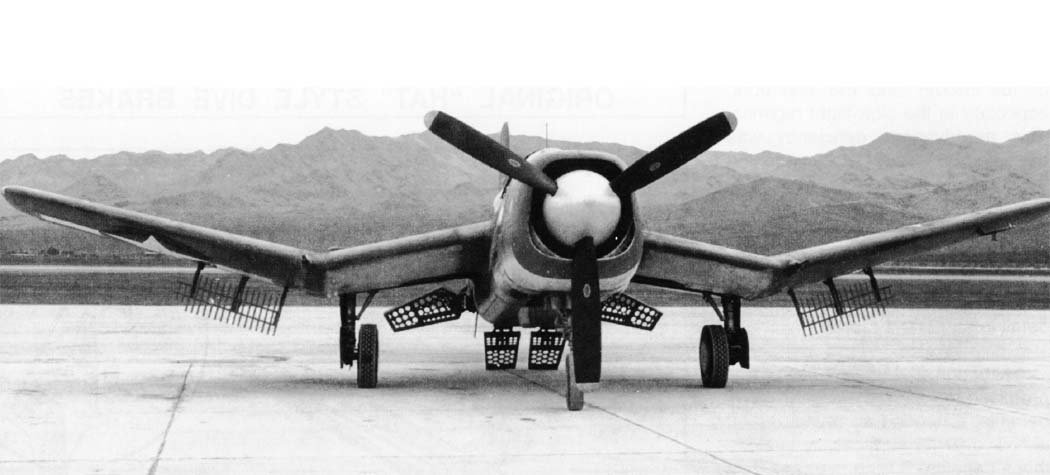 BTD Destroyer |
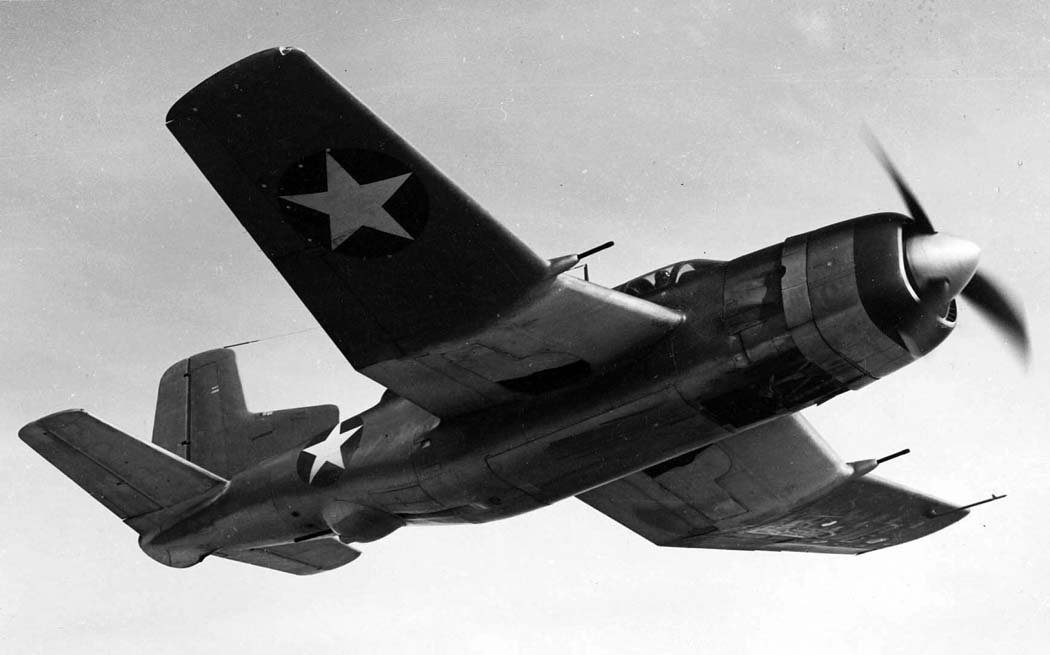 BTD Destroyer |
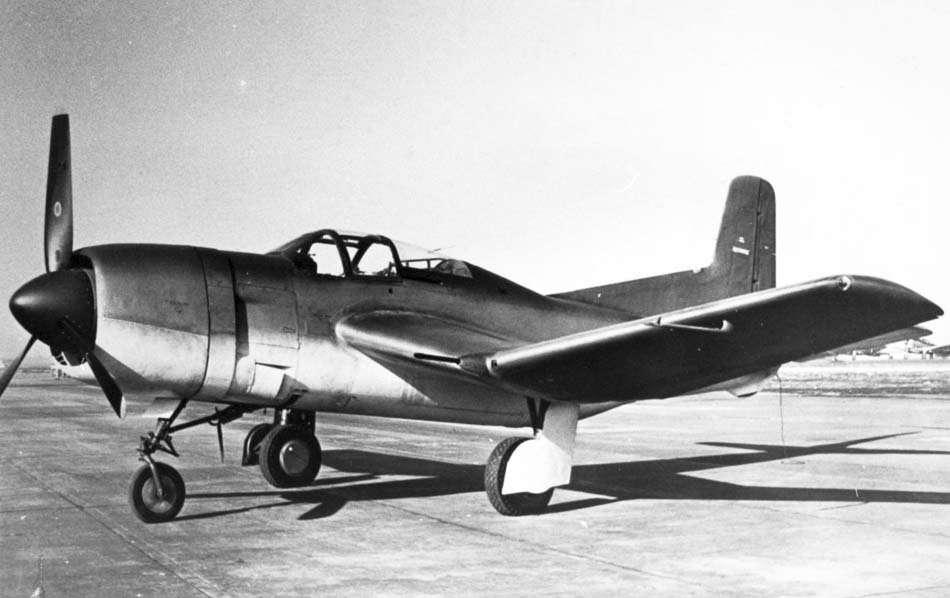 BTD Destroyer |
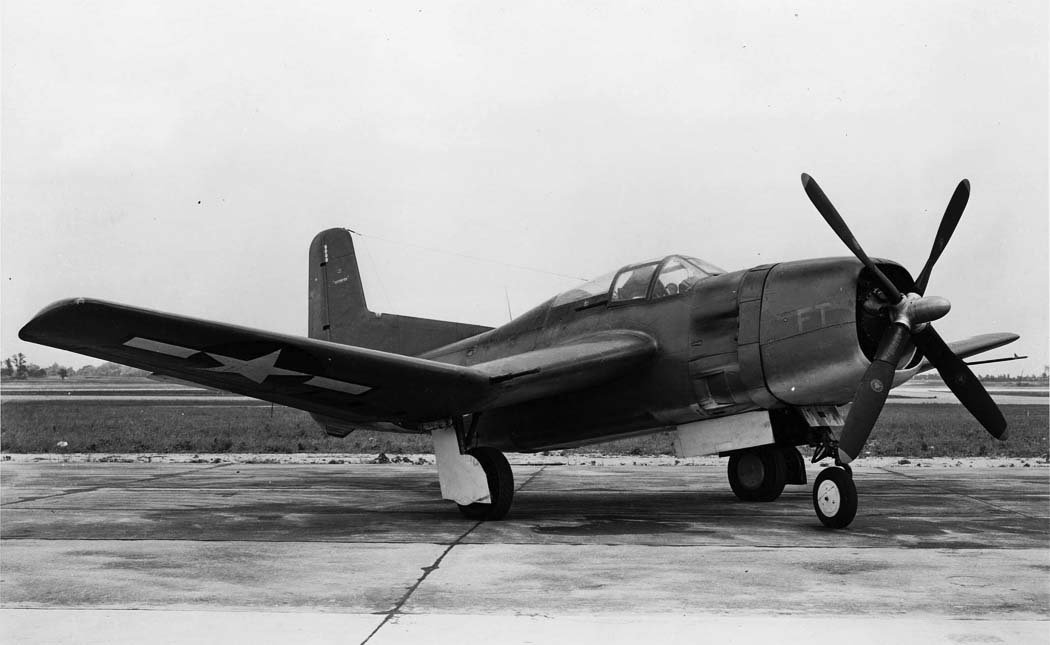 BTD Destroyer |
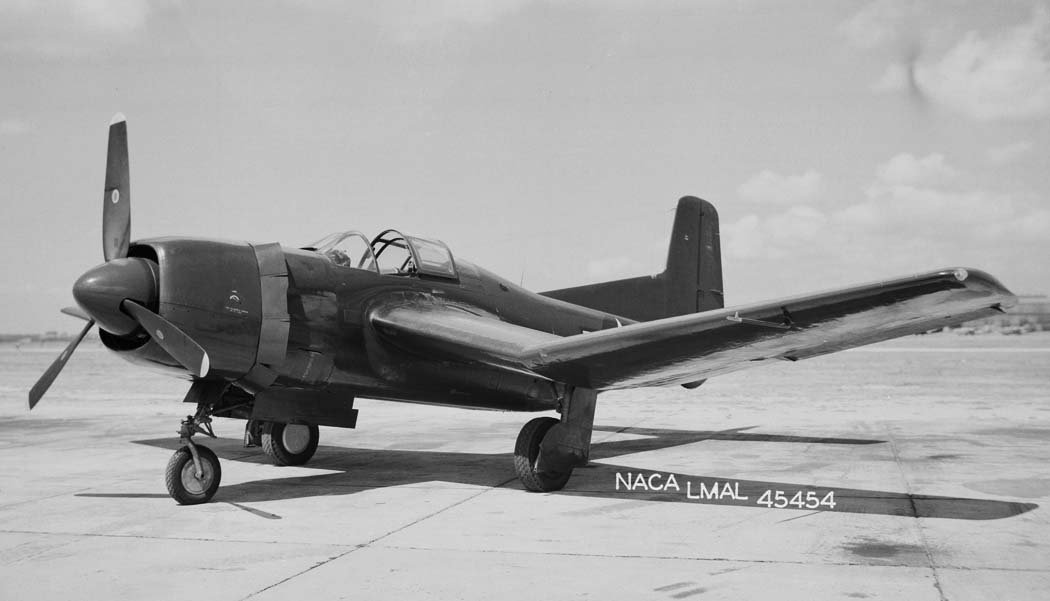 BTD Destroyer |
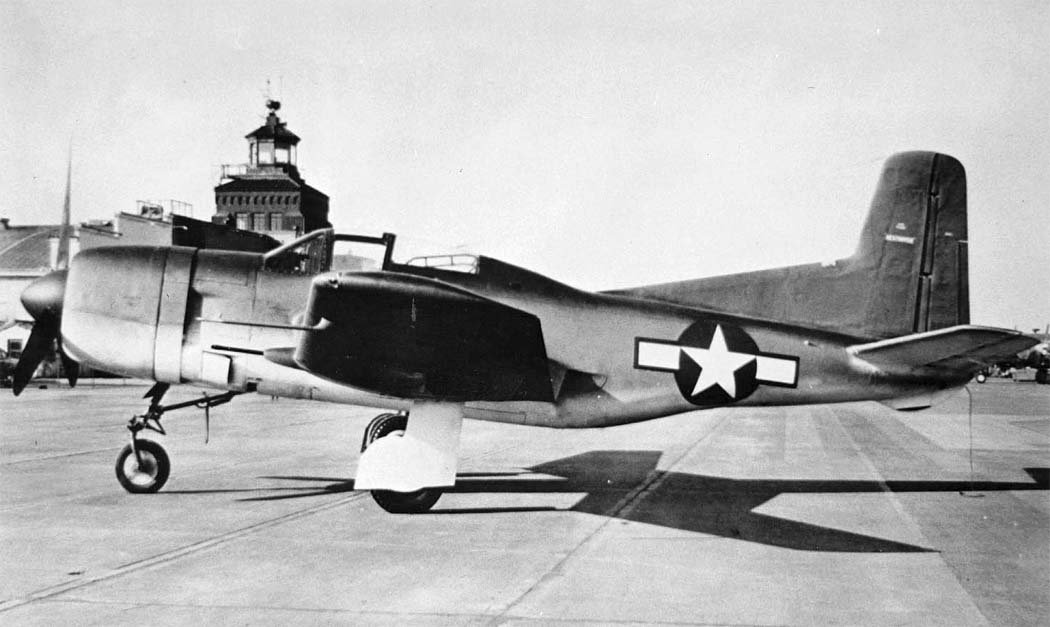 BTD Destroyer |
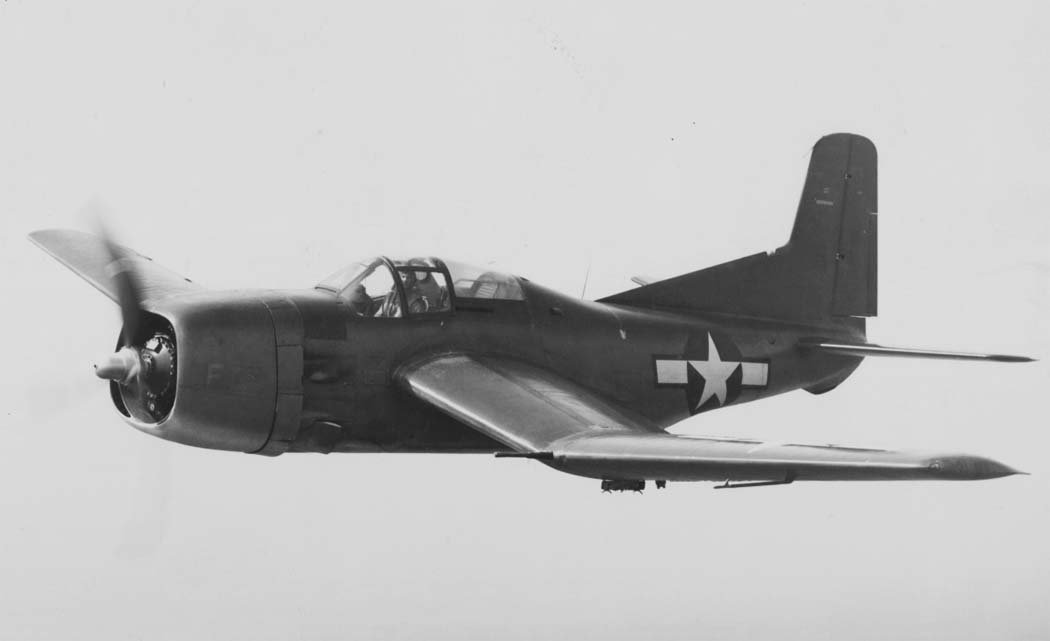 BTD Destroyer |
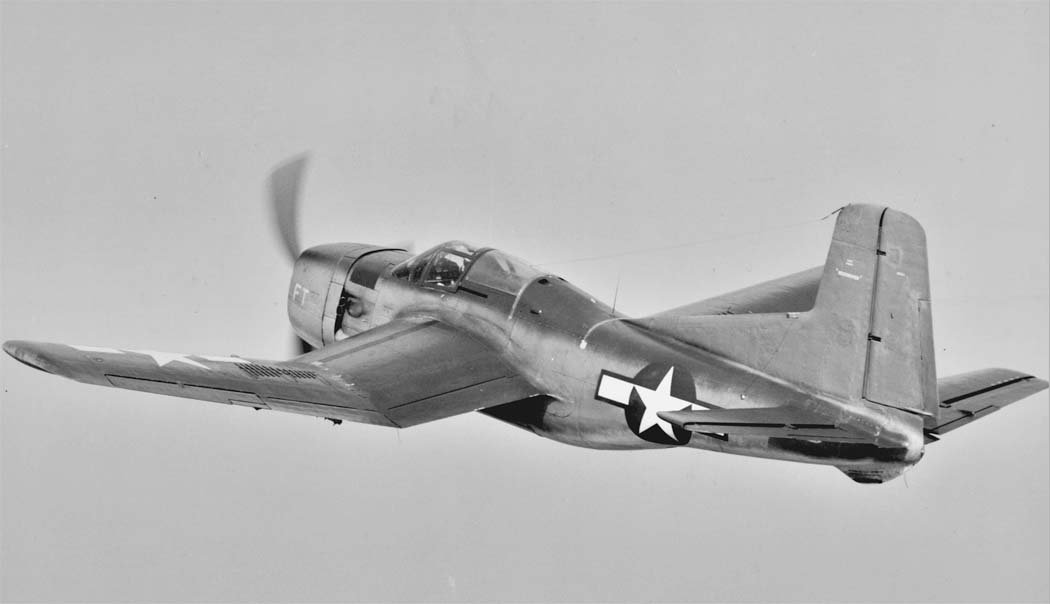 BTD Destroyer |
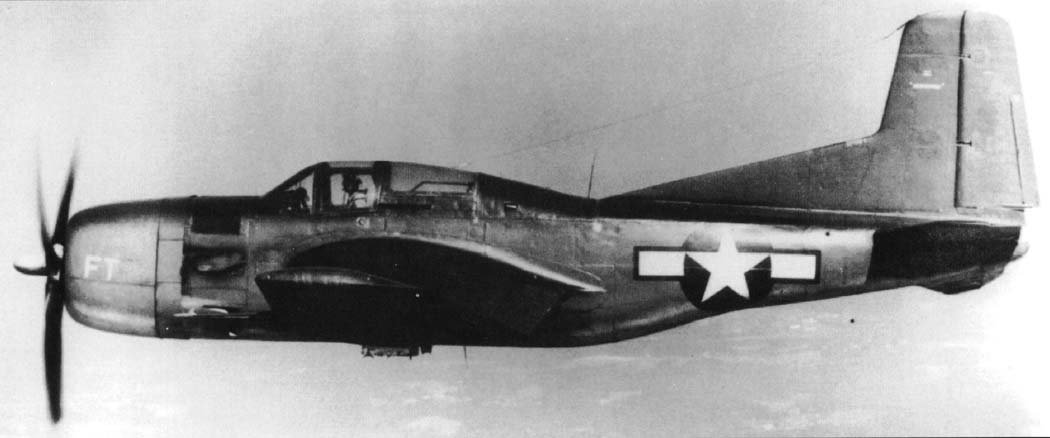 BTD Destroyer |
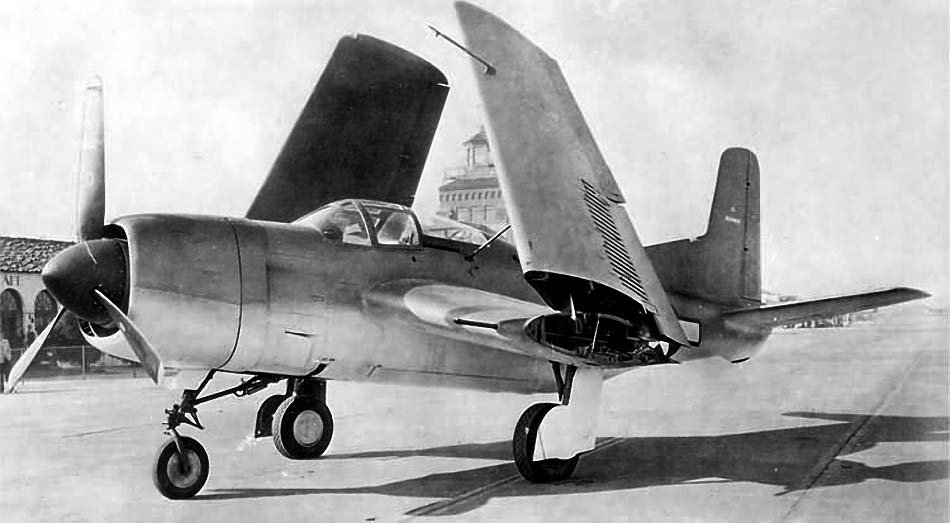 BTD Destroyer |
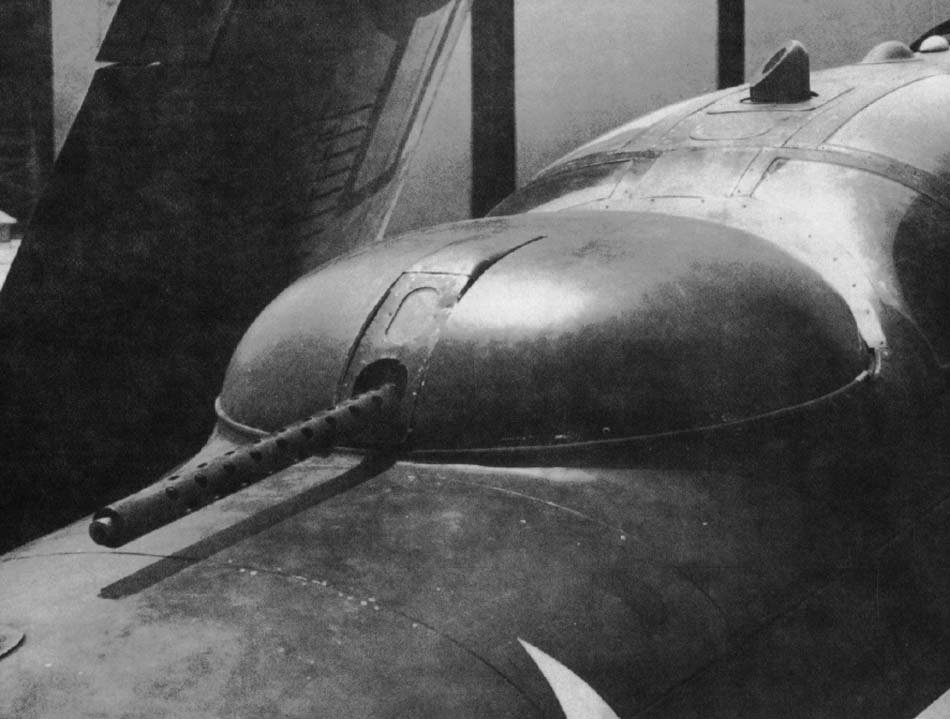 BTD Destroyer |
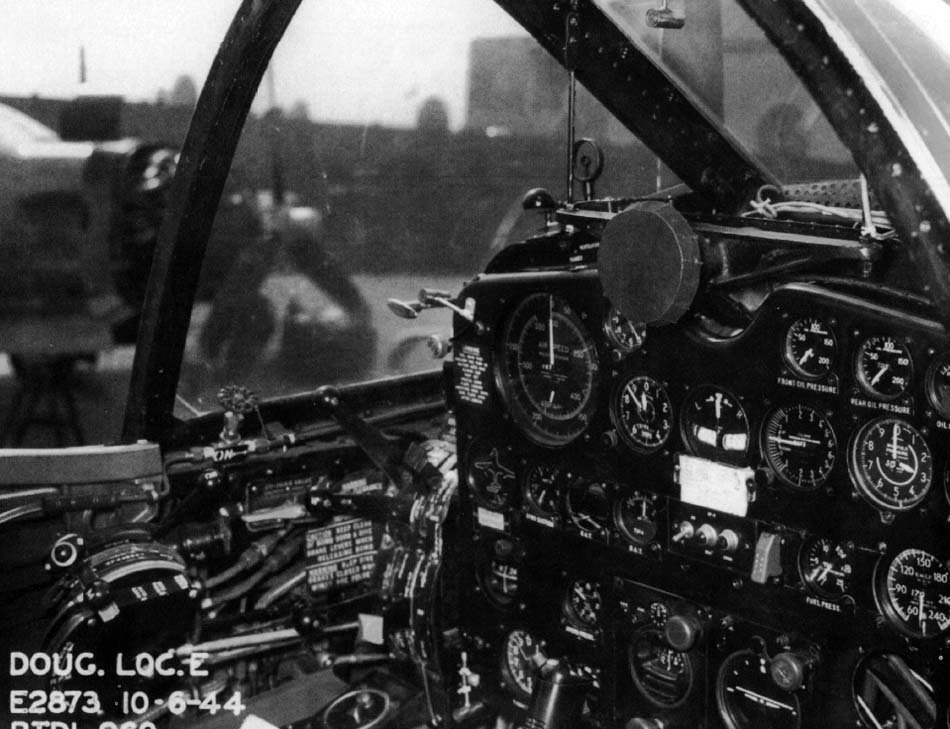 BTD Destroyer |
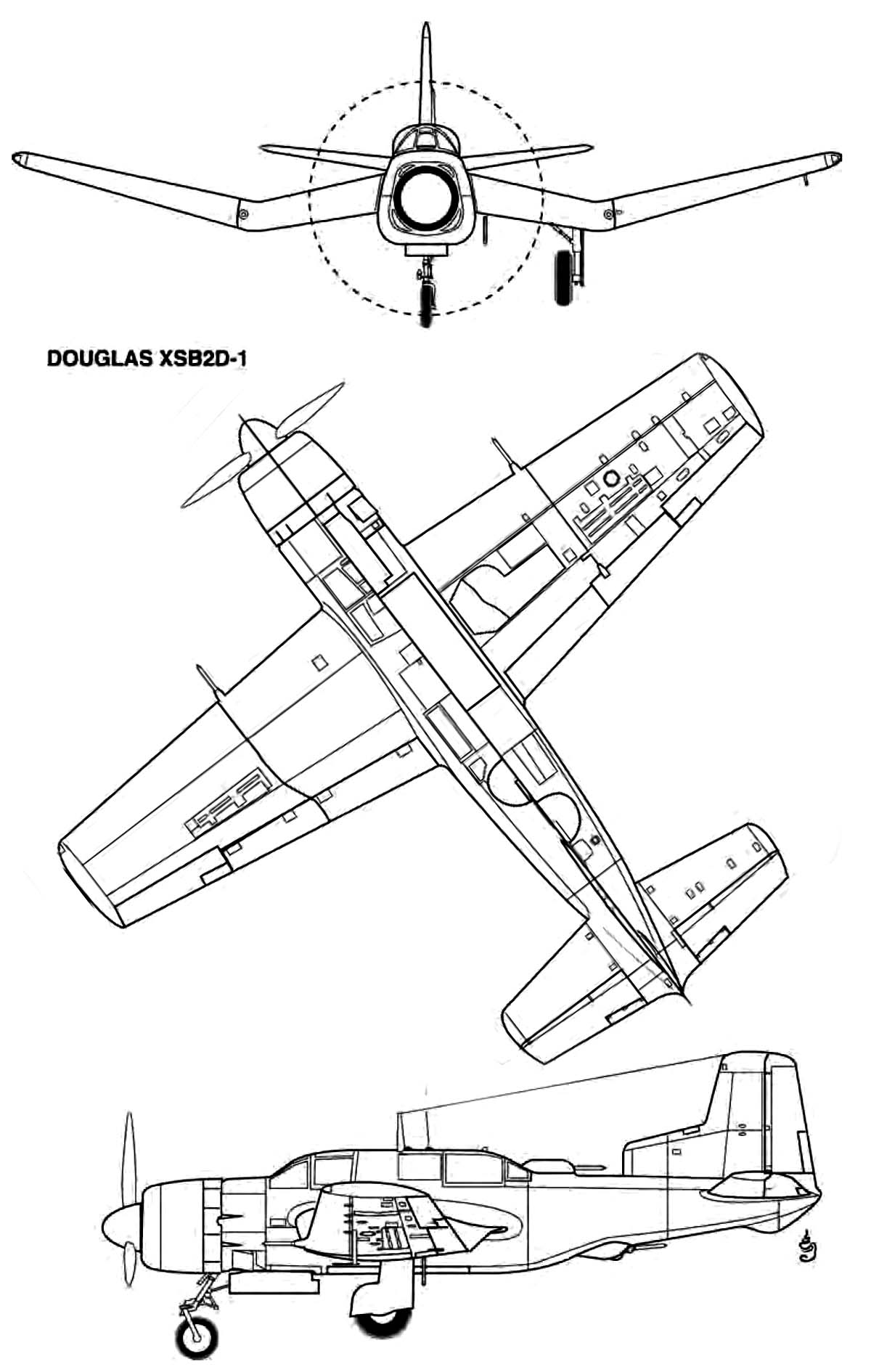 BTD Destroyer |
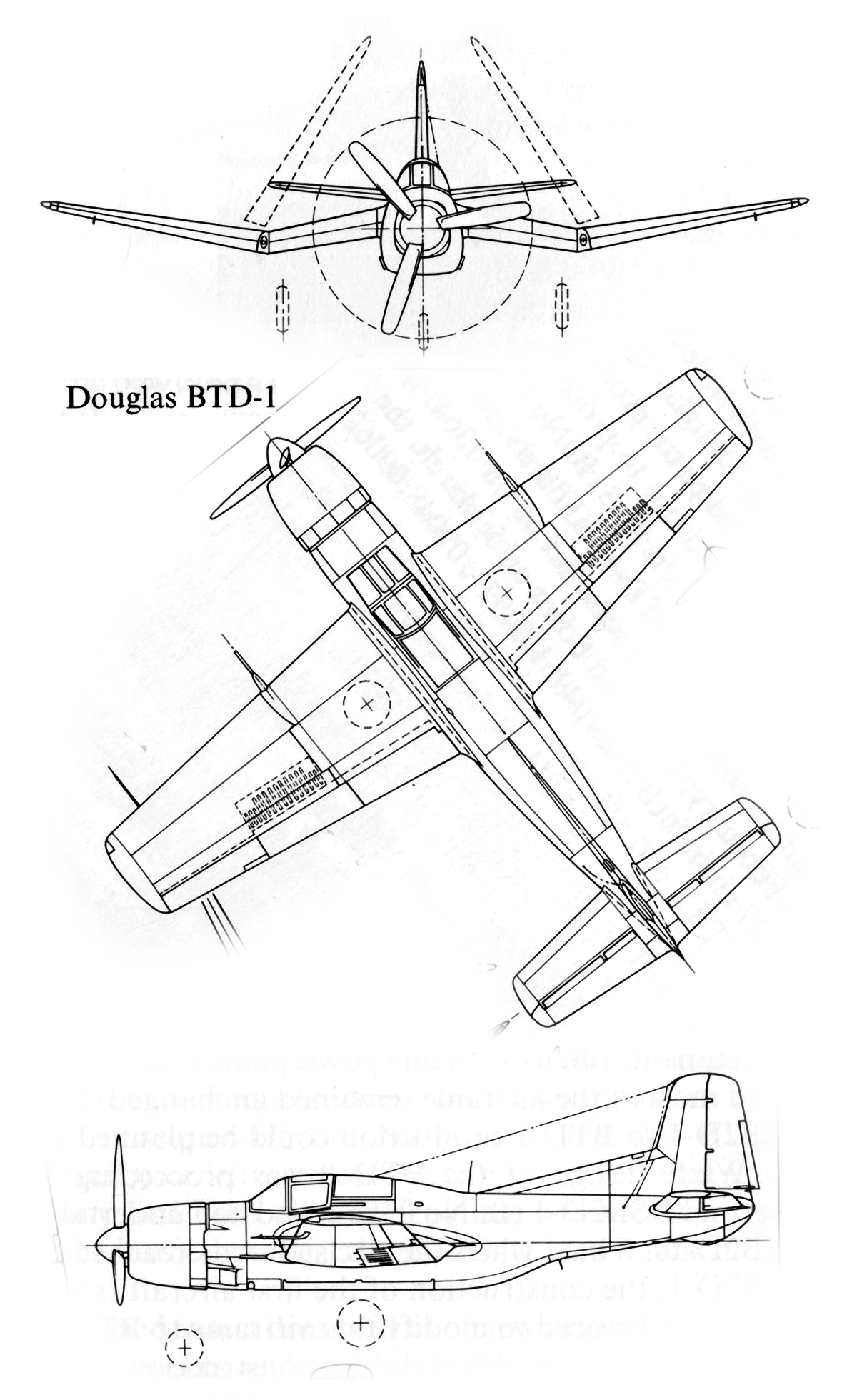 BTD Destroyer |
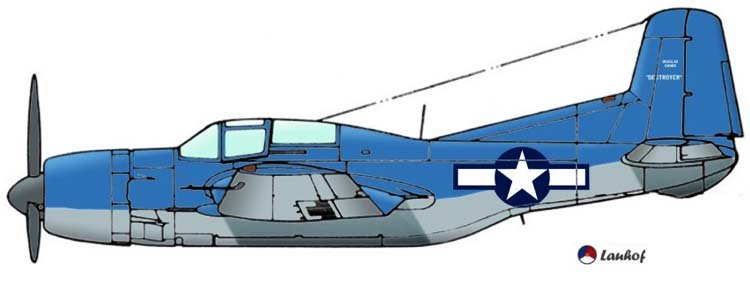 BTD Destroyer |