Skip to content
wp.archivoaereo.com

wp.archivoaereo.com

  • Military Aviation
    • World War I
      • WWI Attack Aircraft
      • WWI Bombers
      • WWI Fighters
      • WWI Flying Boats
      • WWI Reconnaissance
    • World War II
      • WWII Attack Aircraft
      • WWII Bombers
      • WWII Fighters
      • WWII Flying Boats
      • WWII Military Transport
      • WWII Reconnaissance
    • Cold War
      • Cold War Fighters
    • Modern
      • Modern Fighters
      • Modern Maritime Patrol
      • Modern Military Transport
  • Civil & Commercial Aviation
    • Classic Airliners
    • Modern Airliners
    • Classic Regional Airliners
    • Modern Regional Airliners
    • Pioneer Light Aircraft
    • Classic Light Aircraft
    • Modern Light Aircraft
    • Agricultural Aircraft
    • Racing Aircraft
  • Helicopters
    • Cargo & Heavy Helicopters
    • Light & Observation Helicopters
    • Pioneer Helicopters
    • SAR Helicopters (Rescue)
    • Utility Helicopters
  • Technology
    • Weapons & Technology
    • Drones & UAVs
    • Experimental Aircraft
  • History
    • History & Battles
  • Toggle search form

Bristol 118/120

Posted on July 26, 2026 By

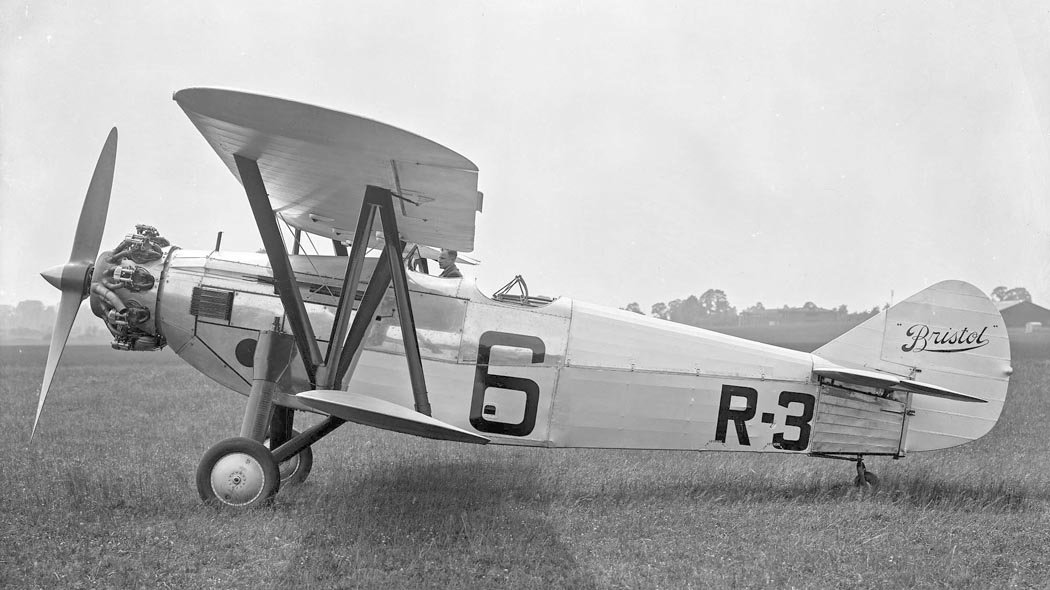
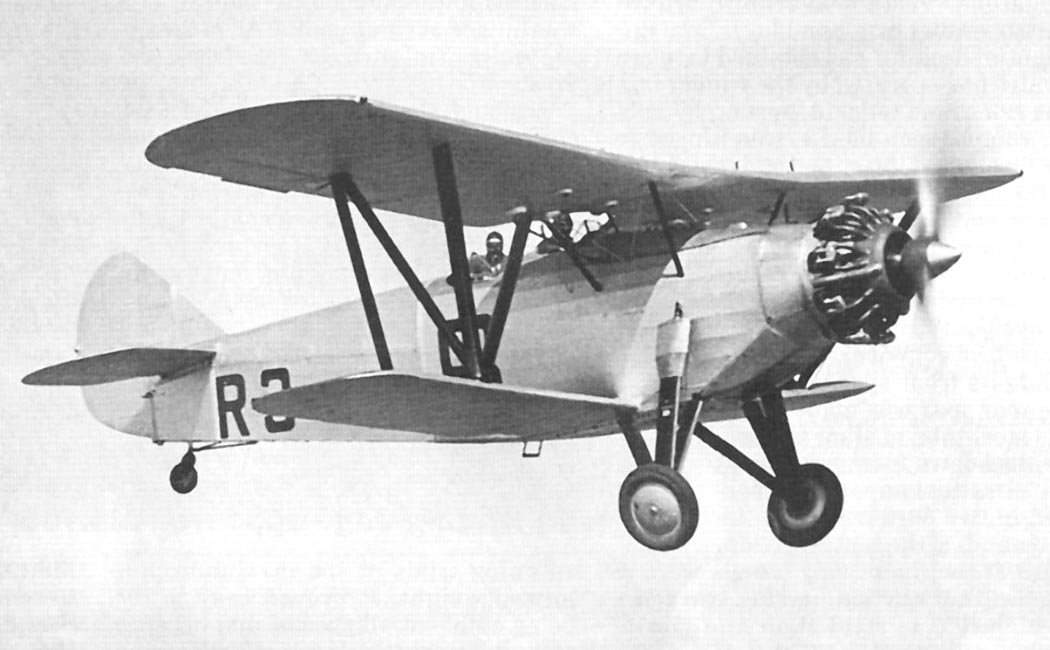
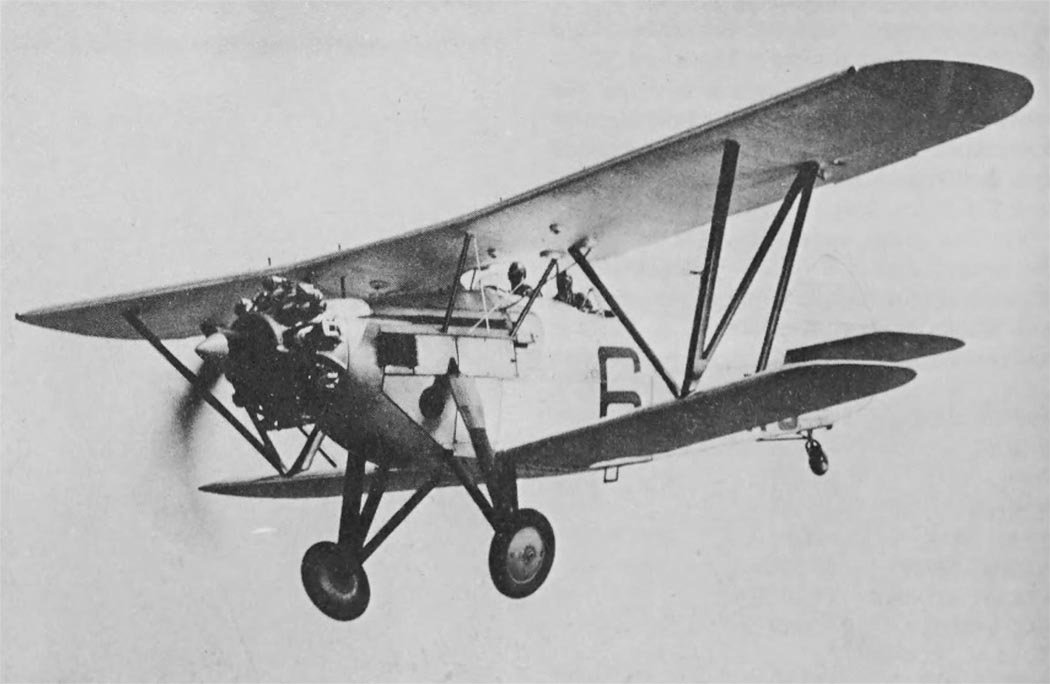
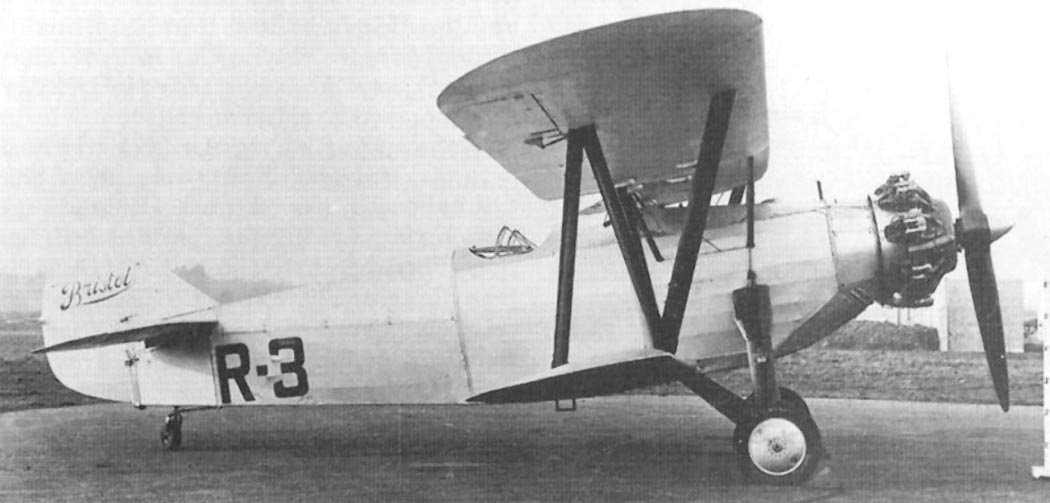
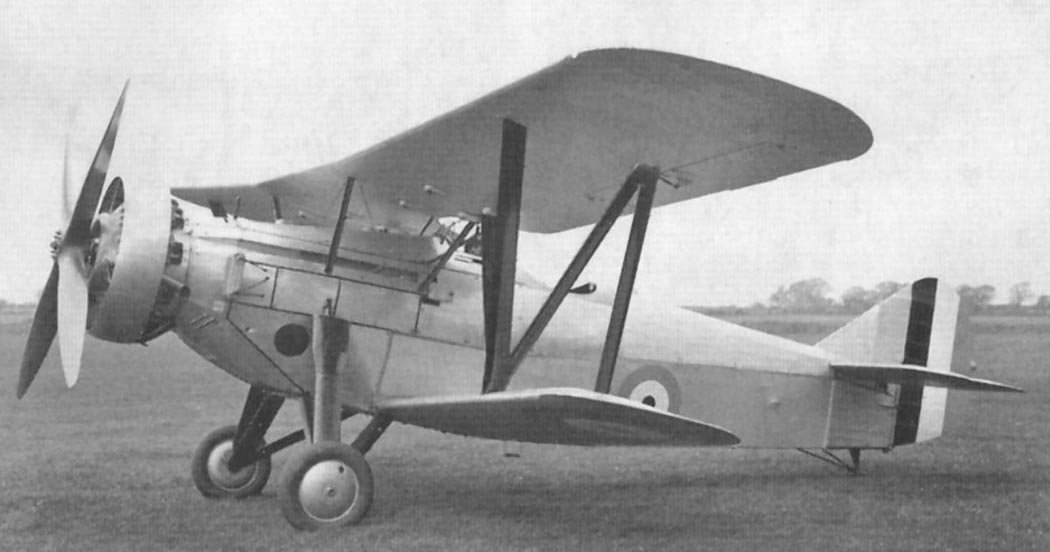
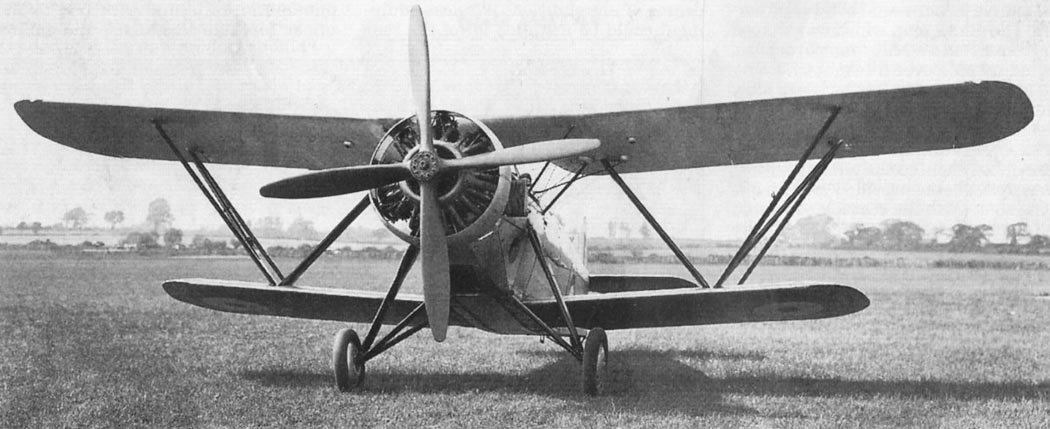
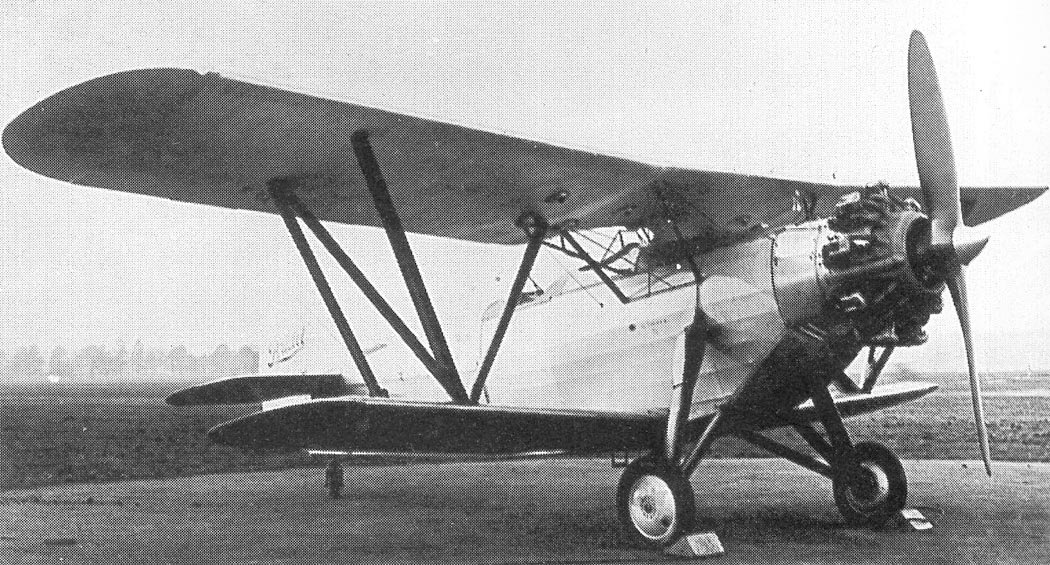
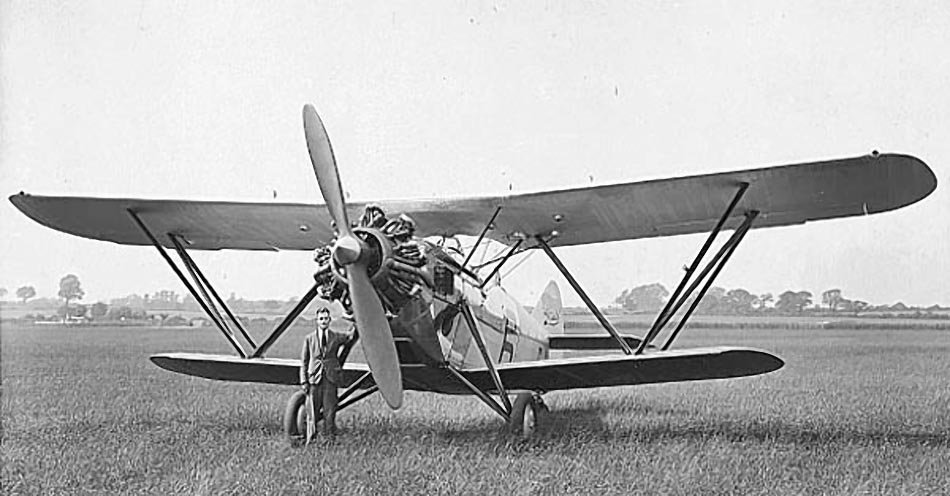
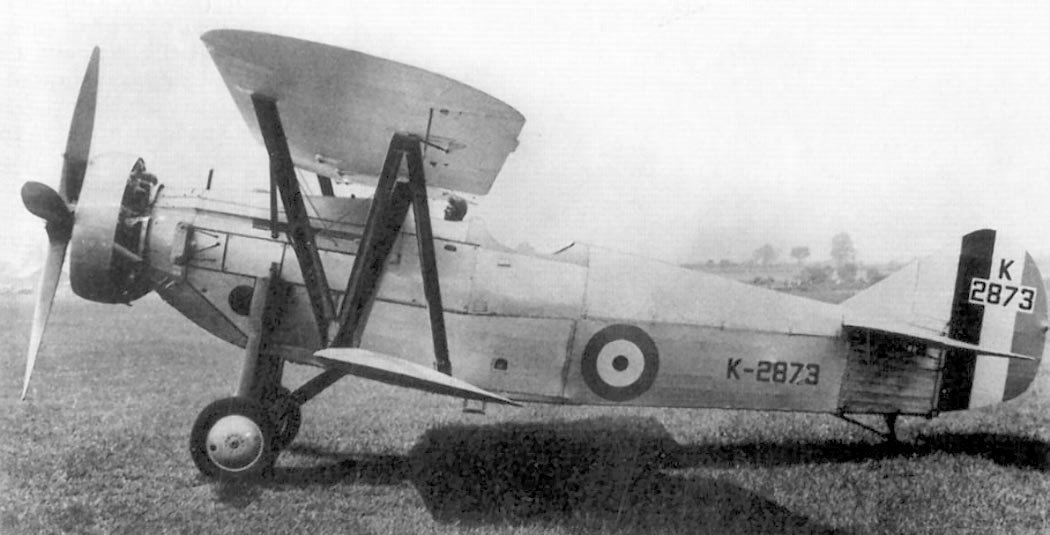
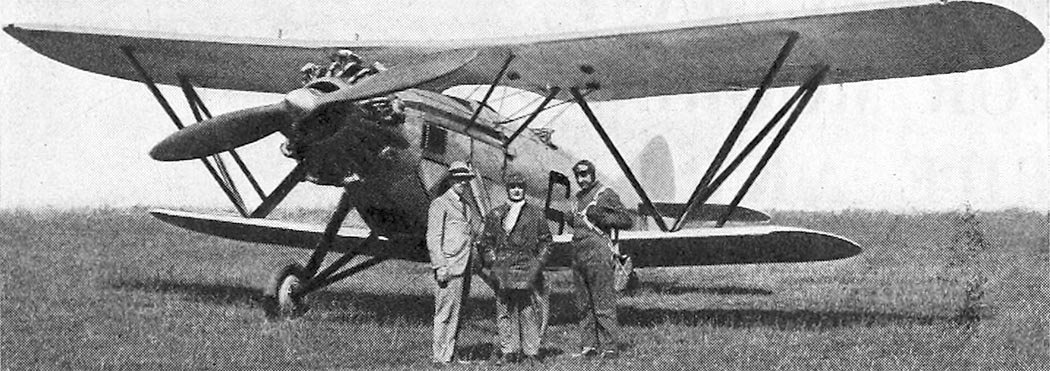
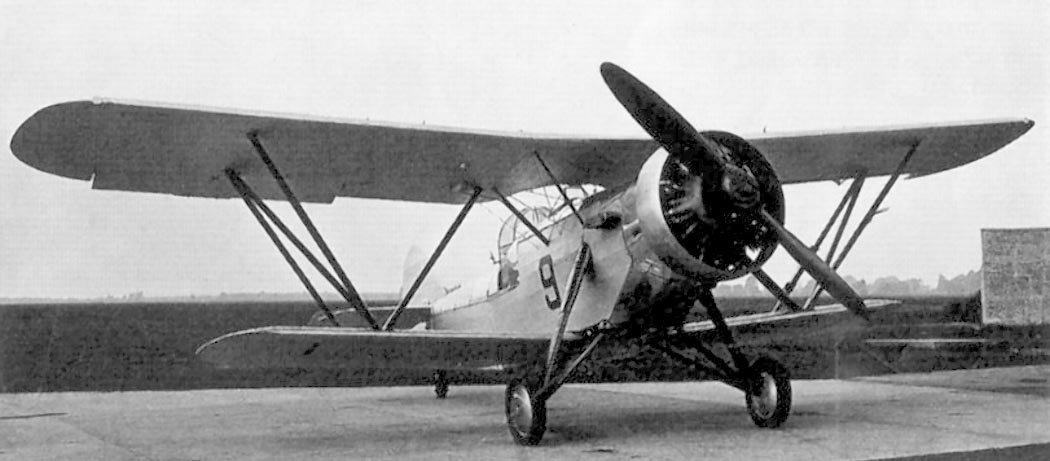
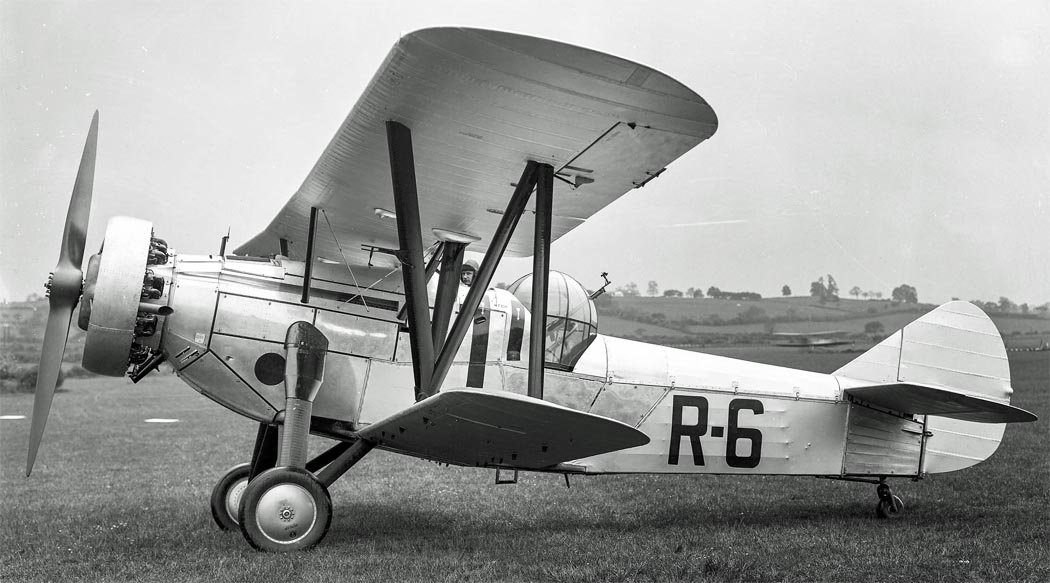
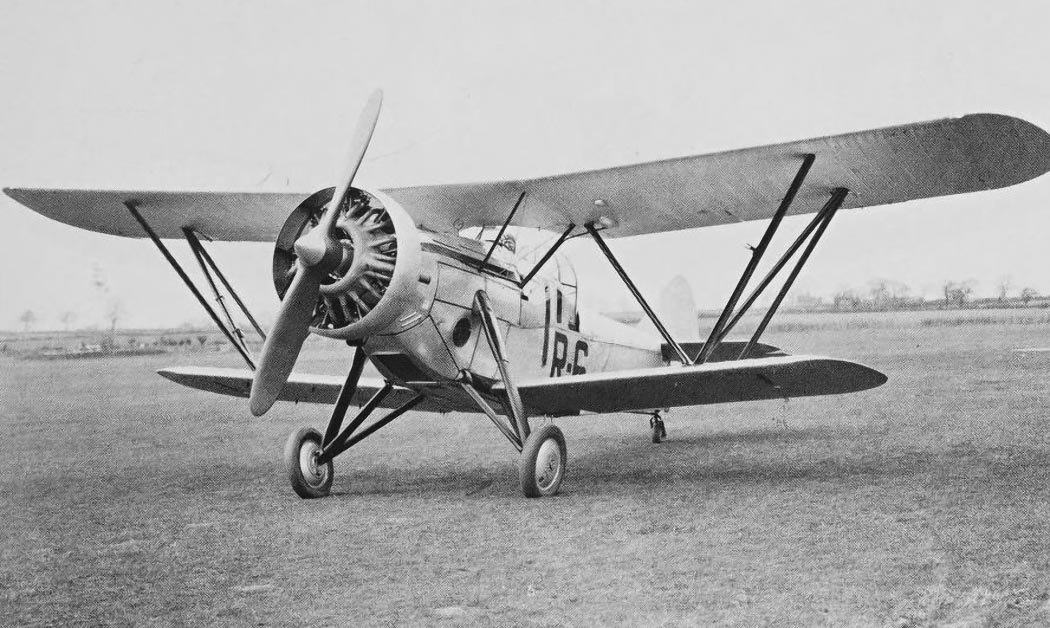
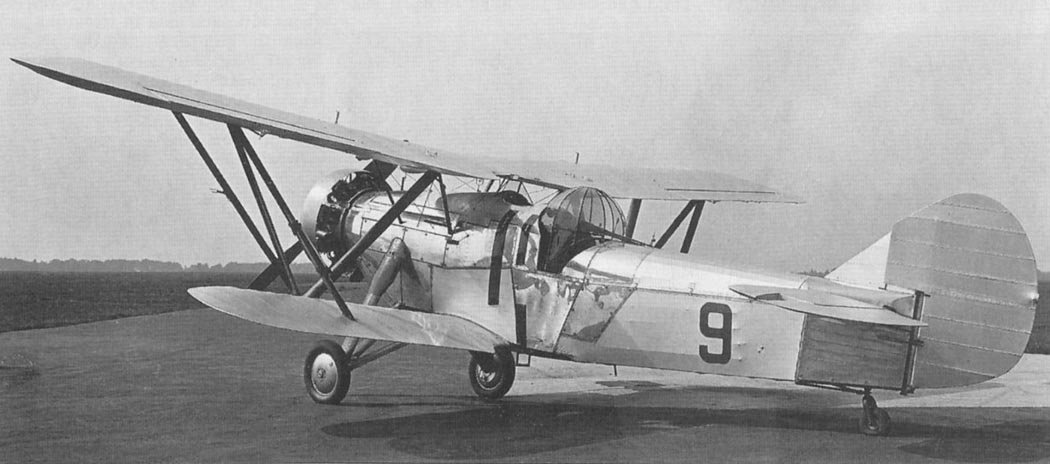
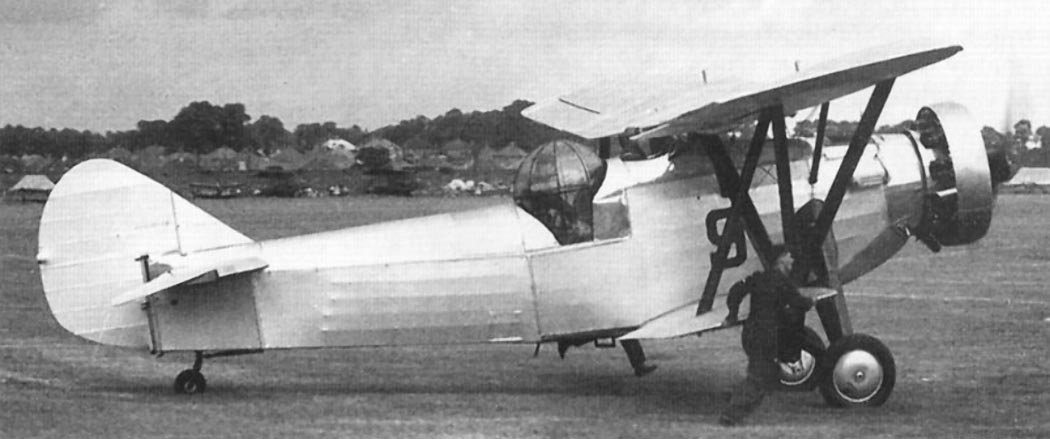
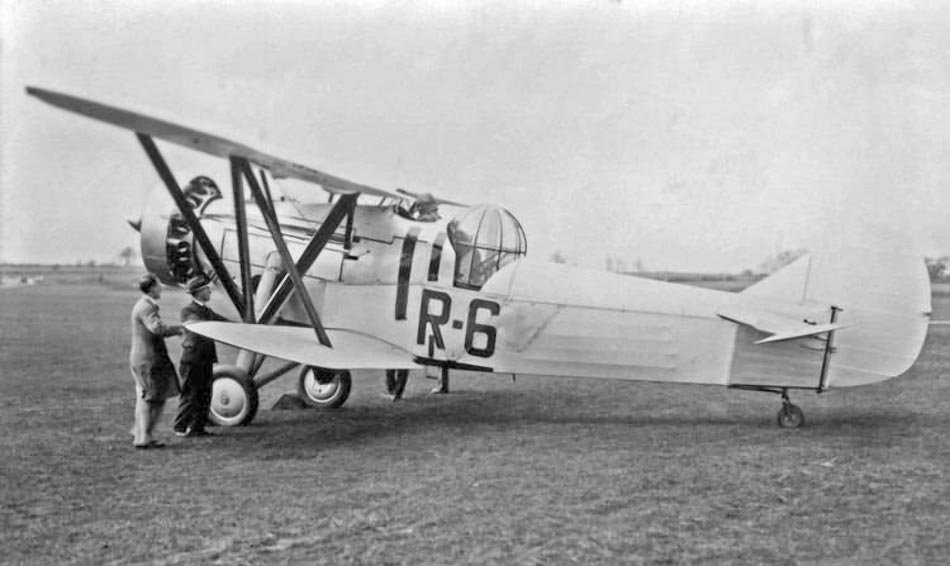
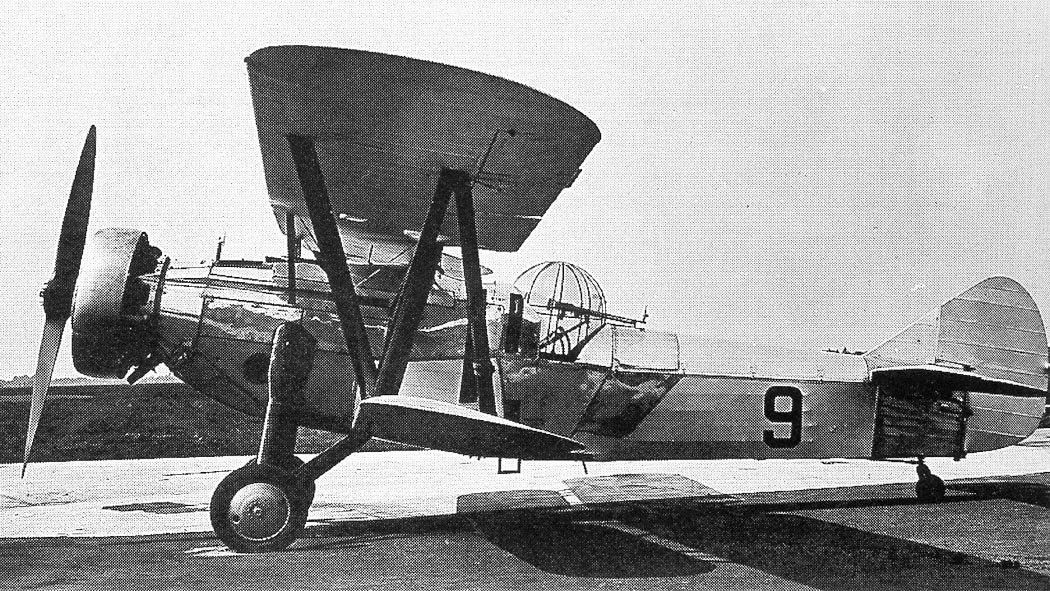
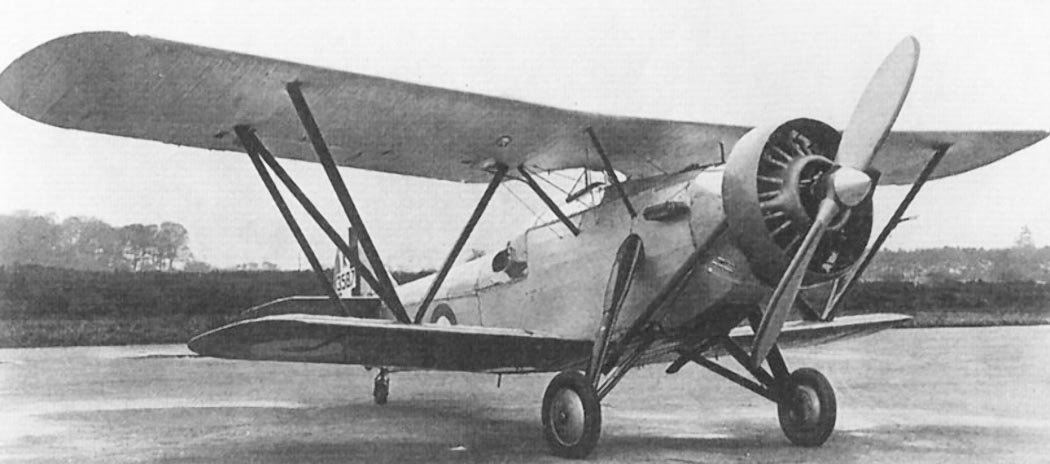
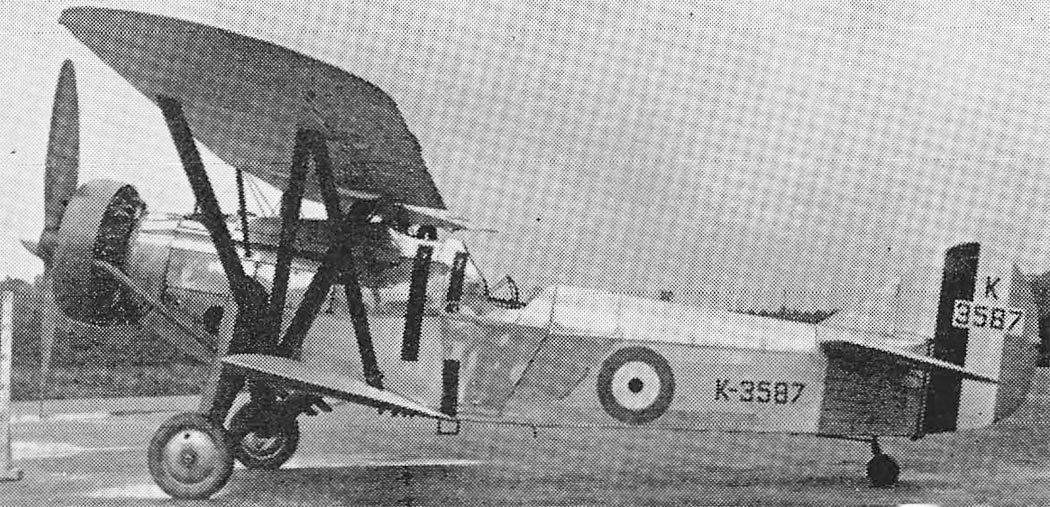
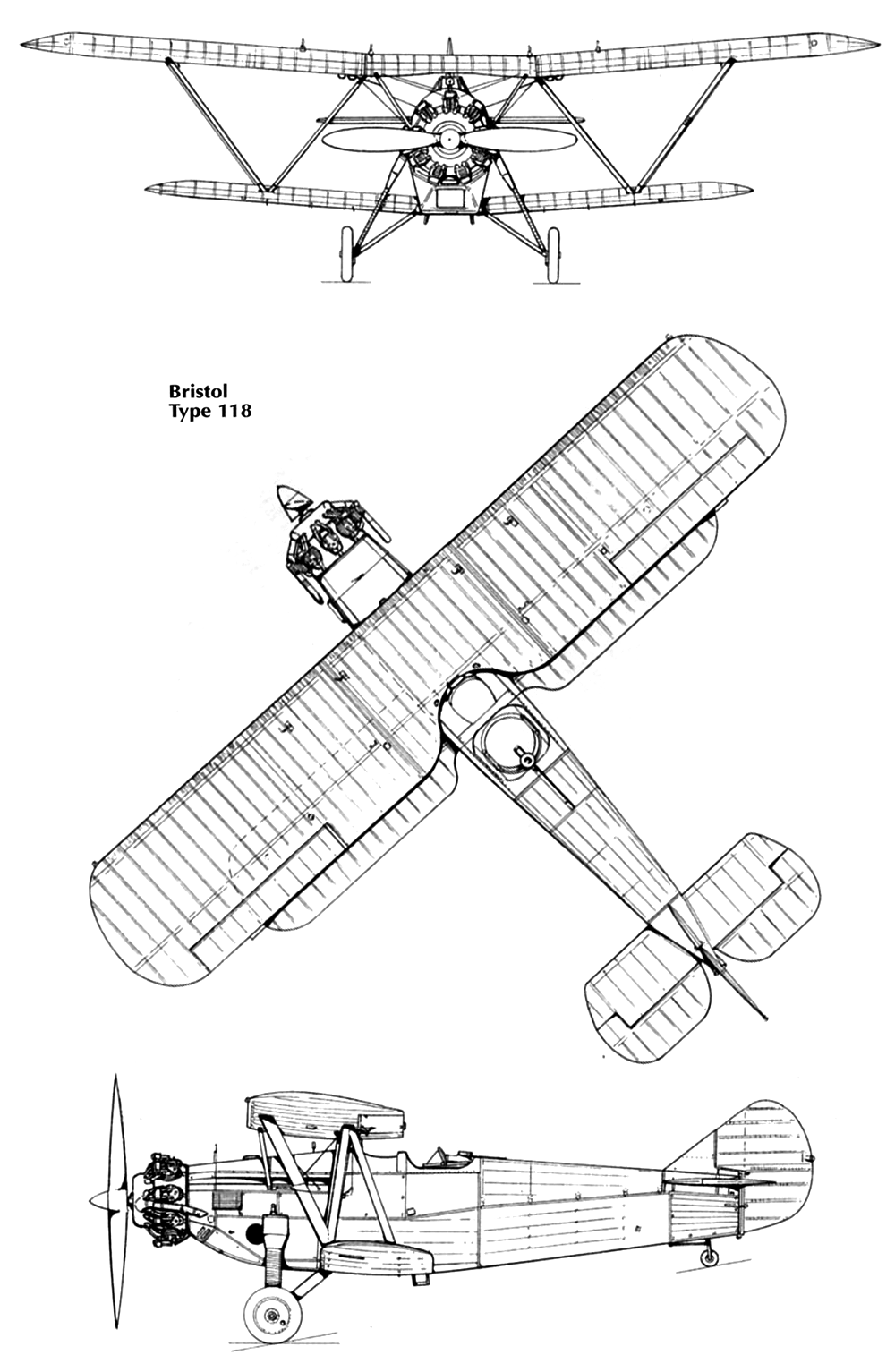
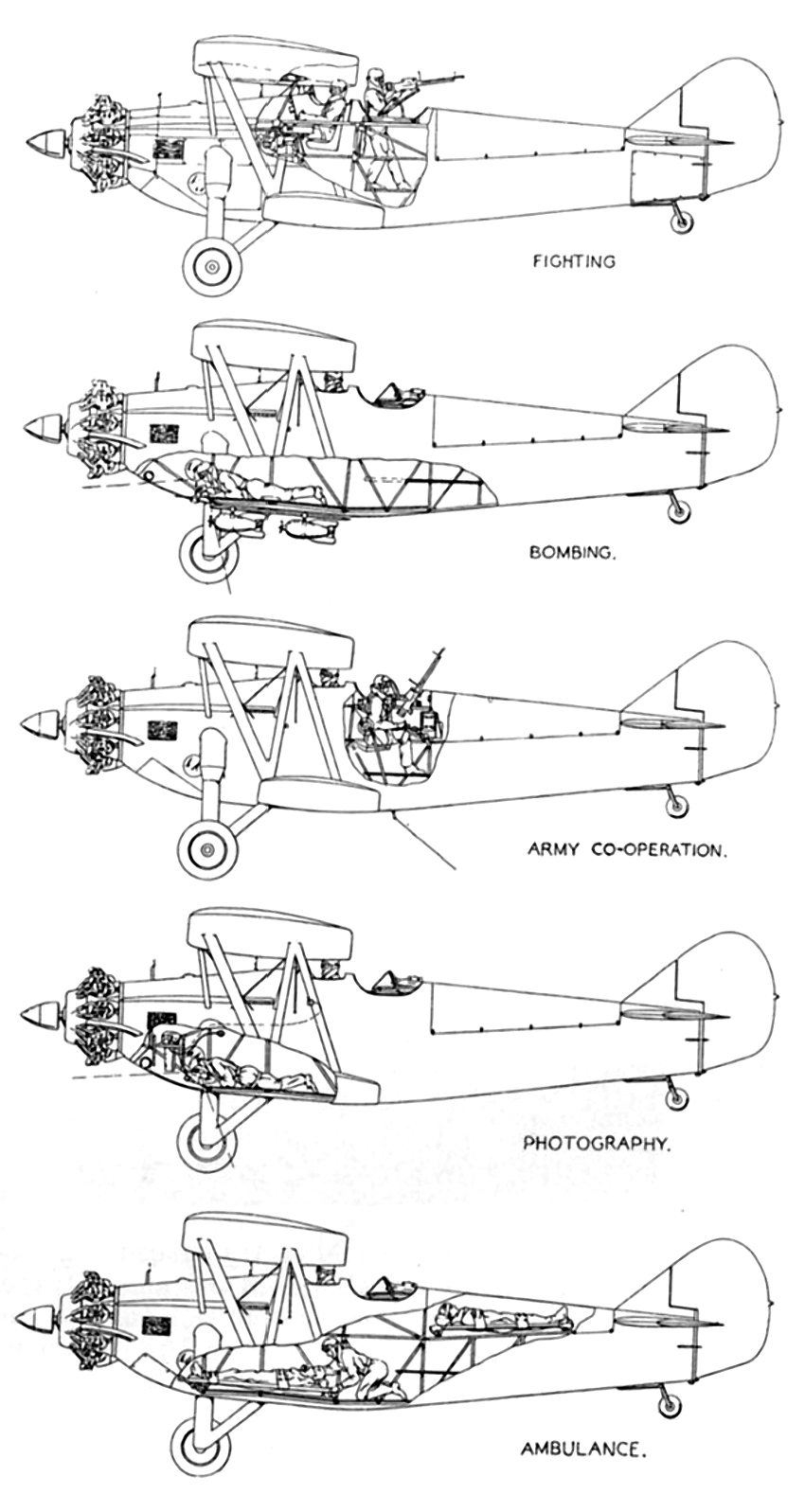
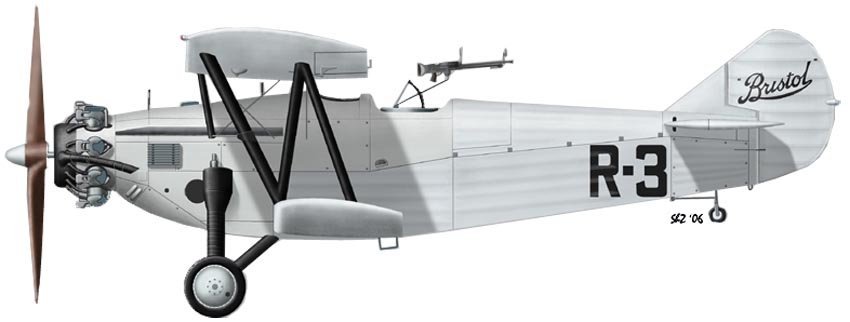
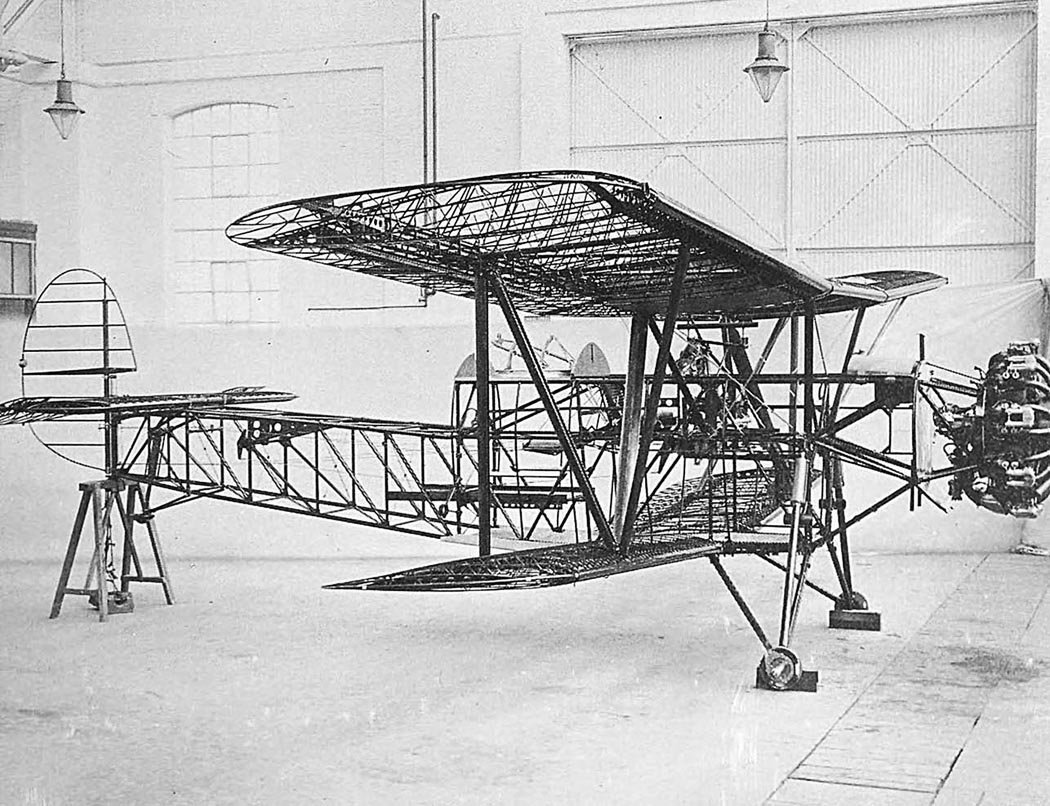
The Bristol Type 118 project was initially developed as a two-seater fighter. It was a biplane powered by a 590 hp Jupiter XFA engine. However, it soon became clear that the aircraft would not be able to surpass the performance of the production Bristol Bulldog, and more advanced designs were already under parallel development.

Table of Contents

Toggle
    • Initial Design and Purpose
    • Advanced Features and Armament
    • Test Flights and Cancellation
    • Technical Specifications
  • Image and diagram gallery of the Bristol 118/120
    • How to cite this article:

Initial Design and Purpose

Despite the initial limitations, work was not halted. It was decided to redesign the project into a multi-purpose auxiliary army aircraft. The UK Air Ministry then ordered the construction of another prototype to pursue this new direction.

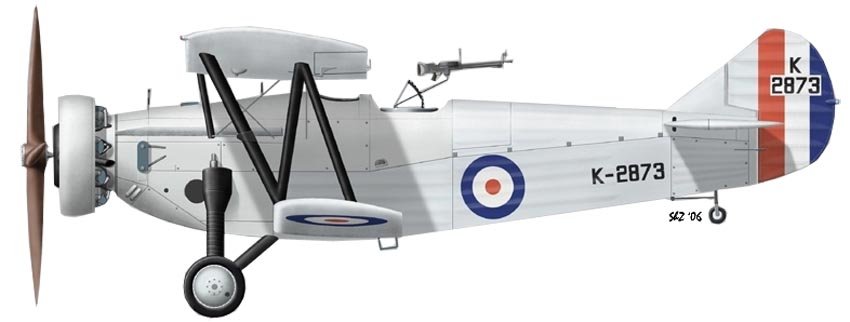
The second, more advanced and improved model, was designated as the Bristol Type 120. It was equipped with a nine-cylinder, air-cooled Bristol Pegasus IM.3 engine, delivering 650 hp. Its armament consisted of a synchronized front 7.7-mm Vickers machine gun, mounted on the side of the fuselage, and a movable 7.7-mm Lewis machine gun in the observer’s cockpit.

Advanced Features and Armament

In addition, the Bristol Type 120 could carry two 113-kilogram bombs, significantly enhancing its attack capabilities. The aircraft’s maiden flight took place on January 22, 1931.

Test Flights and Cancellation

After a series of comprehensive tests, the project was ultimately cancelled. Despite the efforts to transform it into a multi-purpose aircraft, the Bristol 118/120 never reached serial production.

Technical Specifications

Modification Bristol 120
Wingspan, m 12.39
Length, m 10.36
Height, m 3.66
Wing area, m2 34.93
Empty weight 1647
Normal takeoff weight 2359
Engine type 1 Piston engine Bristol Pegasus IM.3
Power, hp 1 x 650
Maximum speed, km/h 282
Cruising speed, km/h 244
Service ceiling, m 7802
Crew, crew members 2
Armament one forward 7.7-mm Vickers machine gun, one 7.7-mm Lewis machine gun on Scarff turret, up to 226 kg of bombs

Image and diagram gallery of the Bristol 118/120

Bristol 118/120
Bristol 118/120
Bristol 118/120
Bristol 118/120
Bristol 118/120
Bristol 118/120
Bristol 118/120
Bristol 118/120
Bristol 118/120
Bristol 118/120
Bristol 118/120
Bristol 118/120
Bristol 118/120
Bristol 118/120
Bristol 118/120
Bristol 118/120
Bristol 118/120
Bristol 118/120
Bristol 118/120
Bristol 118/120
Bristol 118/120
Bristol 118/120
Bristol 118/120
Bristol 118/120
Bristol 118/120
Bristol 118/120
Bristol 118/120
Bristol 118/120
Bristol 118/120
Bristol 118/120
Bristol 118/120
Bristol 118/120
Bristol 118/120
Bristol 118/120
Bristol 118/120
Bristol 118/120
Bristol 118/120
Bristol 118/120
Bristol 118/120
Bristol 118/120
Bristol 118/120
Bristol 118/120
Bristol 118/120
Bristol 118/120
Bristol 118/120
Bristol 118/120
Bristol 118/120
Bristol 118/120

How to cite this article:

APA: Bristol 118/120 (). Bristol 118/120. wp.archivoaereo.com. https://wp.archivoaereo.com/en/bristol-118-120-2/
VANCOUVER: Bristol 118/120 [online]. wp.archivoaereo.com; [cited 2026-07-26]. Available at: https://wp.archivoaereo.com/en/bristol-118-120-2/
Developed by Agatha Press
WWI Reconnaissance Tags:British

Post navigation

Previous Post: BRO-16 Seaplane Glider
Next Post: Douglas BTD Destroyer
  • Español
  • Agricultural Aircraft
  • Attack Aircraft
  • Aviation Biographies
  • Cargo & Heavy Helicopters
  • Classic Airliners
  • Classic Light Aircraft
  • Classic Regional Airliners
  • Cold War Fighters
  • Drones & UAVs
  • Experimental Aircraft
  • History & Battles
  • Interwar Reconnaissance
  • Light & Observation Helicopters
  • Maritime Patrol
  • Military Trainer Aircraft
  • Military Transport
  • Modern Airliners
  • Modern Cargo Aircraft
  • Modern Fighters
  • Modern Light Aircraft
  • Modern Maritime Patrol
  • Modern Military Transport
  • Modern Regional Airliners
  • Other Aircraft
  • Pioneer Air Transport
  • Pioneer Helicopters
  • Pioneer Light Aircraft
  • Racing Aircraft
  • SAR Helicopters (Rescue)
  • Sin categoría
  • Utility Helicopters
  • Weapons & Technology
  • WWI Attack Aircraft
  • WWI Bombers
  • WWI Fighters
  • WWI Flying Boats
  • WWI Reconnaissance
  • WWII Attack Aircraft
  • WWII Bombers
  • WWII Fighters
  • WWII Flying Boats
  • WWII Military Transport
  • WWII Reconnaissance
ClinogyreClinogyreAdmin
Cessna 501 Citation ICessna 501 Citation IAdmin
Carroll A2Carroll A2Admin

Legal

  • About ArchivoAereo
  • Terms and Conditions
  • Contact Us
  • Privacy Policy

Copyright © 2026 wp.archivoaereo.com.

Powered by PressBook WordPress theme