
Already after testing the prototypes of the “Buccaneer” at the end of 1959, it became clear to the Admiralty that the Gyron Junior Mk.101 engines were not quite suitable for a combat aircraft. The flight range fell short of the requirements, as fuel consumption was higher than expected, and the Gyron Junior’s thrust, especially with the boundary layer blowing system activated, was clearly insufficient for takeoff with a full combat load.
This was particularly evident during tropical deployments, where “Buccaneers” had to catapult from aircraft carriers with minimal fuel and immediately refuel in the air from outdated fighter-bombers, which also served as tankers, the Supermarine Scimitar. Furthermore, the Gyron Junior engines were highly unreliable, and most flight incidents involving the Buccaneer S. Mk. 1 were attributed to them. In short, the engines needed to be changed.
The challenge was that not just any engines would fit the “Buccaneer,” not even those that could provide acceptable flight characteristics, but specifically ones whose nozzles could pass through the annular wing support frame located in the rear fuselage; otherwise, a complete redesign of the structure would be required. Fortunately, a suitable engine was quickly found: the Rolls Royce RB.163 Spey, a two-spool, non-afterburning turbofan, originally developed for civil aviation and already successfully in operation.
Not only did it fit into the “Buccaneer’s” engine bay, but it also had significantly greater thrust than the Gyron Junior Mk.101. Calculations showed that installing these engines would provide a noticeable improvement in all flight characteristics, especially during high-speed, low-altitude flights. Overall, this was exactly what was needed, and in January 1962, the Admiralty issued Blackburn an official directive for the development of the “Buccaneer” with Spey engines.
Buccaneer S. Mk. 2 Development and Testing
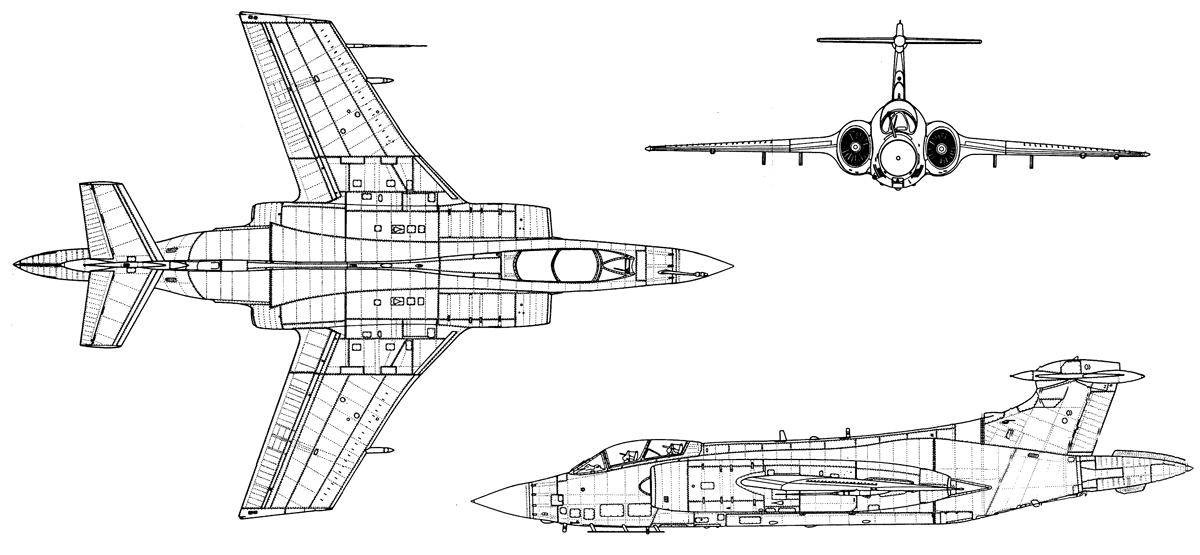
Two pre-production aircraft, XK526 and XK527, had the honor of becoming prototypes for the new modification, named Buccaneer S. Mk. 2. They were fitted with the “military” RB.168, developed “based on” the RB.163, which produced a static thrust of 11,380 pounds (5160 kg), more than double that of the old Gyron Junior Mk.101. Its installation required redesigning the mid-fuselage section, but the most noticeable difference from the S. Mk. 1 was the air intakes, whose inlet area was significantly increased because the Spey consumed much more air.
The nozzles of the new engines were angled slightly outwards and downwards to increase takeoff thrust, and small air intakes at the wing root were removed. Additionally, to increase flight range, the wingtips were slightly modified, widening their rear section. The first Buccaneer S. Mk. 2 prototype, XK526, took off with the new engines on May 17, 1963, piloted by Derek J. Whitehead from Holme-on Spolding Moore airfield.
The seventy-minute flight, during which the powerplant’s operation was checked in various modes, proceeded normally. Approximately a month later, the second Buccaneer (XK527) made its first flight. By early 1964, the flight test program for both modified aircraft was completed, and its results exceeded all the developers’ most optimistic expectations.
Due to a more intensive boundary layer blowing system (BLCS), takeoff and landing speeds were further reduced, and the maximum takeoff weight significantly increased, reaching 7258 kg, with a range exceeding 3000 kilometers. During these tests, it was also practically proven that the “Buccaneer’s” airframe life reached an impressive 20,000 flight hours.
Naval Service and Operational Challenges
Following this success, the fleet decided not to acquire any more Buccaneer S. Mk. 1s and demanded that the last ten ordered aircraft be completed as Mk. 2s. This was done, and the first production Buccaneer S. Mk. 2, XN974, left the assembly plant of Hawker Siddeley in Brough (Blackburn merged into Hawker Siddeley in 1963) on June 5, 1964, and was flown the next day by the consistent Derek Whitehead.
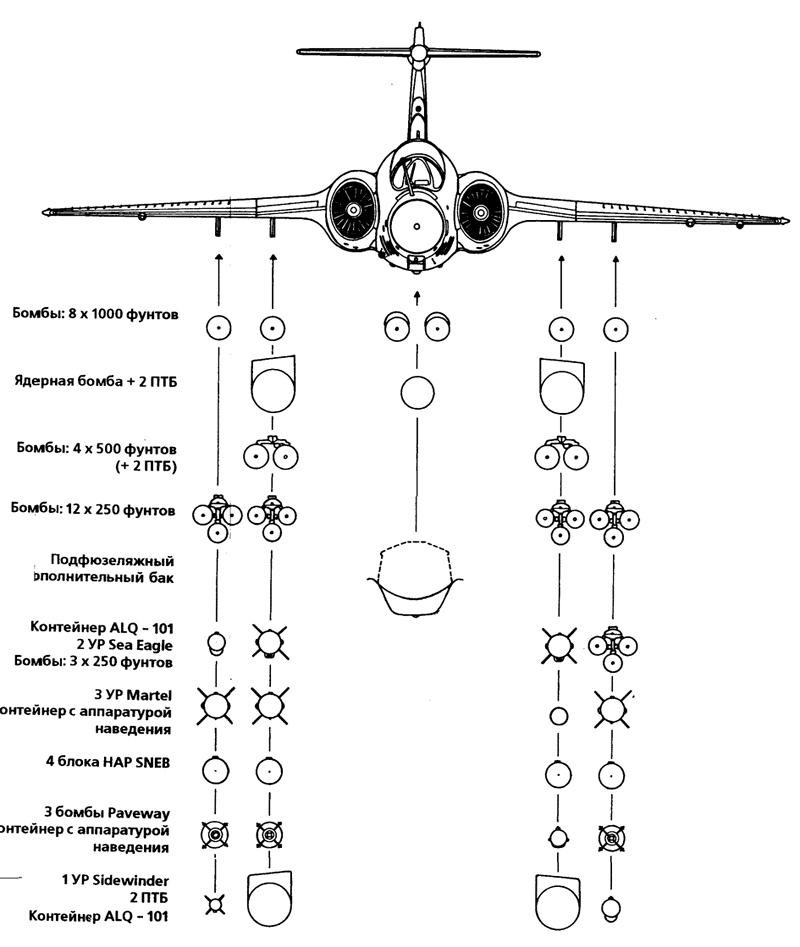
In addition to new engines, the production “twos” also received a modified Blue Parrot radar, adapted for terrain-following flights and developed by Ferranti on the XK487, the second prototype of the NA.39 aircraft. Fuel capacity was also increased, and numerous other improvements were made to the aircraft’s design, such as reinforced landing gear, modified BLCS, a non-retractable refueling probe, and a new electrical generator. The armament nomenclature for the S. Mk. 2 was not expanded, but it gained the capability to carry a total of eight 1000-pound (454 kg) bombs.
Following the first, the second production aircraft, XN975, also took to the air. Both machines were transferred to the Boscombe Down flight test center for further testing. Serial production continued, and meanwhile, in Lyme Bay, tests began on the second production aircraft, XN975, aboard the aircraft carrier Ark Royal. These tests involved D. Whitehead and four other pilots from Boscombe Down. The trials lasted a week and were successfully completed, despite the aircraft launching from the deck at maximum takeoff weight in all flights.
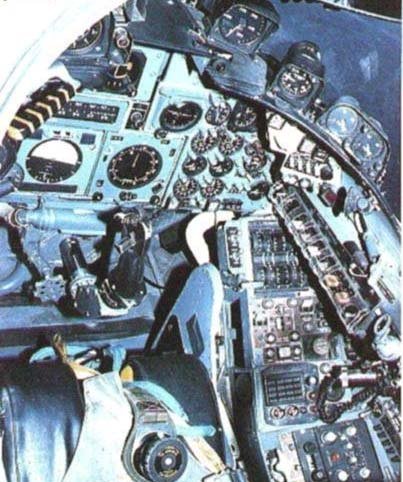
Soon after, tests of the Martin-Baker Mk.4MS ejection seats installed in the new “Buccaneer” were conducted. These demonstrated the ability for safe aircraft abandonment even at extremely low altitudes, precisely the flight regime for which the aircraft was designed. To facilitate emergency egress, a Miniature Detonating Cord (MDC) was added to the canopy. During ejection, the detonation of the cord shattered the canopy, allowing the seat to exit through the resulting opening. Initially, it was intended to facilitate underwater ejection, where jettisoning the canopy posed significant difficulty, but it later proved highly useful for flights over land as well.
On July 23, 1965, the testing phase began in the USA, including demonstration flights. For this purpose, three “Buccaneers” (XK527, XN974, and XN976) flew from the UK via Reykjavik, Goose Bay airbase on the Labrador Peninsula, Patuxent River, and Maryland, to Naval Air Station Pensacola. Here, all three aircraft operated from the American training aircraft carrier CVT-16 Lexington, accumulating a total of 115 flight hours and performing about a hundred takeoffs and landings over four days.
The main objectives of these tests were to investigate the effect of high temperatures on engine thrust and to evaluate the “Buccaneer’s” behavior during flights in strong turbulent air layers over the northern Gulf of Mexico. After these trials, the first production “Buccaneer” was demonstrated to interested representatives of the US Navy and Air Force, first at the Navy Air Test Centre in Patuxent River, and then at Eglin Field airbase.
On the return journey, Commander G. Higgs flew his aircraft non-stop across the Atlantic from Goose Bay to Lossiemouth, covering 1950 miles (3100 kilometers) in 4 hours 16 minutes, thus demonstrating the “Buccaneer’s” excellent characteristics. In addition to the aircraft remaining from the previous order, the fleet expressed a desire to acquire twenty more Buccaneer S. Mk. 2 aircraft (XT269/XT288) and did not rule out the possibility of new orders, which soon followed.
Production Buccaneer S. Mk. 2s began entering service with the Royal Navy in March 1965. To conduct their operational trials, 700B Flight was formed in Lossiemouth, operating until September 30, 1965. On October 14, all eight of its aircraft were transferred to the newly created 801 Squadron. In June of the following year, 801 Squadron flew from Lossiemouth to the aircraft carrier Victorious, then in the Irish Sea, and embarked on a long deployment to the Cocos Islands in the Indian Ocean.
Upon returning home, 801 Squadron’s aircraft completed a non-stop 3700-kilometer flight to Gibraltar and back, simulating a bombing attack on the airfield there. Subsequently, they departed again aboard Victorious for its final deployment to the Far East, where they participated in joint maneuvers with the American CVAN-65 Enterprise, gaining, among other things, experience in refueling from KA-3B Skywarrior aerial tankers.
In January 1966, 809 Squadron was re-formed and, just a year later, embarked on a sea voyage aboard Hermes. “Buccaneers” regularly visited the Farnborough exhibition, where in 1965 the third production “double” XN9746 was displayed, and in 1966, XV157 from the revived 800 Squadron. Its aircraft were mainly based on the aircraft carrier Eagle, and they were destined to be the only naval “Buccaneers” to test their weapons in actual combat.
On March 23, 1967, the giant tanker Torrey Canyon suffered severe damage after hitting reefs near Land’s End in Cornwall. A vast amount of oil spilled into the sea, posing a serious environmental threat, and it was decided to set fire to and thus destroy the oil slick and its source. Aircraft from 800 and 736 Squadrons were involved in this operation. Eight “Buccaneers,” operating from Browdy airbase, dropped 42 1000-pound high-explosive bombs on the tanker (30 direct hits were recorded, completely destroying the vessel), while accompanying Hunter and Sea Vixen aircraft attacked the oil slick with incendiary napalm tanks.
The introduction of the Buccaneer S. Mk. 2 into operational units was marred by two crashes. The first “Buccaneer” fell into the sea in June 1966 during a catapult launch. The incident was initially attributed to pilot error, but in October, another aircraft, being used to investigate the cause of the previous crash, also crashed under the same circumstances. It was ultimately discovered that the “Buccaneer” was unstable during catapult launches.
Small changes were made to the aircraft’s design, and the pilot’s launch procedure was slightly altered, but a complete elimination of this problem was never achieved. Pilots had to be very attentive during catapulting to avoid a catastrophe. Several Buccaneer S. Mk. 2s were assigned to the 736 training squadron, replacing earlier modifications, and at the end of 1967, the last, fourth combat squadron of Buccaneer S. Mk. 2, numbered 803, was formed at Lossiemouth air station, but its life proved unexpectedly short.
RAF Adoption and Gulf War Valor
The days of aircraft carriers in the Royal Navy were numbered. In 1966, the Labour government cancelled the CVA-01 Furious new aircraft carrier program to save costs. After a fire on board in 1967, Britain’s oldest aircraft carrier, Victorious, was withdrawn from the fleet and scrapped in 1969. Consequently, in 1968, after the production of 84 Buccaneer S. Mk. 2s, manufacturing of “Buccaneers” for the fleet ceased, and in December of the following year, the now redundant 803 Squadron was disbanded.
801 Squadron, transferred to Hermes after the Victorious accident, did not remain there long. The small Hermes was unable to accommodate modern fighters like the Phantom FG Mk.1, and in 1971-1973, it was converted into an assault helicopter carrier. 801 Squadron, based there, was disbanded in July 1970. In February 1972, 800 Squadron met the same fate, as the Labour government deemed the modernization of its “home” aircraft carrier Eagle for Phantoms too expensive, and the ship itself was scrapped.
Simultaneously, the 736 training squadron was also disbanded, and the Lossiemouth base was transferred to the Air Force, which was now responsible for training crews for the naval “Buccaneers.” The last “Buccaneer” squadron in the Royal Navy was 809 Squadron. Its “home,” Ark Royal, underwent modernization between 1967 and 1970, a refit that had been rejected for the Eagle, and continued to ply the oceans for another decade.
Alongside 892 Squadron with Phantom FG Mk.1 fighters and 849 Squadron equipped with Gannet AEW.3 early warning aircraft, 809 Squadron also operated at sea. Hawker Siddeley tried at one point to offer the Admiralty new “Buccaneer” modifications, but for understandable reasons, these were rejected. Nevertheless, from the late sixties, a program to modernize the naval “Buccaneers” began, consisting mainly of updating their arsenal.
Firstly, with the disappearance of Scimitar tankers from British aircraft carrier decks, this honorable mission had to be taken on by other aircraft, including the “Buccaneer,” which was equipped with an Mk.20 buddy refueling pod, suspended on an internal underwing pylon. Secondly, it was decided to equip the aircraft with guided weapons in the form of Aerospatiale Martel air-to-ground missiles, both in the anti-radar AS.37 variant and with the AJ.168 television guidance head. The aircraft could carry up to four AS.37s or three AJ.168s (in which case a spindle-shaped container with equipment was placed on the fourth pylon), with launches conducted by the navigator, for whom a television screen and a missile control stick were installed in his cockpit.
Although the Martel installation program on “Buccaneers” officially began in September 1966, it primarily concerned the Air Force, and the first converted “naval” aircraft was handed over to the fleet only in October 1972. To distinguish Martel-capable aircraft from those that couldn’t operate them, naval “Buccaneers” were then designated S. Mk. 2D and S. Mk. 2C, respectively. In practice, these designations were rarely used, as the remaining S. Mk. 2C (about twenty aircraft) in Royal Navy service were soon converted to S. Mk. 2D and continued to be called simply S. Mk. 2.
During the modification of “Buccaneers” for Martel, the wing structure and pylons were reinforced, ultimately allowing the total number of 1000-pound (454 kg) bombs on board to reach sixteen: four in the bomb bay and three on each pylon using triple bomb racks. Usually, however, double bomb racks were used instead of triple ones, with two 500-pound (227 kg) bombs suspended from each. Antennas for a broadband radar warning receiver system appeared under the leading edge of the wings and on the fin of the modernized aircraft.
On April 5, 1978, the aircraft carrier Ark Royal, with its permanent air group, departed from the naval base Devonport near Plymouth for its last deployment. After a long ten months at sea, on February 5, 1979, the carrier returned to its home port, and 809 Squadron flew to its base in Lossiemouth, where it was disbanded ten days later. Thus ended the twenty-year history of naval “Buccaneers.”
Some “Buccaneers” were used for various research purposes, for example, for refining the thermal imager for the BAC TSR.2 and radars for the TSR.2 and Tornado. Aircraft from disbanded naval squadrons were transferred to the Air Force, which by this time had been forced to abandon its own BAC TSR.2 strike aircraft program due to financial reasons. To some extent, the fleet was also to blame for the failure of the TSR.2 program, as, having acquired the Buccaneer S. Mk. 2, it decided that this was the ideal deck-based bomber and refused to jointly develop a new aircraft with the Air Force.
Initially, Hawker Siddeley offered the Air Force a supersonic version of the “Buccaneer” – the P.145 – as a TSR.2 replacement. However, the Royal Air Force decided to purchase American F-111Ks, and only when it became clear that the F-111Ks would not reach Britain, the Air Force had to settle for conventional “Buccaneers.” The RAF’s initial dissatisfaction with the “Buccaneers” soon turned into adoration. The “Bucc” demonstrated combat capabilities that ground-based pilots had only dreamed of in connection with the TSR.2.
This was particularly evident in joint exercises with the Americans, “Red Flag,” which took place annually with “Buccaneer” participation from 1977 at Nellis Air Force Base in Nevada. Flying at near-supersonic speeds at an altitude of several tens of meters, the aircraft was not only difficult to detect by radar but also virtually invulnerable to interceptor attacks, including modern ones like the F-15.
In the RAF, “Buccaneers” (both “naval” and those originally ordered for land service and stripped of their catapult attachment points – other deck attributes were retained) received different designations: those capable of carrying Martel missiles became S. Mk. 2A, others – S. Mk. 2B. Production of aircraft for the RAF continued until October 6, 1977, when the last “Buccaneer,” XZ432, left the factory gates in Brough.
In the Royal Air Force, “naval” “Buccaneers” served for a long time in the 12th, 15th, 16th, 208th, and 216th squadrons and the 237th OCU (Operational Conversion Unit). Here, along with aircraft initially supplied to the RAF, they peacefully carried out their service until 1990, when the well-known events in the Persian Gulf occurred.
By this time, the “Buccaneer” population had significantly decreased due to aging wing components, which even caused several crashes, and as a result of replacement by the Tornado. The surviving aircraft were concentrated in the 12th and 208th squadrons and the 237th OCU, specializing in anti-ship operations and laser target designation for guided bombs.
The “Buccaneers” arrived at their finest hour not as they had entered the RAF. Externally, they differed with a bulging bomb bay door, which also served as a 2046-liter fuel tank. Armament was supplemented with Sea Eagle anti-ship missiles, replacing Martel, and Paveway guided bombs, for which an AN/AVQ-23E Pavespike pod was suspended on the left inner pylon. Instead of the old Red Beard, they could carry a pair of new 600-pound WE-177A nuclear bombs, and Hunting BL-775 cluster bombs replaced SNEB unguided rocket pods in the “Buccaneer’s” arsenal.
Furthermore, electronic warfare equipment was updated; AN/ALQ-101(V)-10 pods could be suspended under the aircraft, and for self-defense, “Buccaneers” received AIM-9 Sidewinder air-to-air missiles. For self-defense, a special combat technique was developed, called “retard defence” or, more plainly, “dropping your knickers.” It involved dropping a 1000-pound bomb with a braking device from the “Buccaneer” when pursued by an enemy fighter at low altitude. The terrifying blast wave from behind forced the enemy to abandon pursuit; this tactic was particularly effective when flying over the sea.
Twelve such aircraft, painted in Desert Pink, departed from Lossiemouth for Muharraq airbase in Bahrain to participate in Operation Desert Storm. At the last moment before deployment to the Gulf, they received new radio stations, more modern chaff/flare dispenser units, and S. Mk. 1 type wingtips. From February 2, 1991, the “Buccaneers” completed 216 combat sorties, laser-designating targets for Tornados and attacking strategic objectives themselves with Paveway guided bombs, and returned home in full strength.
However, the “Buccaneers'” days were numbered. The old aircraft were to be replaced by Tornados, an surplus of which arose from Air Force reductions. In September 1993, 12 Squadron was disbanded, and six months later, in March 1994, 208 Squadron and 237 OCU followed, and the “Buccaneers” disappeared forever from combat units. After leaving combat units, “Buccaneers” were still used for some time as flying laboratories.
In October 1994, the last three “Buccaneers” saluted the new Ark Royal, thundering over its deck, and after April 1, 1997, no “Buccaneer” appeared in the English sky. One of the remaining aircraft was scrapped, and a pair of more fortunate ones went to South Africa, where they became part of Mike Beachyhead’s collection and fly regularly again, demonstrating their impressive flight characteristics to thrill-seeking tourists.
Technical Specifications
| Modification | Buccaneer S.Mk.2 |
| Wingspan, m | 13.41 |
| Aircraft length, m | 19.33 |
| Aircraft height, m | 4.95 |
| Wing area, m2 | 47.82 |
| Empty weight | 13599 |
| Normal takeoff weight | 25402 |
| Maximum takeoff weight | 28123 |
| Internal fuel | 7091.75 + 1932.1 (in bomb bay) |
| External fuel tanks | 2 x 1954.8 (1136.5) |
| Engine type | 2 Rolls-Royce Spey RB. 168-1А Mk 101 |
| Non-afterburning thrust, kN | 2 x 49.38 |
| Maximum speed, km/h | 1038 |
| Combat radius, km | 964-1854 |
| Maximum rate of climb, m/min | 2134 |
| Service ceiling, m | 12190 |
| Crew, crew members | 2 |
| Armament: | Combat load – 7258 kg in the bomb bay and on 4 hardpoints. Bomb load: WE.177 nuclear bomb, 4 Paveway I or II laser-guided bombs, 4 BL755 cluster bombs, 8x 454-kg Mk.N1 or Mk.10 bombs, or 8x 227-kg bombs. Missiles: 2 air-to-air AIM-9L Sidewinder, 3 air-to-ground AJ.168 Martel + guidance system pod, 4 Sea Eagle anti-ship missiles, Unguided rockets: 4 Matra 155 18×68-mm launchers or RN 36×51-mm. |
Image and diagram gallery of the Blackburn Buccaneer S. Mk. 2
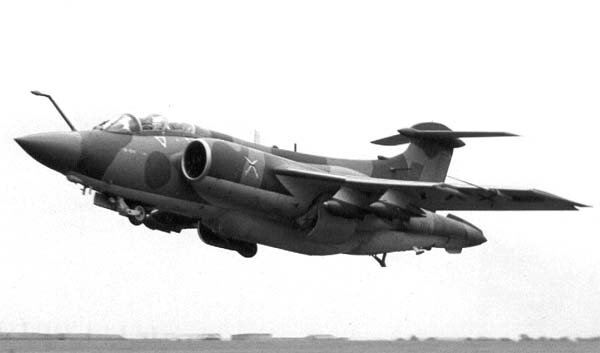 Buccaneer S. |
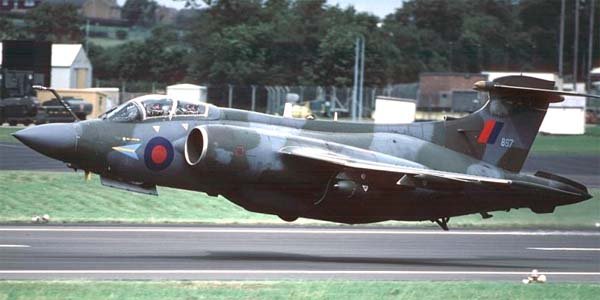 Buccaneer S. |
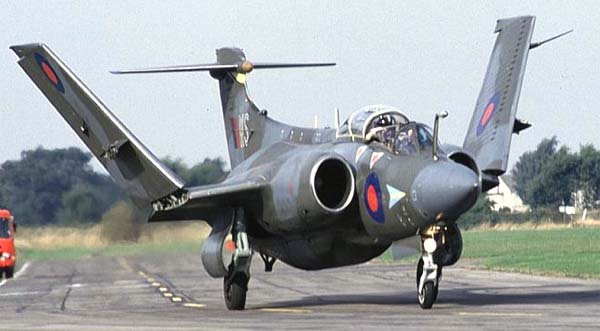 Buccaneer S. |
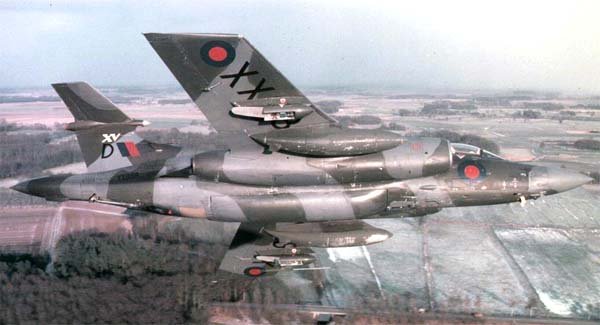 Buccaneer S. |
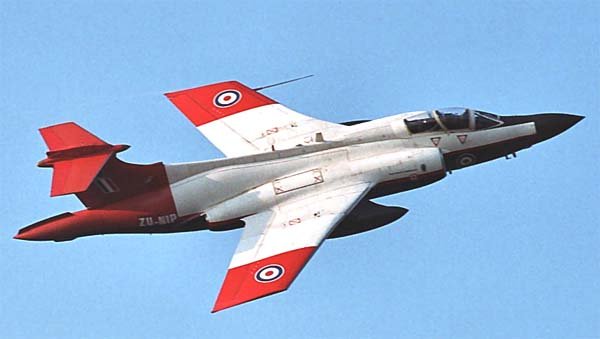 Buccaneer S. |
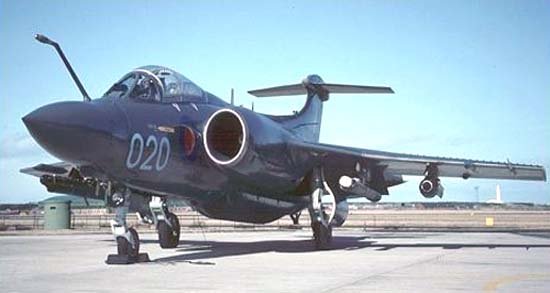 Buccaneer S. |
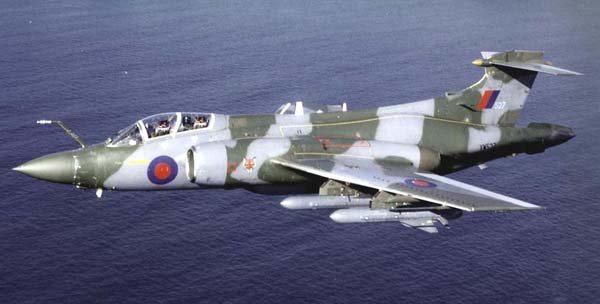 Buccaneer S. |
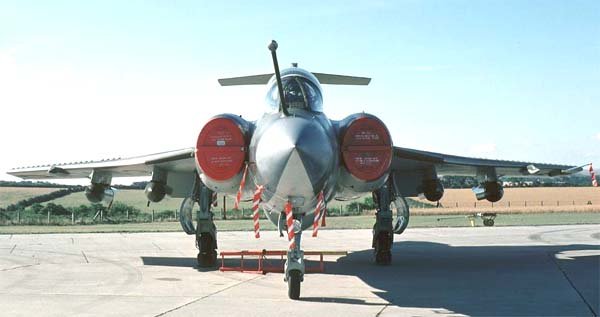 Buccaneer S. |
 Buccaneer S. |
 Buccaneer S. |
 Buccaneer S. |
 Buccaneer S. |
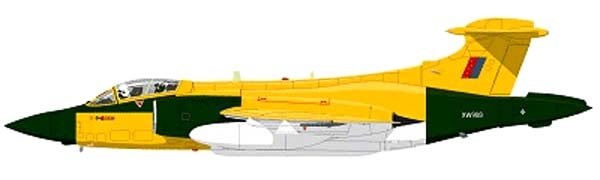 Buccaneer S. |
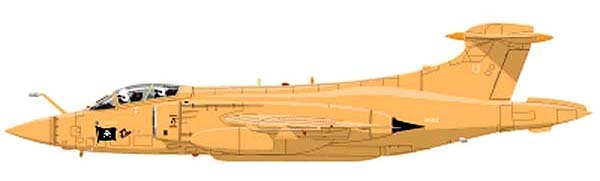 Buccaneer S. |
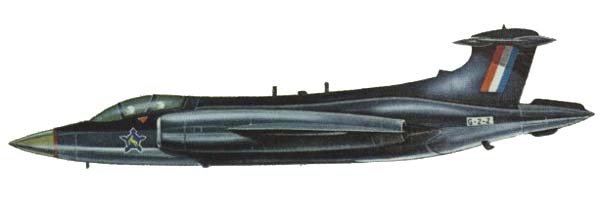 Buccaneer S. |