Skip to content
wp.archivoaereo.com

wp.archivoaereo.com

  • Military Aviation
    • World War I
      • WWI Attack Aircraft
      • WWI Bombers
      • WWI Fighters
      • WWI Flying Boats
      • WWI Reconnaissance
    • World War II
      • WWII Attack Aircraft
      • WWII Bombers
      • WWII Fighters
      • WWII Flying Boats
      • WWII Military Transport
      • WWII Reconnaissance
    • Cold War
      • Cold War Fighters
    • Modern
      • Modern Fighters
      • Modern Maritime Patrol
      • Modern Military Transport
  • Civil & Commercial Aviation
    • Classic Airliners
    • Modern Airliners
    • Classic Regional Airliners
    • Modern Regional Airliners
    • Pioneer Light Aircraft
    • Classic Light Aircraft
    • Modern Light Aircraft
    • Agricultural Aircraft
    • Racing Aircraft
  • Helicopters
    • Cargo & Heavy Helicopters
    • Light & Observation Helicopters
    • Pioneer Helicopters
    • SAR Helicopters (Rescue)
    • Utility Helicopters
  • Technology
    • Weapons & Technology
    • Drones & UAVs
    • Experimental Aircraft
  • History
    • History & Battles
  • Toggle search form

Bristol Bullfinch

Posted on August 12, 2026 By

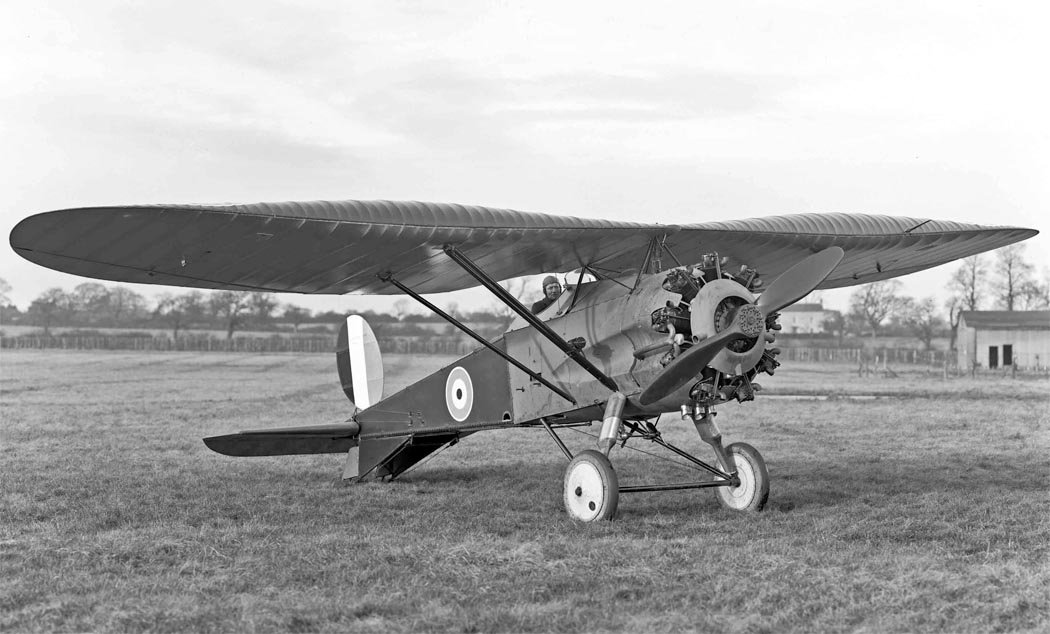
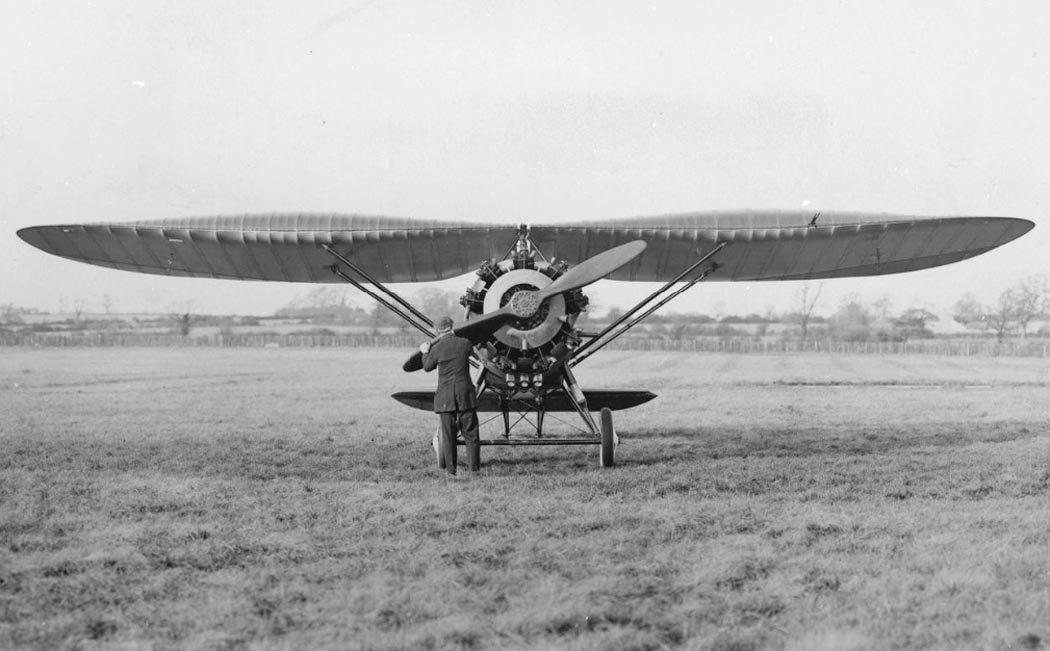
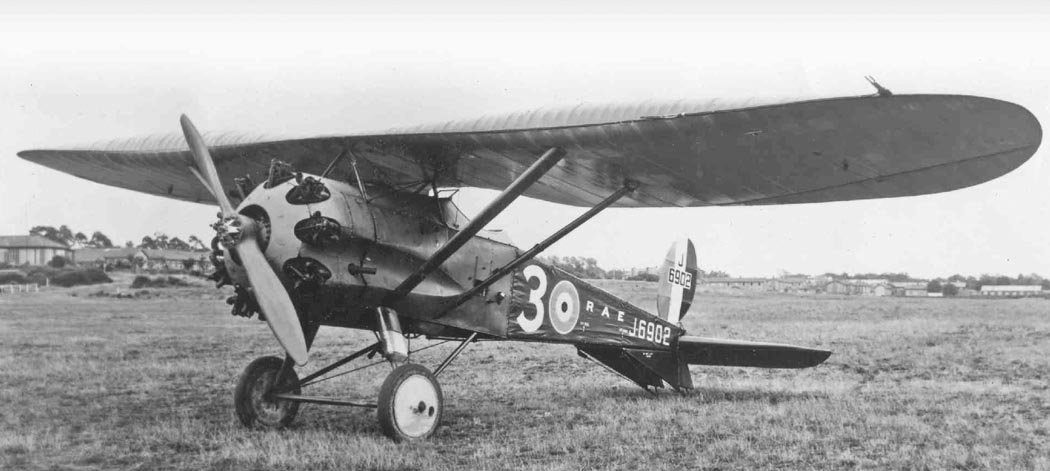
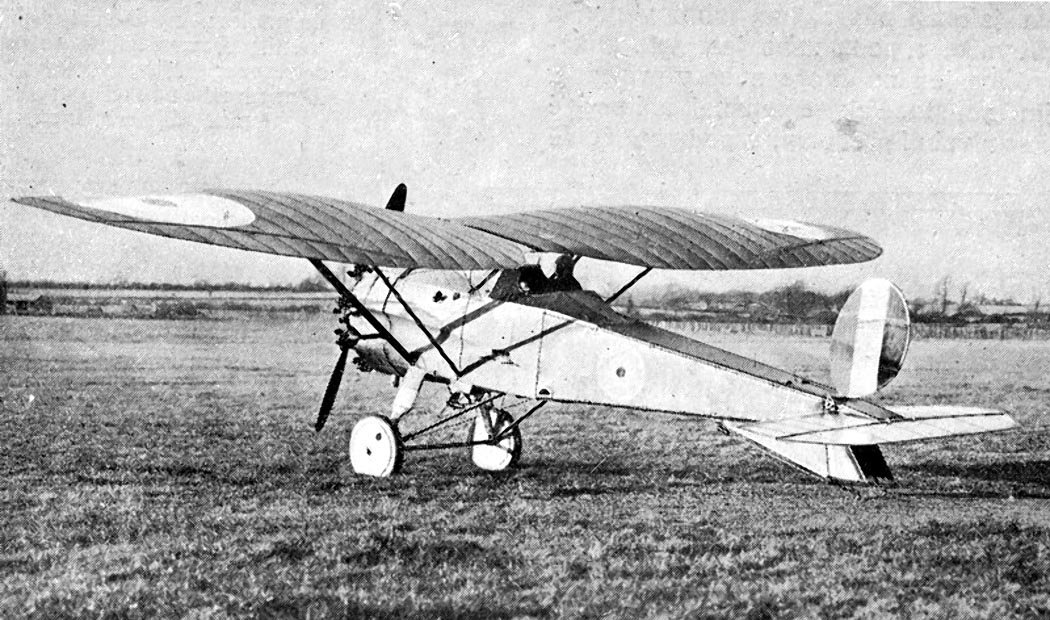
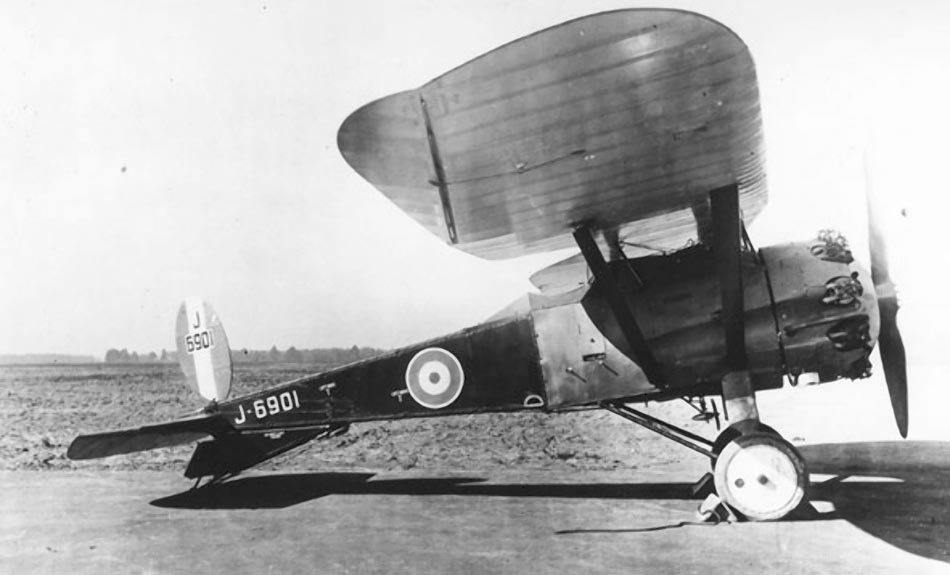
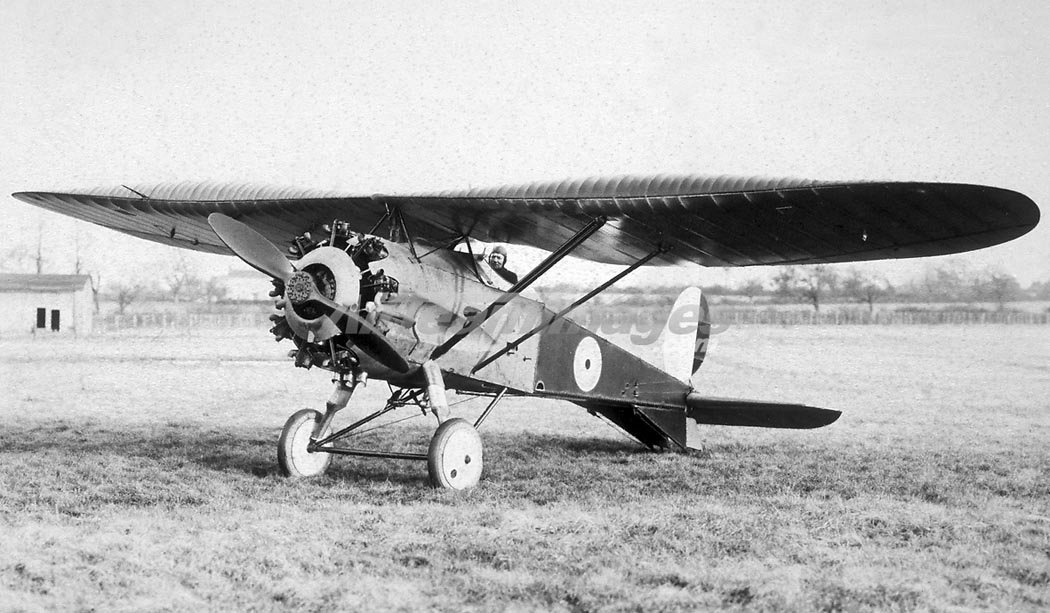
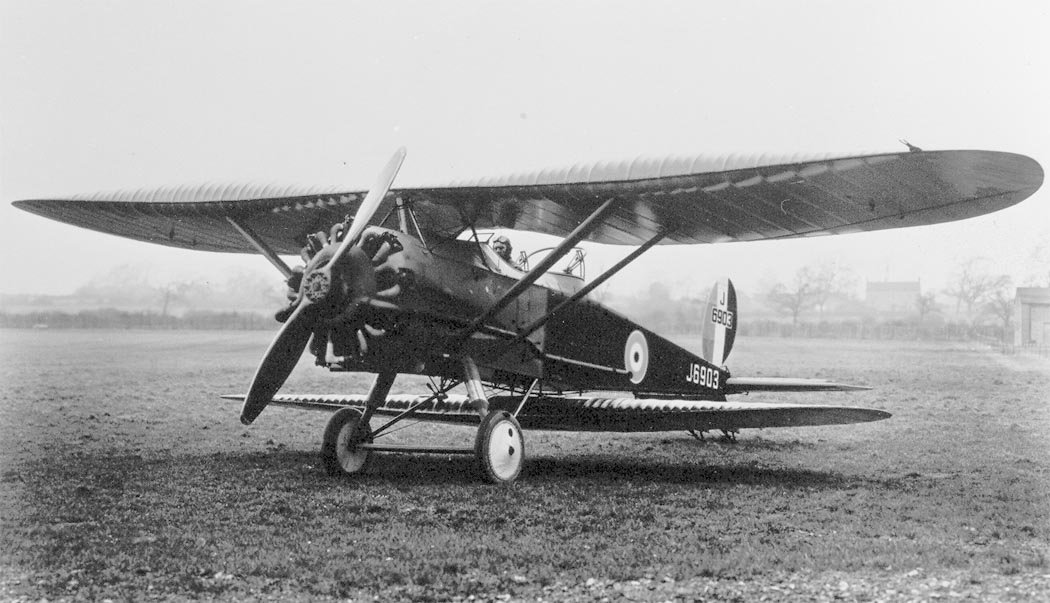
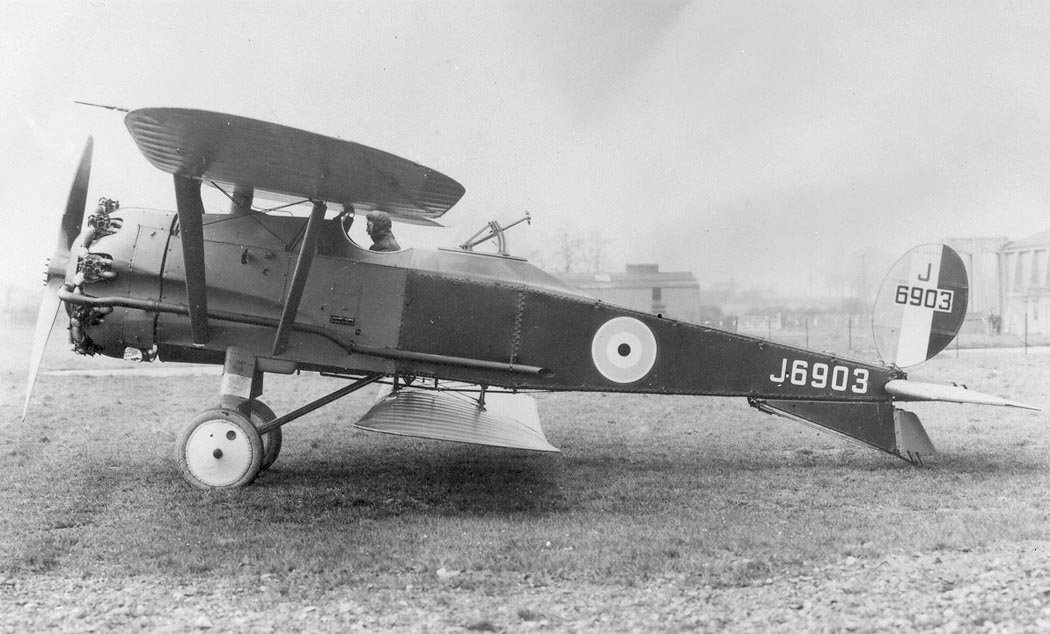
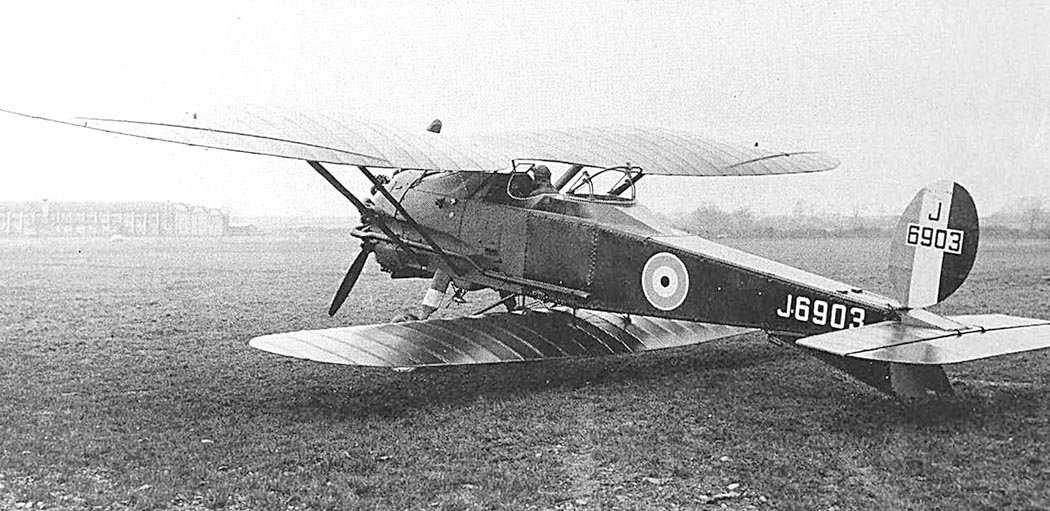
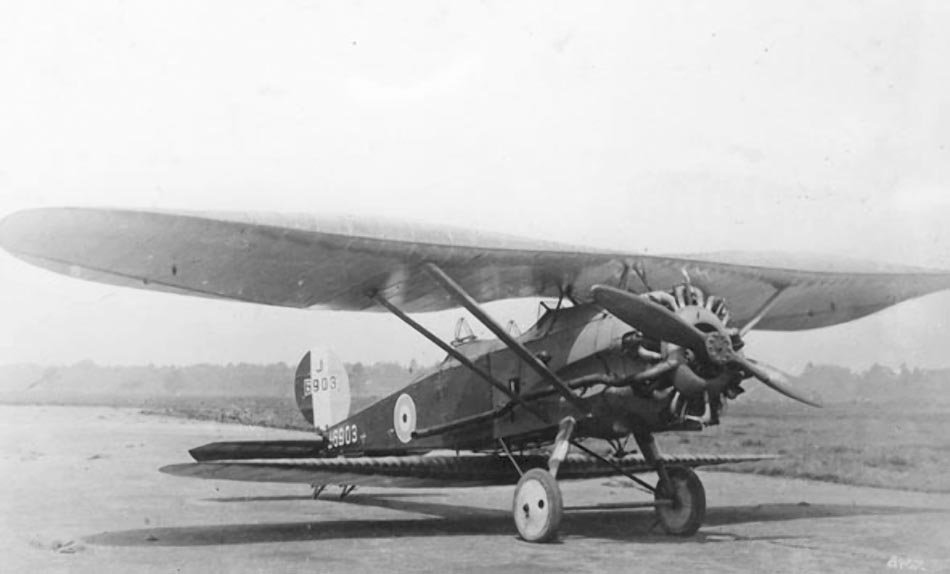
In July 1920, Captain Frank Barnwell, with a group of engineers, began developing a new project for an all-metal parasol-wing fighter. It was envisioned that the aircraft would be produced in single-seater and two-seater variants. The Ministry of Aviation ordered the construction of three prototypes, which received the official designation Bristol Bullfinch in March 1922.

Table of Contents

Toggle
    • Early Prototypes and Testing
    • The Two-Seater Bullfinch II and Project Cancellation
    • Technical Specifications
  • Image and diagram gallery of the Bristol Bullfinch
    • How to cite this article:

Early Prototypes and Testing

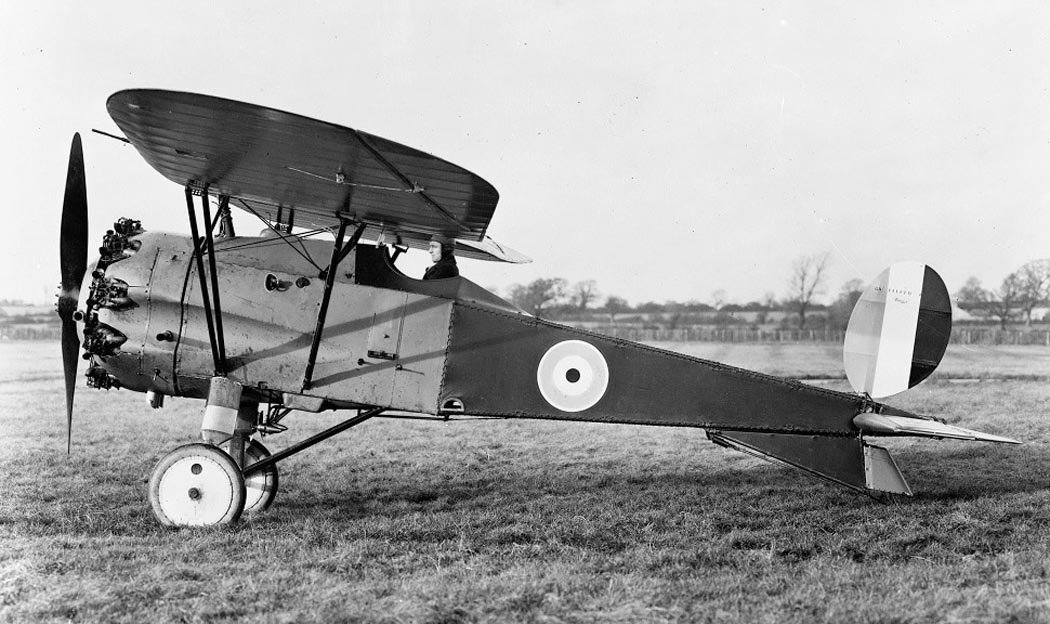
By early 1923, the first two prototypes, in their single-seater variant, were completed. These aircraft featured wooden wings and a fuselage made of steel tubing. They were equipped with a 425-horsepower Bristol Jupiter III engine and armed with two synchronized 7.7mm Vickers machine guns. Throughout 1923, the aircraft underwent testing at the RAF research center. Despite good flight characteristics, a decision for serial production was not made.

The Two-Seater Bullfinch II and Project Cancellation

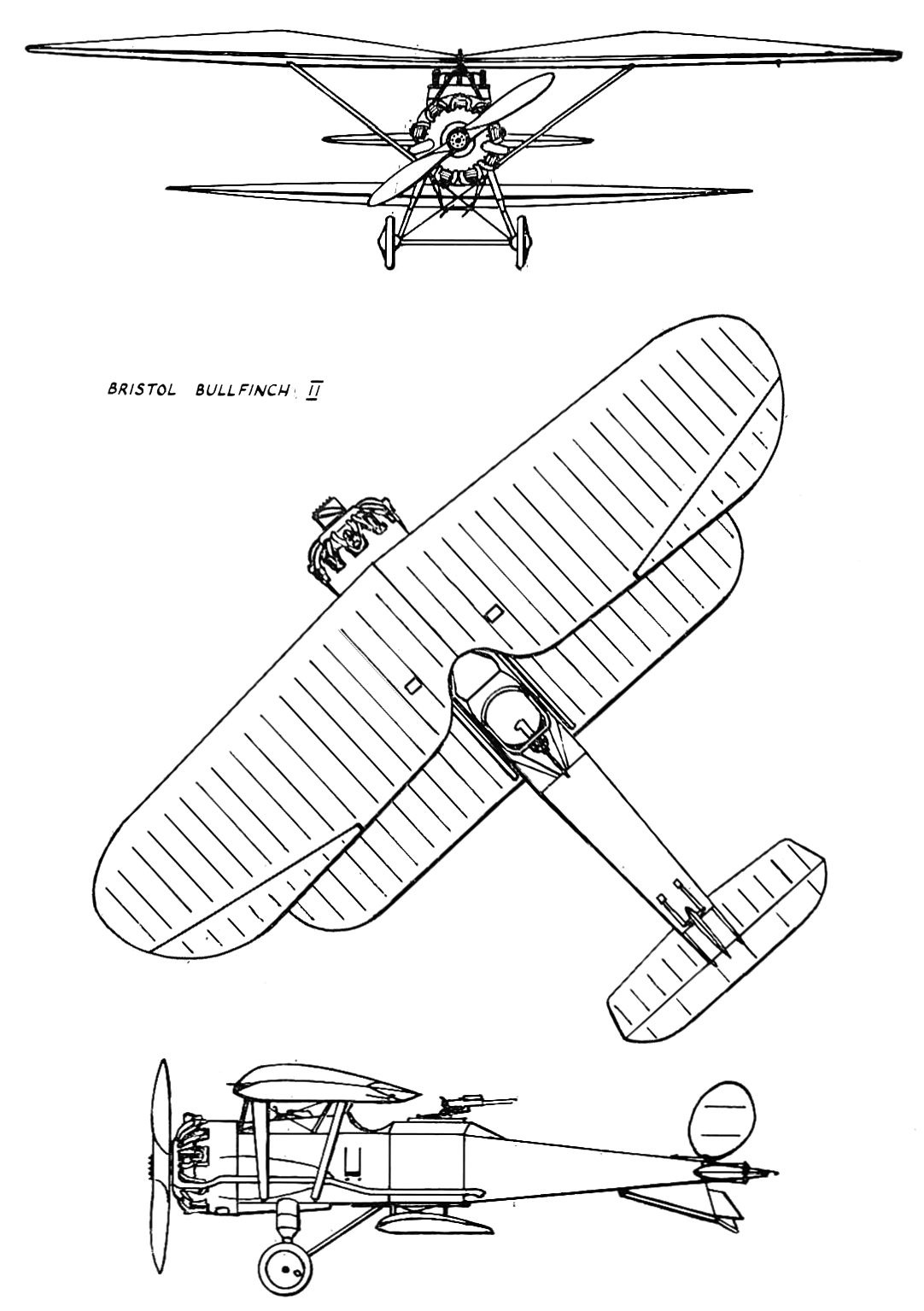
The third prototype of the aircraft, designated Bullfinch II, was completed in a two-seater variant. Its first flight took place on February 15, 1924. The aircraft received a second wing and a separate cockpit for the gunner, equipped with a 7.7mm Lewis machine gun on a movable Scarff turret. As a result, the aircraft’s flight weight increased by 400 kilograms (including the second pilot), leading to a noticeable reduction in flight performance—the 425 hp engine simply could not cope with the increased mass of the aircraft. This ultimately led to the project’s demise.

Technical Specifications

Modification Bullfinch I
Wingspan, m 11.71
Length, m 7.44
Height, m 3.27
Wing area, m2 24.80
Empty weight 986
Normal takeoff weight 1454
Engine type 1 Piston engine Bristol Jupiter III
Power, hp 1 x 425
Maximum speed, km/h 217
Cruising speed, km/h 192
Flight endurance, h 4
Service ceiling, m 6096
Crew 1 crew member
Armament two synchronized 7.7-mm Vickers machine guns

Image and diagram gallery of the Bristol Bullfinch

Bullfinch
Bullfinch
Bullfinch
Bullfinch
Bullfinch
Bullfinch
Bullfinch
Bullfinch
Bullfinch
Bullfinch
Bullfinch
Bullfinch
Bullfinch
Bullfinch
Bullfinch
Bullfinch
Bullfinch
Bullfinch
Bullfinch
Bullfinch
Bullfinch
Bullfinch
Bullfinch
Bullfinch

How to cite this article:

APA: Bristol Bullfinch (). Bristol Bullfinch. wp.archivoaereo.com. https://wp.archivoaereo.com/en/bristol-bullfinch-3/
VANCOUVER: Bristol Bullfinch [online]. wp.archivoaereo.com; [cited 2026-08-12]. Available at: https://wp.archivoaereo.com/en/bristol-bullfinch-3/
Developed by Agatha Press
WWI Fighters Tags:British

Post navigation

Previous Post: Breeze Administrative Aircraft
  • Español
  • Attack Aircraft
  • Aviation Biographies
  • Cargo & Heavy Helicopters
  • Classic Light Aircraft
  • Classic Regional Airliners
  • Drones & UAVs
  • Experimental Aircraft
  • History & Battles
  • Interwar Reconnaissance
  • Light & Observation Helicopters
  • Maritime Patrol
  • Modern Airliners
  • Modern Cargo Aircraft
  • Modern Fighters
  • Modern Light Aircraft
  • Modern Military Transport
  • Modern Regional Airliners
  • Other Aircraft
  • Pioneer Air Transport
  • Pioneer Light Aircraft
  • Racing Aircraft
  • SAR Helicopters (Rescue)
  • Sin categoría
  • Utility Helicopters
  • Weapons & Technology
  • WWI Attack Aircraft
  • WWI Bombers
  • WWI Fighters
  • WWI Flying Boats
  • WWI Reconnaissance
  • WWII Attack Aircraft
  • WWII Bombers
  • WWII Fighters
  • WWII Flying Boats
Crawford CLMCrawford CLMAdmin
Caudron C.37Caudron C.37Admin
Carmier-Arnoux SimplexCarmier-Arnoux SimplexAdmin

Legal

  • About ArchivoAereo
  • Terms and Conditions
  • Contact Us
  • Privacy Policy

Copyright © 2026 wp.archivoaereo.com.

Powered by PressBook WordPress theme