
Origins and Early Development
In 1954, a helicopter design bureau was established at the Aviation Institute (IL), led by Zurakowski. Their first project, initially designated GIL-4, was later renamed BŻ-4 and christened ‘Żuk’ (Beetle). This helicopter was planned in two main variants: a two-seater liaison aircraft for the Air Force, featuring an enlarged fuel tank, and a four-seater civilian version suitable for passenger transport, medical missions, agricultural tasks, and training.
The first prototype’s construction was completed by the IL’s experimental production department in the summer of 1956. It was publicly unveiled at an aviation exhibition near Okęcie airport in late August of the same year, even before its maiden flight. Ground tests commenced that year and continued until mid-1959, frequently interrupted by numerous component damages that necessitated repairs and parts replacements.
Engine and Flight Testing Challenges
Building upon the proven WN-3 engine, the IL developed a specialized variant, the WN-4, for the BŻ-4. Wiktor Narkiewicz served as the chief designer for this engine. Several WN-4 engines were manufactured and tested at the institute between 1956 and 1957. The engine’s initial power output was 235 kW (320 hp), with 15 kW (20 hp) consumed by the cooling fan.
In the early weeks of 1959, the prototype underwent tethered flight tests. On February 10, it successfully performed its first free flight, piloted by IL test pilot Ryszard Witkowski. The helicopter demonstrated good flight and handling characteristics, showing stability in hover and forward flight. However, serious defects were identified during these trials, leading to a halt in further flights.
A subsequent flight on August 29, 1959, ended with a main rotor blade damaging the tail boom due to pilot error. Although the aircraft was repaired, testing was ultimately discontinued, and the construction of two other planned prototypes ceased. The project’s future was overshadowed by the concurrent licensed production of the Mil Mi-1 helicopter in Poland, which met all the needs of both military and civil aviation.
Legacy and Design Features
Two years later, the second prototype was completed by the IL’s experimental production department for a “Helicopters” exhibition in 1962, held in front of the Palace of Culture and Science in Warsaw. This machine featured several modifications, including changes to the forward fuselage glazing, additional triangular windows in the lower part of the front doors, and foldable rotor blades. The third prototype was never finished, and all work on the project was definitively halted.
The first BŻ-4 prototype was later transferred to the Military Technical Academy in Warsaw. The second prototype, which never flew, found its way to a technical museum before being moved to the Museum of Aviation and Cosmonautics in Krakow, preserving a piece of Polish aviation history.
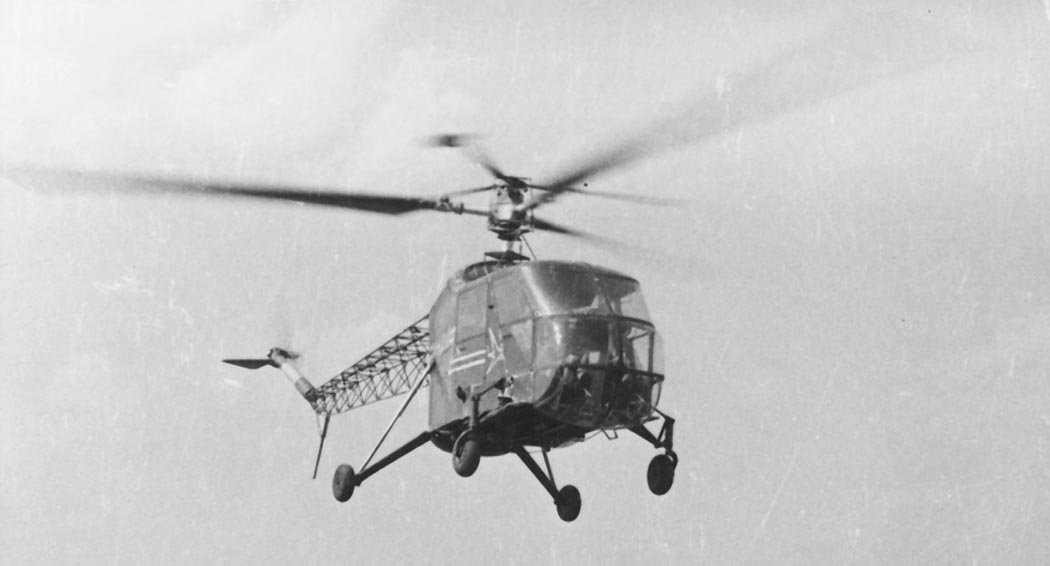
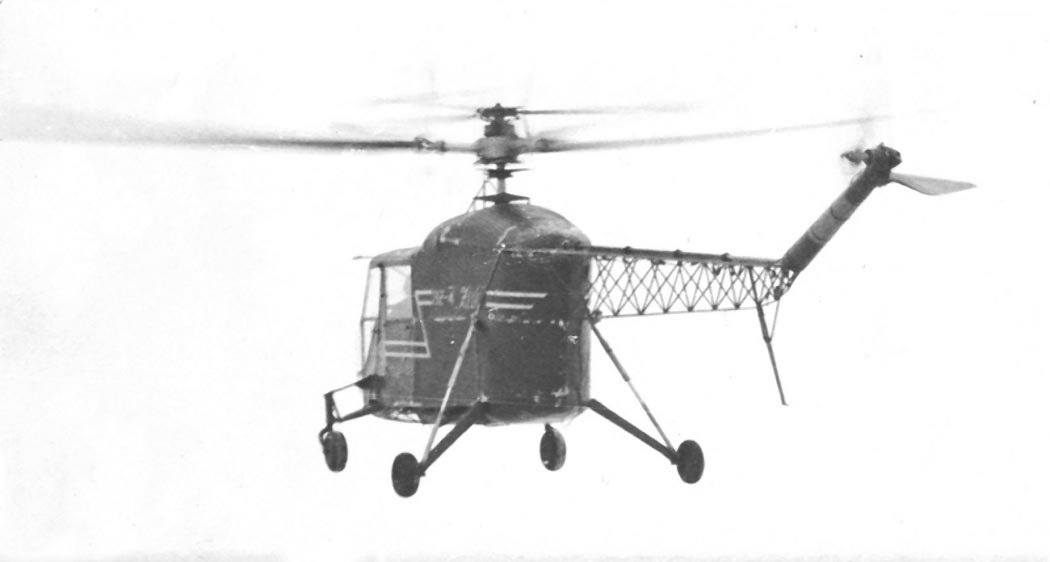
The BŻ-4 Żuk was designed as a four-seater multi-purpose helicopter for liaison, transport, training, and medical roles. It featured a single main rotor configuration with a tail rotor. Its three-bladed main rotor had an all-wooden construction, and the blades were foldable to facilitate transport.
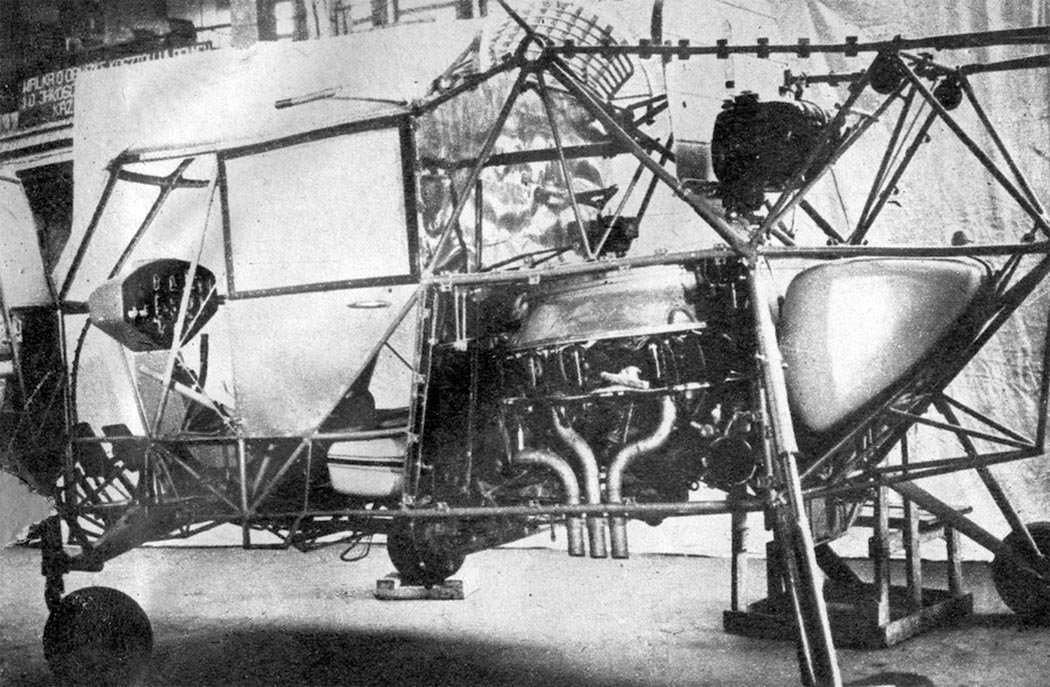
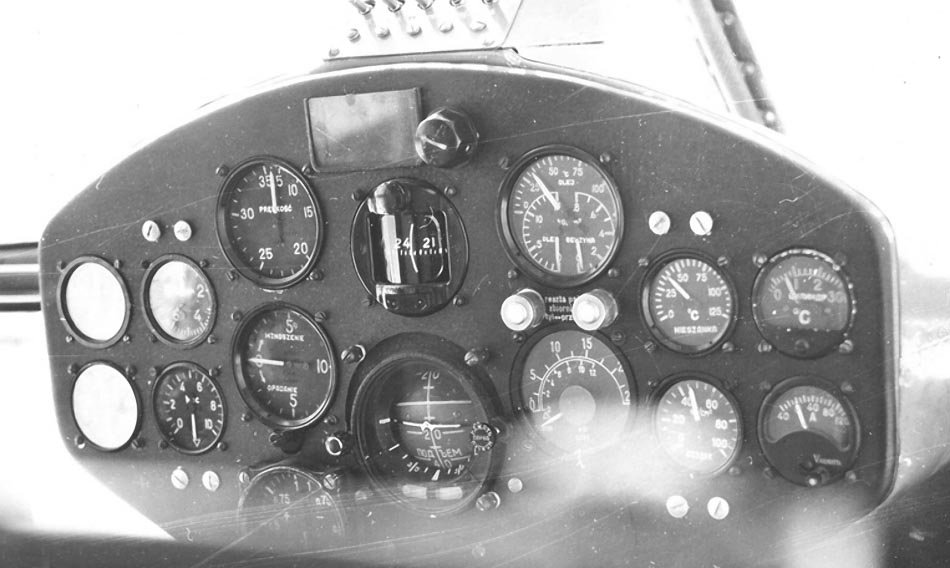
The fuselage comprised a welded tubular space frame covered with duralumin sheets. The cabin, equipped with large front windows, accommodated two pilot seats and a rear bench. Two entrance doors were situated on the sides. The engine compartment, housing the powerplant and main gearbox, was located in the central part of the fuselage. A triangular-section tail boom was attached to the rear, incorporating a small, flight-adjustable ballast at its end.
The helicopter was powered by a WN-4 seven-cylinder radial engine, mounted horizontally. Cooling for the cylinders was provided by a fan mounted on the engine shaft, and starting was achieved using compressed air. Fuel was stored in two tanks with a combined capacity of 220 dm³, one beneath the passenger bench and the other in the rear fuselage. An oil radiator was positioned above the cockpit, connected to a 24 dm³ oil tank located in the rear fuselage, above the second fuel tank.
The landing gear was a non-retractable four-wheeled type. The front supports were fitted with oil shock absorbers with a short stroke, while the rear struts featured gas-oil shock absorbers. The BŻ-4 was also equipped with an onboard radio transmitter, a powerful landing light, and signal flares.
Technical Specifications
| Modification | BŻ-4 |
| Main rotor diameter, m | 12.00 |
| Length, m | 10.55 |
| Height, m | 2.80 |
| Empty weight | 1050 |
| Maximum takeoff weight | 1500 |
| Engine type | 1 Piston engine Narkiewicz WN-4 |
| Power, kW | 1 x 240 |
| Maximum speed, km/h | 156 |
| Cruising speed, km/h | 125 |
| Practical range, km | 260 |
| Rate of climb, m/min | 276 |
| Service ceiling, m | 3000 |
| Crew, crew members | 2 |
| Payload | 2-3 passengers |
Image and diagram gallery of the BŻ-4 Żuk
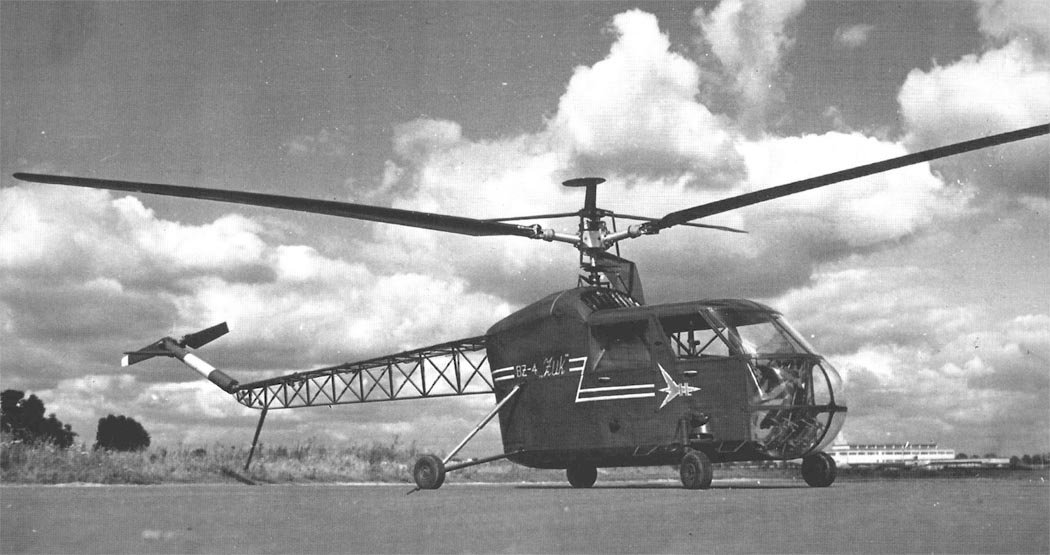 BŻ-4 Żuk |
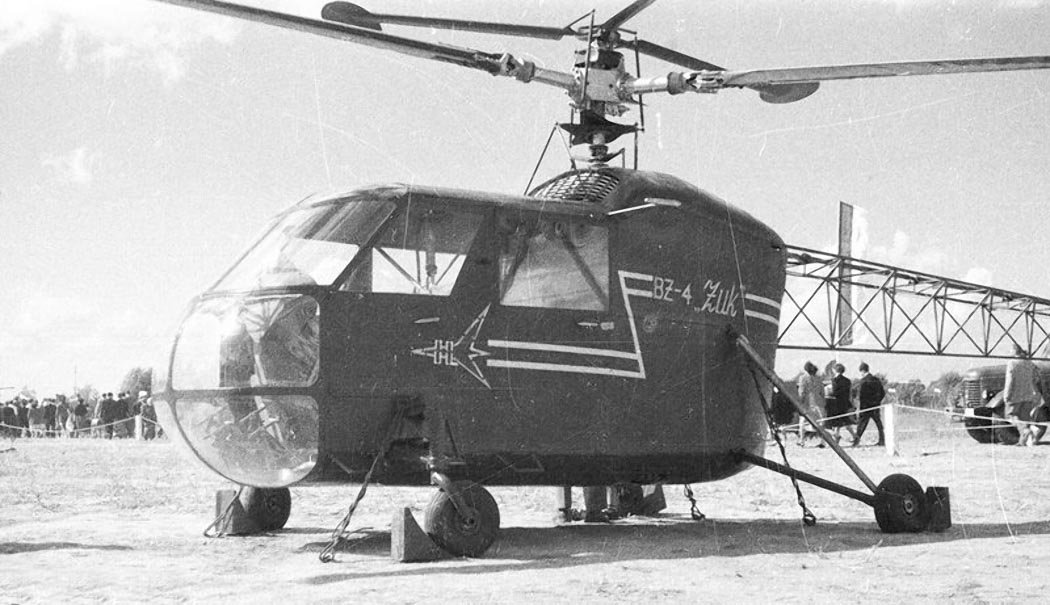 BŻ-4 Żuk |
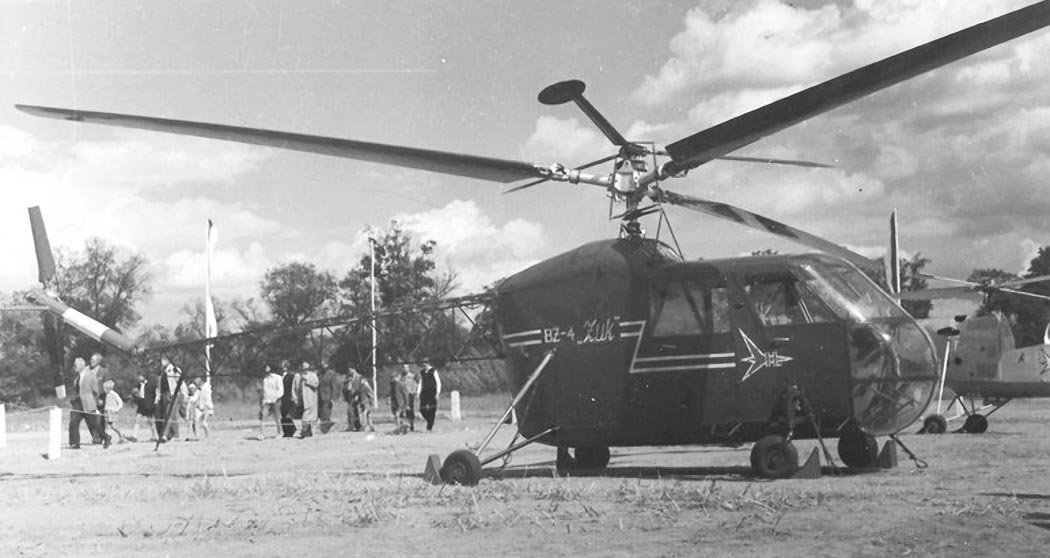 BŻ-4 Żuk |
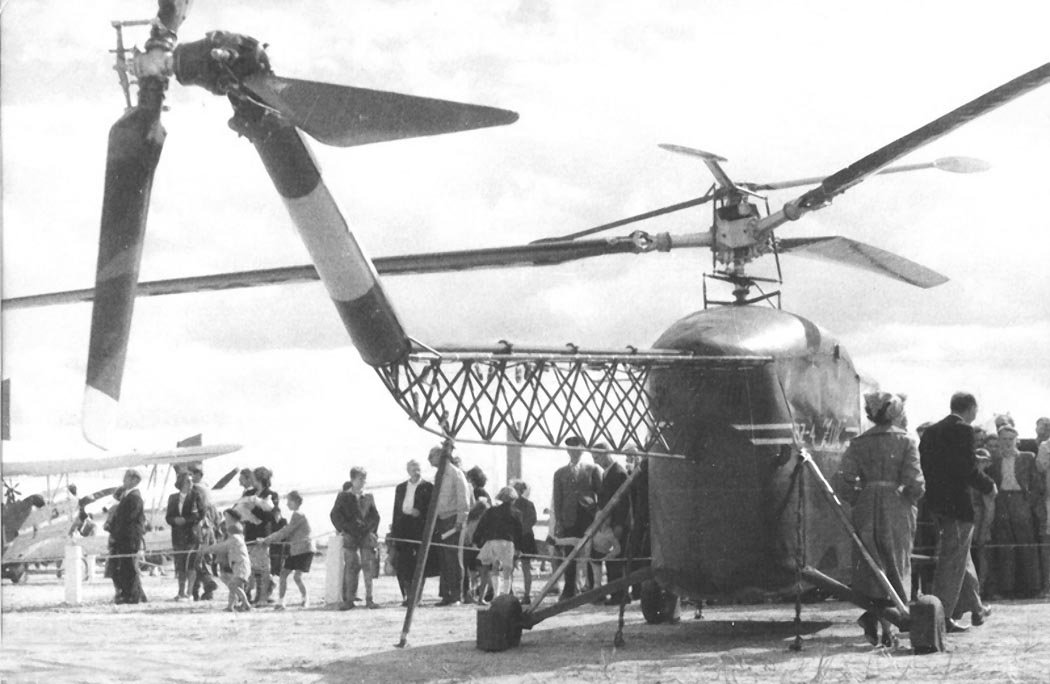 BŻ-4 Żuk |
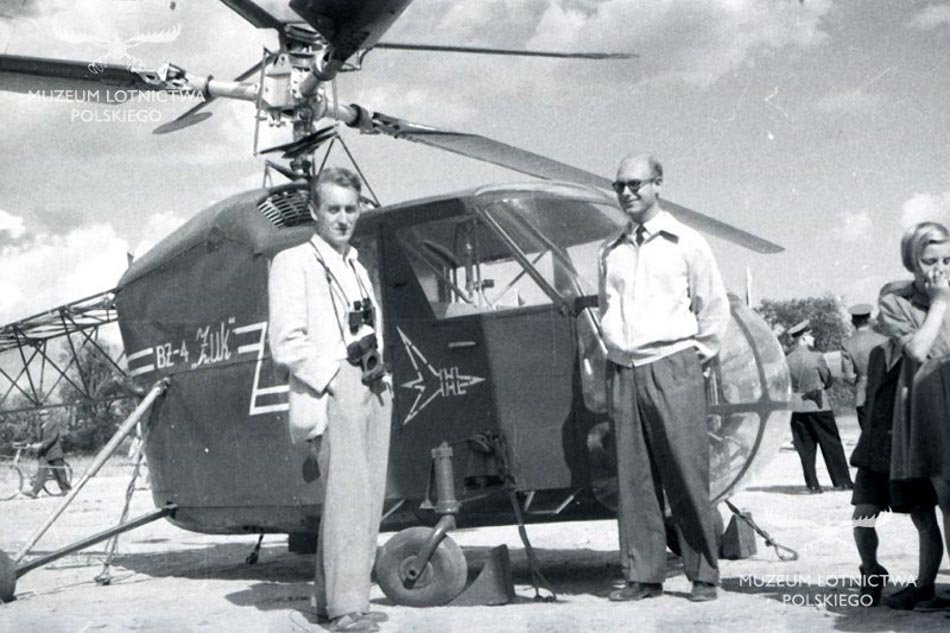 BŻ-4 Żuk |
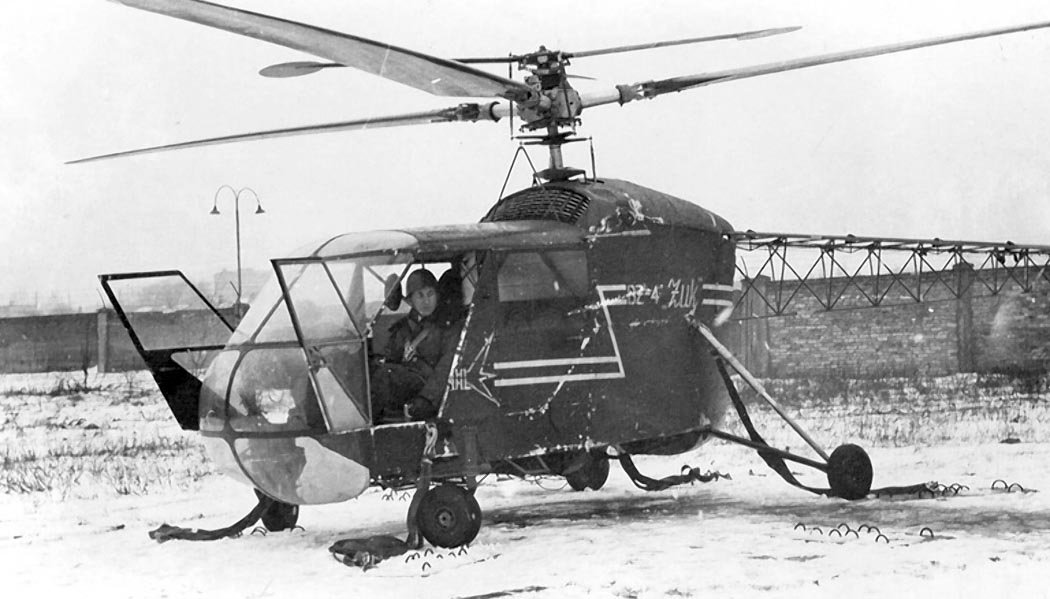 BŻ-4 Żuk |
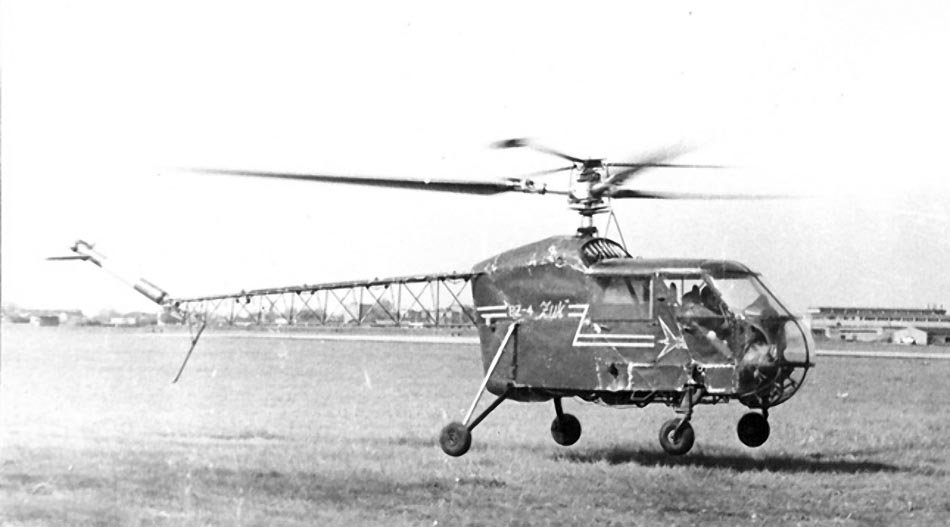 BŻ-4 Żuk |
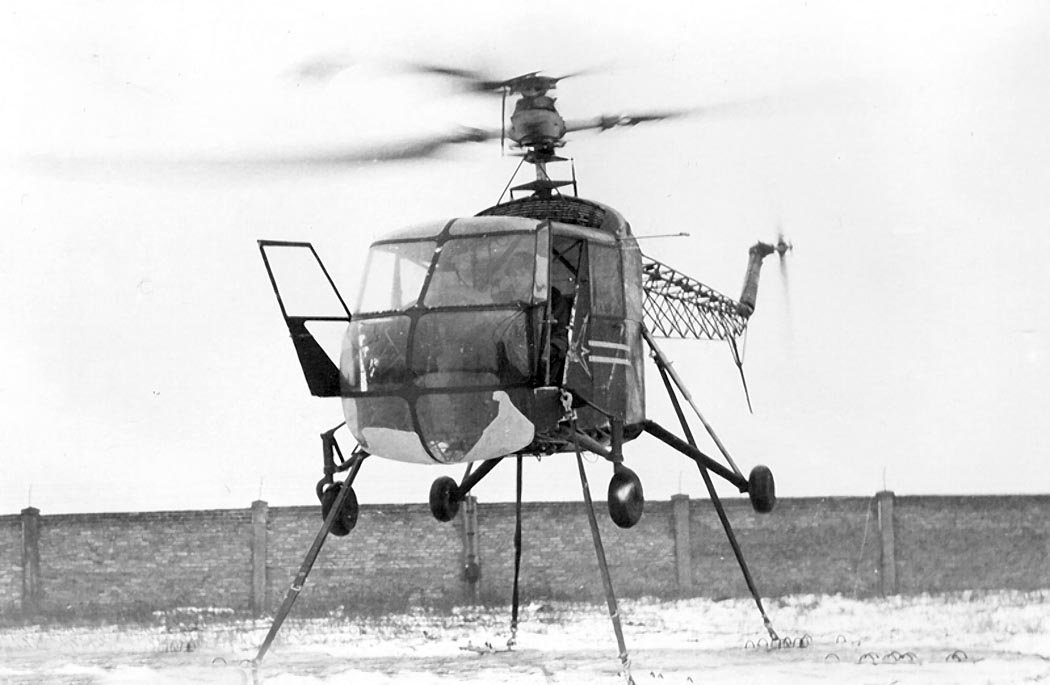 BŻ-4 Żuk |
 BŻ-4 Żuk |
 BŻ-4 Żuk |
 BŻ-4 Żuk |
 BŻ-4 Żuk |
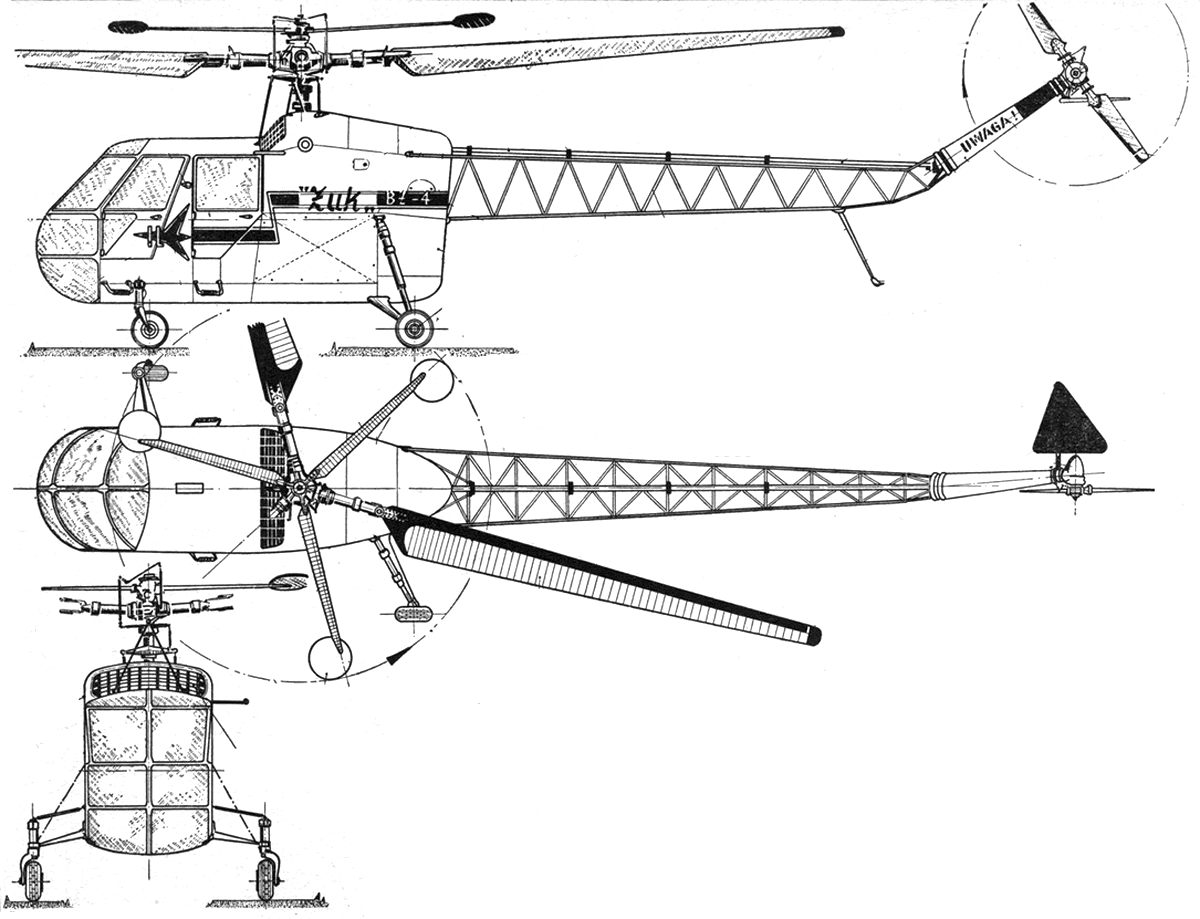 BŻ-4 Żuk |