
In 1921, Herberts Cukurs joined the Latvian aviation regiment. He dedicated all his free time outside of service to building a light aircraft of his own design. A little later, Cukurs was transferred to the naval aviation unit in Liepāja, where he moved his unfinished aircraft.
Only in 1925 was the light multi-purpose aircraft Cukurs C-1 able to take to the air. It was a wooden single-seat cantilever low-wing monoplane, equipped with a 988 cc, 12 hp Harley-Davidson motorcycle engine. Cukurs made over a hundred flights with it until 1926.
Transformation into the Cukurs C-2
He then handed the machine over to his friend, Lieutenant Kārlis Konstants, for its conversion into a two-seater. In addition to installing a second cockpit, Konstants also replaced the motorcycle engine with an aviation engine (an Anzani with 25 hp).
The result was practically a new aircraft, which was designated Cukurs C-2. The aircraft flew regularly until 1932, but then it crashed. Konstants repaired and again modernized the aircraft, reinforcing its structure and installing a 45 hp Anzani engine.
The “Peka-Peka” Takes Flight
Nicknamed “Peka-Peka,” the modernized C-2 flew for several more years.
Technical Specifications
| Modification | C-1 |
| Wingspan, m | 13.20 |
| Length, m | 6.50 |
| Wing area, m2 | 14.00 |
| Empty weight | 200 |
| Maximum takeoff weight | 290 |
| Engine type | 1 Piston engine Harley-Davidson 988 |
| Power, hp | 1 x 12 |
| Maximum speed, km/h | 70 |
| Crew | 1 |
Image and diagram gallery of the Cukurs C-1 and C-2
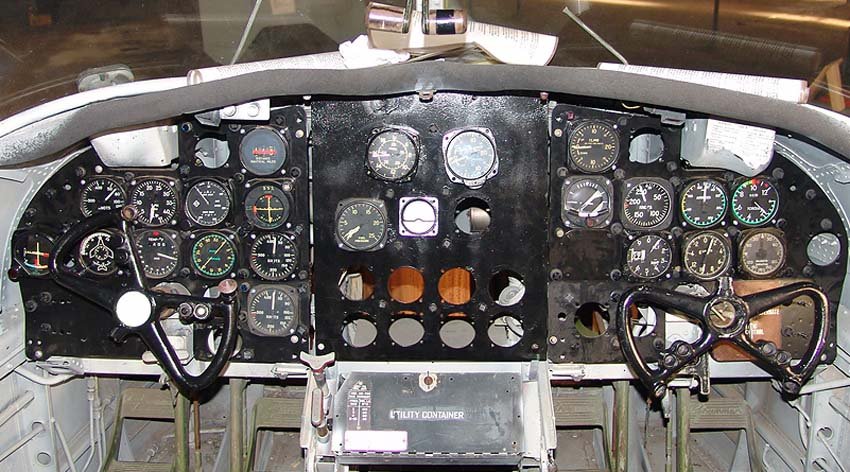 C-1(2) |
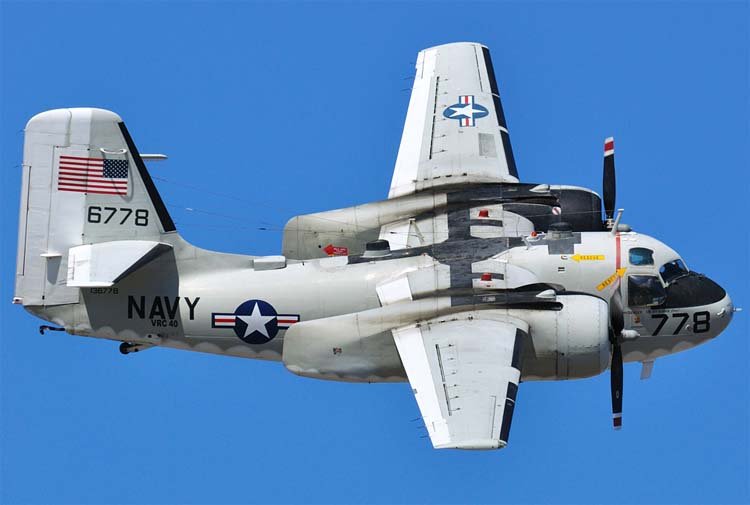 C-1(2) |
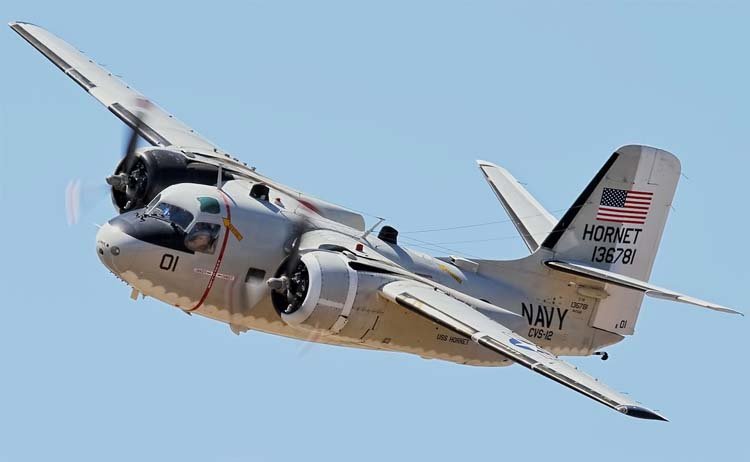 C-1(2) |
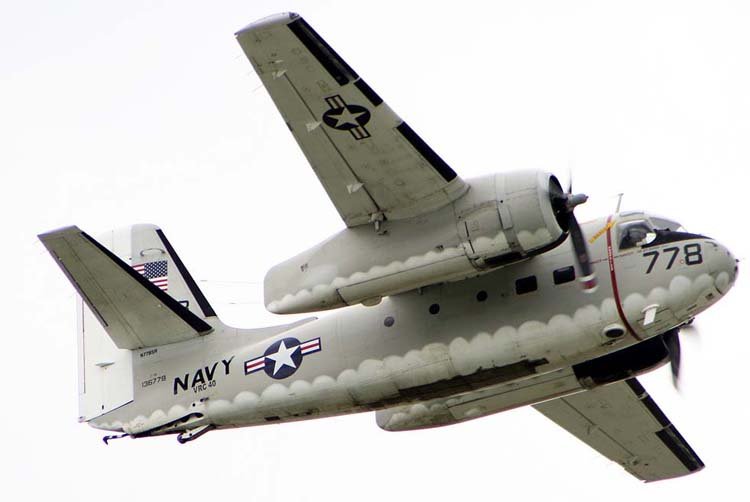 C-1(2) |
 C-1(2) |
 C-1(2) |
 C-1(2) |
 C-1(2) |