
Development of the Caudron C.157
In 1928, the Caudron company introduced the Caudron C.157, a new intermediate training aircraft. Designed by Paul Deville, this model was an evolution of the C.59 and featured a classic two-strut biplane configuration without wing overhang.
Its airframe was constructed from wood and covered with fabric. The powerplant consisted of a ten-cylinder Anzani radial engine, producing 90 horsepower. The aircraft (F-AJDV) was equipped with standard dual controls to facilitate instruction.
Technical Characteristics and Engines
The C.157’s design was notable for its simplicity and robustness, making it ideal for pilot training. Its classic biplane configuration offered good stability, which was crucial for intermediate training tasks.
Subsequently, the C.320 model was developed based on this aircraft, representing an enhancement and adaptation of the original capabilities of the C.157.
The C.158 and C.159 Variants
In the same year, 1928, one similar C.158 and one C.159 (F-ESAB) were built. Both machines were equipped with a powerful nine-cylinder Salmson 9Ab engine, producing 230 horsepower, a significant increase compared to the C.157’s engine.
The C.159, in particular, was later modified and converted into a C.320, solidifying Caudron’s development path towards more advanced models based on these initial training platforms.
Technical Specifications
| Modification | C.159 |
| Wingspan, m | 10.24 |
| Length, m | 7. 50 |
| Height, m | 2. 60 |
| Wing area, m2 | 26.00 |
| Engine type | 1 Piston engine Salmson 9Ab |
| Power, hp | 1 x 230 |
| Crew, crew members: | 2 |
Image and diagram gallery of the Caudron C.157 Series
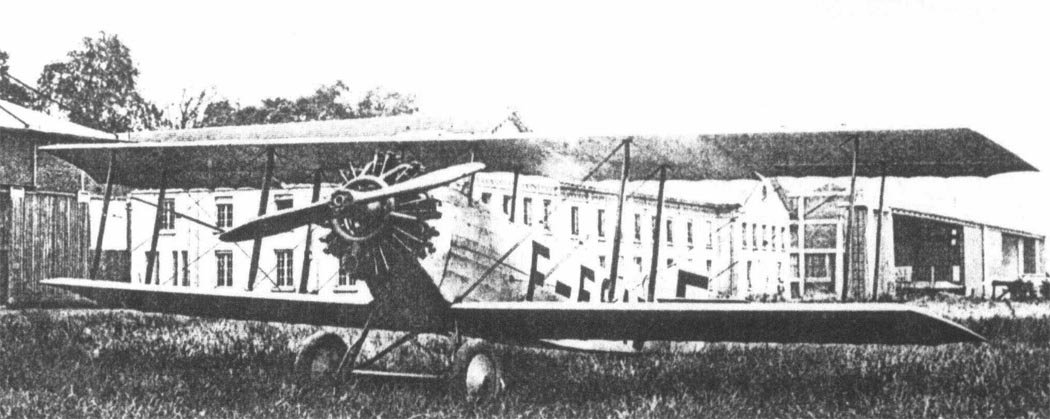 C.157(159) |
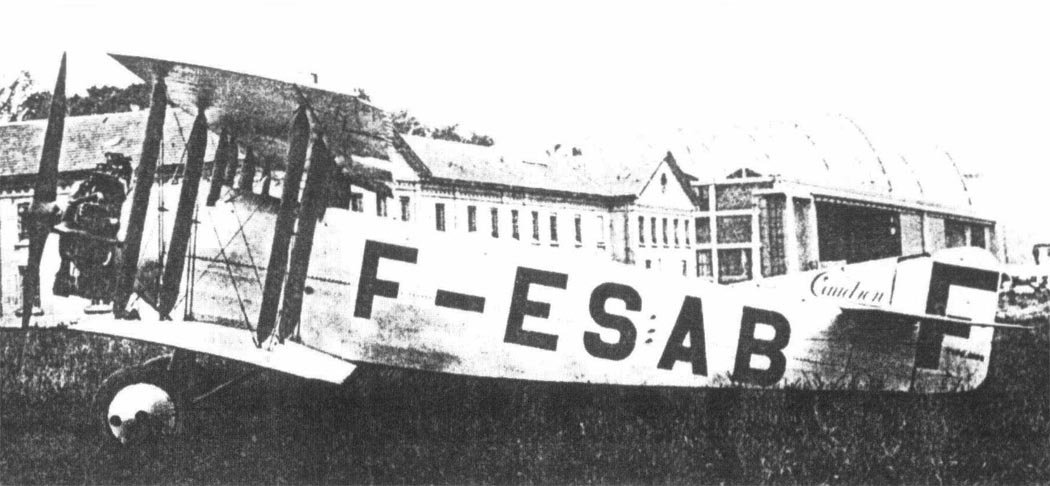 C.157(159) |
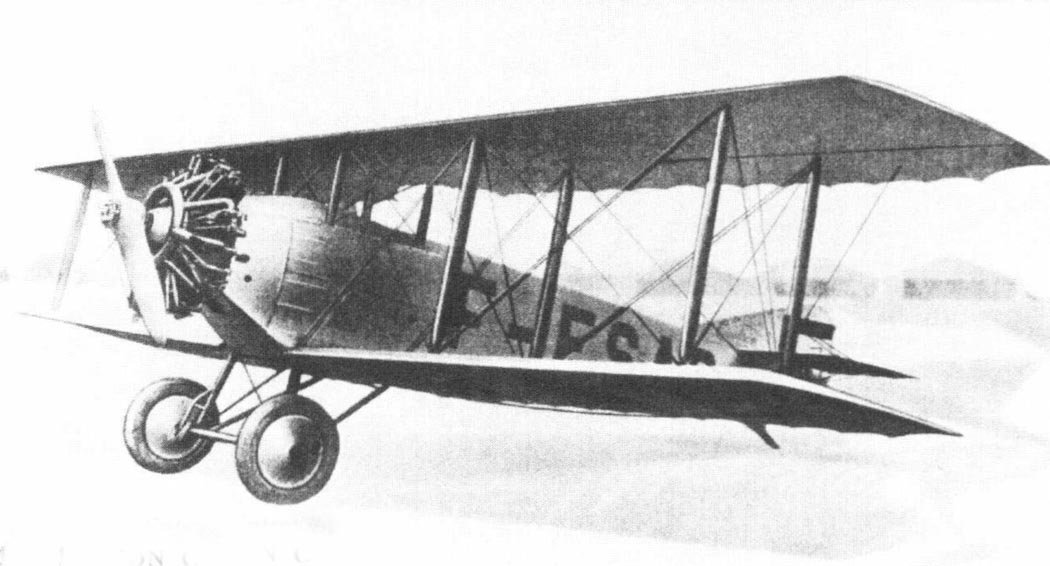 C.157(159) |