
Origins and Development
In February 1913, the Burgess Company and Curtis, Inc. received an order from the U.S. Navy for the construction of a light flying boat. William Starling Burgess himself led the design of the boat.
Design and Maiden Flight
On April 14, 1913, the Burgess Model K flying boat made its first flight, piloted by William Burgess himself. The Burgess K was a two-seat, two-bay biplane, powered by a 70 hp eight-cylinder air-cooled Renault engine.
Operational History and Fate
On May 17 of the same year, the aircraft was handed over to the fleet and received the tail number D-1. The flying boat did not operate for long; on February 16, 1914, it crashed, and pilot James M. Murray drowned. Despite the accident, in December of that year, the fleet redesignated the machine as AB-6.
Technical Specifications
| Modification | Burgess K |
| Wingspan, m | 13.11 |
| Length, m | 9. 37 |
| Height, m | 2.69 |
| Engine type | 1 Piston engine Renault |
| Power, hp | 1 x 70 |
| Maximum speed, km/h | 95 |
| Cruising speed, km/h | 85 |
| Flight endurance, h | 4 |
| Crew, crew members | 2 |
Image and diagram gallery of the Burgess K
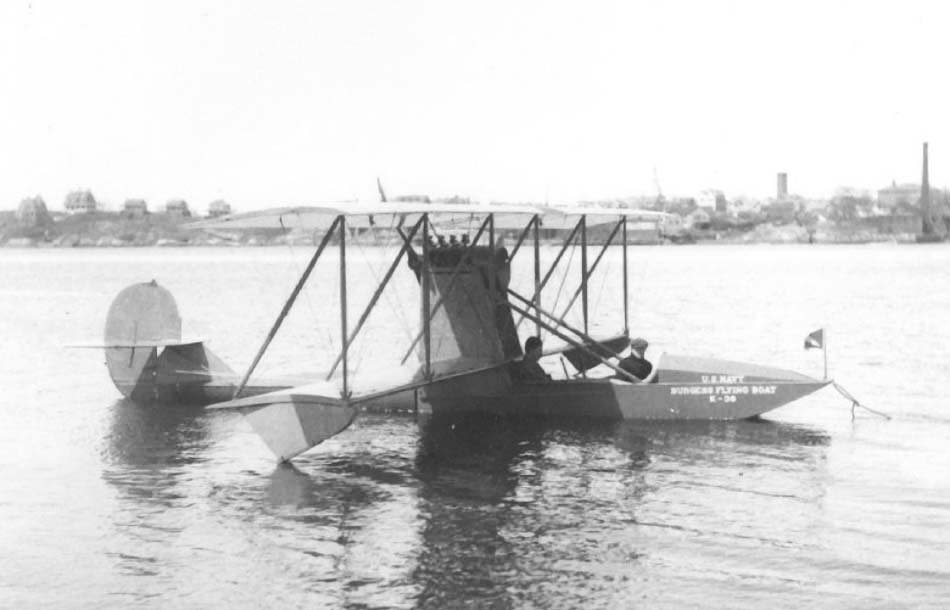 Burgess K |
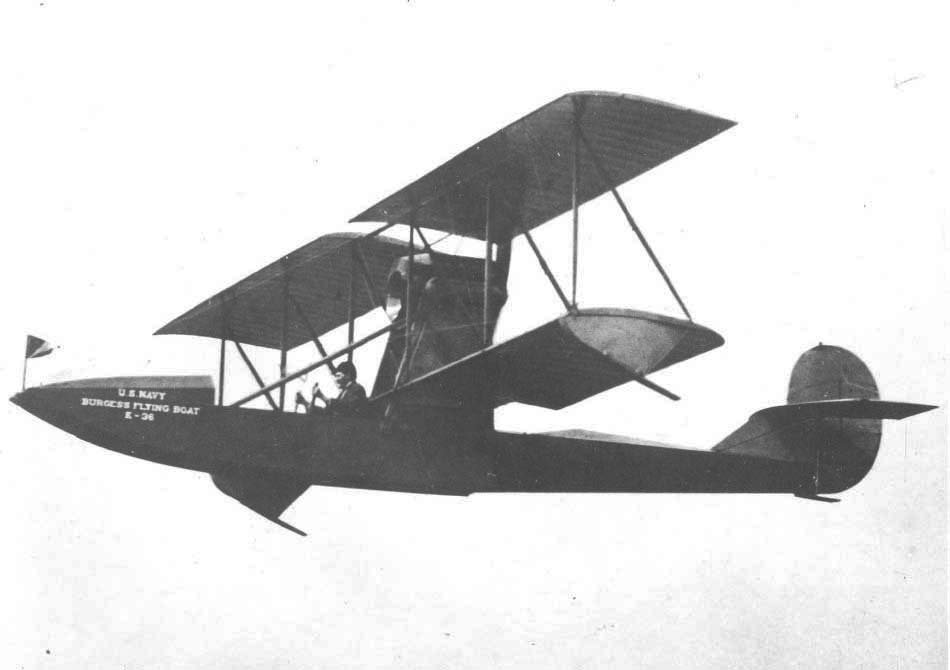 Burgess K |
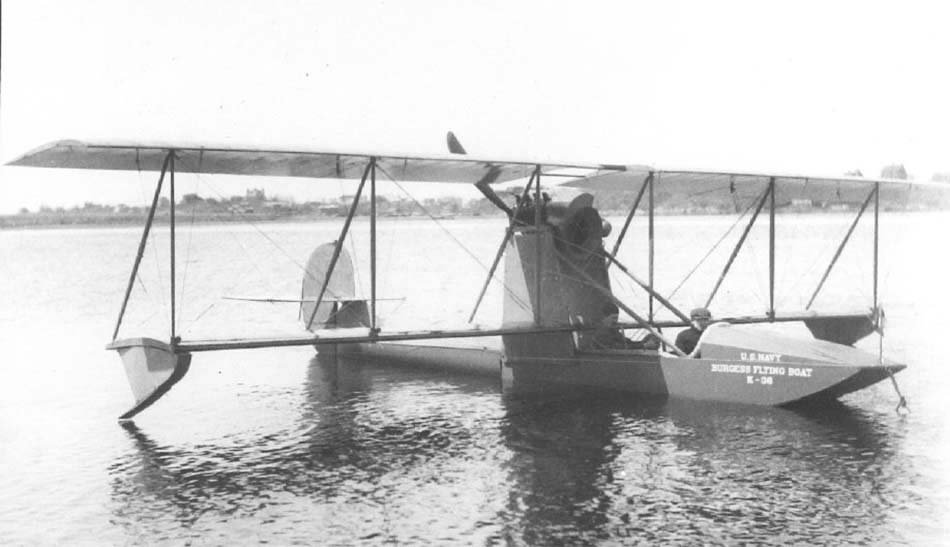 Burgess K |
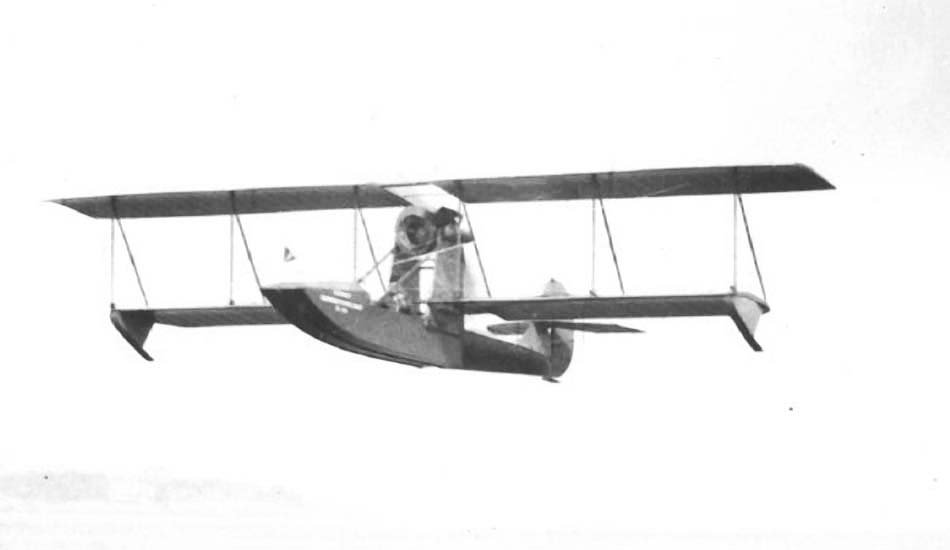 Burgess K |
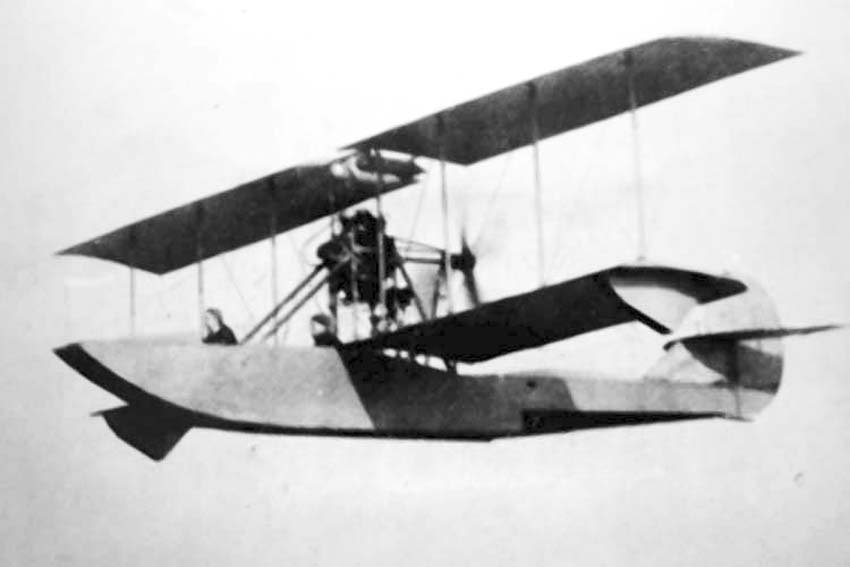 Burgess K |
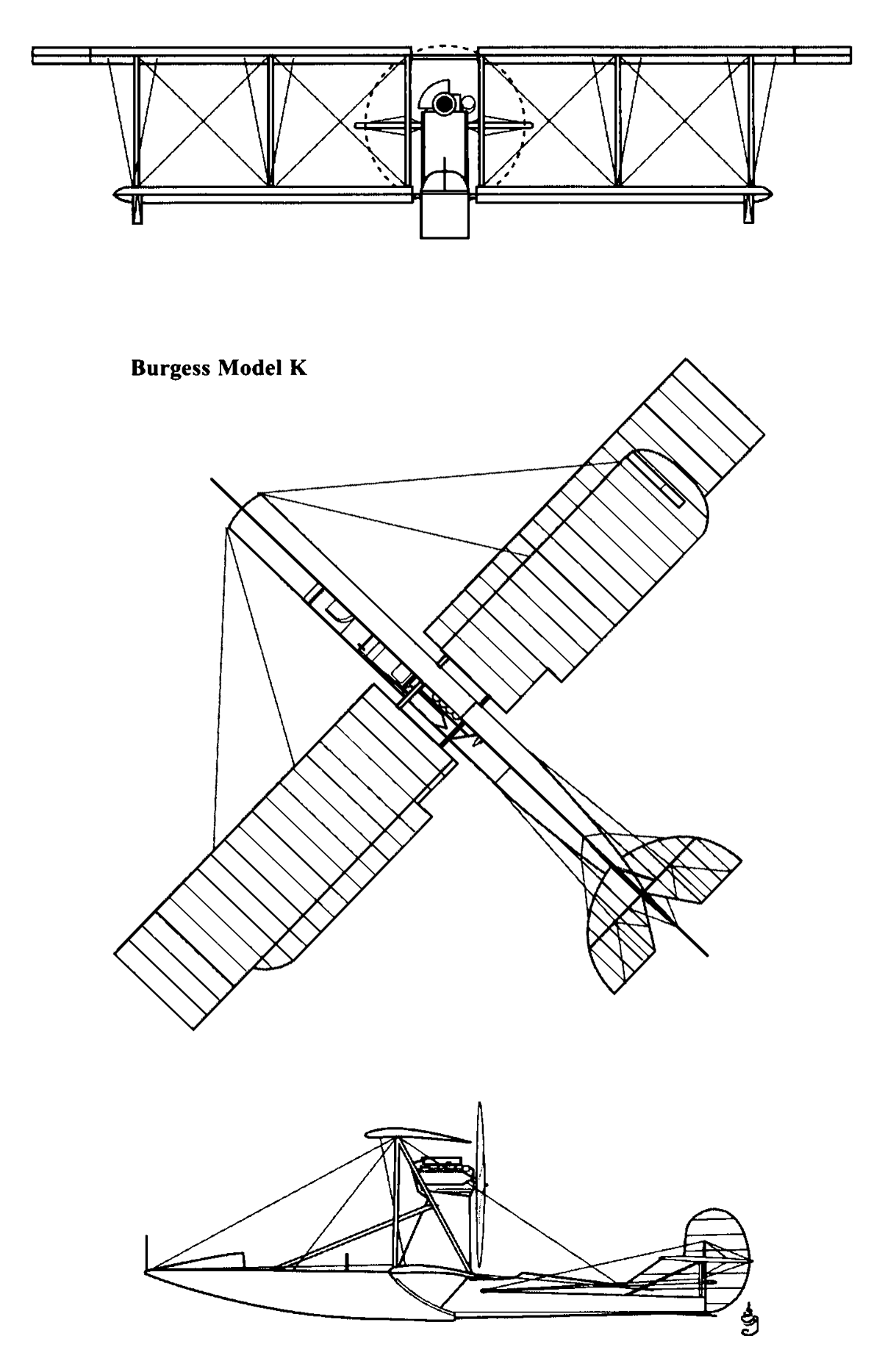 Burgess K |
How to cite this article:
APA: Burgess K (). Burgess K. wp.archivoaereo.com. https://wp.archivoaereo.com/en/burgess-k-3/
VANCOUVER: Burgess K [online]. wp.archivoaereo.com; [cited 2026-10-27]. Available at: https://wp.archivoaereo.com/en/burgess-k-3/