
Development and Initial Service
In 1927, almost simultaneously with the introduction of the multi-purpose Ca.97, its further modification, the Ca.101, entered testing. Caproni undertook a series of works aimed at increasing the geometric dimensions of the aircraft and installing three Italian-made Armstrong Siddeley “Lynx” engines. These 200 hp engines were produced under license by Alfa Romeo.
An attempt to offer the Ca.101 to civil aviation was unsuccessful due to strong competition from other aircraft manufacturers. However, the Italian Air Force (Regia Aeronautica – RA) showed keen interest. The military appreciated the Ca.101’s versatility for various purposes, leading Caproni to immediately launch production of two modifications.
The first variant was a purely unarmed transport version, while the second was produced as a night bomber, capable of carrying up to 800 kg of bombs internally. Its defensive armament consisted of one upper and two lower 7.7-mm machine guns. Both modifications were powered by Piaggio “Stella” VII engines (270 hp). A variant with reduced armament was supplied to colonial air forces.
Colonial Service and Combat Operations
Africa became the primary operational theater for the Ca.101, sometimes designated Ca.101/3m. Caproni aircraft were extensively used in Libya, Eritrea, and Italian Somaliland, primarily in a transport role. Several aircraft were later fitted with Czechoslovak Walter “Castor” engines (240 hp) or Alfa Romeo D2 engines (270 hp), though this had little effect on their flight performance.
In 1935, the Italians first deployed the Ca.101 in combat conditions in Ethiopia. Its main task was long-range reconnaissance, but bombing sorties were also not uncommon. After the occupation of Ethiopia, the Ca.101s formed the backbone of the transport aviation there, remaining in service until complete wear and tear. The last Ca.101s even participated in battles against the British and were finally decommissioned in 1940.
Unconfirmed reports suggest the Ca.101 took part in the Spanish Civil War, but this has not been officially corroborated. Other transport Ca.101s served with the RA until 1938-1939, after which they were transferred to various training and auxiliary units, remaining there until 1942.
Export and Later Use
The Ca.101 also achieved decent export sales. In 1930, the Italian government provided Hungary with a loan for the purchase of FIAT CR.20 and Caproni Ca.101 aircraft. Despite Hungary being forbidden from possessing combat aviation, fighter and bomber squadrons were established using the acquired equipment.
Hungary received a total of 20 Ca.101 examples, which served for a long time as transport aircraft before being replaced by more modern bombers. Regarding their involvement in World War II, during the border conflict with Slovakia in spring 1939, Ca.101/3m aircraft were only used for ground support and did not undertake actual combat missions. Similarly, concerning the campaign against the Soviet Union, by summer 1941, all Ca.101s had been relegated to auxiliary (not even transport) aircraft, making claims of bombing sorties highly doubtful. The last mention of Hungarian Ca.101s dates back to 1943, when the remaining aircraft were scrapped due to complete wear.
The Caproni family also included related designs: one aircraft, similar to the Ca.101, was equipped with two 500 hp Bristol Jupiter engines. Another was the single-engine Ca.111 variant; initially powered by a 750 hp Fiat engine, its wingspan was increased to 23 m and area to 79 sq. m. In 1934, a new wing was developed, and the Fiat engine was replaced with an Isotta-Fraschini Asso 750 RS. After a prototype and four pre-production aircraft, 148 Ca.111s were produced. Twenty-five of these were manufactured as twin-float Ca.111 Idro seaplanes, used for long-range maritime reconnaissance.
Technical Specifications
| Modification | Sa.101 |
| Wingspan, m | 19.65 |
| Length, m | 15.30 |
| Wing area, m2 | 61.50 |
| Empty weight | 3120 |
| Normal takeoff weight | 5370 |
| Engine type | 3 Piston engine Piaggio Stella VII |
| Power, hp | 3 x 370 |
| Maximum speed, km/h | 165 |
| Cruising speed, km/h | 131 |
| Practical range, km | 2000 |
| Practical ceiling, m | 6100 |
| Crew | 3 |
| Armament | two or three 7.7-mm machine guns, bomb load – 500 kg |
Image and diagram gallery of the Caproni Ca.101
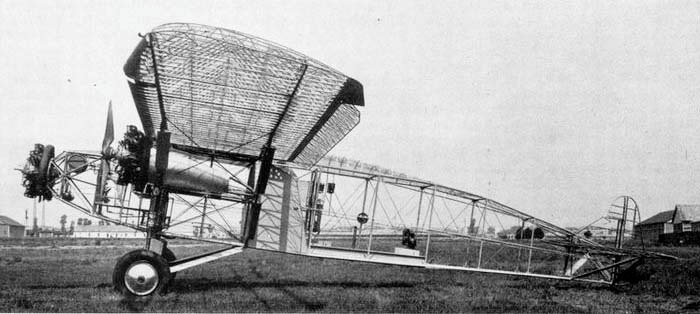 Ca.101 |
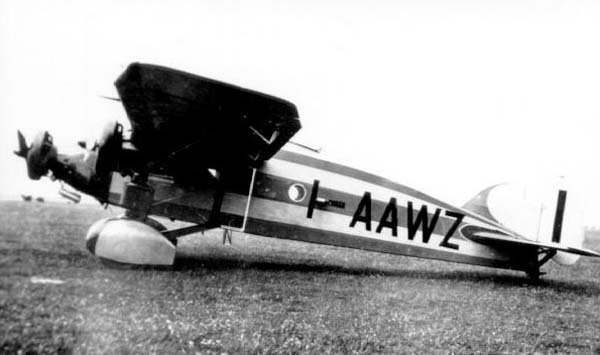 Ca.101 |
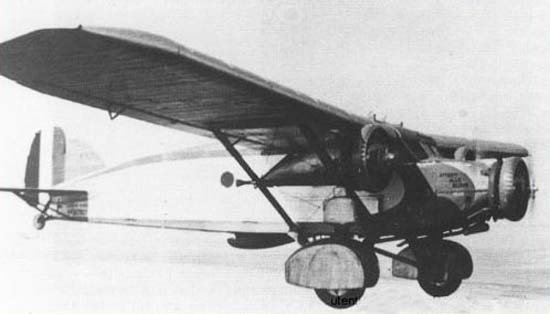 Ca.101 |
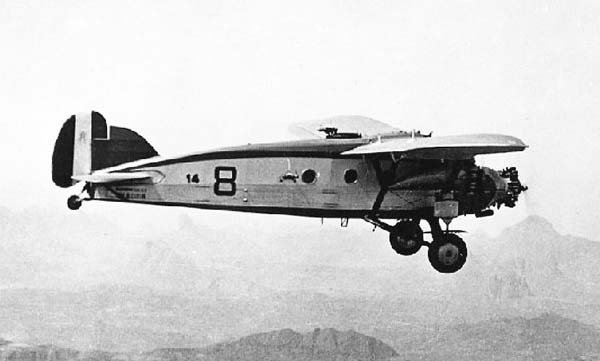 Ca.101 |
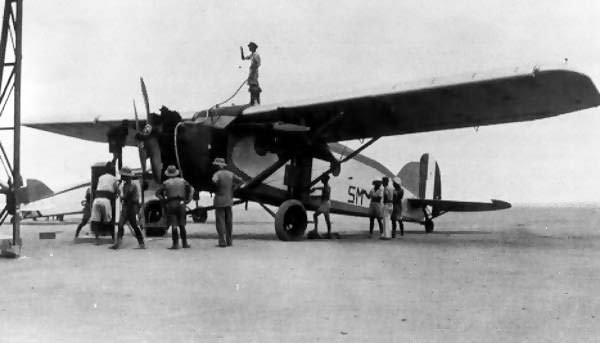 Ca.101 |
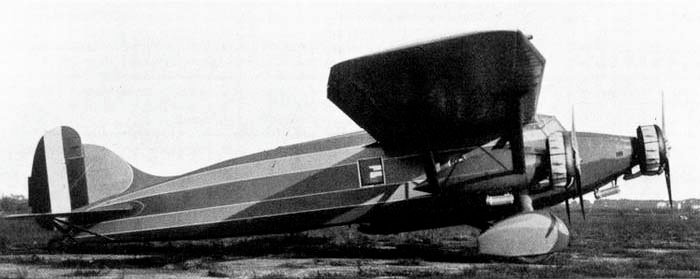 Ca.101 |
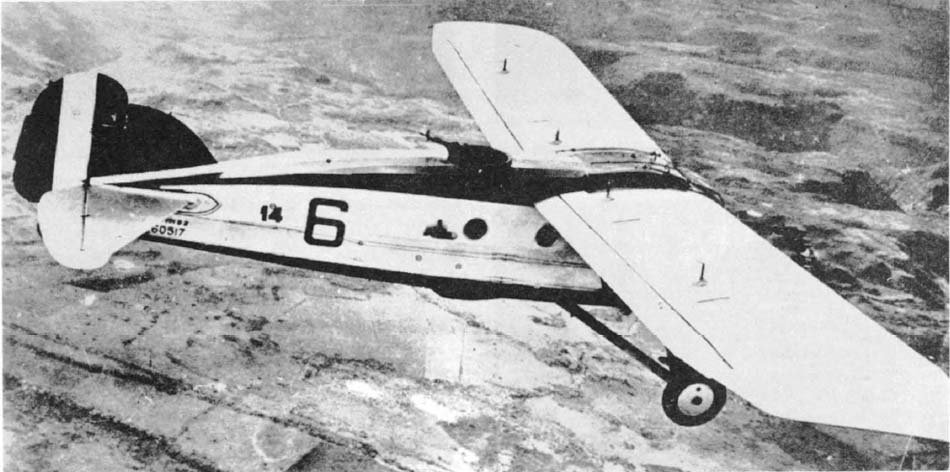 Ca.101 |
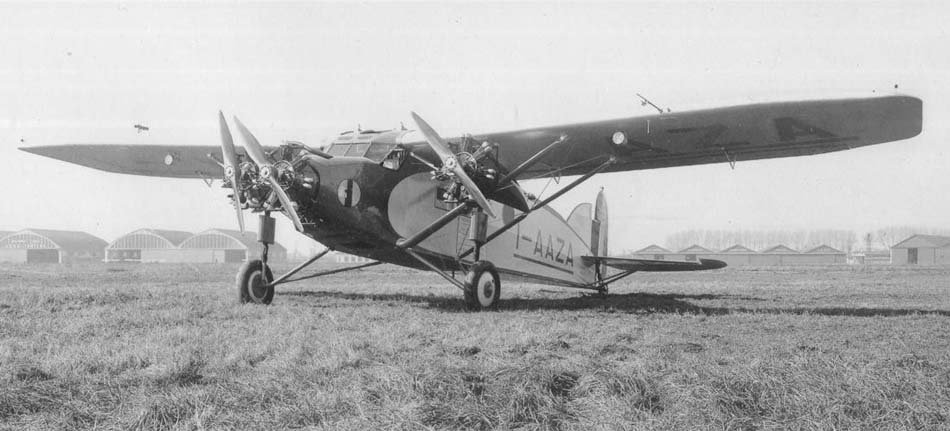 Ca.101 |
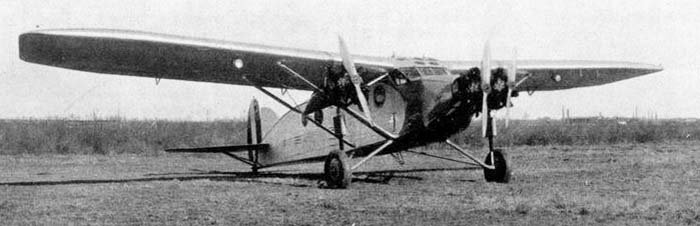 Ca.101 |
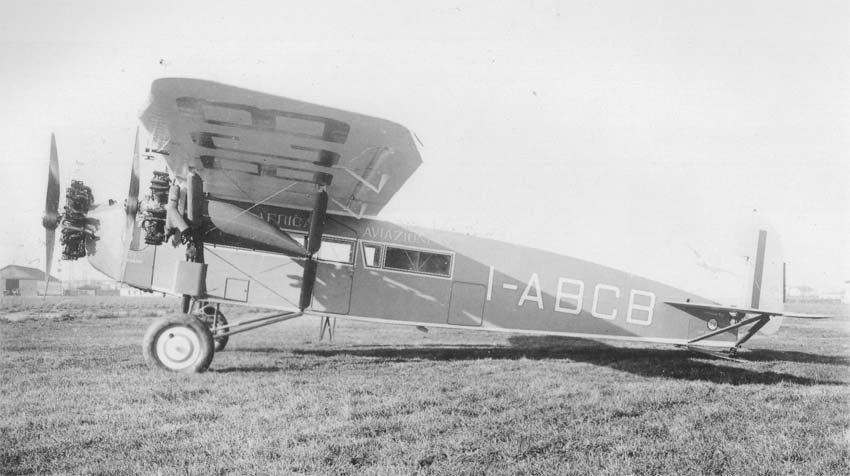 Ca.101 |
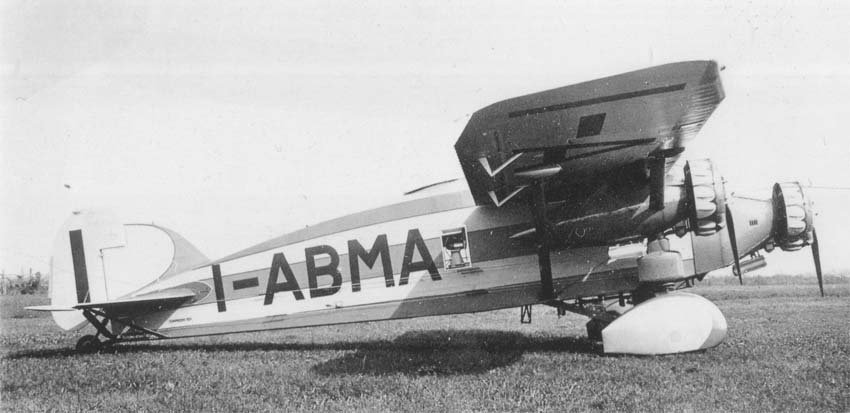 Ca.101 |
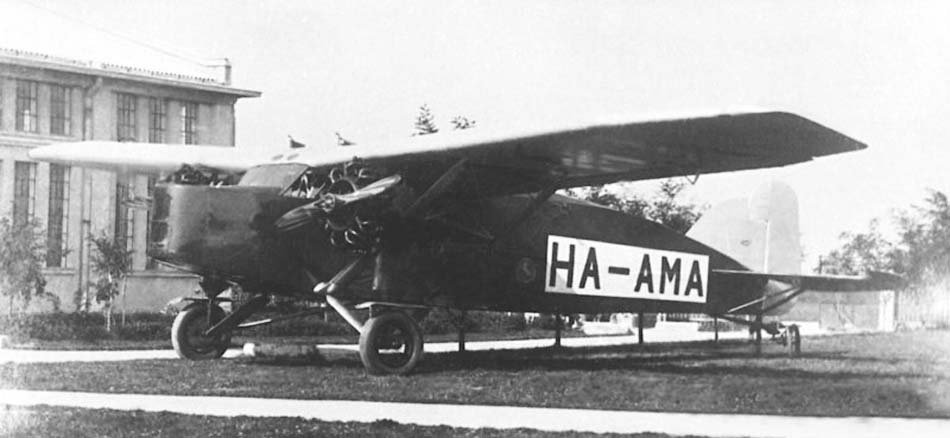 Ca.101 |
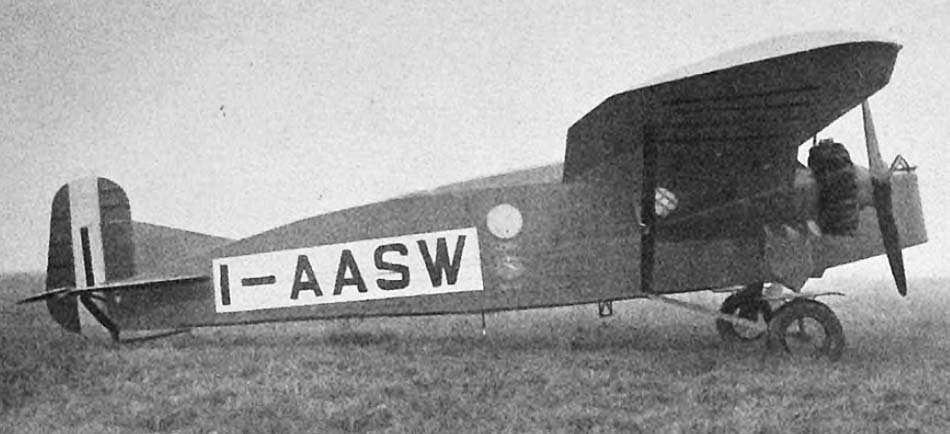 Ca.101 |
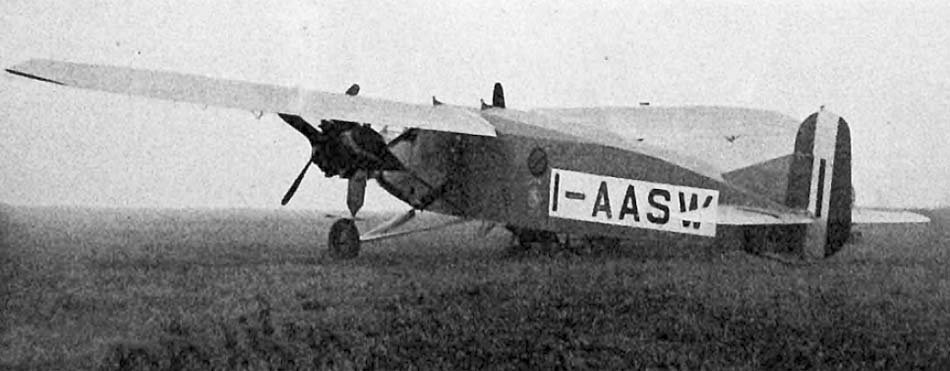 Ca.101 |
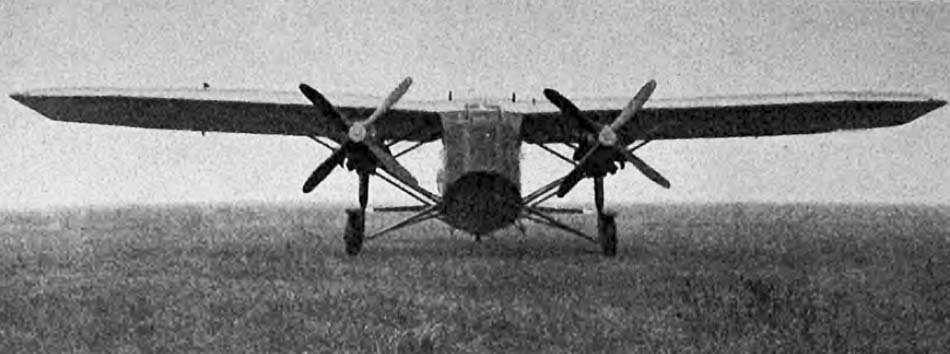 Ca.101 |
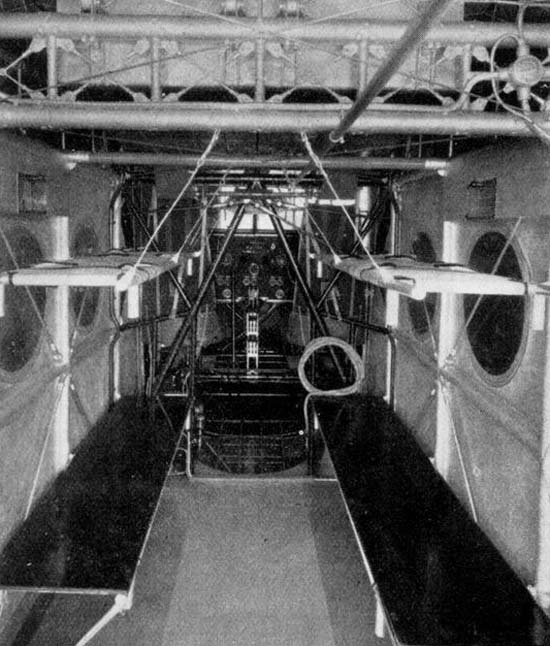 Ca.101 |
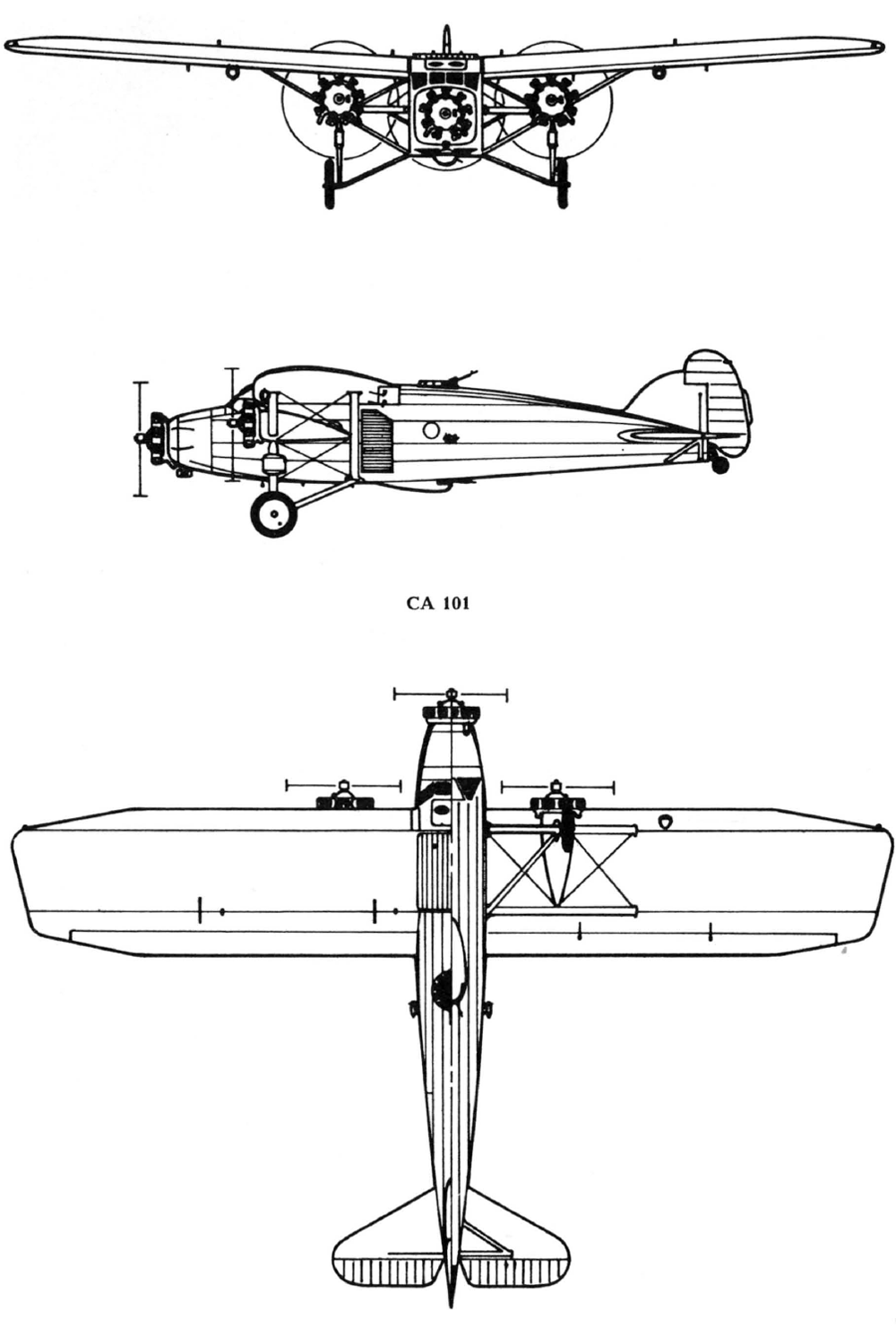 Ca.101 |
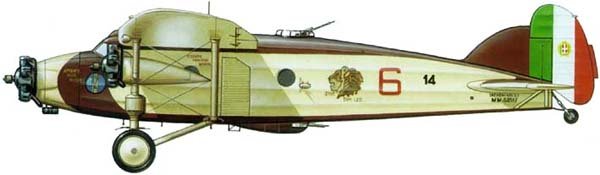 Ca.101 |
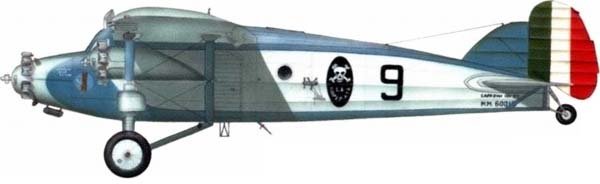 Ca.101 |