
Origin and Development
Following the failure of the Ca.122 bomber-transport, Aeronautica Caproni designers opted to use this aircraft as the foundation for a 23-seat passenger plane. This project was commissioned by the Belgian firm SABENA.
Technical Specifications
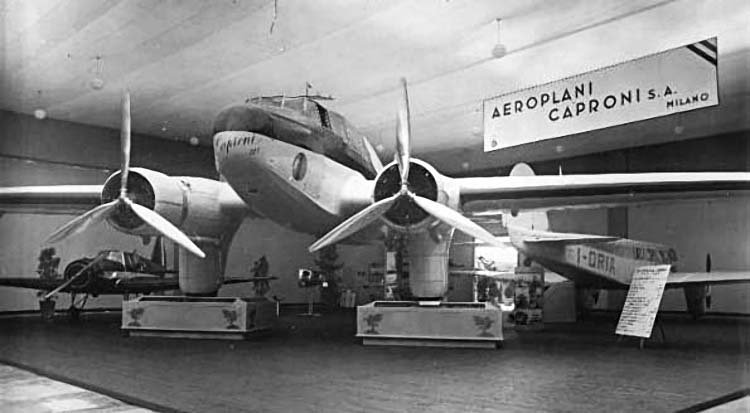
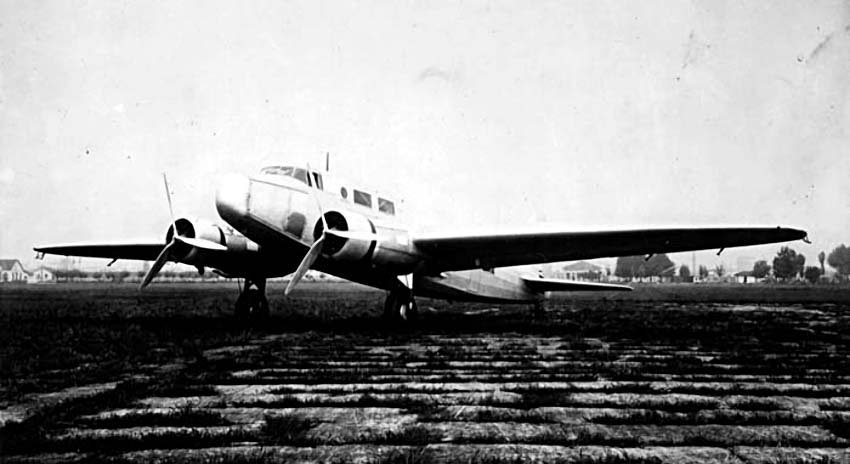
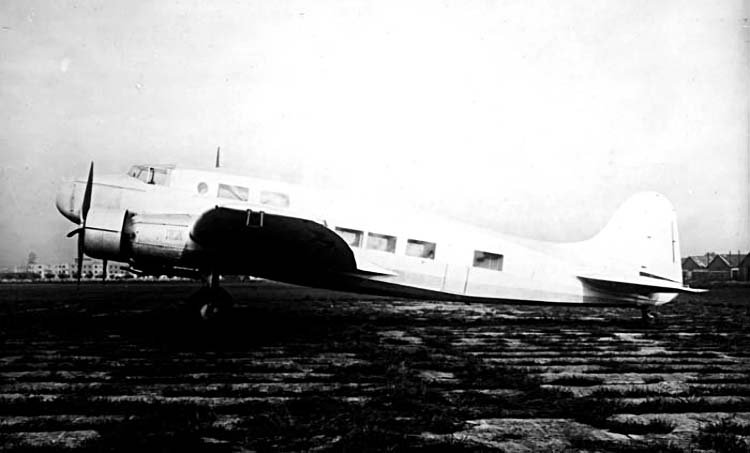
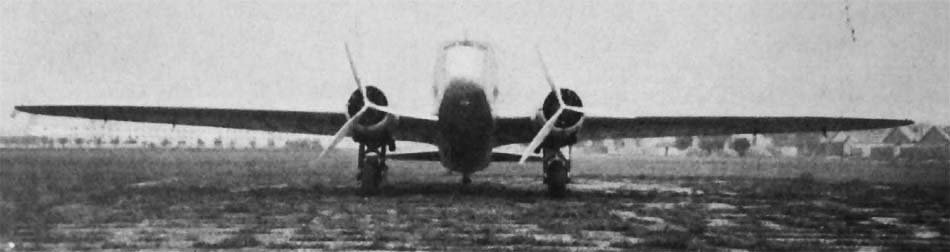
The prototype, designated Ca.123, undertook its maiden flight in March 1935. It was a 23-seat low-wing monoplane of mixed construction, powered by two 780 hp Gnome-Rhone 14K engines. The passenger cabin, configured for twenty seats, was divided into two separate compartments.
Outcome and Legacy
Nevertheless, the flight tests did not impress the client. As a result, the aircraft remained a sole example, never proceeding to series production.
Technical Specifications
| Modification | Ca. 123 |
| Wingspan, m | 26.00 |
| Length, m | 17.50 |
| Height, m | 4.15 |
| Wing area, m2 | 85.00 |
| Empty equipped weight | 6200 |
| Normal takeoff weight | 10000 |
| Engine type | 2 Piston engines Gnome-Rhone 14K |
| Power, hp | 2 x 780 |
| Maximum speed, km/h | 350 |
| Cruising speed, km/h | 300 |
| Flight endurance, h | 1000 |
| Service ceiling, m | 6300 |
| Crew, crew members | 3 |
| Payload | 20 passengers |
Image and diagram gallery of the Ca.123
 Ca.123 |
 Ca.123 |
 Ca.123 |
 Ca.123 |
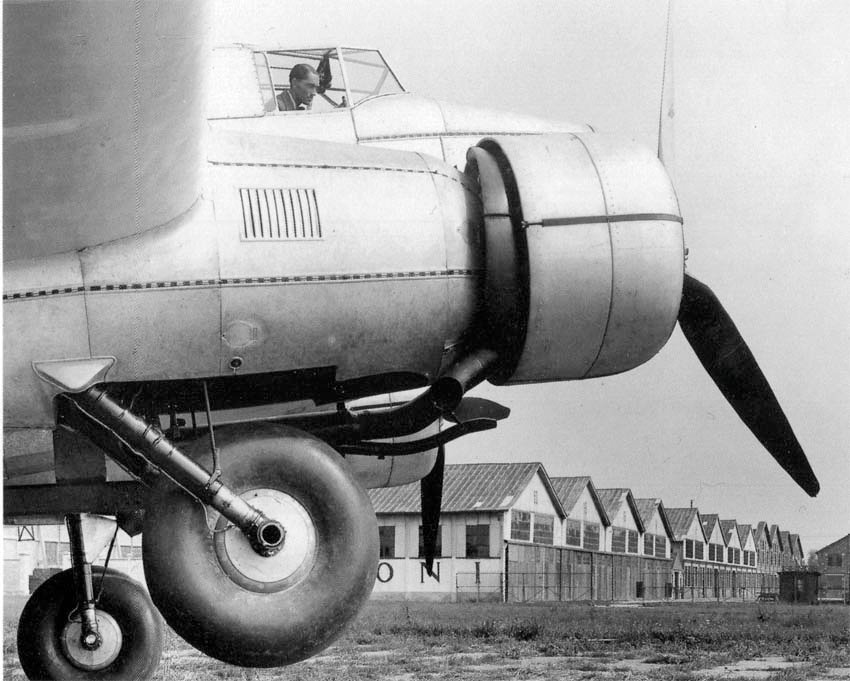 Ca.123 |
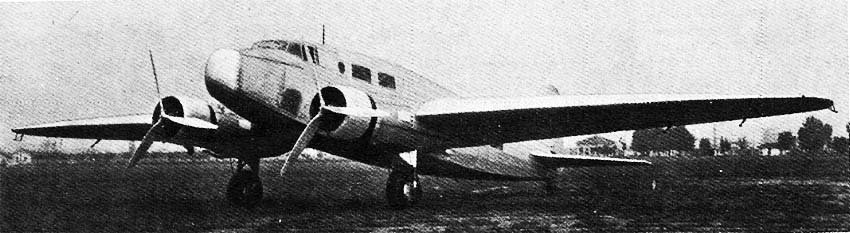 Ca.123 |
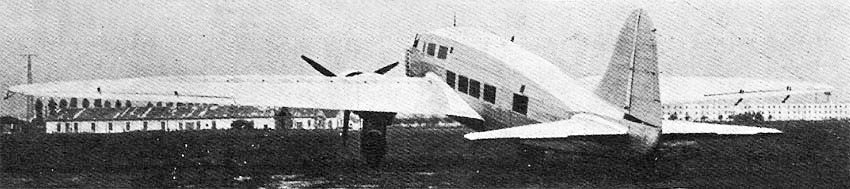 Ca.123 |
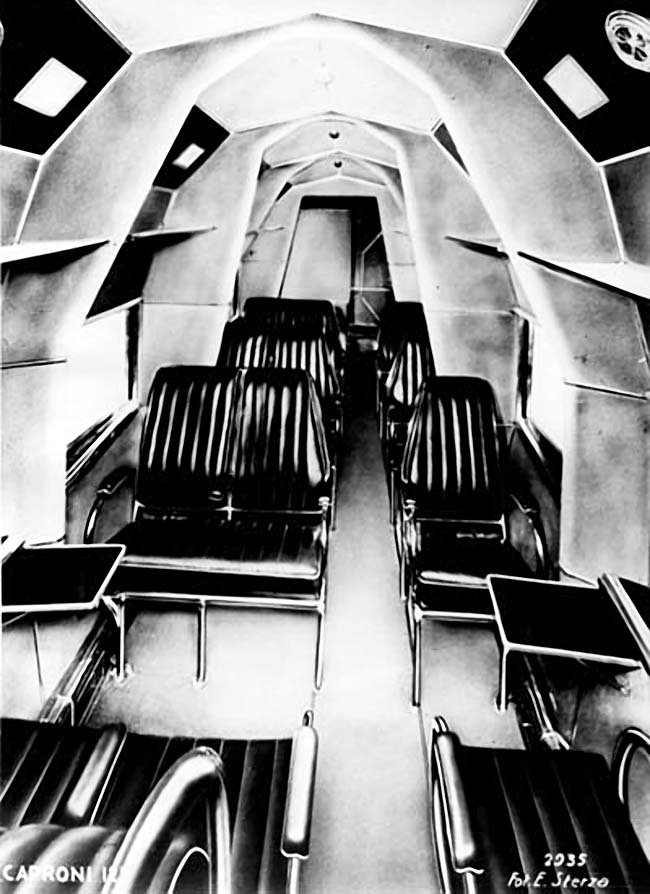 Ca.123 |
How to cite this article:
APA: Ca.123 (). Ca.123. wp.archivoaereo.com. https://wp.archivoaereo.com/en/ca-123-2/
VANCOUVER: Ca.123 [online]. wp.archivoaereo.com; [cited 2026-10-08]. Available at: https://wp.archivoaereo.com/en/ca-123-2/