
Decision and Design Vision
This unique design was the result of a decision made in 1933 by the Curtiss-Wright board of directors to build an amphibian flying boat. British test pilot Frank Courtney, who became a consultant for Curtiss-Wright, was able to convince the company’s board that he could design an amphibian flying boat better than any existing at the time.
The board granted him permission, but stipulated that the aircraft had to be a biplane with a pusher propeller. Funding for this program was found in the assets of the inactive Curtiss-Caproni Division, and three prototypes were built at the St. Louis factory.
Innovative Features of the CA-1
The five-seat CA-1 (Courtney Amphibian 1) amphibian flying boat featured a metal hull and wooden wings, and it introduced the then-new tricycle landing gear with a nose strut to aviation. The inherent problem of aft center of gravity in pusher propeller aircraft was solved by moving the 365-horsepower Wright R-975E-1 (J-6-9) Whirlwind engine forward and installing the pusher propeller directly behind the trailing edge of the upper wing. The engine and propeller were connected by an extended shaft. When Wright told Courtney that this couldn’t be done, the Briton went to an unrelated mechanical workshop and successfully assembled his design.
Certification and Ultimate Fate
Despite CA-1 (serial no. 101; registration no. 13298) receiving approval No. 2-397 in January 1935, and CA-1 (serial no. 102; registration no. 11780) receiving ATC 582 in September, aircraft of this type did not proceed to series production. Both U.S.-registered aircraft and the unregistered third, along with their design documentation, were sold to Japan.
Technical Specifications
| Modification | C A-1 |
| Wingspan, m | 12.19 |
| Aircraft length, m | 9.44 |
| Aircraft height, m | 3.65 |
| Empty weight | 1352 |
| Maximum takeoff weight | 2109 |
| Engine type | 1 Piston engine Wright R-975E-1 (J-6-9) Whirlwind |
| Power, hp | 1 x 365 |
| Maximum speed, km/h | 243 |
| Cruising speed, km/h | 201 |
| Practical range, km | 885 |
| Service ceiling, m | 4267 |
| Crew | 1 |
| Payload | up to 4 passengers |
Image and diagram gallery of the Courtney Amphibian 1
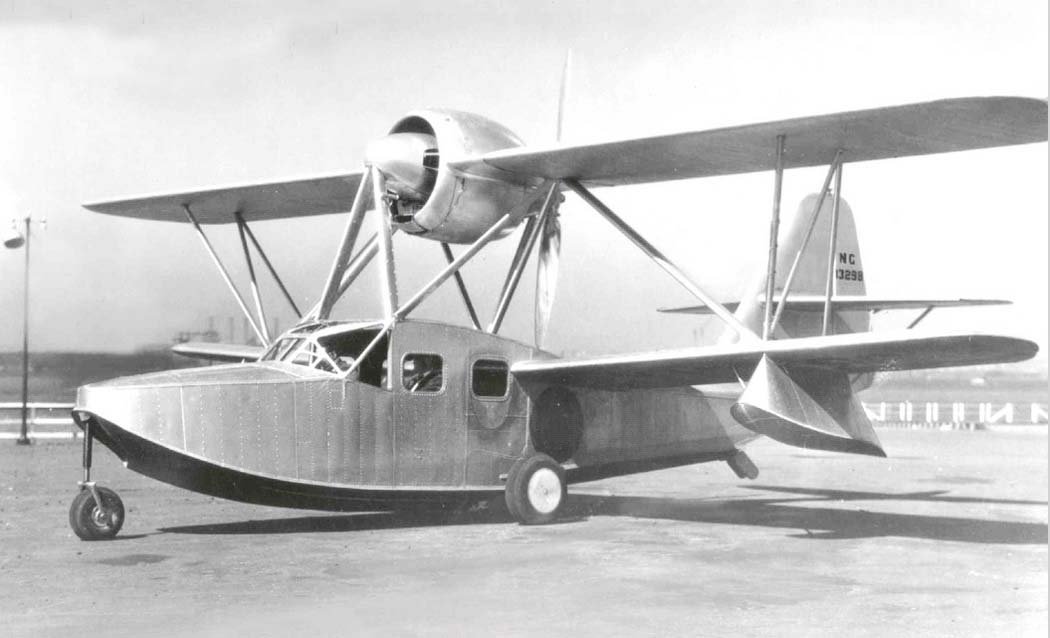 CA-1 |
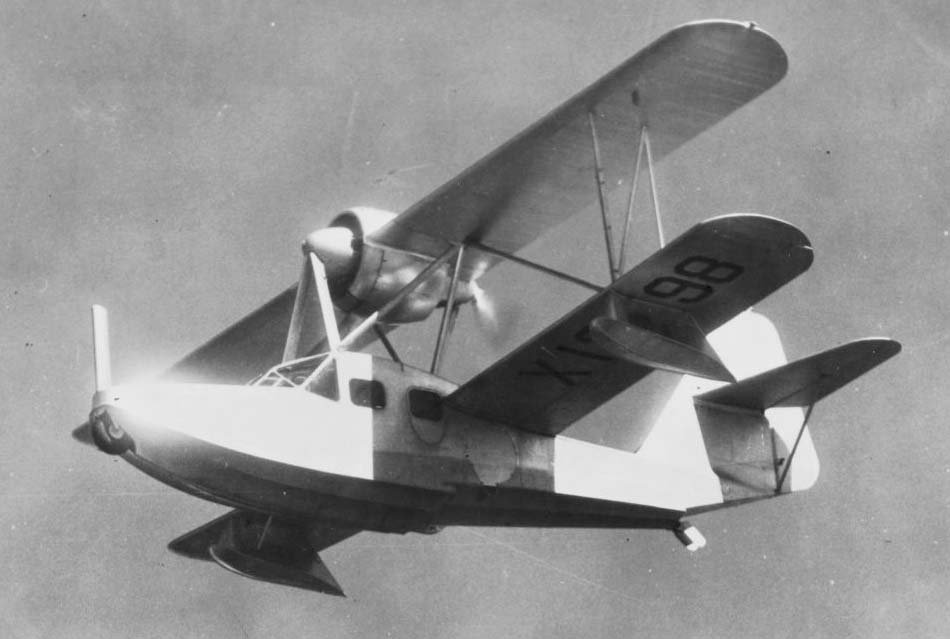 CA-1 |
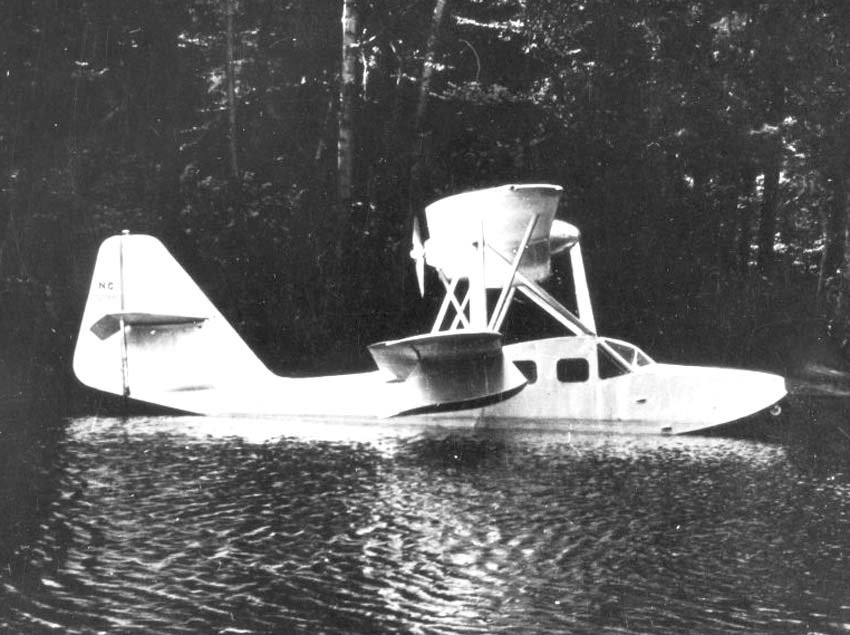 CA-1 |
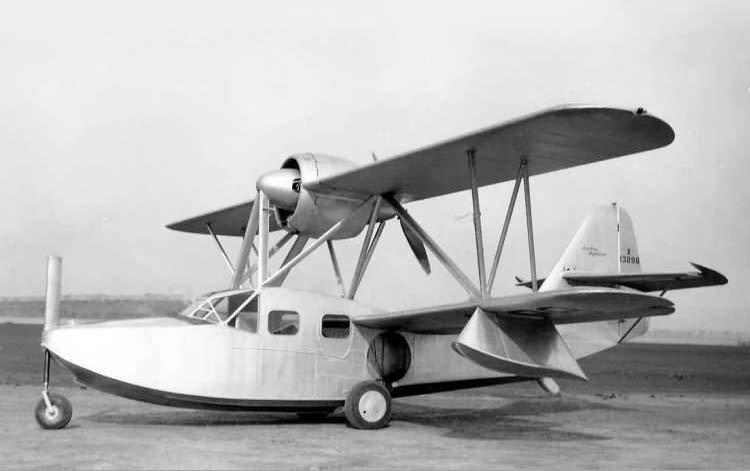 CA-1 |
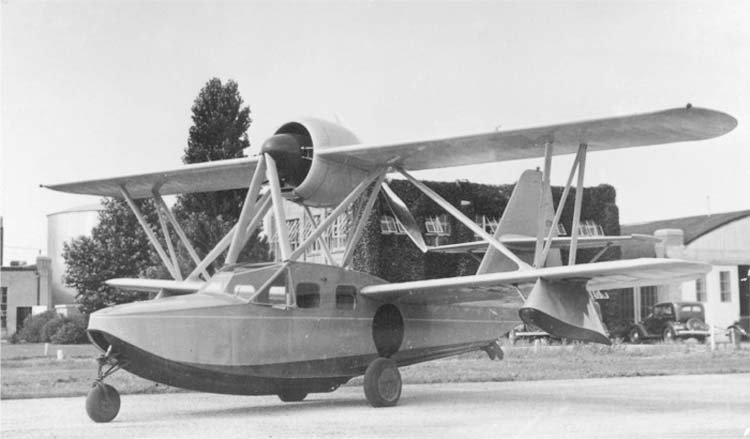 CA-1 |
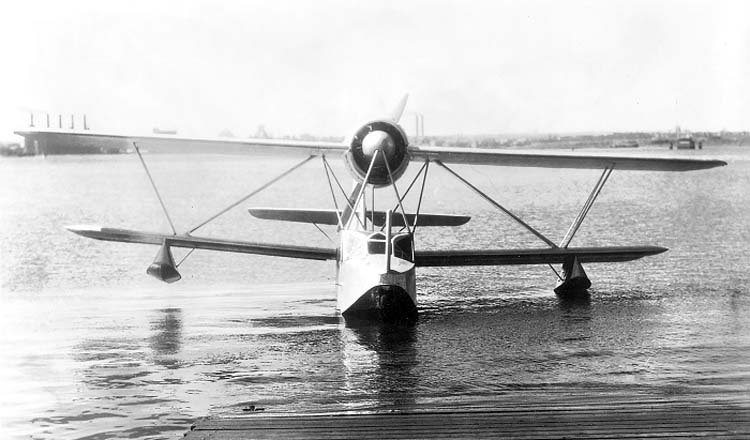 CA-1 |
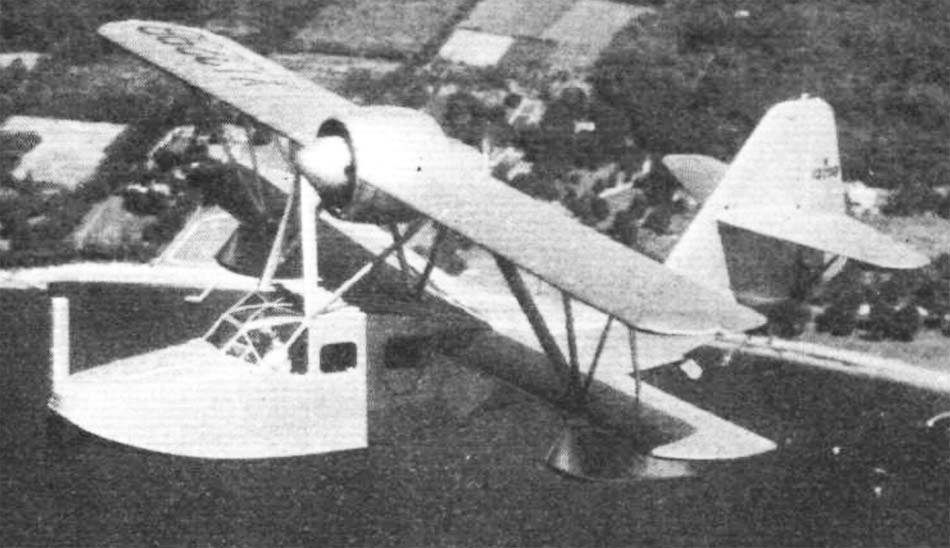 CA-1 |
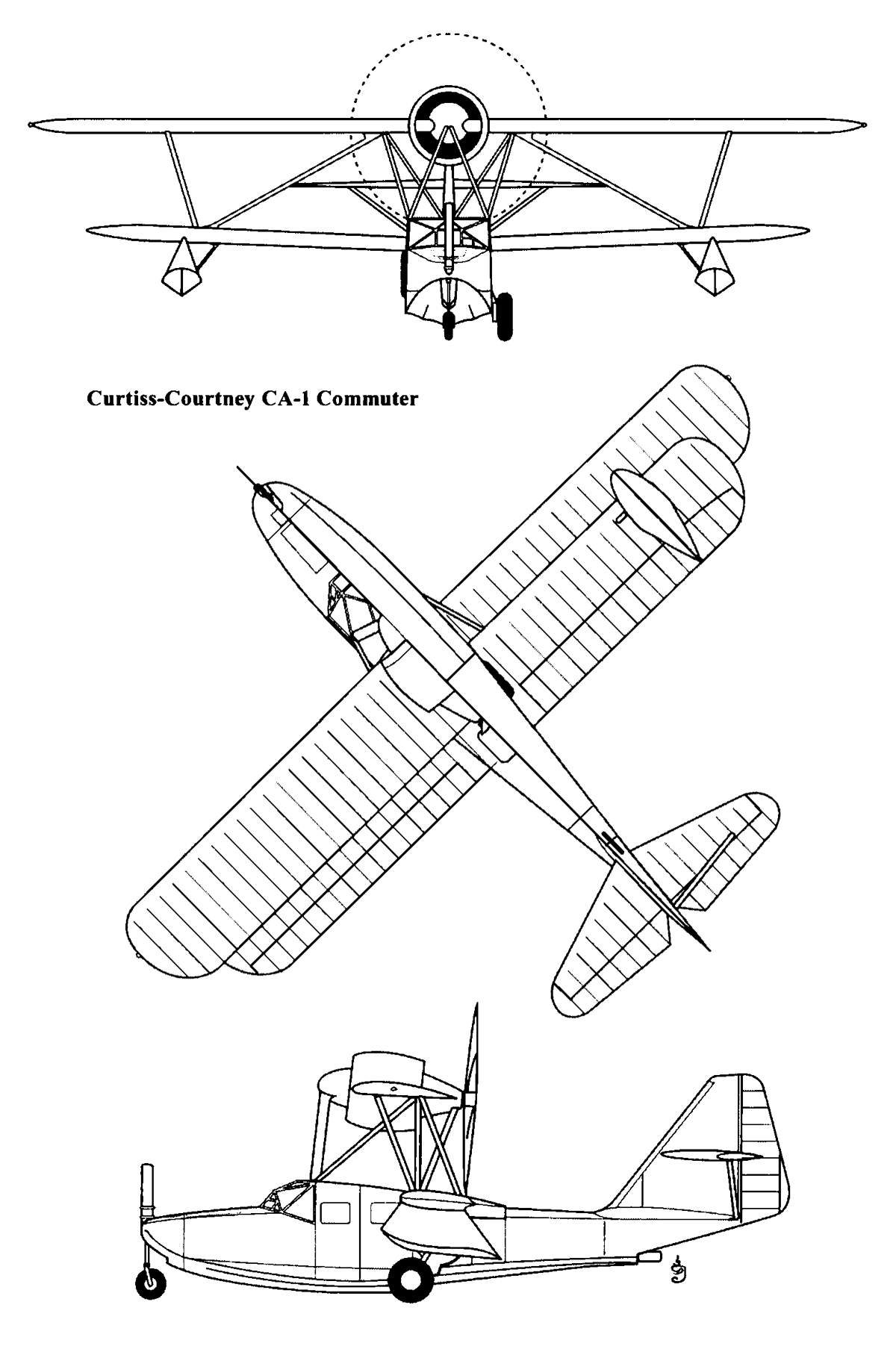 CA-1 |