
Development and Design of the Ca.311
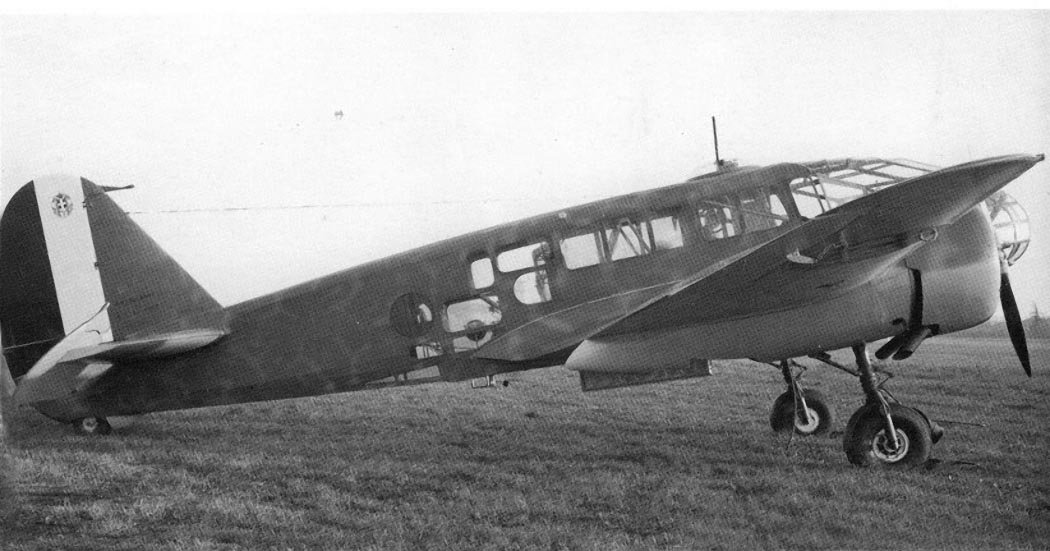
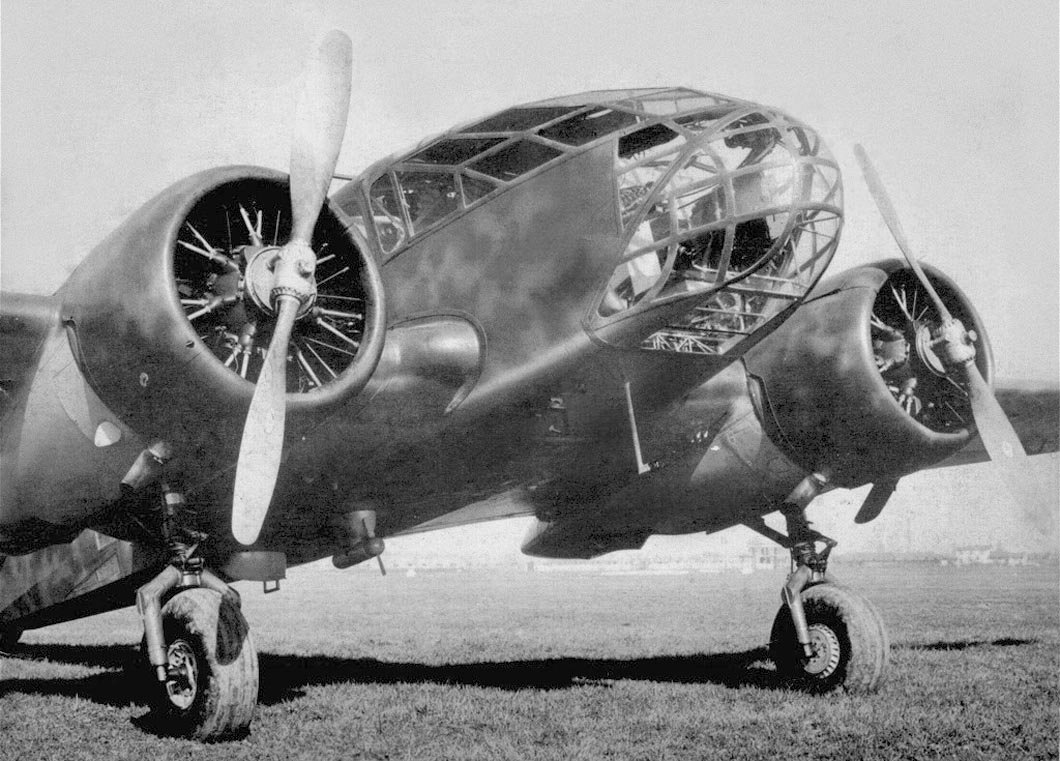
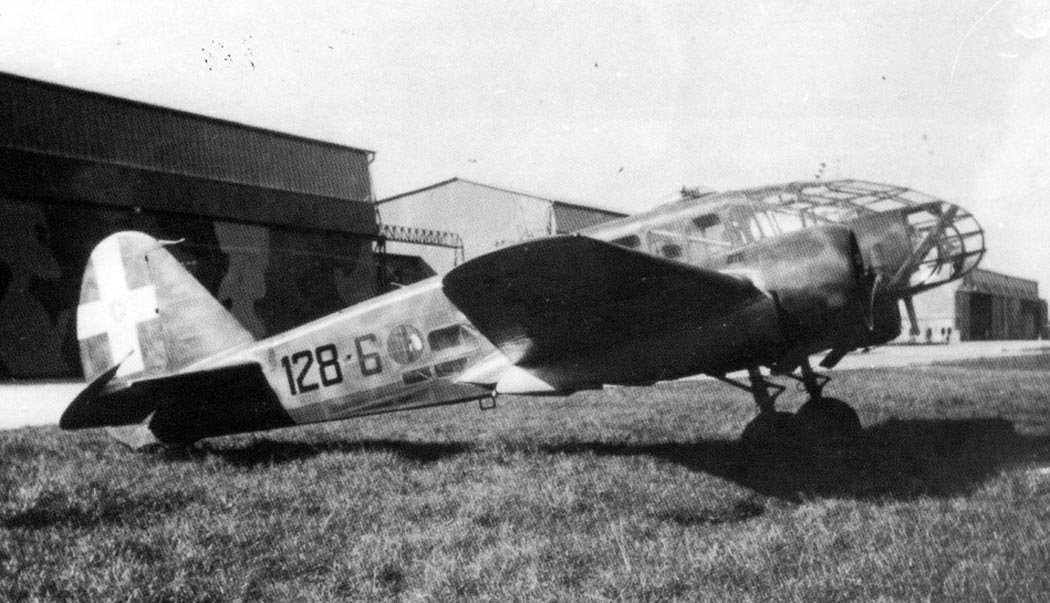
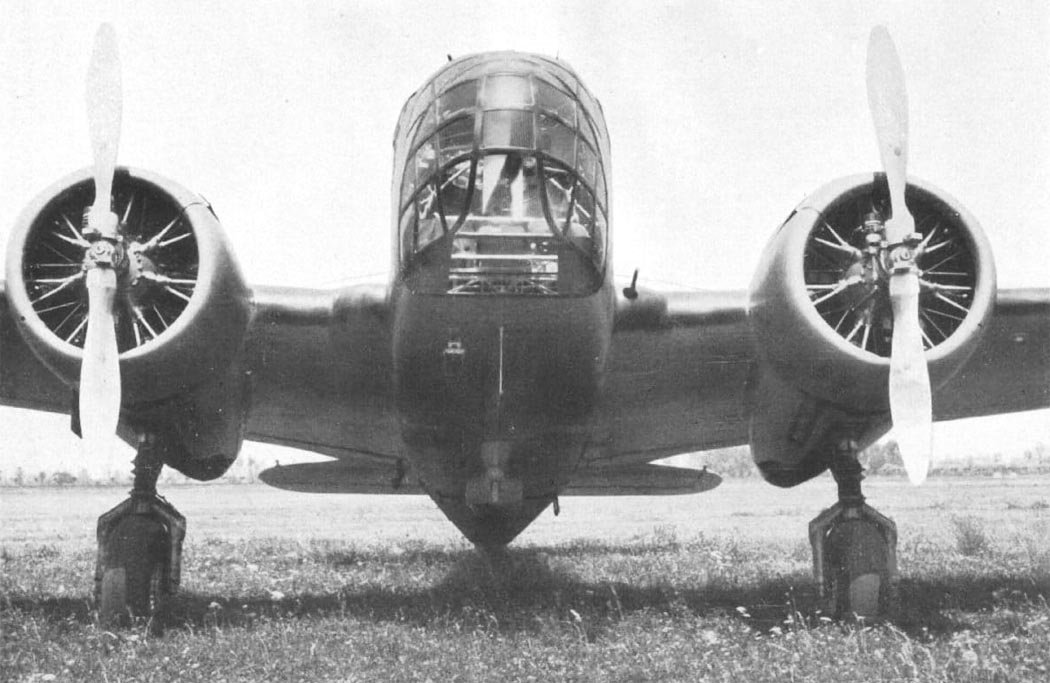
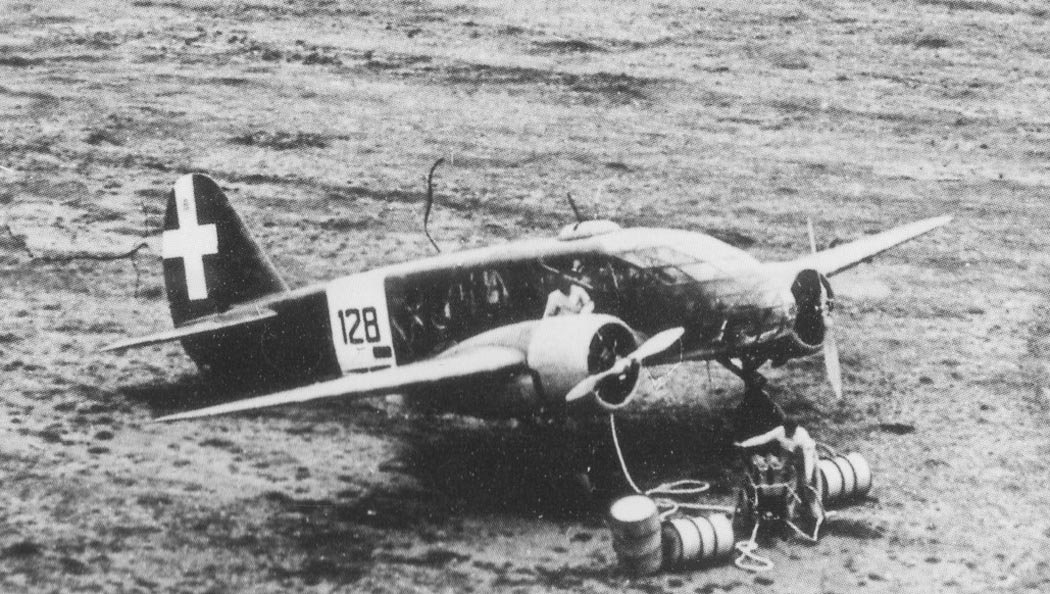
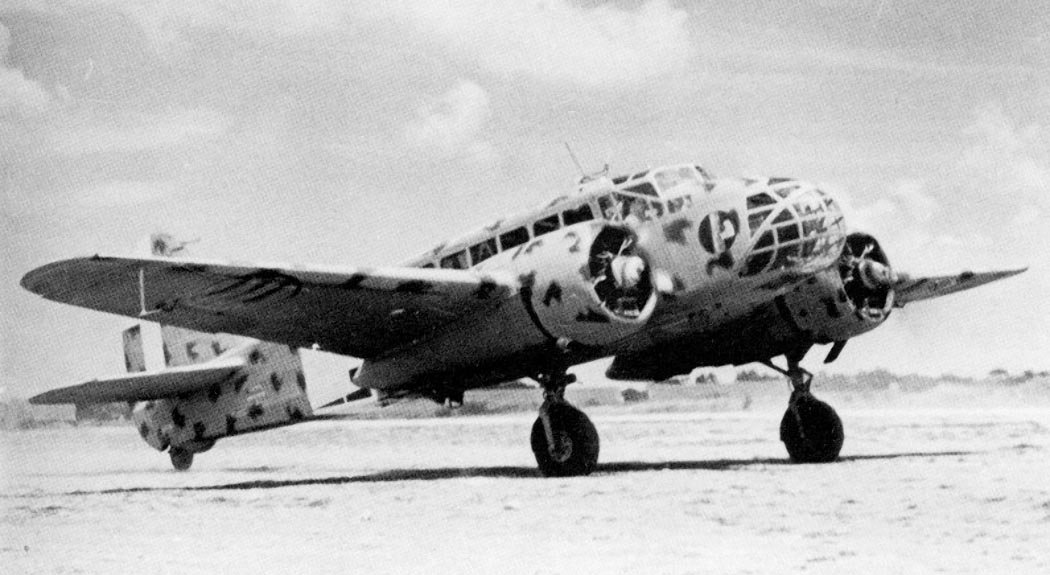
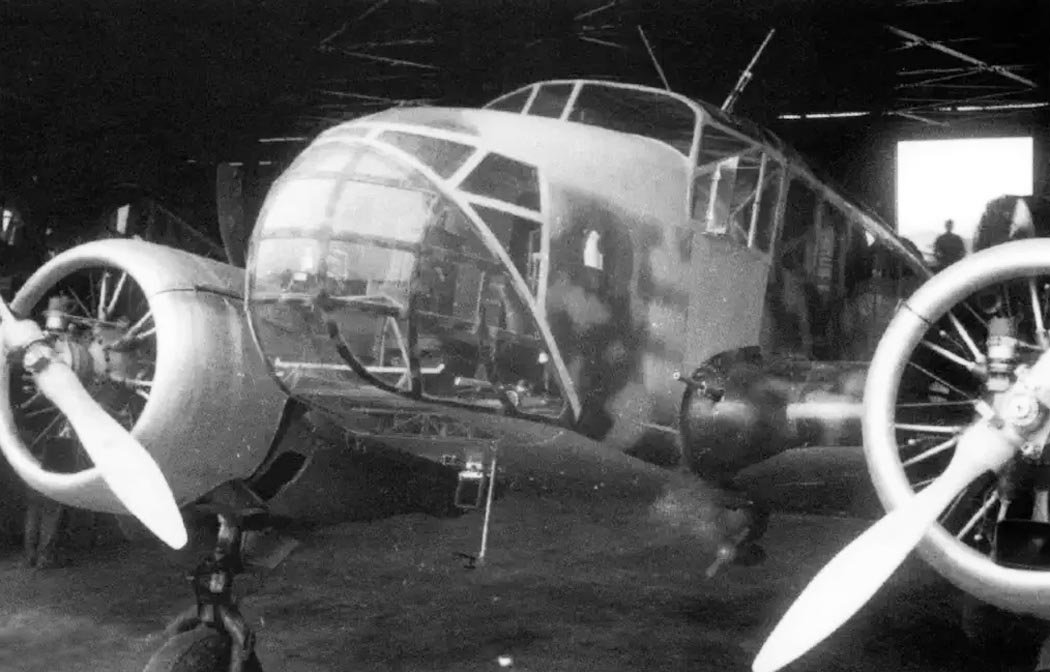
The Ca.311 light bomber and reconnaissance aircraft, “born” in the design bureau of the Società Italiana Caproni in April 1939, inherited the nose shape of the “three-hundred-tenth-bis.” Its rounded cockpit reduced the fuselage length by almost half a meter, and more advanced aerodynamics positively affected the aircraft’s characteristics and handling. A stepped front section of the fuselage reappeared on the Ca.311M (modified) variant.
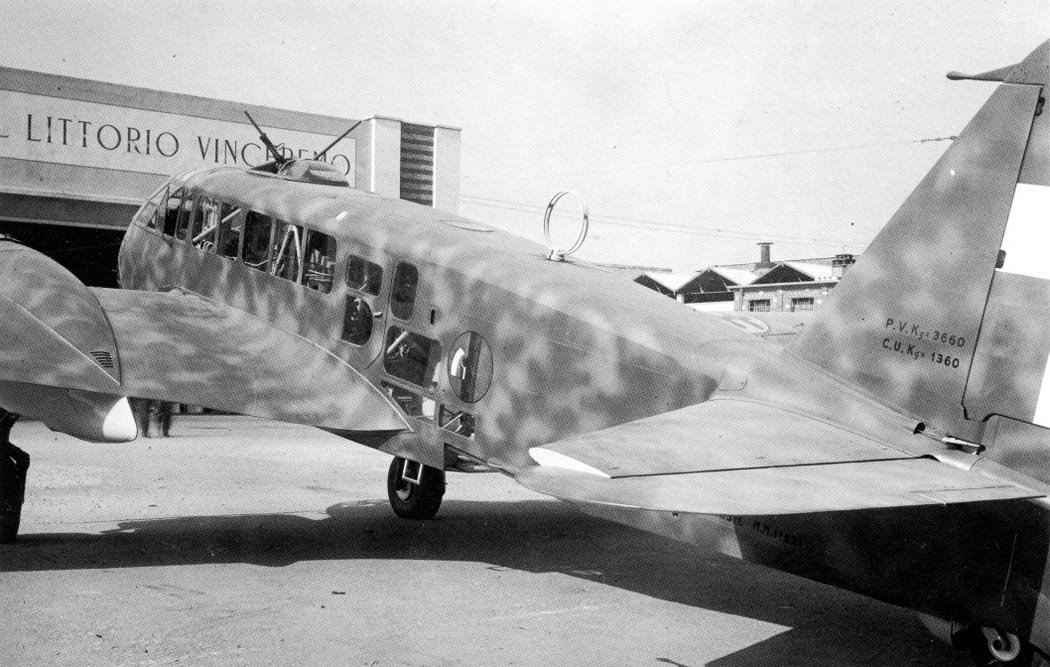
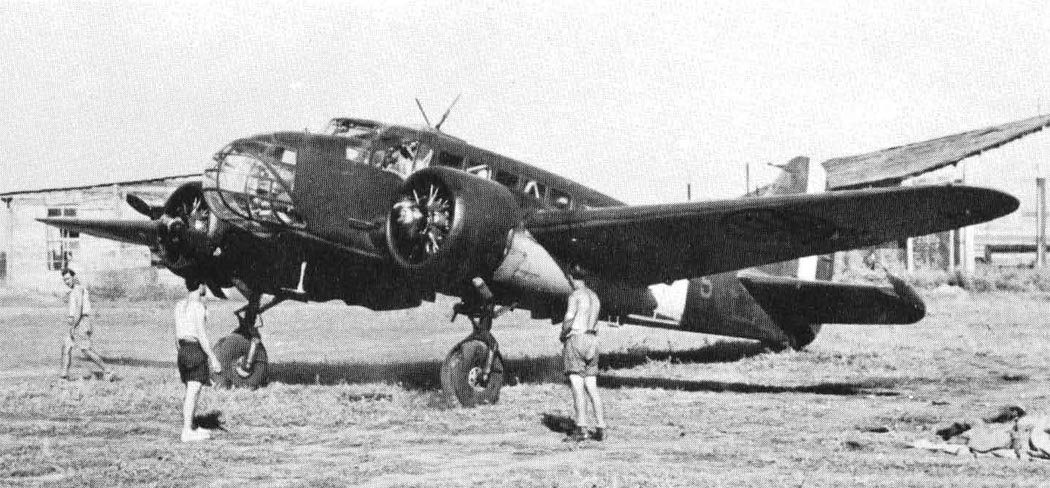
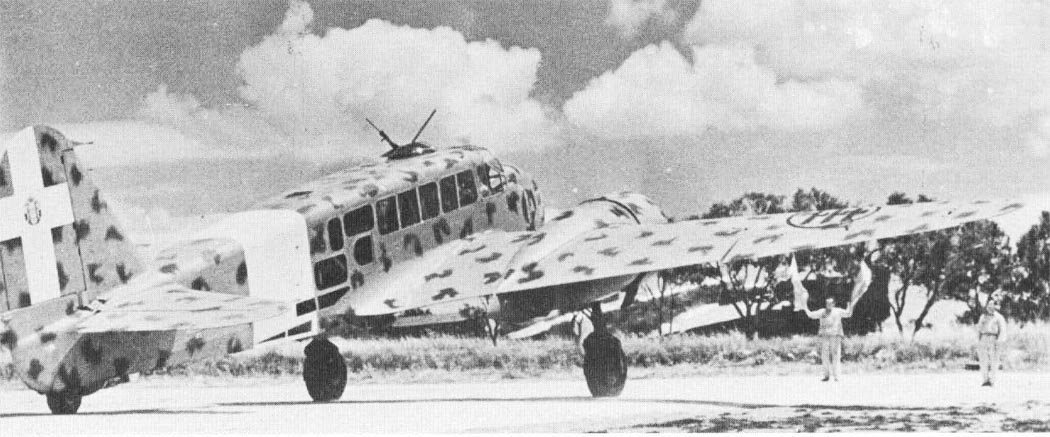
The Ca.311 was powered by the same Piaggio P.VII C.35 “star” engines, each delivering 470 hp (500 hp at takeoff). The armament layout was modified: of the three 7.7mm machine guns, one was located in the Caproni-Lanciani type upper turret, another in the root of the left wing, and the third in the lower hatch. Bombs with a total mass of up to 400 kg were carried on internal mounts.
The Ca.311 prototype made its first flight on April 1, 1937, with series production commencing in mid-1939. It was manufactured at Caproni’s factories in Ponte San Pietro and Taliedo, as well as by AVIS in Castellammare di Stabia. A total of 320 examples were built for the Regia Aeronautica, entering service in Italy in January 1940.
Operational History and Challenges
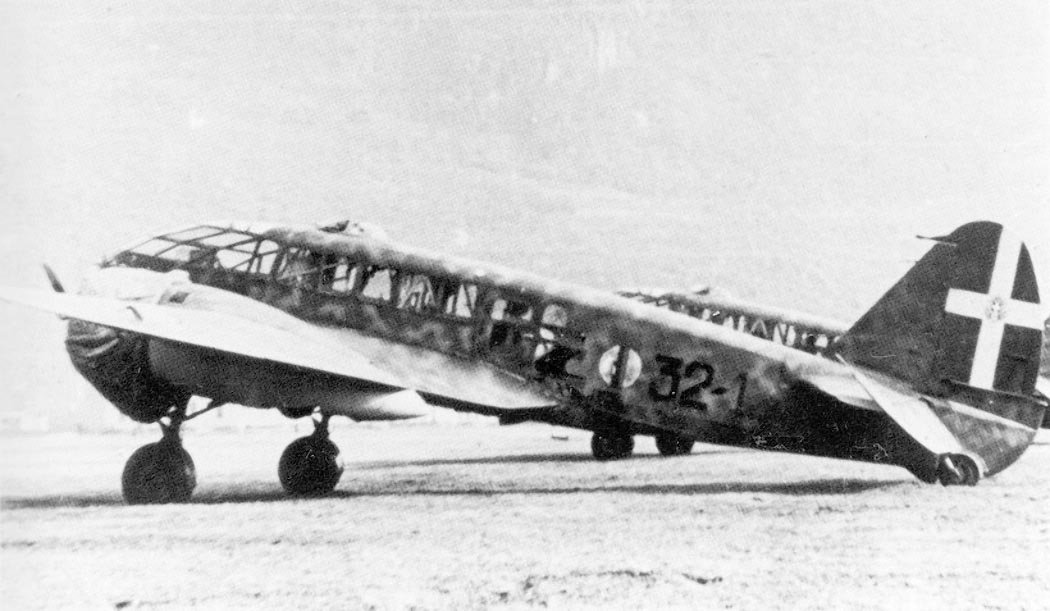
Later, most aircraft of this type were converted to the Ca.311M standard with a stepped windshield. The defensive armament consisted of a Caproni-Lanciani dorsal rotating turret with one 7.7mm machine gun, supplemented by two more identical machine guns: one on the left side in the wing root (firing forward) and one in the rear (firing backward from a hatch in the fuselage).
The Italian Air Force became the consumer of these Capronis. However, the operation of the Ca.311 revealed that its powerplant was too weak for a true combat aircraft. A replacement with more powerful Piaggio engines, tested on the Ca.312, was proposed, but their frontal drag was no longer acceptable to the designers.
Italian bombers participated in the swift invasion of Albania, where the first 38 aircraft were sent, joining the 88th Group of the 21st Air Regiment and the 69th Group of the 19th Air Regiment. They were then redeployed to Libya, where the Ca.310 (referring to the Caproni family in the context of the original text) did not perform well, notably inferior in almost all technical characteristics to the older Ba.65s. Consequently, Breda bombers and Fiat CR.42 fighters replaced them, retiring the Ca.310 much earlier than planned.
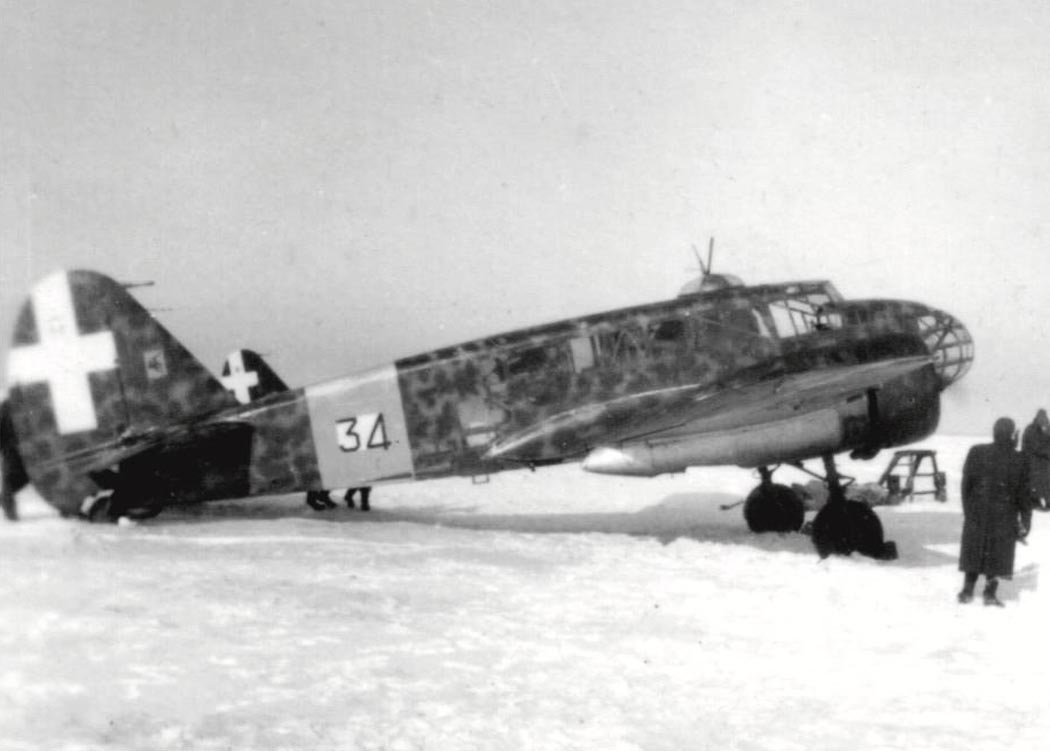
In 1941, Italy supported Germany in its attack on the Soviet Union. The preparation for the Eastern Front campaign already predetermined the defeat of the CSIR, the Italian Expeditionary Corps. Alongside other poorly armed and cold-unadapted aircraft, the corps was assigned about 20 Caproni Ca.311s from the 61st and 71st Groups of the 22nd Reconnaissance Regiment.
These and other units possessed combat value only at the beginning of the aggression, when encountering a retreating enemy. Subsequently, almost all CSIR aviation ingloriously perished in Russia. Only on secondary fronts were the Capronis used with varying success. For example, in the Balkans, Croatian Ca.310 squadrons and two Ca.311 groups from the Italian Air Force’s 22nd Regiment operated against partisans.
The low combat effectiveness of the Ca.310 and Ca.311 was evident even before World War II. In the Italian Air Force, they were considered only a temporary replacement for older machines. To update the air fleet, headquarters developed “Plan R,” which, among other things, envisioned the purchase of 423 Ca.312 reconnaissance aircraft. However, the war made adjustments, and only a few Ca.312s entered service with units operating in North Africa in 1942. Reconnaissance (aerial observation) units, transferred to ground support aviation, required aircraft more suitable than the “three-hundred-twelves.”
Just before the war, four reconnaissance air regiments, whose units were dispersed throughout Italy and occupied Albania, began re-equipping from Romeo Ro.37 and Ro.37 bis biplanes to twin-engine Capronis. However, only eight squadrons received 38 Ca.311 units. The 68th Group of the 21st Regiment and the 69th Group of the 19th Regiment, reinforced with the “three-hundred-elevens,” relocated from Verona and Levaldigi to the African theater of operations to strengthen aviation in Libya.
In December 1940, the British offensive forced the Italian command to redeploy almost all combat aircraft, including the Capronis, from the desert to the coast. Here, the intensity of battles and enemy air opposition were much stronger. The twin-engine “utility planes” were unable to effectively assist ground forces and were subsequently transferred to training and transport units.
The Yugoslav Order and Its Fate
An interesting story unfolded with an order from the Yugoslav government. Impressed by good advertising for the new aircraft, the Yugoslav Air Force showed genuine interest in acquiring these “wonderful” bombers and, in late 1939, signed a contract with the Italians for the delivery of 10 Ca.311M modified aircraft. Upon arrival in Yugoslavia, it was discovered that the aircraft had so many defects that their elimination would require too much time and money, which the Yugoslavs, on the eve of war, could not afford.
After a second round of negotiations with specialists from Caproni, a compromise solution was reached: the contract would not be annulled, but in return, the Italians would repair the machines at their own expense. Thus, the entire batch of Ca.311M returned to Italy, and while they were being modernized at the factory, Yugoslavia was occupied by the Germans and Italians. The Yugoslav aircraft were forgotten for a time and only remembered in 1942, when the Croatian Air Force was created. The newly formed allies received almost all former Yugoslav machines, and in addition, the Italians decided to transfer ten Ca.311M to them.
These bombers only flew within the country and were used to fight partisans. Subsequently, due to a lack of spare parts and proper maintenance, the Ca.311M fleet rapidly dwindled, and by the end of 1944, none of these aircraft could take to the air.
Technical Specifications
| Modification | Ca.311 |
| Wingspan, m | 16.20 |
| Length, m | 11.74 |
| Height, m | 3.69 |
| Wing area, m2 | 38.40 |
| Empty weight | 3 460 |
| Normal takeoff weight | 4822 |
| Engine type | 2 Piston engines Piaggio P.VII RC.35 |
| Power, hp | 2 x 460 |
| Speed at sea level, km/h | 347 |
| Speed at altitude, km/h | 365 |
| Cruising speed, km/h | 307 |
| Practical range, km | 1600 |
| Practical ceiling, m | 7400 |
| Crew | 3 crew |
| Armament | three 7.7-mm machine guns; bomb load – 400 kg. |
Image and diagram gallery of the Ca.311
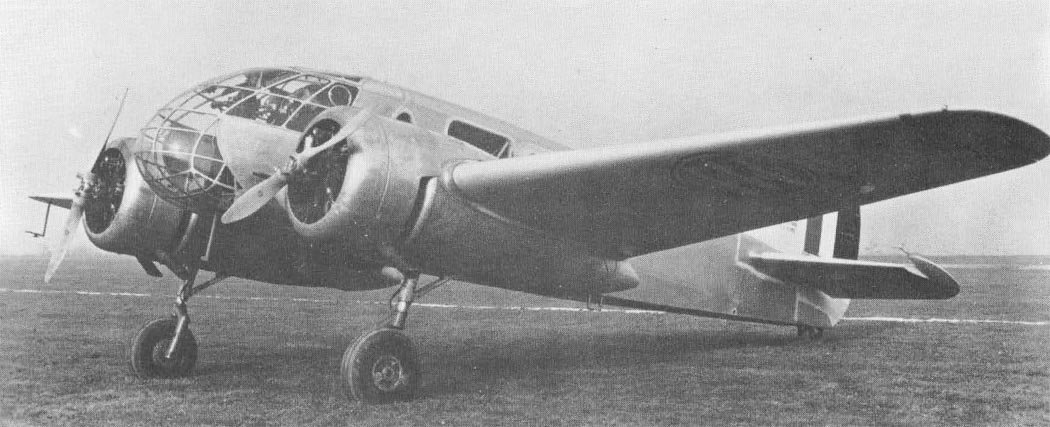 Ca.311 |
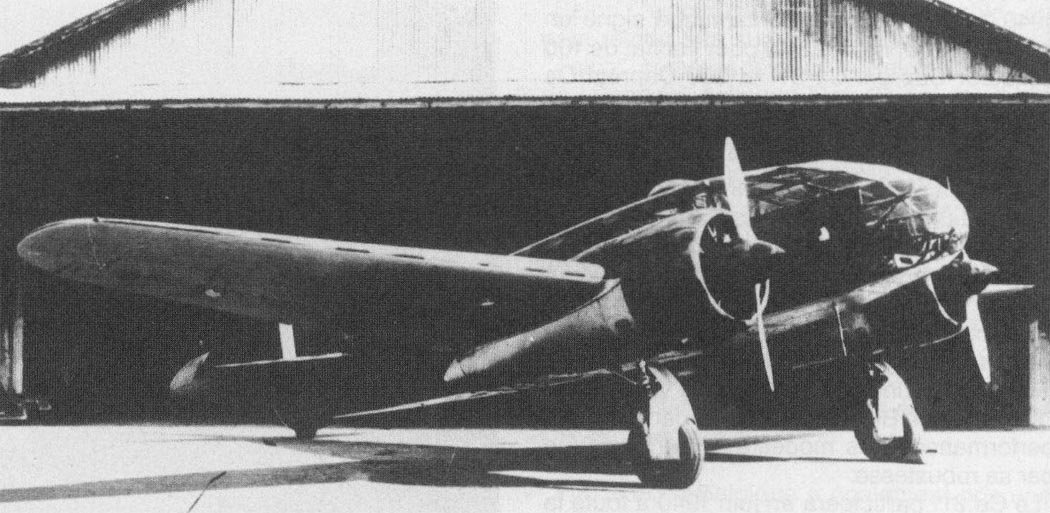 Ca.311 |
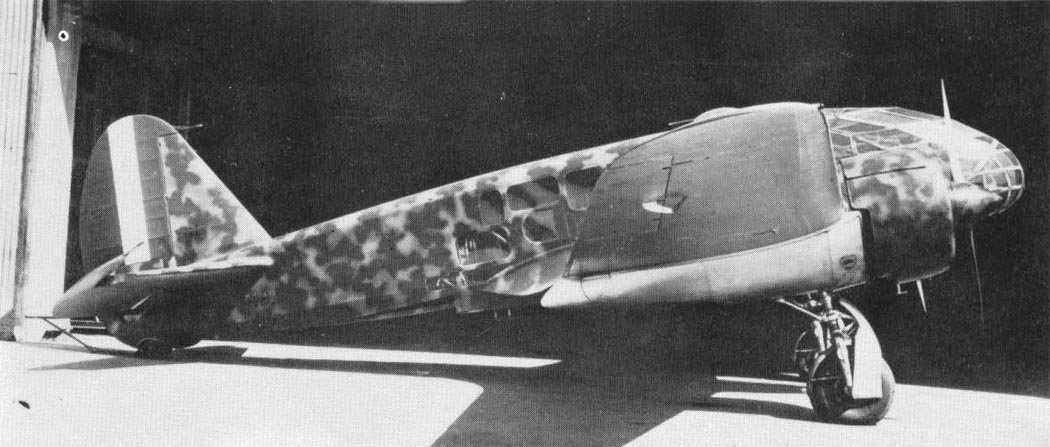 Ca.311 |
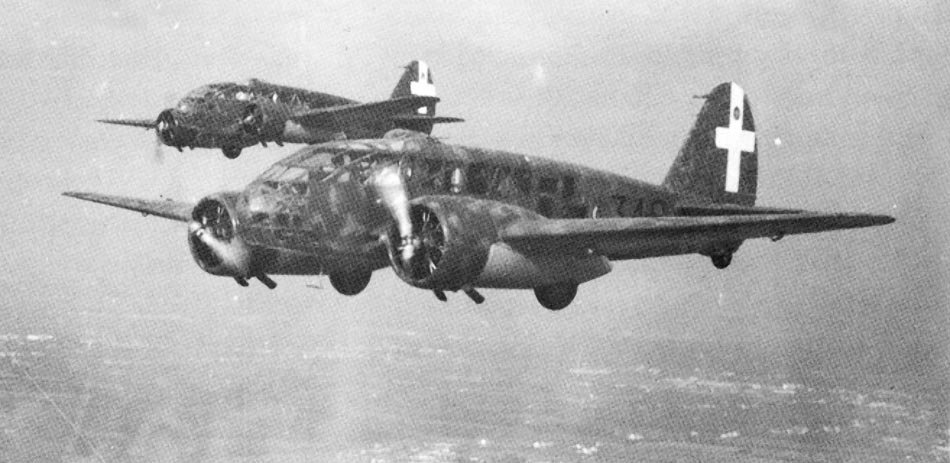 Ca.311 |
 Ca.311 |
 Ca.311 |
 Ca.311 |
 Ca.311 |
 Ca.311 |
 Ca.311 |
 Ca.311 |
 Ca.311 |
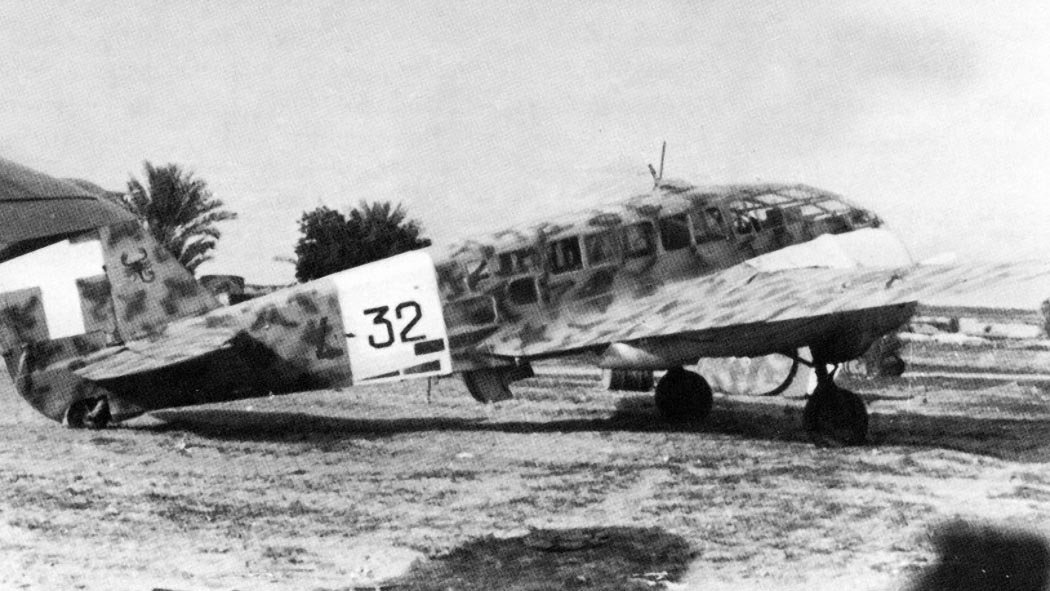 Ca.311 |
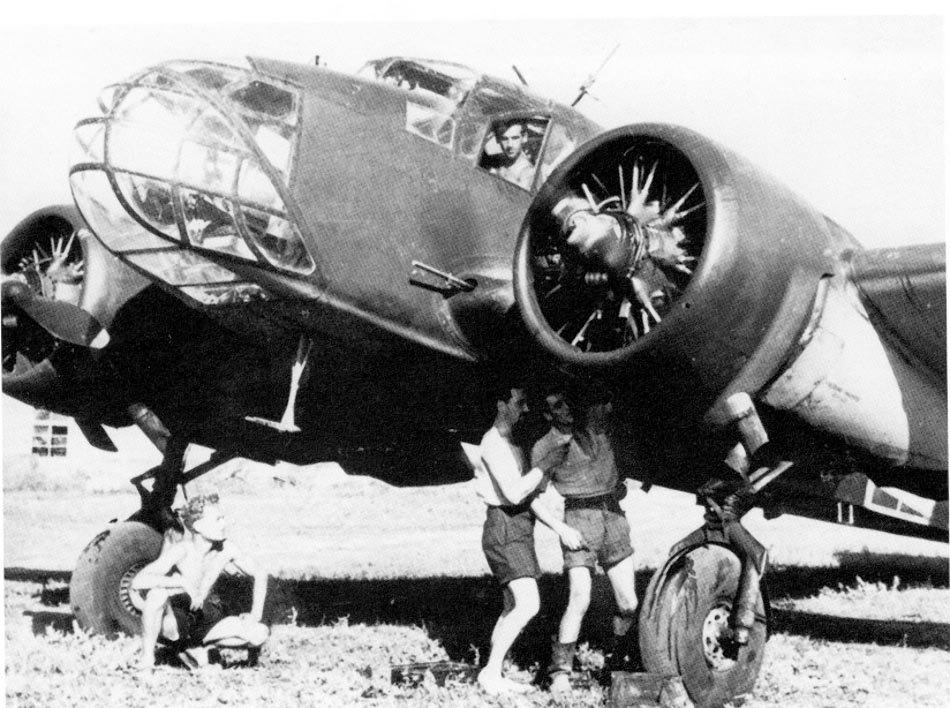 Ca.311 |
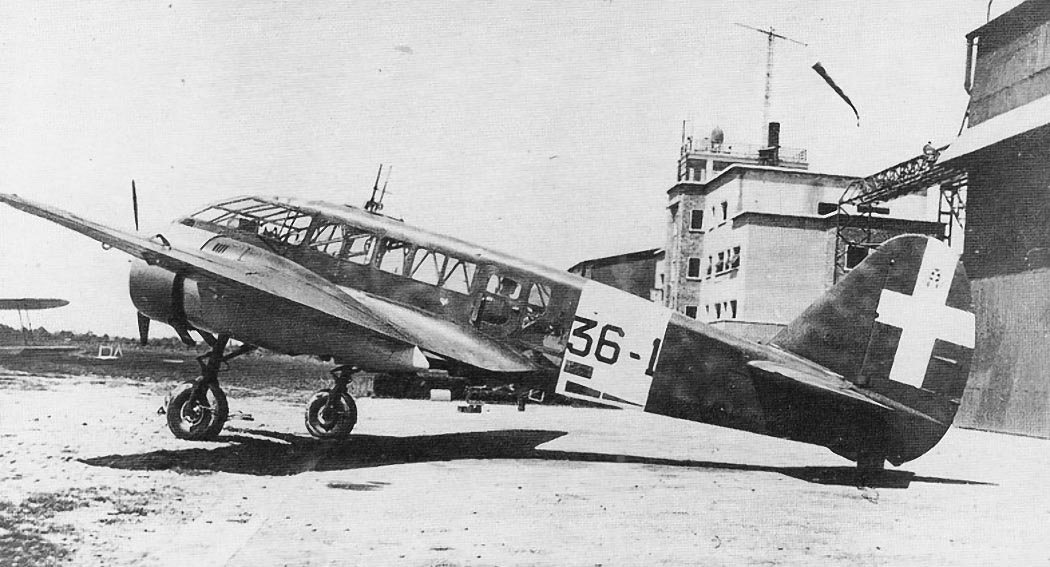 Ca.311 |
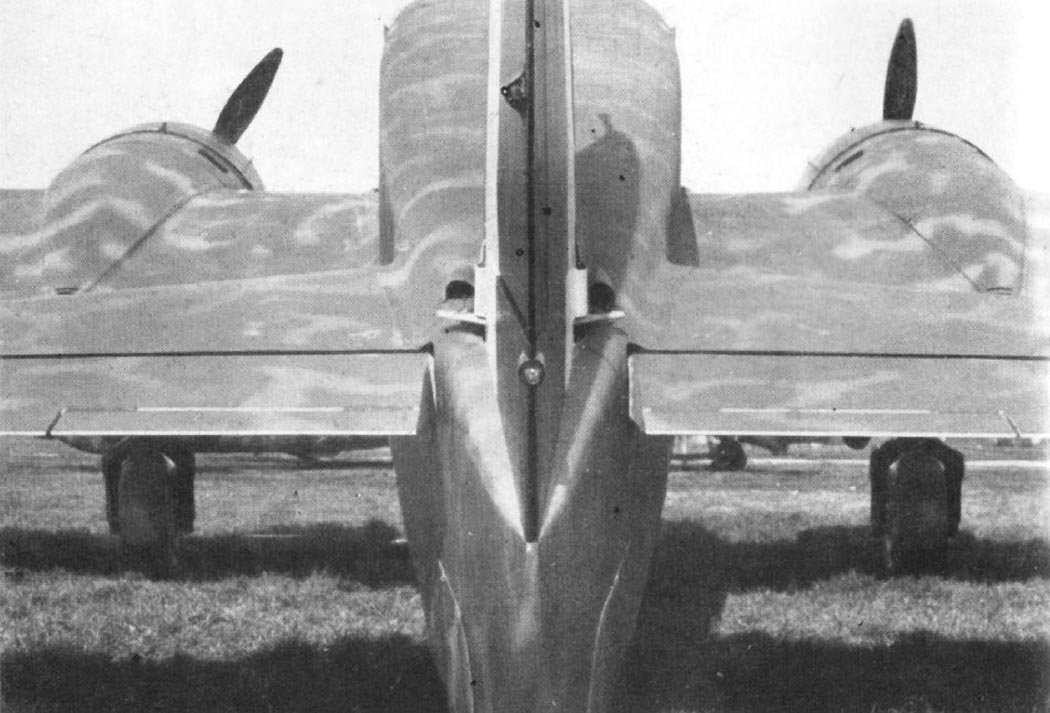 Ca.311 |
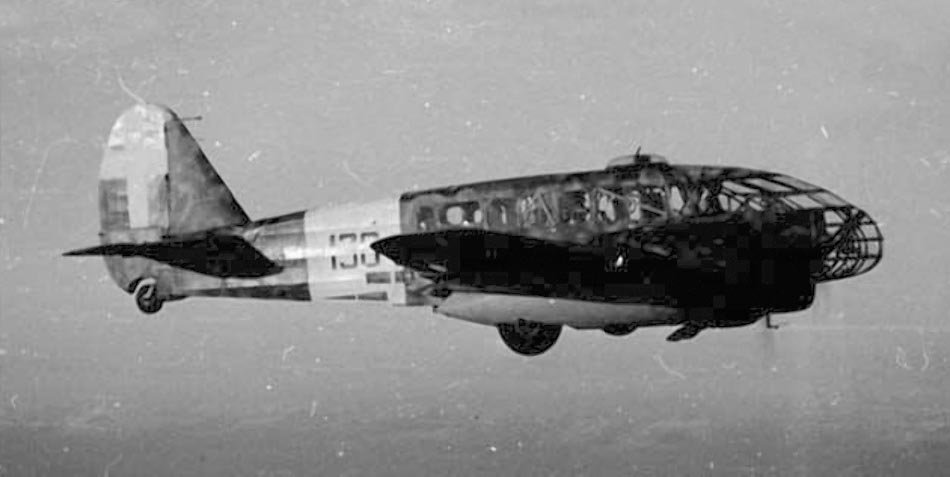 Ca.311 |
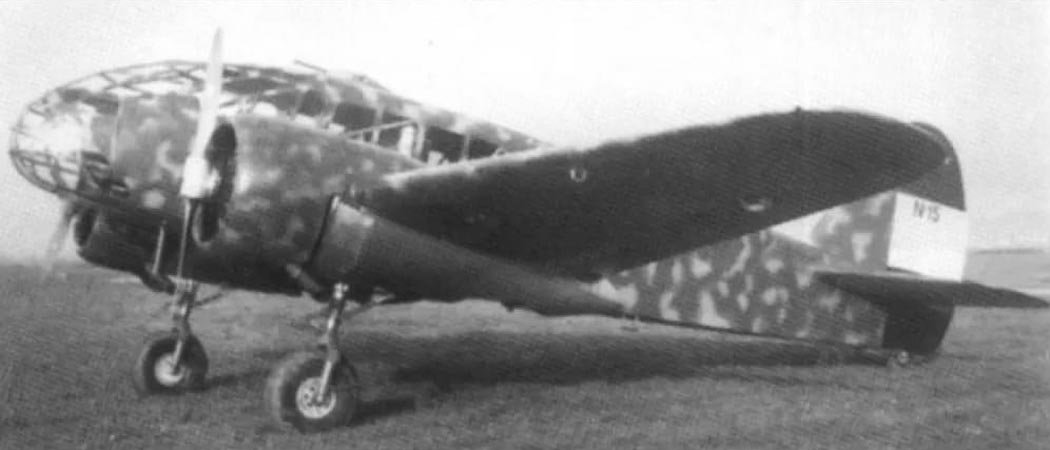 Ca.311 |
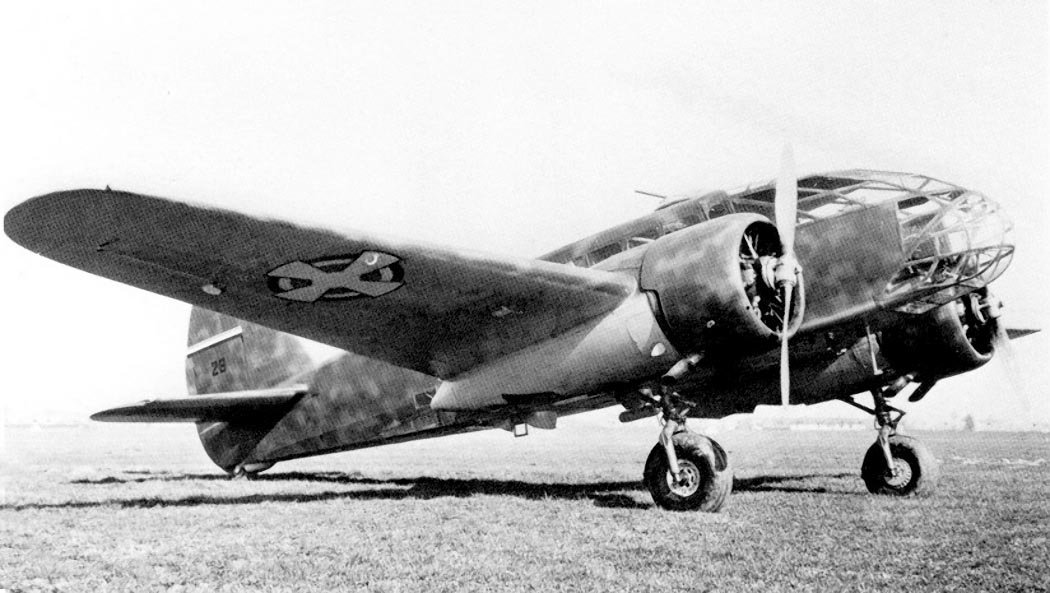 Ca.311 |
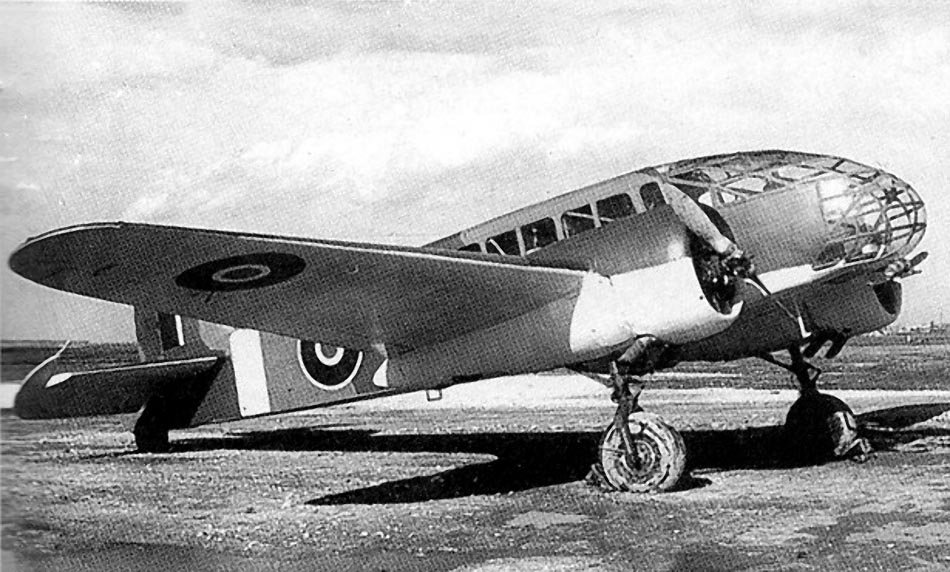 Ca.311 |
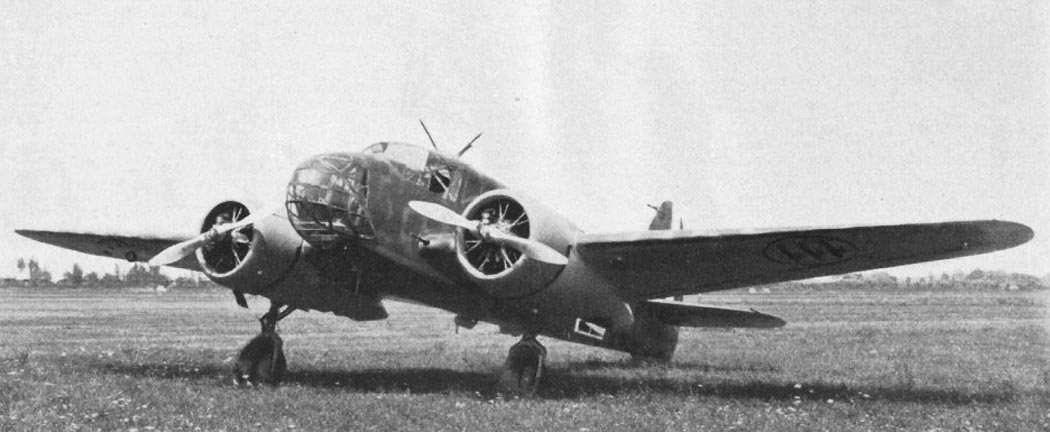 Ca.311 |
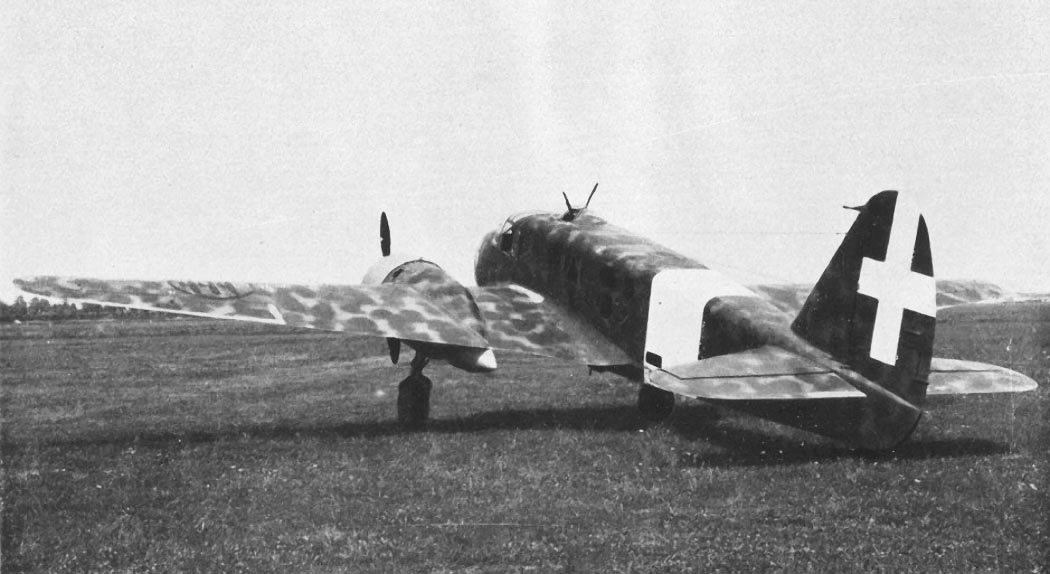 Ca.311 |
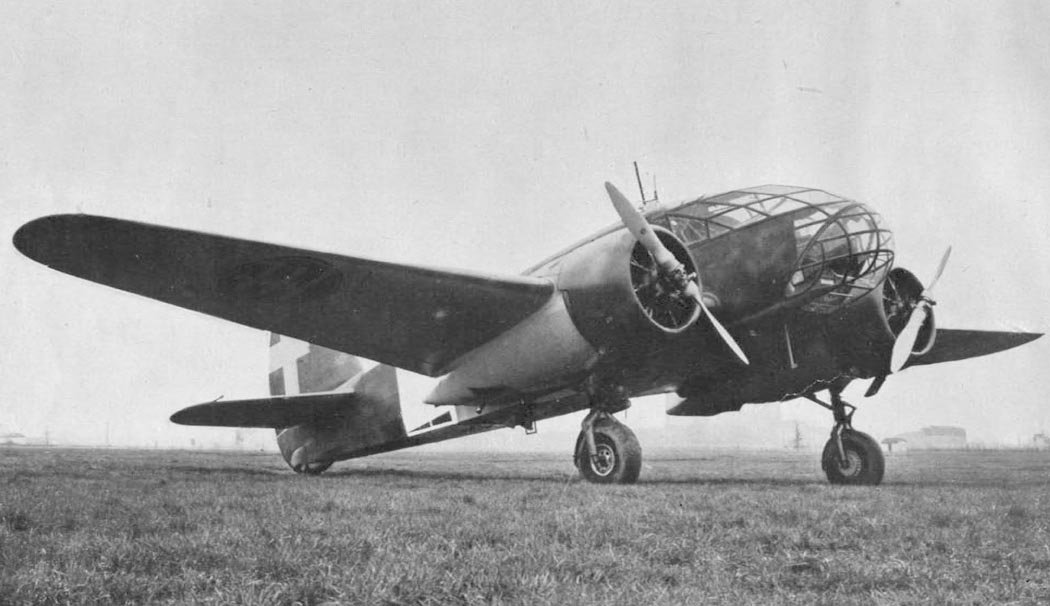 Ca.311 |
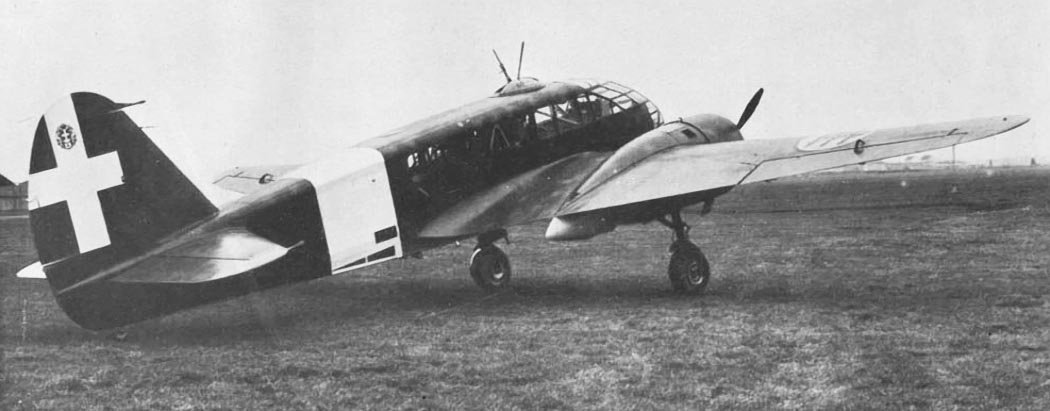 Ca.311 |
 Ca.311 |
 Ca.311 |
 Ca.311 |
 Ca.311 |
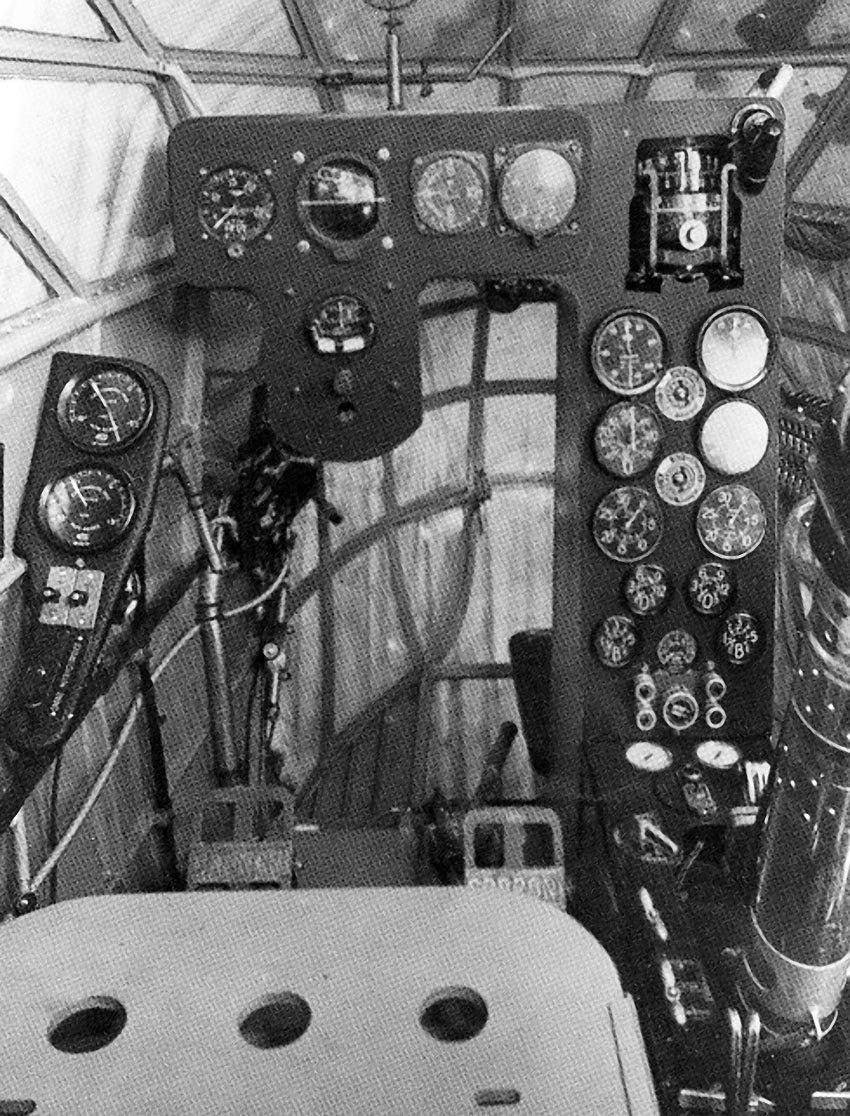 Ca.311 |
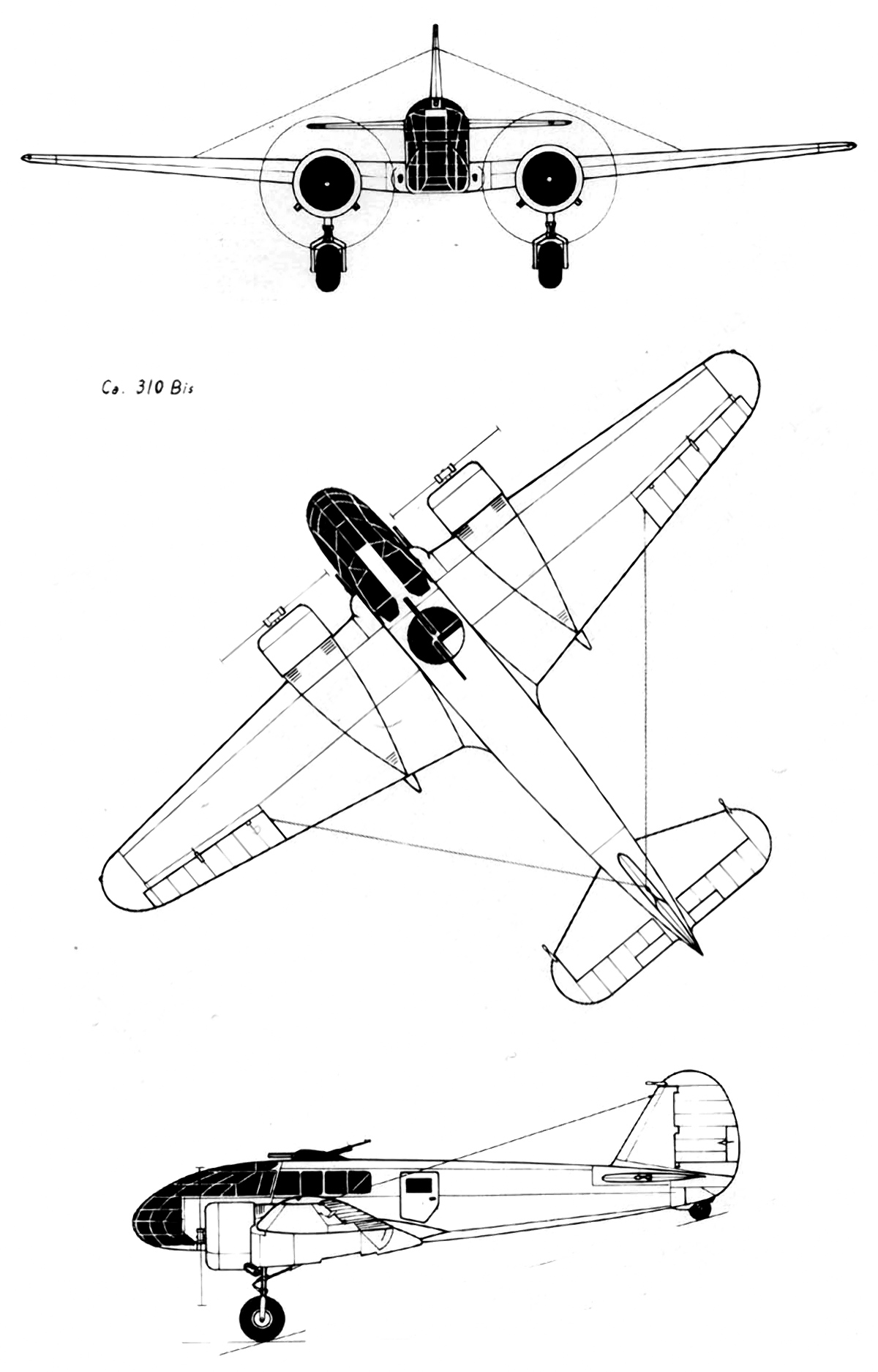 Ca.311 |
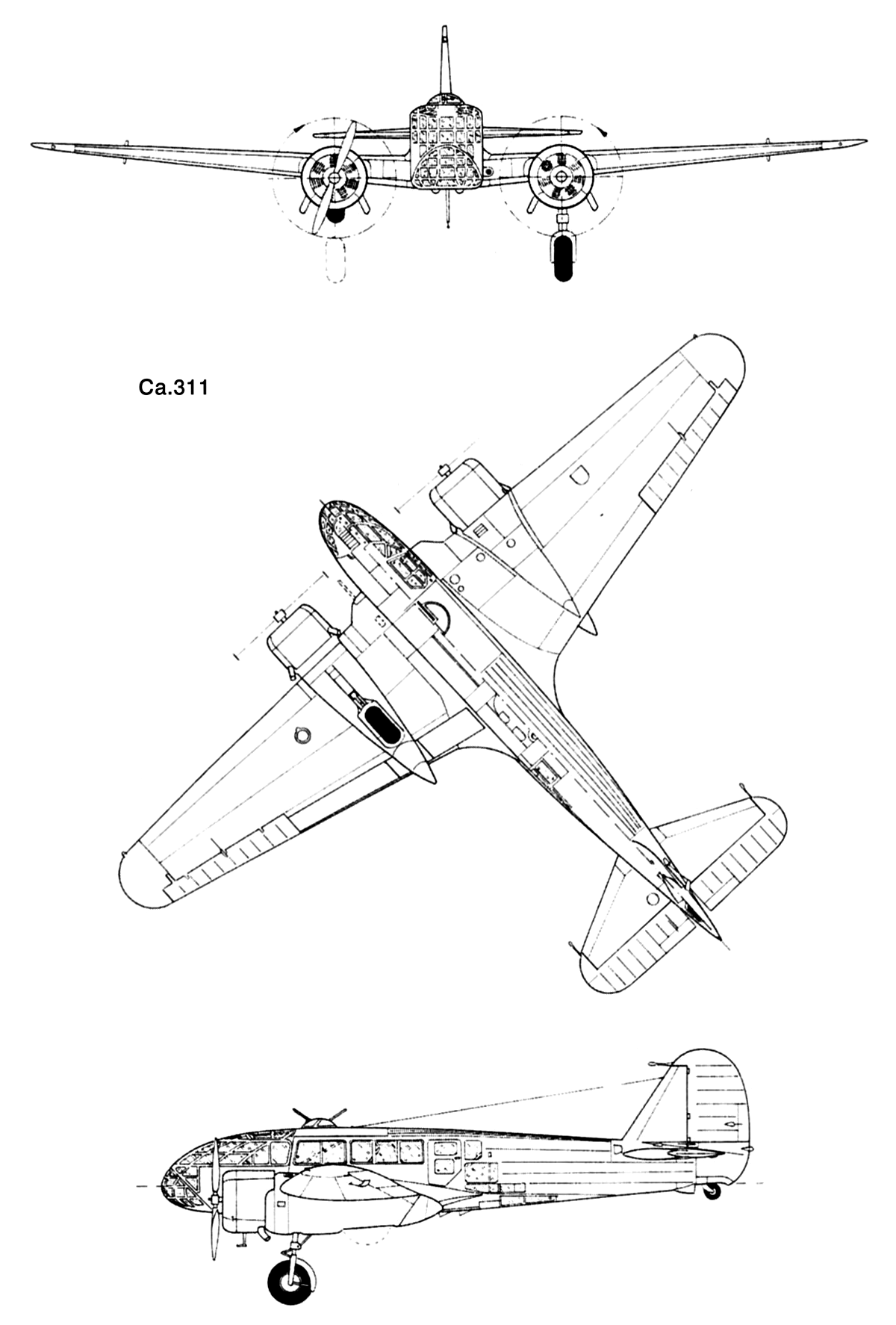 Ca.311 |
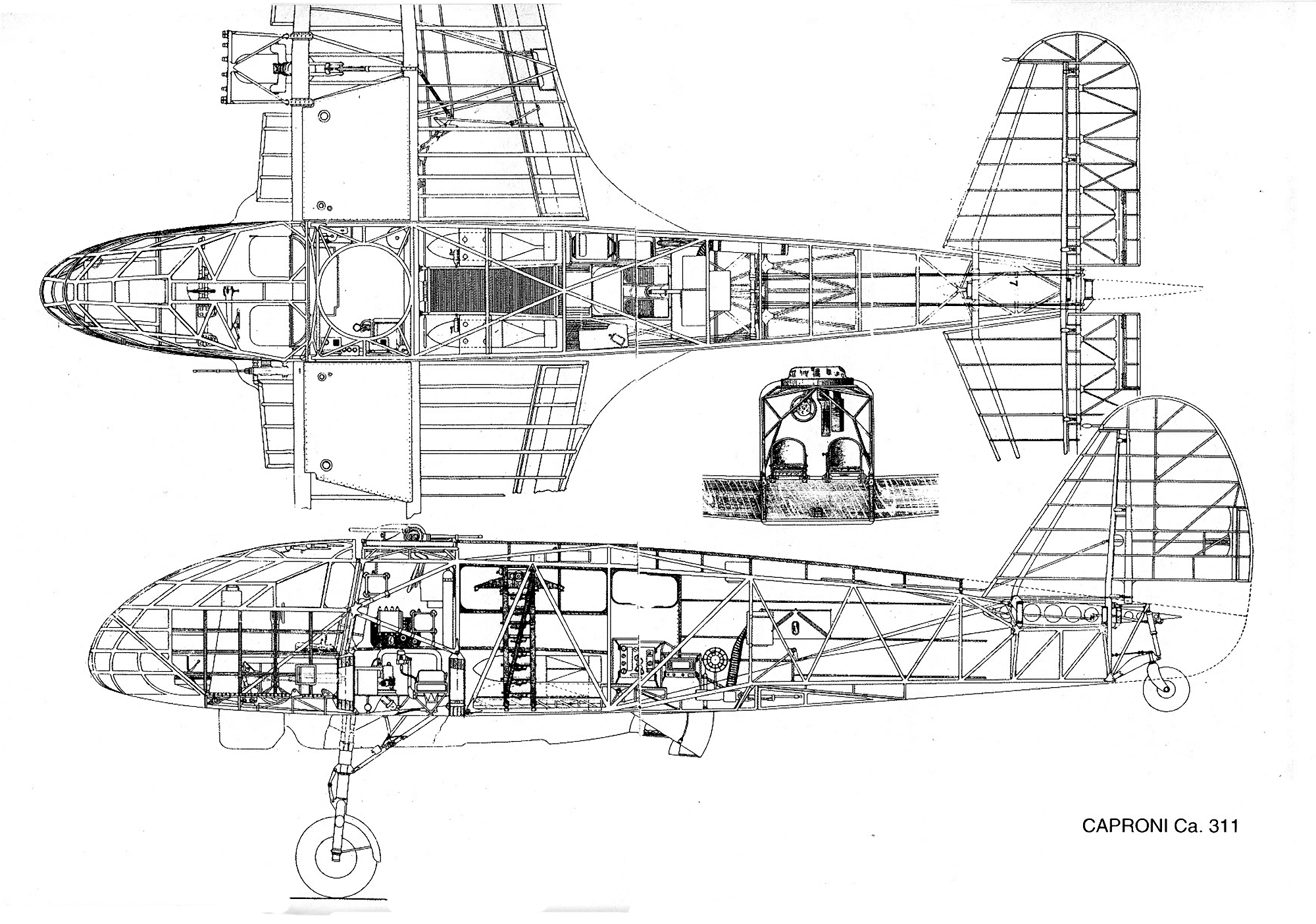 Ca.311 |
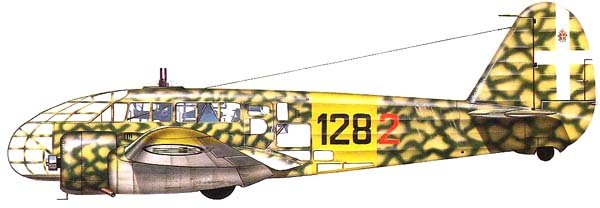 Ca.311 |
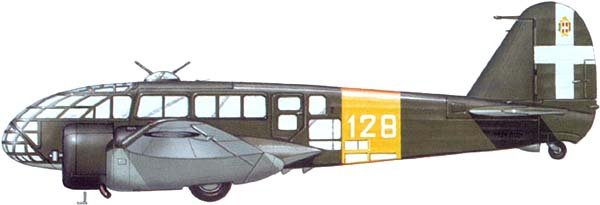 Ca.311 |
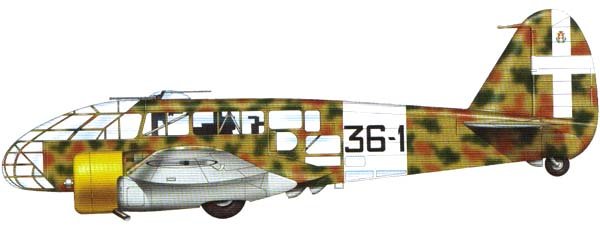 Ca.311 |