
In 1938, the Caproni firm was commissioned to create a special aircraft variant, specifically intended for the Istres-Damascus-Paris race. This design was a modification of the Piaggio P.32bis bomber, engineered for extended flight range and record-setting capabilities. With its narrow fuselage, the aircraft was named the Caproni-Reggiane Ca.405 Procellaria.
Development and Early Units
A contract was concluded for the construction of two aircraft, designated MM.375 and MM.376. To optimize resources for the record attempt, the first P.32bis prototype was adapted. The second experimental aircraft was completed and ready for flight on January 4, 1938.
Tragic Accident and Cancellation
During testing on February 25 of that year, the second machine suffered a severe accident due to engine malfunctions. A subsequent failed landing led to its complete destruction, tragically claiming the life of test pilot Mario Gamma. This unfortunate event halted the ambitious project.
The highly anticipated record flight had to be postponed indefinitely. With Italy’s entry into World War II, the Ca.405 Procellaria project was ultimately abandoned and forgotten, marking the end of a promising aviation initiative.
Technical Specifications
| Modification | Ca. 405 |
| Wingspan, m | 18. 00 |
| Length, m | 16. 00 |
| Height, m | 4. 70 |
| Wing area, m2 | 59.00 |
| Empty weight | 6870 |
| Normal takeoff weight | 11370 |
| Engine type | 2 Piston engine Isotta Fraschini Asso XI RC.40 |
| Power, hp | 2 x 835 |
| Maximum speed, km/h | 420 |
| Cruising speed, km/h | 380 |
| Practical range, km | 2500 |
| Practical ceiling, m | 7500 |
| Crew | 3 |
Image and diagram gallery of the Ca.405 Procellaria
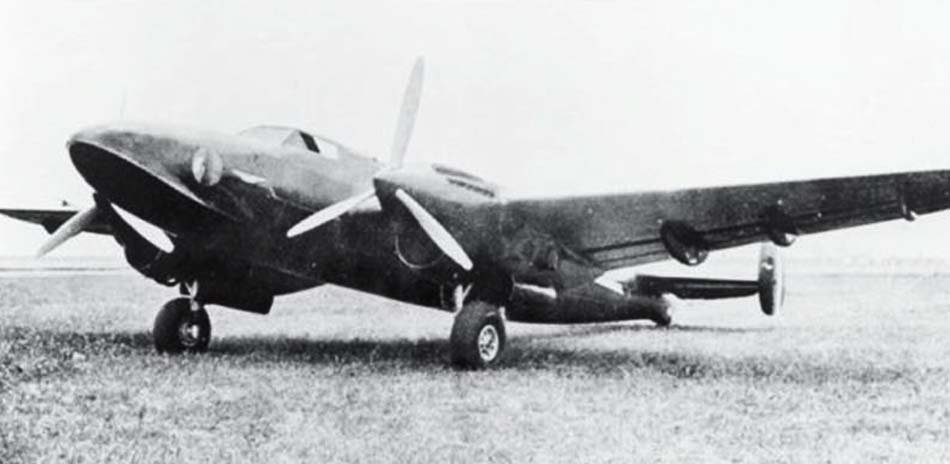 Ca.405 Procellaria |
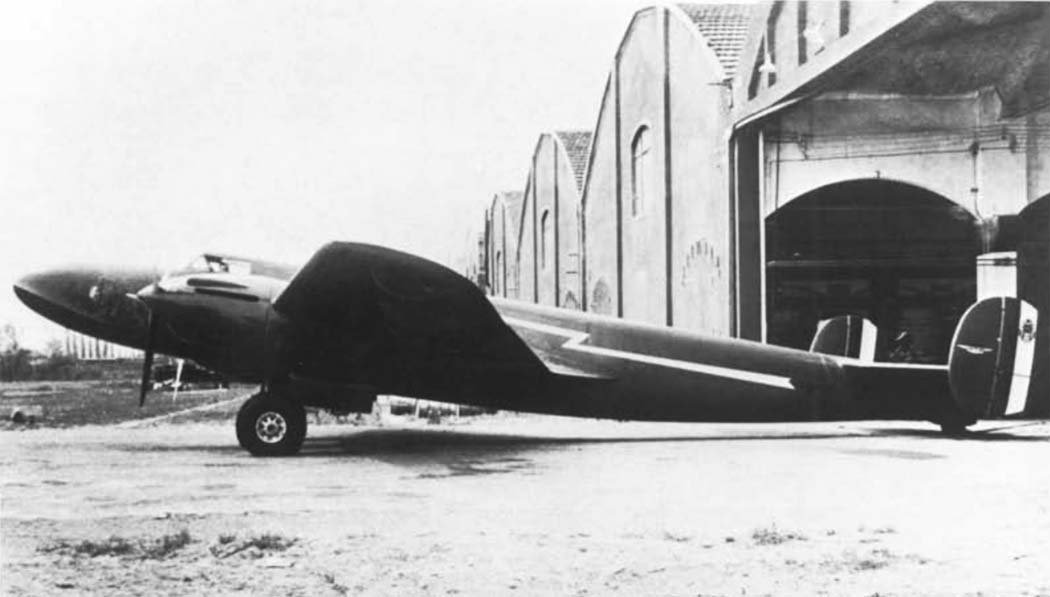 Ca.405 Procellaria |
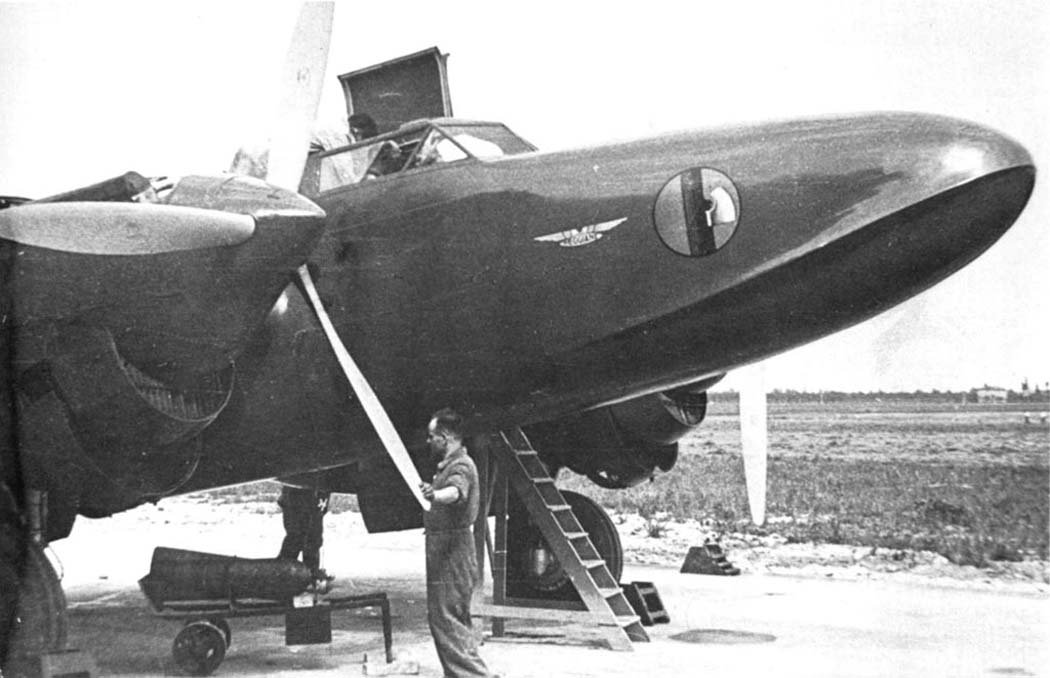 Ca.405 Procellaria |
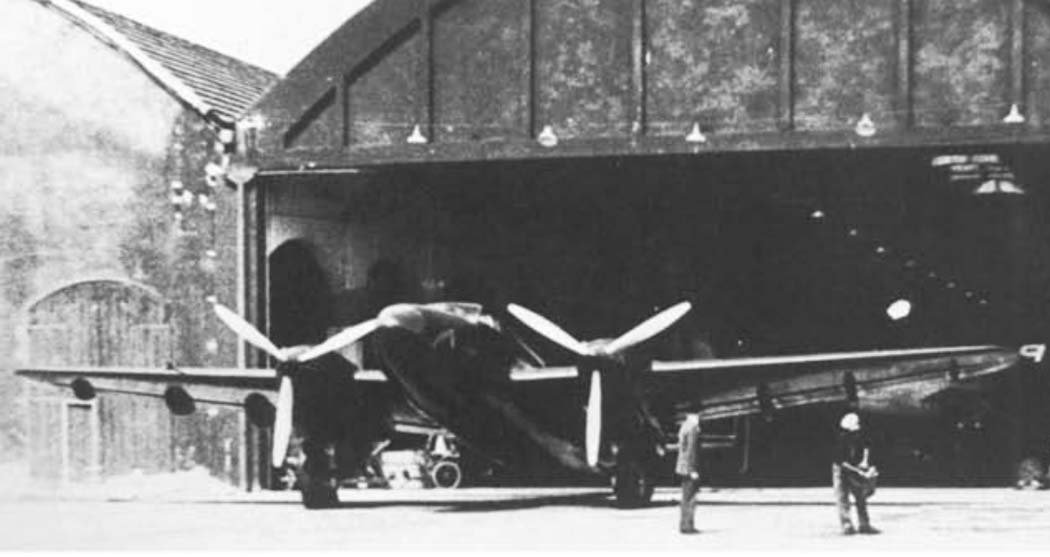 Ca.405 Procellaria |
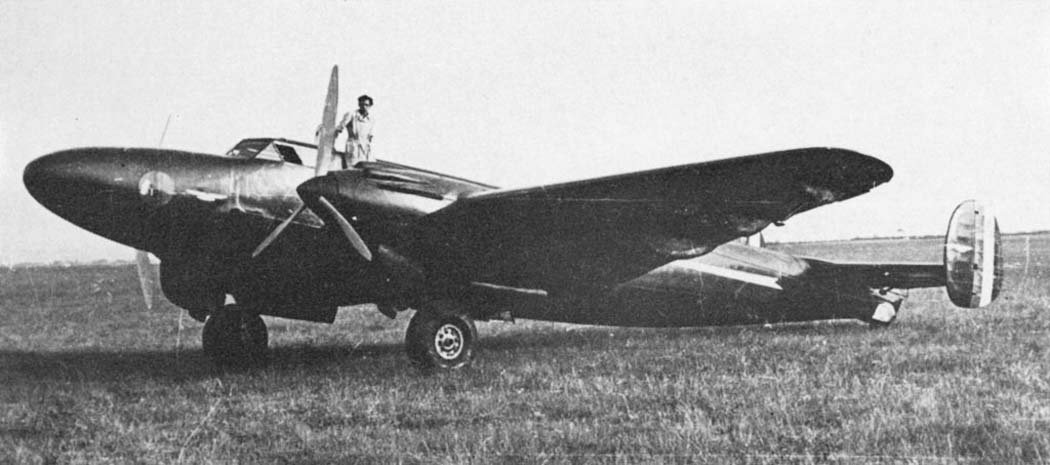 Ca.405 Procellaria |
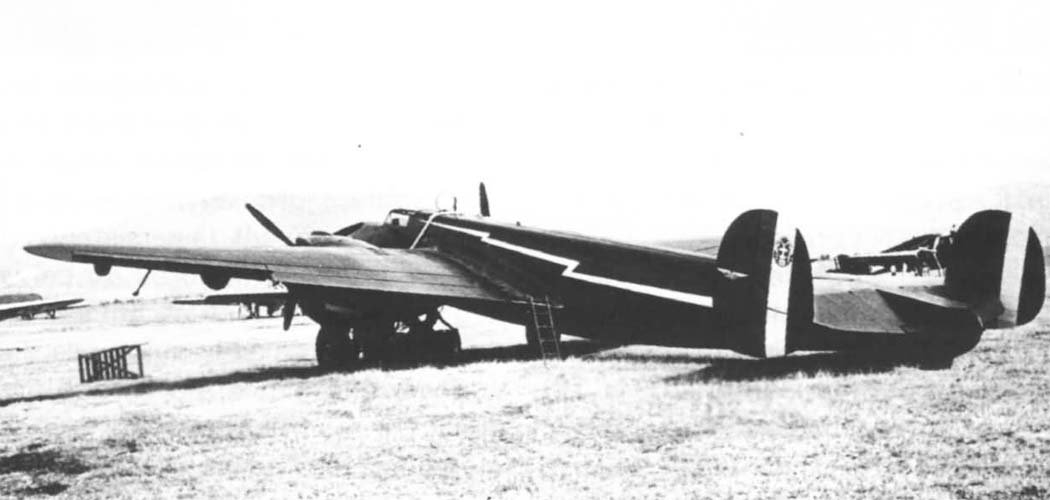 Ca.405 Procellaria |
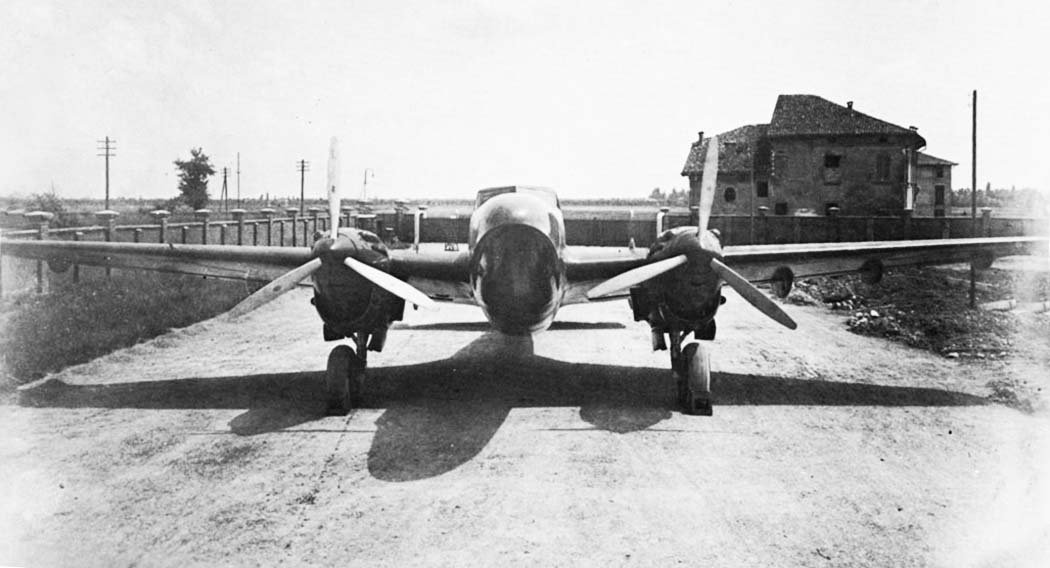 Ca.405 Procellaria |
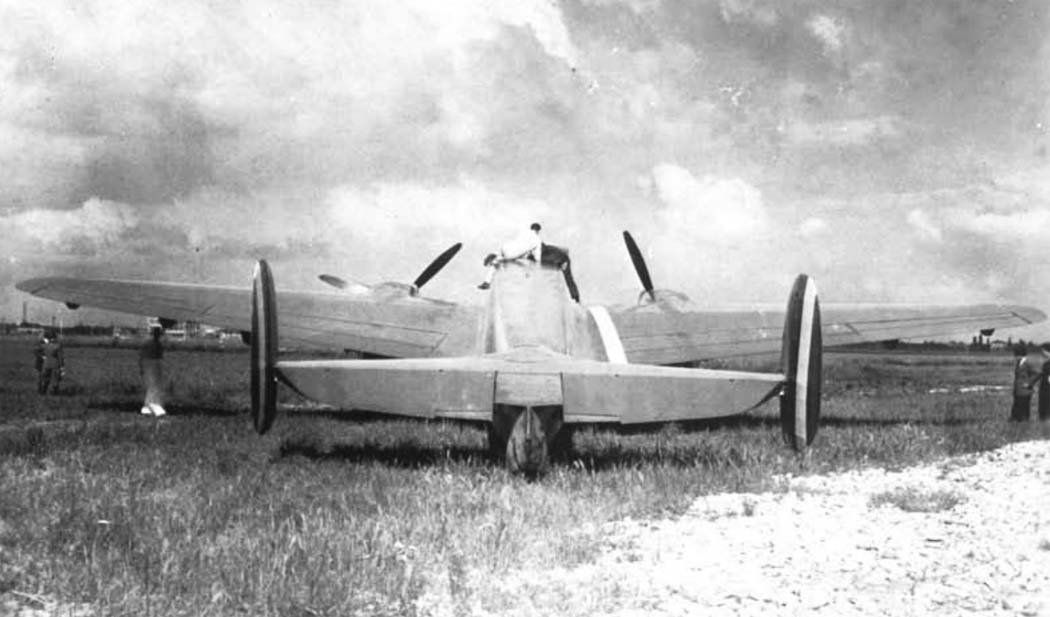 Ca.405 Procellaria |
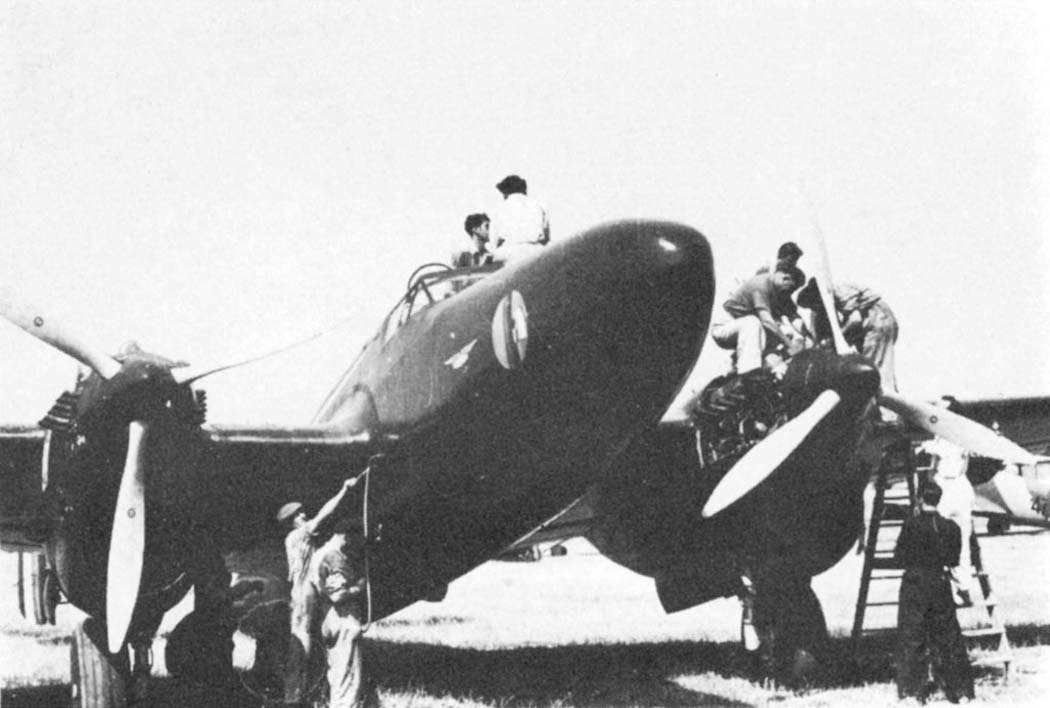 Ca.405 Procellaria |
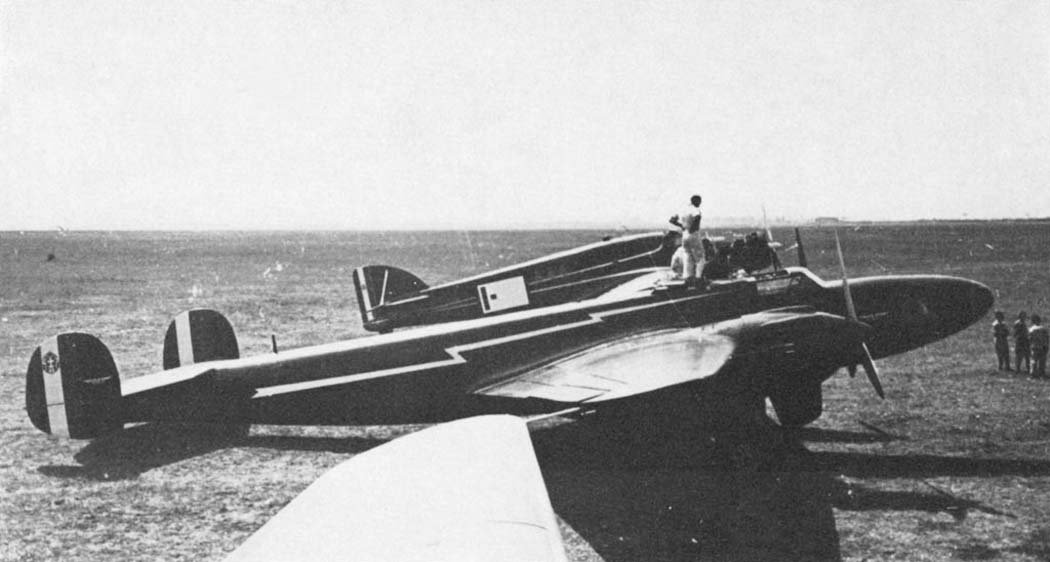 Ca.405 Procellaria |
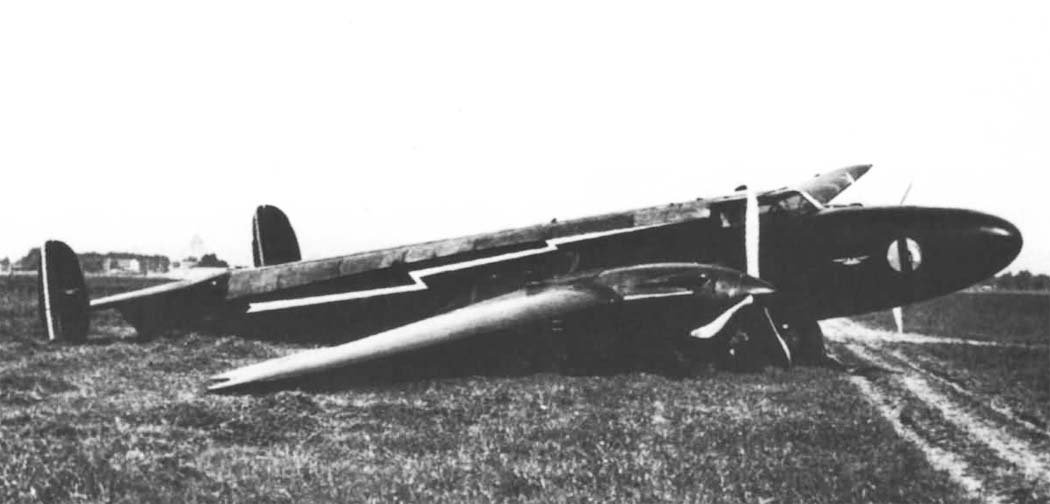 Ca.405 Procellaria |
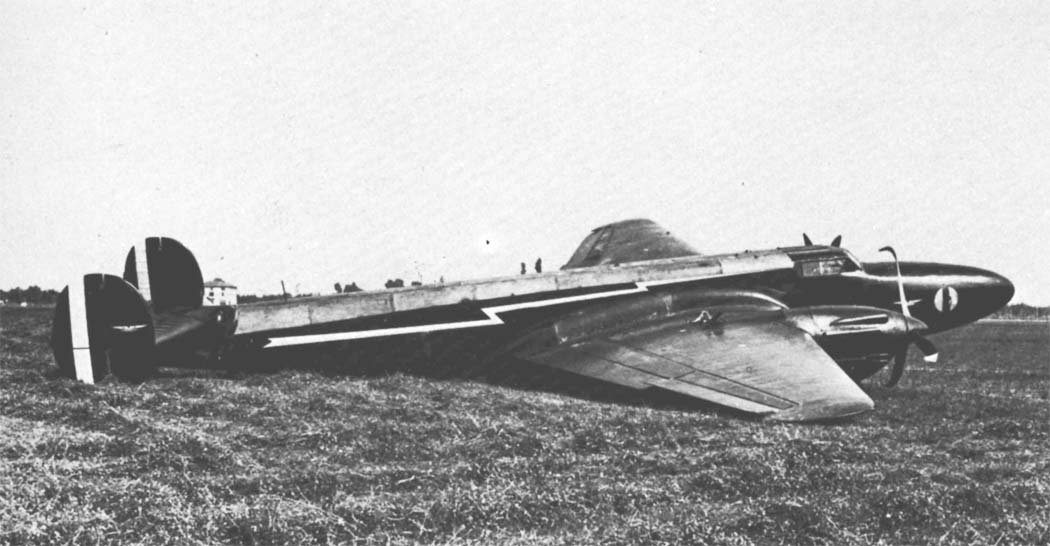 Ca.405 Procellaria |
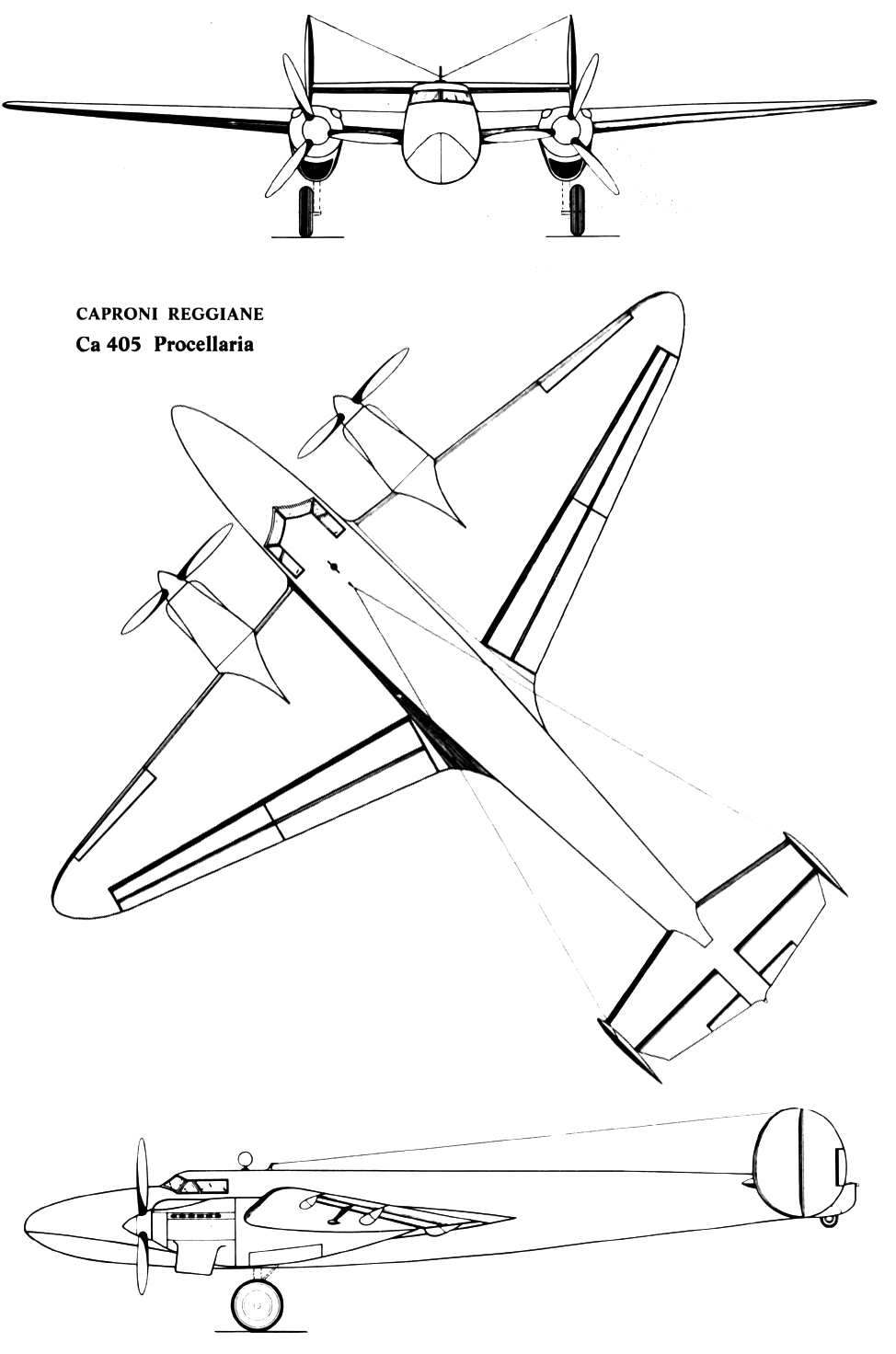 Ca.405 Procellaria |