
In 1922, engineer André Brunet developed a project for a multi-purpose coastal-based flying boat for the company Chantiers Aeromaritimes de la Seine (CAMS). This aircraft, designated CAMS 33B, could be used for reconnaissance and patrolling the sea coast, as well as for delivering bombing strikes against enemy ships.
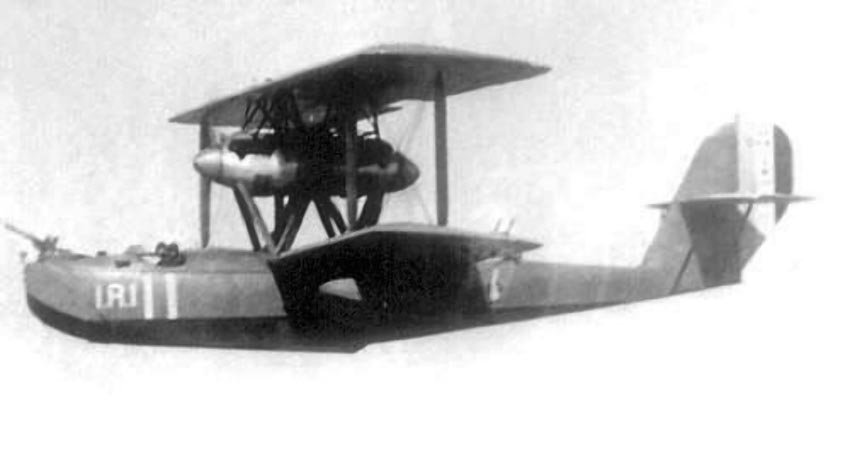
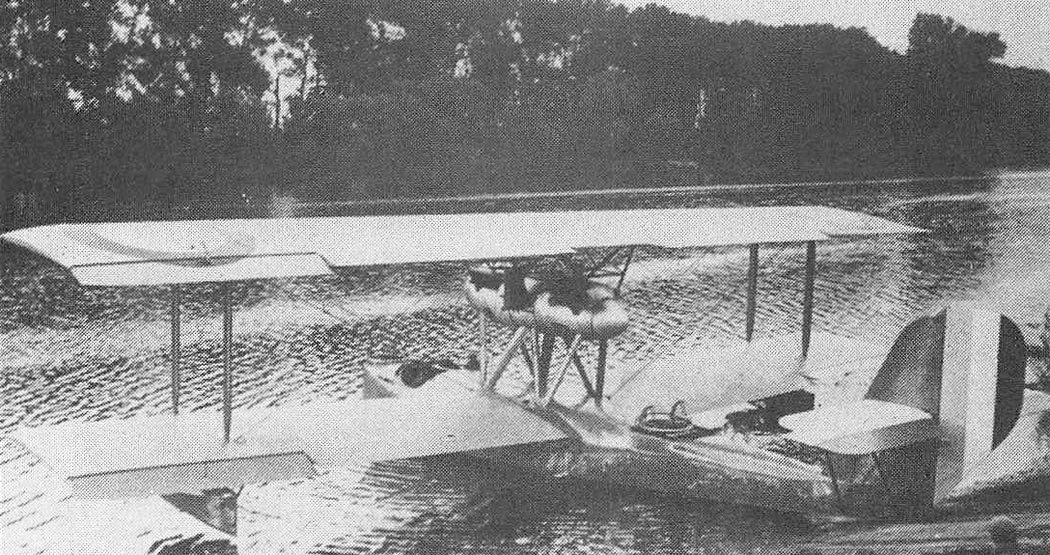
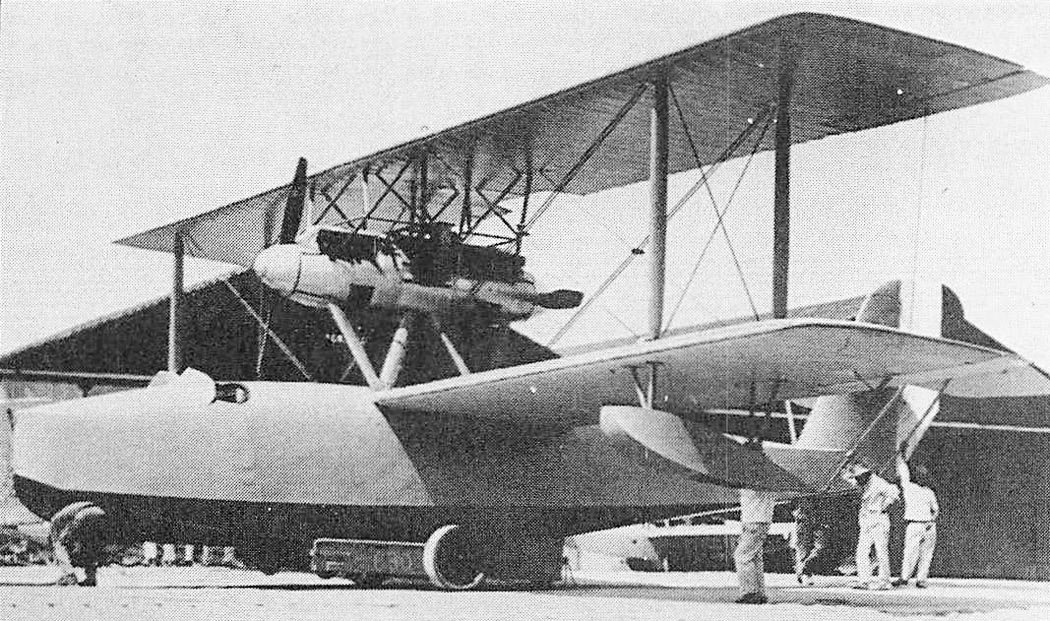
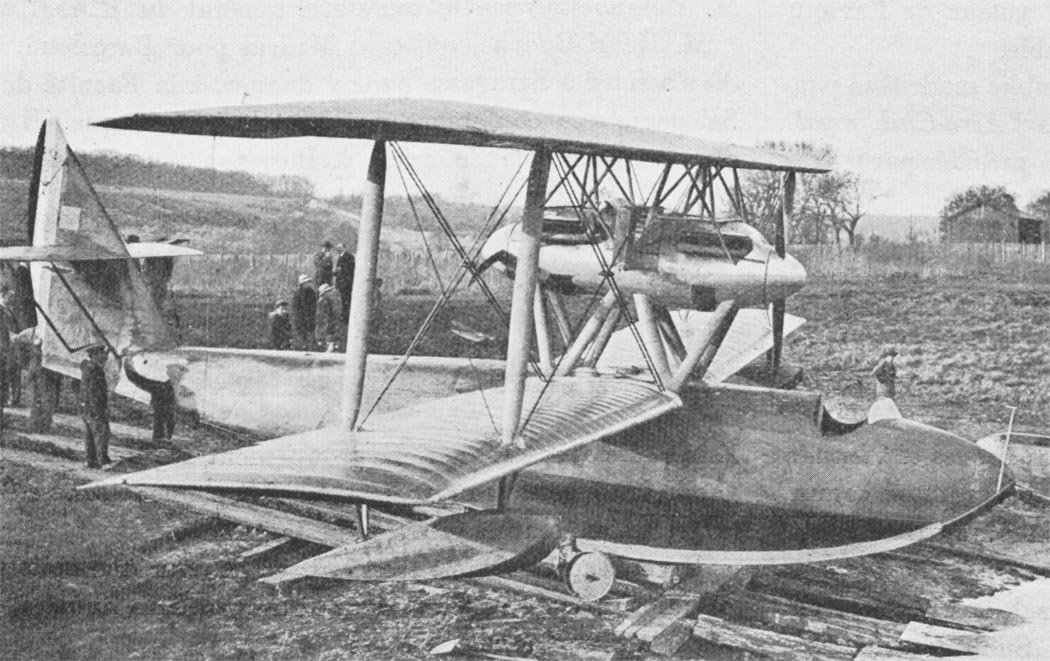
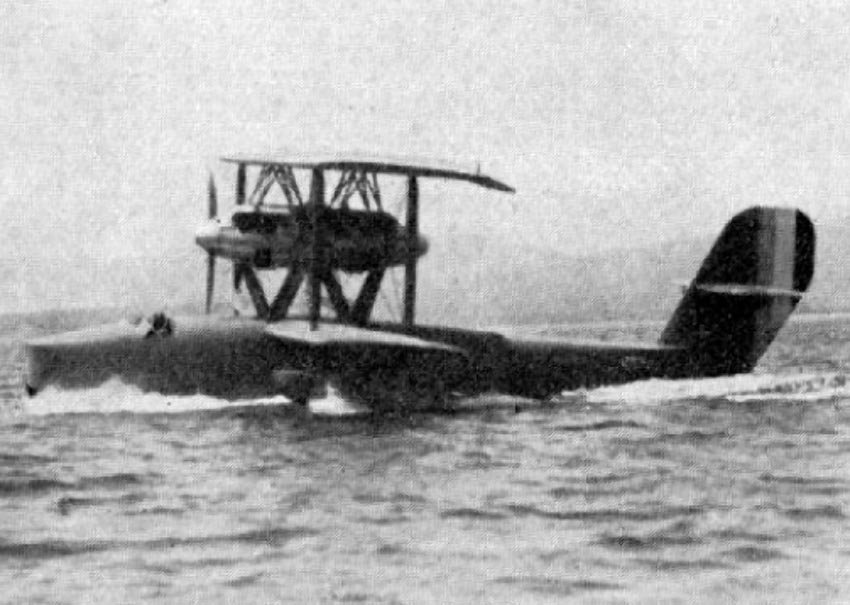
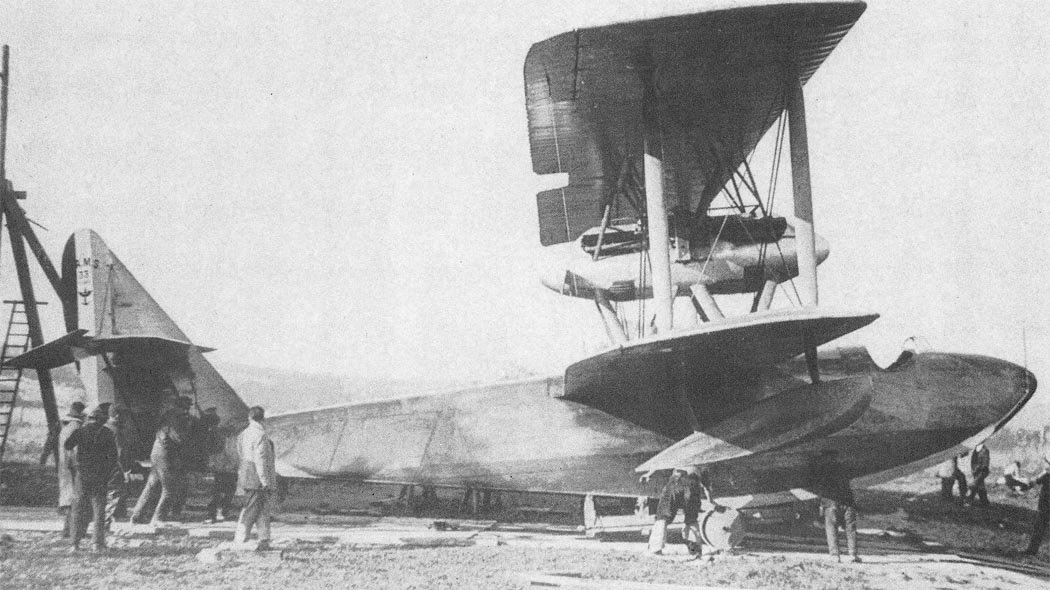
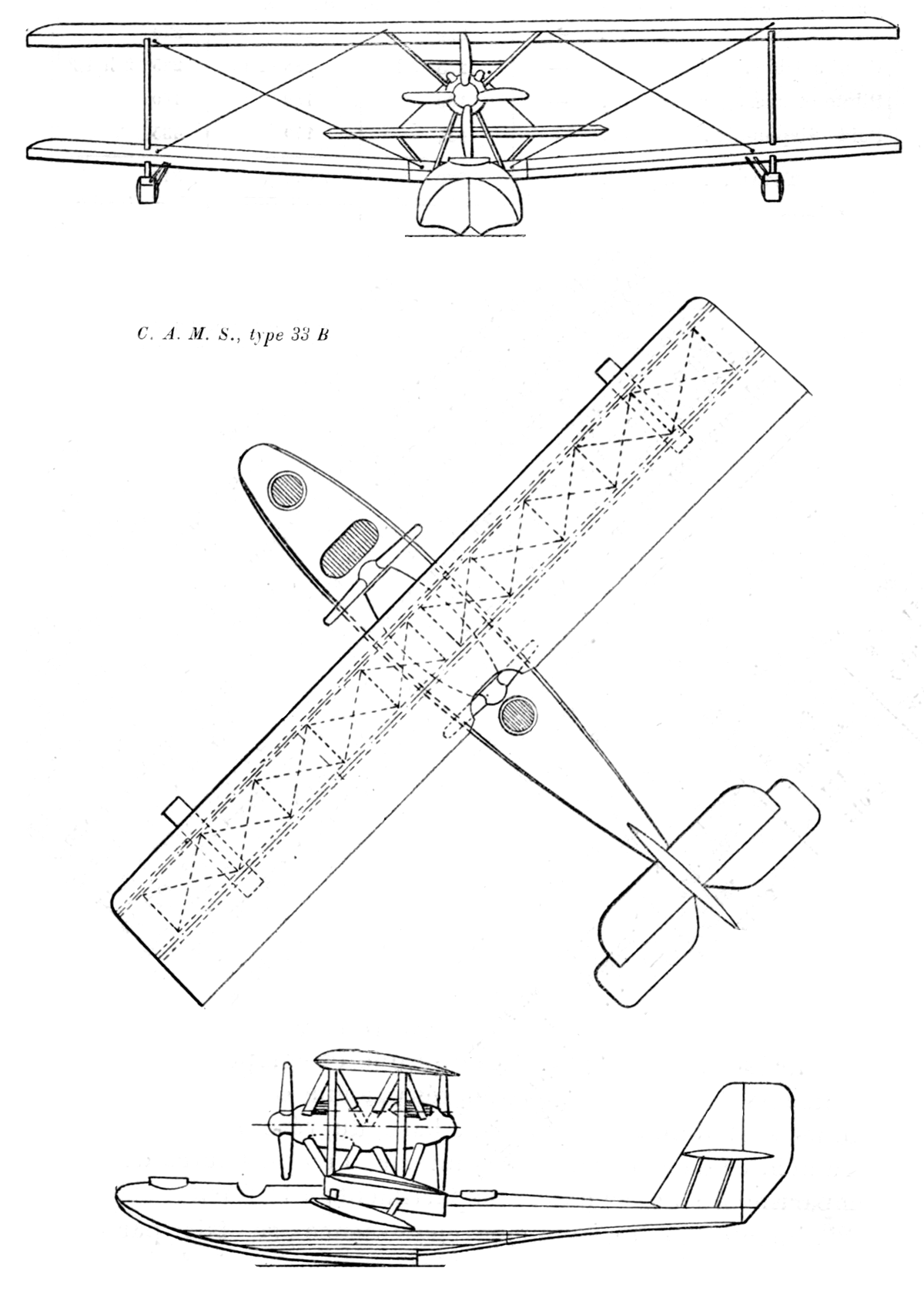
The boat’s powerplant consisted of two Hispano-Suiza engines, placed in tandem between the wings, driving one tractor and one pusher propeller. The single-step hull featured clean lines. The commander and co-pilot were seated side-by-side in an open cockpit located in front of the wing. Behind the wing, within the hull, there was a cabin for a second gunner. Each gunner had two 7.7mm machine guns at their disposal.
Design and Construction
The hull of the CAMS 33B was made of wood, with plywood skinning, and the control surfaces were fabric-covered. The upper wing of the biplane box was flat, while the lower wing had a slight dihedral angle. This design aimed to optimize the aircraft’s stability and performance across its diverse missions.
Competitive Performance
The first two CAMS 33B aircraft were completed in 1924, and on September 1st of the same year, they participated in a major race along the route Sant-Raphaël – Ajaccio – Bizerte (Tunisia) – Ajaccio – Berre. In this race, competing for a main prize of 1,500,000 francs, two twin-engine Bellanger-Denhaut BD-22s, two Blériot-Blanchard, two FBA 17s, and two Lioré et Olivier H-13s also contended. Only the winner in an FBA 17 and one CAMS 33B managed to finish the race.
Following the race results, a contract was signed for the supply to the Fleet Air Arm of 140 FBA 17s and 24 CAMS 33Bs. All these aircraft entered service in 1925 with Squadron 1R1 in Cherbourg. Additionally, six more CAMS 33B examples were purchased by Serbia.
Civilian Variant and Later Use
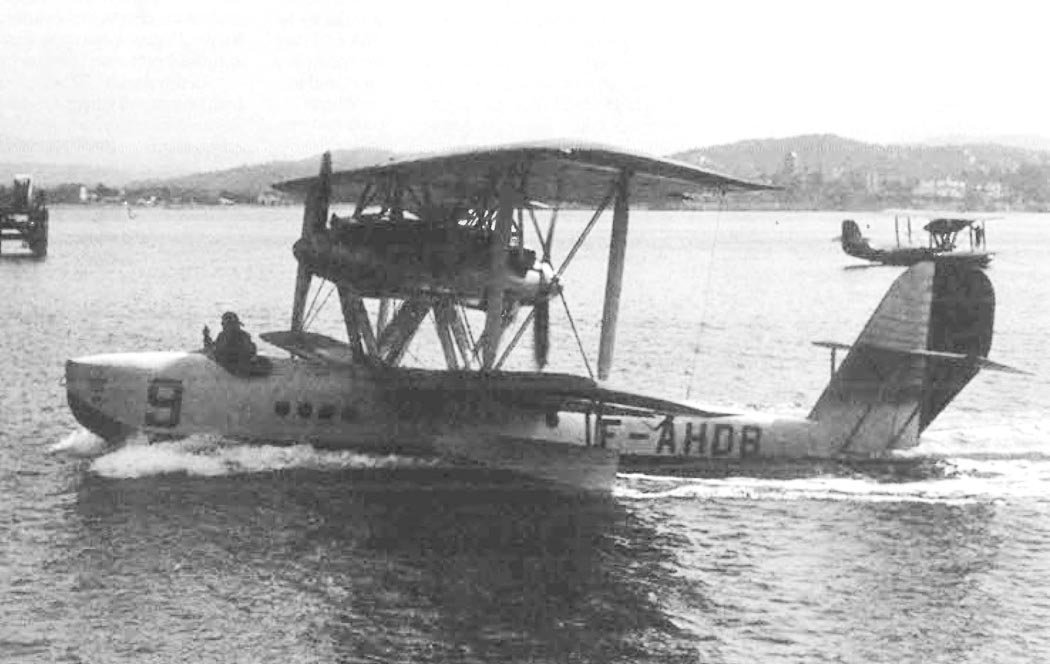
In addition to the military version, one example of a civilian six-seater cargo modification of the aircraft, designated CAMS 33T, was manufactured. It differed from the military version by slightly increased dimensions and a Hispano-Suiza 8Fd engine (260 hp). In 1925, Maurice Hurel, flying a CAMS 33T with civil registration number F-AHDB, participated in transport seaplane races across the Mediterranean, showcasing the model’s versatility.
Technical Specifications
| Modification | CAMS 33B |
| Wingspan, m | 17.62 |
| Length, m | 13.23 |
| Height, m | 4.88 |
| Wing area, m2 | 92.00 |
| Empty weight | 2535 |
| Maximum takeoff weight | 4000 |
| Engine type | 2 Hispano-Suiza 8Fg Piston engines |
| Power, hp | 2 x 275 |
| Maximum speed, km/h | 175 |
| Cruising speed, km/h | 145 |
| Practical range, km | 820 |
| Practical ceiling, m | 5000 |
| Crew, crew members | 3 |
| Armament | two 7.7-mm Lewis machine guns, up to 300 kg of bombs |
Image and diagram gallery of the CAMS 33
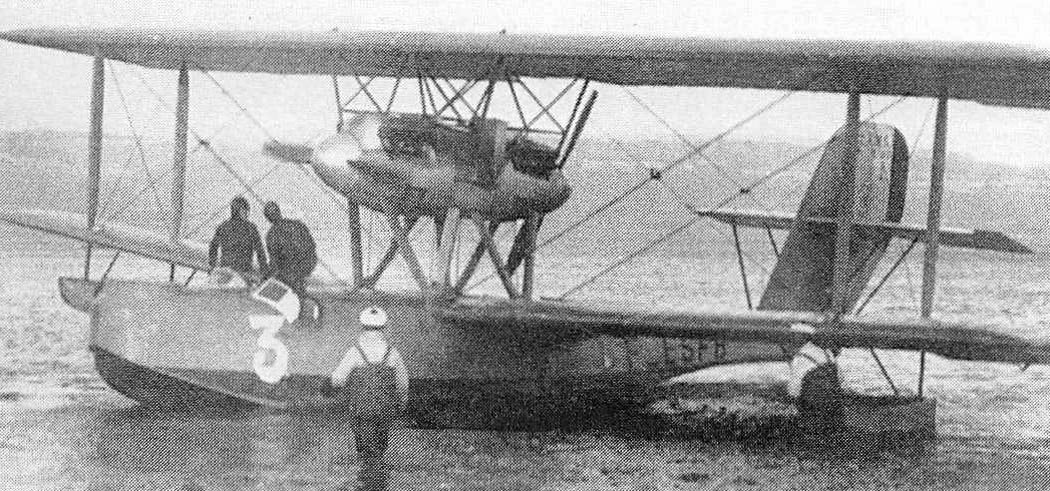 CAMS 33 |
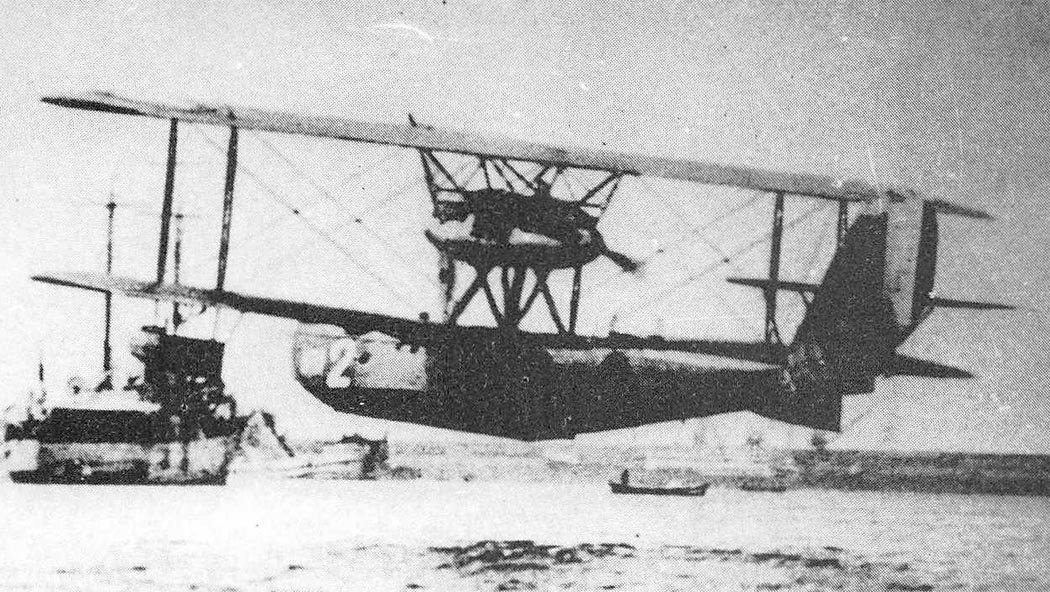 CAMS 33 |
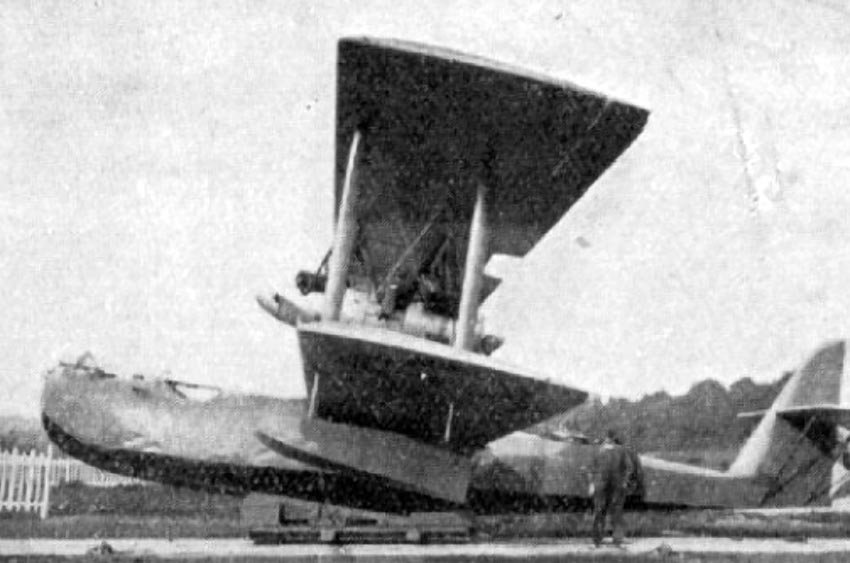 CAMS 33 |
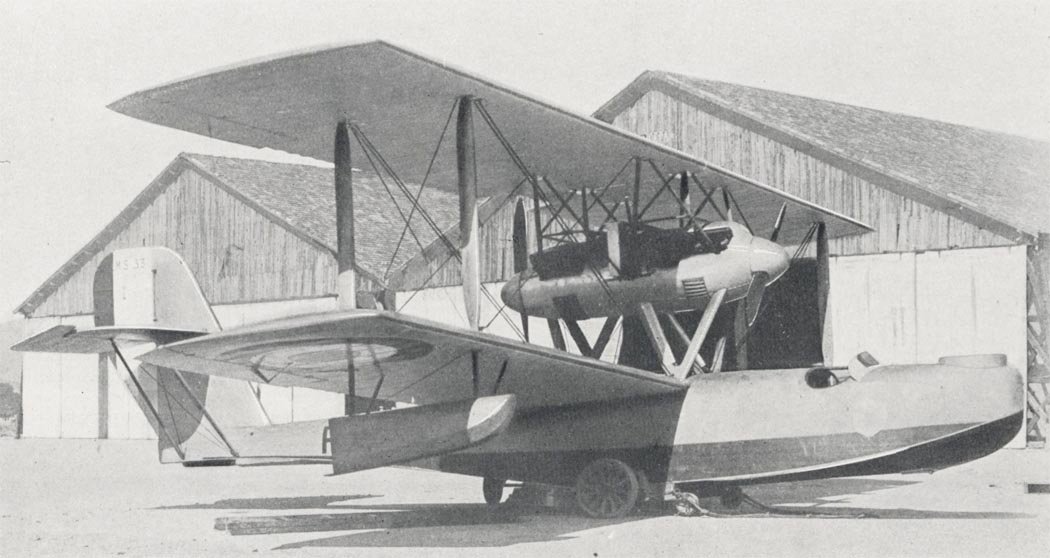 CAMS 33 |
 CAMS 33 |
 CAMS 33 |
 CAMS 33 |
 CAMS 33 |
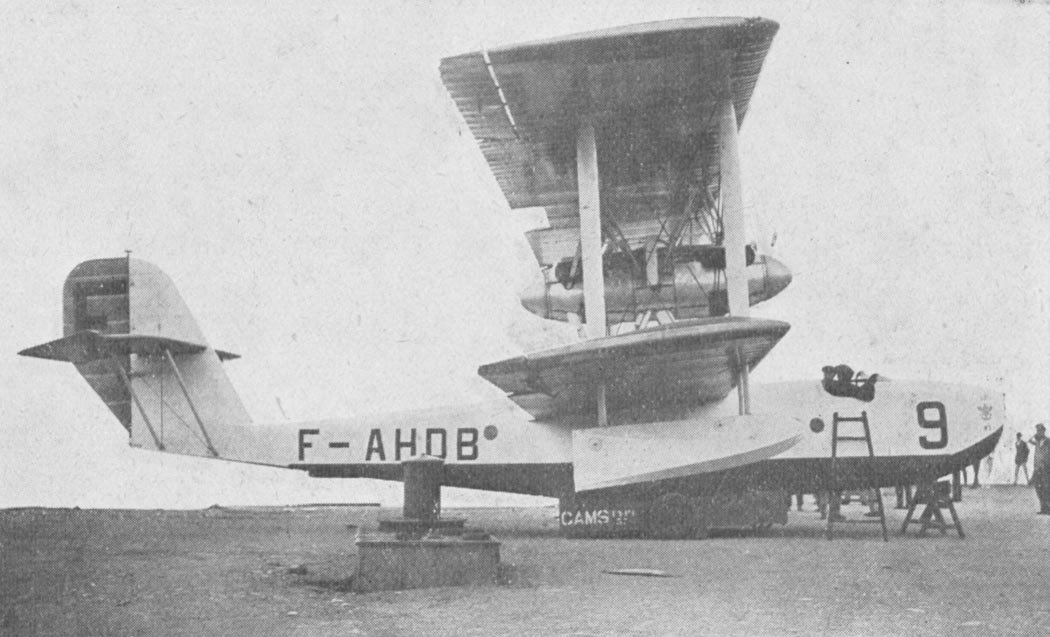 CAMS 33 |
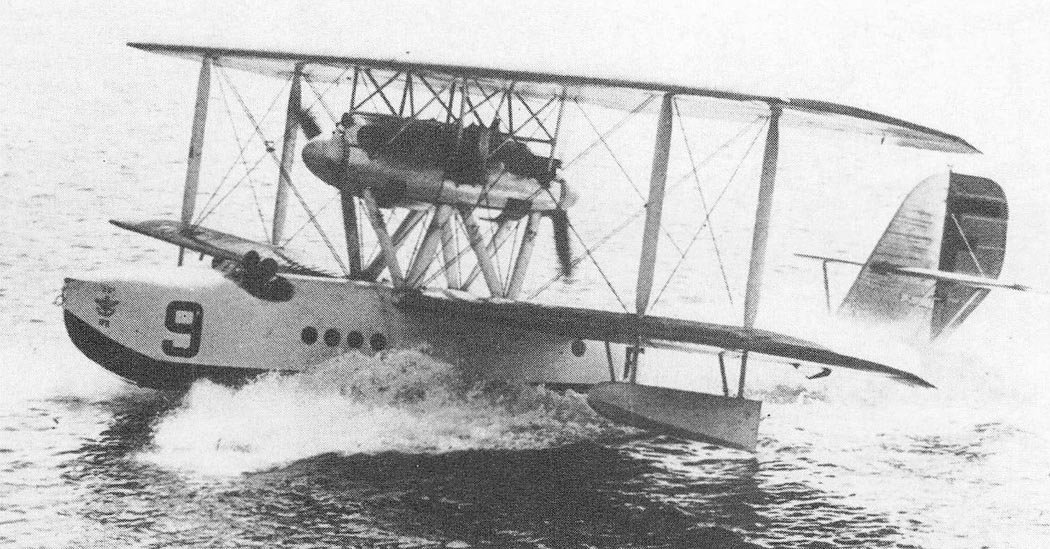 CAMS 33 |
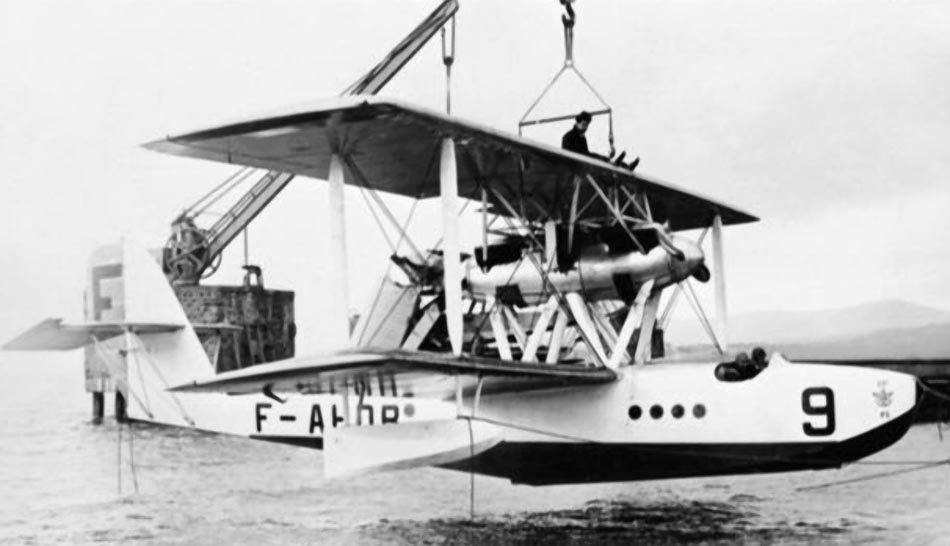 CAMS 33 |
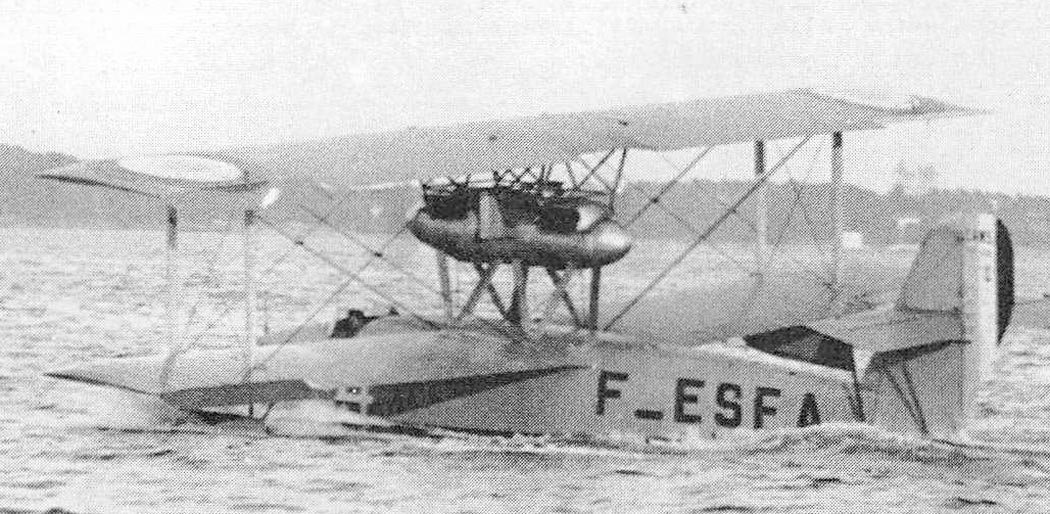 CAMS 33 |
 CAMS 33 |
 CAMS 33 |
 CAMS 33 |
 CAMS 33 |
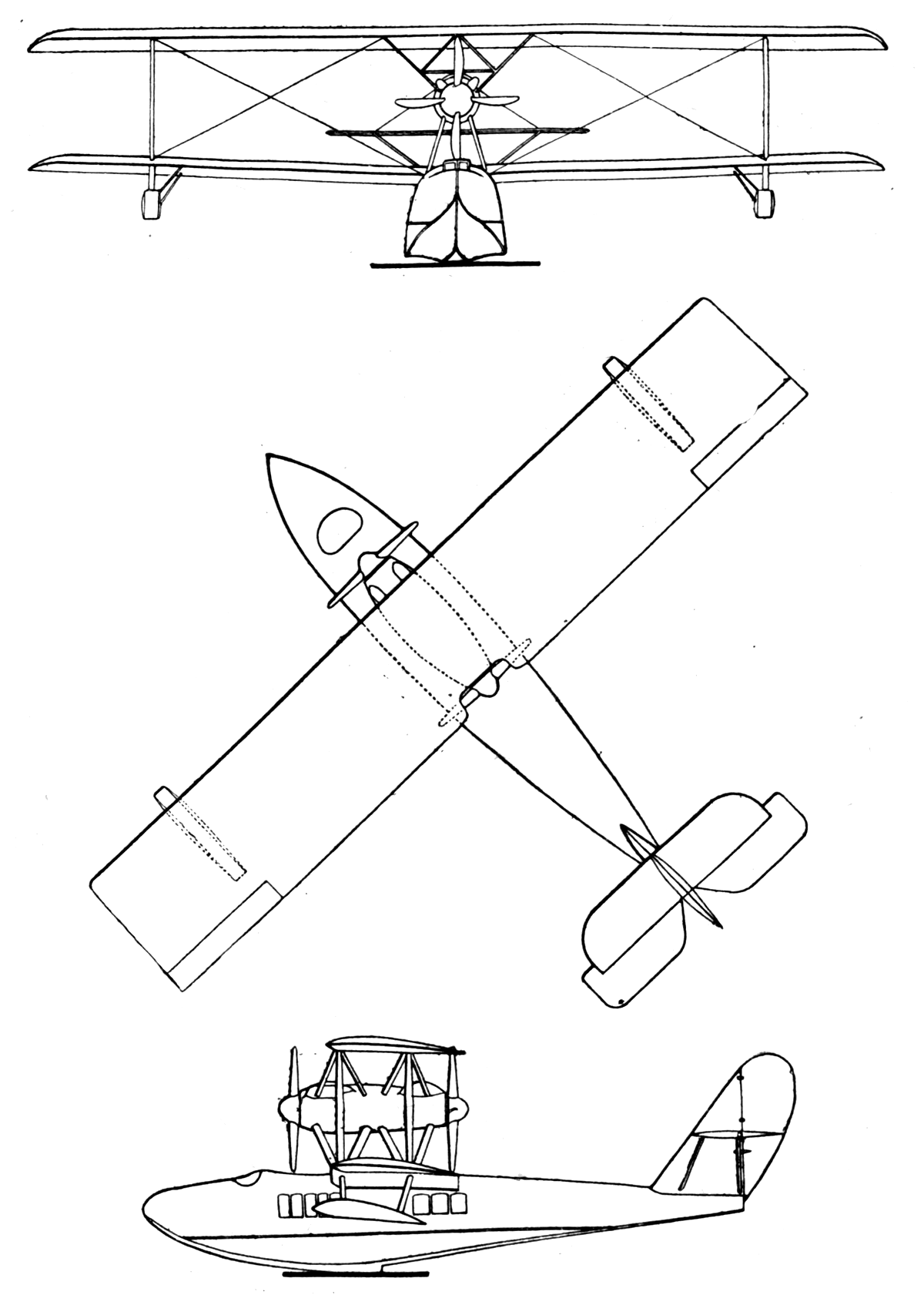 CAMS 33 |