Commonwealth Aircraft Corporation Pty Ltd was founded in 1936, a direct result of the Australian government’s plans to establish an aviation industry and achieve independence from foreign suppliers. Numerous wealthy industrial firms contributed significantly to the company’s financing.
Following a visit by the Aviation Technical Commission to the USA in 1936, an agreement was reached for the licensed production of the two-seat multi-purpose North American NA-16 monoplane and its Pratt & Whitney Wasp engine. Tugan Aircraft Ltd was subsequently absorbed by Commonwealth, and its chief designer, Air Lieutenant Colonel Lawrence Wackett, became the new company’s general manager.
The Birth of the Australian Wirraway
The initial order from the Royal Australian Air Force (RAAF) was for 40 NA-33 aircraft, the designation for license-built machines. The manufacturer’s designation was Commonwealth Aircraft CA-1. This was Commonwealth’s first aircraft for which the name Wirraway was chosen.
The Commonwealth CA-1 / CA-3 Wirraway was a single-engine, all-metal, cantilever monoplane with retractable landing gear, designed for army cooperation. It was based on the American North American NA-33 (NA-16-2K) training aircraft but differed from its prototype with strengthened wings and tail unit. A team of designers from Commonwealth Aircraft Corporation (CAC) in Australia, led by A. Wackett, was responsible for the modifications.
Production and Variants
There was no prototype aircraft; the first production series machine made its maiden flight on March 27, 1939. Series production was carried out at the CAC factory in Fishermens Bend, Melbourne. By June 1942, Commonwealth had produced 620 machines, and this production continued in a limited series until the last, 755th aircraft, was delivered in 1946.
Many Commonwealth designations were used for Wirraway aircraft, including CA-1 (40), CA-3 (60), CA-5 (32), CA-7 (100), CA-8 (200), CA-9 (188), and CA-16 (135). Of the three main modifications, only the “Wirraway” I (CA-1, CA-3, CA-5) was a combat variant, with armament mounted from the 20th CA-1 aircraft, a modified carburetor air intake for the CA-3, and modified equipment without bomb racks for the CA-5.
The Wirraway II/III modifications were purely for training and lacked armament. Projects for a CA-10 bomber and a CA-10A dive bomber were both aborted. The designation CA-20 was adopted for re-equipped Wirraways used as trainer aircraft. Nearly 400 Wirraway aircraft were preserved for long-term storage; eventually, a large number of them were used as the basis for the CA-28 Ceres agricultural aircraft.
Operational Service and Retirement
The Wirraway entered service with the Royal Australian Air Force in July 1939. By the beginning of the Pacific War, seven squadrons were already equipped with these aircraft. From December 1941 to January 1942, Wirraways were involved in direct support of troops defending Malaya. In December, they were deployed to New Britain Island and, from January, provided air defense for Rabaul as two-seat fighters, shooting down a four-engine H6K4 flying boat on January 6.
From October 1942, they were used in New Guinea and the Solomon Islands solely as army cooperation aircraft: close reconnaissance, artillery spotters, and light attack aircraft. In February 1943, these aircraft helped halt a Japanese offensive in the Bay Valley, New Guinea. From mid-1943, Wirraways began to be transferred to training units, but individual machines operated on the front until the end of the war. They were also employed in the ASW system for Australia’s coastal areas.
Production of the Wirraway ceased in June 1946. From 1947, the aircraft began to be phased into reserve, and they were finally withdrawn from service in February 1959.
Technical Specifications
| Modification | CA-3 |
| Wingspan, m | 13.11 |
| Length, m | 8.48 |
| Height, m | 2.66 |
| Wing area, m2 | 23.76 |
| Empty weight | 1811 |
| Normal takeoff weight | 2991 |
| Engine type | 1 Piston engine Pratt Whitney Wasp R-1340 S1H1-G |
| Power, hp | 1 x 600 |
| Maximum speed, km/h | 354 |
| Cruising speed, km/h | 293 |
| Practical range, km | 1159 |
| Service ceiling, m | 7000 |
| Crew, crew members | 2 |
| Armament | Two forward-firing fixed 7.7-mm Vickers Mk V machine guns and the same armament in the rear cockpit; up to 454 kg of bombs. |
Image and diagram gallery of the Commonwealth Wirraway
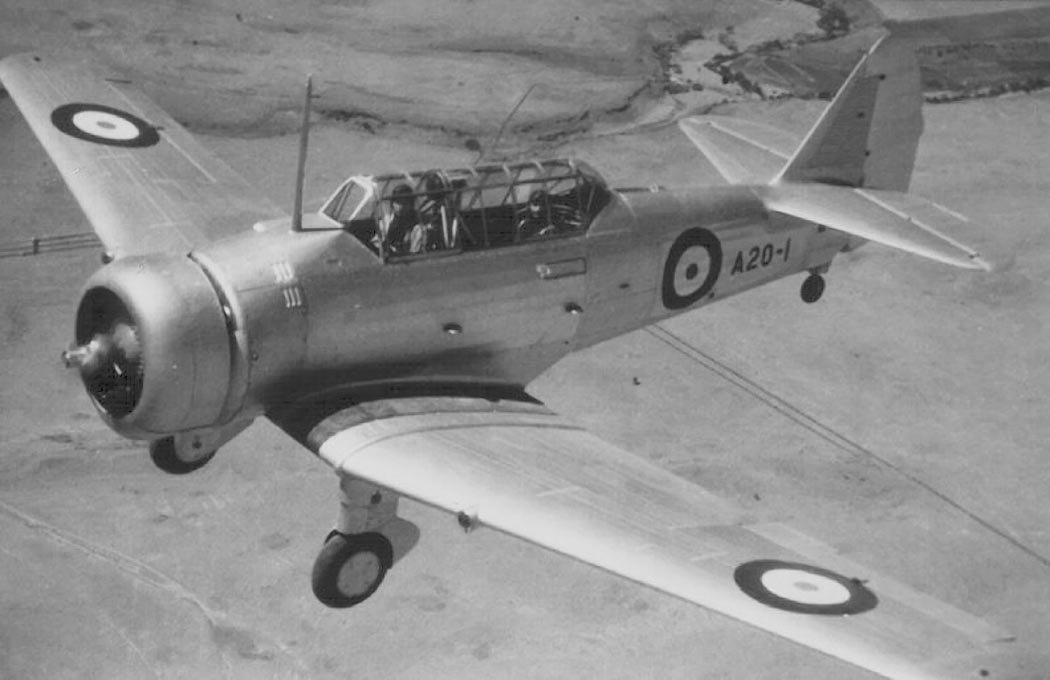 Commonwealth CA-1 Wirraway |
 Commonwealth CA-1 Wirraway |
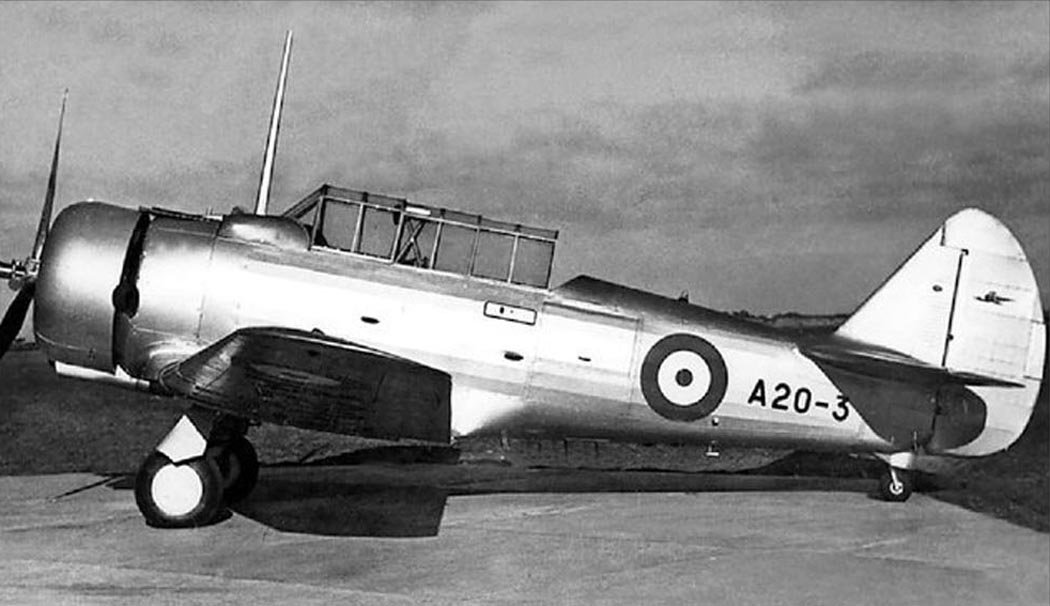 Commonwealth CA-1 Wirraway |
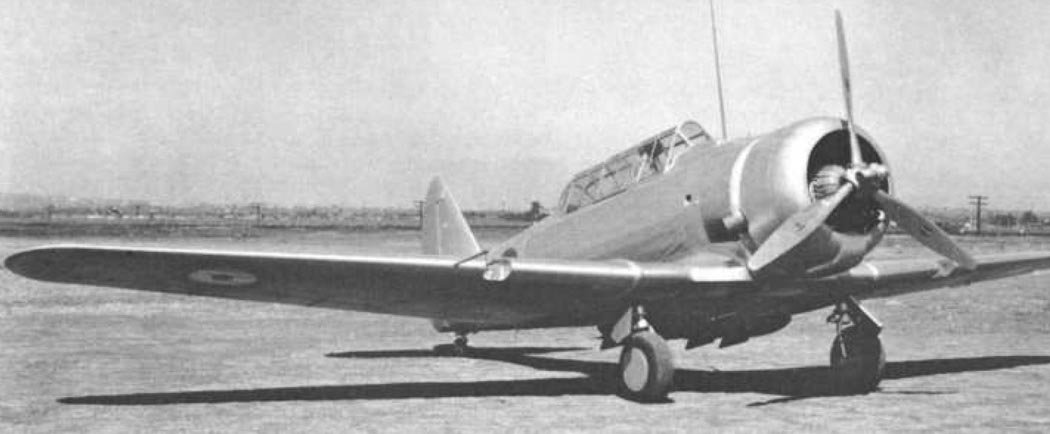 Commonwealth CA-1 Wirraway |
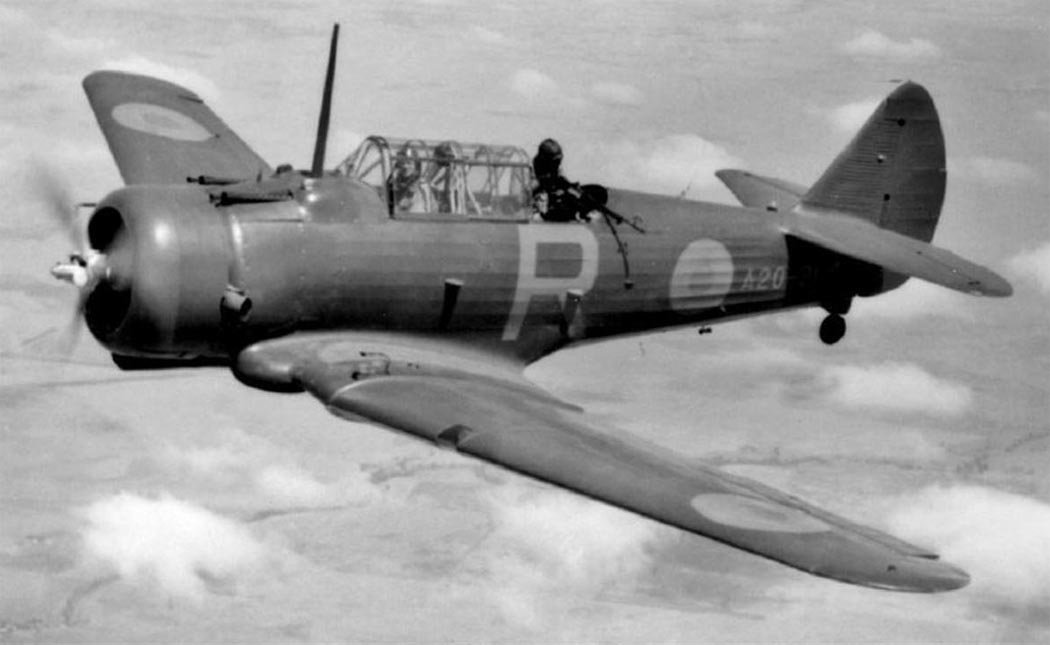 Commonwealth CA-1 Wirraway |
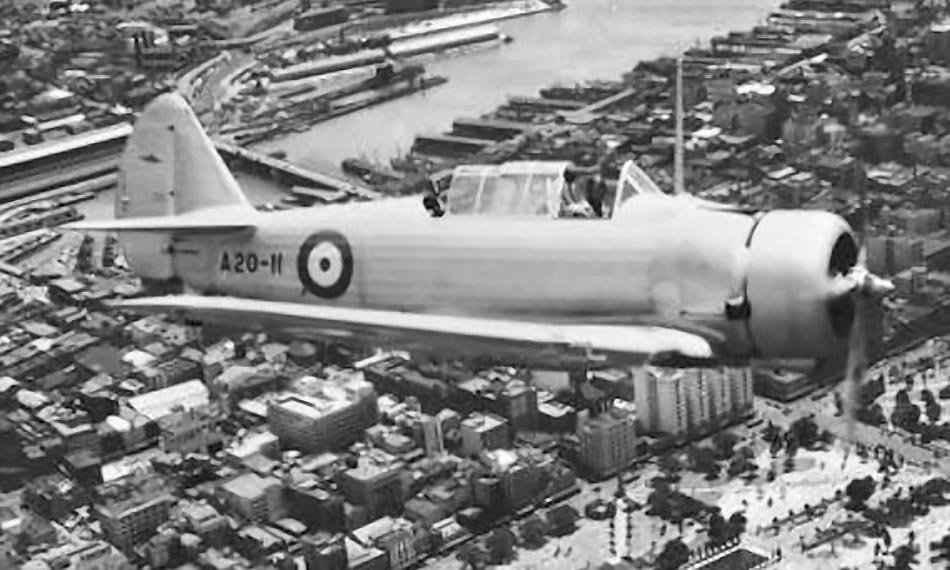 Commonwealth CA-1 Wirraway |
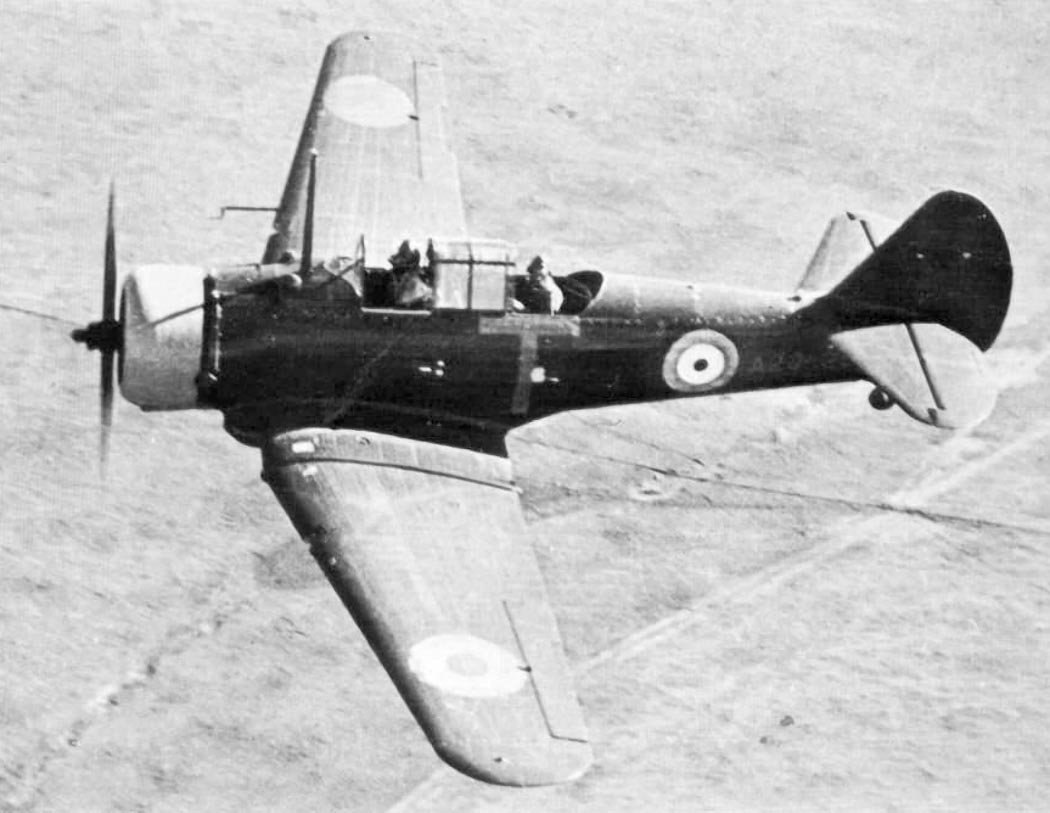 Commonwealth CA-1 Wirraway |
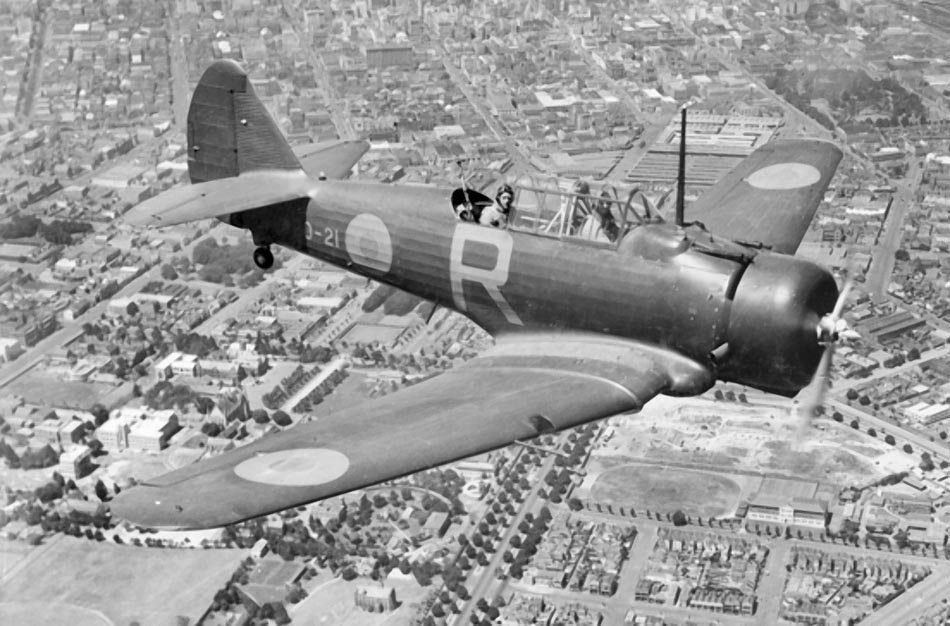 Commonwealth CA-1 Wirraway |
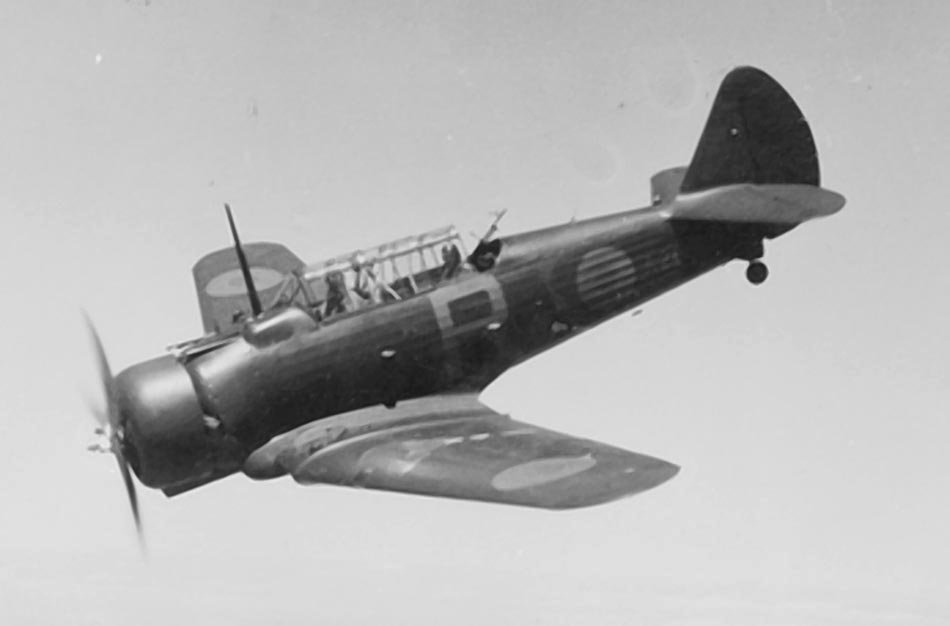 Commonwealth CA-1 Wirraway |
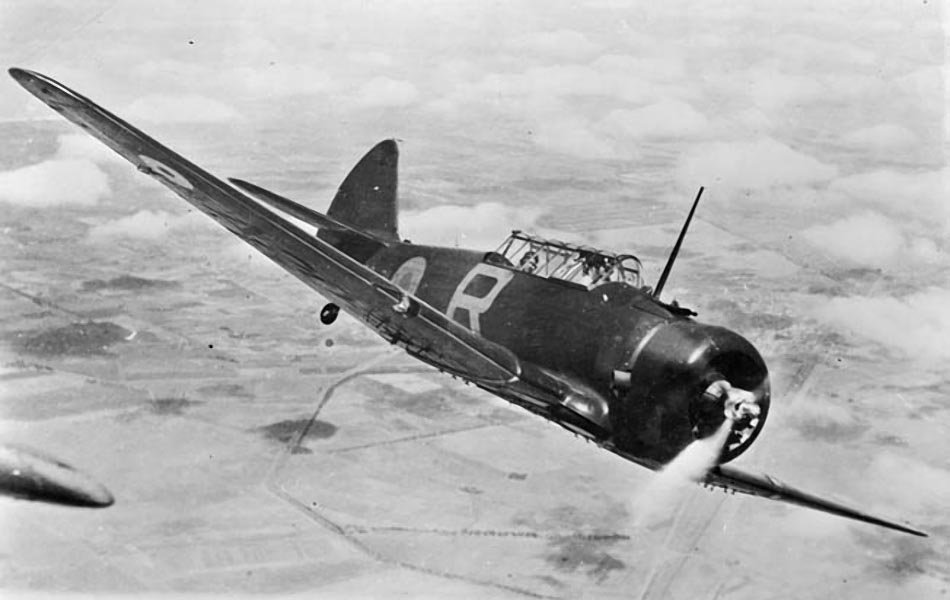 Commonwealth CA-1 Wirraway |
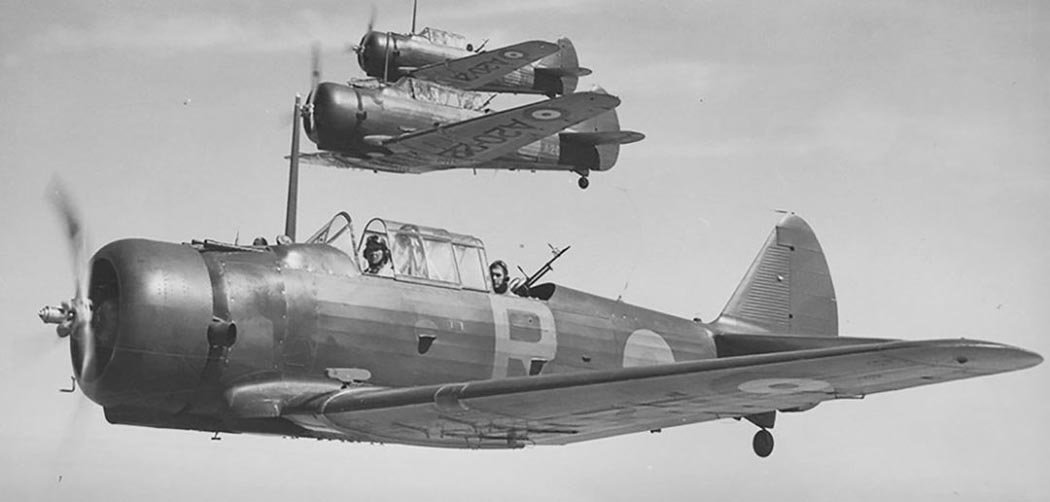 Commonwealth CA-1 Wirraway |
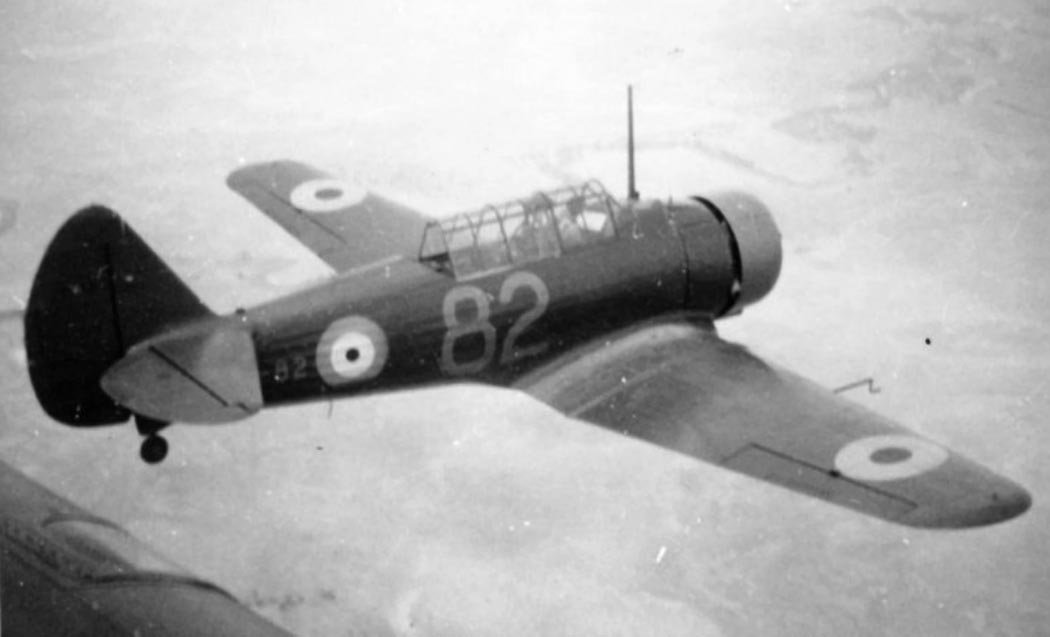 Commonwealth CA-1 Wirraway |
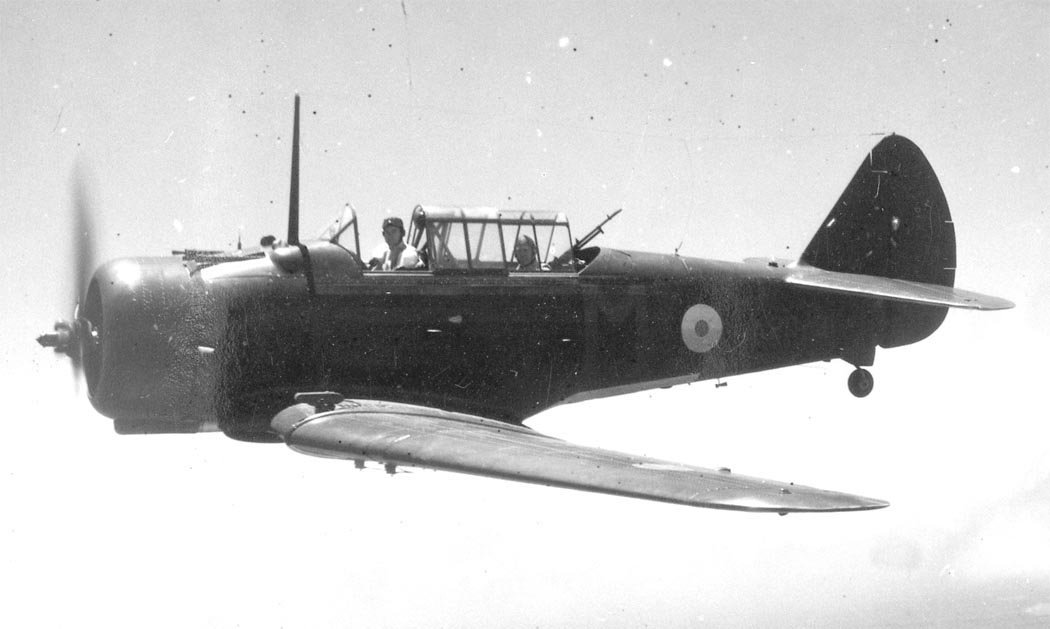 Commonwealth CA-1 Wirraway |
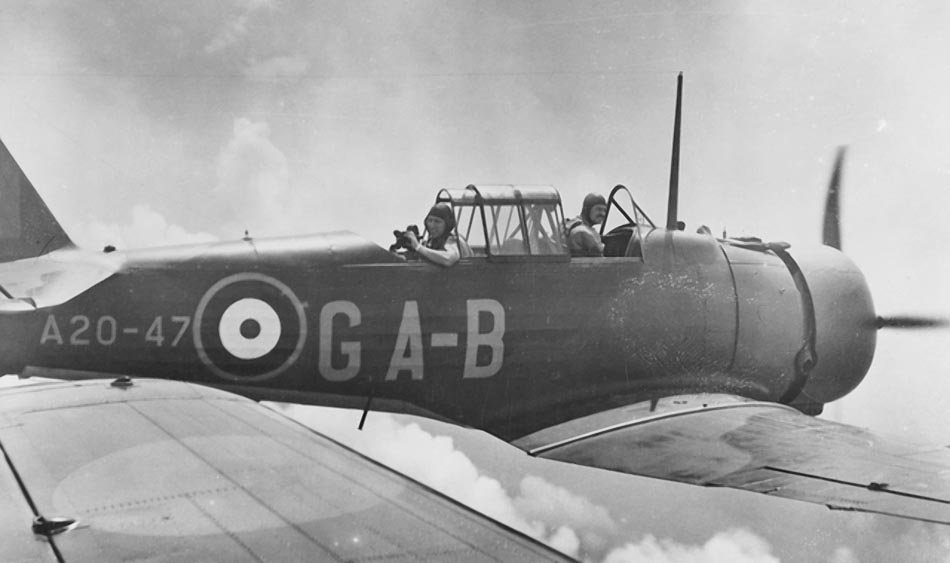 Commonwealth CA-1 Wirraway |
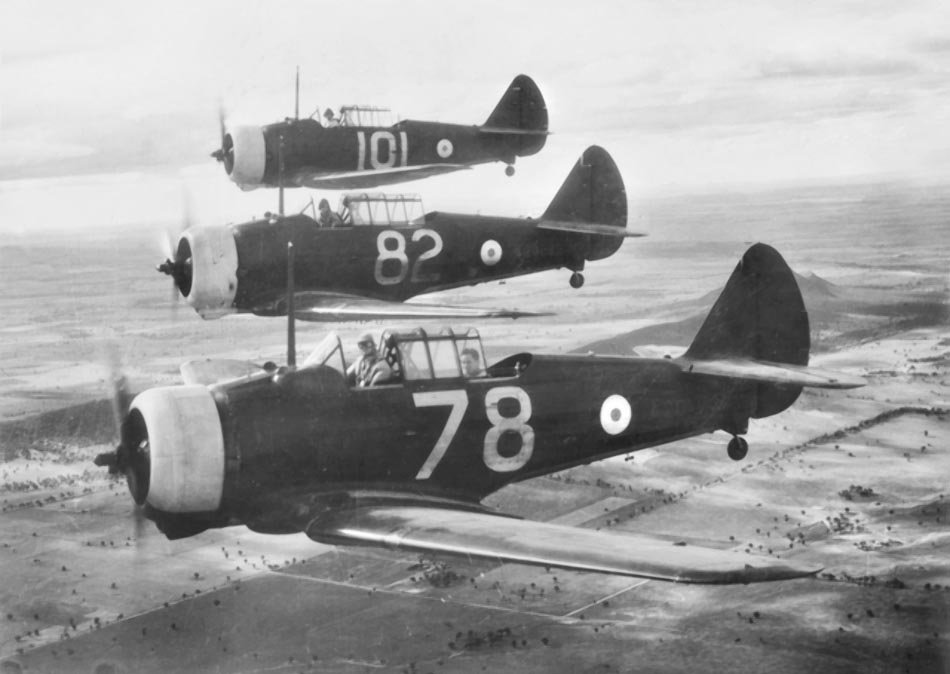 Commonwealth CA-1 Wirraway |
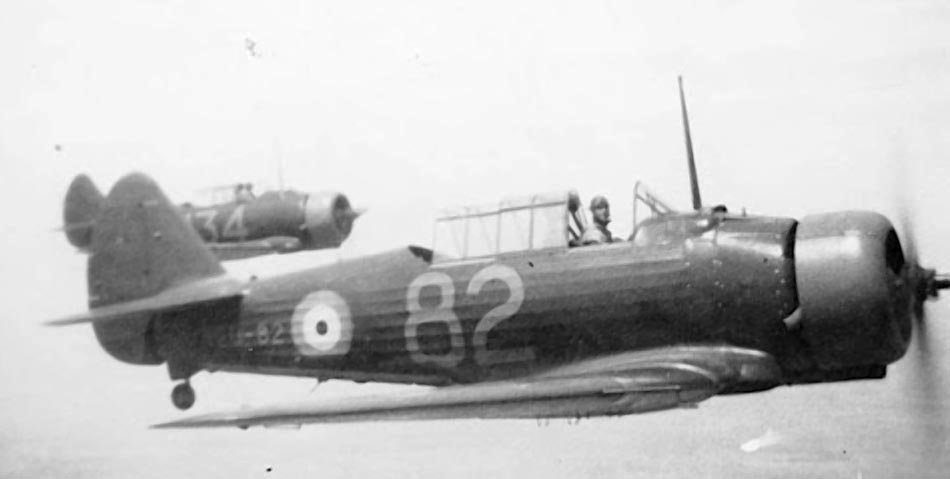 Commonwealth CA-1 Wirraway |
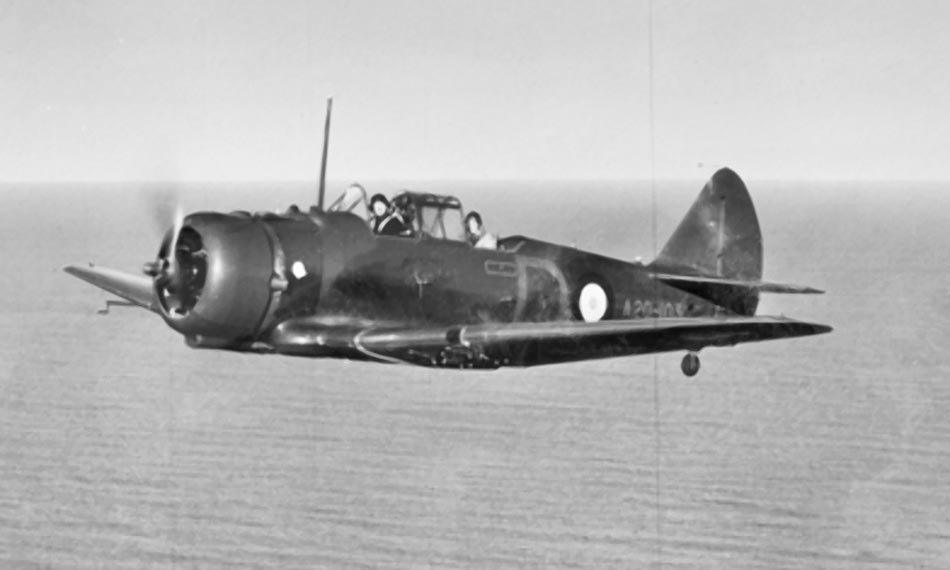 Commonwealth CA-1 Wirraway |
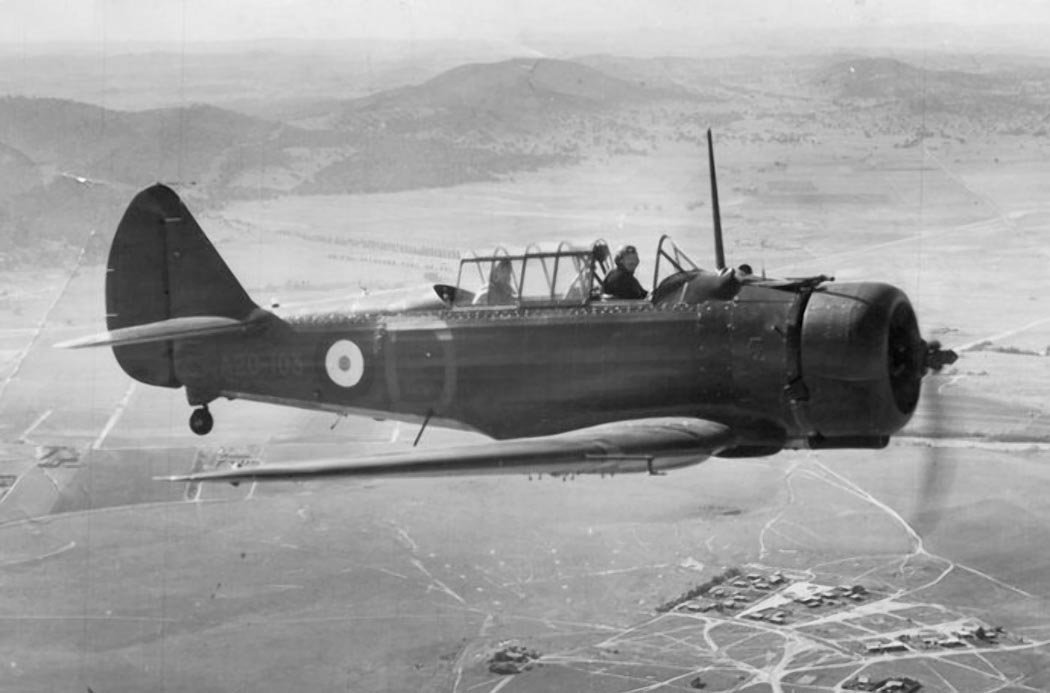 Commonwealth CA-1 Wirraway |
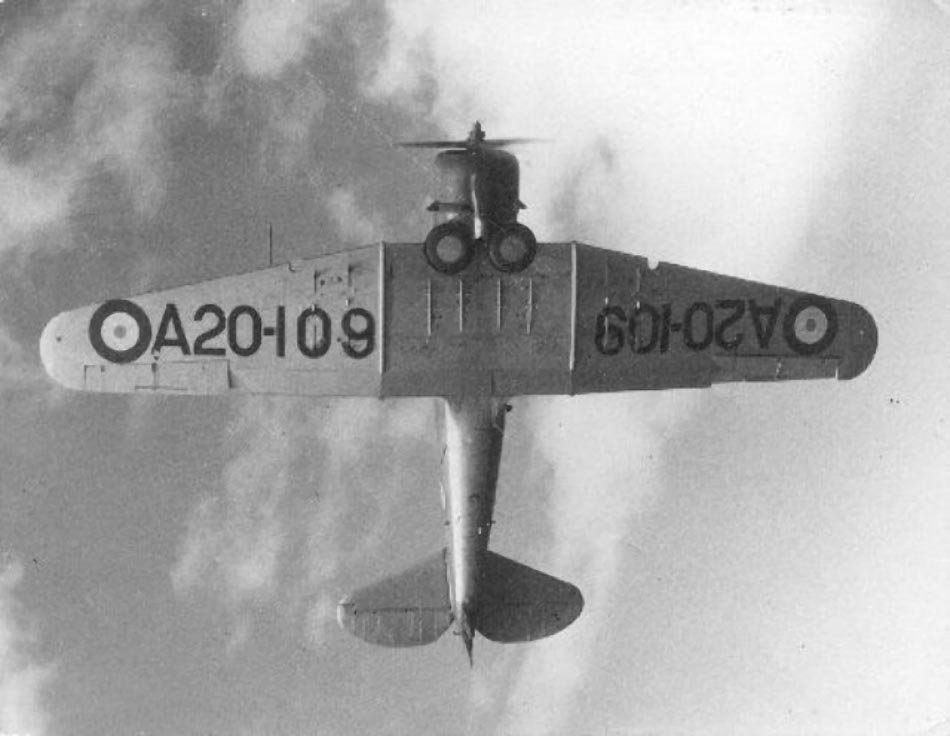 Commonwealth CA-1 Wirraway |
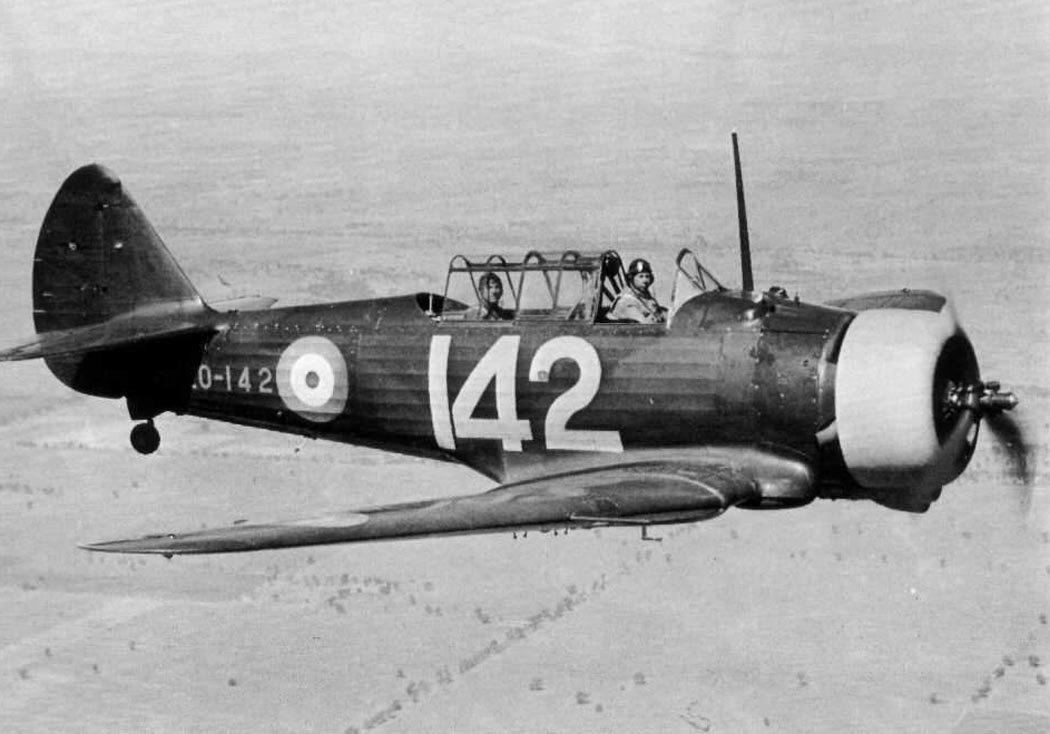 Commonwealth CA-1 Wirraway |
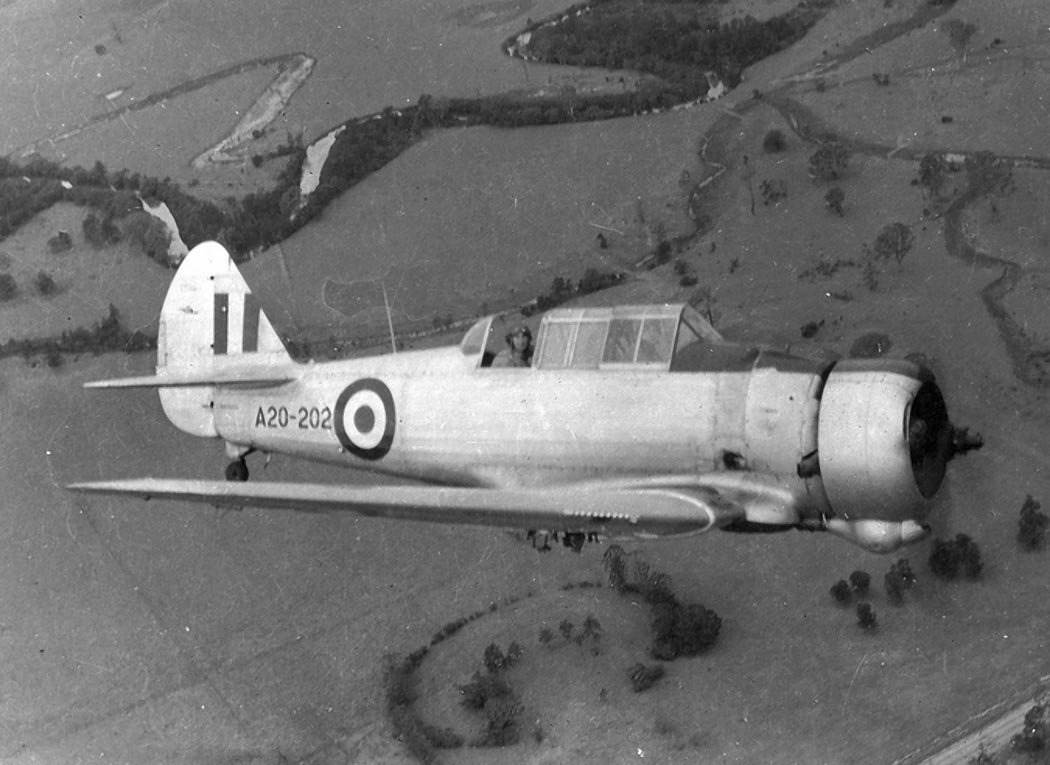 Commonwealth CA-1 Wirraway |
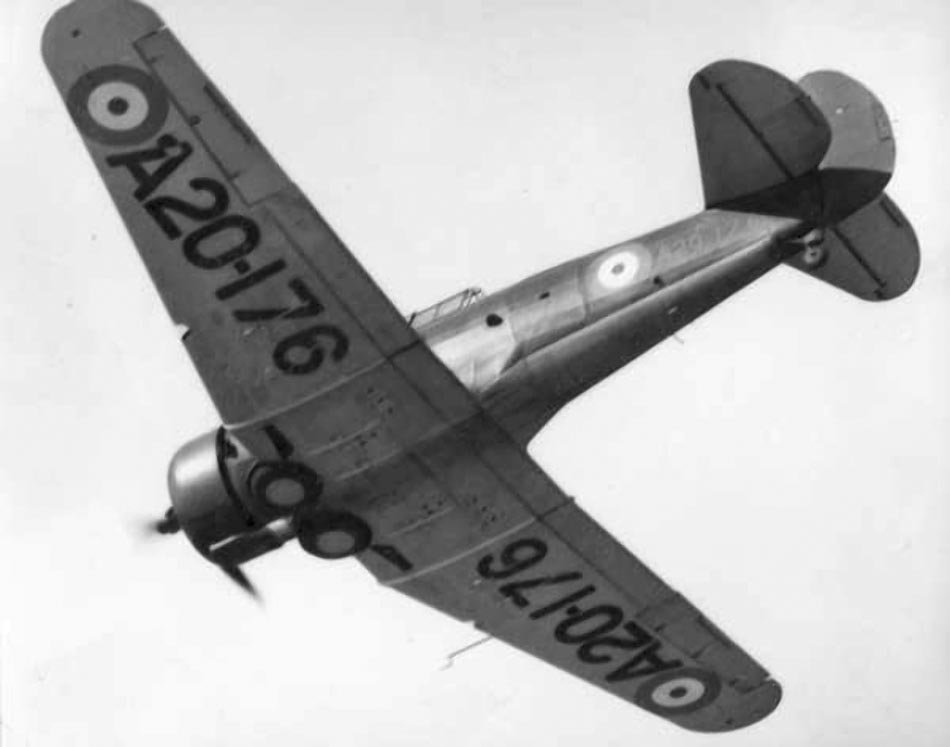 Commonwealth CA-1 Wirraway |
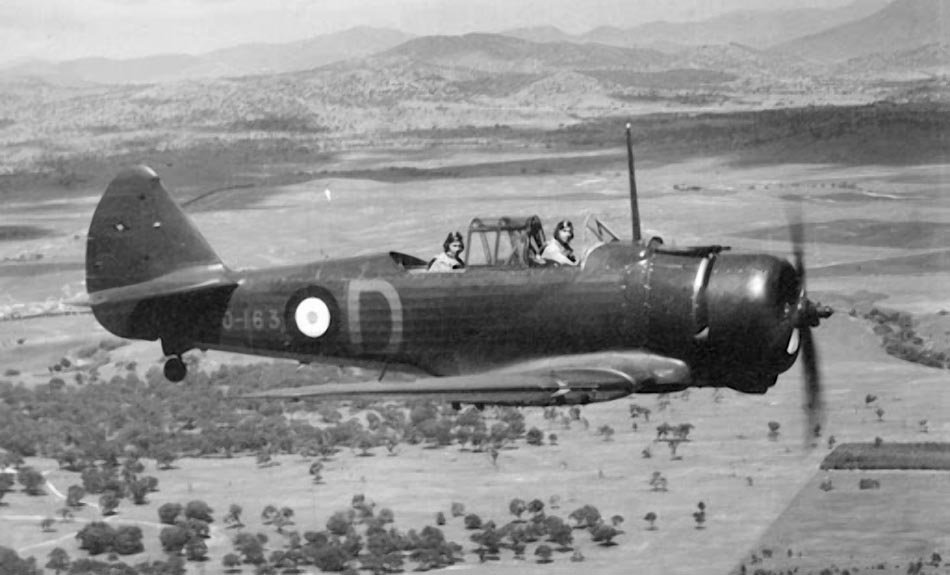 Commonwealth CA-1 Wirraway |
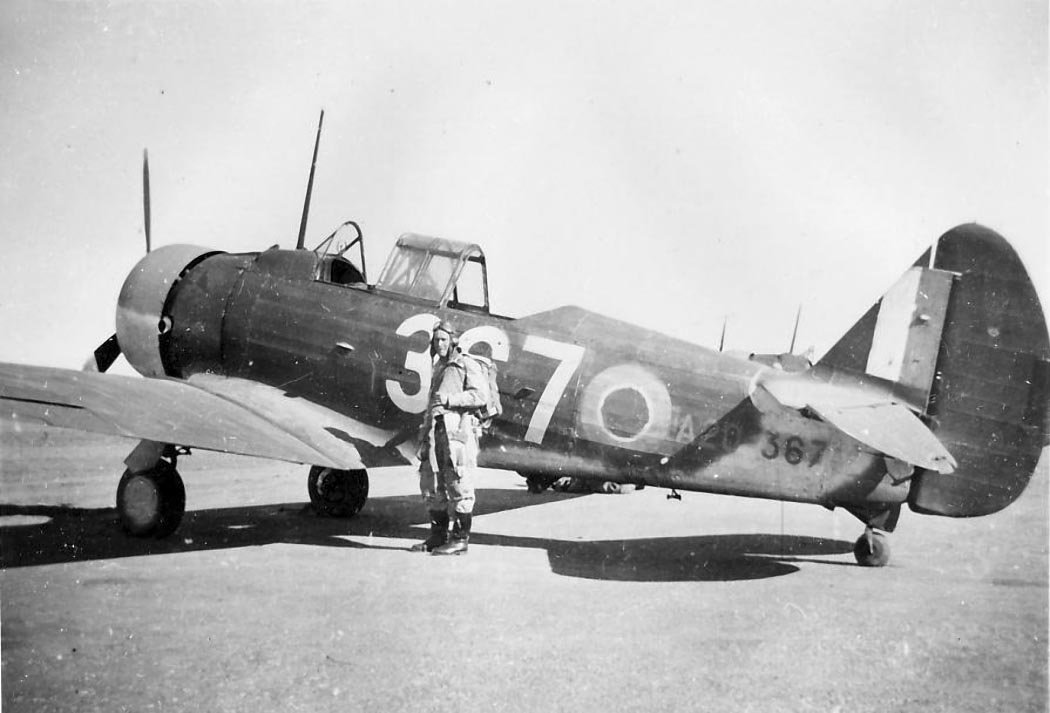 Commonwealth CA-1 Wirraway |
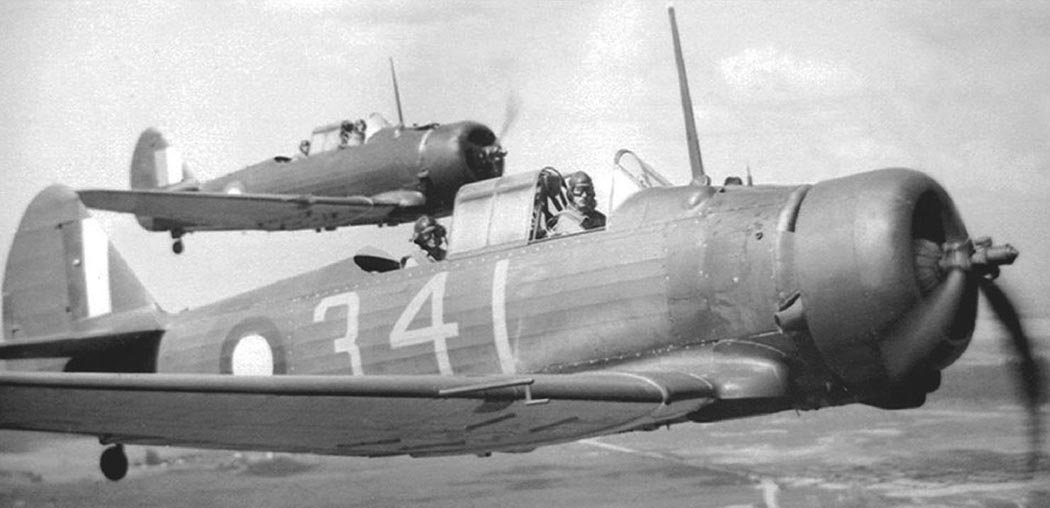 Commonwealth CA-1 Wirraway |
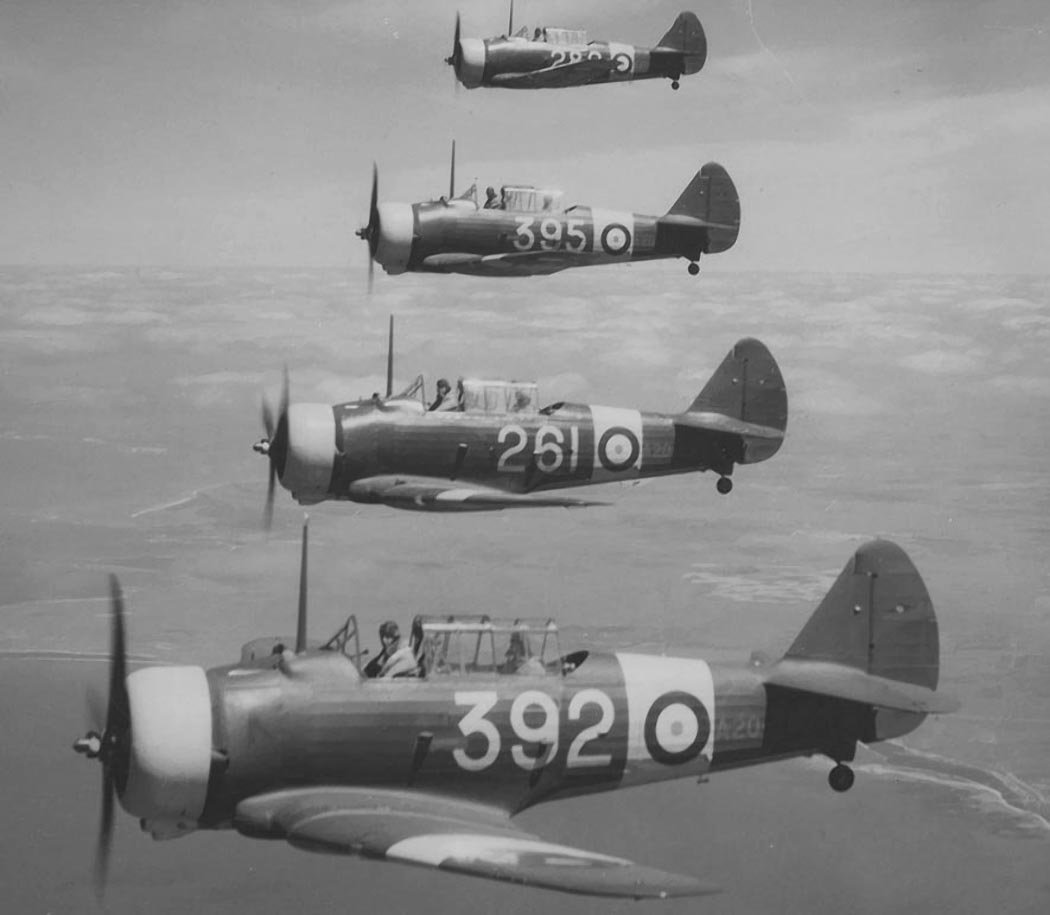 Commonwealth CA-1 Wirraway |
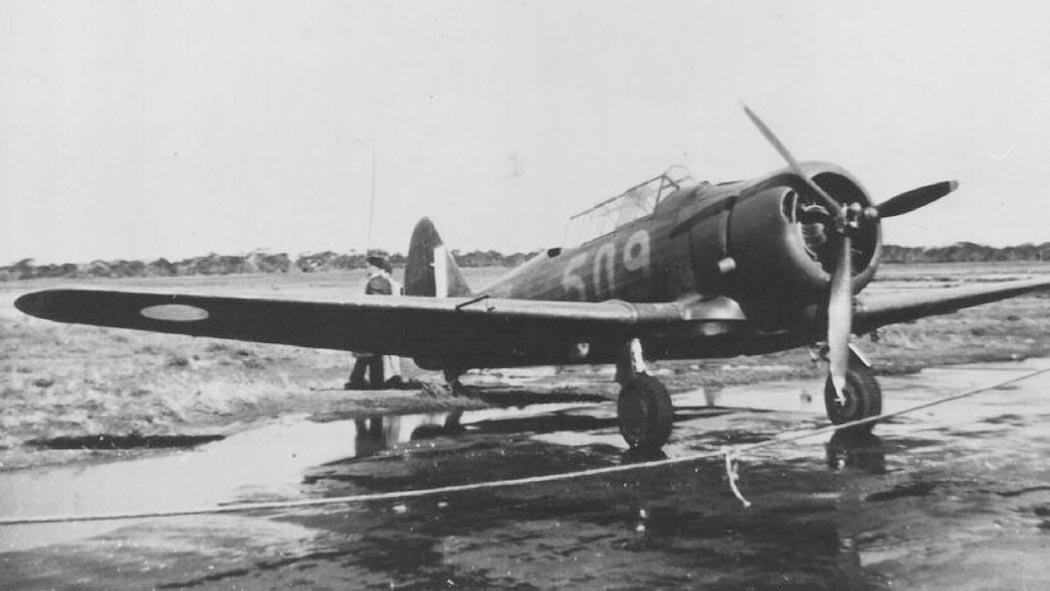 Commonwealth CA-1 Wirraway |
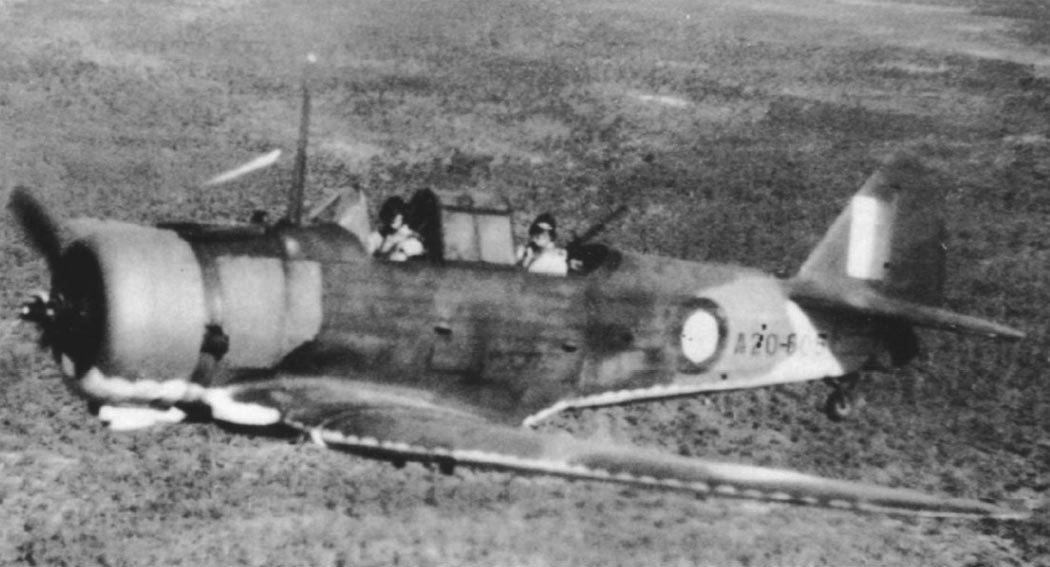 Commonwealth CA-1 Wirraway |
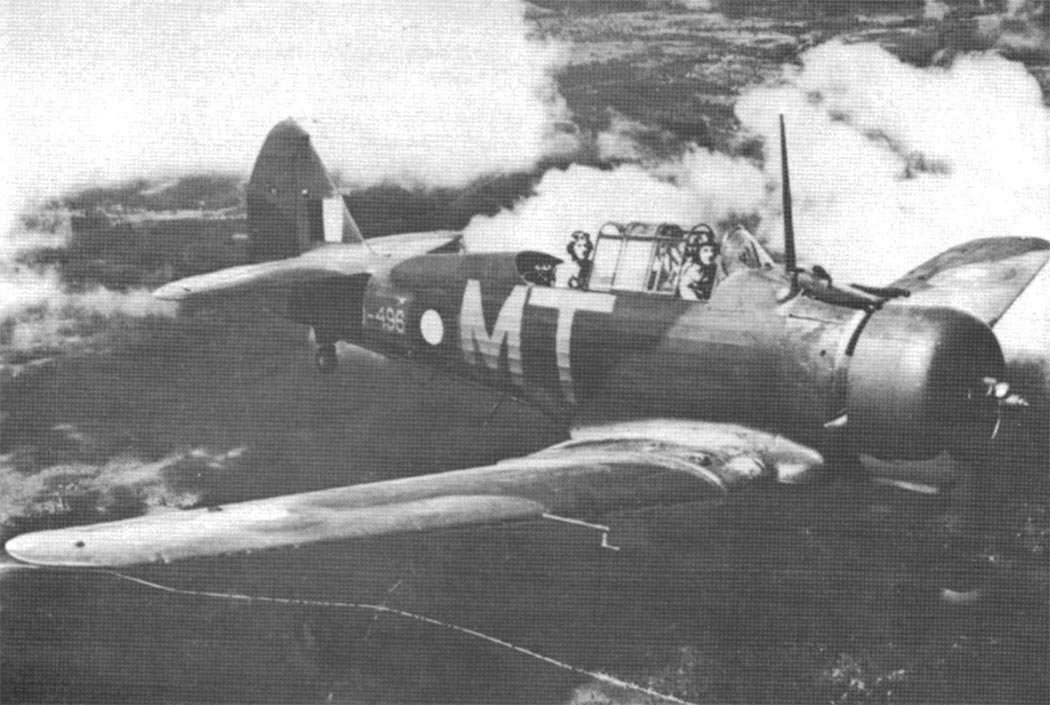 Commonwealth CA-1 Wirraway |
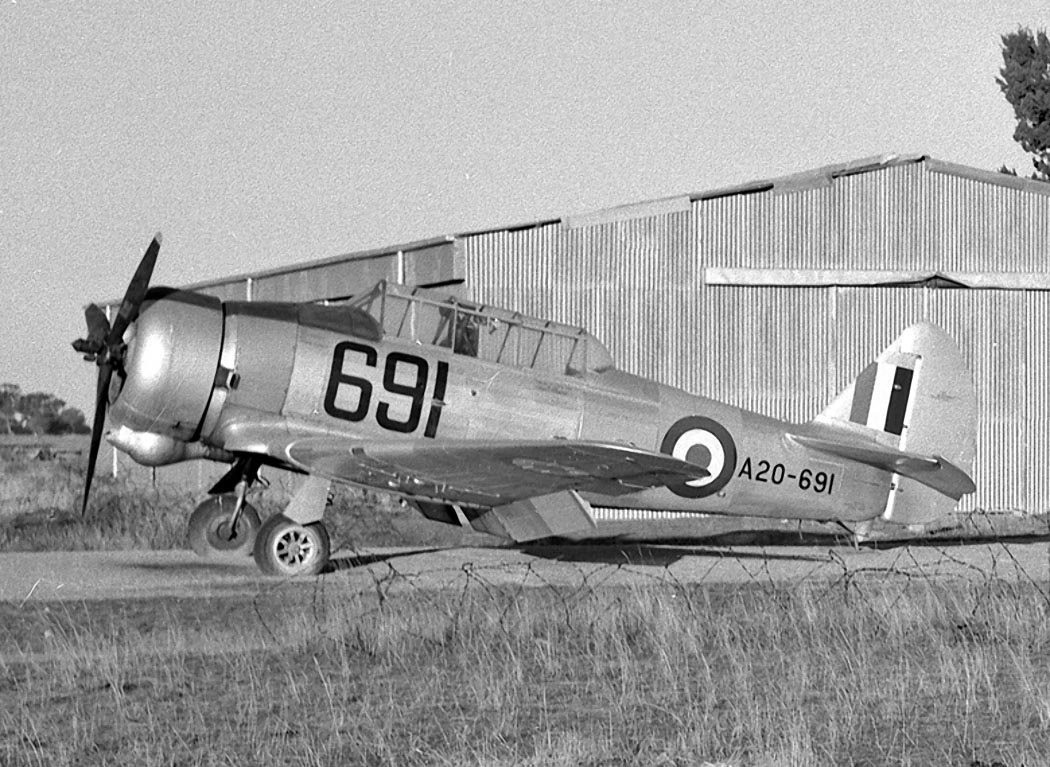 Commonwealth CA-1 Wirraway |
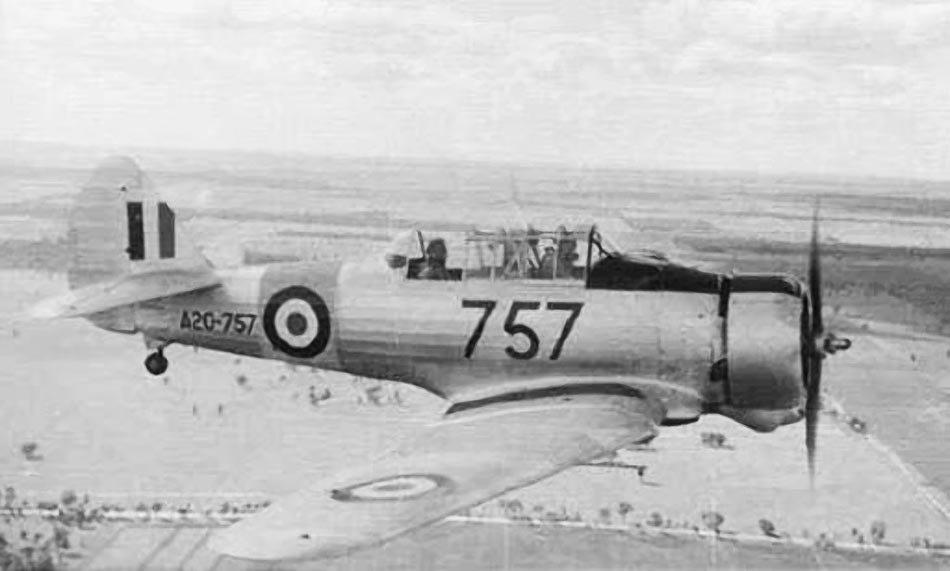 Commonwealth CA-1 Wirraway |
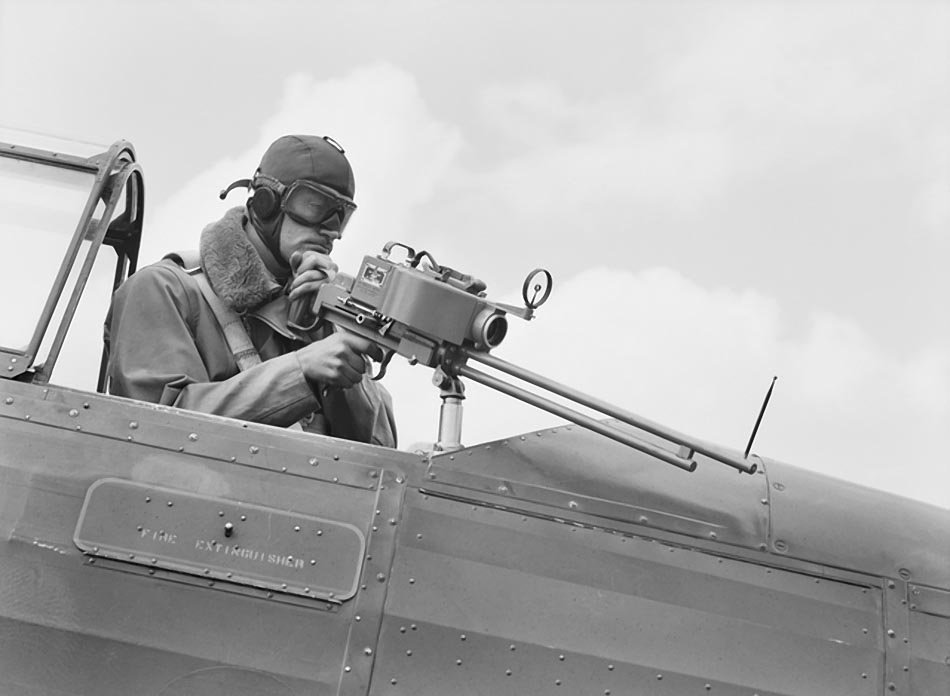 Commonwealth CA-1 Wirraway |
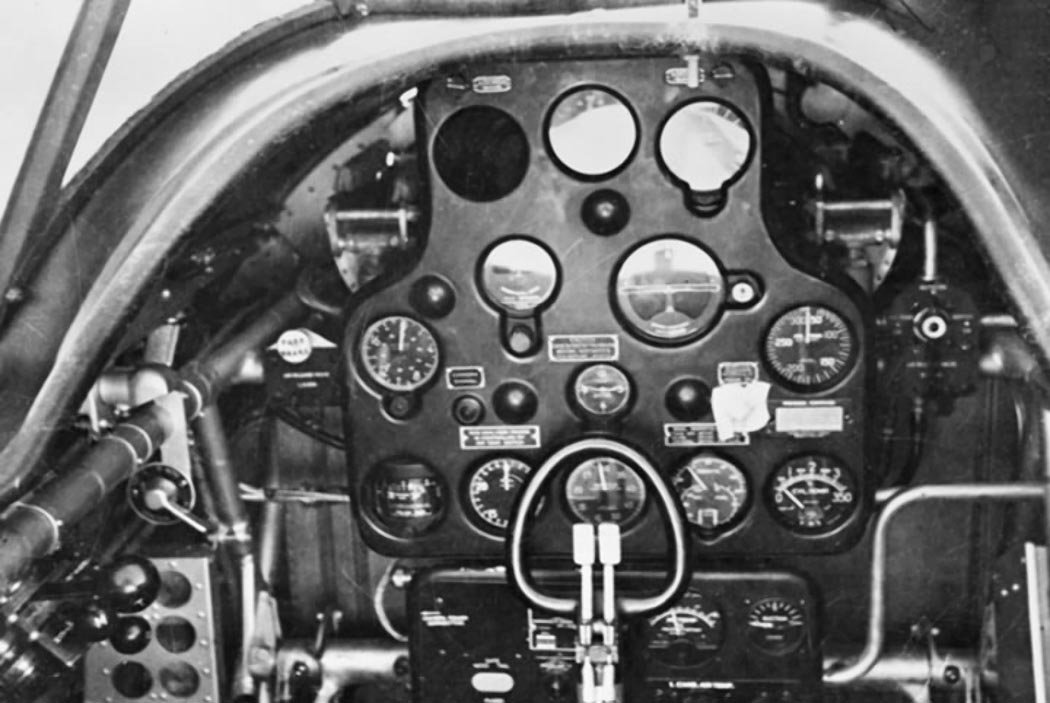 Commonwealth CA-1 Wirraway |
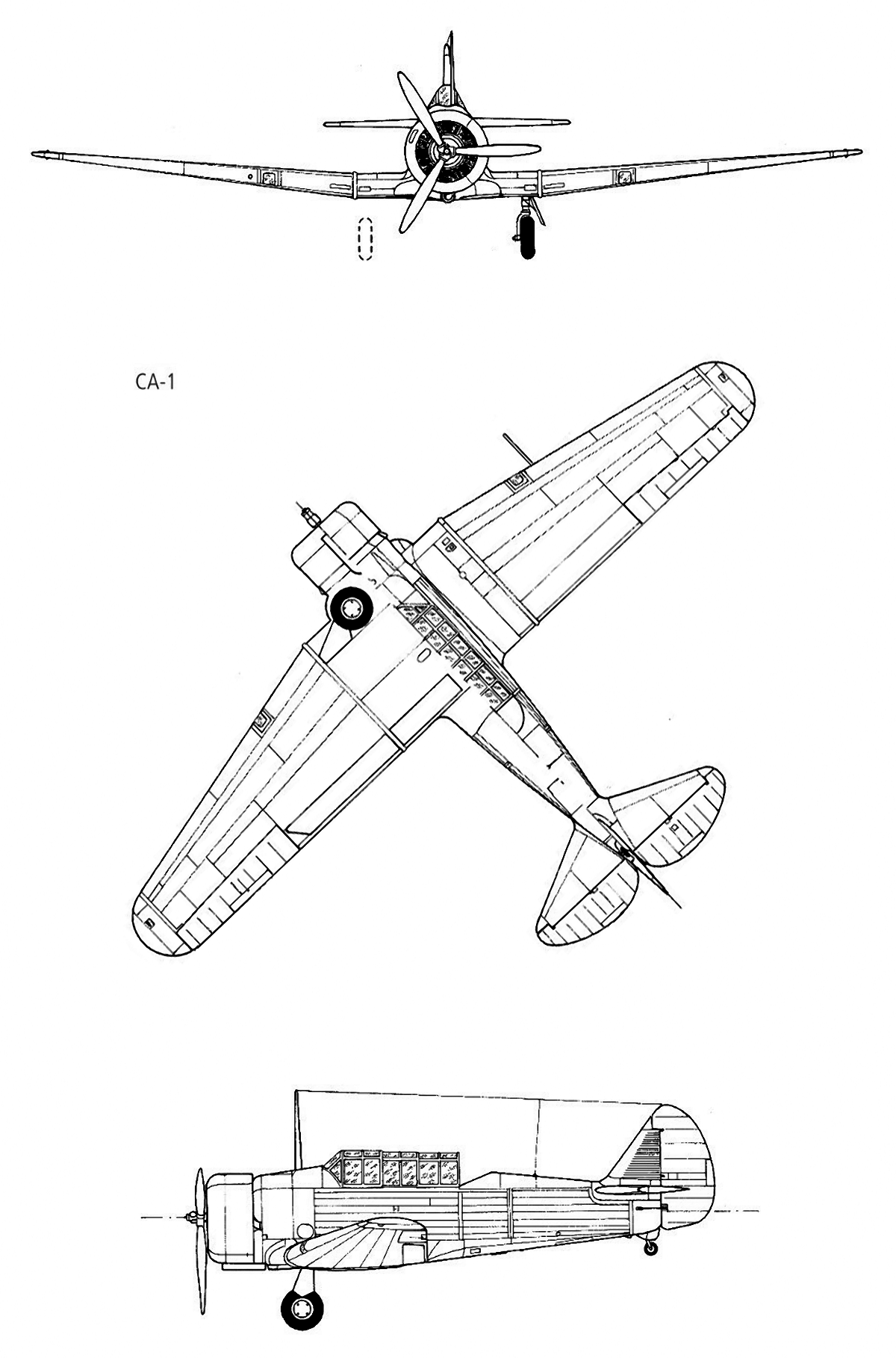 Commonwealth CA-1 Wirraway |
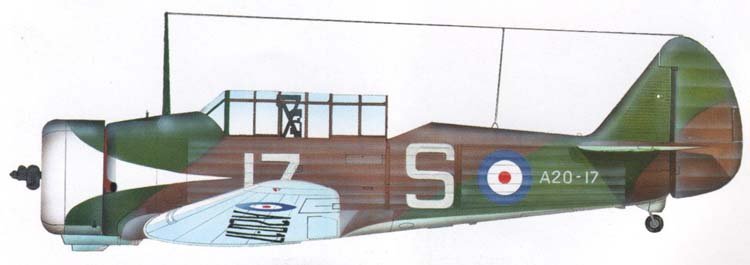 Commonwealth CA-1 Wirraway |
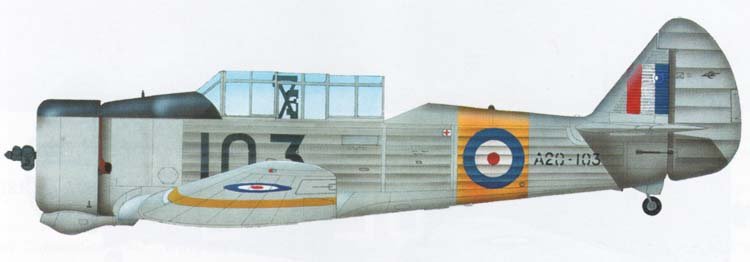 Commonwealth CA-1 Wirraway |
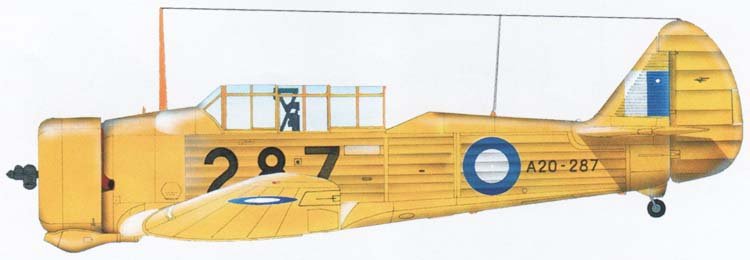 Commonwealth CA-1 Wirraway |