
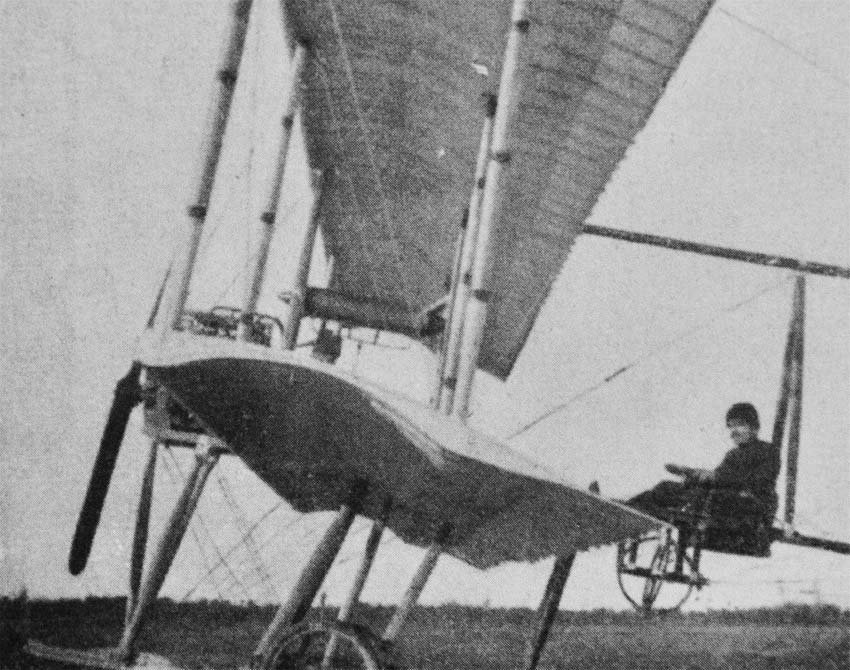
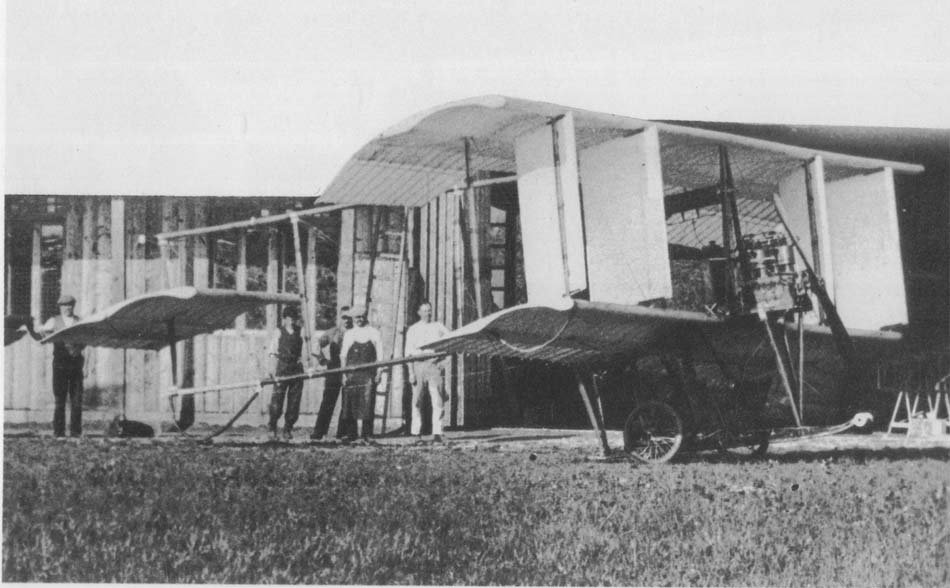
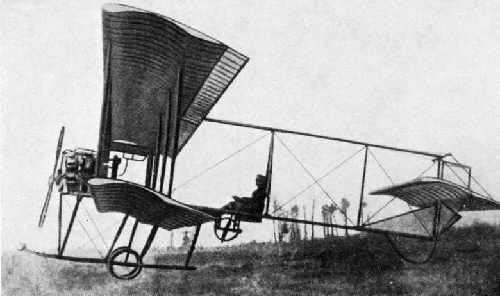
In early 1911, Italian aircraft designer Giovanni Battista Caproni developed two very similar airplanes, the Ca.5 and Ca.6. Both models utilized Henri Coandă’s double-curvature aerodynamic profile, a novel approach for aviation at the time.
Design and Collaboration
These aircraft were constructed with the assistance of engineer Agostino De Agostini at the workshops in Vizzola Ticino. Following this endeavor, Caproni’s firm changed its name to Ingg. De Agostini & Caproni Aviazione, marking this significant collaboration.
Early Flights and Legacy
During the first quarter of 1911, the airplanes conducted several test flights. However, the results were unsatisfactory, as the innovative Coandă profile proved to be much less efficient than anticipated. Despite these initial challenges, the Ca.6 stands as a testament to this pioneering era and can currently be seen at the Museo dell’Aeronautica Gianni Caproni in Trentino.
Image and diagram gallery of the Caproni Ca.5 and Ca.6
 Ca.5 (6) |
 Ca.5 (6) |
 Ca.5 (6) |
 Ca.5 (6) |
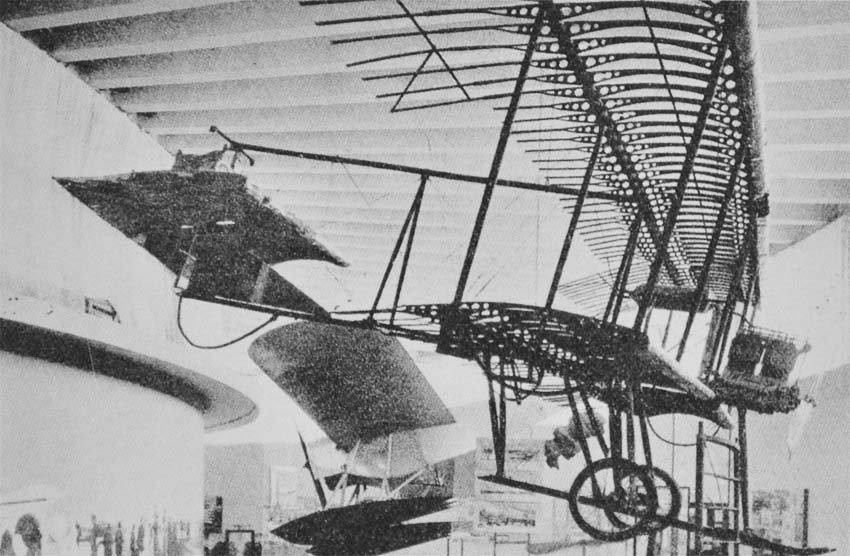 Ca.5 (6) |