
In 1923, Aeronautica Caproni released the Ca.67 night bomber. This aircraft was a modernized variant of its predecessor, the Ca.66. The most significant change involved a new powerplant configuration, consisting of two Lorraine Dietrich 12DB engines.
Each engine produced 400 hp, meaning the total engine power remained unchanged from the previous model. However, the aircraft’s structure was lightened, a crucial modification that allowed for an increased bomb load capacity.
Technical Innovations and Design
Despite the structural improvements and increased payload, the flight characteristics of the Ca.67 remained virtually the same as its predecessor. This lack of substantial performance enhancement meant the aircraft failed to attract the interest of military authorities.
Military Trials and Reception
Nevertheless, trial tests were conducted with the Ca.67. Despite these evaluations, Caproni’s night bomber did not secure the necessary contracts for mass production, leading to its limited adoption in active service.
Technical Specifications
| Modification | Ca. 67 |
| Wingspan, m | 25.00 |
| Length, m | 12.50 |
| Height, m | 5.60 |
| Wing area, m2 | 143.00 |
| Empty weight | 3300 |
| Normal takeoff weight | 5700 |
| Engine type | 2 Piston engine Lorraine Dietrich 12DB |
| Power, hp | 2 x 400 |
| Maximum speed, km/h | 180 |
| Cruising speed, km/h | 155 |
| Flight endurance, h | 4 |
| Rate of climb, m/min | 200 |
| Service ceiling, m | 5500 |
| Crew, crew members | 4 |
| Armament | four 7.7-mm machine guns, bomb load up to 1200 kg |
Image and diagram gallery of the Ca.67
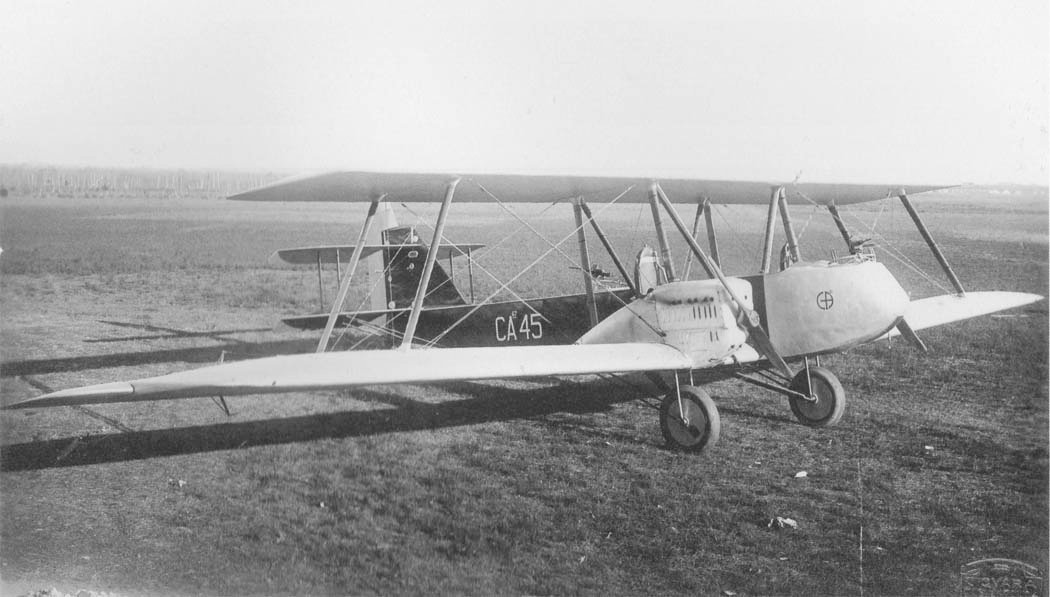 Ca.67 |