
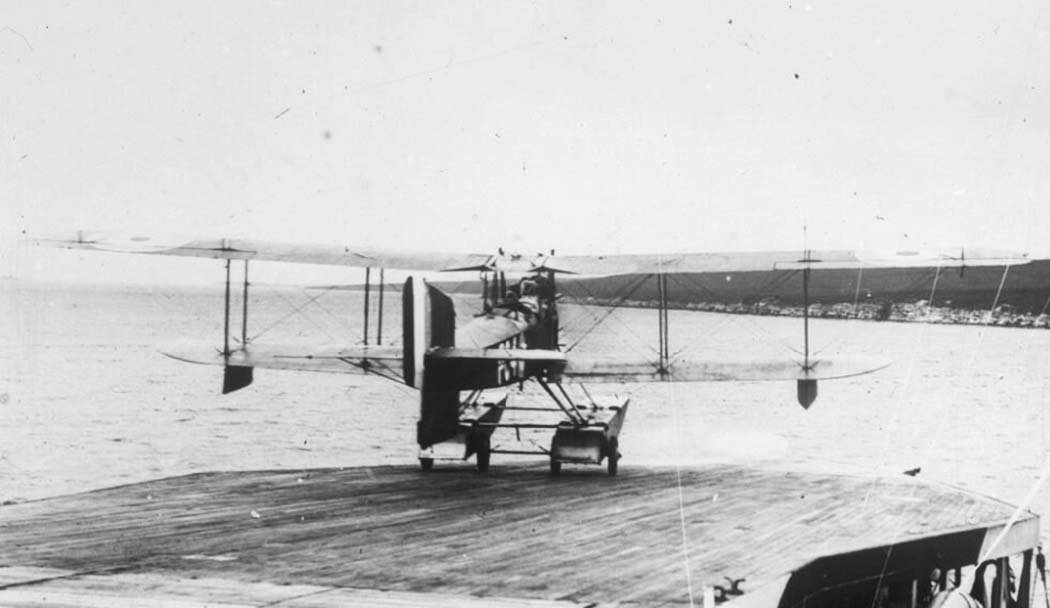
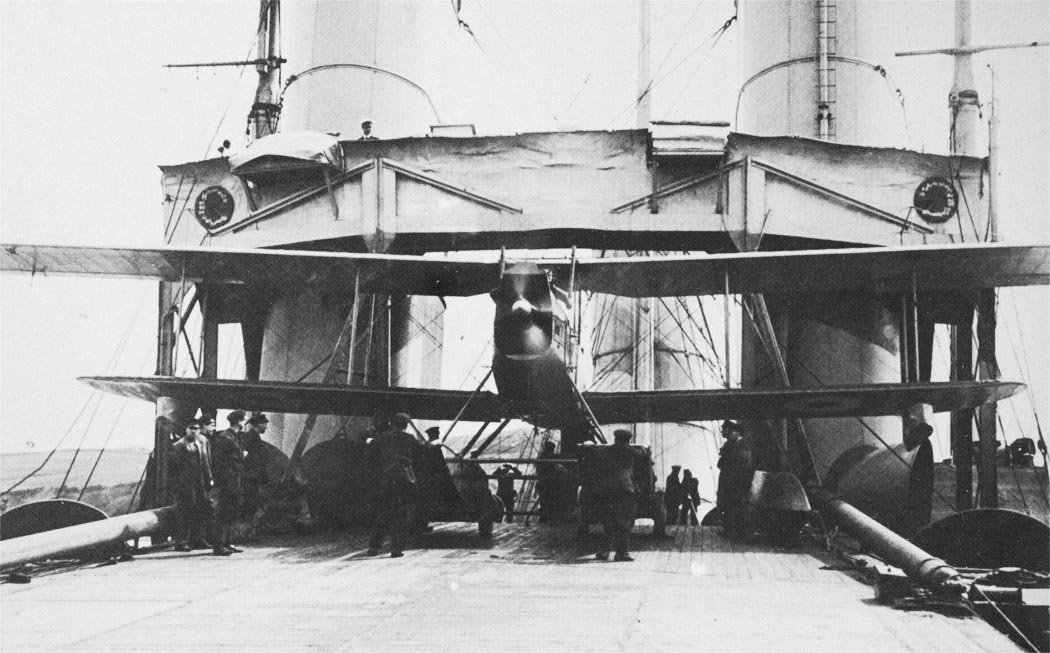
In October 1914, the British Admiralty acquired the 20,000-ton liner “Campania” from the Cunard Steamship Line Shipping Company. The intention was to convert it into an aircraft transport with a flight deck measuring 36.6 meters long. Seaplanes were designed to take off from the deck using a two-wheeled jettisonable trolley, landing on the water, after which they were hoisted back onto the ship using a crane.
Initial trials, which involved a Sopwith Schneider aircraft, demonstrated the necessity of extending the flight deck to accommodate larger seaplanes. After the deck was lengthened by an additional 24.4 meters, the ship was accepted into active service with the British fleet in April 1916. For deployment on the “Campania”, the British Admiralty decided to acquire ten twin-float seaplanes from the Fairey company. This aircraft subsequently became known as the Fairey Campania.
The first prototype of this two-bay biplane, designated F.16 Campania and equipped with a 250 hp (186 kW) Rolls-Royce Mk IV (later Eagle IV) engine, made its maiden flight on February 16, 1917. The second prototype, the F.17 Campania, took to the air in June of the same year, already featuring an Eagle V engine. A total of 62 aircraft were assembled, with Fairey building 50 and the remainder produced under subcontract by Barclay, Curie & Co. (Clydeside).
Design and Construction
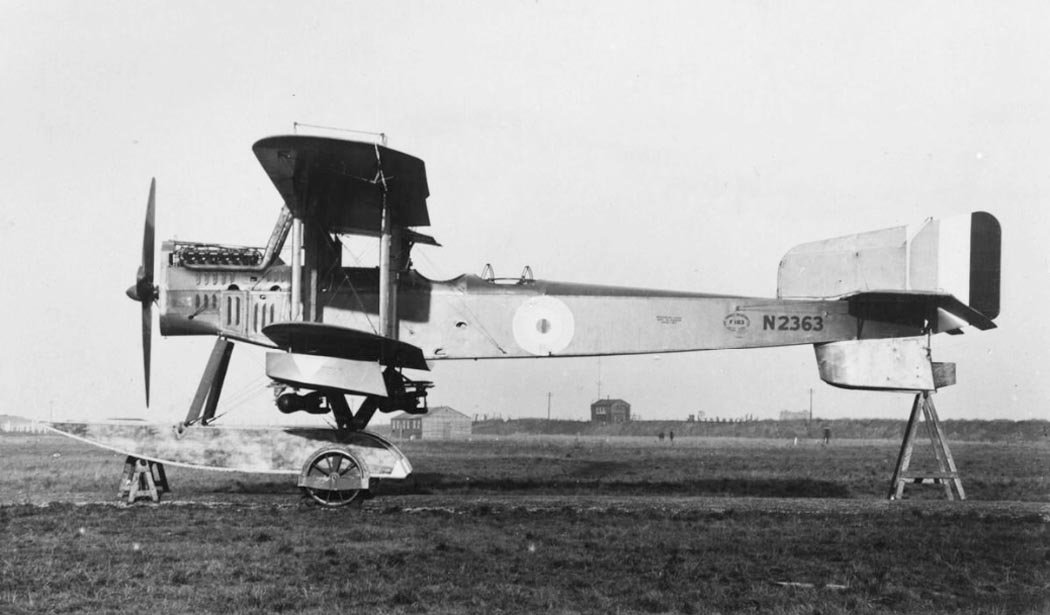
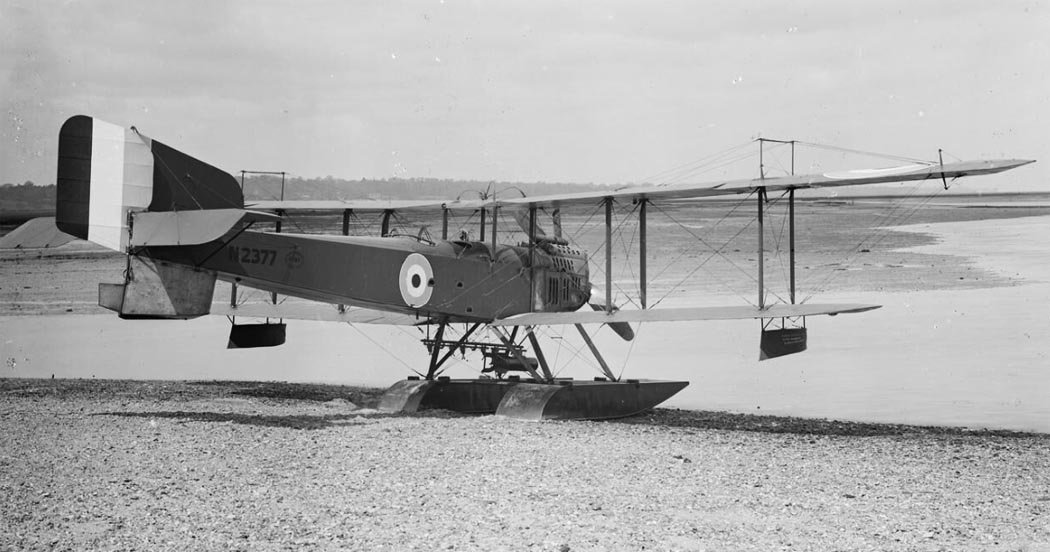
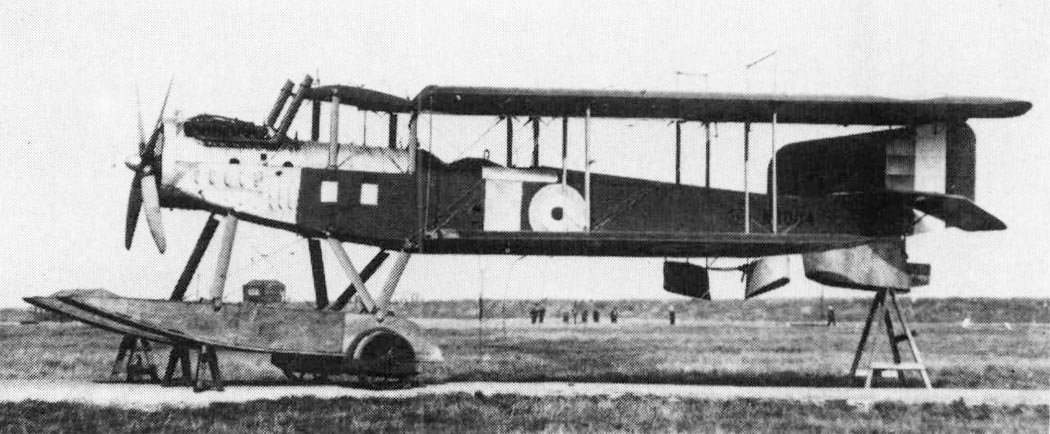
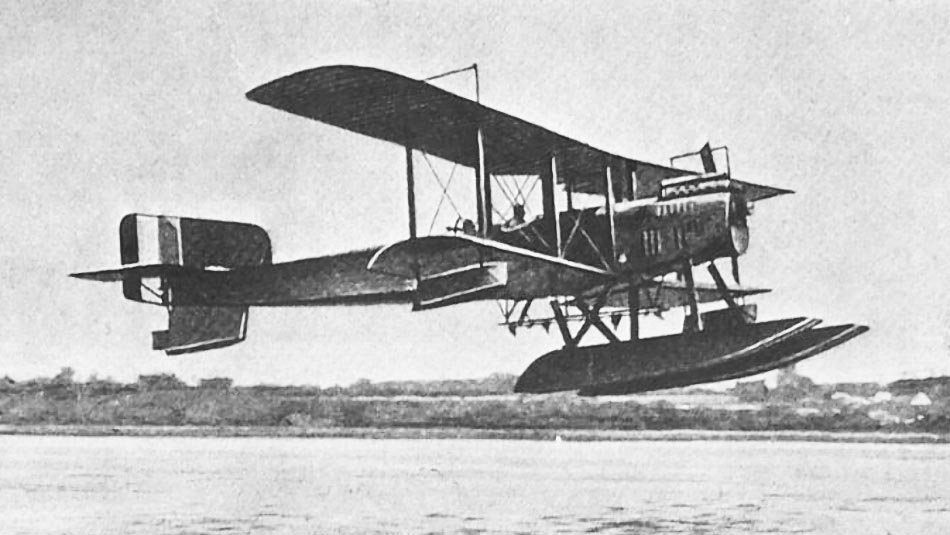
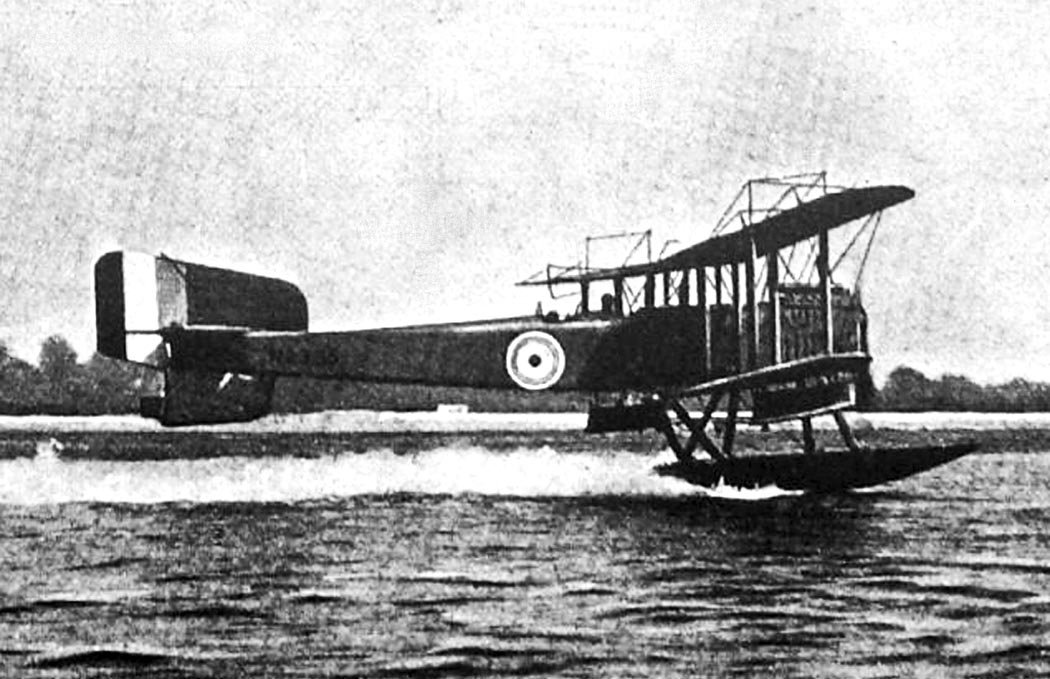
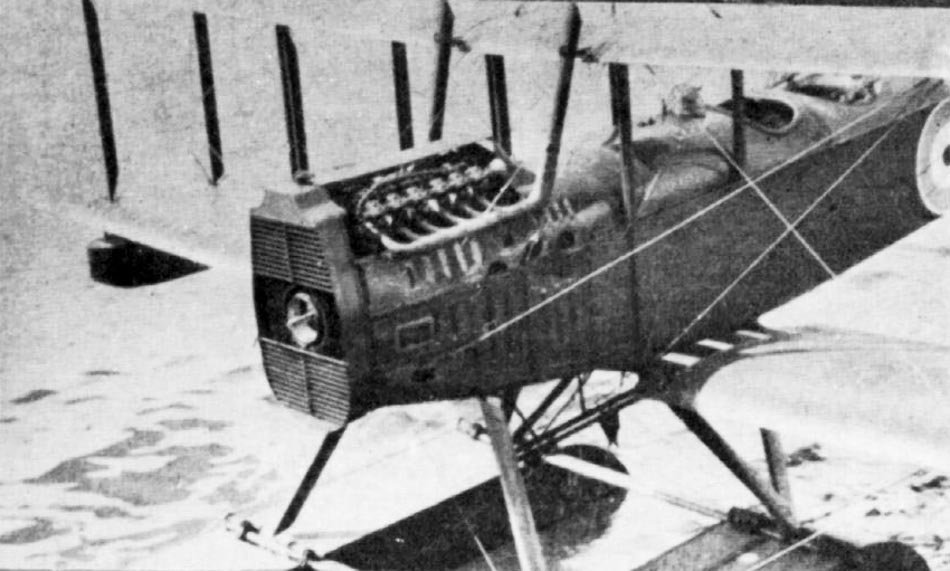
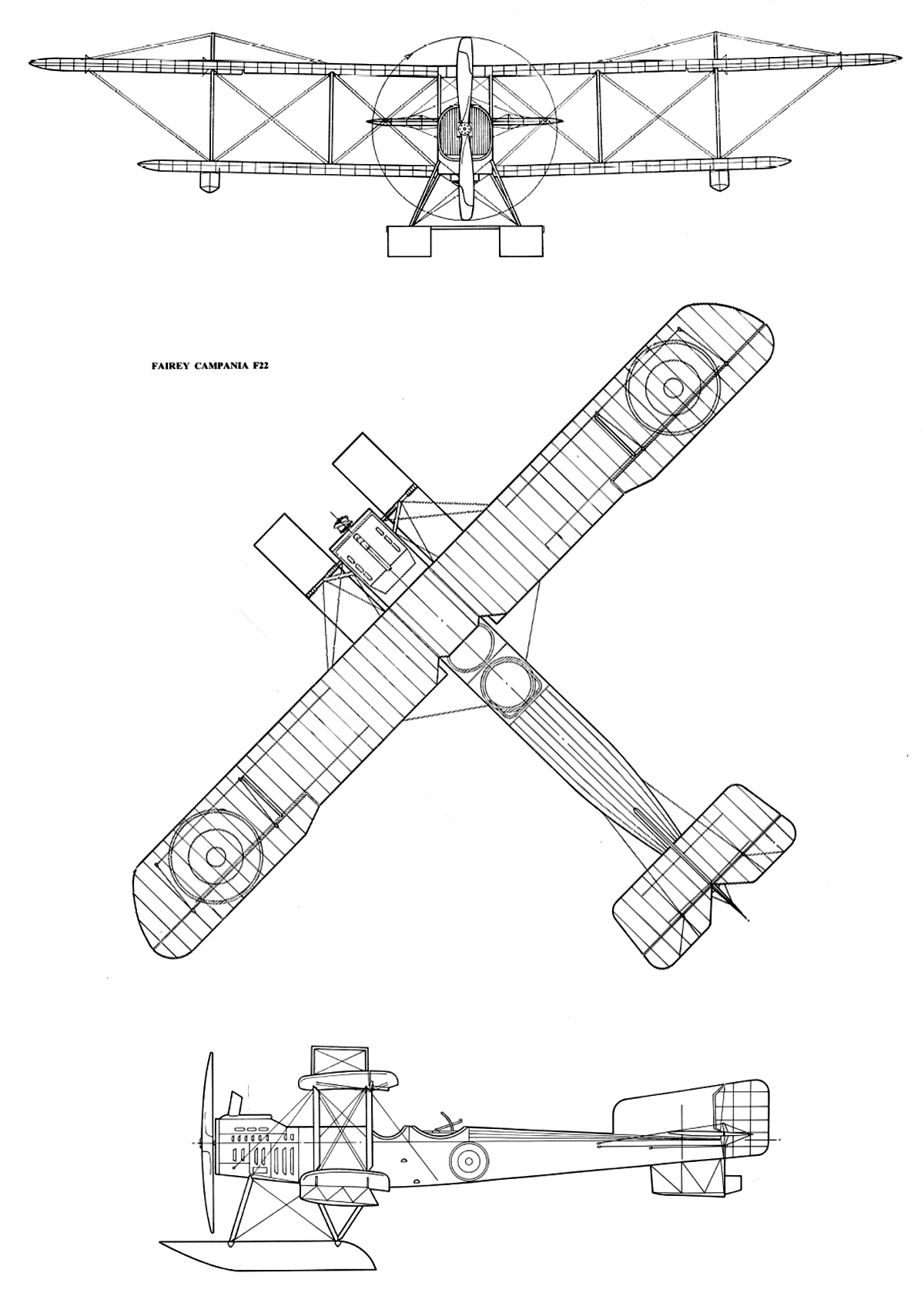
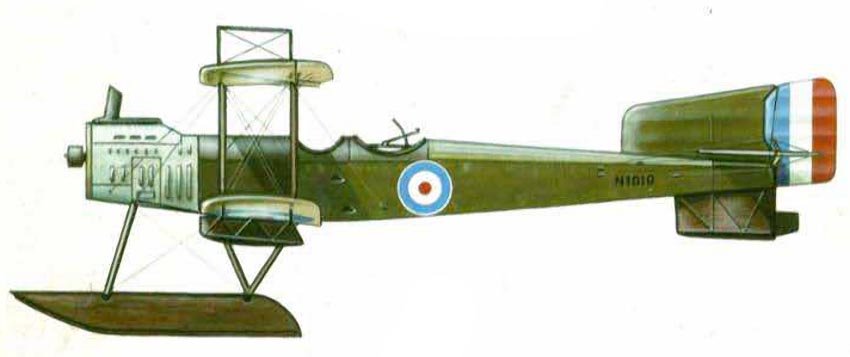
The aircraft featured a standard construction for its era, with a rectangular fuselage built from wooden stringers and frames, covered in fabric. The engine frame and the panels of the fuselage’s nose section were made of metal. It could be fitted with either a frontal radiator or two side radiators, depending on the engine.
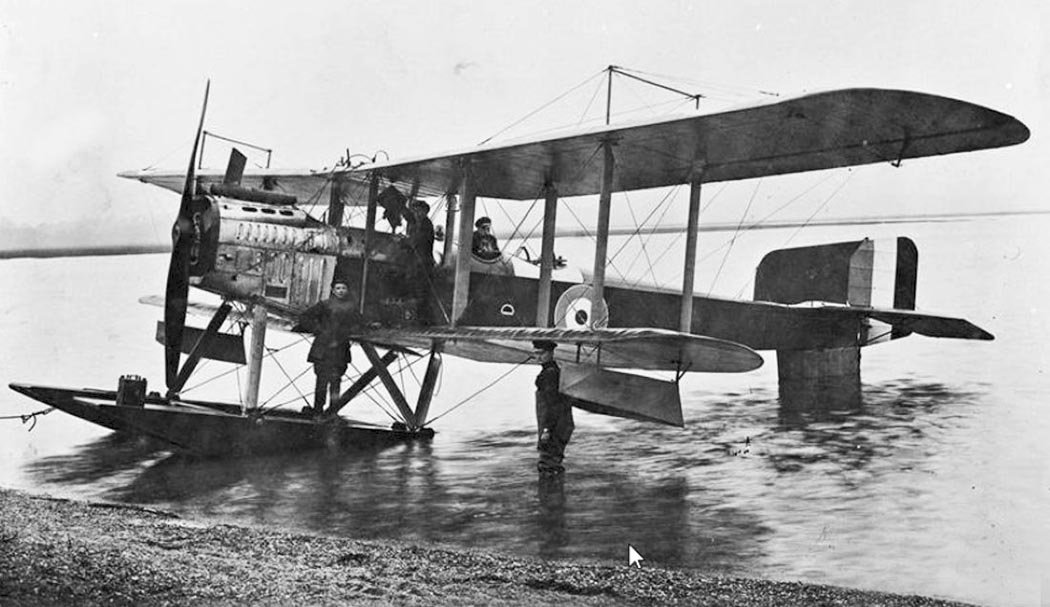
Various engines were installed, including the Rolls-Royce Eagle VIII (360 hp) or the Sunbeam Maori II (250 hp). Fuel and oil tanks were located behind the engine, followed by the pilot’s and observer-gunner’s cockpits. The wing, of two-spar, all-wood construction, was also covered in fabric.
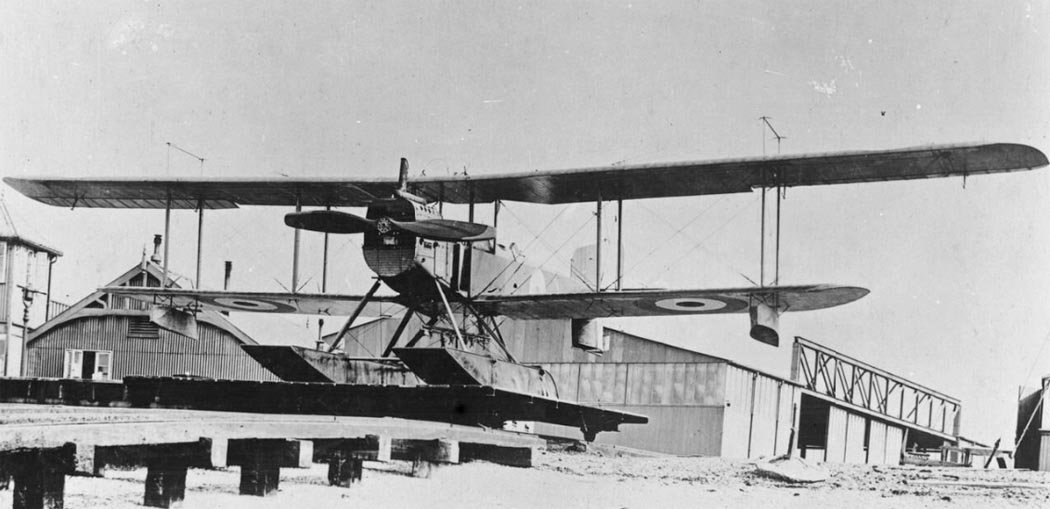
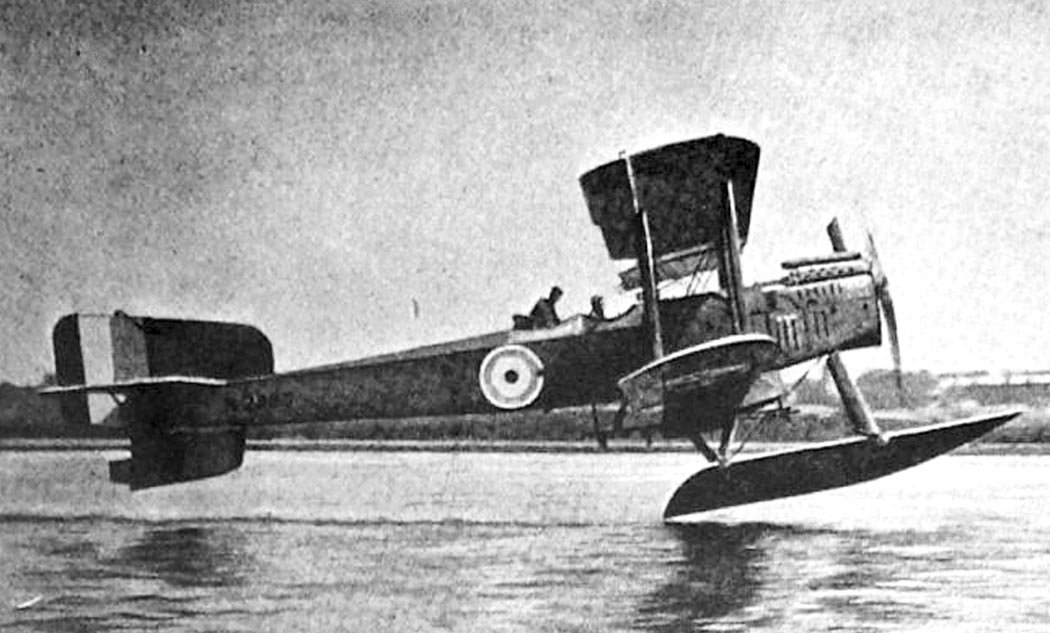
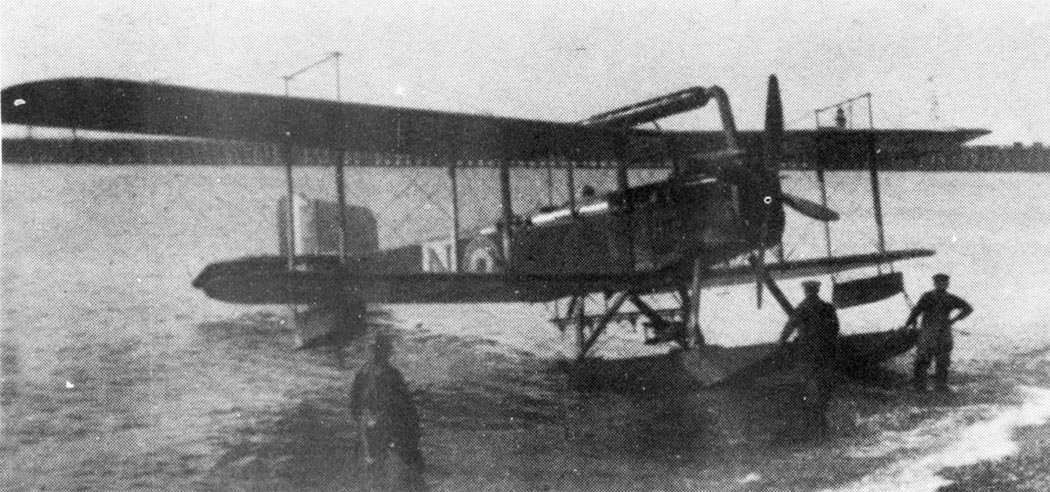
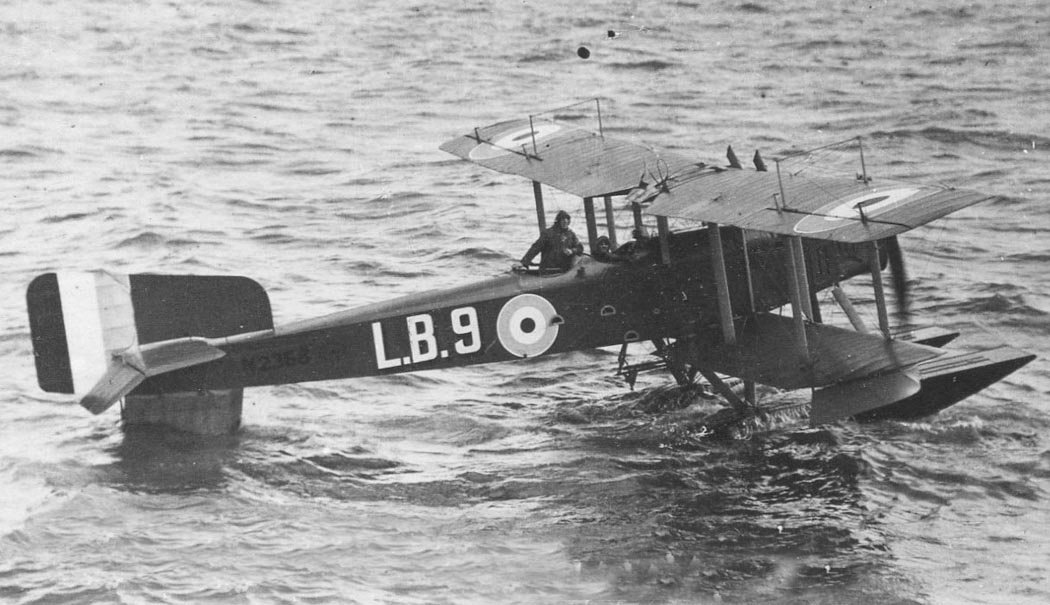
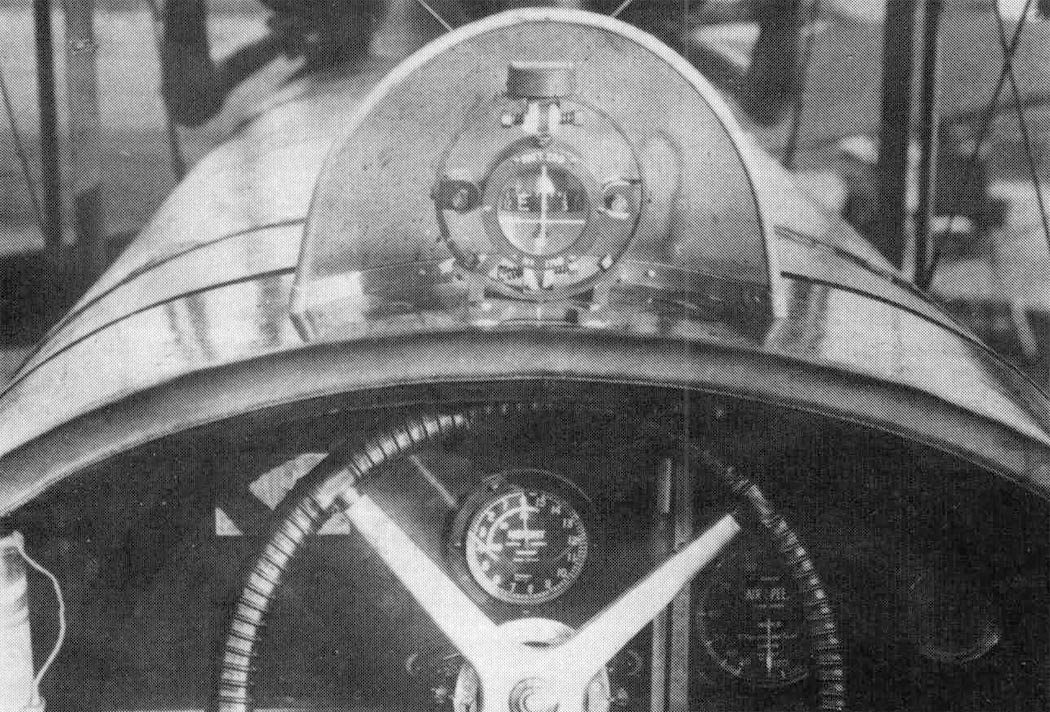
To ensure rigidity, the upper wing featured bracing wires. The struts consisted of steel tubes within wooden fairings, while the bracing was made of profiled steel ribbons. The conventional tail unit, with a fin and a ground-adjustable stabilizer, was secured by a system of struts and bracing wires. Control of the rudders and ailerons (only on the upper wing) was achieved via cables, operated from the control wheel and pedals. Pontoon-type wooden floats were attached to the fuselage by six metal struts, with wooden tail and underwing floats mounted flush with the wing.
Armament and Variants
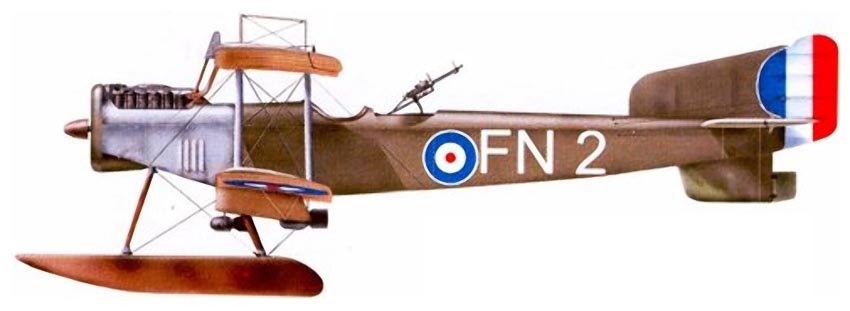
Armament consisted of one to two 7.62-mm Lewis machine guns on a turret and two 30-kg bombs under the wing. Overall, it proved to be a reliable reconnaissance and patrol aircraft. In late 1917, the company developed a lighter, smaller variant, the F.127, for experiments with shipborne catapults.
Engine Variations and Operational Service
By the time the Campania entered serial production, high demand for Rolls-Royce engines led to an alternative choice for some aircraft: the 260 hp (194 kW) Sunbeam Maori II engine. This necessitated several design changes to the cooling and exhaust systems. Maori engines were installed on 25 F.22 Campania aircraft built by Fairey.
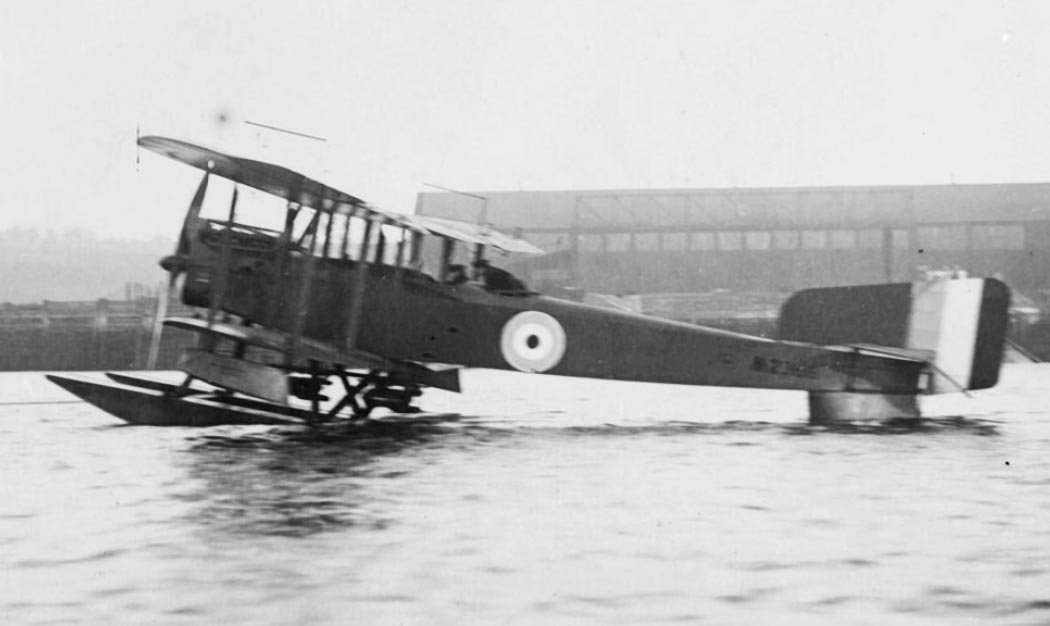
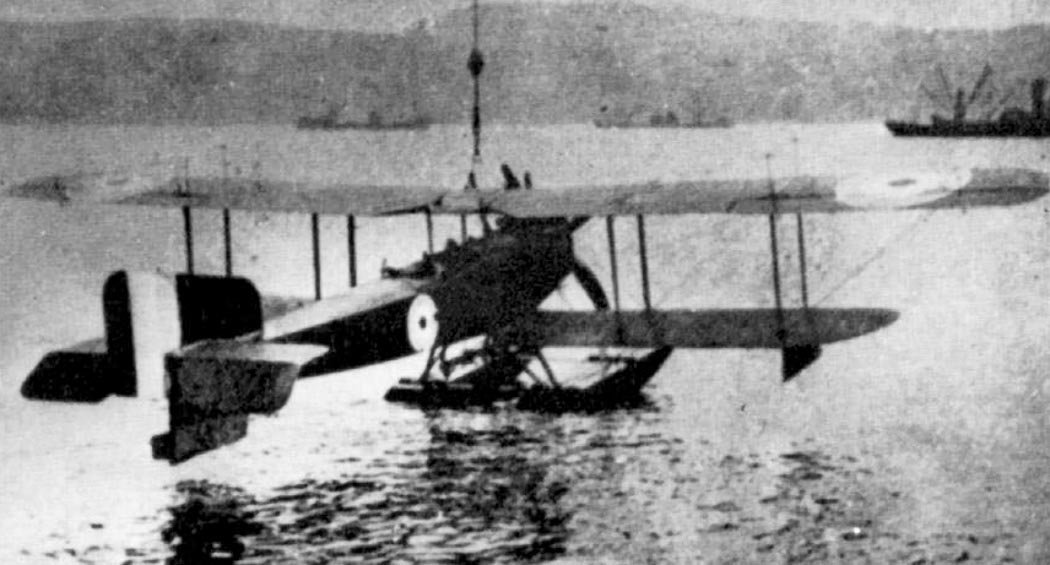
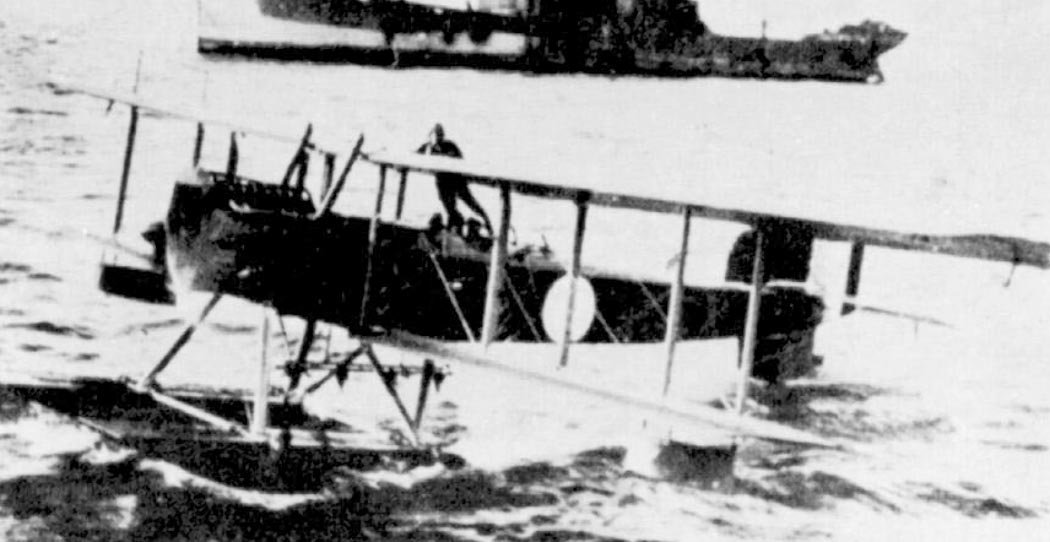
These machines operated from coastal airfields. In addition to the aircraft transport “Campania”, Fairey Campania aircraft were operated from the aircraft carriers “Nairana” and “Pegasus”, and were also part of the British expeditionary force operating in Arkhangelsk (Russia) in 1919. Some aircraft were later equipped with 345 hp (257 kW) Eagle VIII engines or 325 hp (242 kW) Eagle VII engines, which, despite their increased power, did not provide significant improvements to the aircraft’s flight characteristics.
Technical Specifications
| Modification | Campania |
| Wingspan, m | 18.77 |
| Length, m | 13.12 |
| Height, m | 4.60 |
| Wing area, m2 | 58.30 |
| Empty weight | 1660 |
| Maximum takeoff weight | 2420 |
| Engine type | 1 Piston engine Sunbeam Maori II |
| Power, hp | 1 x 250 |
| Maximum speed, km/h | 137 |
| Cruising speed, km/h | 114 |
| Practical range, km | 450 |
| Practical ceiling, m | 1500 |
| Crew | 2 |
| Armament | One or two 7.62-mm Lewis machine guns on a turret and two 30-kg bombs under the wing |
Image and diagram gallery of the Fairey Campania
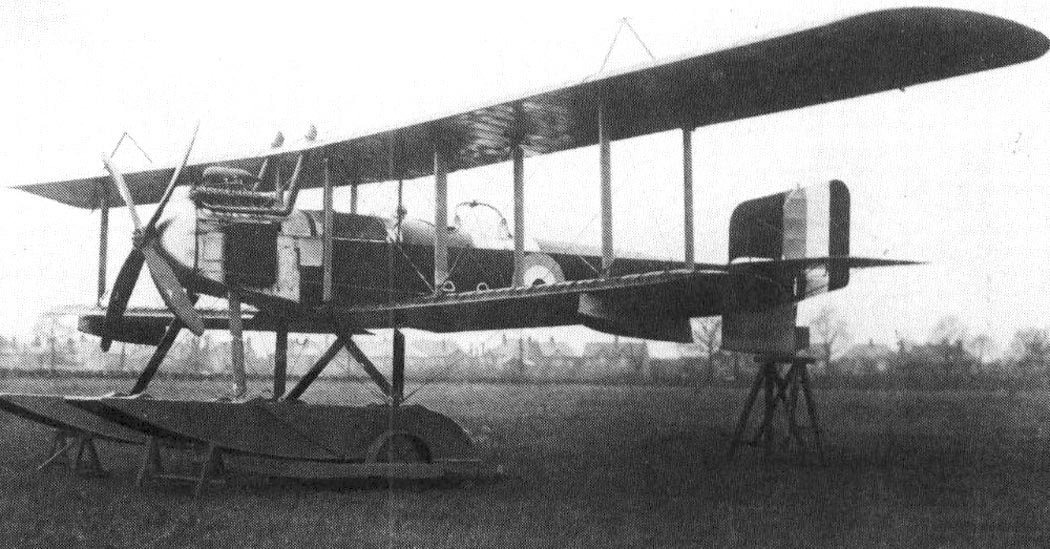 Campania |
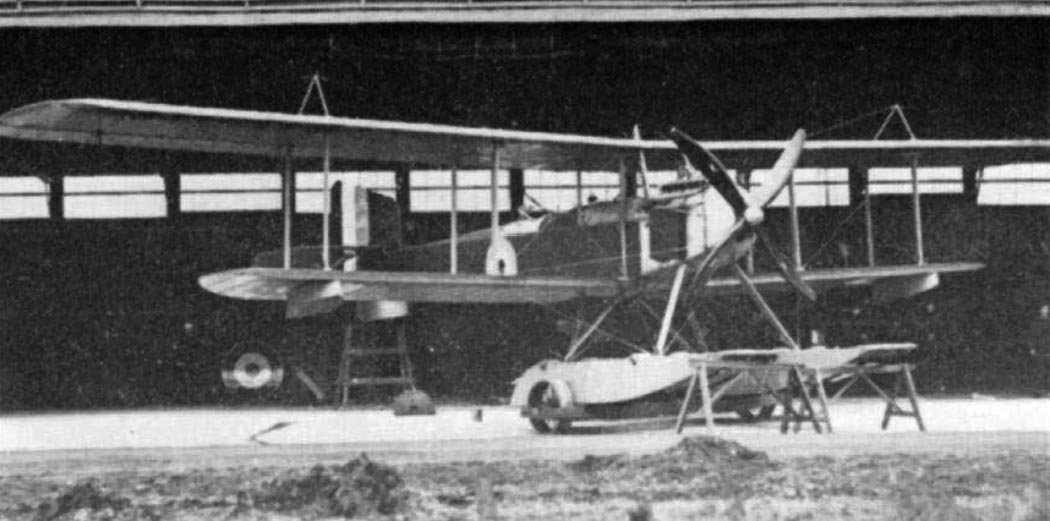 Campania |
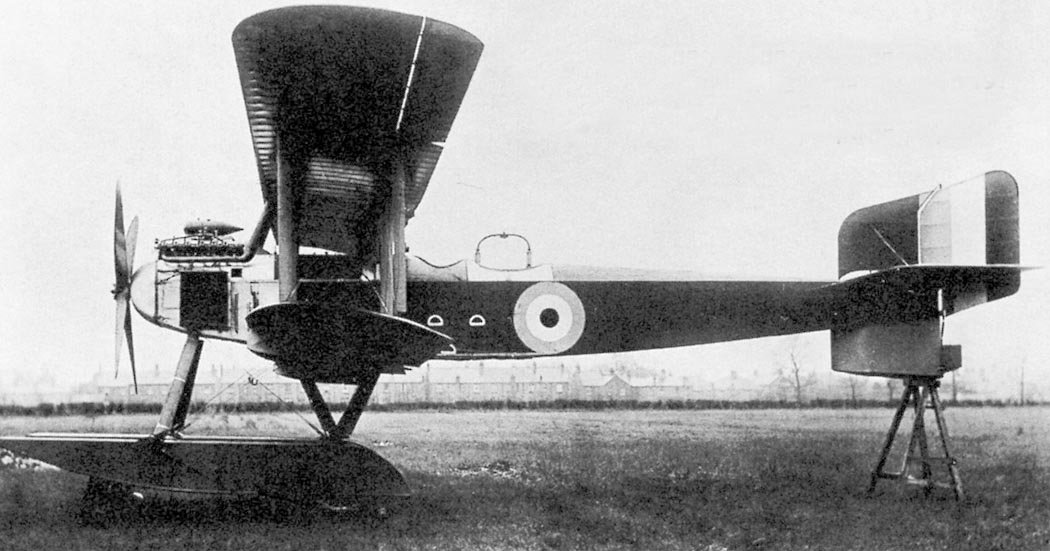 Campania |
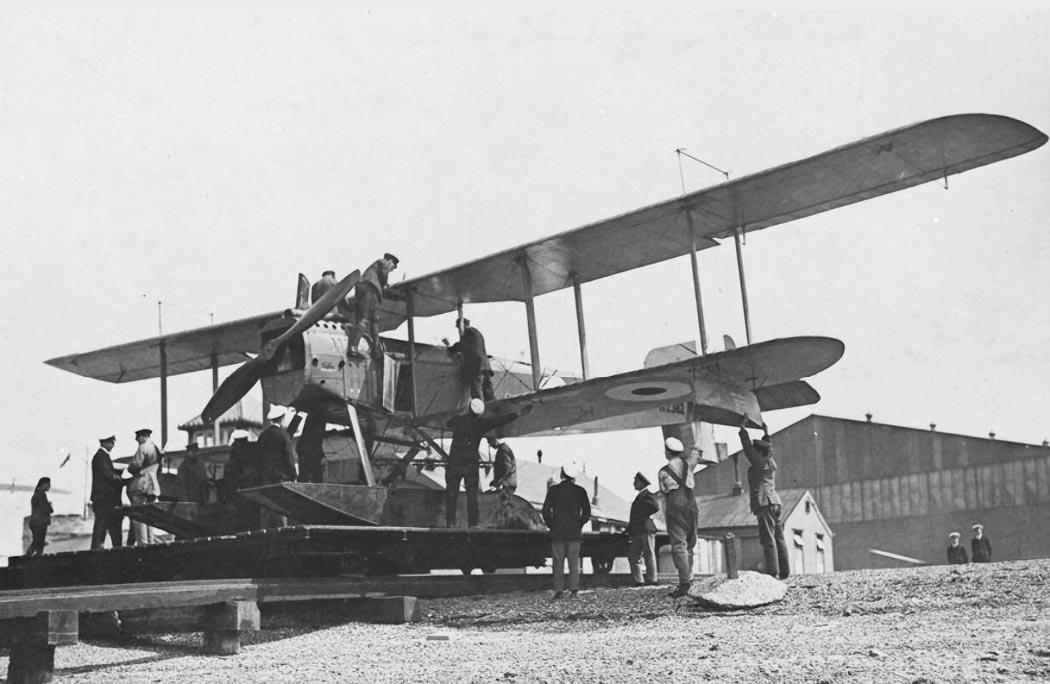 Campania |
 Campania |
 Campania |
 Campania |
 Campania |
 Campania |
 Campania |
 Campania |
 Campania |
 Campania |
 Campania |
 Campania |
 Campania |
 Campania |
 Campania |
 Campania |
 Campania |
 Campania |
 Campania |
 Campania |
 Campania |