
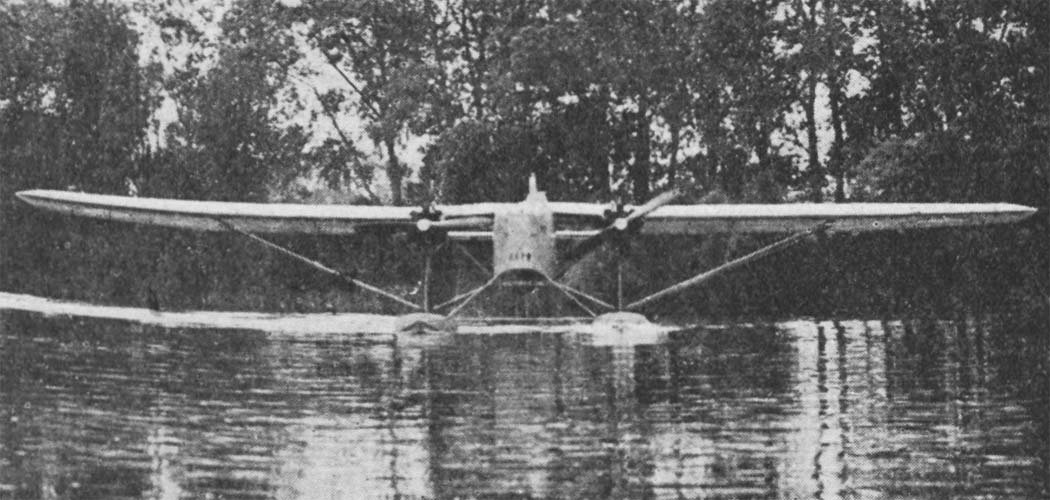
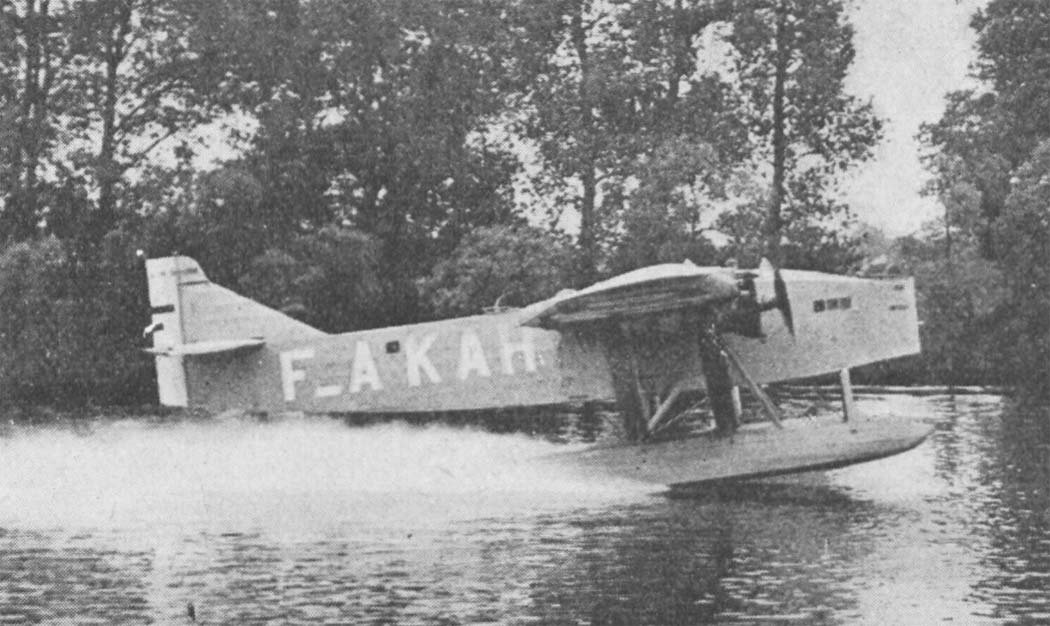
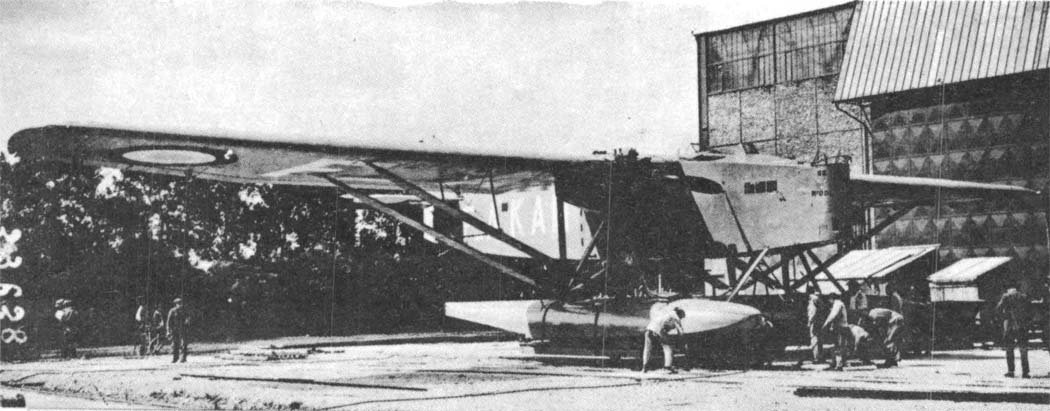
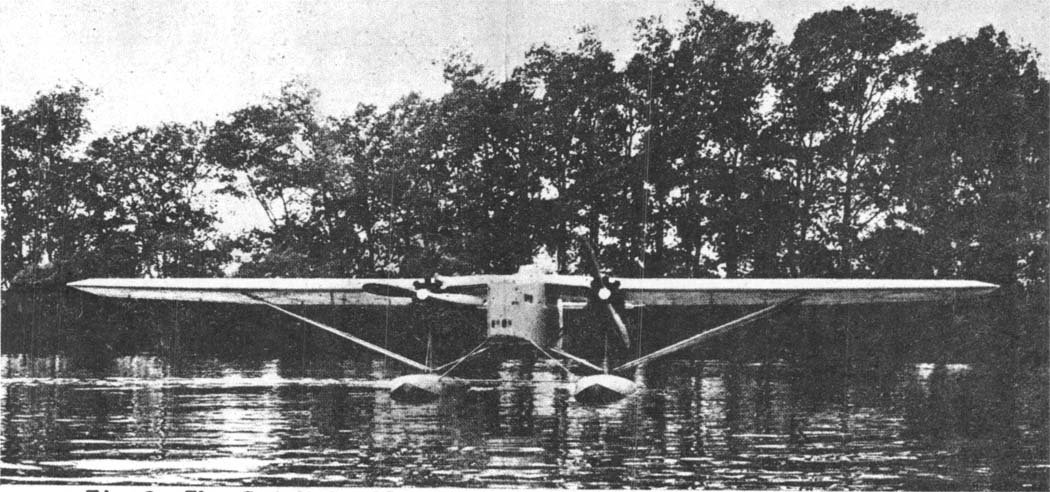
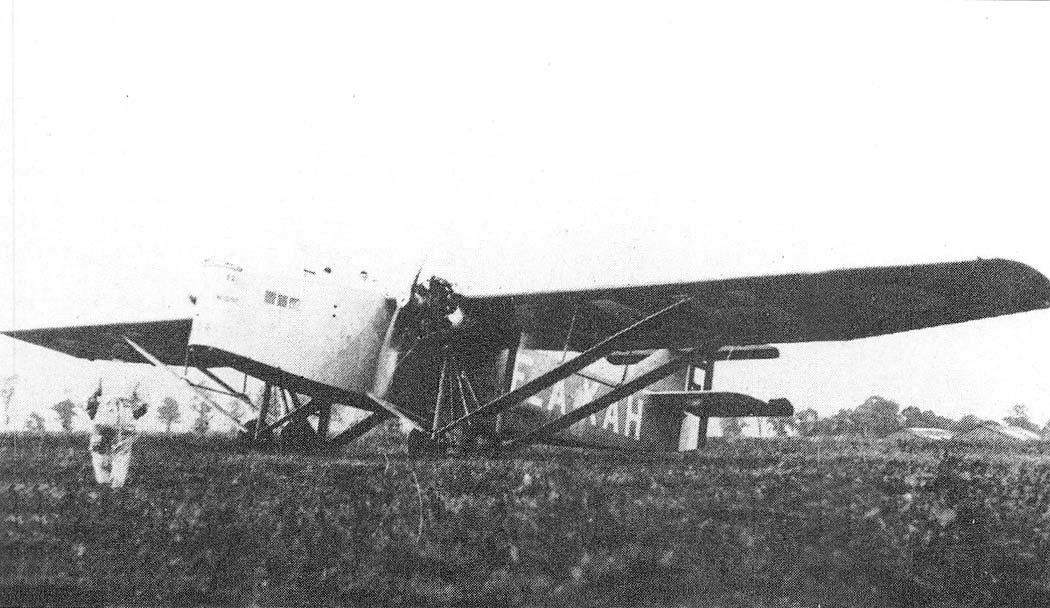
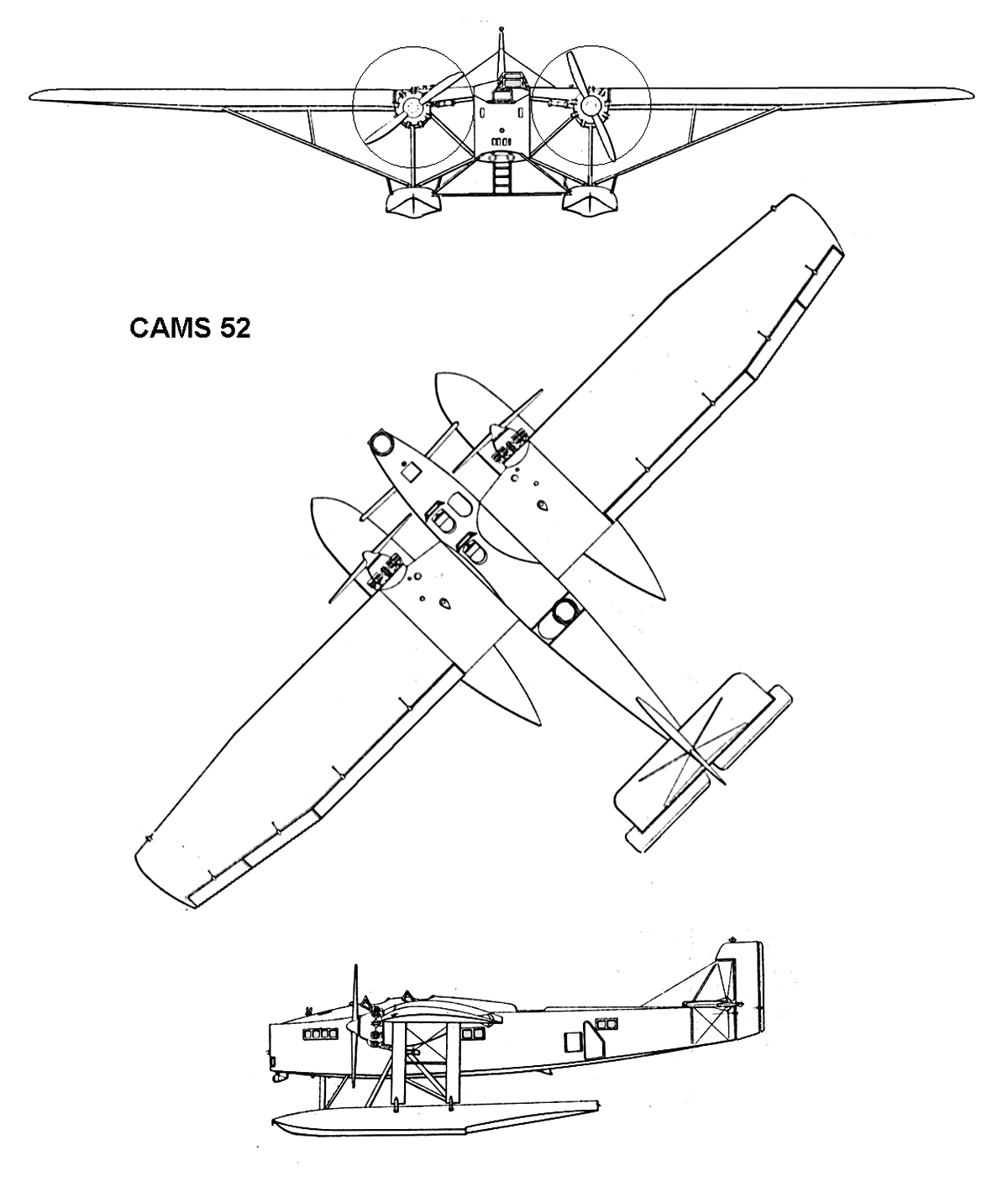
In 1928, Maurice Hurel developed an unusual project for the Chantiers Aeromaritimes de la Seine (CAMS) company: a floatplane bomber-torpedo bomber featuring a high-aspect-ratio wing. This new aircraft, designated CAMS 52, was an ambitious design for its era.
Design and Specifications
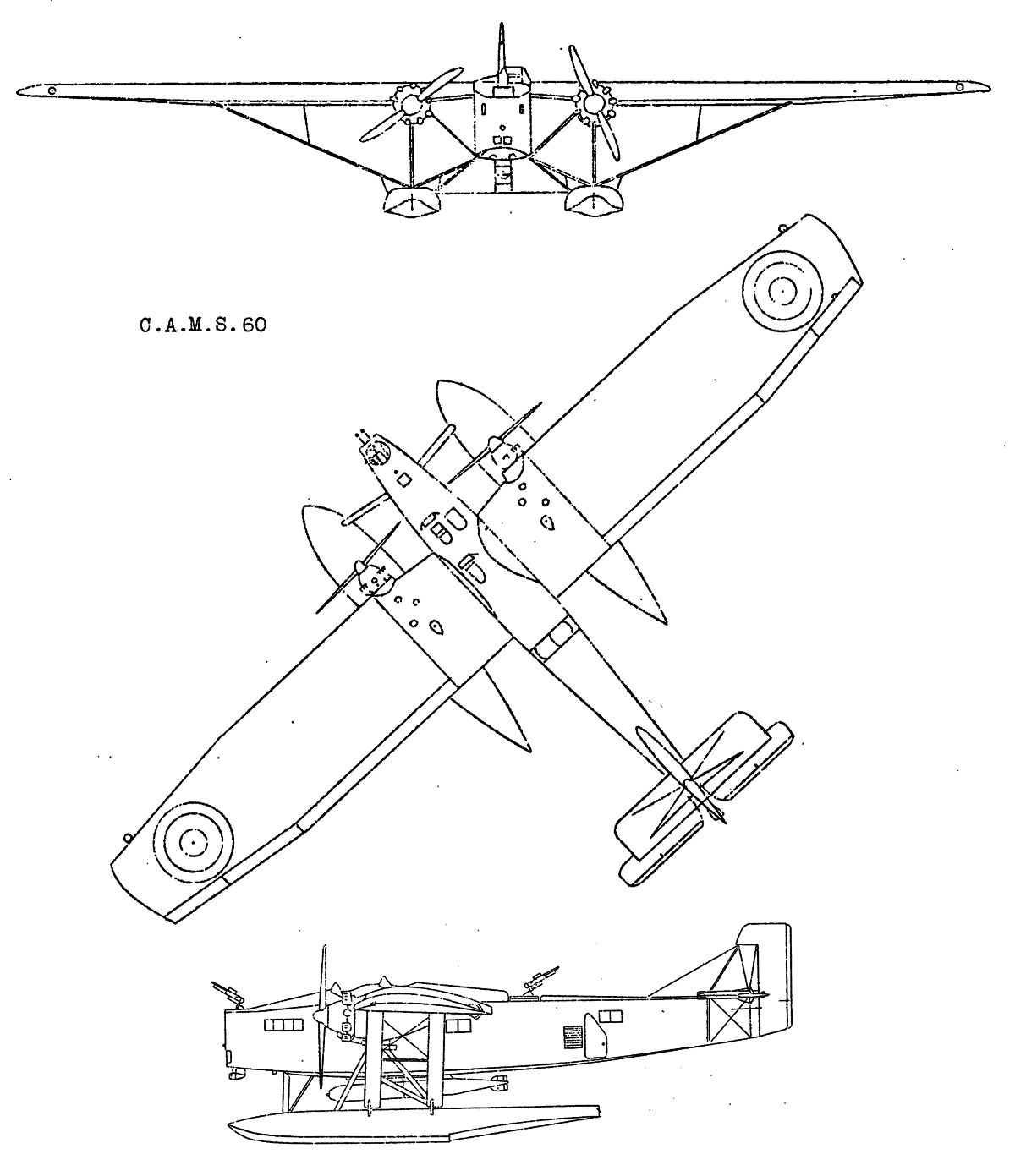
The CAMS 52 was powered by two Gnome & Rhone 9Akx engines, each producing 480 hp. Its armament consisted of two forward movable 7.7-mm Lewis machine guns, and one 7.5-mm Darne machine gun in both the aft and under-fuselage turrets.
Beyond its defensive armament, the aircraft boasted a substantial payload capacity. It could carry two DA torpedoes, weighing 670 kg each, or bombs with a total mass of up to 1640 kg. It was planned that serial production aircraft would be designated CAMS 60.
Flight Trials and Outcome
The prototype’s first flight occurred in June 1930. After its registration (F-AKAH) was completed, the aircraft was handed over to the fleet for comparative trials. These tests were conducted alongside aircraft from the Lioré et Olivier and Farman companies.
As anticipated, the seasoned competitors won the tender. The CAMS 52 thus remained a single, unsuccessful prototype and did not proceed to serial production.
Technical Specifications
| Modification | CAMS 52 |
| Wingspan, m | 30.36 |
| Length, m | 16.00 |
| Height, m | 4.90 |
| Wing area, m2 | 120.00 |
| Empty weight | 4400 |
| Maximum takeoff weight | 7618 |
| Engine type | 2 Piston engine Gnome & Rhone 9Akx |
| Power, hp | 2 x 480 |
| Maximum speed, km/h | 200 |
| Cruising speed, km/h | 170 |
| Practical range, km | 1400 |
| Service ceiling, m | 5000 |
| Crew | 5 crew |
| Payload | two 7.7-mm Lewis machine guns, two 7.5-mm Darne machine guns, two 670-kg torpedoes or 1640 kg of bombs |
Image and diagram gallery of the CAMS 52
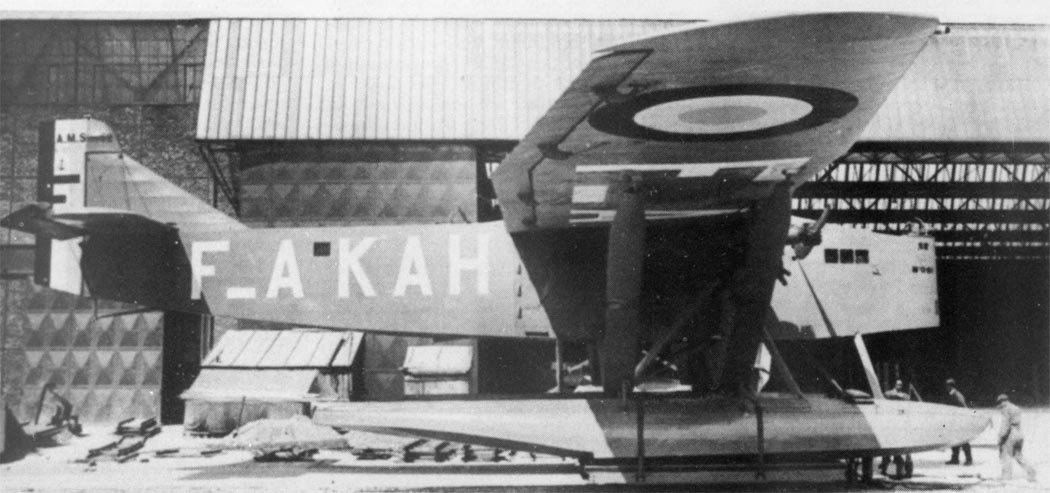 CAMS 52 |
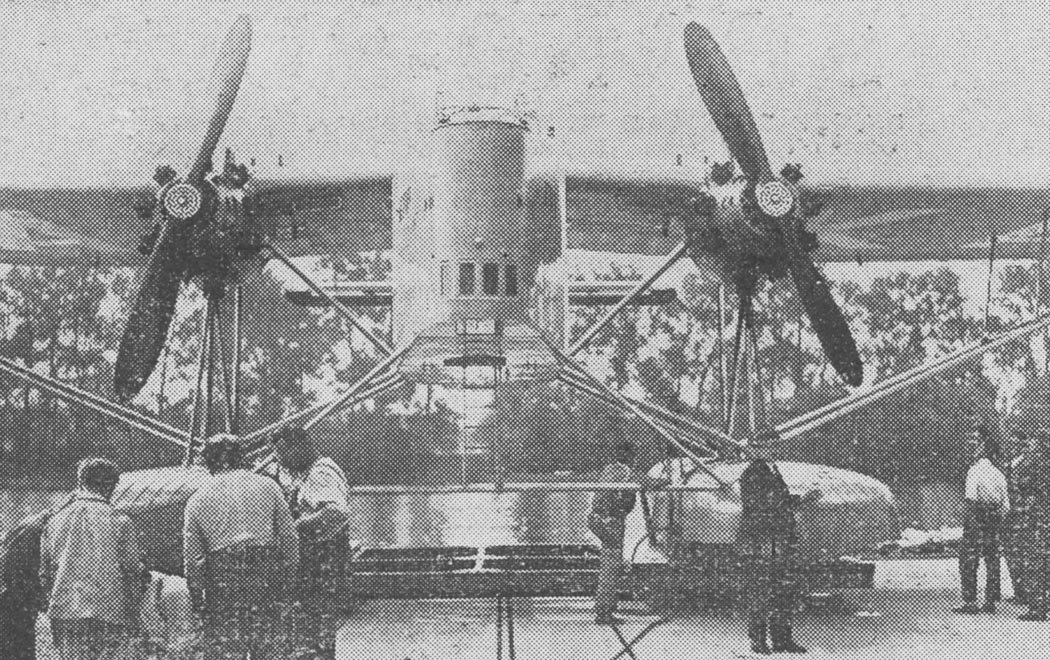 CAMS 52 |
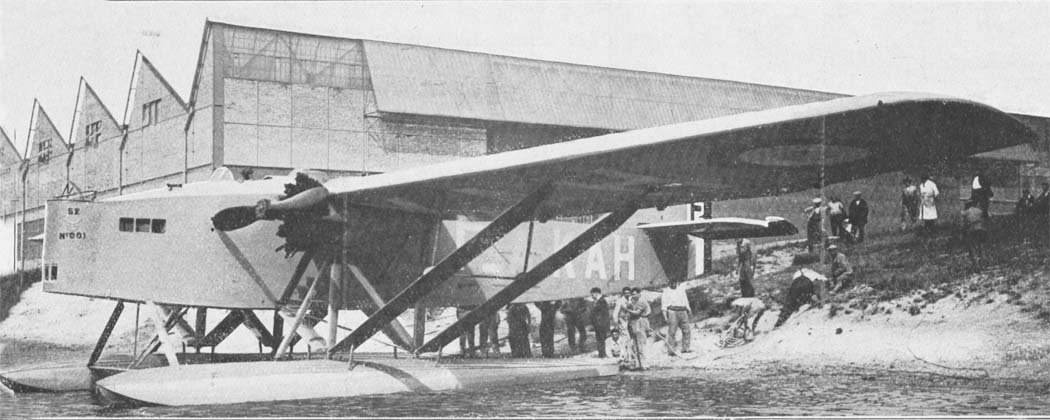 CAMS 52 |
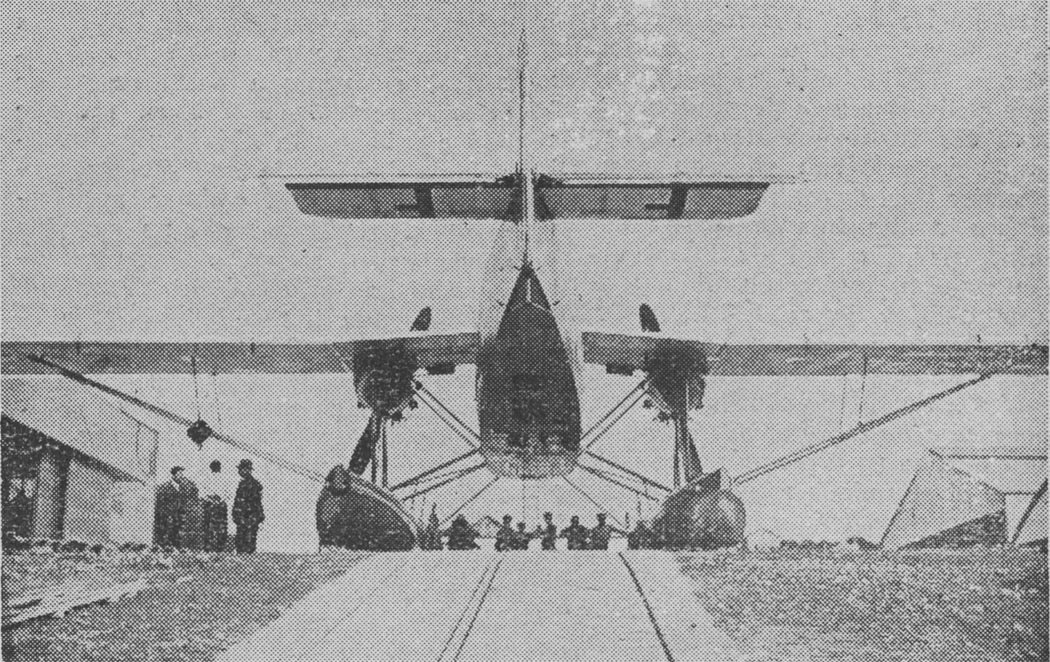 CAMS 52 |
 CAMS 52 |
 CAMS 52 |
 CAMS 52 |
 CAMS 52 |
 CAMS 52 |
 CAMS 52 |
 CAMS 52 |