
Origins and Development
In an attempt to secure a contract from the Navy, the firm Chantiers Aeromaritimes de la Seine (CAMS) developed a project in 1929 for a light, multi-purpose flying boat intended for cruisers. This ambitious project was prepared by a group of designers led by Maurice Hurel, aiming to innovate naval aviation of the era.
The prototype of this aircraft, designated as the CAMS 90, was completed in 1930. The following year, in 1931, it made its first flight, a significant milestone for the company. However, its future in the military domain remained uncertain.
Military Evaluation and Civil Re-purposing
In 1932, the CAMS 90 was transferred to the Saint-Raphaël research center for extensive testing. Unfortunately, the military rejected the aircraft due to its insufficient flight characteristics, deeming it unsuitable for naval requirements. Following this decision, the prototype was returned to the CAMS firm.
Despite the military setback, the CAMS 90 found a new purpose. The following year, it received civil registration under the number F-AMDY. For several years, this aircraft was utilized for transport tasks, specifically delivering spare parts between Paris and Berre, proving its utility in a different role.
Technical Specifications
| Modification | CAMS 90 |
| Wingspan, m | 13. 00 |
| Length, m | 9. 07 |
| Height, m | 3.59 |
| Wing area, m2 | 41.98 |
| Empty weight | 1095 |
| Maximum takeoff weight | 1600 |
| Engine type | 1 Piston engine Lorraine 7Me Mizar |
| Power, hp | 1 x 24 0 |
| Maximum speed, km/h | 186 |
| Cruising speed, km/h | 155 |
| Practical range, km | 440 |
| Practical ceiling, m | 5700 |
| Crew, crew members | 3 |
Image and diagram gallery of the CAMS 90
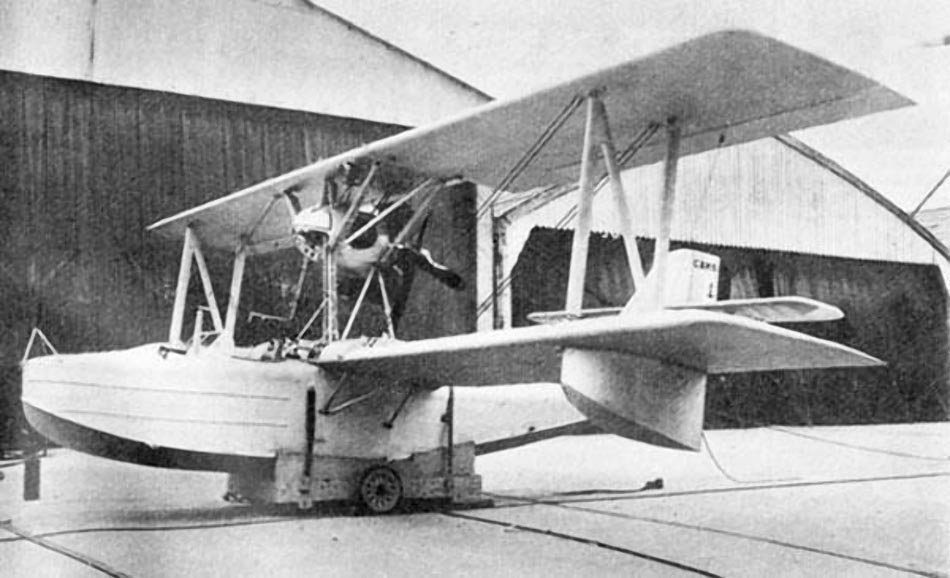 CAMS 90 |
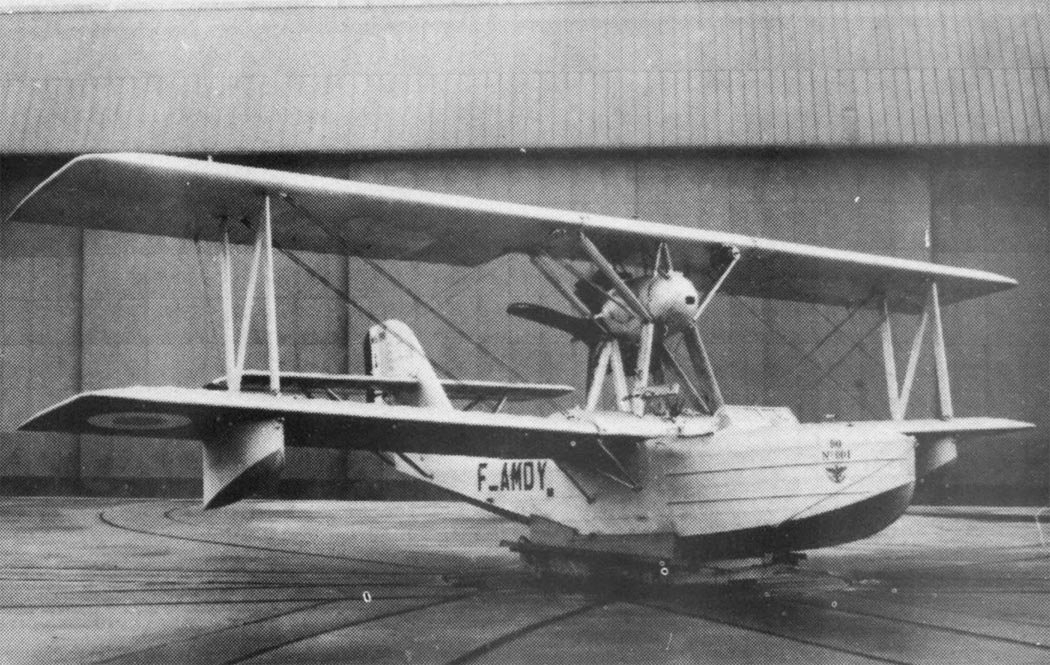 CAMS 90 |
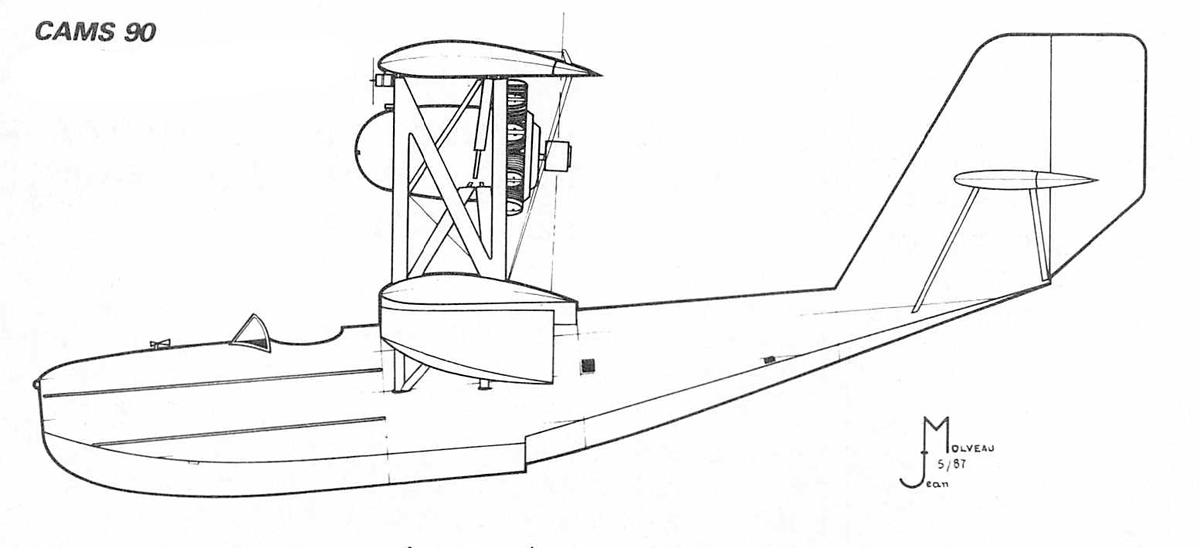 CAMS 90 |